
- Chinese
- French
- German
- Portuguese
- Spanish
- Russian
- Japanese
- Korean
- Arabic
- Irish
- Greek
- Turkish
- Italian
- Danish
- Romanian
- Indonesian
- Czech
- Afrikaans
- Swedish
- Polish
- Basque
- Catalan
- Esperanto
- Hindi
- Lao
- Albanian
- Amharic
- Armenian
- Azerbaijani
- Belarusian
- Bengali
- Bosnian
- Bulgarian
- Cebuano
- Chichewa
- Corsican
- Croatian
- Dutch
- Estonian
- Filipino
- Finnish
- Frisian
- Galician
- Georgian
- Gujarati
- Haitian
- Hausa
- Hawaiian
- Hebrew
- Hmong
- Hungarian
- Icelandic
- Igbo
- Javanese
- Kannada
- Kazakh
- Khmer
- Kurdish
- Kyrgyz
- Latin
- Latvian
- Lithuanian
- Luxembou..
- Macedonian
- Malagasy
- Malay
- Malayalam
- Maltese
- Maori
- Marathi
- Mongolian
- Burmese
- Nepali
- Norwegian
- Pashto
- Persian
- Punjabi
- Serbian
- Sesotho
- Sinhala
- Slovak
- Slovenian
- Somali
- Samoan
- Scots Gaelic
- Shona
- Sindhi
- Sundanese
- Swahili
- Tajik
- Tamil
- Telugu
- Thai
- Ukrainian
- Urdu
- Uzbek
- Vietnamese
- Welsh
- Xhosa
- Yiddish
- Yoruba
- Zulu
- Kinyarwanda
- Tatar
- Oriya
- Turkmen
- Uyghur


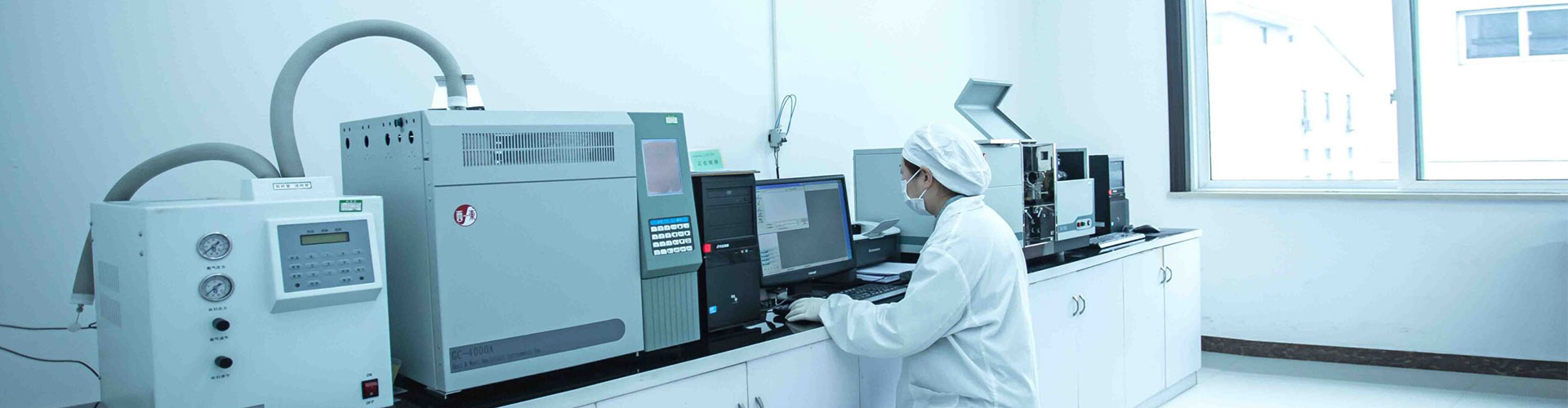
semi automatic capsule filler
The Realities of Working with a Semi Automatic Capsule Filler
In the pharmaceutical world, the semi automatic capsule filler often gets misunderstood. It's neither a relic nor a novelty—it's a tool of efficiency for many companies, including those of us at Suqian Kelaiya Corp. Let's set the record straight on what these machines truly offer, alongside some pitfalls you might not expect until you're hands-on.
Understanding the Basics
When we first think about a semi automatic capsule filler, a common misconception is that it lacks sophistication or speed compared to full automation. That's not entirely fair. What I've found is that these machines offer a balance between manual precision and automated efficiency. They aren't just a step in the process; they're an integral part of how we maintain quality control without sacrificing productivity.
At Suqian Kelaiya Corp., where our focus is on new drug development and manufacturing, these fillers have proven themselves quite versatile. They handle diverse types of capsules, from gelatin to vegetarian, without requiring extensive recalibration—a feature particularly valued in dynamic production environments.
One feature that stands out is its precision. While not entirely taking over human roles, it minimizes human error. This is particularly crucial in pharmaceutical manufacturing, where even minor deviations can lead to significant concerns down the line. It's all about reducing the margin for error, something a semi automatic capsule filler is well-designed to address.
The Setup Phase
Owning a semi automatic capsule filler isn't just plug-and-play. Initial setup demands attention, patience, and a bit of expertise. It's all about understanding your machine's nuances. The first time I set one up, I experienced a few hiccups—mostly timing issues with synchronization. It’s something that gets better with experience, like tuning an instrument.
Another thing to keep in mind—the machine’s maintenance schedule. Regular cleaning and parts checks are non-negotiable. These machines might be robust, but ignoring basic maintenance can lead to serious downtime. The adage prevention is better than cure holds very true here.
Calibration is also a noteworthy point. Even semi automatic machines require accurate setup for each run, to ensure proper filling with no spills. It's meticulous work, but it pays off when you see those perfectly filled capsules.
Efficiency in Production
Once configured, a semi automatic capsule filler integrates smoothly into production lines. At Suqian Kelaiya Corp., we’ve found it to be indispensable when switching between small batch productions—something many overlook. The flexibility it offers is unmatched compared to fully automatic systems, which often require extended switching times between capsule sizes or content types.
There's no denying the manual aspect can slow down production slightly, but that's counteracted by the machine’s adaptability and precision. For smaller batches or diverse production needs, this is where semi automatics shine. They offer just enough speed while allowing human oversight—not a bad trade-off if you ask me.
In our facilities in Zhejiang and Jiangsu, the machines consistently perform without hiccups, thanks, in part, to dedicated teams who manage them. It’s teamwork with technology that makes it efficient.
Potential Pitfalls
No piece of machinery is without its issues, and the semi automatic capsule filler is no exception. One might find that certain powders don’t flow as smoothly, causing jams. During one of our production runs, we learned this the hard way when attempting a filler loaded with a particularly hygroscopic powder. The lesson? Always test new materials thoroughly before running a full batch.
Worker training is another challenge. Properly operating a semi automatic capsule filler requires understanding not just of the machine but of the materials and environmental conditions. It’s a steep learning curve, however, workable with well-structured training programs.
Sometimes, staff turnover leads to gaps in knowledge transfer, affecting production quality. It's why we invest heavily in training and have found success by pairing new operators with experienced ones to ensure seamless knowledge transfer.
The Future of Semi Automatic Fillers
The future for semi automatic capsule filler technology is promising. With advancements in material science and machine learning, we expect even greater integration of these machines in production lines. At Suqian Kelaiya Corp., we're keenly observing these trends and preparing to adapt as machines get smarter and more intuitive.
Technological improvements focused on enhancing filling accuracy and speed are already underway. It's an exciting time in pharmaceutical manufacturing, where the blend of tradition with innovation continuously redefines our benchmarks for success.
Ultimately, whether for a start-up or a seasoned company, understanding the practicalities of a semi automatic capsule filler can make a significant difference. It’s about leveraging what works best for your specific needs, and that’s where real industry experience becomes invaluable.
Related Products
Related Products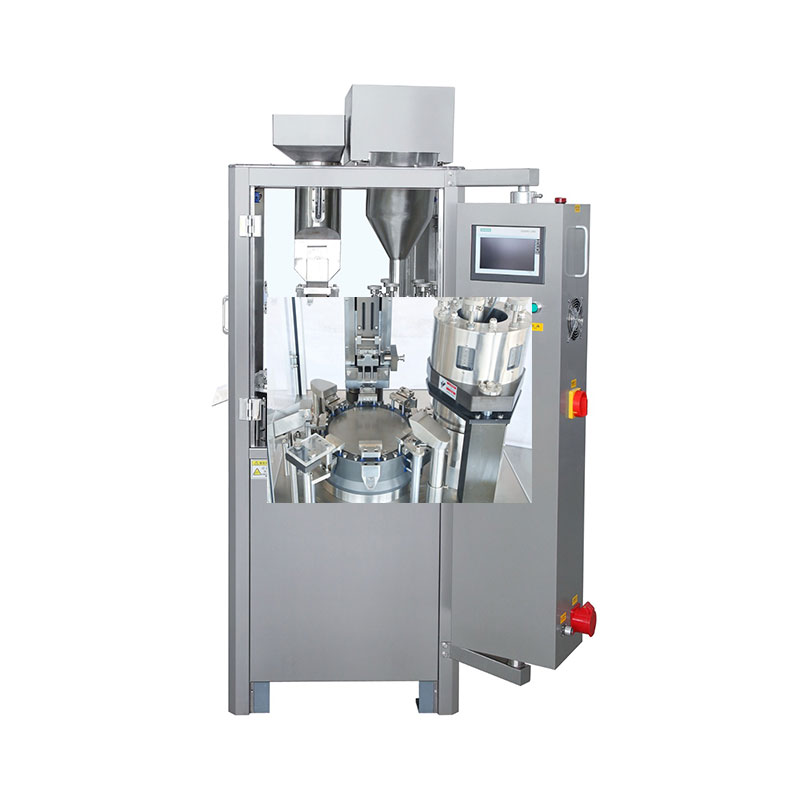
Best Selling Products
Best Selling Products-
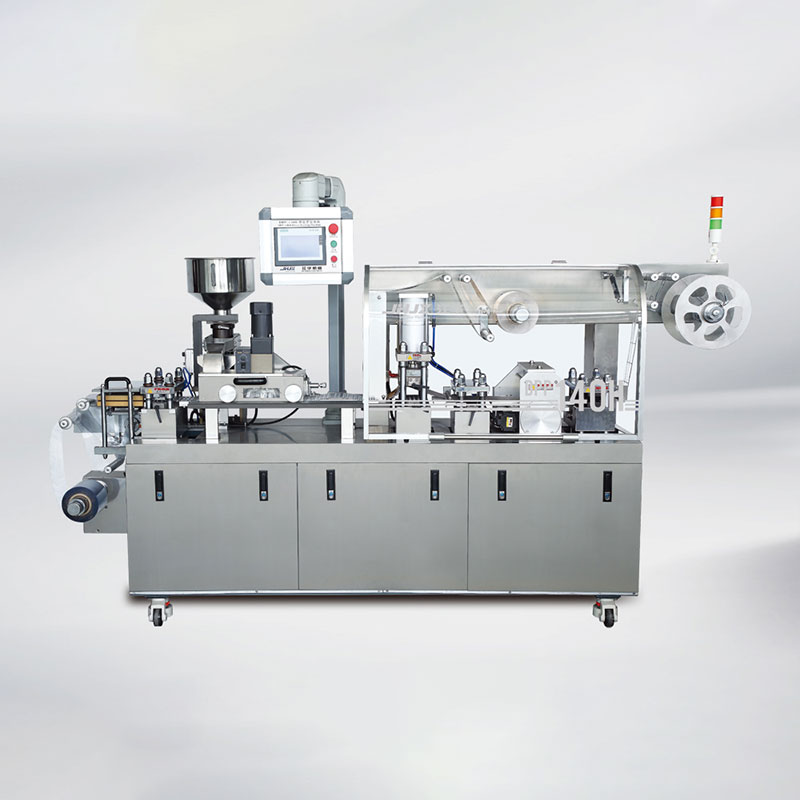 DPP-140H Flat-plate Blister Packing Machine
 -
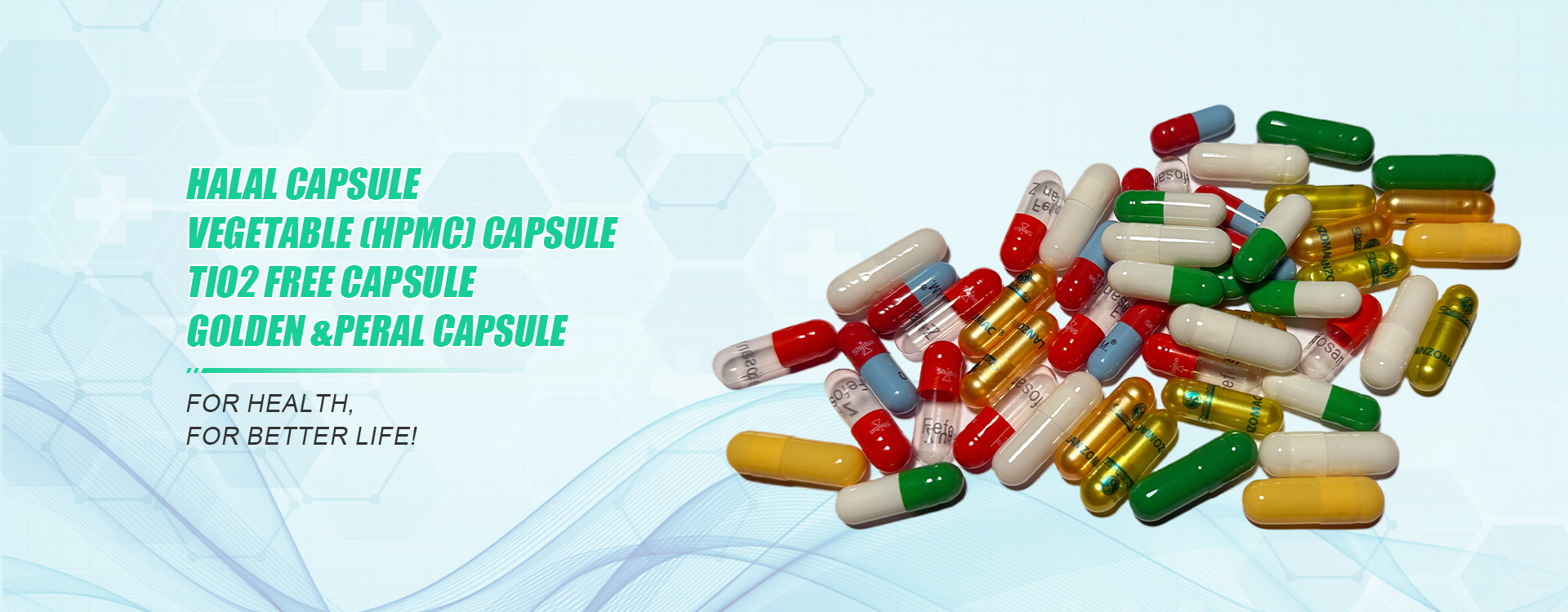
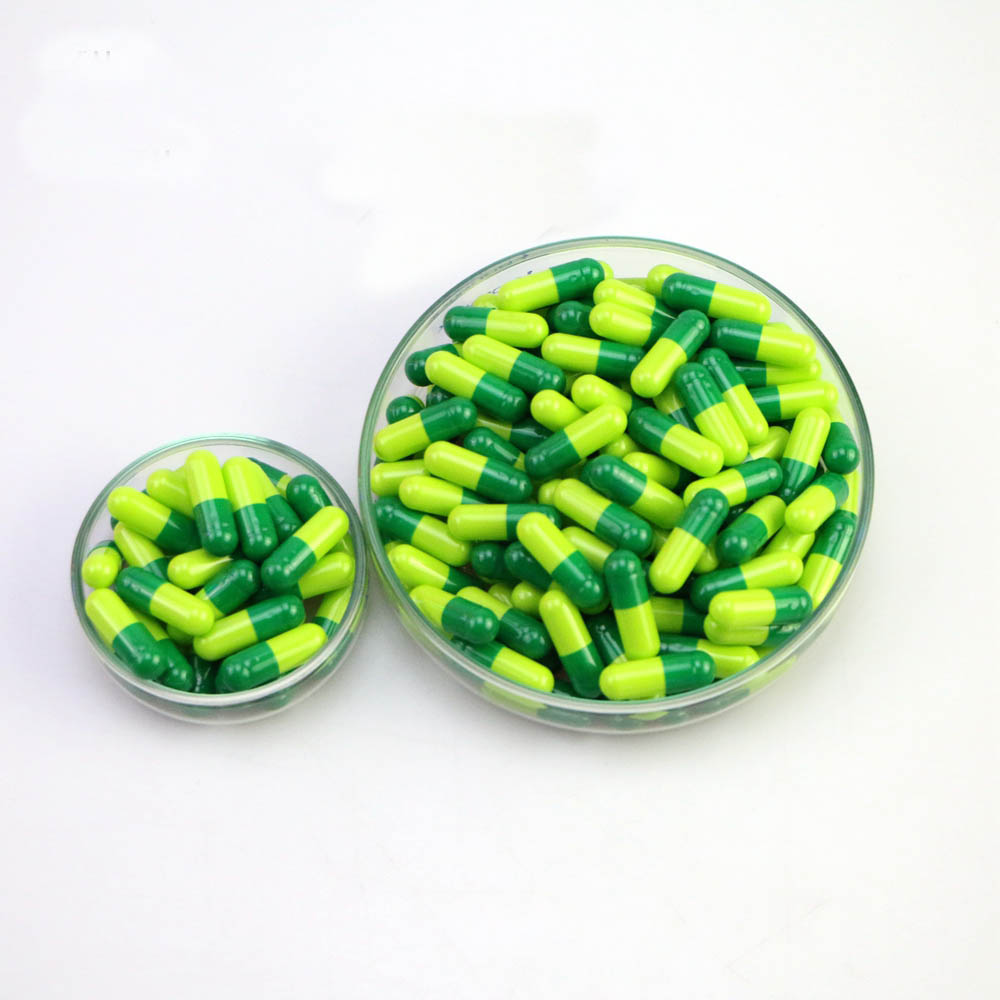 Halal empty hard geltin capsule
 -
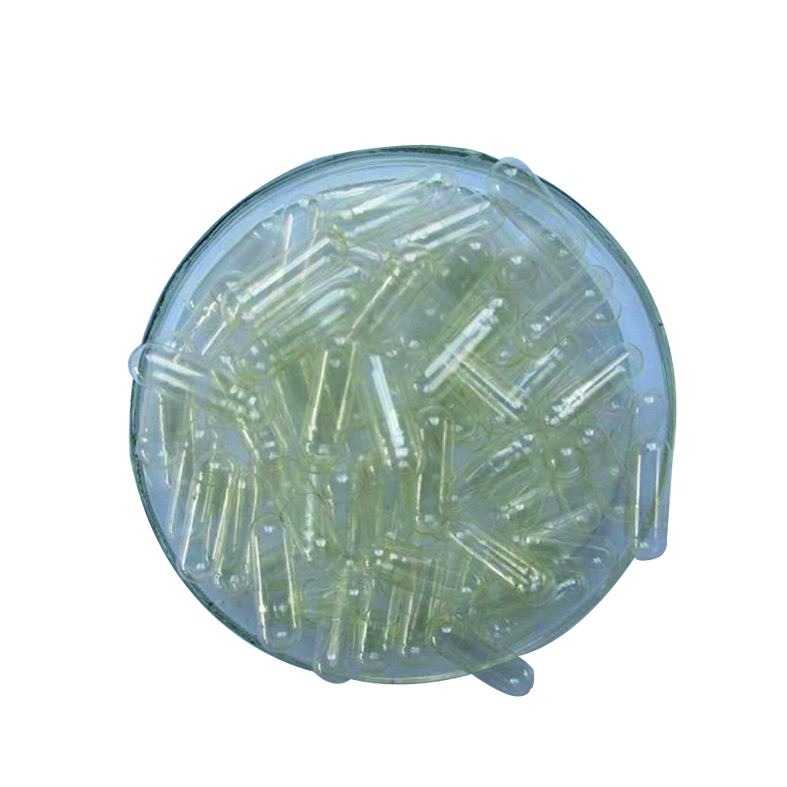
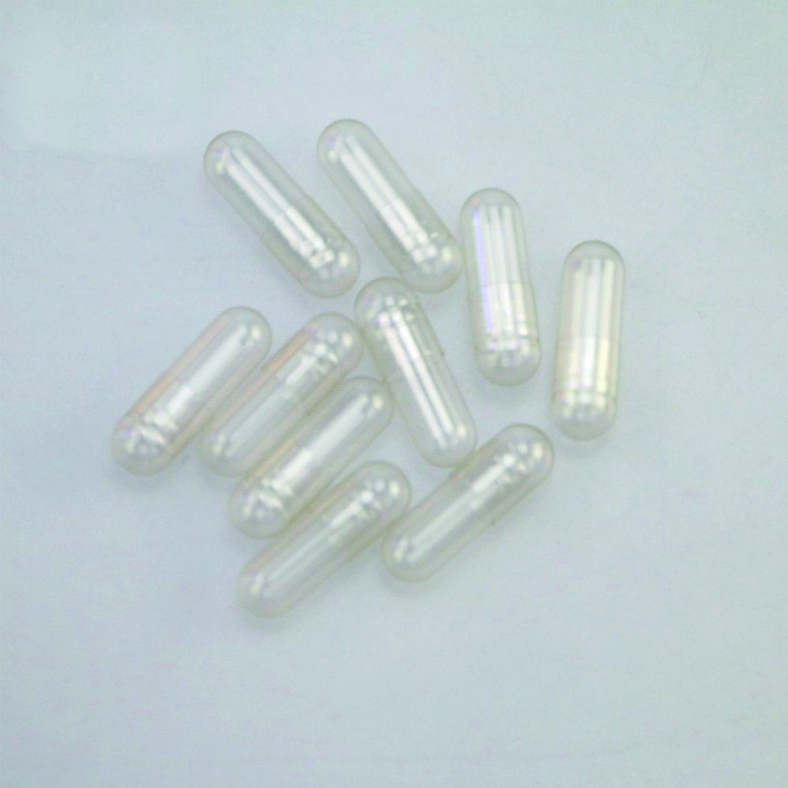 EMPTY HPMC CAPSULE SIZE 00 CLEAR
 -
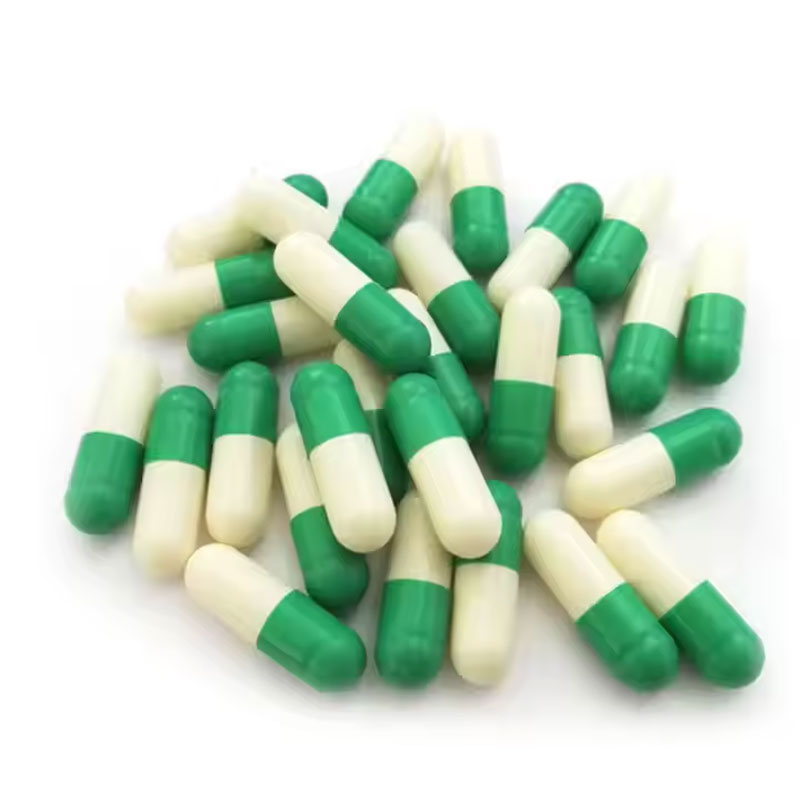 Size 00 hpmc capsules vegetarian capsules empty hard veggie capsules
 -
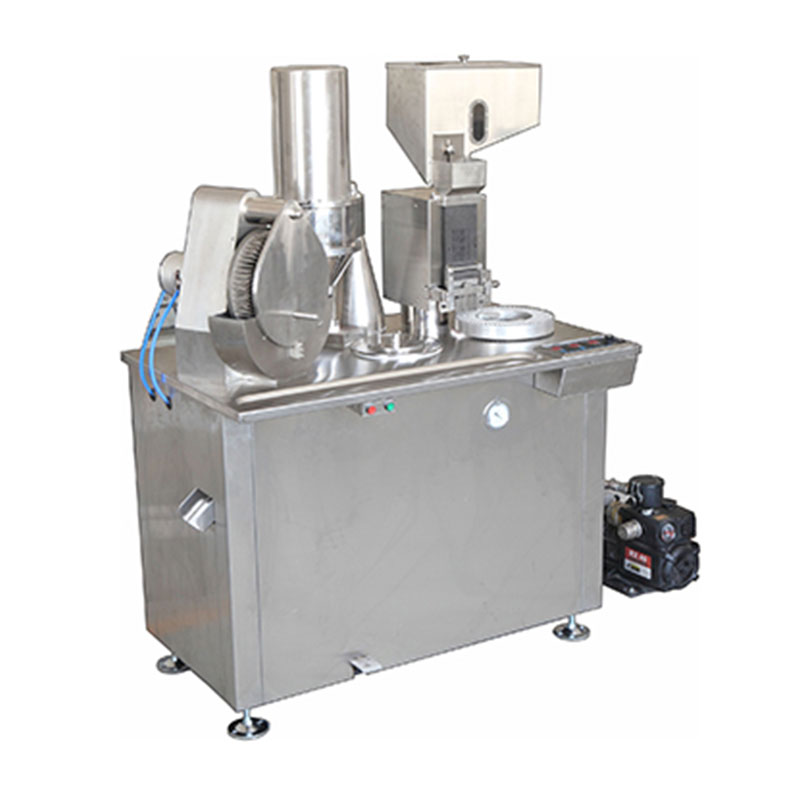 CGN208-D Newest Type Semi Automatic Capsule Filling Machine
 -
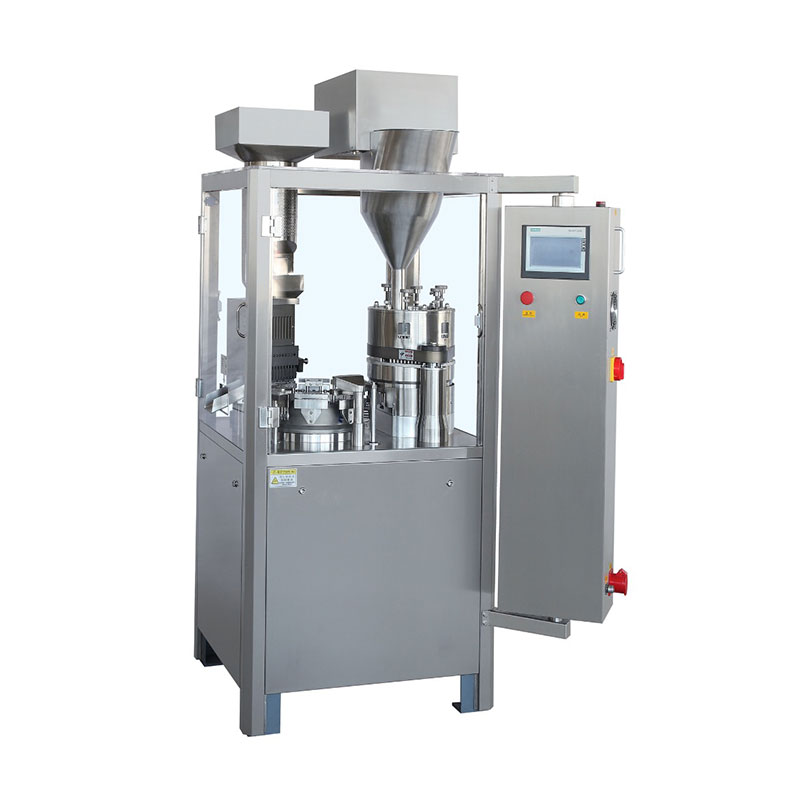 NJP-800 Automatic Capsule Filling Machine
 -
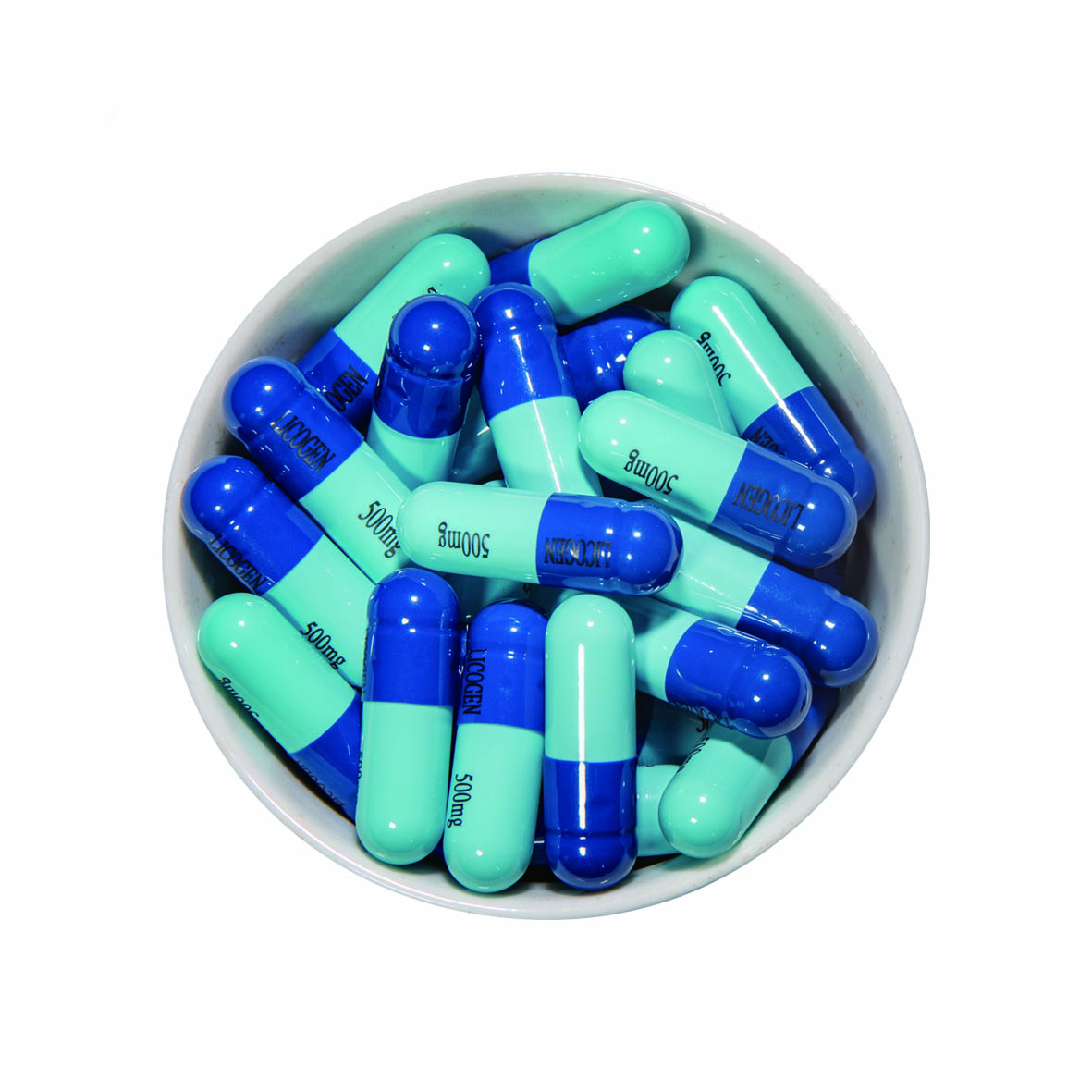 Hard Gelatin Empty Capsule Shell Size 00 0 1 2 3 4
 -
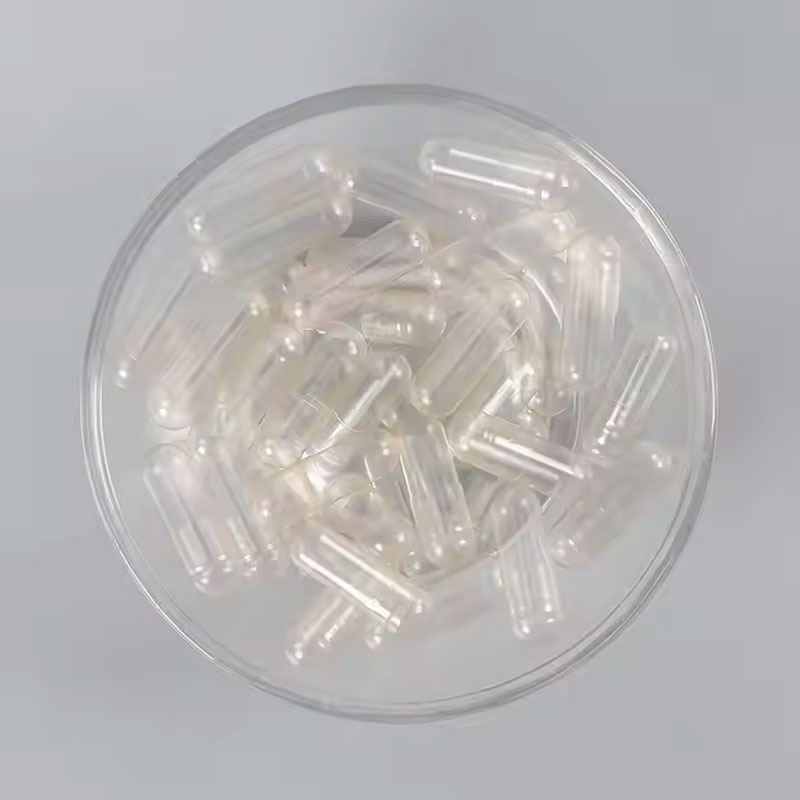 Hpmc Capsules Product Plant Vegetarian Size 00 0 Capsule Shell
 -
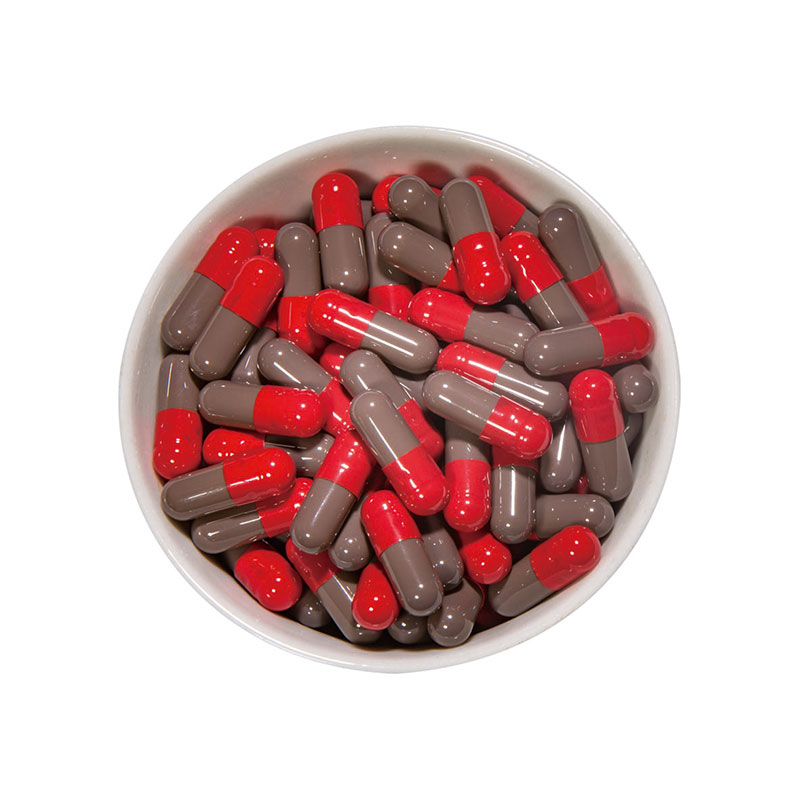 TIO2 free gelatin CAPSULE
 -
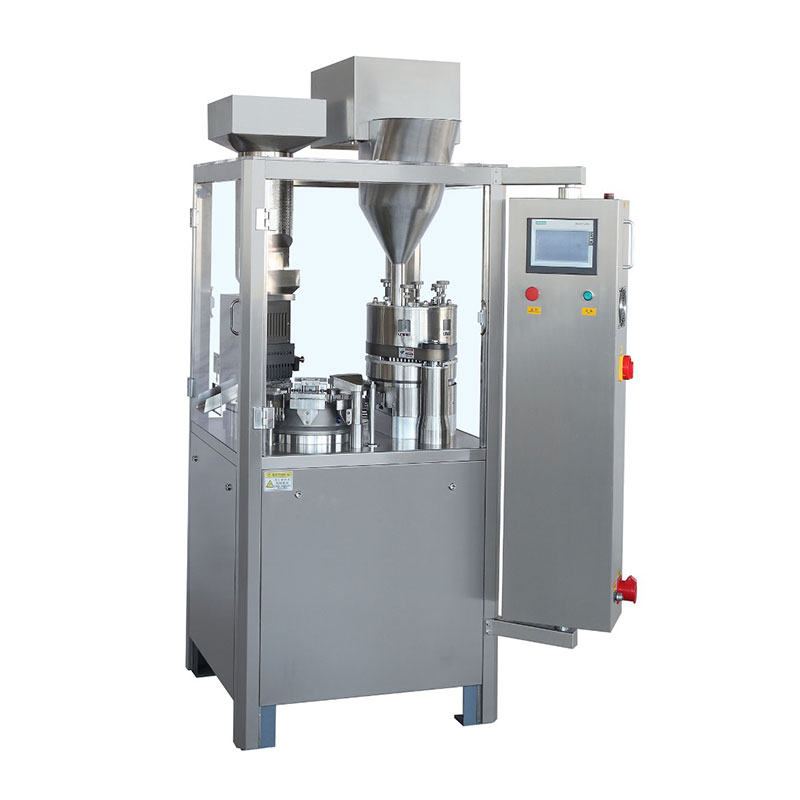 NJP-1200 Automatic Capsule Filling Machine
 -
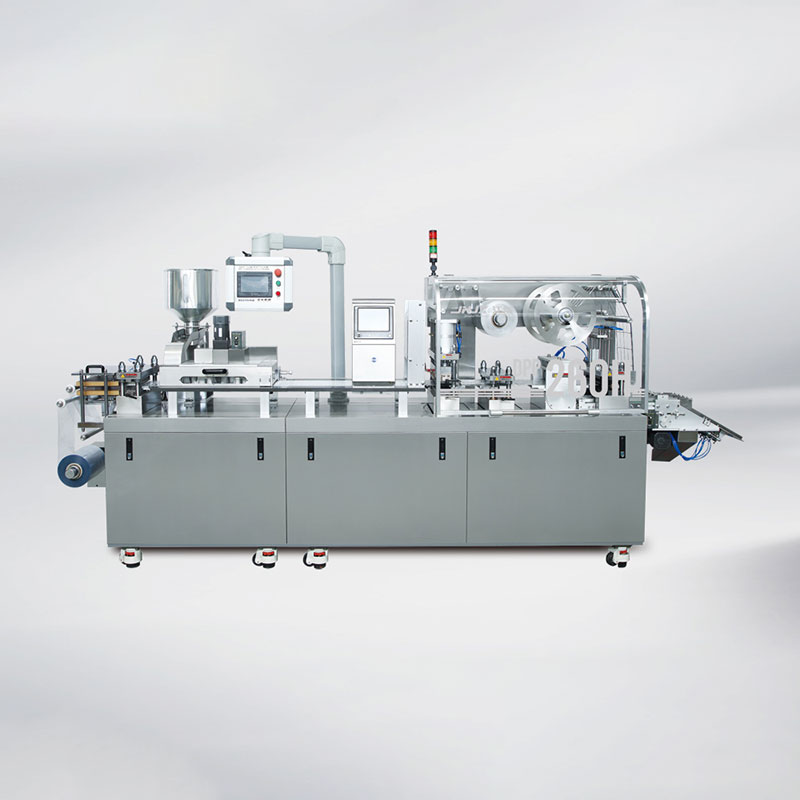 DPP-260H_DPP-320H Flat-plate Blister Packing Machine
 -
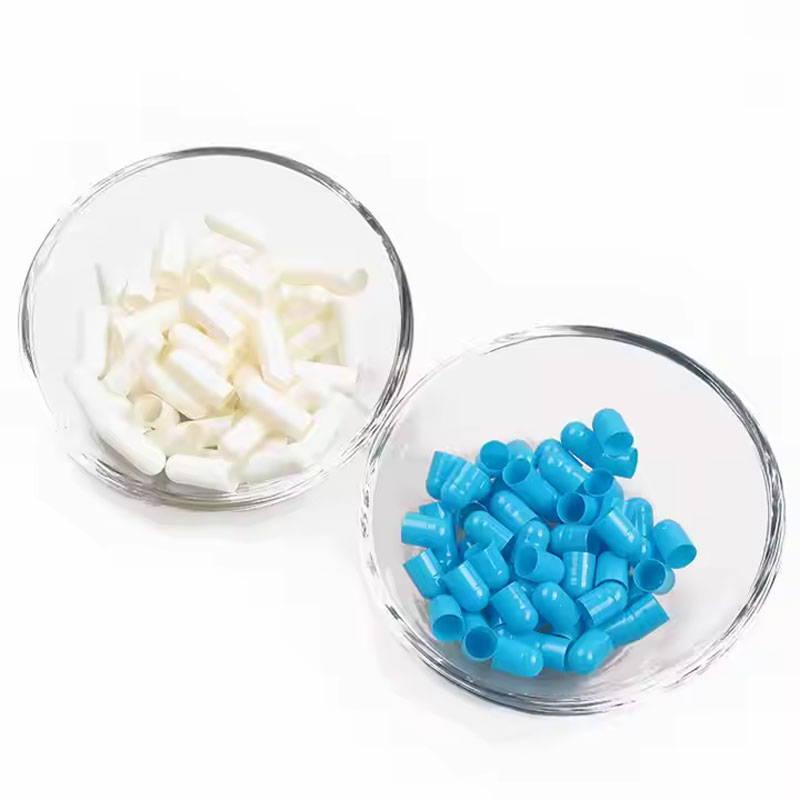 Empty VegCaps Shell Clear Empty Vegan Plant-Based Capsules Size 00 0 1 2 3 4 Natural Vegetable HPMC Capsules
Related Search
Related Search- empty 00 vegetable capsules
- OEM small automatic capsule filling machine
- capsule filling machine size 4
- Discount Empty Capsules for Powder
- Best capsule filling machine supplier
- Certificate Empty Gealtin Capusle
- Discount automatic capsule filling machine for sale
- DPP 260 Blister machine ALU/ALU
- Discount empty vegetarian capsules size 000
- Best capsule filling machine size 2