
- Chinese
- French
- German
- Portuguese
- Spanish
- Russian
- Japanese
- Korean
- Arabic
- Irish
- Greek
- Turkish
- Italian
- Danish
- Romanian
- Indonesian
- Czech
- Afrikaans
- Swedish
- Polish
- Basque
- Catalan
- Esperanto
- Hindi
- Lao
- Albanian
- Amharic
- Armenian
- Azerbaijani
- Belarusian
- Bengali
- Bosnian
- Bulgarian
- Cebuano
- Chichewa
- Corsican
- Croatian
- Dutch
- Estonian
- Filipino
- Finnish
- Frisian
- Galician
- Georgian
- Gujarati
- Haitian
- Hausa
- Hawaiian
- Hebrew
- Hmong
- Hungarian
- Icelandic
- Igbo
- Javanese
- Kannada
- Kazakh
- Khmer
- Kurdish
- Kyrgyz
- Latin
- Latvian
- Lithuanian
- Luxembou..
- Macedonian
- Malagasy
- Malay
- Malayalam
- Maltese
- Maori
- Marathi
- Mongolian
- Burmese
- Nepali
- Norwegian
- Pashto
- Persian
- Punjabi
- Serbian
- Sesotho
- Sinhala
- Slovak
- Slovenian
- Somali
- Samoan
- Scots Gaelic
- Shona
- Sindhi
- Sundanese
- Swahili
- Tajik
- Tamil
- Telugu
- Thai
- Ukrainian
- Urdu
- Uzbek
- Vietnamese
- Welsh
- Xhosa
- Yiddish
- Yoruba
- Zulu
- Kinyarwanda
- Tatar
- Oriya
- Turkmen
- Uyghur


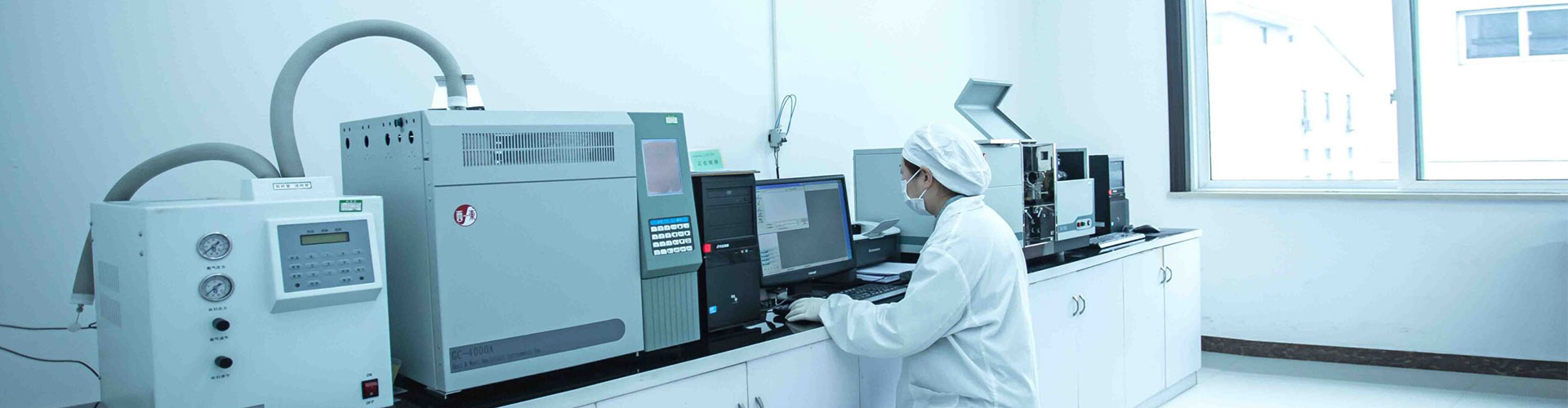
pill filling machine
Pill Filling Machines: An Insider's Perspective
When it comes to the world of pharmaceuticals, few machines garner as much quiet respect as the pill filling machine. It's a piece of equipment that's almost invisible in its efficiency, but absolutely crucial. Yet, there's a common misconception that all machines of this type are essentially identical. From someone who's spent years among these mechanical giants, I can assure you it's anything but straightforward.
Understanding the Basics
Let's start with the fundamentals. At its core, a pill filling machine is designed to automate the capsule filling process. This might sound simple, but the precision required is immense. Each capsule must be filled with the exact dosage, or we could end up with compromised medication efficacy or safety risks. The variety of machines available often reflects the diverse needs of pharmaceutical production—from small-scale operations to industrial giants.
In my early days at Suqian Kelaiya Corp., a specialized company known for its work in new drug development and machinery, I was surprised by just how complex these machines could be. The company, located with manufacturing sites in Zhejiang and Jiangsu provinces, integrates advanced technology into these devices, emphasizing customization and adaptability.
With such precision machinery, one cannot overstate the importance of regular maintenance and calibration. I remember a colleague once going through an entire batch of incorrect dosage caused by a minor miscalibration—an expensive lesson in diligence.
The Challenges in Operation
There’s a unique challenge when operating a pill filling machine, particularly when dealing with high-volume tasks. The transition from manual oversight to full automation can be daunting. Operators need to develop a nuanced understanding of both the machine's software and mechanical components. This duality is one reason why experience is so valued in this field.
I recall a training session where we witnessed a machine overspill—the capsules weren't sealing properly. The issue was traced back to a clogged part in the feeder section. It's these small details that can make or break efficiency and accuracy. Attention to such intricacies is a daily necessity.
Moreover, given the sheer speed of operations, there's little room for error. Machines can fill hundreds of capsules a minute, and even a short lapse can result in significant wastage. Training on simulators before working on the actual machines is a method some companies use to minimize these risks.
Technological Innovations
In recent years, advancements in technology have revolutionized the pill filling machine. Today, many machines offer smart technology that allows remote monitoring and control. This evolution is particularly embraced by companies like Suqian Kelaiya, where innovation drives operations.
Integrating IoT into machines means operators can receive real-time data on performance, efficiency, and even predictive maintenance alerts. This drastically reduces downtime and ensures higher production rates, a significant edge in competitive markets.
I've noticed that with these sophisticated systems, there is less need for constant manual oversight. However, this doesn’t diminish the need for skilled operators; rather, it shifts their role to focus on data analysis and strategic decision-making based on machine performance metrics.
Environmental Considerations
Environmental impact is an increasingly pressing issue in the manufacturing sector, including pill filling machines. At Suqian Kelaiya, we've seen a push towards more sustainable practices. This includes minimizing material wastage and optimizing energy consumption.
One practical step we've taken involves using biodegradable raw materials where possible, which helps lessen the carbon footprint. Some newer machines are even designed to operate on renewable energy sources.
Such changes aren't just about compliance with regulations—they're about corporate responsibility and long-term viability. Implementing environmentally friendly technologies can be financially beneficial in the long run thanks to reduced resource costs and improved public perception.
Future Trends
Looking forward, the evolution of the pill filling machine seems destined to continue. We're likely to see even greater adoption of AI, not just for efficiency, but for improving quality control. Imagine a world where machines self-correct in real-time to ensure 100% defect-free production.
At Suqian Kelaiya, we're preparing by investing in R&D, particularly in AI-driven quality assurance technologies. The goal is not just to keep up with industry trends but to set them. We aim to improve patient outcomes with our innovations—a mission that constantly drives our work.
The journey doesn't end here. Each day with these machines brings new challenges and learning opportunities. Yet, there's immense satisfaction in knowing that the work we do helps ensure medications are both safe and effective for those who need them most.
Related Products
Related Products
Best Selling Products
Best Selling Products-
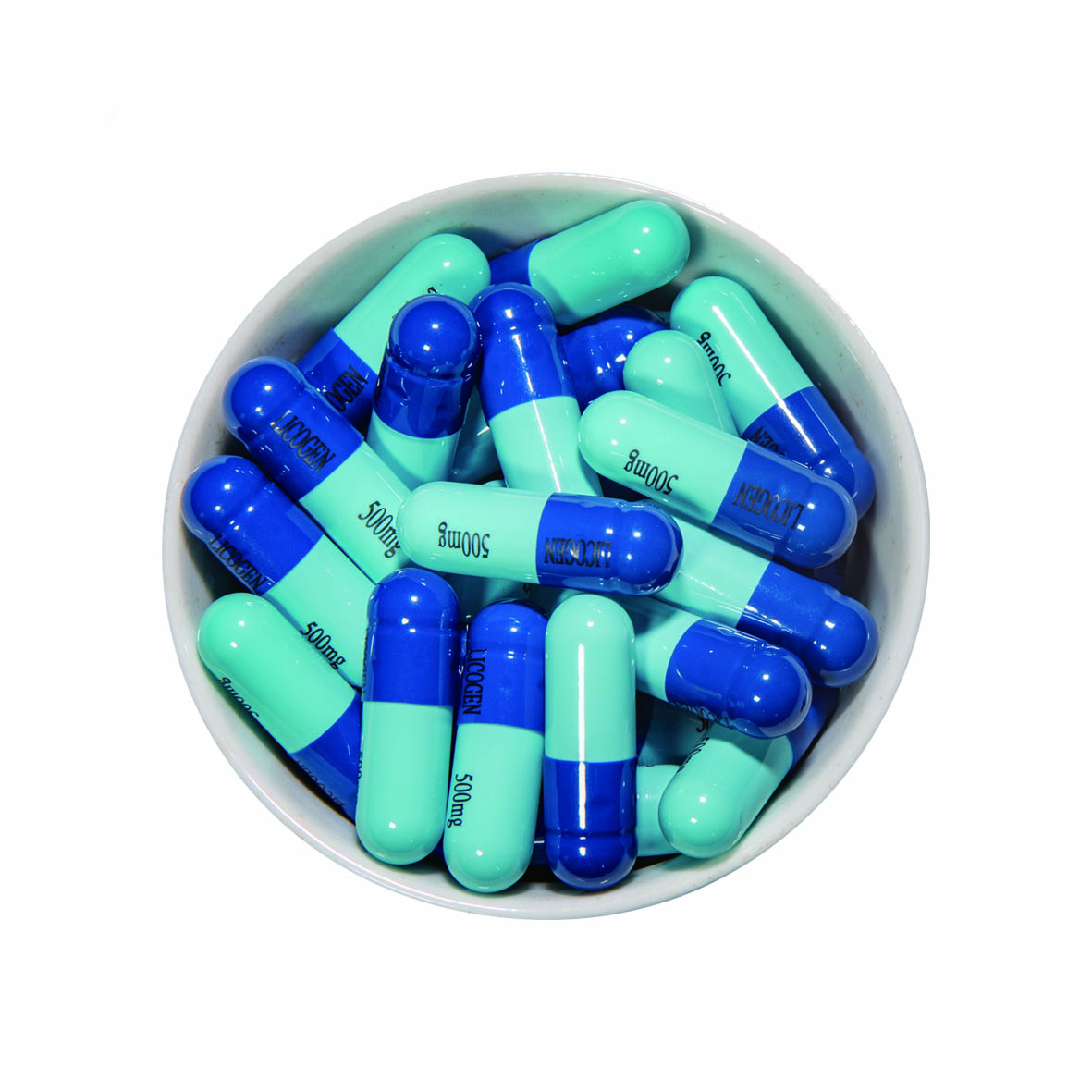 Hard Gelatin Empty Capsule Shell Size 00 0 1 2 3 4
 -
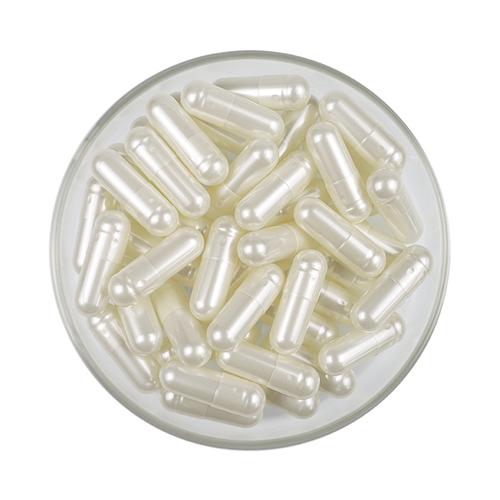 Golden_Pearl Hard Gelatin Capule
 -
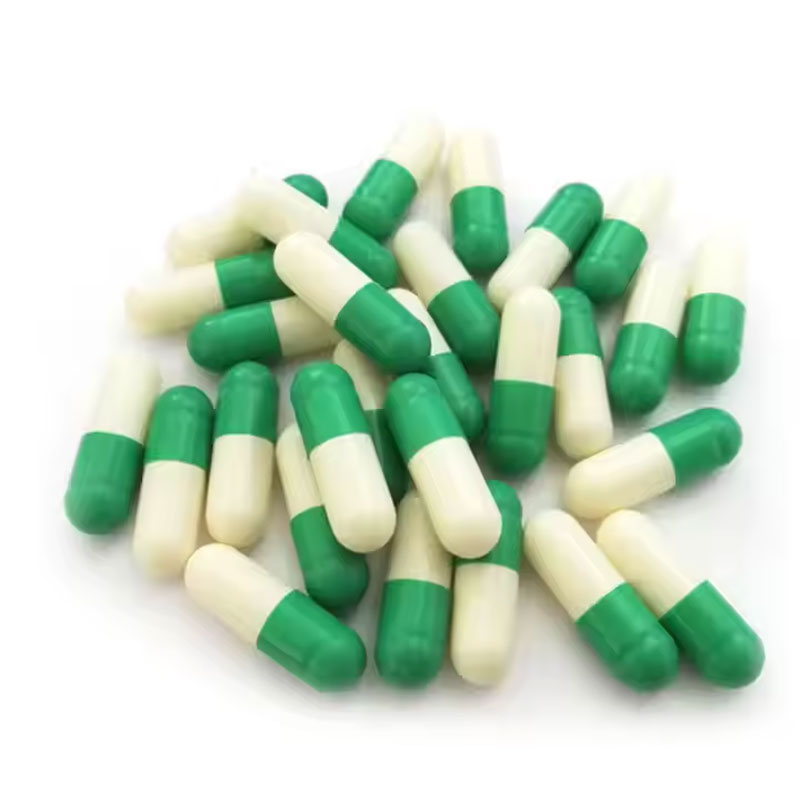 Size 00 hpmc capsules vegetarian capsules empty hard veggie capsules
 -
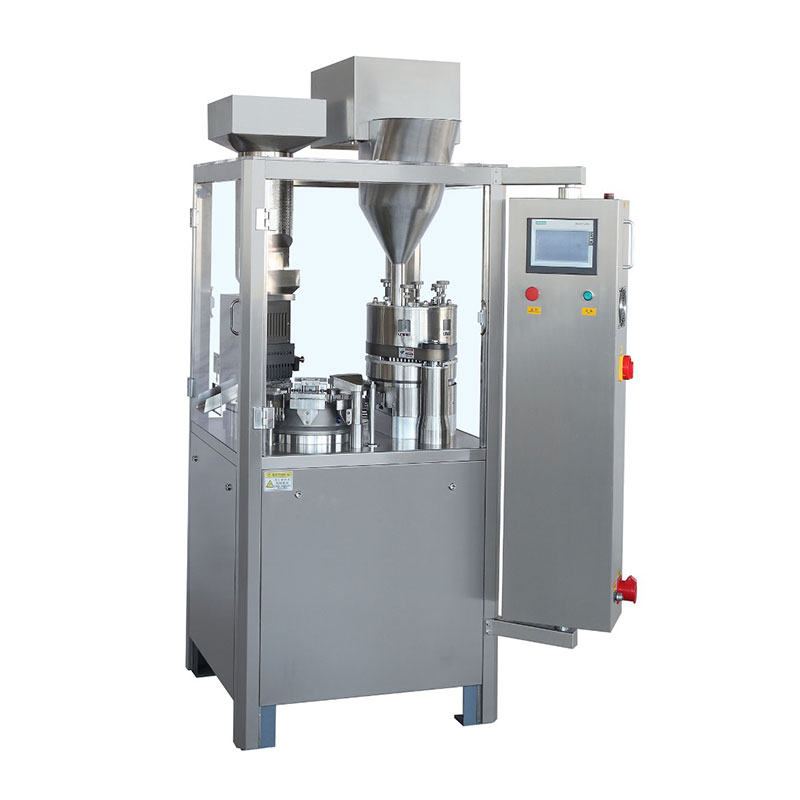 NJP-1200 Automatic Capsule Filling Machine
 -
 DPH-260L Roll-plate Blister Packaging Machine
 -
 EMPTY HPMC CAPSULE SIZE 00 CLEAR
 -
 DPP-260H_DPP-320H Flat-plate Blister Packing Machine
 -
 Halal Certificate Empty Clear Hard Gelatin Capsules Shell Size 0
 -
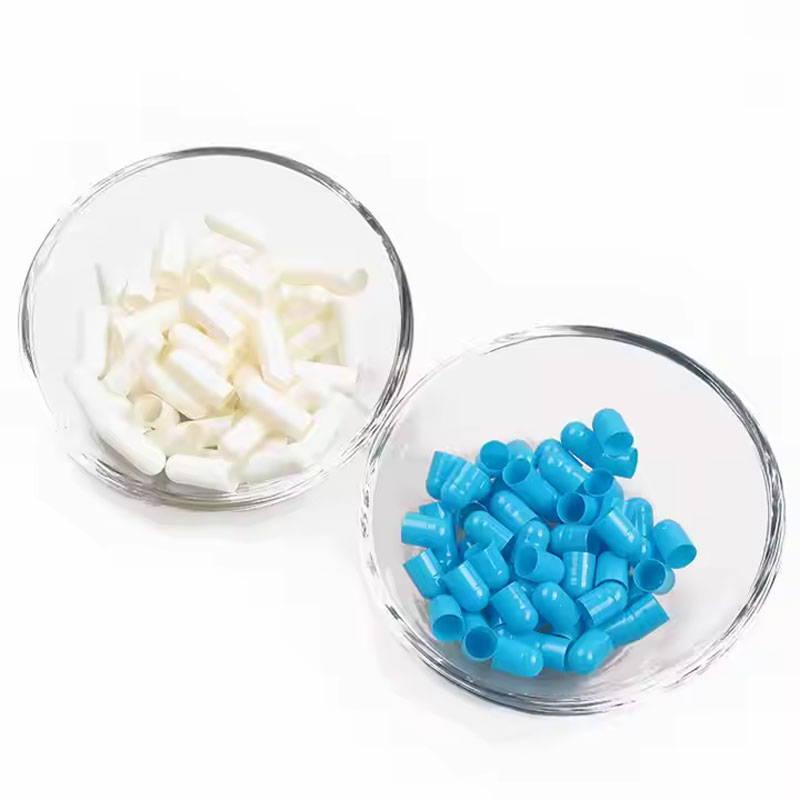 Empty VegCaps Shell Clear Empty Vegan Plant-Based Capsules Size 00 0 1 2 3 4 Natural Vegetable HPMC Capsules
 -
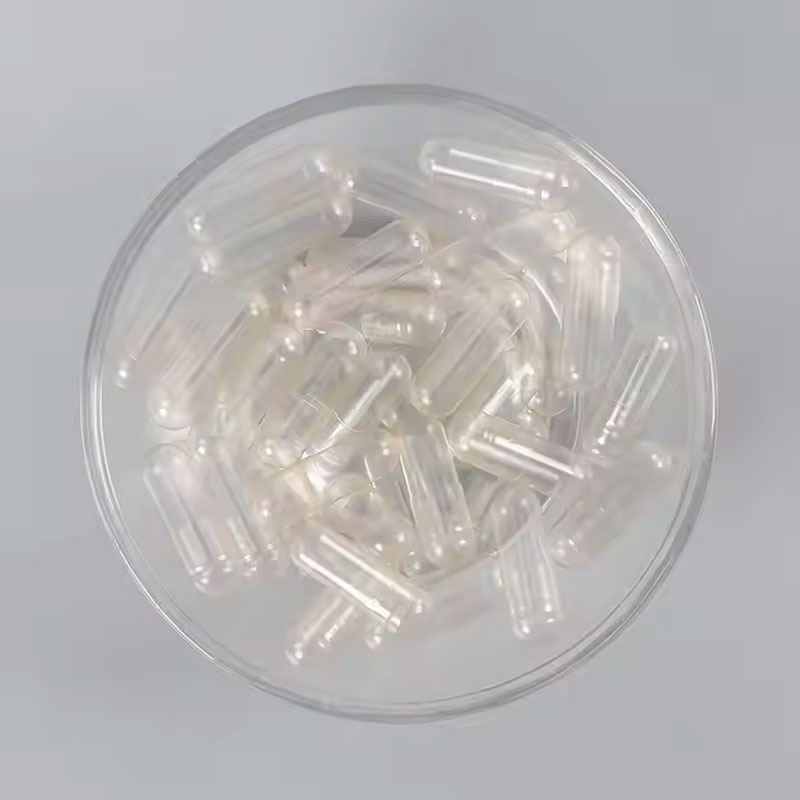 Hpmc Capsules Product Plant Vegetarian Size 00 0 Capsule Shell
 -
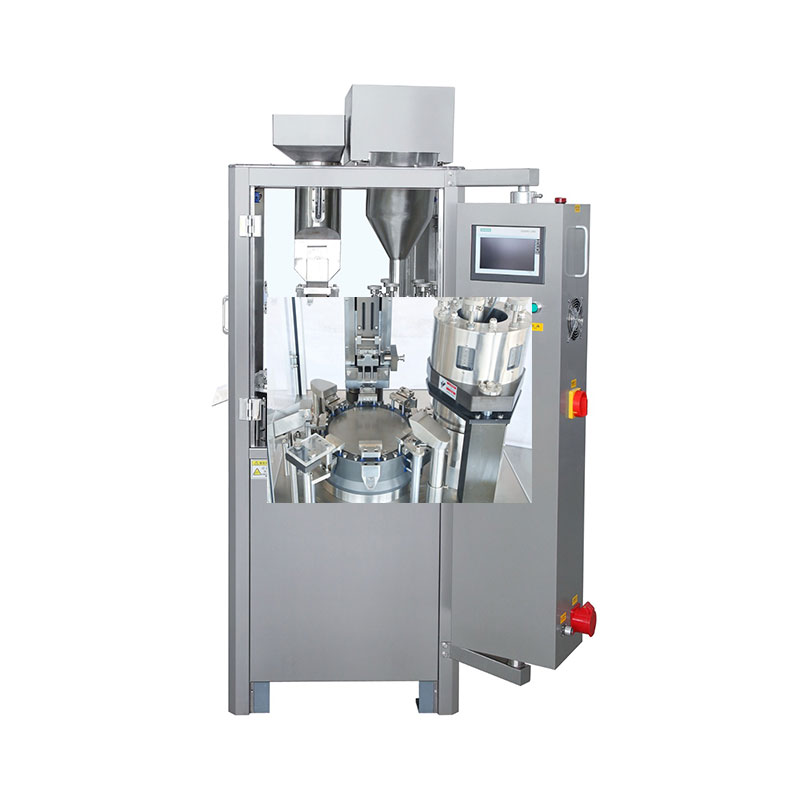 NJP-200 Model Fully Automatic Capsule Filling Machine
 -
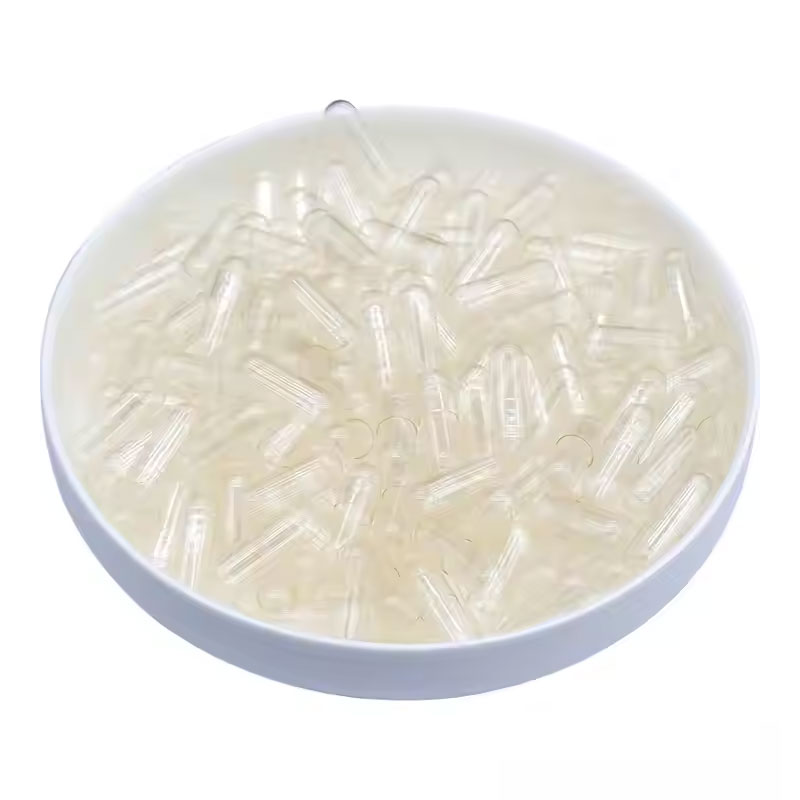 EMPTY VEGATABLE CAPSULE CLEAR SIZE 0
Related Search
Related Search- Certificate njp 400 capsule filling machine
- OEM empty capsule
- OEM njp capsule filling machine
- Best CLEAR HPMC CAPSULE
- high quality Pearl White Color Empty Capsules Size 00 0 Hard Gelatin Capsule
- high quality hard capsule filling machine
- Best capsule filler size 000
- Discount capsule machine filler size 00
- Certificate vegetable capsules sizes
- Best 00 vegetarian capsules wholesale