
- Chinese
- French
- German
- Portuguese
- Spanish
- Russian
- Japanese
- Korean
- Arabic
- Irish
- Greek
- Turkish
- Italian
- Danish
- Romanian
- Indonesian
- Czech
- Afrikaans
- Swedish
- Polish
- Basque
- Catalan
- Esperanto
- Hindi
- Lao
- Albanian
- Amharic
- Armenian
- Azerbaijani
- Belarusian
- Bengali
- Bosnian
- Bulgarian
- Cebuano
- Chichewa
- Corsican
- Croatian
- Dutch
- Estonian
- Filipino
- Finnish
- Frisian
- Galician
- Georgian
- Gujarati
- Haitian
- Hausa
- Hawaiian
- Hebrew
- Hmong
- Hungarian
- Icelandic
- Igbo
- Javanese
- Kannada
- Kazakh
- Khmer
- Kurdish
- Kyrgyz
- Latin
- Latvian
- Lithuanian
- Luxembou..
- Macedonian
- Malagasy
- Malay
- Malayalam
- Maltese
- Maori
- Marathi
- Mongolian
- Burmese
- Nepali
- Norwegian
- Pashto
- Persian
- Punjabi
- Serbian
- Sesotho
- Sinhala
- Slovak
- Slovenian
- Somali
- Samoan
- Scots Gaelic
- Shona
- Sindhi
- Sundanese
- Swahili
- Tajik
- Tamil
- Telugu
- Thai
- Ukrainian
- Urdu
- Uzbek
- Vietnamese
- Welsh
- Xhosa
- Yiddish
- Yoruba
- Zulu
- Kinyarwanda
- Tatar
- Oriya
- Turkmen
- Uyghur



OEM VEGETABLE CAPSULE
Understanding OEM Vegetable Capsules: Insights and Industry Experience
OEM Vegetable Capsules are becoming increasingly prevalent in the health supplement industry. But what exactly makes them stand out, and why should manufacturers like SUQIAN KELAIYA INTERNATIONAL TRADING CO., LTD consider them seriously? Let’s delve into the practical aspects and common misconceptions surrounding these capsules.
The Basics of OEM Vegetable Capsules
At first glance, the term OEM Vegetable Capsule might seem straightforward. However, for those immersed in manufacturing, it's a term laden with complexity and potential confusion. OEM stands for Original Equipment Manufacturer, indicating that these capsules are produced by one company for use in another company’s end products. The 'vegetable' part typically refers to non-gelatin-based capsules, often made from materials like HPMC.
Why go for vegetable capsules? Mostly, it's about the growing consumer demand for vegetarian and vegan products. This demand isn't just a passing trend—it's a significant shift in consumer preferences. Companies with a focus on sustainability and healthful living find themselves needing to adapt quickly. In my experience, the decision often isn't if you should make the switch, but rather how soon you can manage the transition.
Companies like Suqian Kelaiya Corp., known for their expertise in new drug development and capsule manufacturing, have been at the forefront of this shift. Their facilities in Zhejiang and Jiangsu are testament to a robust infrastructure capable of handling both volume and diverse production needs.
Common Misconceptions and Realities
There's a persistent myth that transitioning to vegetable capsules involves prohibitive costs. In reality, while costs can be higher, they are often offset by the ability to capture a wider market share. From my perspective, the cost issue often stems more from a lack of efficient operational adjustments rather than from the raw materials themselves.
Another point of confusion involves the functionality and stability of these capsules. Some manufacturers fear they won't perform as well as traditional gelatin capsules. However, advances in material science have largely debunked this concern. In practice, I've observed that diligent sourcing and quality assurance often mitigate these problems.
And yet, there are unique handling and filling processes necessary for vegetable capsules, due to their distinct physical properties. Companies like Suqian Kelaiya Corp., with their advanced filling and blister machine capabilities, usually have a leg up in managing these complexities effectively.
Technical Insights into Production
An often-overlooked aspect is production efficiency. One might think that switching to OEM Vegetable Capsules requires a complete overhaul of machinery. However, it's often about retrofitting existing setups. Many facilities I've toured manage this transition by investing in adaptable machinery rather than anything completely new.
In practical terms, what sets a successful transition apart is the collaboration between engineering teams and production line workers. The latter bring invaluable insights from the floor, influencing better machine designs and streamlined processes.
For example, I recall a project where adaptation of existing capsule filling machinery resulted in a significant reduction in waste and downtime, merely by tweaking certain operational procedures rather than major equipment changes. This is where Suqian Kelaiya Corp.'s two manufacturing sites shine with their integrated approach to production.
Market Trends and Consumer Preferences
Marketwise, the demand for vegetarian capsules speaks to larger shifts in dietary trends. Consumers are increasingly informed and discerning in their choices. In many discussions with industry colleagues, the consensus is clear: catering to these preferences isn't just good ethics; it's good business.
Also important is the role of transparency in manufacturing practices. Customers, especially in niche markets, prioritize knowing exactly what's in their products. For businesses, this means developing a comprehensive marketing strategy that emphasizes the plant-based and ethical aspects of OEM Vegetable Capsules.
As companies like Suqian Kelaiya Corp. capitalize on this trend, their comprehensive online presence, such as their website (https://www.kelaiyacorp.com), serves as a critical communication tool for reaching and educating informed consumers.
The Path Forward for Manufacturers
Given the trajectory of consumer preferences and market demands, investing in OEM Vegetable Capsules seems wise for manufacturers. The challenges—while non-trivial—are surmountable with strategic planning and partnerships with experienced companies like Suqian Kelaiya Corp.
Long-term, those who adapt quickly and effectively stand to gain the most, both in market share and in reputational equity. As one reflects on past industry changes, from the rise of clean-label products to the expansion of organic offerings, the shift towards vegetable capsules appears to be a natural progression.
In sum, the journey towards adopting OEM Vegetable Capsules is complex yet rewarding, a sentiment echoed by many in the industry who have navigated through similar transitions. For those just beginning this path, the key lies in informed choices and strategic alliances.
Related Products
Related Products
Best Selling Products
Best Selling Products-
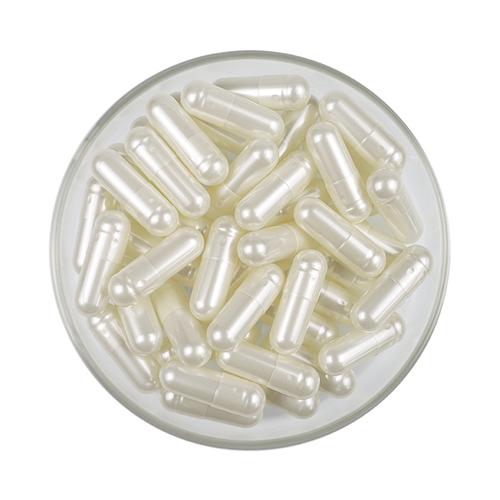 Golden_Pearl Hard Gelatin Capule
 -
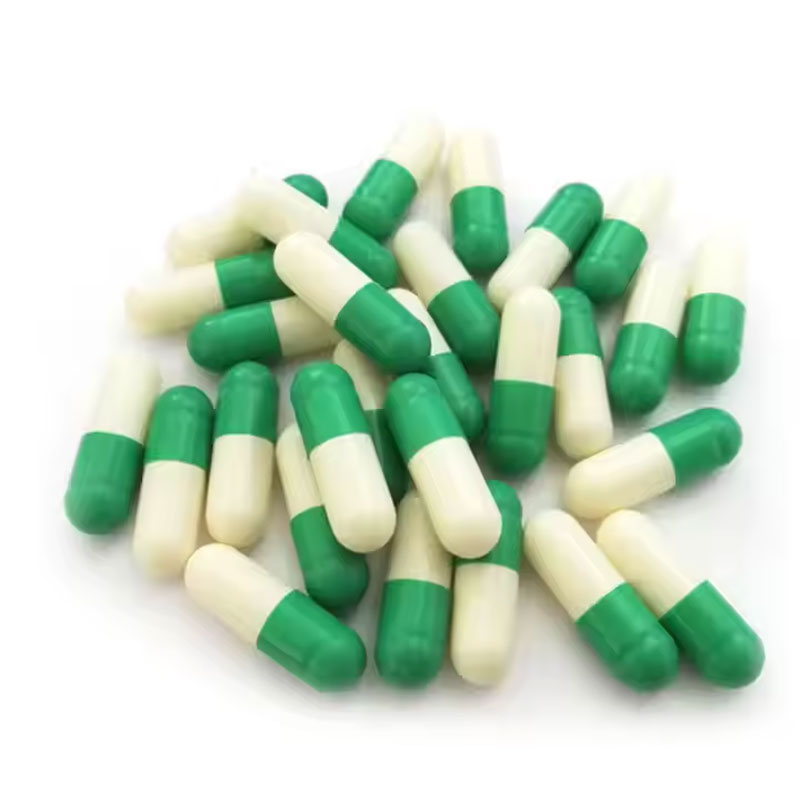 Size 00 hpmc capsules vegetarian capsules empty hard veggie capsules
 -
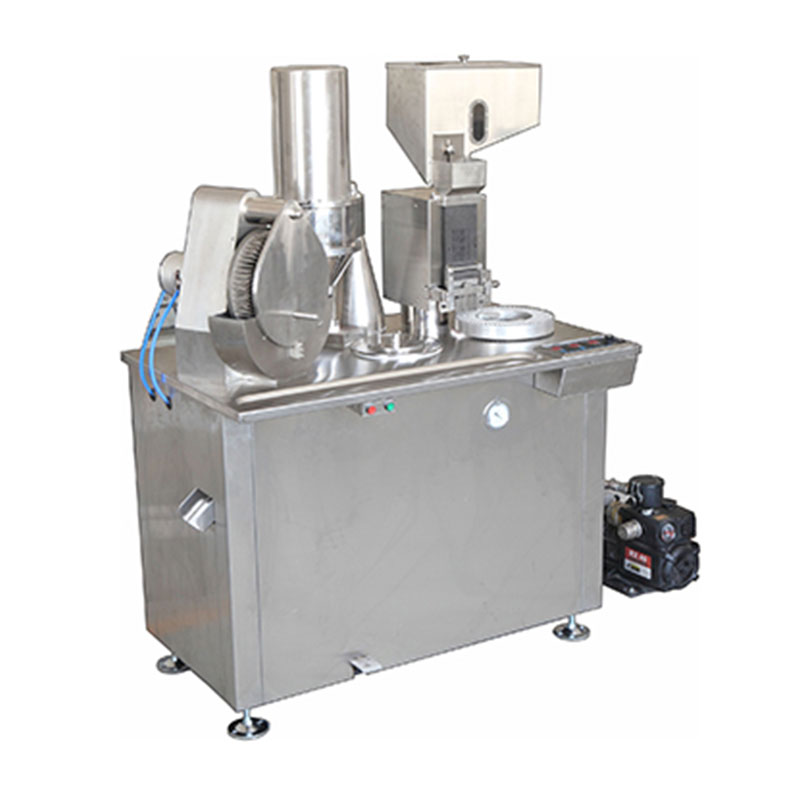 CGN208-D Newest Type Semi Automatic Capsule Filling Machine
 -
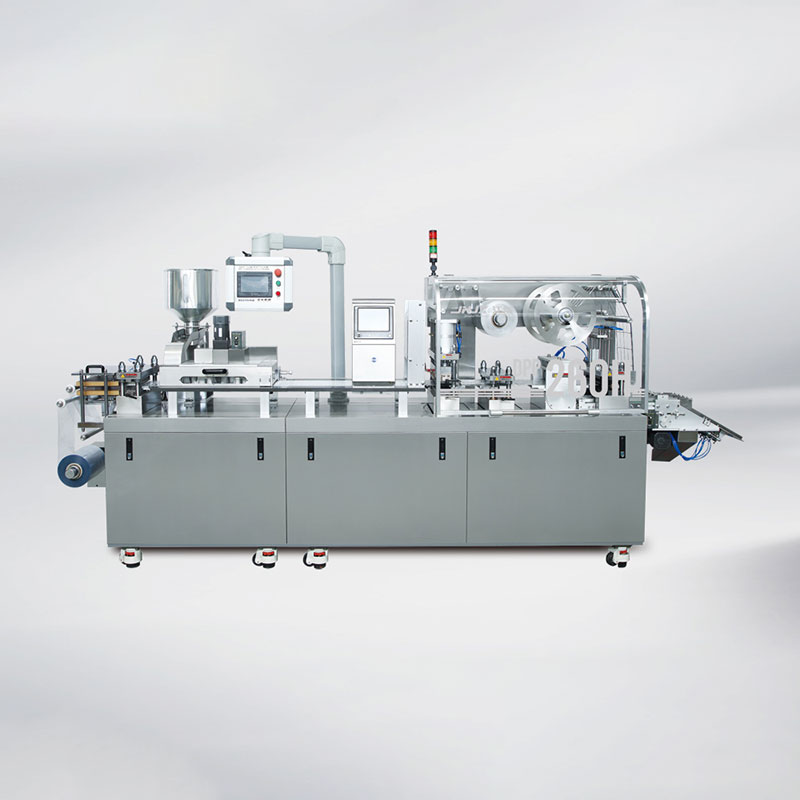 DPP-260H_DPP-320H Flat-plate Blister Packing Machine
 -
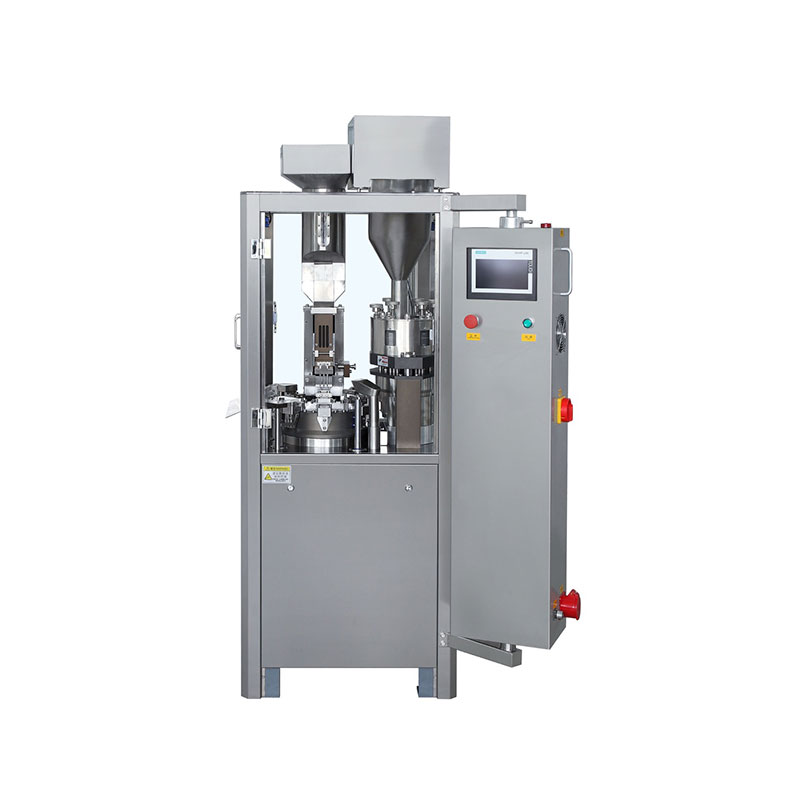 NJP-400 Fully Automatic Capsule Filling Machine
 -
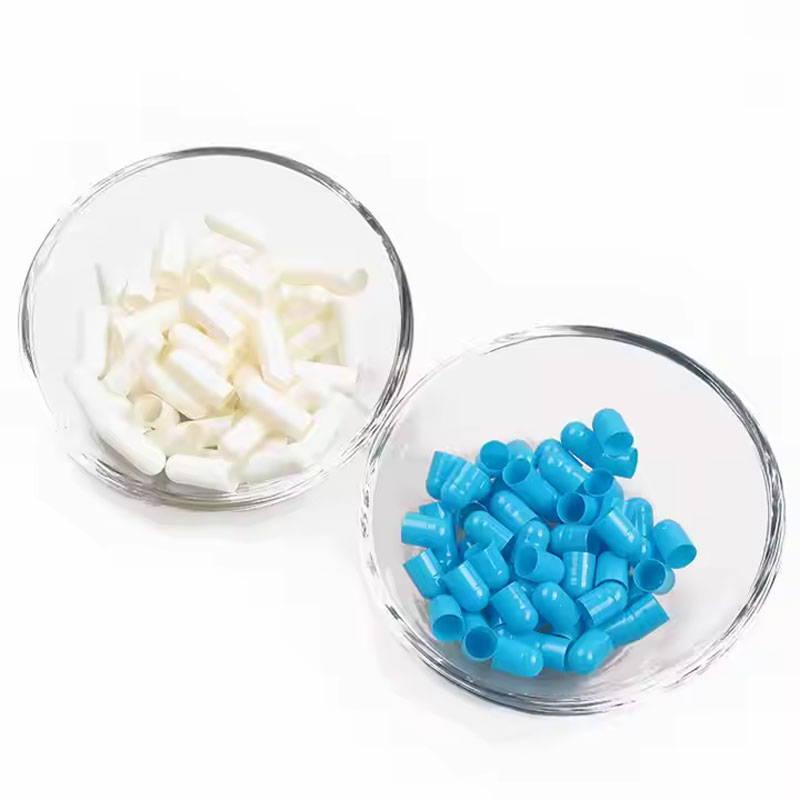 Empty VegCaps Shell Clear Empty Vegan Plant-Based Capsules Size 00 0 1 2 3 4 Natural Vegetable HPMC Capsules
 -
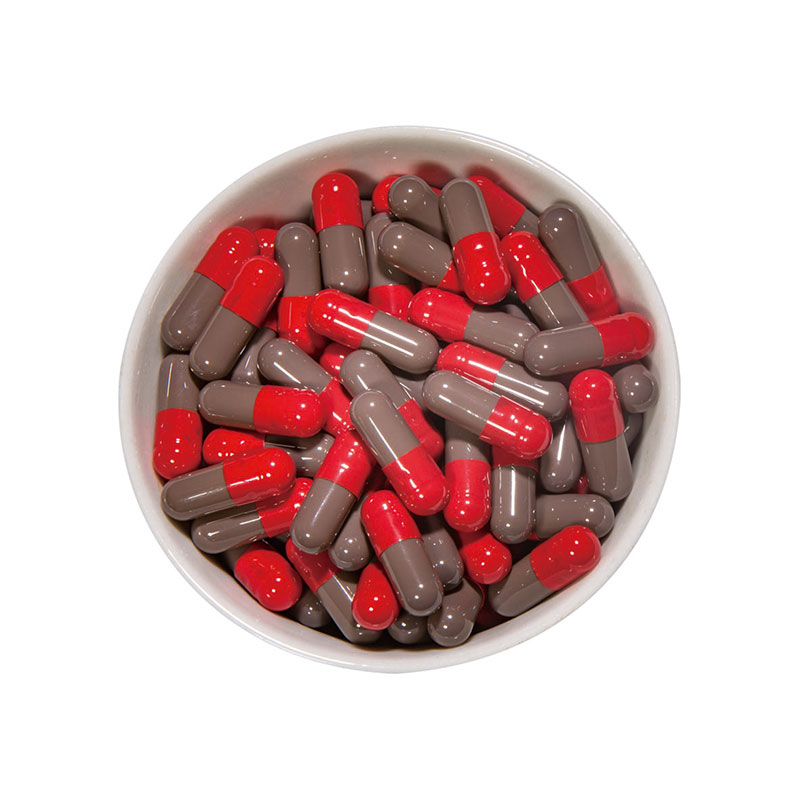 TIO2 free gelatin CAPSULE
 -
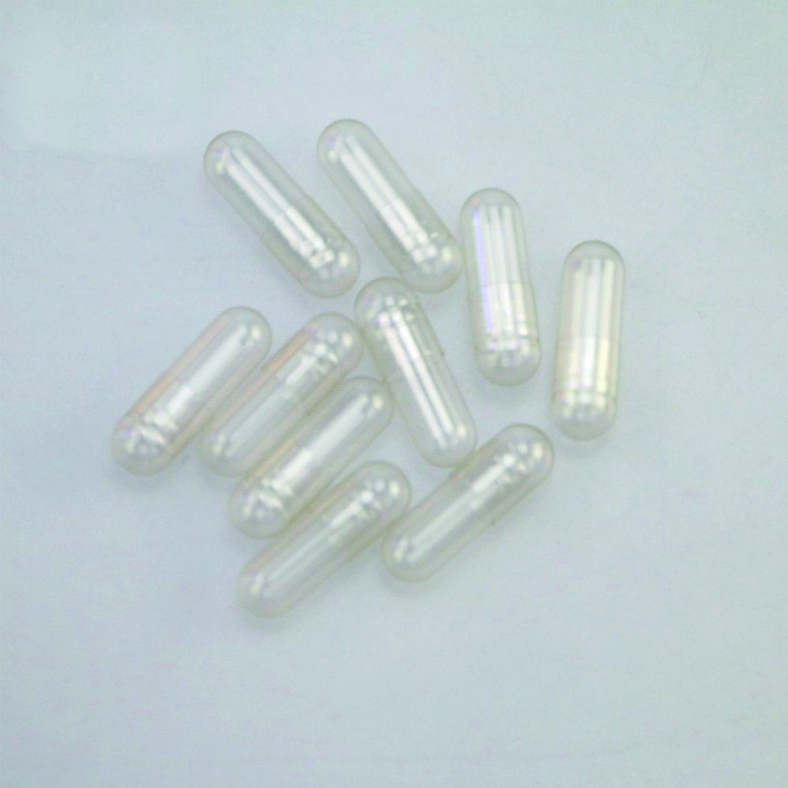 EMPTY HPMC CAPSULE SIZE 00 CLEAR
 -
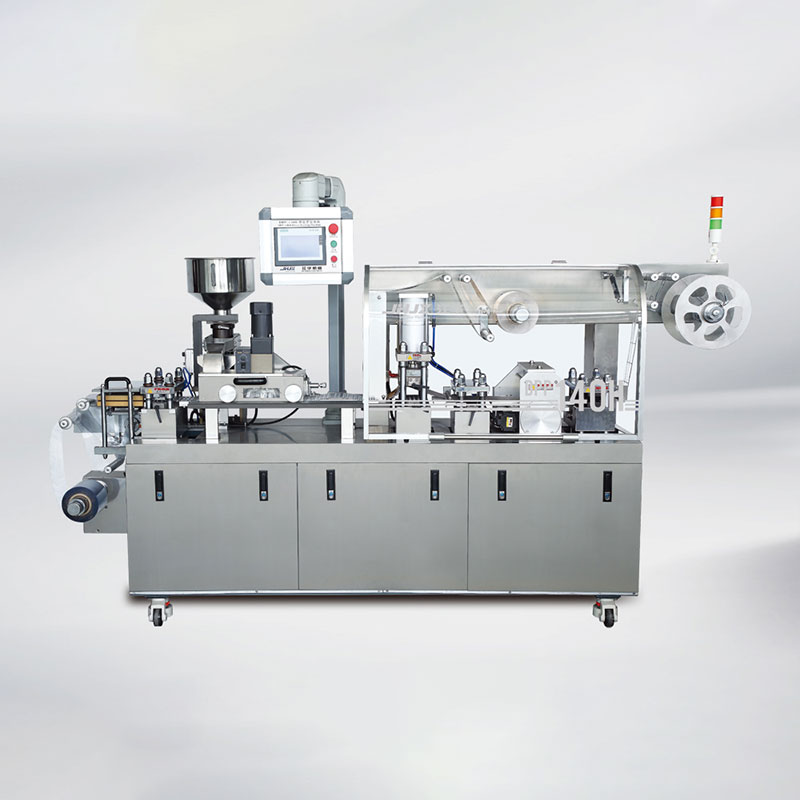 DPP-140H Flat-plate Blister Packing Machine
 -
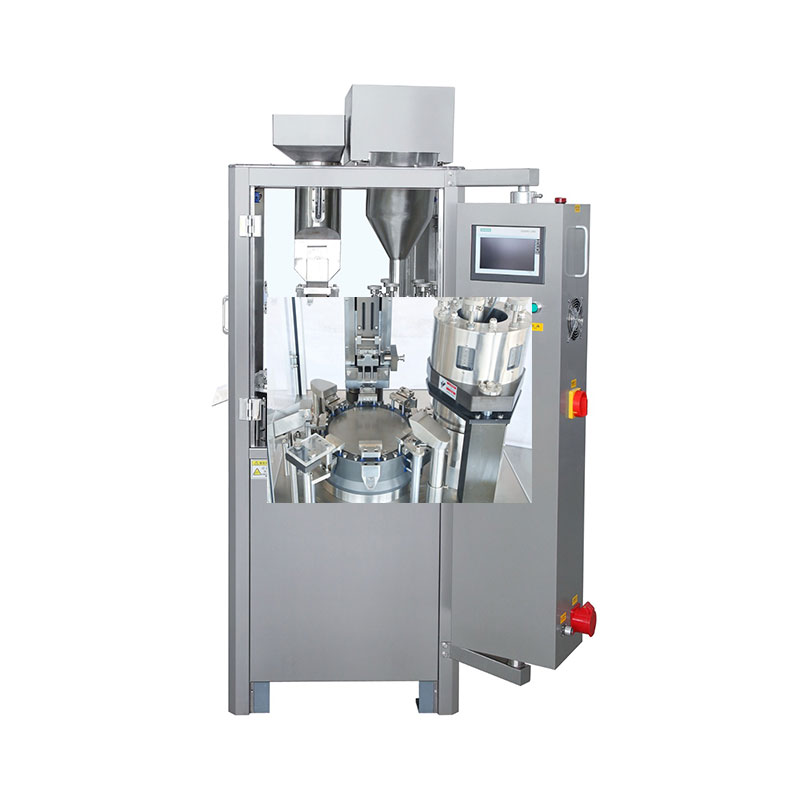 NJP-200 Model Fully Automatic Capsule Filling Machine
 -
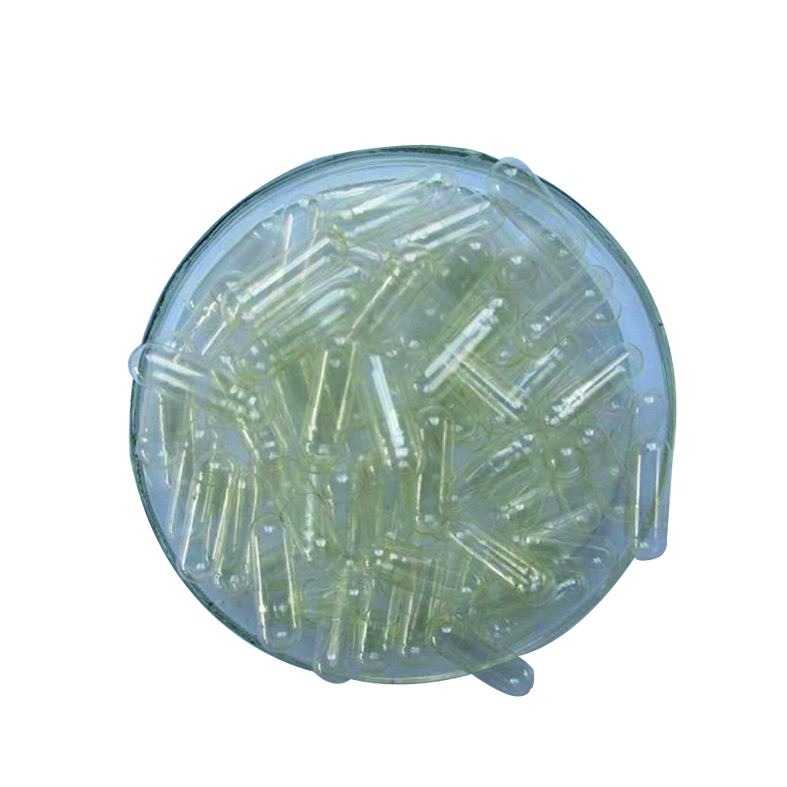 Halal Certificate Empty Clear Hard Gelatin Capsules Shell Size 0
 -
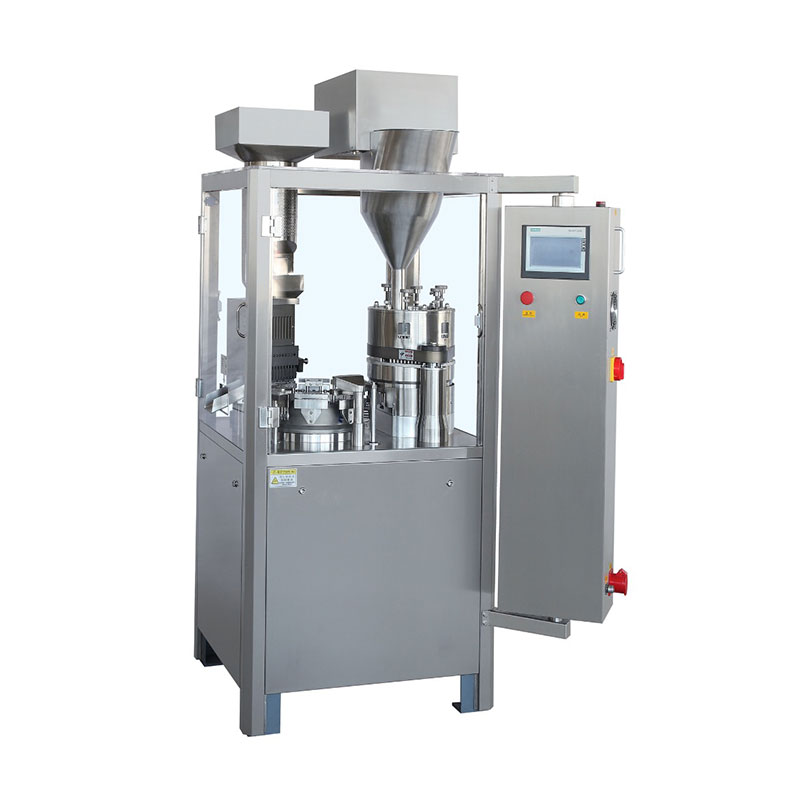 NJP-800 Automatic Capsule Filling Machine
Related Search
Related Search- Certificate size 4 capsule filler
- Certificate size 0 capsule filling machine
- Discount manual capsule filler size 4
- high quality DPP 140 Blister machine
- OEM empty vegetarian capsules near me
- Best size 0 capsule filling machine
- BOVINE HARD GELATIN CAPSULE
- OEM DPP 80 Blister machine
- high quality powder capsule filler
- high quality 000 veggie capsules