
- Chinese
- French
- German
- Portuguese
- Spanish
- Russian
- Japanese
- Korean
- Arabic
- Irish
- Greek
- Turkish
- Italian
- Danish
- Romanian
- Indonesian
- Czech
- Afrikaans
- Swedish
- Polish
- Basque
- Catalan
- Esperanto
- Hindi
- Lao
- Albanian
- Amharic
- Armenian
- Azerbaijani
- Belarusian
- Bengali
- Bosnian
- Bulgarian
- Cebuano
- Chichewa
- Corsican
- Croatian
- Dutch
- Estonian
- Filipino
- Finnish
- Frisian
- Galician
- Georgian
- Gujarati
- Haitian
- Hausa
- Hawaiian
- Hebrew
- Hmong
- Hungarian
- Icelandic
- Igbo
- Javanese
- Kannada
- Kazakh
- Khmer
- Kurdish
- Kyrgyz
- Latin
- Latvian
- Lithuanian
- Luxembou..
- Macedonian
- Malagasy
- Malay
- Malayalam
- Maltese
- Maori
- Marathi
- Mongolian
- Burmese
- Nepali
- Norwegian
- Pashto
- Persian
- Punjabi
- Serbian
- Sesotho
- Sinhala
- Slovak
- Slovenian
- Somali
- Samoan
- Scots Gaelic
- Shona
- Sindhi
- Sundanese
- Swahili
- Tajik
- Tamil
- Telugu
- Thai
- Ukrainian
- Urdu
- Uzbek
- Vietnamese
- Welsh
- Xhosa
- Yiddish
- Yoruba
- Zulu
- Kinyarwanda
- Tatar
- Oriya
- Turkmen
- Uyghur


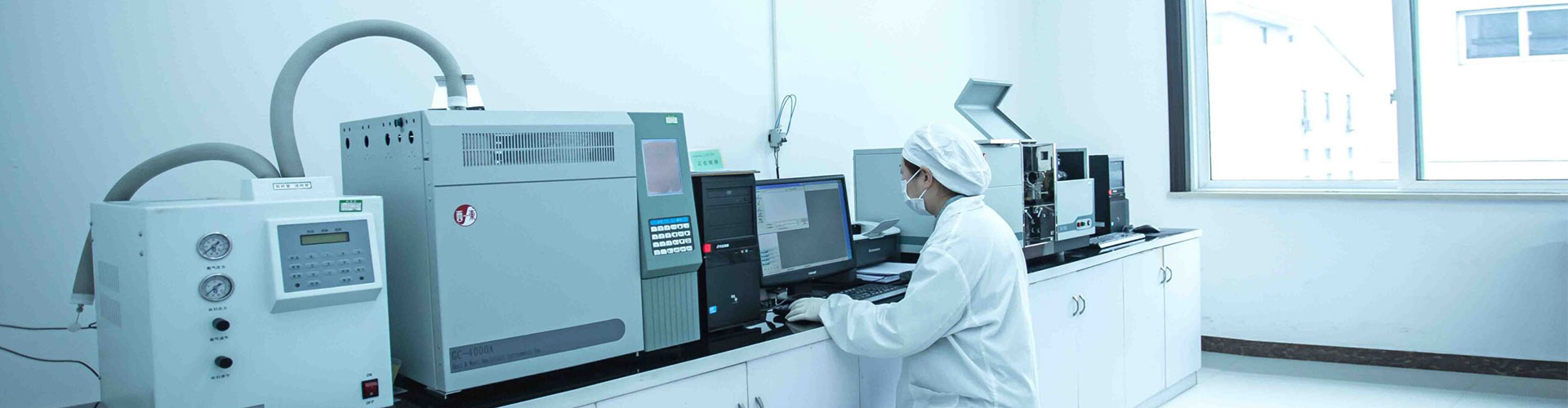
OEM powder capsule filler
The Essentials of OEM Powder Capsule Fillers
In the realm of pharmaceuticals and supplements, OEM powder capsule filler machines play a pivotal role, yet they're often misunderstood. This article aims to shed light on their nuances, aligning expert insights with practical experiences from industry players like SUQIAN KELAIYA INTERNATIONAL TRADING CO., LTD.
Understanding OEM Powder Capsule Fillers
When diving into the subject of OEM powder capsule fillers, it's critical to grasp their fundamental role in the industry. These machines are essentially the backbone of capsule production in many facilities, tailored to fill capsules with various formulations, from vitamins to complex drug compounds.
In my experience, a common mistake is underestimating the importance of quality at this stage. It’s not just about capacity or speed; precision and reliability are non-negotiable. Companies like Suqian Kelaiya Corp., with their manufacturing sites in Zhejiang and Jiangsu provinces, emphasize these aspects due to their direct impact on product efficacy.
The technology at play here is quite fascinating. The adjustable settings must cater to different powder densities and capsule sizes. Therefore, understanding the material’s behavior under different conditions is crucial to avoiding issues such as clumping or uneven filling. This is where hands-on knowledge in operating these machines becomes invaluable.
Real-World Challenges
Though these machines are built for efficiency, they’re not without their challenges. Consider the scenario where a sudden humidity change impacts powder consistency—an unexpected hurdle that isn’t uncommon. Such conditions can lead to blockages in the filling mechanism, causing downtime.
At Suqian Kelaiya Corp., we’ve integrated climate control solutions to mitigate such risks. This proactive approach ensures consistent product quality, a lesson hard-learned after encountering similar issues that led to significant production delays.
Moreover, each client may have unique specifications requiring customization. This is where OEM providers gain an edge, offering adaptable solutions to meet these diverse needs. The customer feedback loop becomes essential here, continuously feeding into improvements in machine design and function.
Insights into Customization
Customization in OEM powder capsule filler machines isn’t merely about technical tweaks; it reflects a deeper understanding of client requirements. For instance, adjusting the fill weight to cater to specific regulations or dietary needs involves careful recalibration, something commonly managed by firms with extensive R&D backgrounds like Suqian Kelaiya Corp.
We’ve dealt with requests that range from simple design modifications to complex engineering overhauls. One memorable case involved adjusting a filler for a client marketing a niche herbal supplement line. Achieving accurate dosing without compromising on production rates was a test of both innovation and patience.
Such projects often require cross-departmental collaboration, drawing on expertise from both the engineering team and the client’s formulation scientists. The result is a product that accurately reflects the client’s vision while adhering to stringent quality controls.
Reflecting on Failures and Successes
Failures shouldn’t be shied away from; they are fertile grounds for learning. I recall a project where initial test batches repeatedly failed quality checks. The culprit was a misalignment in the filler settings—a simple oversight with costly implications.
Addressing this required a deep dive into the machine’s configuration, followed by implementing a multi-point quality assurance system. This experience reinforced the need for precise attention to detail and the importance of regular maintenance.
Conversely, successful implementations often stem from these hard-earned lessons. They form the blueprint for achieving seamless production cycles, especially when adapting to new market demands or regulatory changes. This proactive mindset is what distinguishes seasoned operators in the field.
Final Thoughts on the Importance of Expertise
In the ever-evolving landscape of pharmaceutical manufacturing, expertise with OEM powder capsule fillers is invaluable. Companies like Suqian Kelaiya Corp. that sustain investments in technology and skill development often lead the way in setting industry standards.
As I often find, the key lies in balancing technological innovation with practical know-how. Remaining current with advancements, while retaining an operational focus, paves the way for not just meeting, but exceeding, industry expectations.
Ultimately, ensuring the optimum use of these machines requires more than technical acumen; it calls for a continuous dialogue between equipment manufacturers and pharmaceutical producers. This synergy is what drives excellence in the production line, ensuring quality products reach consumers worldwide.
Related Products
Related Products
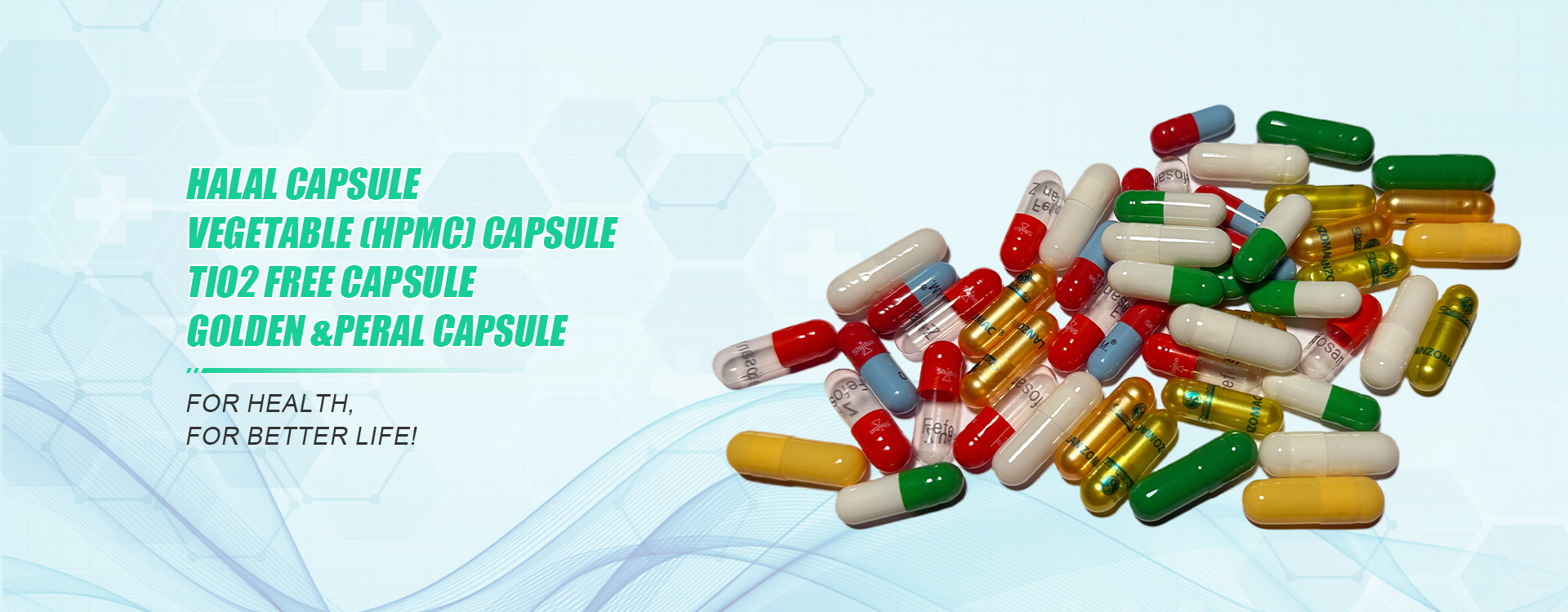
Best Selling Products
Best Selling Products-
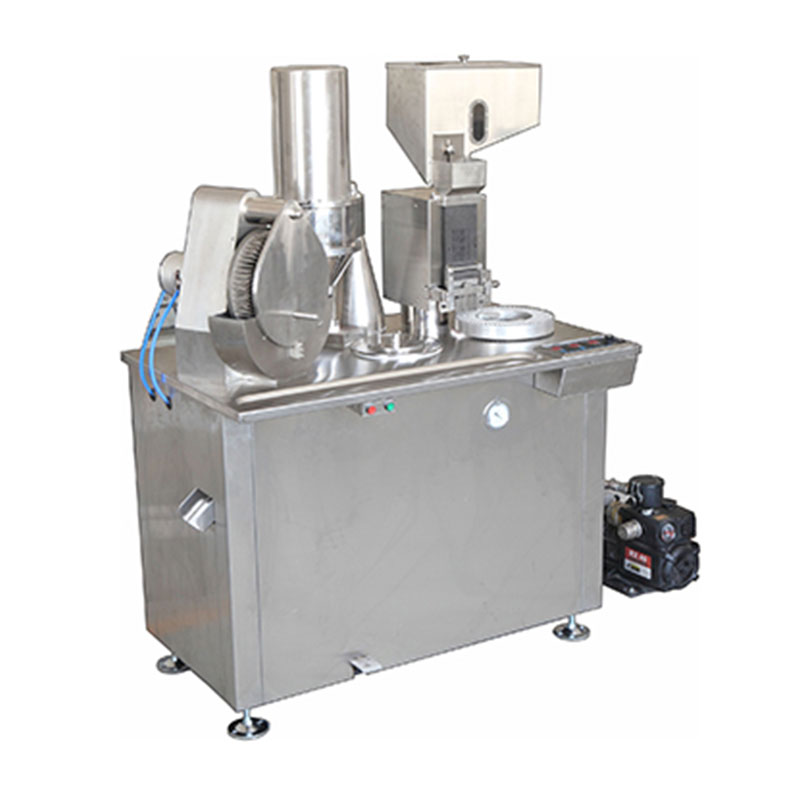 CGN208-D Newest Type Semi Automatic Capsule Filling Machine
 -
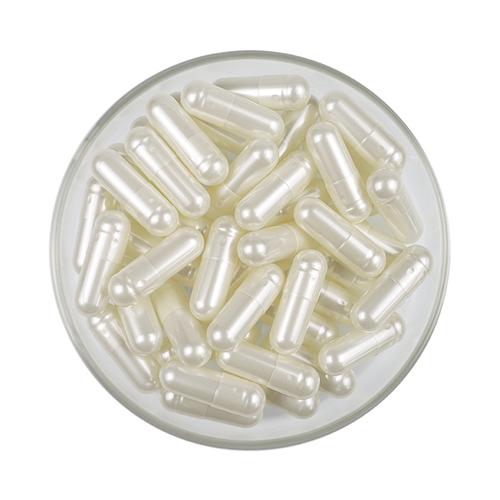 Golden_Pearl Hard Gelatin Capule
 -
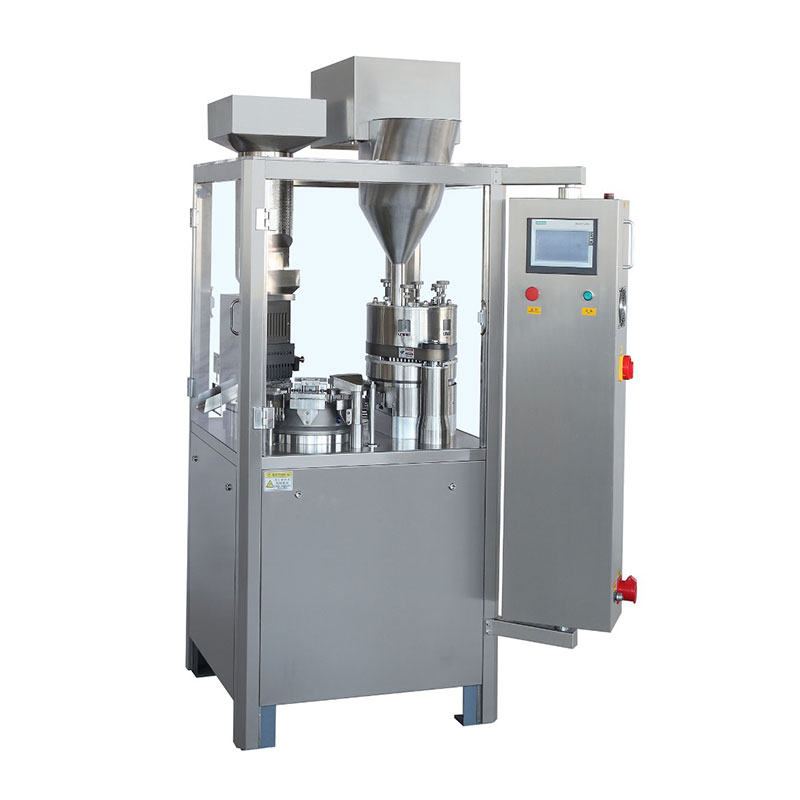 NJP-1200 Automatic Capsule Filling Machine
 -
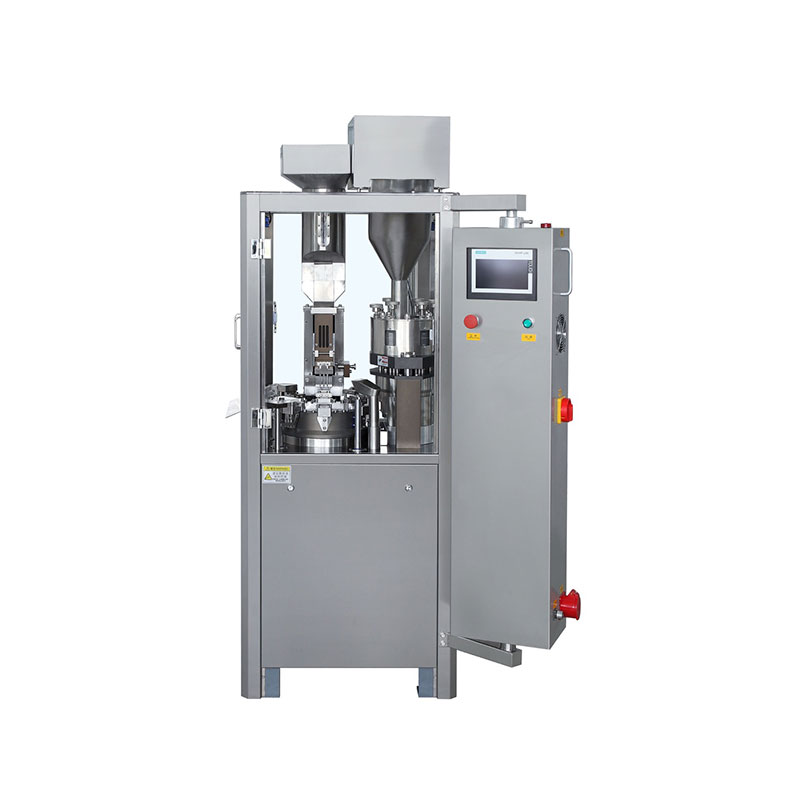 NJP-400 Fully Automatic Capsule Filling Machine
 -
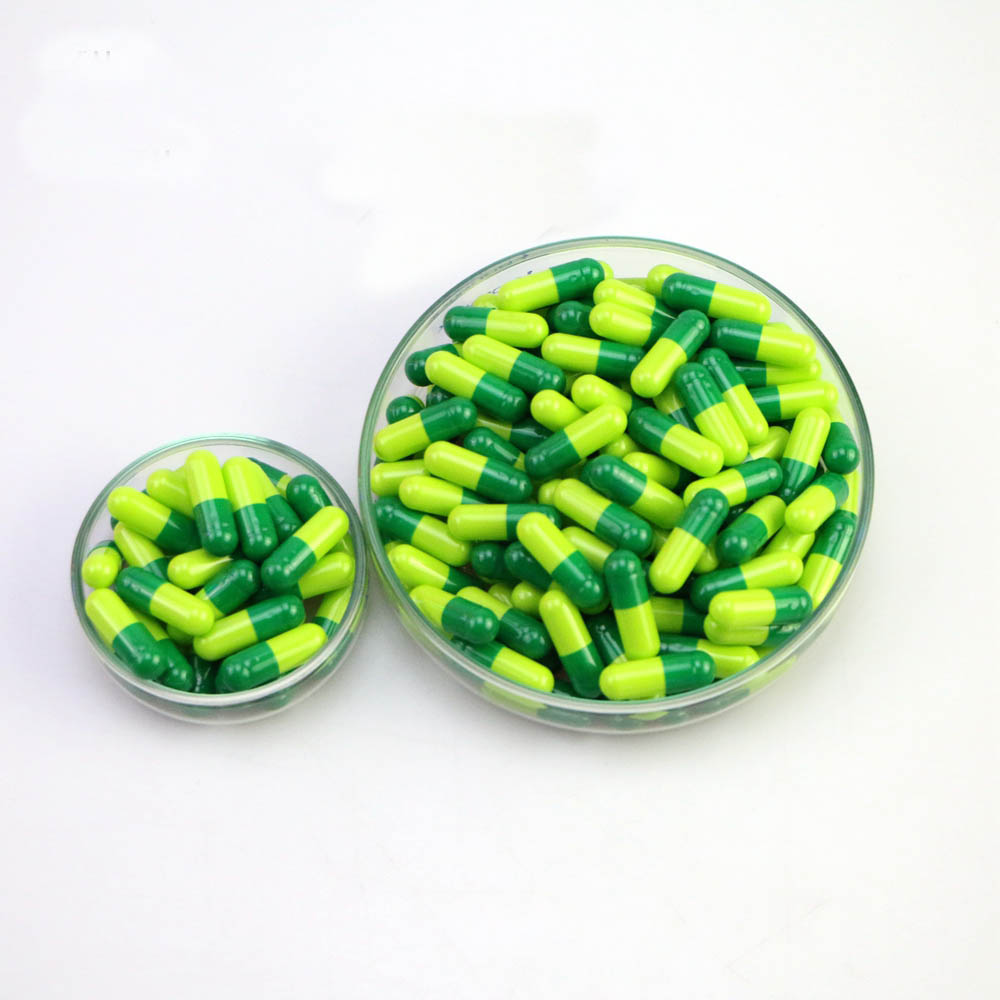 Halal empty hard geltin capsule
 -
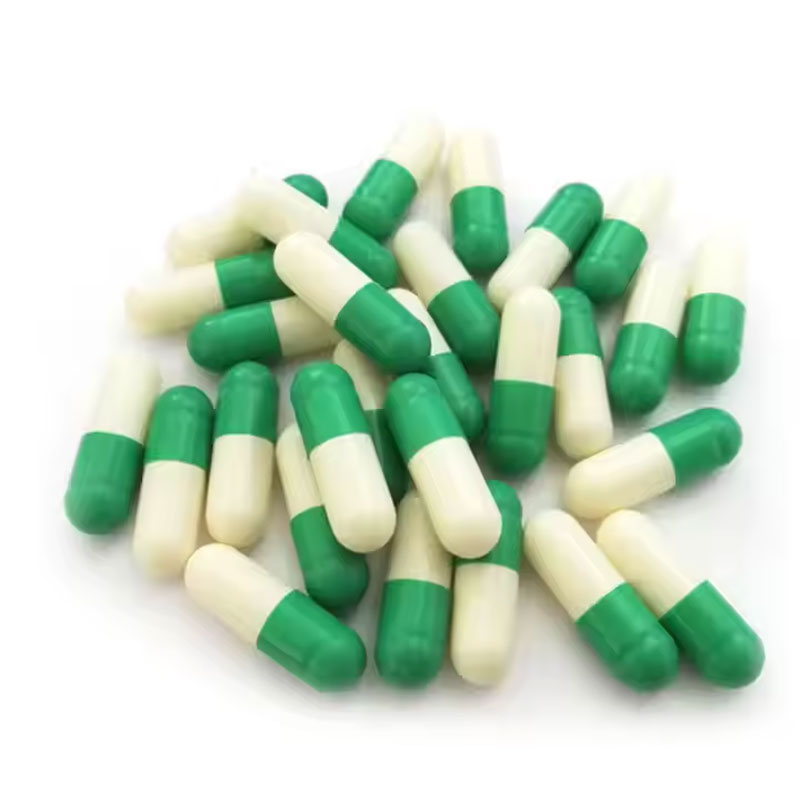 Size 00 hpmc capsules vegetarian capsules empty hard veggie capsules
 -
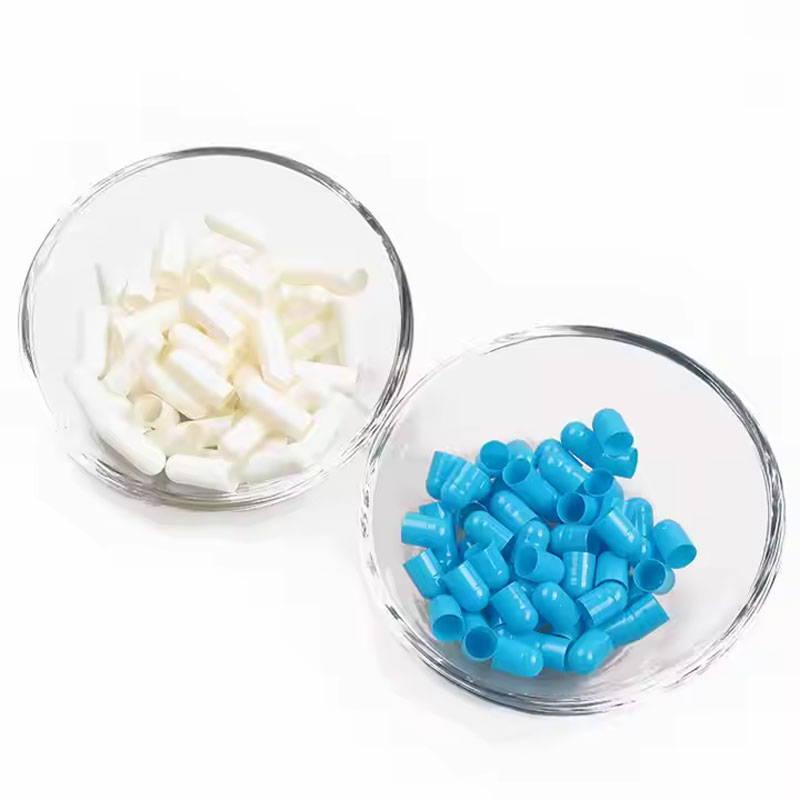 Empty VegCaps Shell Clear Empty Vegan Plant-Based Capsules Size 00 0 1 2 3 4 Natural Vegetable HPMC Capsules
 -
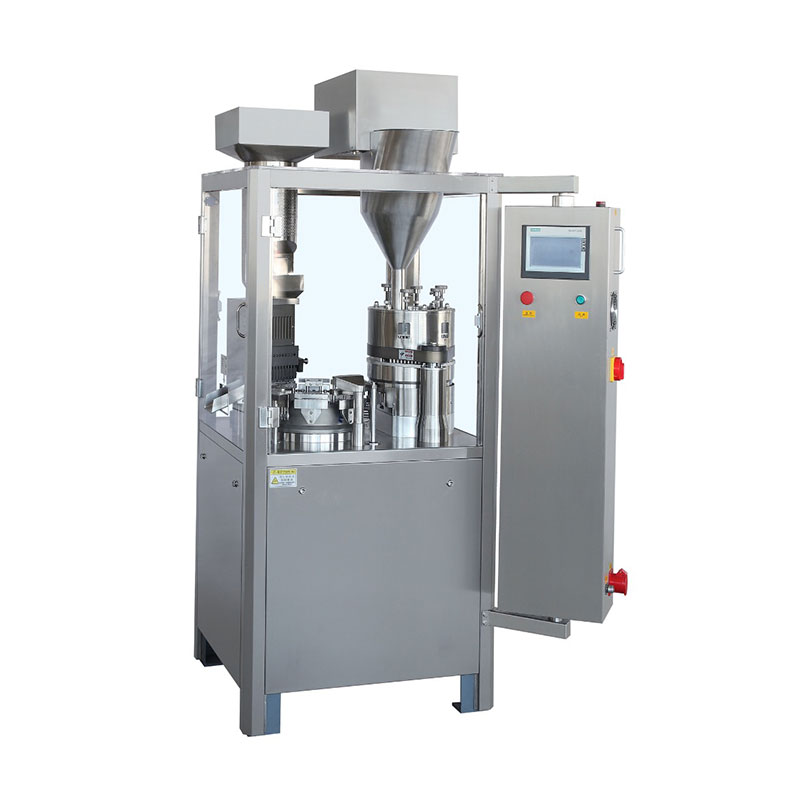 NJP-800 Automatic Capsule Filling Machine
 -
 Hpmc Capsules Product Plant Vegetarian Size 00 0 Capsule Shell
 -
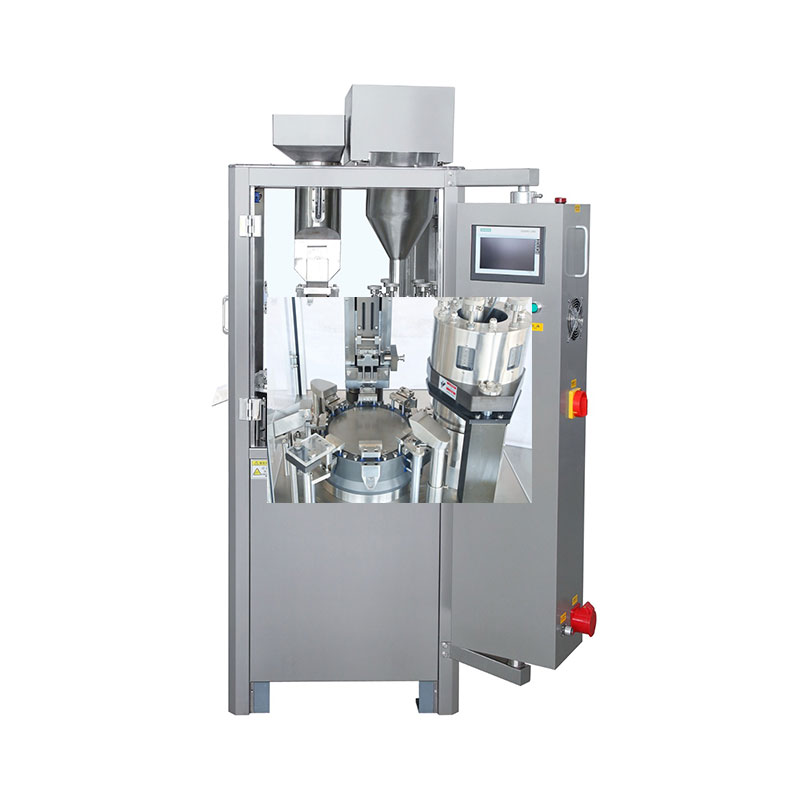 NJP-200 Model Fully Automatic Capsule Filling Machine
 -
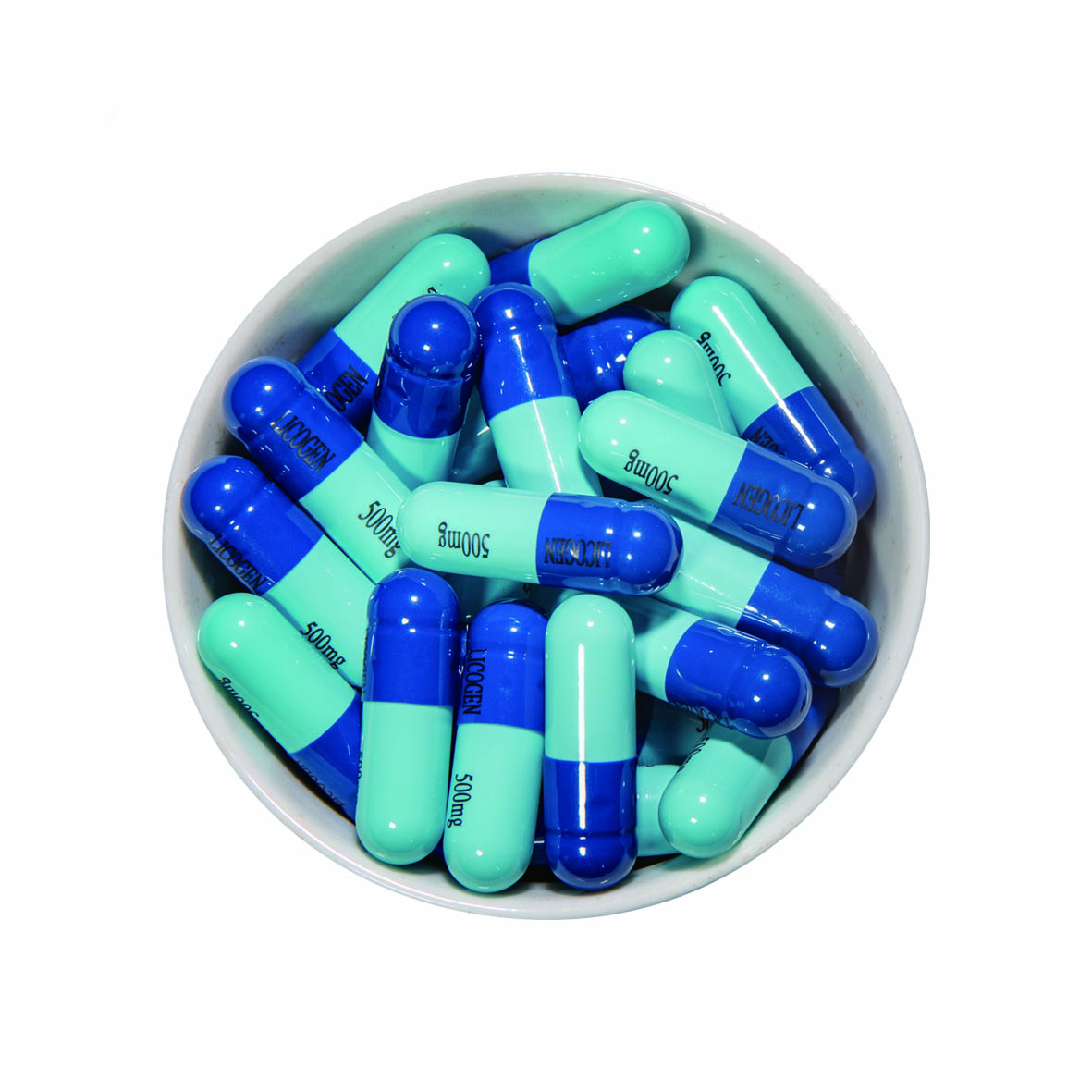 Hard Gelatin Empty Capsule Shell Size 00 0 1 2 3 4
 -
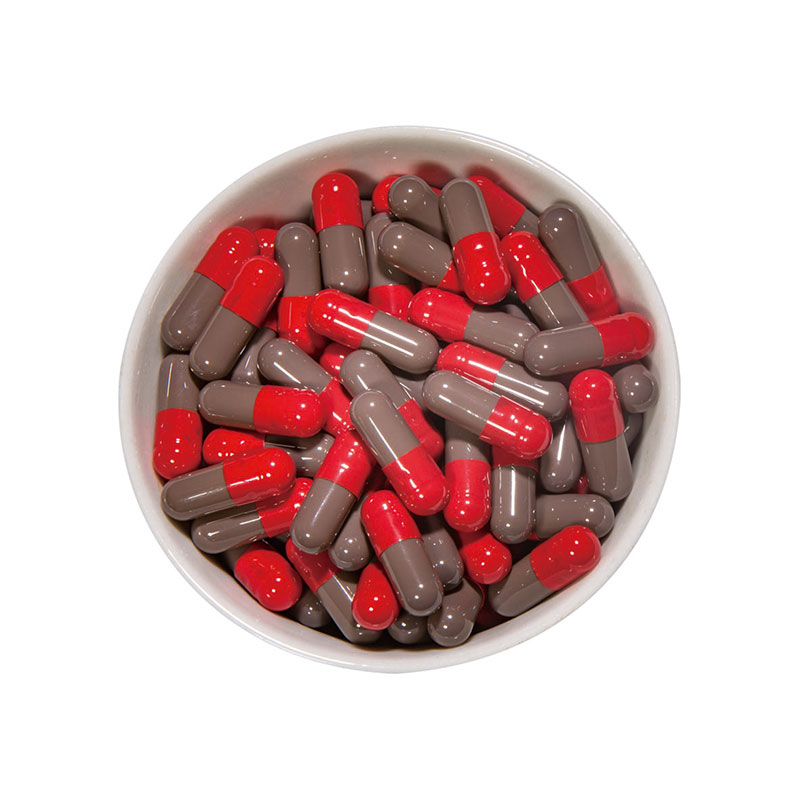 TIO2 free gelatin CAPSULE
Related Search
Related Search- high quality best capsule filling machine
- OEM DPP 260 Blister machine ALU/PVC
- OEM hard gelatin capsule filling machine
- Best DPP 260 Blister machine
- Certificate DPP 140 Blister machine
- Best empty vegetarian capsules size 0
- Certificate DPP 260 Blister machine
- Discount njp capsule filling machine
- Discount hard gelatin capsule size 0
- Empty Gealtin Capusle