
- Chinese
- French
- German
- Portuguese
- Spanish
- Russian
- Japanese
- Korean
- Arabic
- Irish
- Greek
- Turkish
- Italian
- Danish
- Romanian
- Indonesian
- Czech
- Afrikaans
- Swedish
- Polish
- Basque
- Catalan
- Esperanto
- Hindi
- Lao
- Albanian
- Amharic
- Armenian
- Azerbaijani
- Belarusian
- Bengali
- Bosnian
- Bulgarian
- Cebuano
- Chichewa
- Corsican
- Croatian
- Dutch
- Estonian
- Filipino
- Finnish
- Frisian
- Galician
- Georgian
- Gujarati
- Haitian
- Hausa
- Hawaiian
- Hebrew
- Hmong
- Hungarian
- Icelandic
- Igbo
- Javanese
- Kannada
- Kazakh
- Khmer
- Kurdish
- Kyrgyz
- Latin
- Latvian
- Lithuanian
- Luxembou..
- Macedonian
- Malagasy
- Malay
- Malayalam
- Maltese
- Maori
- Marathi
- Mongolian
- Burmese
- Nepali
- Norwegian
- Pashto
- Persian
- Punjabi
- Serbian
- Sesotho
- Sinhala
- Slovak
- Slovenian
- Somali
- Samoan
- Scots Gaelic
- Shona
- Sindhi
- Sundanese
- Swahili
- Tajik
- Tamil
- Telugu
- Thai
- Ukrainian
- Urdu
- Uzbek
- Vietnamese
- Welsh
- Xhosa
- Yiddish
- Yoruba
- Zulu
- Kinyarwanda
- Tatar
- Oriya
- Turkmen
- Uyghur


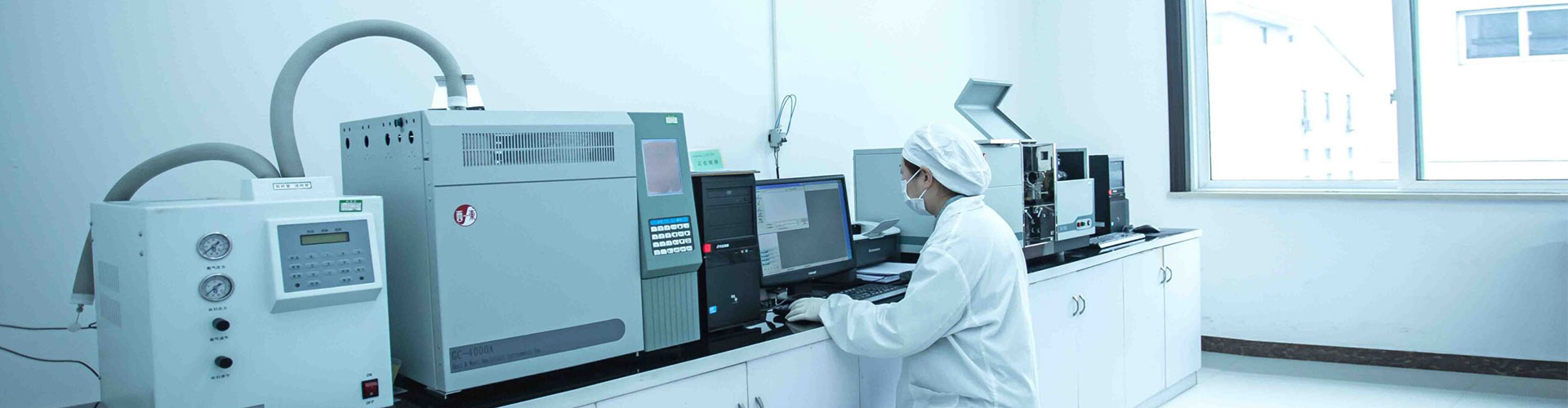
OEM njp 800
The Realities of Working with OEM NJP 800
Diving into the OEM NJP 800 encapsulation machine, you quickly realize that it's not just about pushing buttons. With this machine, subtle nuances play a huge role, often making or breaking your production line. So, if you're expecting a plug-and-play experience, you're in for a reality check. Here’s a look into the practicalities and insights from the field.
Understanding the Basics
When you first approach the OEM NJP 800, it's easy to be overwhelmed by the array of settings and configurations. Initially, many operators, myself included, underestimate the importance of thorough initial setup. Misjudgments here can ripple through your entire batch.
Getting the dosing accurate takes patience. That's where some hands-on experimentation becomes crucial. It's not just setting values but understanding how the machine responds to different capsule materials and formulations. These variations mean that what works for one batch might need tweaking for another.
In my early days with the OEM NJP 800, improper sealing was a recurring headache. It took a few trials to realize the significance of capsule quality and filler consistency. Ensuring harmony between these elements often solves half the battle.
The Day-to-Day Challenges
Operating an OEM NJP 800 isn't just about following a user manual. Daily, you're improvising. Maybe a seal isn't right, or perhaps the capsules aren’t feeding smoothly. Each issue demands a unique solution, relying heavily on intuition built over time.
Imagine being mid-cycle and facing an unexpected halt due to powder leakage—frustrating, right? These are teachable moments. With experience, you learn preemptive checks and balance adjustments that prevent these hiccups, maximizing efficiency.
The accumulated technical wear can manifest in subtle, unanticipated ways. Routine maintenance checks, though seemingly mundane, prevent serious downtime. That's advice I wish someone had hammered into me earlier.
Importance of Supplier Relationship
Our company’s experience with Suqian Kelaiya International Trading Co., Ltd, accessible at kelaiyacorp.com, underscores the value of reliable supplier networks. Their expertise in new drug development and related machinery was invaluable in navigating the OEM NJP 800’s nuances.
Communicating specific issues to them, like variation in empty capsule quality or needed adjustments for the blister machine, often yielded practical solutions. It's a reminder that a robust support system is as critical as any technical manual.
Moreover, leveraging Suqian Kelaiya's insights into manufacturing and sales helped identify complementary equipment or upgrades, ensuring our facilities were always performing at their best.
Optimizing Efficiency
Efficiency with the OEM NJP 800 isn’t just about speed. It’s about consistency. Consistent output ensures market reliability, which in turn affects sales and reputation. This is where attention to detail pays off.
Every operator develops their unique workflow. Whether it’s a pre-start checklist or post-cycle review, having a protocol tailored to your specific production needs ultimately streamlines processes, reduces waste, and improves output quality.
In practice, things like capsule and filler storage conditions, often overlooked, directly impact efficiency. A damp environment, for instance, wreaks havoc on smooth operations—not something manuals often detail, but a practical lesson learned on the ground.
Lessons Learned
Reflecting on my journey with the OEM NJP 800, it’s clear that mastering such equipment requires patience, attention to detail, and continuous learning. Challenges become more manageable with time, each one imparting valuable lessons.
The early frustrations now seem minor bumps that steered me toward a deeper understanding of the equipment and its capabilities. Embracing the unpredictability became part of the learning curve, enriching my professional competencies.
In the end, embracing these insights and fostering good industry relationships, especially with trusted companies like Suqian Kelaiya, helps harness the full potential of machines like the OEM NJP 800 to excel in the competitive pharmaceutical landscape.
Related Products
Related Products
Best Selling Products
Best Selling Products-
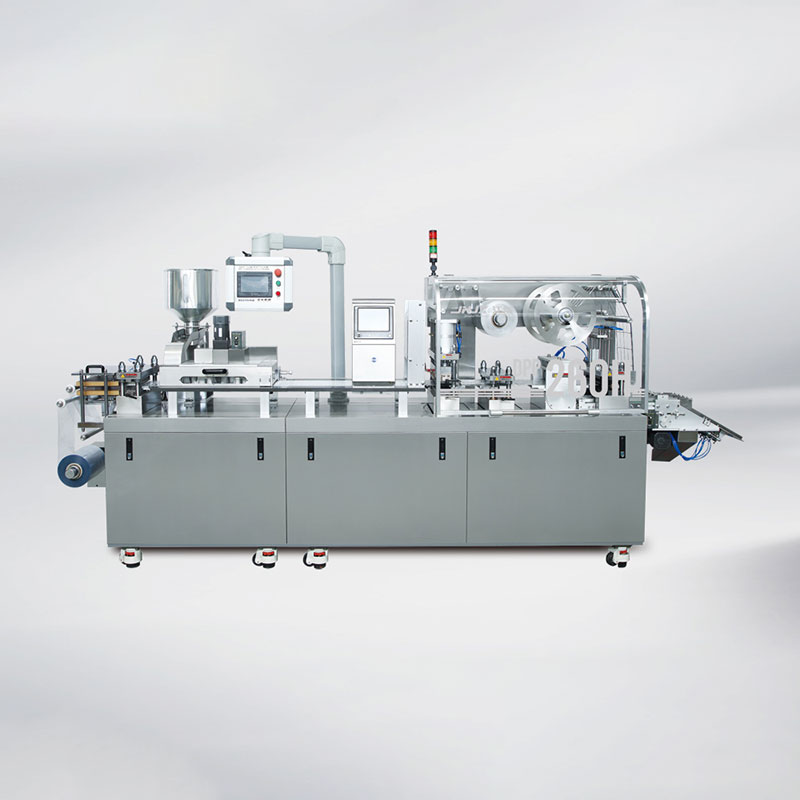 DPP-260H_DPP-320H Flat-plate Blister Packing Machine
 -
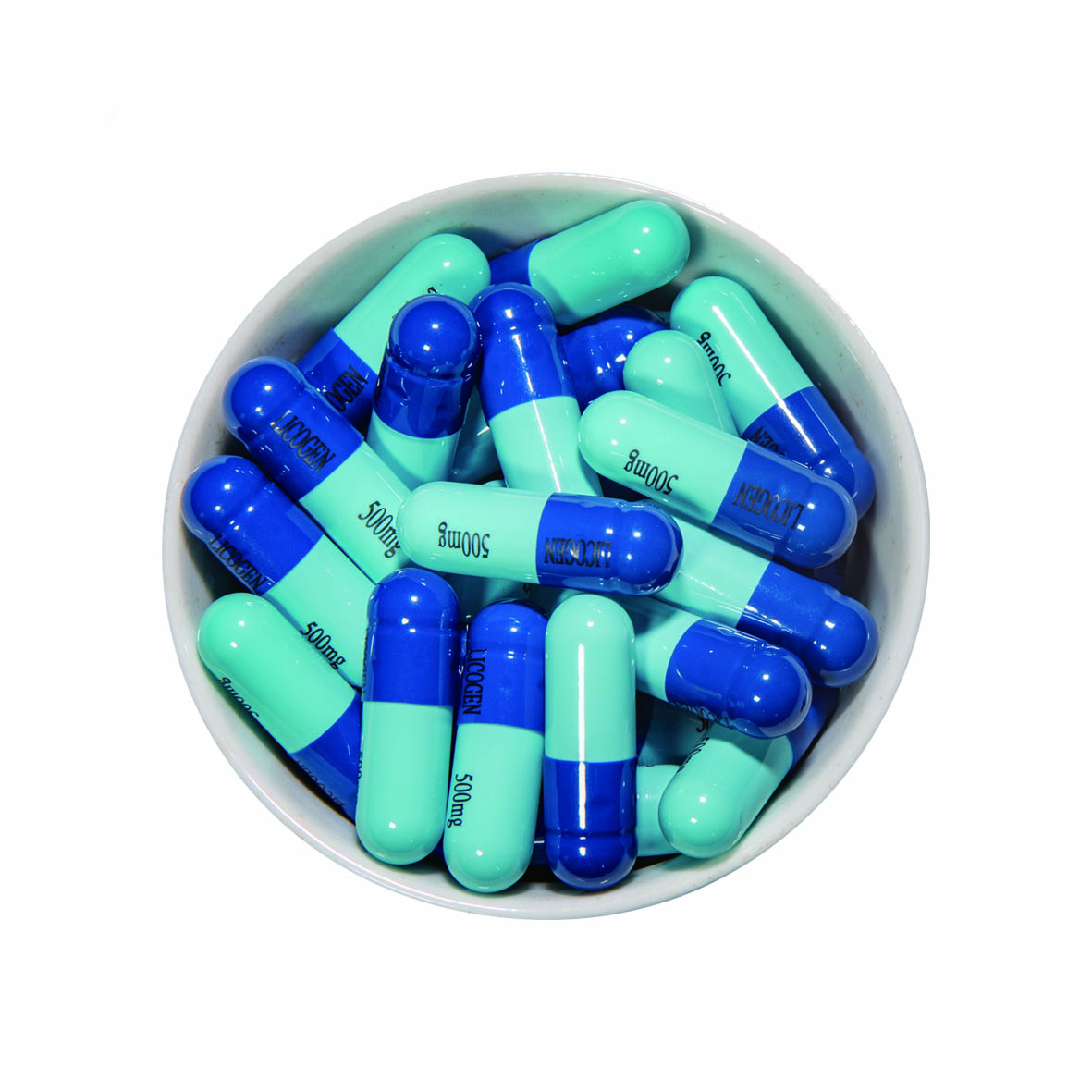 Hard Gelatin Empty Capsule Shell Size 00 0 1 2 3 4
 -
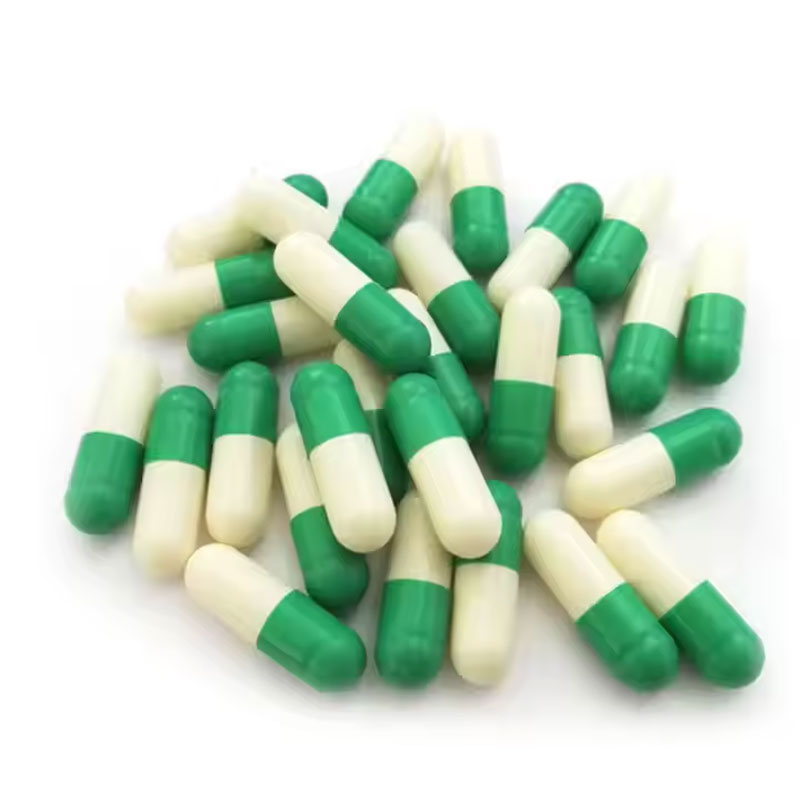 Size 00 hpmc capsules vegetarian capsules empty hard veggie capsules
 -
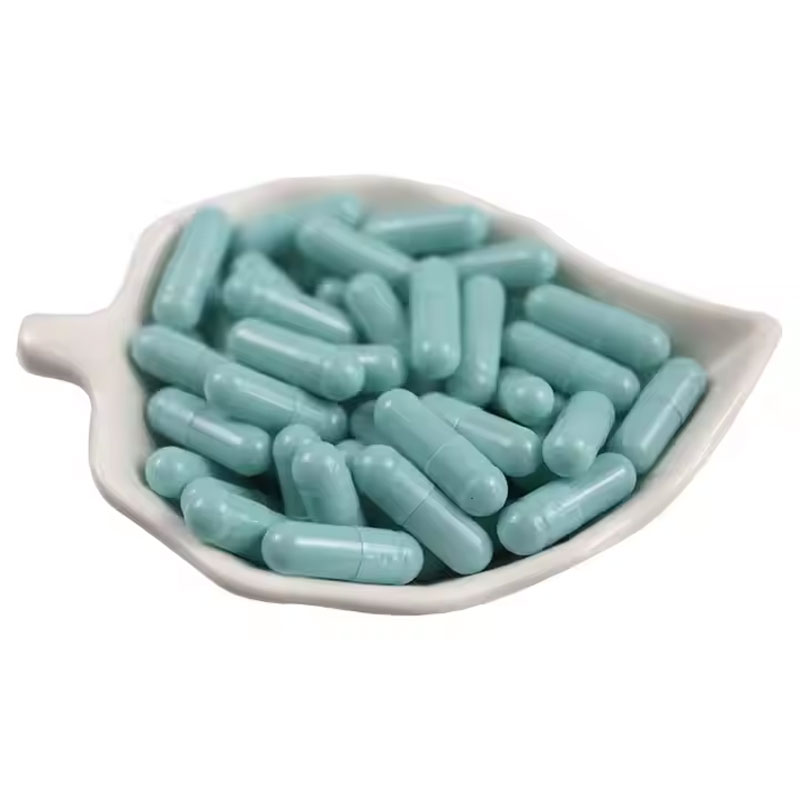 Vegetarian Separated Capsules HPMC Capsules Separated Wholesale Vegetarian Capsules Discount for Bulk Orders
 -
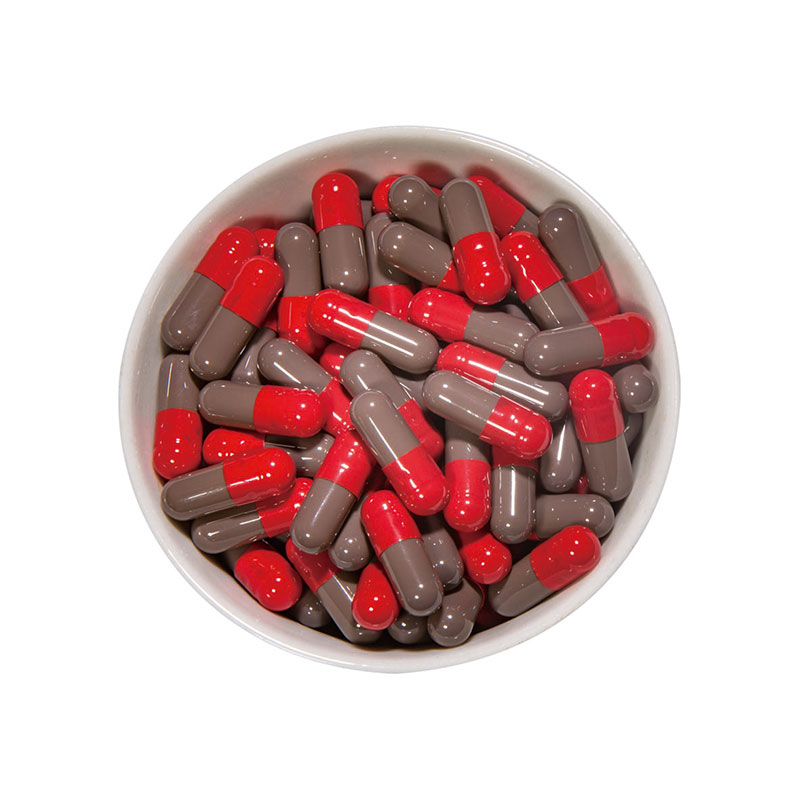 TIO2 free gelatin CAPSULE
 -
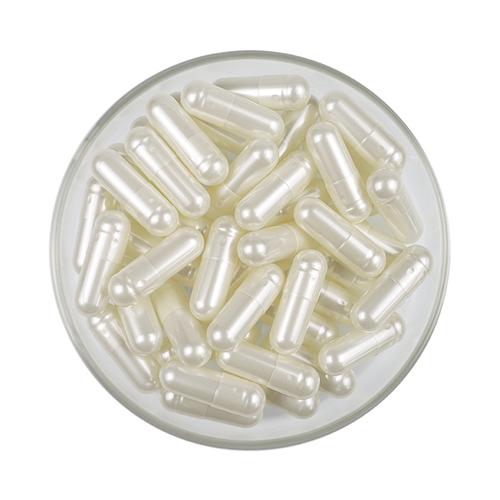 Golden_Pearl Hard Gelatin Capule
 -
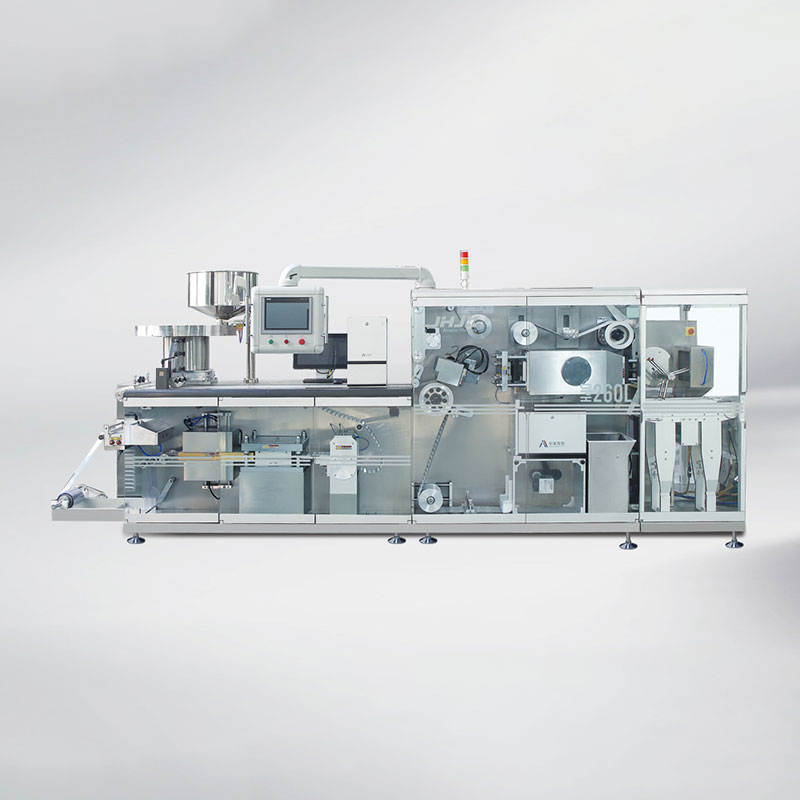 DPH-260L Roll-plate Blister Packaging Machine
 -
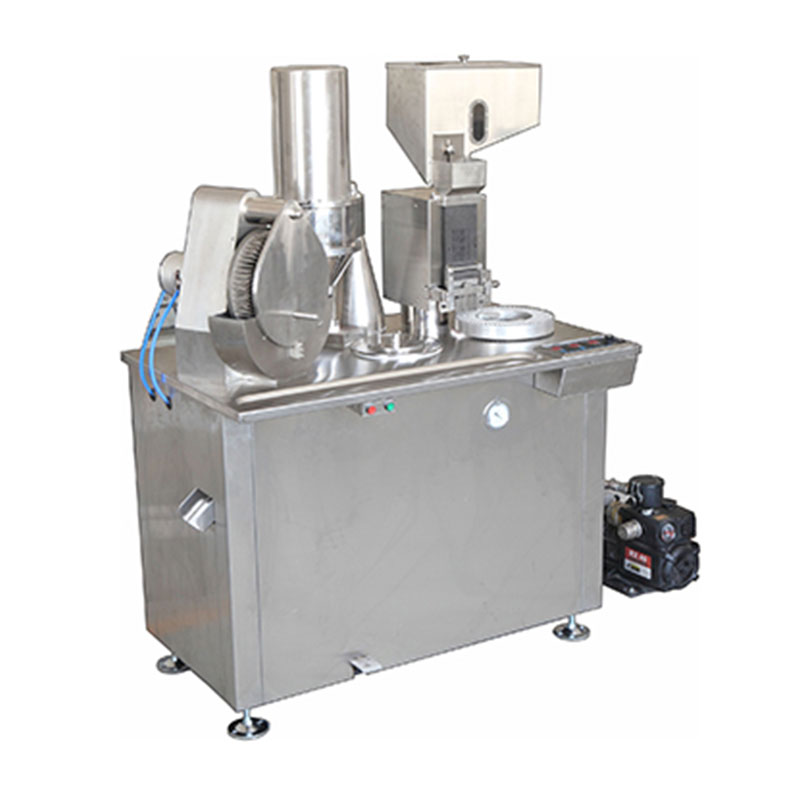
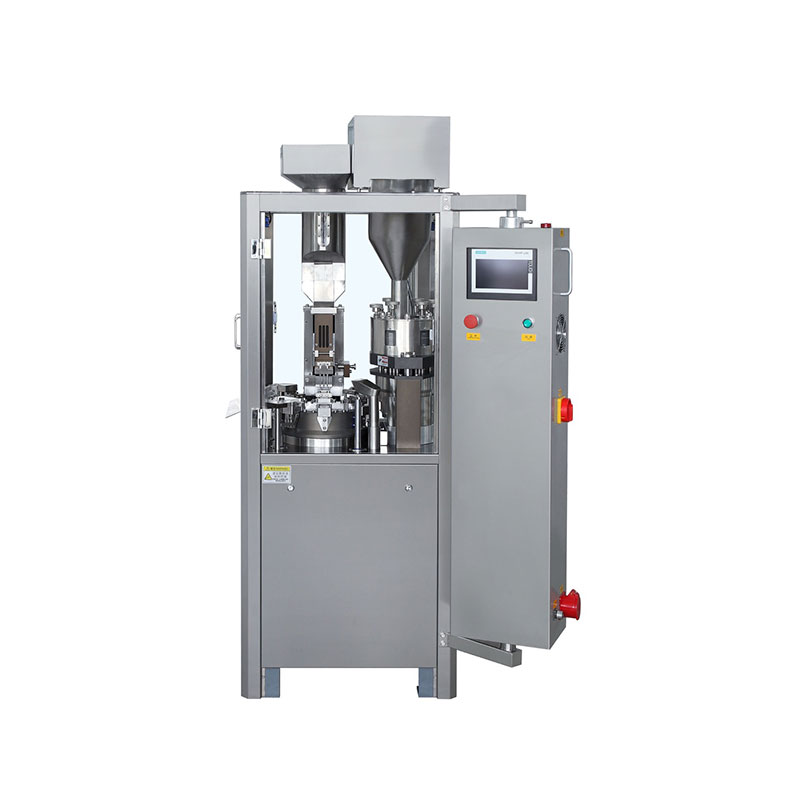 NJP-400 Fully Automatic Capsule Filling Machine
 -
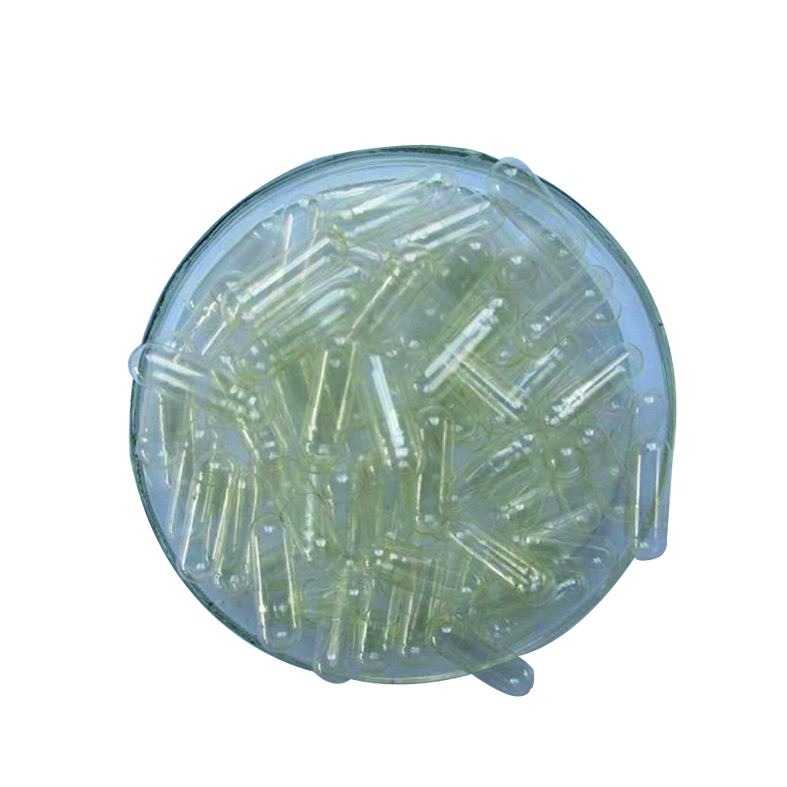 Halal Certificate Empty Clear Hard Gelatin Capsules Shell Size 0
 -
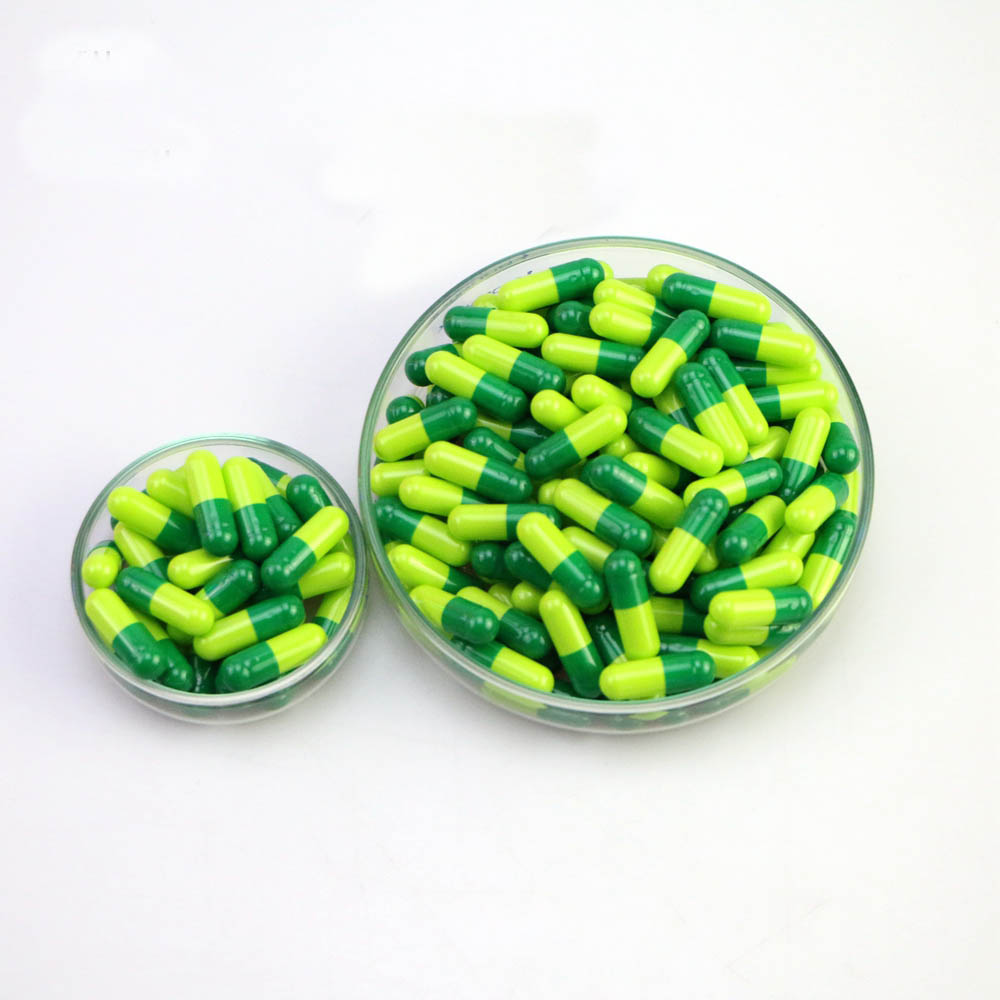 Halal empty hard geltin capsule
 -
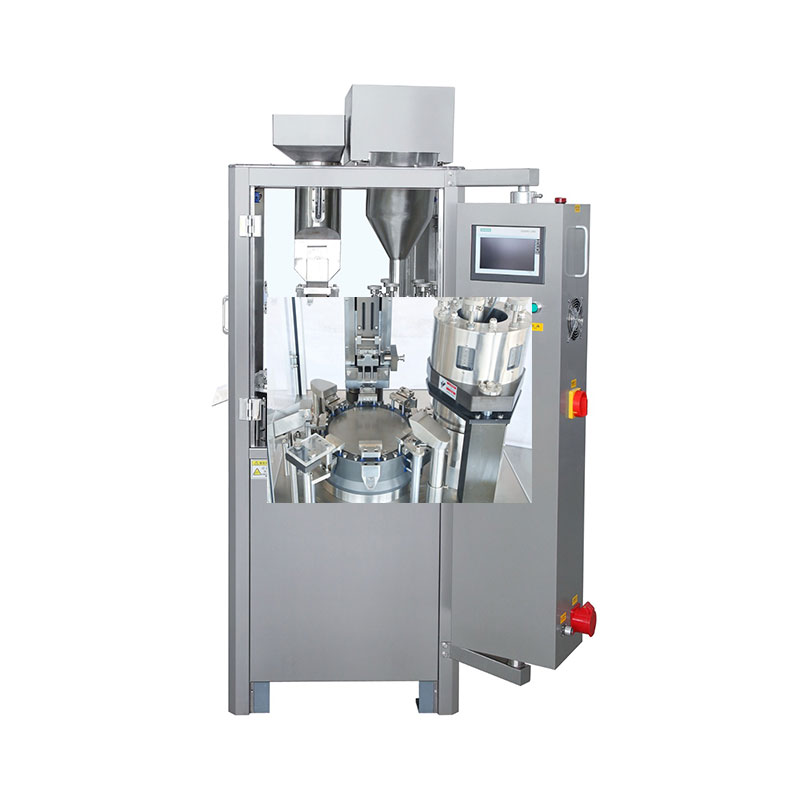 NJP-200 Model Fully Automatic Capsule Filling Machine
 -
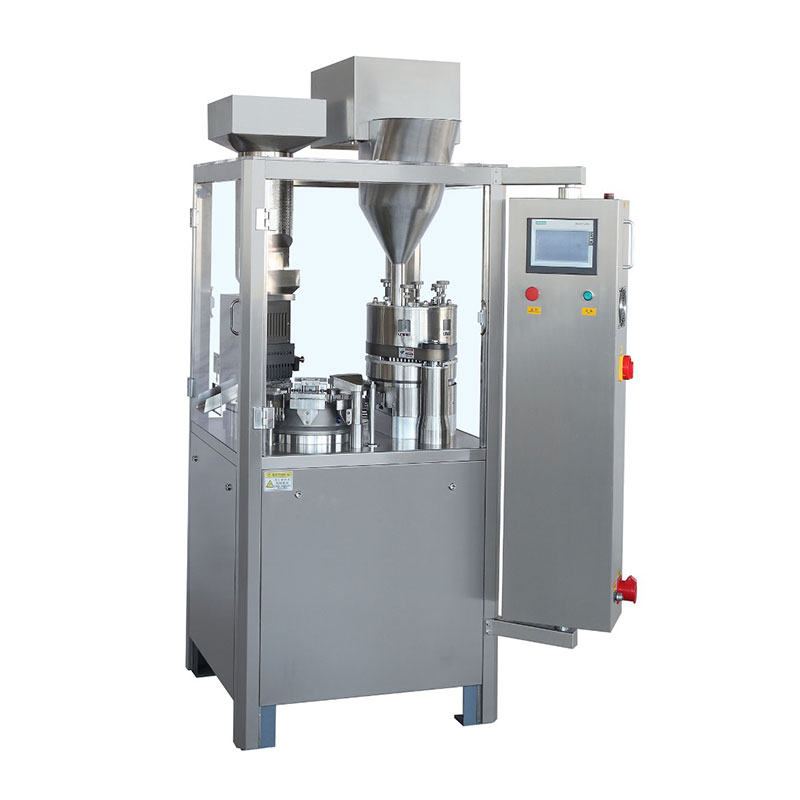 NJP-1200 Automatic Capsule Filling Machine
Related Search
Related Search- Best hard gelatin capsule filling
- OEM size 0 vegetarian capsules
- Empty Capsules for Powder
- high quality 00 capsule filler
- Certificate bosch capsule filling machine
- OEM clear vegetable capsules
- high quality capsule machine size 3
- OEM njp 1200 capsule filling machine
- Discount DPP 80 Blister machinePVC/ALU
- Discount 00 veggie capsules