
- Chinese
- French
- German
- Portuguese
- Spanish
- Russian
- Japanese
- Korean
- Arabic
- Irish
- Greek
- Turkish
- Italian
- Danish
- Romanian
- Indonesian
- Czech
- Afrikaans
- Swedish
- Polish
- Basque
- Catalan
- Esperanto
- Hindi
- Lao
- Albanian
- Amharic
- Armenian
- Azerbaijani
- Belarusian
- Bengali
- Bosnian
- Bulgarian
- Cebuano
- Chichewa
- Corsican
- Croatian
- Dutch
- Estonian
- Filipino
- Finnish
- Frisian
- Galician
- Georgian
- Gujarati
- Haitian
- Hausa
- Hawaiian
- Hebrew
- Hmong
- Hungarian
- Icelandic
- Igbo
- Javanese
- Kannada
- Kazakh
- Khmer
- Kurdish
- Kyrgyz
- Latin
- Latvian
- Lithuanian
- Luxembou..
- Macedonian
- Malagasy
- Malay
- Malayalam
- Maltese
- Maori
- Marathi
- Mongolian
- Burmese
- Nepali
- Norwegian
- Pashto
- Persian
- Punjabi
- Serbian
- Sesotho
- Sinhala
- Slovak
- Slovenian
- Somali
- Samoan
- Scots Gaelic
- Shona
- Sindhi
- Sundanese
- Swahili
- Tajik
- Tamil
- Telugu
- Thai
- Ukrainian
- Urdu
- Uzbek
- Vietnamese
- Welsh
- Xhosa
- Yiddish
- Yoruba
- Zulu
- Kinyarwanda
- Tatar
- Oriya
- Turkmen
- Uyghur



OEM empty vegetarian capsules size 1
Understanding OEM Empty Vegetarian Capsules Size 1
OEM empty vegetarian capsules size 1 have become an integral component of the supplement industry, providing manufacturers with a versatile and efficient option for delivering various ingredients. Yet, there's often confusion about what OEM and vegetarian truly mean in this context. Let's delve into this, exploring both the benefits and challenges encountered by professionals in the field.
What Does OEM Mean for Capsules?
OEM, or Original Equipment Manufacturer, implies that the capsules are produced by one company for use under another company's brand. This arrangement allows for customization and can significantly cut costs in production. However, choosing the right manufacturer is crucial. I recall working with suppliers who promised the world but delivered inconsistent quality. It's not uncommon in this business to learn hard lessons about vetting partners, especially when scaling production.
At SUQIAN KELAIYA INTERNATIONAL TRADING CO., LTD., we emphasize the importance of reliability. Our facilities in Zhejiang and Jiangsu are streamlined to ensure quality, which isn't just a marketing line—it's an operational ethos. You need facilities that are ready to transition smoothly between batch sizes while maintaining consistency.
OEM capsules offer flexibility but require precise specifications and careful monitoring. I once faced an issue where the capsules didn't gel right due to improper humidity control. Such experiences teach you to put a premium on detail. Each step, from ingredient compatibility to environmental controls, impacts the final product.
The Vegetarian Capsule Advantage
Demand for vegetarian options has surged, and the supplement industry is no exception. Vegetarian capsules, often made of HPMC (hydroxypropyl methylcellulose), allow brands to appeal to vegan and health-conscious consumers. But it's not just a matter of ingredient swapping. The stability and dissolution rate of these capsules can differ from traditional gelatins.
With vegetarian capsules, there's always a fine balance. While they are excellent for moisture-sensitive contents, issues like brittleness can occur. One must pay careful attention to storage and transportation conditions. In our own endeavors at Suqian Kelaiya Corp., we learned to anticipate seasonal variances and adjust accordingly to guard against unexpected brittleness.
Being proactive is key. Once, a batch destined for a tropical climate was nearly compromised, but timely intervention and robust quality checks saved the day. Understanding not just the material science behind the capsules, but also the logistical demands, is paramount.
Operational Challenges in Capsule Production
Producing empty vegetarian capsules is resource-intensive. From the material procurement to aligning production with eco-friendly practices, challenges are multifaceted. Cost efficiency is often at odds with sustainability goals, and striking a balance can be tricky.
At Suqian Kelaiya, we've tackled these challenges by investing in technology that minimizes waste and energy consumption. This includes capsule filling machines and blister machines tailored for vegetarian capsules. By doing so, we've managed to keep costs aligned while meeting green standards.
However, the technology alone isn't a panacea. Human expertise is crucial; machines do malfunction. Training teams to handle these hiccups has become a core part of our operational strategy. This mix of technology and human oversight maintains production quality without sacrificing ethical standards.
The Role of Quality Control
Quality control in capsule manufacturing goes beyond regular checks. Detailed analyses of composition, disintegration, and bioavailability are non-negotiable. I've sat through many unexpectedly long days where unforeseen quality issues emerged. A single oversight in QC can lead to significant setbacks.
We've developed a robust QC framework at Suqian Kelaiya, where continuous monitoring is paired with real-time data analysis. This system has been instrumental in pre-emptively identifying issues before they escalate, a necessity in maintaining our reputation.
Part of effective QC is listening to feedback from the field. Feedback loops with clients have provided invaluable insights, prompting tweaks in formulation and manufacturing processes. This collaborative approach helps fine-tune operations continually, ensuring each batch meets the requisite standards.
Market Dynamics and Consumer Trends
The market for OEM empty vegetarian capsules size 1 is evolving rapidly. Consumers are increasingly informed and discerning. As a result, transparency about sourcing and production practices is no longer optional. Marketing these capsules involves more than touting their vegetarian nature; it's about building trust through verified practices.
We've noticed a shift towards smaller batch production, aligning with trends in personalized nutrition. Personalization requires adaptability in manufacturing, a challenge we've embraced by renovating our production lines for greater flexibility.
The feedback we've received is that trust is built through consistent delivery on promises. By being upfront about our processes and showcasing our manufacturing sites online, like at https://www.kelaiyacorp.com, we've fostered stronger consumer connections.
Related Products
Related Products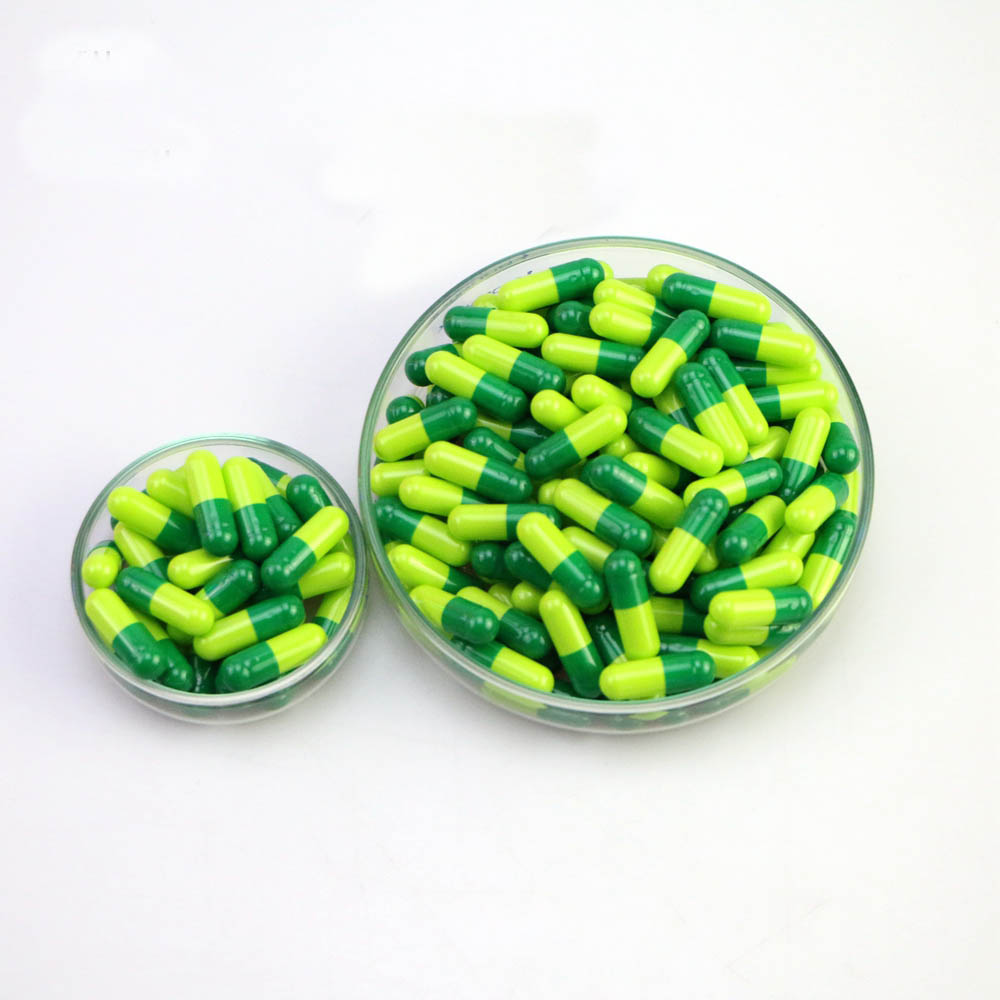
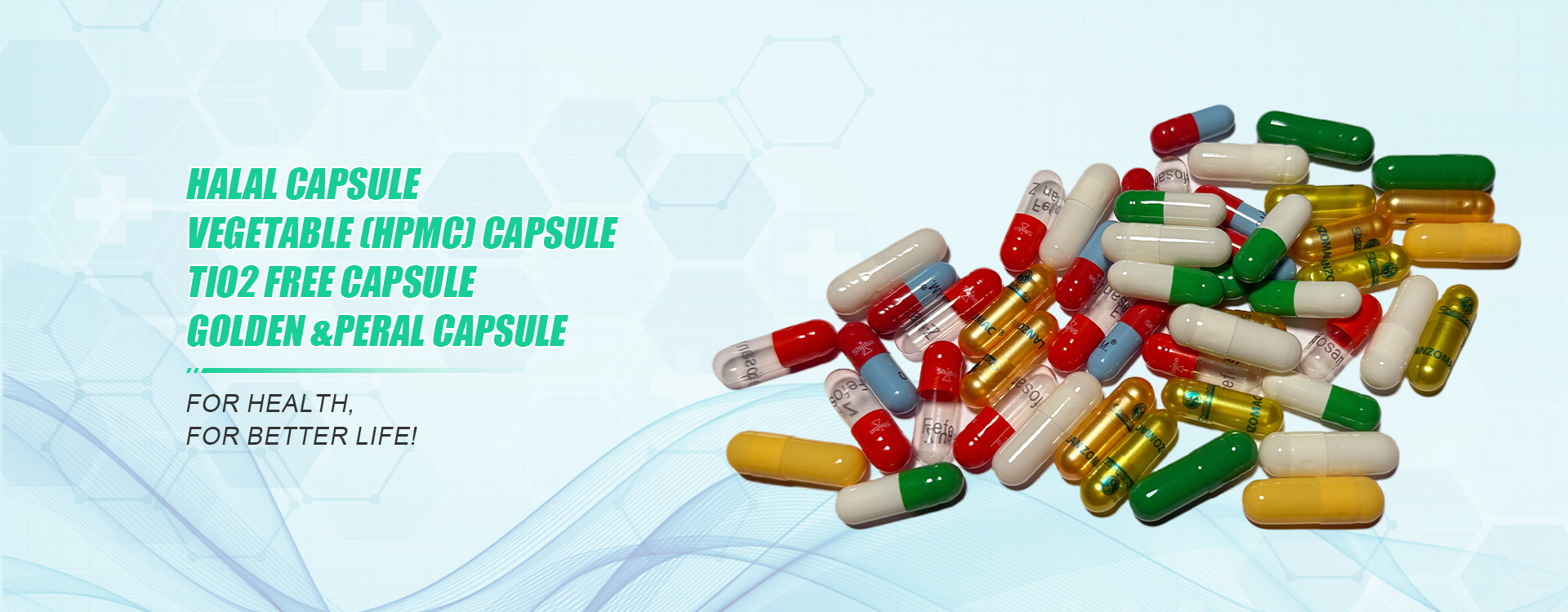
Best Selling Products
Best Selling Products-
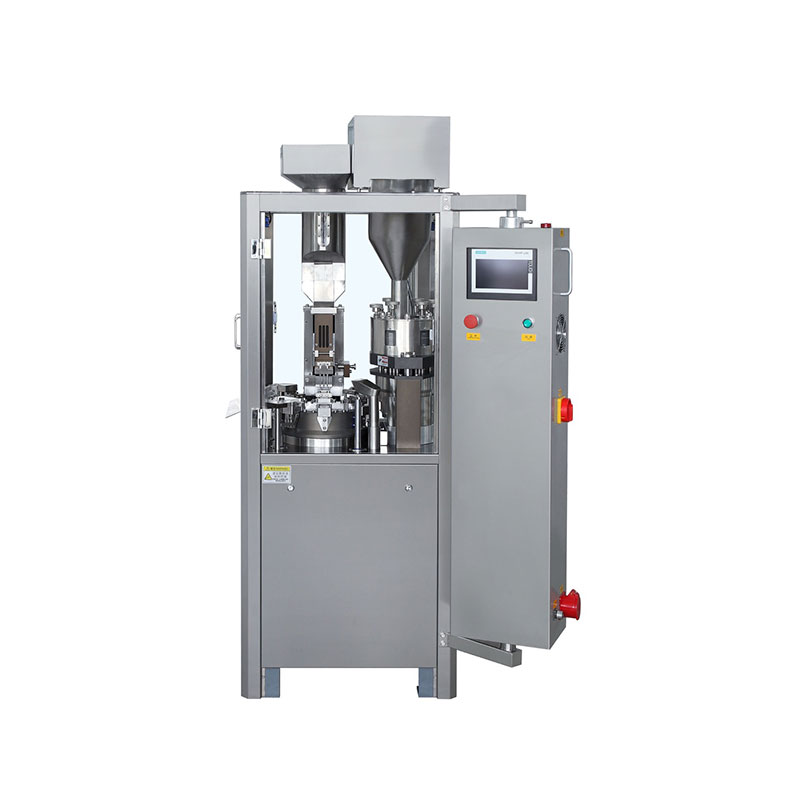 NJP-400 Fully Automatic Capsule Filling Machine
 -
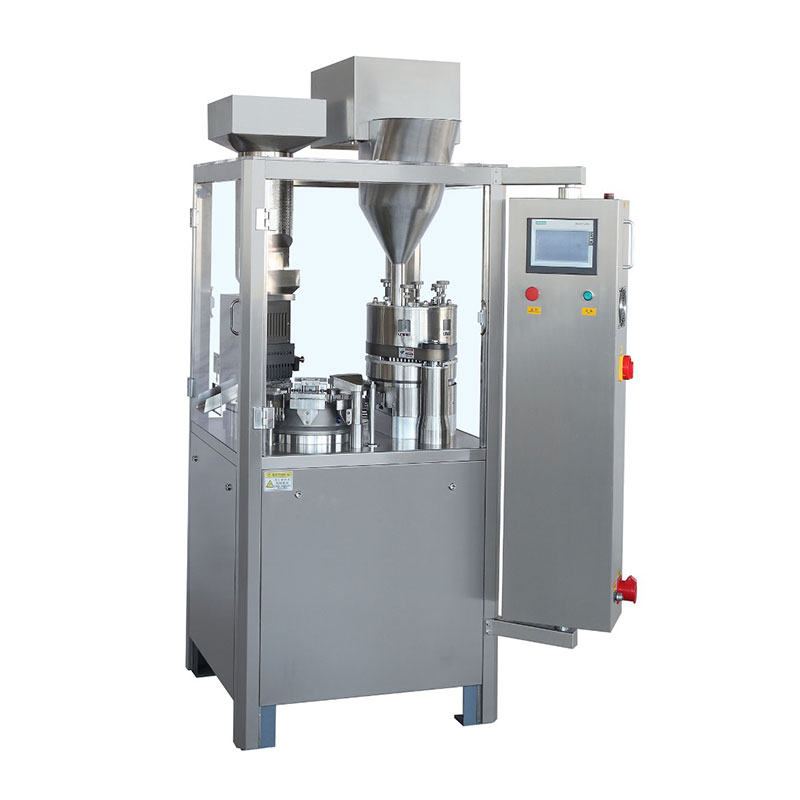 NJP-1200 Automatic Capsule Filling Machine
 -
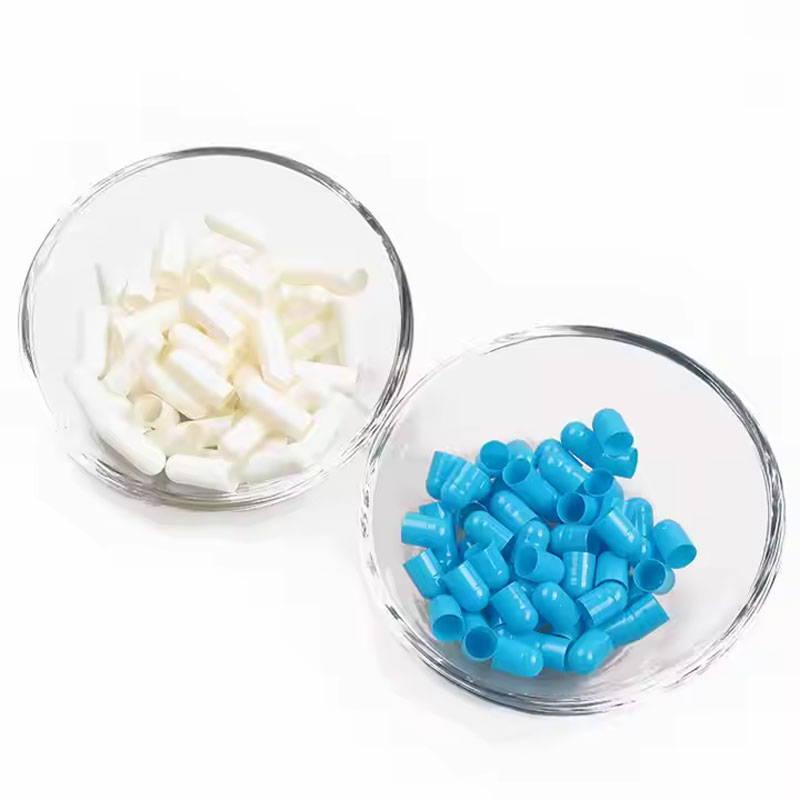 Empty VegCaps Shell Clear Empty Vegan Plant-Based Capsules Size 00 0 1 2 3 4 Natural Vegetable HPMC Capsules
 -
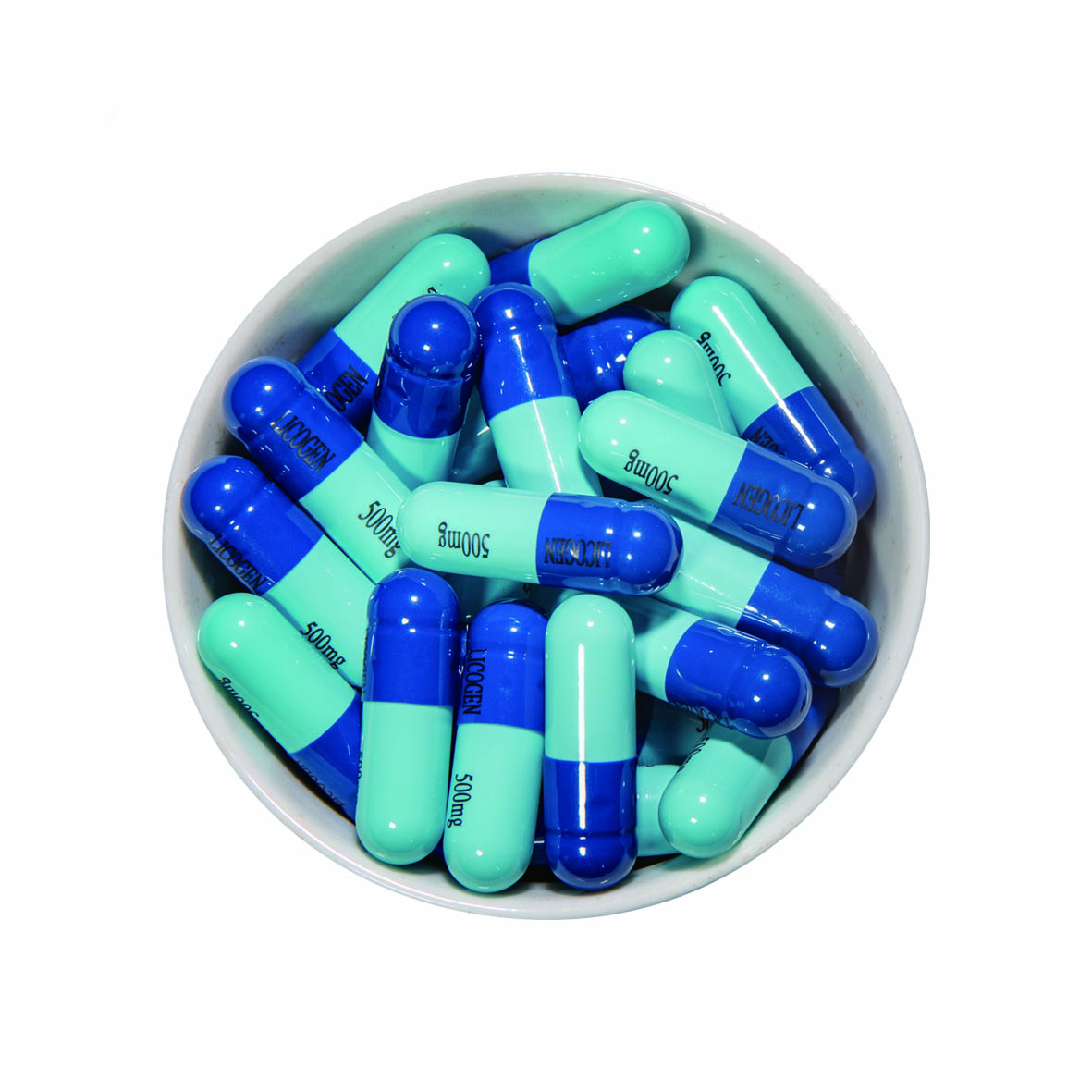 Hard Gelatin Empty Capsule Shell Size 00 0 1 2 3 4
 -
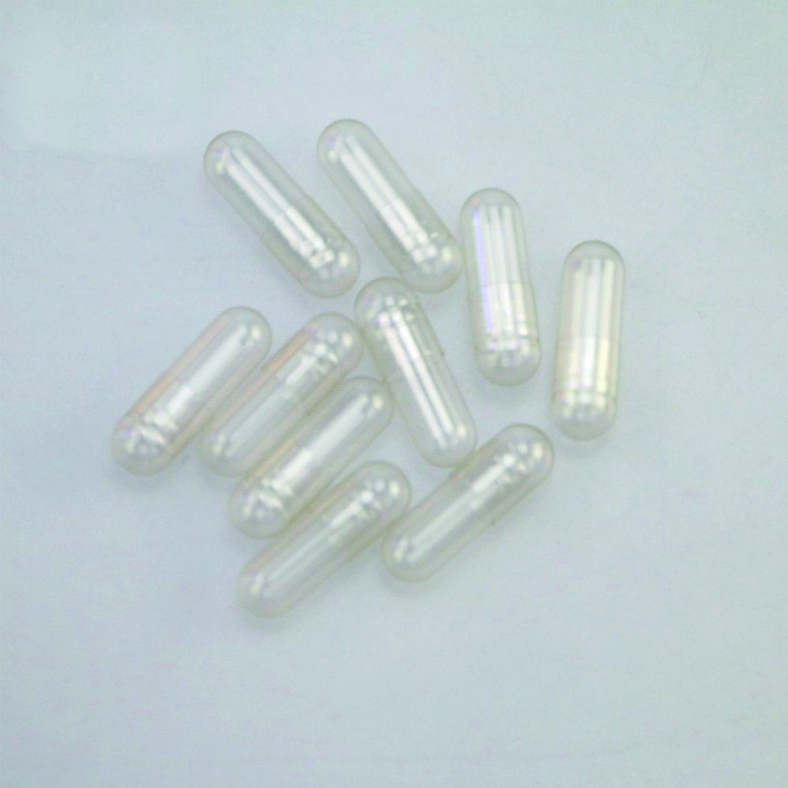 EMPTY HPMC CAPSULE SIZE 00 CLEAR
 -
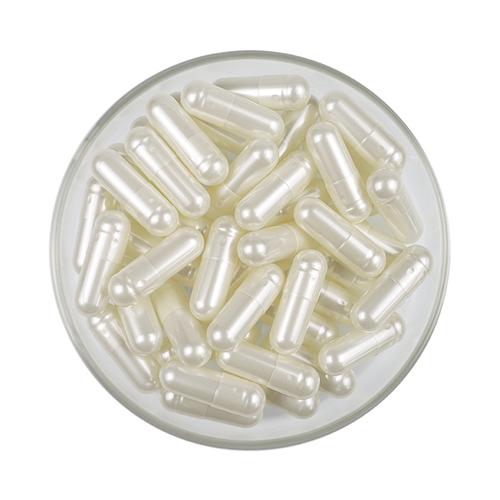 Golden_Pearl Hard Gelatin Capule
 -
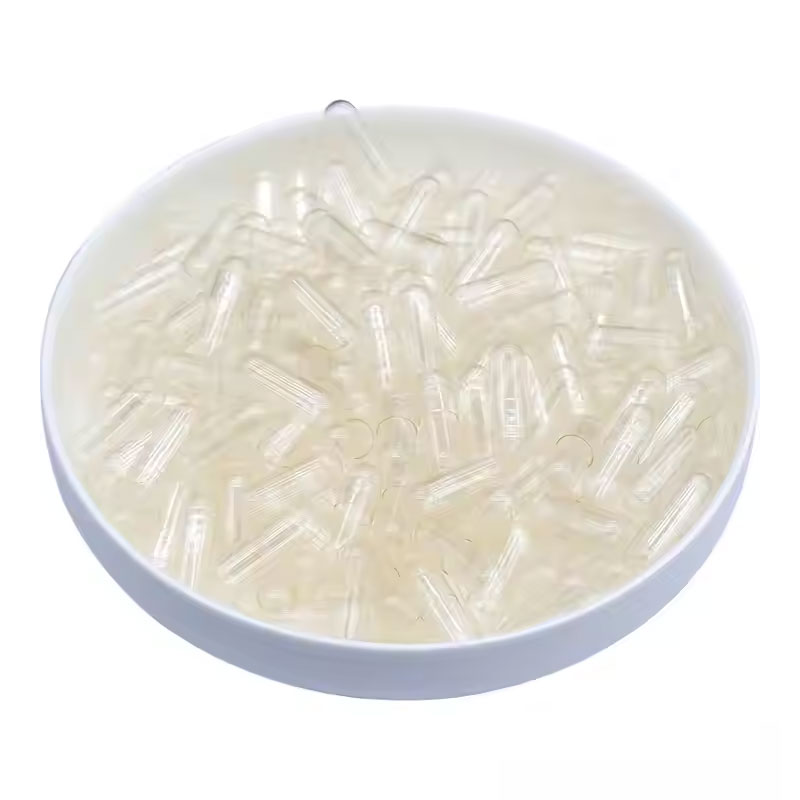 EMPTY VEGATABLE CAPSULE CLEAR SIZE 0
 -
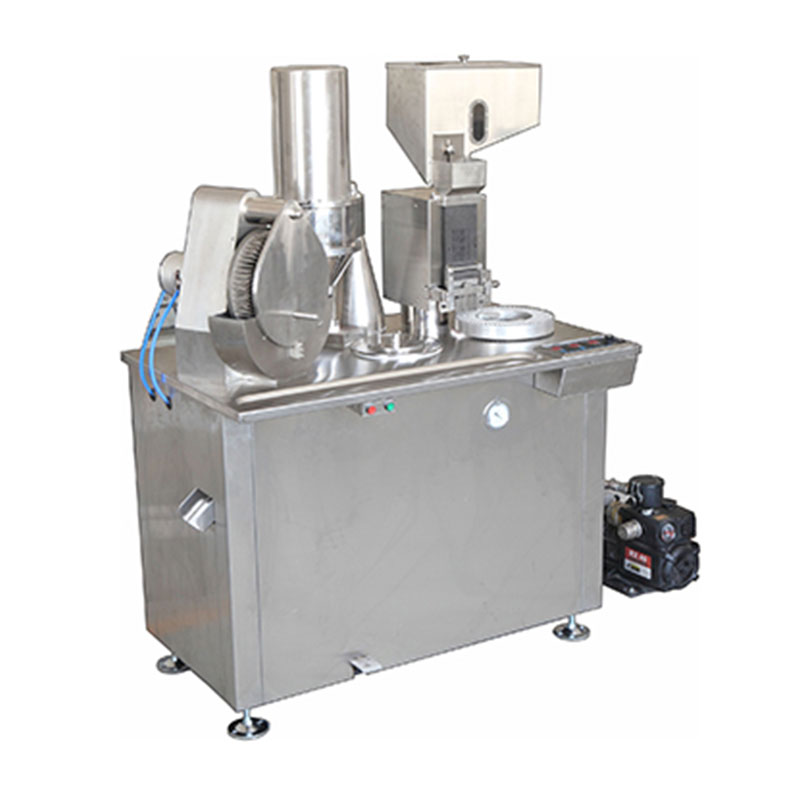 CGN208-D Newest Type Semi Automatic Capsule Filling Machine
 -
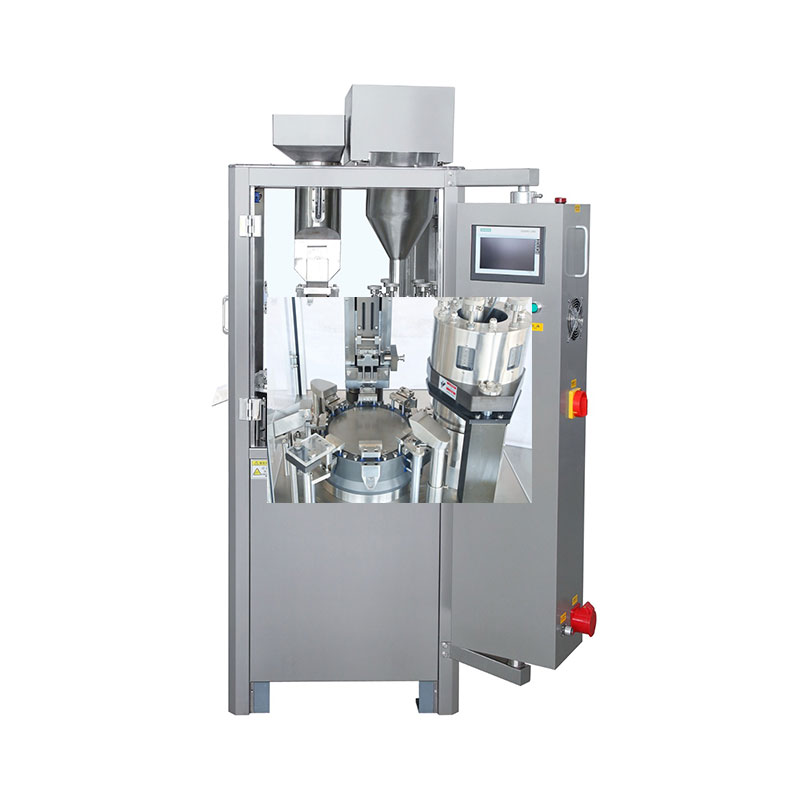 NJP-200 Model Fully Automatic Capsule Filling Machine
 -
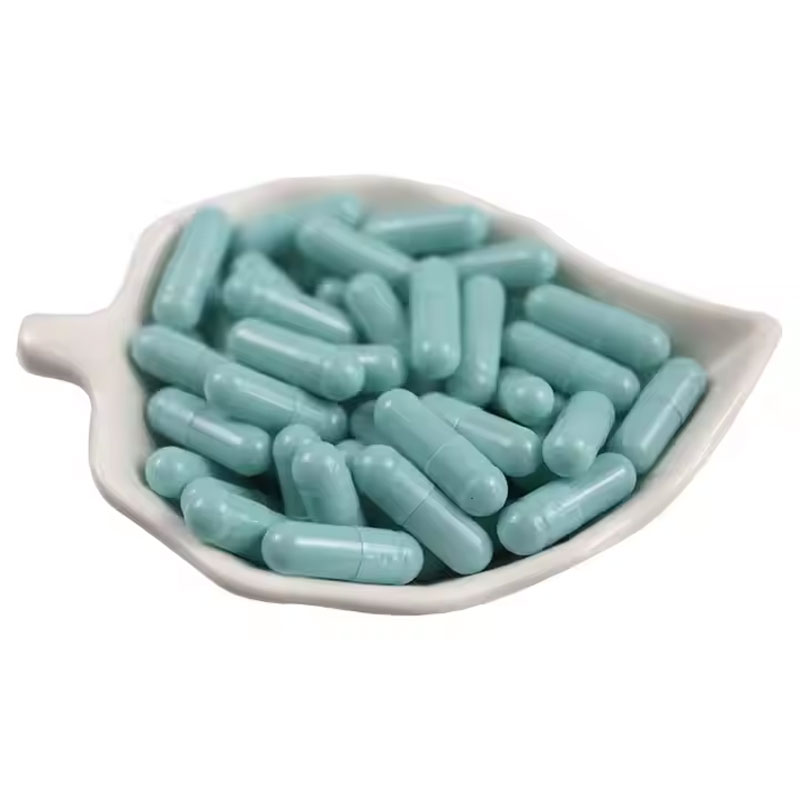 Vegetarian Separated Capsules HPMC Capsules Separated Wholesale Vegetarian Capsules Discount for Bulk Orders
 -
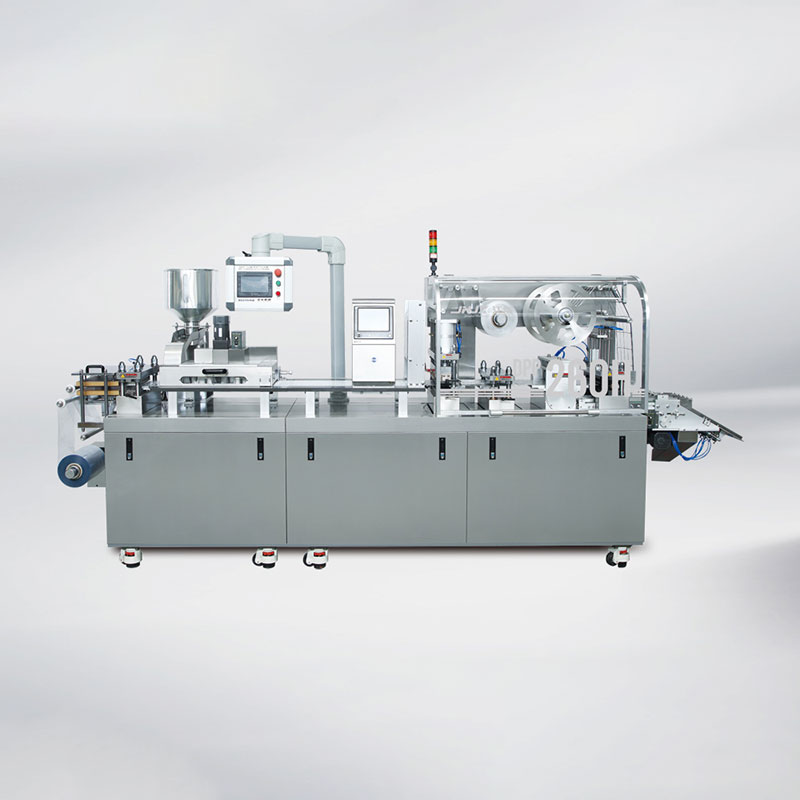 DPP-260H_DPP-320H Flat-plate Blister Packing Machine
 -
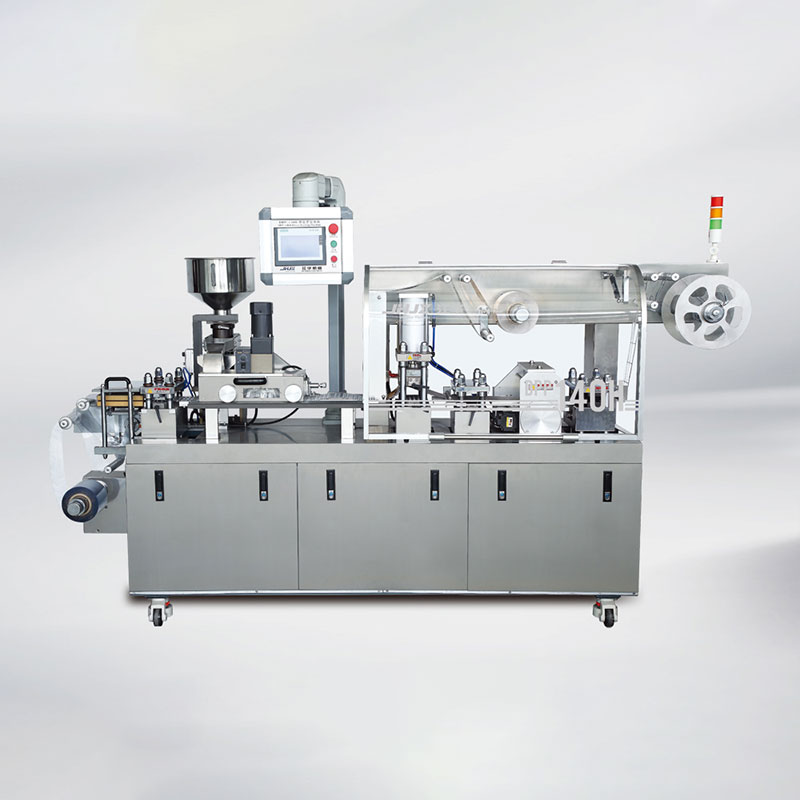 DPP-140H Flat-plate Blister Packing Machine
Related Search
Related Search- Discount capsule filling machine size 1
- заключается,222
- Best pill filling machine
- Certificate vegetable capsules 0
- high quality halala empty capsule
- high quality best vegetable capsules
- Discount pill capsule filling machine
- DPP 140 Blister machine PVC/ALU
- high quality size 5 capsule filling machine
- Best automatic capsule filling machine slideshare