
- Chinese
- French
- German
- Portuguese
- Spanish
- Russian
- Japanese
- Korean
- Arabic
- Irish
- Greek
- Turkish
- Italian
- Danish
- Romanian
- Indonesian
- Czech
- Afrikaans
- Swedish
- Polish
- Basque
- Catalan
- Esperanto
- Hindi
- Lao
- Albanian
- Amharic
- Armenian
- Azerbaijani
- Belarusian
- Bengali
- Bosnian
- Bulgarian
- Cebuano
- Chichewa
- Corsican
- Croatian
- Dutch
- Estonian
- Filipino
- Finnish
- Frisian
- Galician
- Georgian
- Gujarati
- Haitian
- Hausa
- Hawaiian
- Hebrew
- Hmong
- Hungarian
- Icelandic
- Igbo
- Javanese
- Kannada
- Kazakh
- Khmer
- Kurdish
- Kyrgyz
- Latin
- Latvian
- Lithuanian
- Luxembou..
- Macedonian
- Malagasy
- Malay
- Malayalam
- Maltese
- Maori
- Marathi
- Mongolian
- Burmese
- Nepali
- Norwegian
- Pashto
- Persian
- Punjabi
- Serbian
- Sesotho
- Sinhala
- Slovak
- Slovenian
- Somali
- Samoan
- Scots Gaelic
- Shona
- Sindhi
- Sundanese
- Swahili
- Tajik
- Tamil
- Telugu
- Thai
- Ukrainian
- Urdu
- Uzbek
- Vietnamese
- Welsh
- Xhosa
- Yiddish
- Yoruba
- Zulu
- Kinyarwanda
- Tatar
- Oriya
- Turkmen
- Uyghur



OEM cellulose vegetable capsule
Understanding the World of OEM Cellulose Vegetable Capsules
OEM cellulose vegetable capsules have become a staple in the nutraceutical and pharmaceutical industries, yet there's still a surprising amount of misinformation and confusion surrounding them. Many assume these are just the 'green' alternative to gelatin capsules, but there's more beneath the surface. Here, I dig into the nuances, drawing from practical experience, real scenarios, and a touch of trial and error.
The Basics of Cellulose Vegetable Capsules
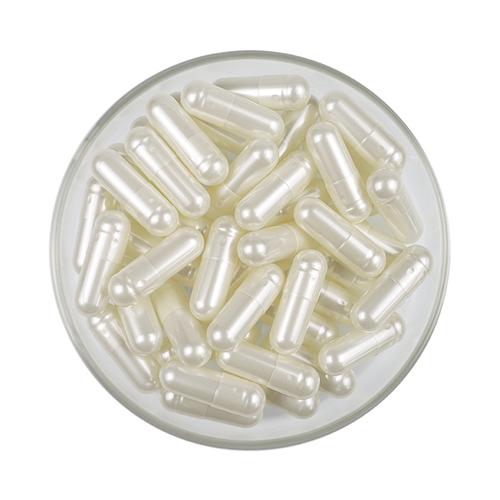
Let's start with the composition. Made primarily from hydroxypropyl methylcellulose (HPMC), these capsules are indeed a plant-based alternative to gelatin. The widespread assumption is that because they're 'natural,' they're inherently better. But that's not the whole truth. In my experience, while they offer an excellent option for vegetarians and vegans, their behavior during manufacturing can present unique challenges.
Take, for example, their sensitivity to humidity. Unlike gelatin capsules that are fairly forgiving, cellulose capsules demand precise humidity control during production and storage. I vividly remember a time when a batch absorbed too much moisture, leading to clumping issues that disrupted an order. That day taught me the importance of stringent environmental controls in handling these capsules.
Another key point is their stability. Cellulose capsules are non-reactive and preserve the integrity of encapsulated contents better over long periods. This feature is a boon for sensitive formulations, yet strangely overlooked until you've had a product sensitivity issue with gelatinous alternatives.
OEM Capabilities and Customization
When tapping into OEM services, customization options with cellulose capsules are vast. At SUQIAN KELAIYA INTERNATIONAL TRADING CO., LTD, we've found increasing client demand for varied sizes and colors, driven by branding needs and user preferences. Whether embossing logos or tailoring slot colors to match brand themes, the possibilities are nearly endless.
The process, however, isn't without its pitfalls. Custom colors, while visually appealing, require precise formulation to avoid compromising the capsule structure. I recall a project where a vivid hue request led to multiple testing cycles due to hue-related brittleness, demonstrating the delicate balance required.
Despite these challenges, the versatility offered by these capsules encourages innovation. Whether incorporating botanical ingredients or optimizing dosage forms, cellulose capsules support extensive product formulation creativity without sacrificing quality.
Challenges in Manufacturing and Supply Chain
Working in this field, one often encounters logistical challenges. With manufacturing sites in Zhejiang and Jiangsu provinces, Suqian kelaiya corp. manages complex supply chains effectively, but not without occasional hurdles. An example is the raw material sourcing which can sometimes experience delays due to international trade dynamics.
Ensuring a consistent supply is critical. I remember vividly a phase where a supplier delay rolled out a ripple effect, affecting production timelines. This experience shed light on the necessity of flexible logistics and reliable suppliers, ensuring minimal disruptions even when unforeseen issues arise.
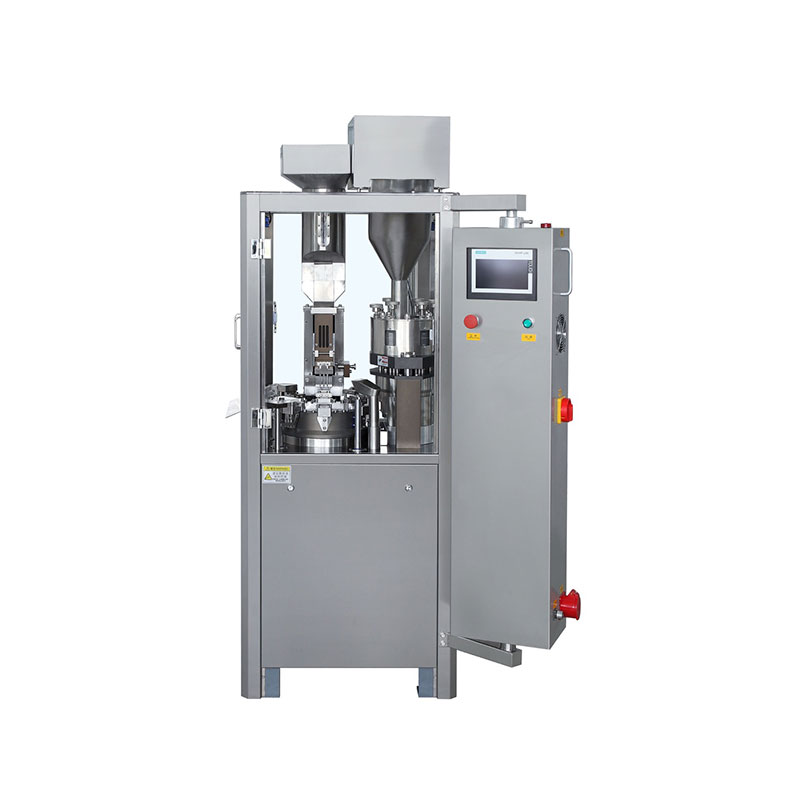
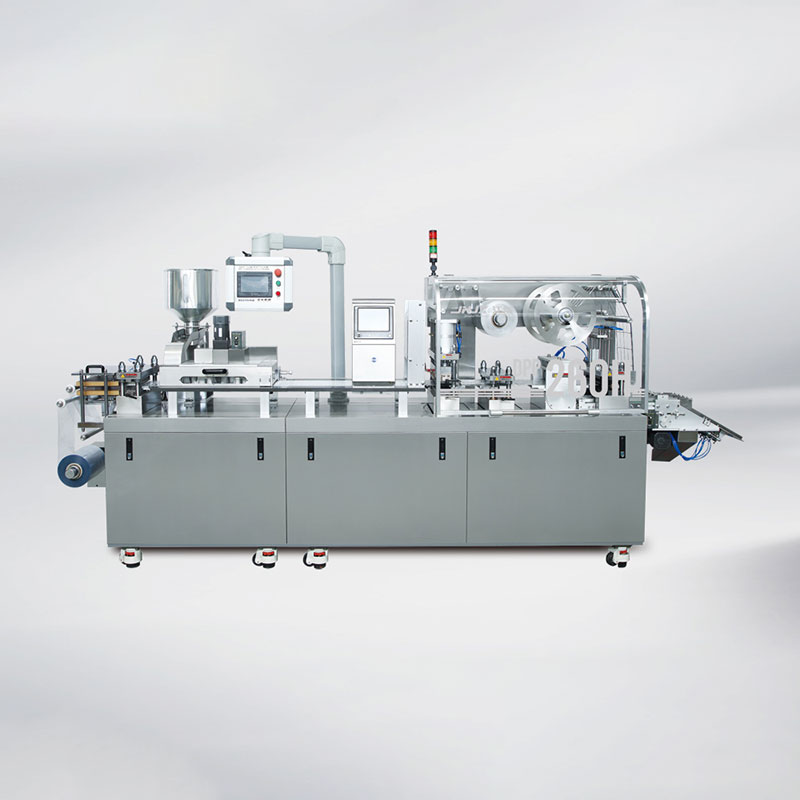
The need for responsive equipment is another facet. Machines calibrated for gelatin don’t seamlessly transition to cellulose. Investing in adaptable capsule filling and blister machinery has proven indispensable in maintaining production efficacy.
Regulatory Considerations and Market Trends
Regulatory scrutiny is intensifying, and rightfully so. As consumers become better informed, compliance with regional and international standards cannot be compromised. At https://www.kelaiyacorp.com, staying ahead of regulatory updates is crucial, especially with the increasing emphasis on labeling laws and ingredient traceability.
Moreover, market trends toward cleaner labels and transparency are pushing manufacturers toward cellulose capsules. I’ve observed firsthand how client inquiries have shifted towards non-GMO, allergen-free, and even organic certifications. This shift is more than a trend—it's becoming an expectation.
Moreover, packaging innovation plays a significant role. I’ve seen brands successfully differentiate themselves through sustainable packaging solutions combined with cellulose capsules, reinforcing an eco-friendly image.
Sustainability and the Future of Cellulose Capsules
Sustainability is undeniably a driving force. As the environmental impact of production becomes a focal point, cellulose capsules offer a reduced footprint compared to animal-based counterparts. However, sustainable does not mean simplistic.
Implementing sustainable practices encompasses all facets of production, from energy usage to waste management. For Suqian kelaiya corp., prioritizing sustainability has involved adapting processes and maintaining a delicate balance between innovation and environmental responsibilities.
Looking forward, I am convinced that renewable sources and biotechnological advances will continue to redefine what cellulose capsules can offer. For those of us vested in this industry, the journey remains as challenging as it is exciting, with each step bringing new lessons and groundbreaking revelations.
Related Products
Related Products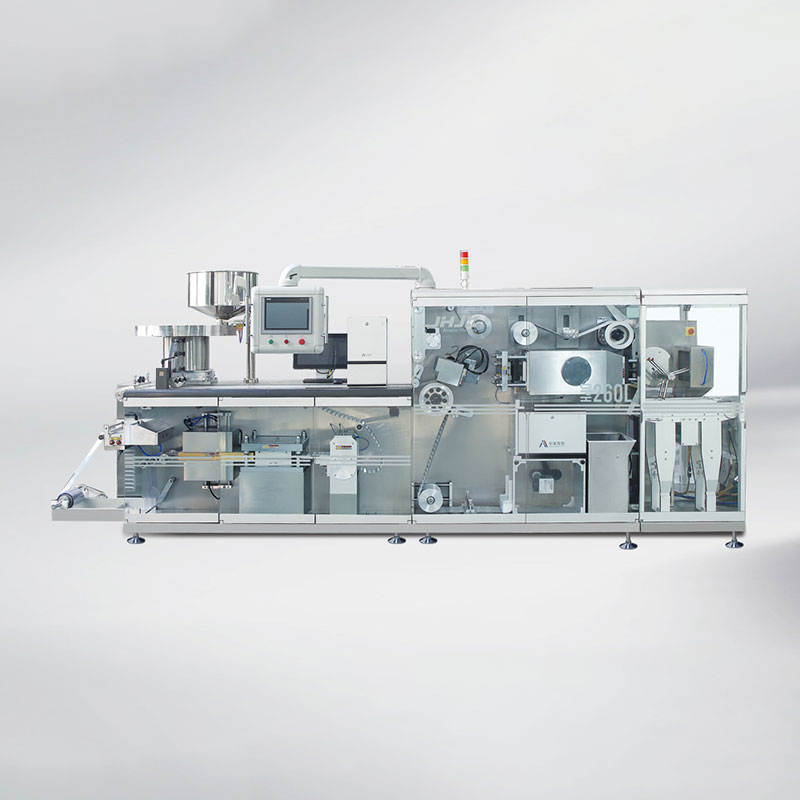

Best Selling Products
Best Selling Products-
 Hpmc Capsules Product Plant Vegetarian Size 00 0 Capsule Shell
 -
 EMPTY VEGATABLE CAPSULE CLEAR SIZE 0
 -
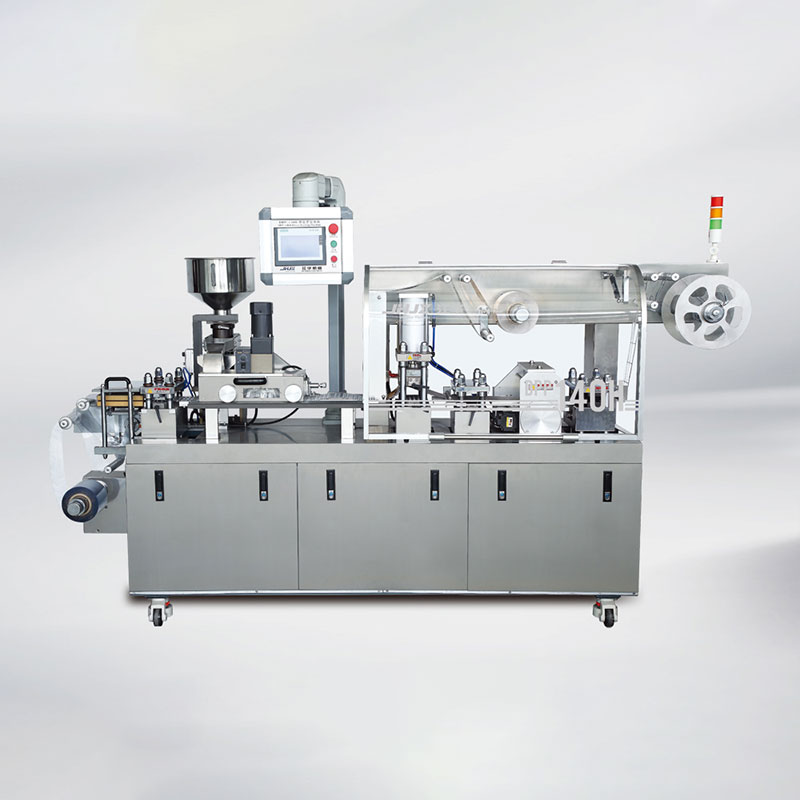 DPP-140H Flat-plate Blister Packing Machine
 -
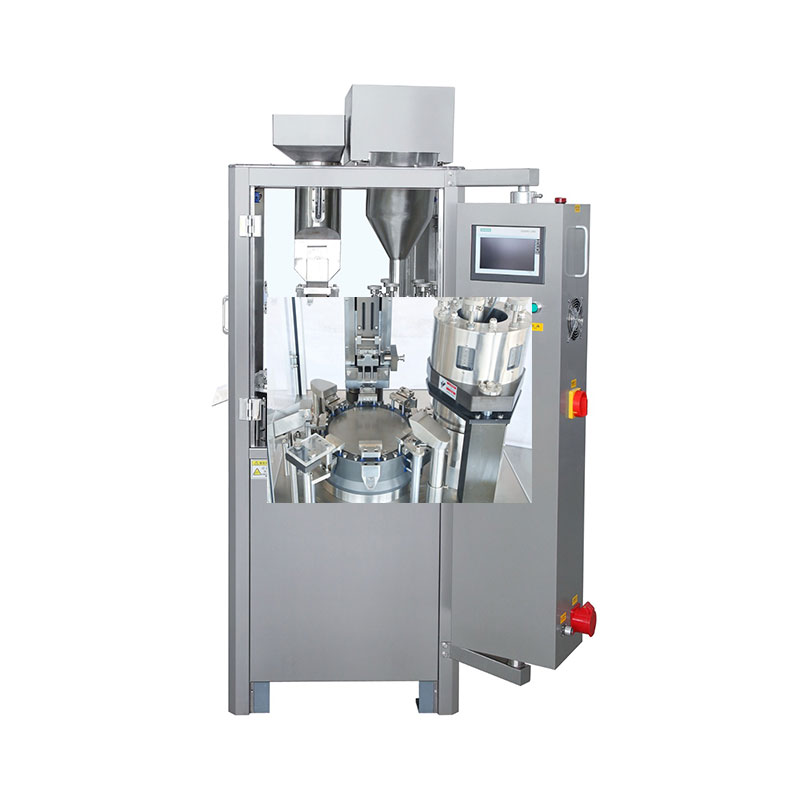 NJP-200 Model Fully Automatic Capsule Filling Machine
 -
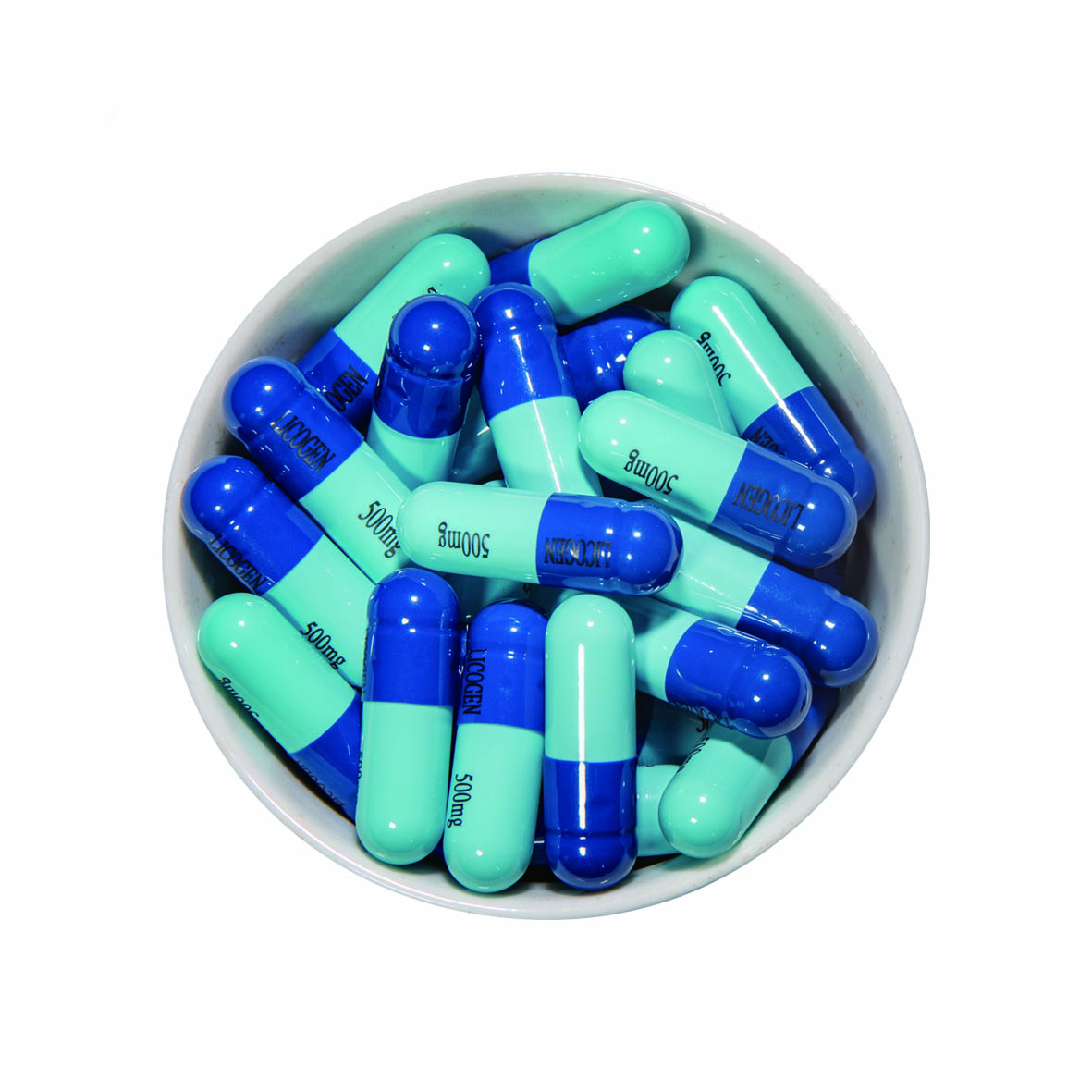 Hard Gelatin Empty Capsule Shell Size 00 0 1 2 3 4
 -
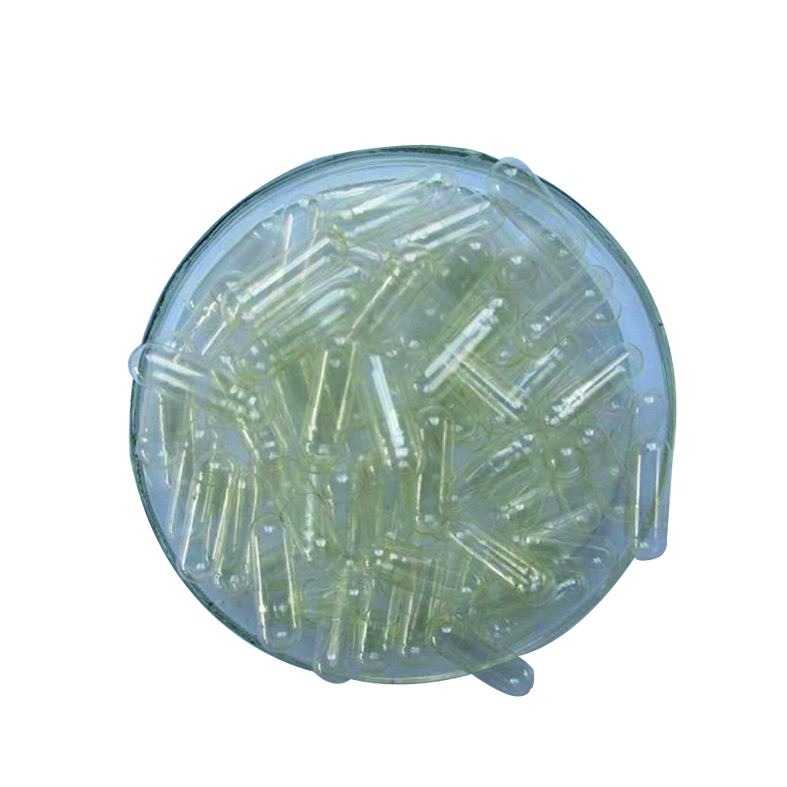 Halal Certificate Empty Clear Hard Gelatin Capsules Shell Size 0
 -
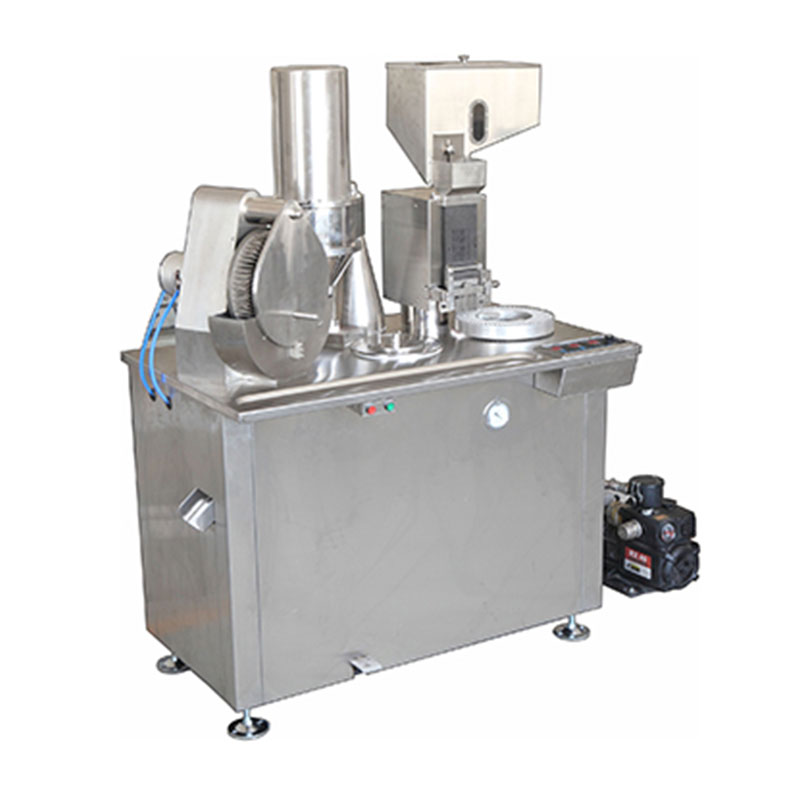 CGN208-D Newest Type Semi Automatic Capsule Filling Machine
 -
 Size 00 hpmc capsules vegetarian capsules empty hard veggie capsules
 -
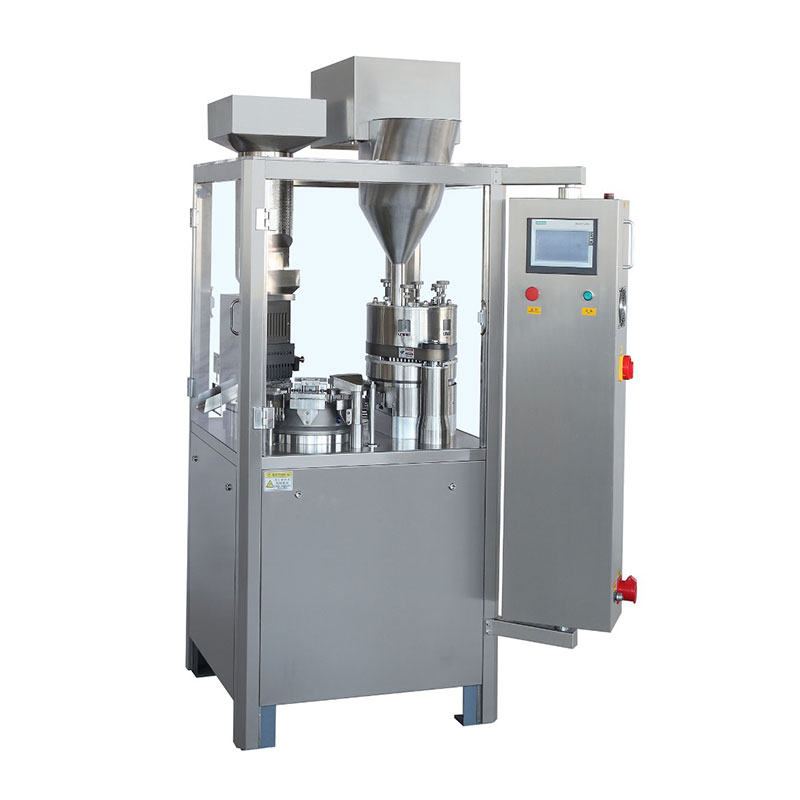 NJP-1200 Automatic Capsule Filling Machine
 -
 Vegetarian Separated Capsules HPMC Capsules Separated Wholesale Vegetarian Capsules Discount for Bulk Orders
 -
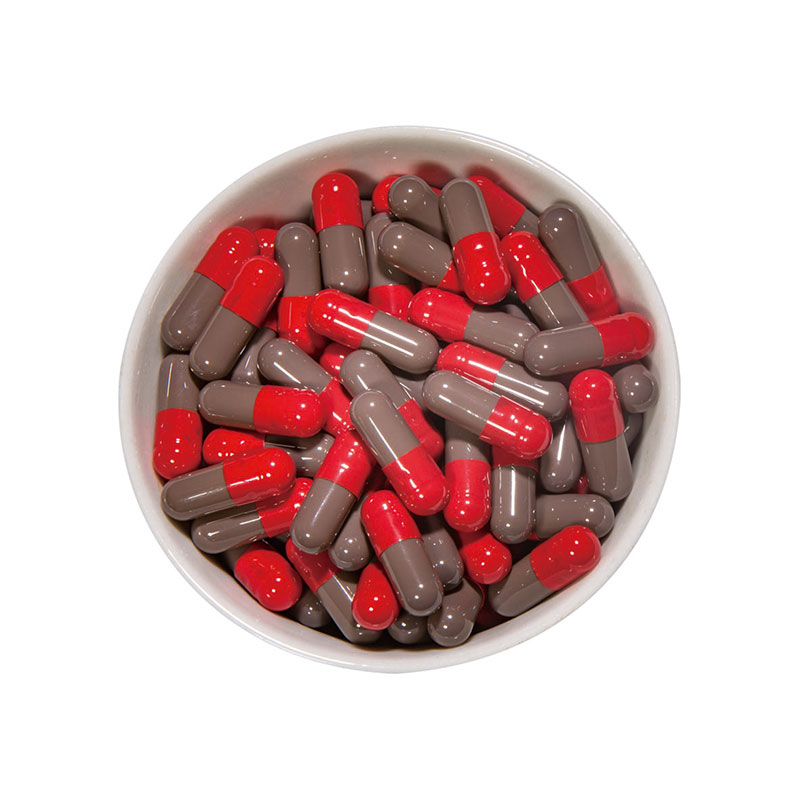 TIO2 free gelatin CAPSULE
 -
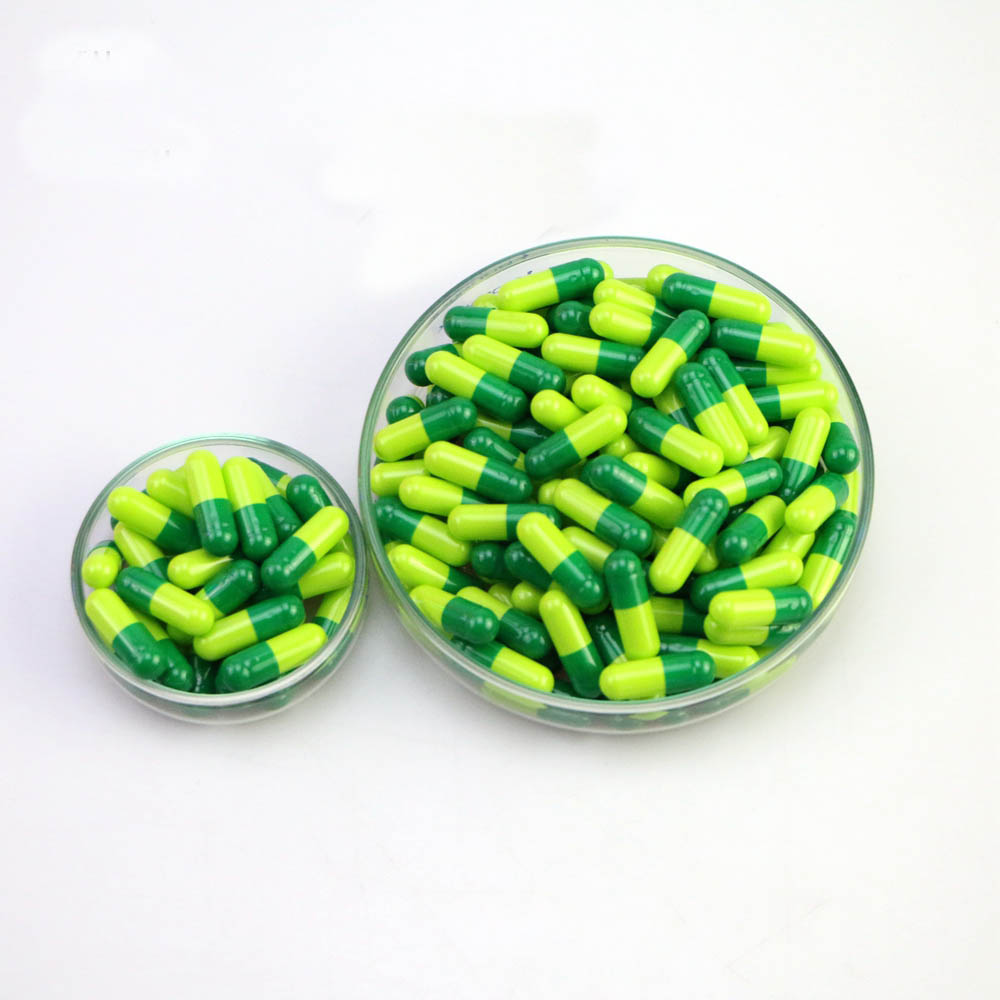 Halal empty hard geltin capsule
Related Search
Related Search- Discount filling machine of capsule
- Best 00 veggie capsules
- Discount 000 capsule filler
- Certificate Empty Capsules for Powder
- Best semi-automatic capsule filling machine
- high quality size 0 vegetable capsules
- Best empty Vegetable Capsule
- OEM Blister machine FOR tABLET
- high quality pharma capsule filling machine
- Best small automatic capsule filling machine