
- Chinese
- French
- German
- Portuguese
- Spanish
- Russian
- Japanese
- Korean
- Arabic
- Irish
- Greek
- Turkish
- Italian
- Danish
- Romanian
- Indonesian
- Czech
- Afrikaans
- Swedish
- Polish
- Basque
- Catalan
- Esperanto
- Hindi
- Lao
- Albanian
- Amharic
- Armenian
- Azerbaijani
- Belarusian
- Bengali
- Bosnian
- Bulgarian
- Cebuano
- Chichewa
- Corsican
- Croatian
- Dutch
- Estonian
- Filipino
- Finnish
- Frisian
- Galician
- Georgian
- Gujarati
- Haitian
- Hausa
- Hawaiian
- Hebrew
- Hmong
- Hungarian
- Icelandic
- Igbo
- Javanese
- Kannada
- Kazakh
- Khmer
- Kurdish
- Kyrgyz
- Latin
- Latvian
- Lithuanian
- Luxembou..
- Macedonian
- Malagasy
- Malay
- Malayalam
- Maltese
- Maori
- Marathi
- Mongolian
- Burmese
- Nepali
- Norwegian
- Pashto
- Persian
- Punjabi
- Serbian
- Sesotho
- Sinhala
- Slovak
- Slovenian
- Somali
- Samoan
- Scots Gaelic
- Shona
- Sindhi
- Sundanese
- Swahili
- Tajik
- Tamil
- Telugu
- Thai
- Ukrainian
- Urdu
- Uzbek
- Vietnamese
- Welsh
- Xhosa
- Yiddish
- Yoruba
- Zulu
- Kinyarwanda
- Tatar
- Oriya
- Turkmen
- Uyghur


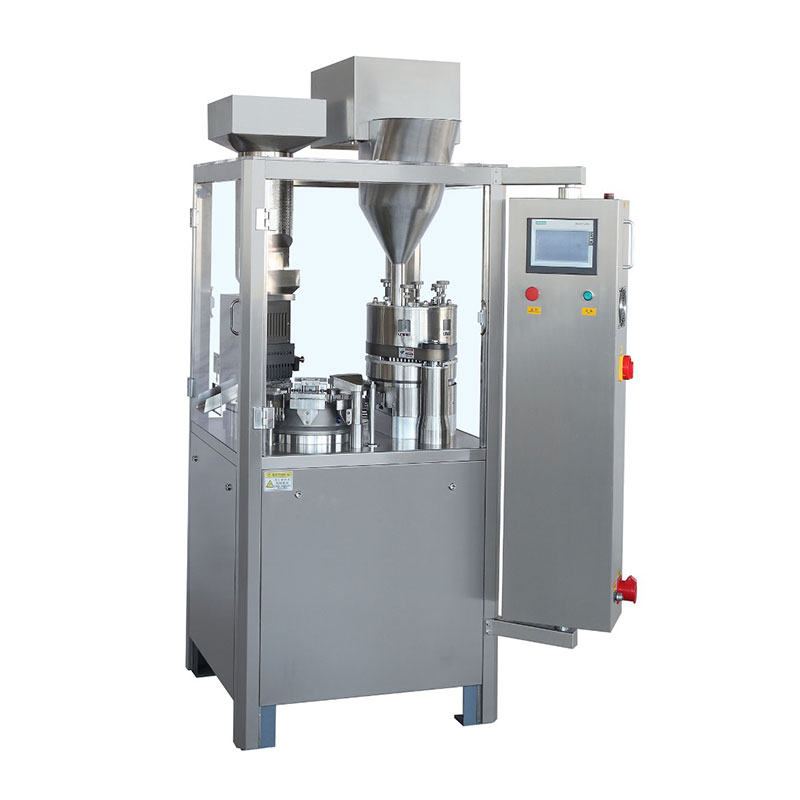
njp 400 capsule filling machine
The Realities of Operating the NJP 400 Capsule Filling Machine
The NJP 400 capsule filling machine is a staple in pharmaceutical manufacturing, often seen in facilities focused on precision and efficiency. You might say it's well-known, but there's a lot more beneath the surface than meets the eye.
Initial Impressions and Common Misunderstandings
One of the first things people assume about the NJP 400 is that it's a plug-and-play solution. While it’s user-friendly, beginners often overlook the nuances of different capsule types and sizes. You can’t just load up any capsule and expect perfect results. There’s a learning curve. I remember my first encounter, underestimating the calibration process and facing a rather embarrassing initial batch rejection.
The machine's design prioritizes flexibility, yes, but understanding the interplay between speed, fill weight, and material consistency is crucial. I’ve seen seasoned operators tweak settings based on mere intuition—something you develop with time and experience. And let’s not even get started on the impact of room conditions on filling accuracy.
Suqian Kelaiya Corp., known for their expertise in drug development and manufacturing, often emphasizes the importance of these initial setup considerations in their training programs. Their support materials made a world of difference during my early days.
Fine-Tuning and Maintenance
Routine maintenance is another area where the NJP 400 demands attention. A well-maintained machine operates smoothly, reducing downtime significantly. Neglect these small, regular check-ups, and you’ll find your production line halts more often than you’d like. I learned this the hard way—ignoring a minor alignment issue led to a full day of missed production targets.
There’s no one-size-fits-all guide here. The manual provides a good baseline, but each machine has its own quirks. It pays off to keep a detailed log of your adjustments and results. You begin to see patterns, predict wear, and preemptively address problems before they escalate.
SUQIAN KELAIYA INTERNATIONAL TRADING CO., LTD, with their facilities in Zhejiang and Jiangsu, offers comprehensive support, helping troubleshoot such issues remotely. Their website, kelaiyacorp.com, is a resource I’ve bookmarked for quick insights and spare parts.
Handling Difficult Materials
Every now and then, a tricky formulation crosses your path. Not all powders are cooperative, and some can be downright stubborn in terms of flow and adhesion. The NJP 400 needs careful adjustment of tamping pins and fill cam speed to handle these variations.
I recall a specific instance with a high-humidity powder—it clumped, stuck to the machine parts, and caused significant jamming. Experimenting with desiccants and environmental controls didn’t just improve the situation for that batch; it taught us to assess material characteristics more thoroughly before filling.
Working with difficult materials often demands a blend of creativity and perseverance. Documentation from past trials can be particularly valuable, providing a shortcut to effective solutions without reinventing the wheel each time.
The Role of Operator Expertise
While technology is a boon, the NJP 400 still relies heavily on the operator’s expert touch. Having worked alongside adept technicians, I’ve seen them identify potential issues by simply listening to the machine operate. That kind of expertise isn’t learned from reading alone—it’s a craft.
Training, therefore, is paramount. Beyond understanding the machine settings, operators benefit enormously from knowing the theory behind capsule filling. This depth of knowledge often translates into quicker problem-solving and innovation on the production floor.
Suqian Kelaiya's emphasis on practical training and peer learning has been instrumental in cultivating this level of expertise among their staff, a practice more companies would benefit from adopting.
Concluding Thoughts on Investments
The decision to invest in a capsule filling machine like the NJP 400 shouldn’t be made lightly. Its value shines when paired with skilled operators and regular upkeep. For businesses like Suqian Kelaiya, this balance of machinery and human expertise is what drives productivity and precision.
From my experience, I’ve seen how the NJP 400 can evolve from a simple tool into an integral part of a streamlined production process. It’s about leveraging every aspect of the machine's design and the operator’s acumen to consistently meet, and often exceed, production goals.
So, while the NJP 400 capsule filling machine is indeed a remarkable piece of equipment, it thrives best in an environment that respects the complexities of its operation and invests in the people who operate it.
Related Products
Related Products

Best Selling Products
Best Selling Products-
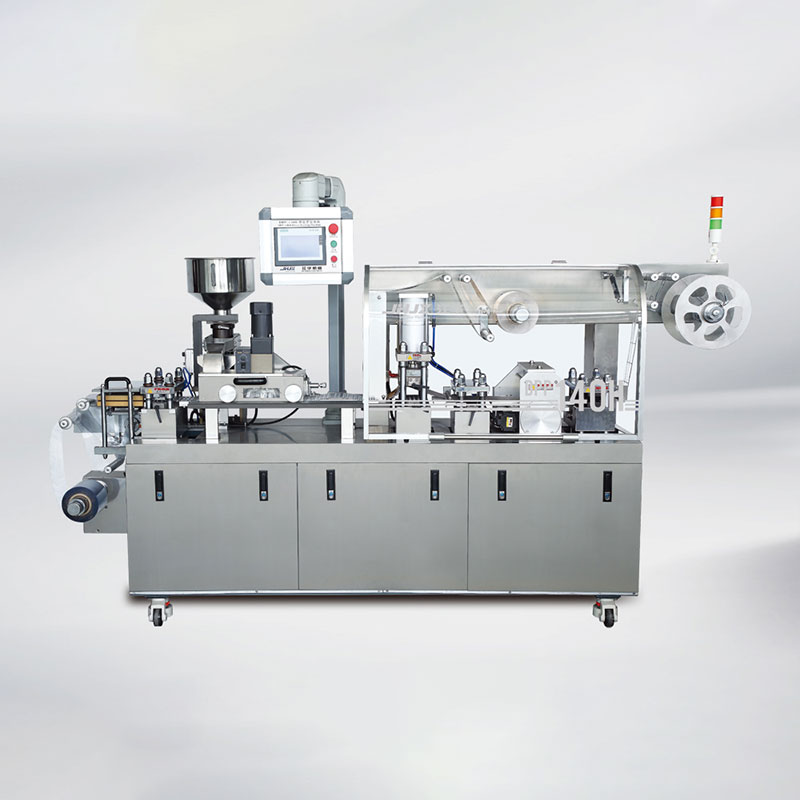 DPP-140H Flat-plate Blister Packing Machine
 -
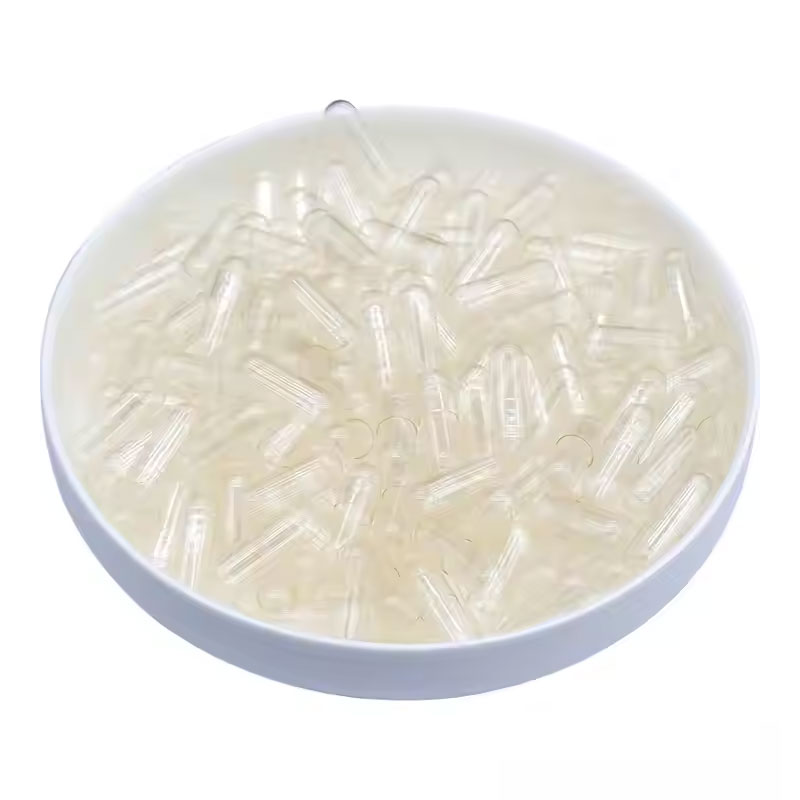 EMPTY VEGATABLE CAPSULE CLEAR SIZE 0
 -
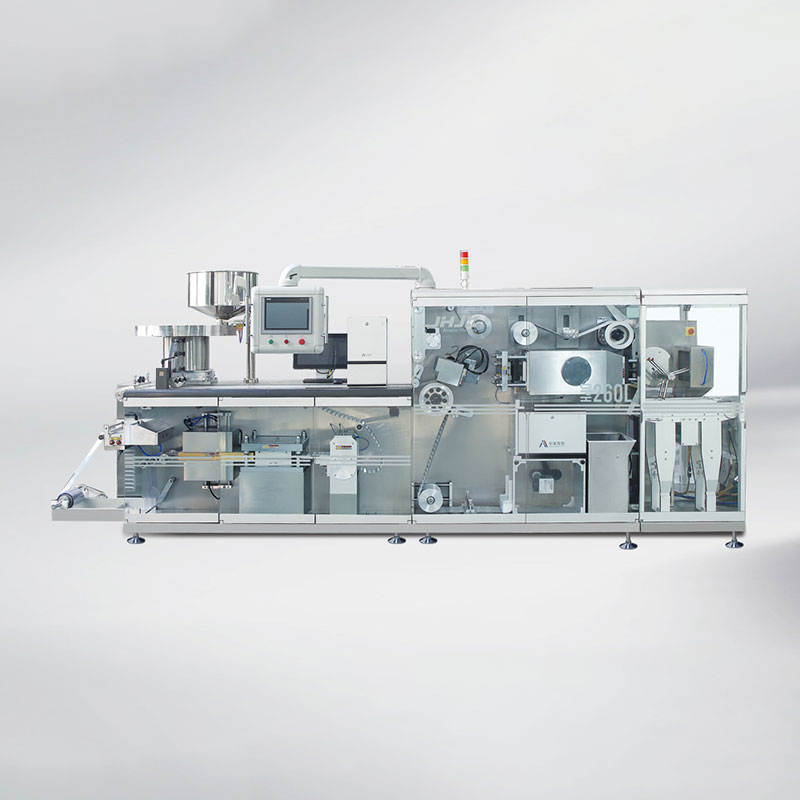 DPH-260L Roll-plate Blister Packaging Machine
 -
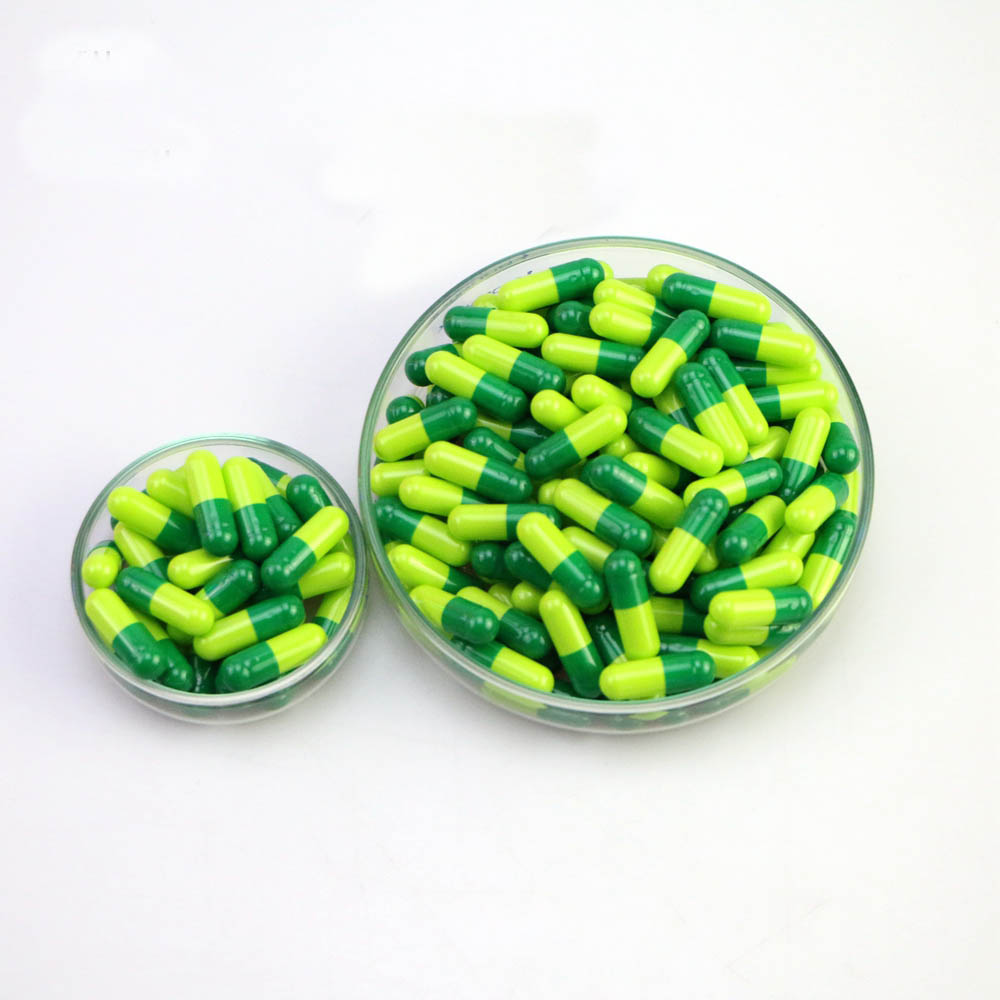 Halal empty hard geltin capsule
 -
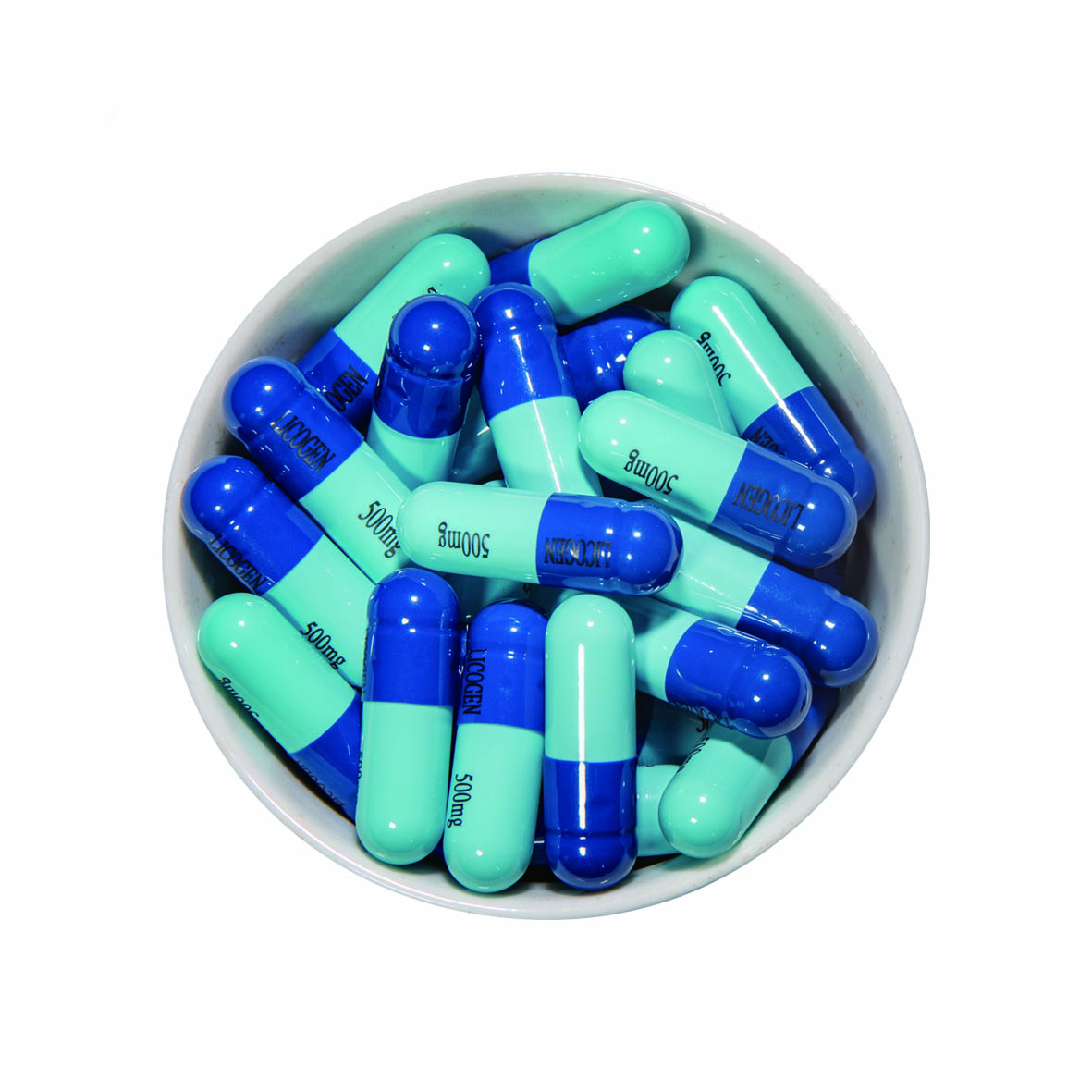 Hard Gelatin Empty Capsule Shell Size 00 0 1 2 3 4
 -
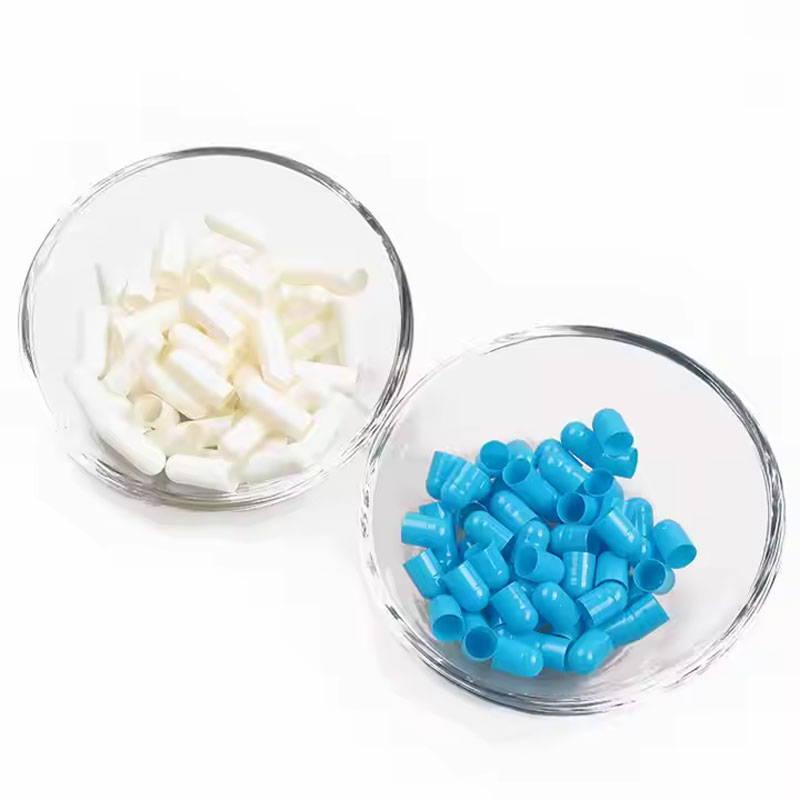 Empty VegCaps Shell Clear Empty Vegan Plant-Based Capsules Size 00 0 1 2 3 4 Natural Vegetable HPMC Capsules
 -
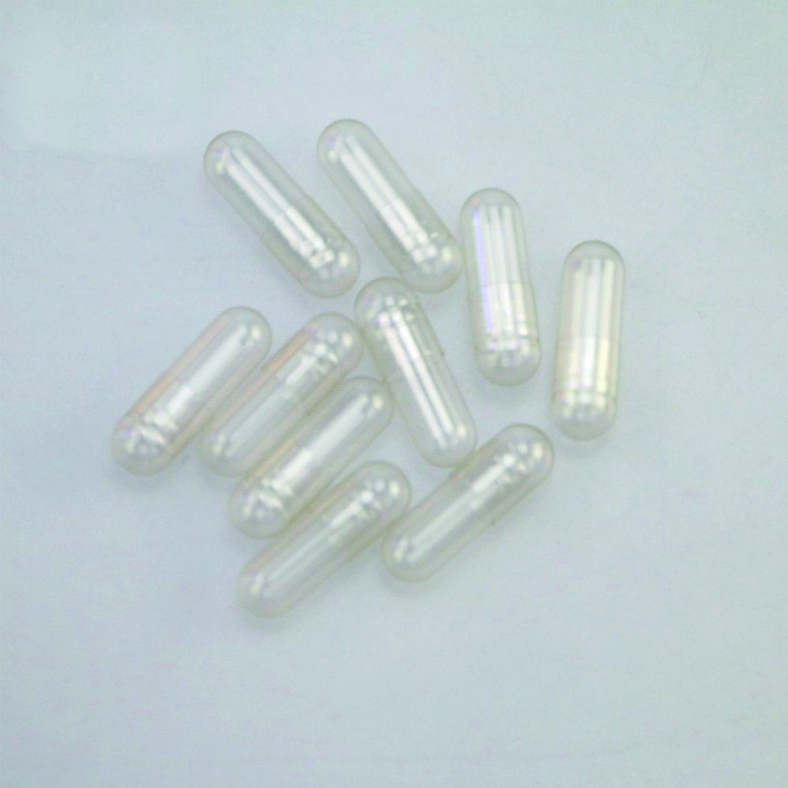 EMPTY HPMC CAPSULE SIZE 00 CLEAR
 -
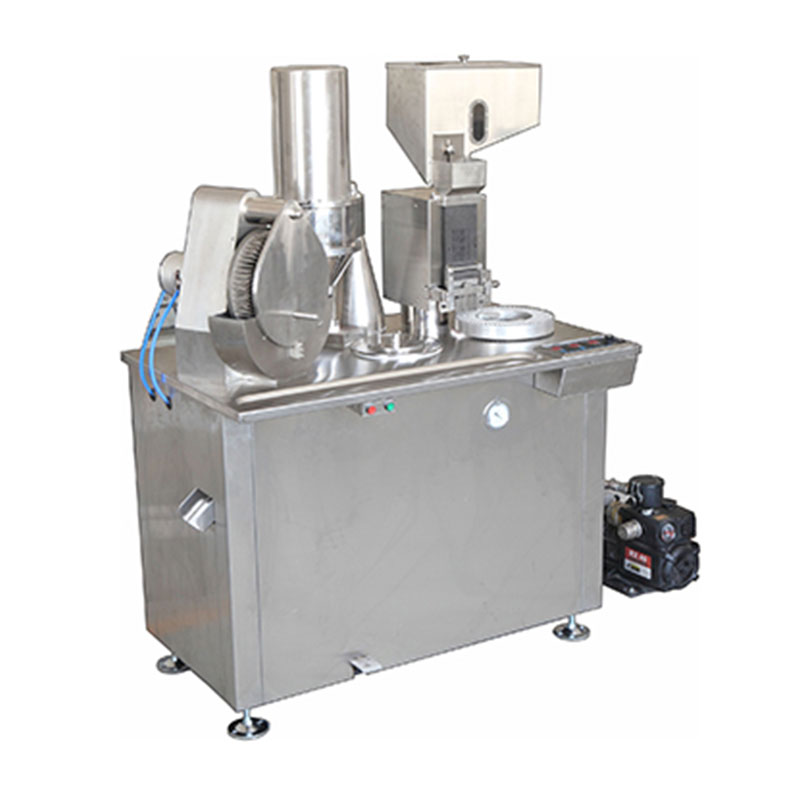 CGN208-D Newest Type Semi Automatic Capsule Filling Machine
 -
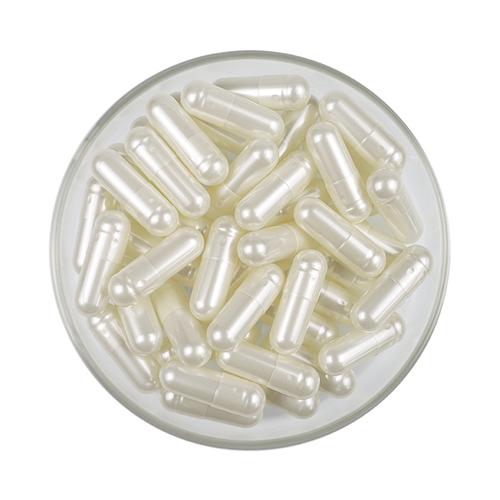 Golden_Pearl Hard Gelatin Capule
 -
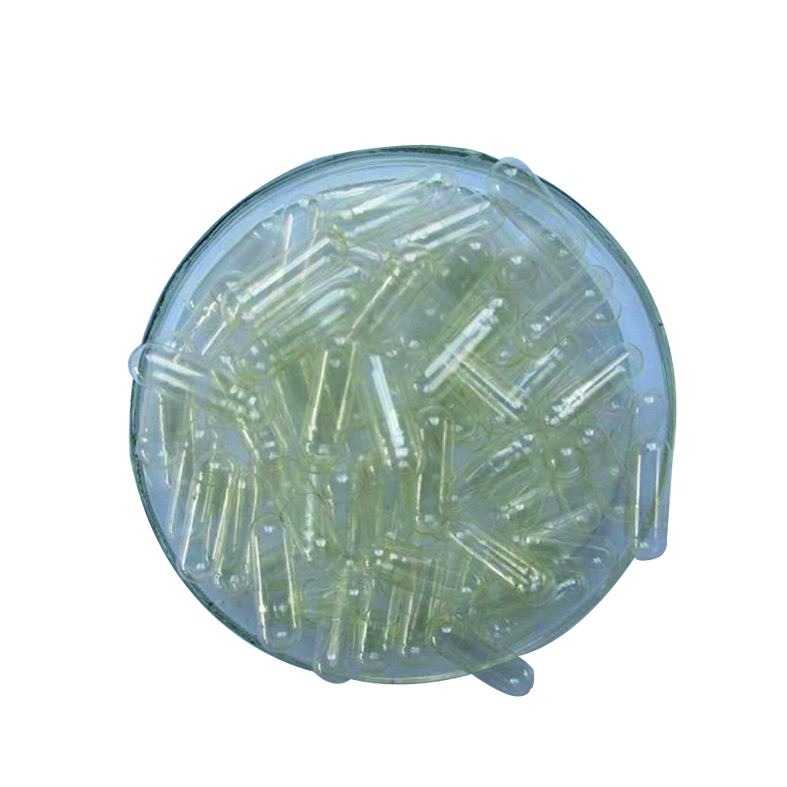 Halal Certificate Empty Clear Hard Gelatin Capsules Shell Size 0
 -
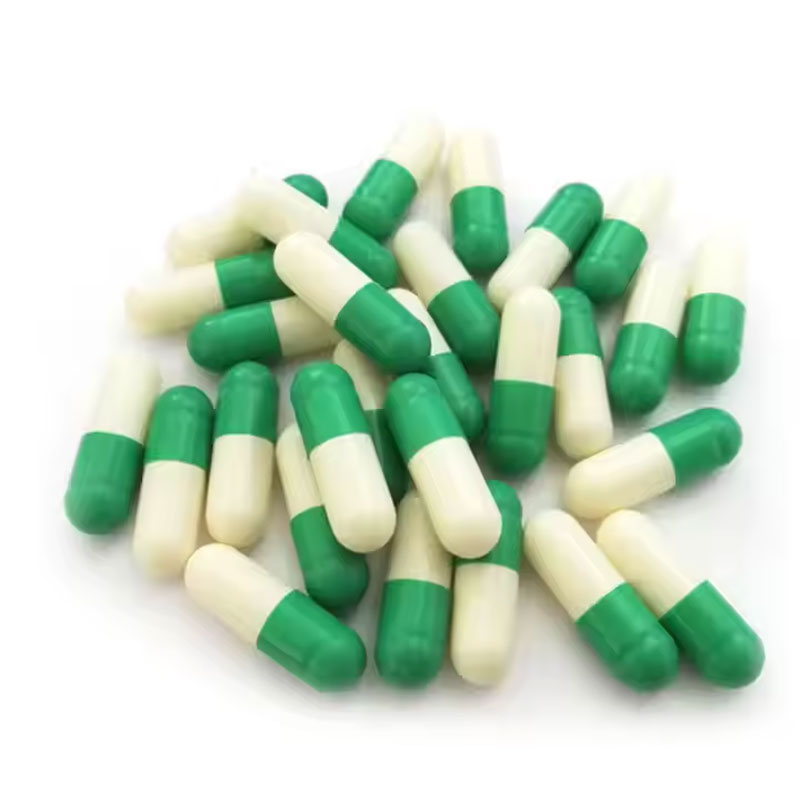 Size 00 hpmc capsules vegetarian capsules empty hard veggie capsules
 -
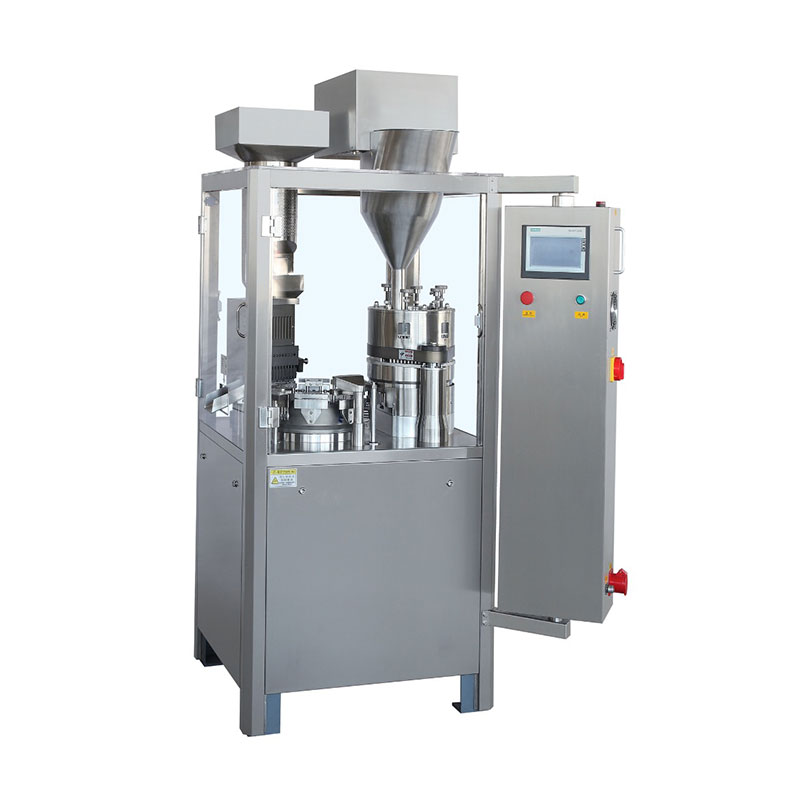 NJP-800 Automatic Capsule Filling Machine
Related Search
Related Search- high quality halala empty capsule
- OEM 00 capsule machine
- Best vegetable capsules sizes
- Certificate empty Vegetable Capsule
- high quality gelatin capsule filling machine
- Discount capsule filling machines professional
- Best size 3 capsule filling machine
- OEM capsule filler filling machine
- OEM pill capsule filler
- semi-automatic capsule filling machine