
- Chinese
- French
- German
- Portuguese
- Spanish
- Russian
- Japanese
- Korean
- Arabic
- Irish
- Greek
- Turkish
- Italian
- Danish
- Romanian
- Indonesian
- Czech
- Afrikaans
- Swedish
- Polish
- Basque
- Catalan
- Esperanto
- Hindi
- Lao
- Albanian
- Amharic
- Armenian
- Azerbaijani
- Belarusian
- Bengali
- Bosnian
- Bulgarian
- Cebuano
- Chichewa
- Corsican
- Croatian
- Dutch
- Estonian
- Filipino
- Finnish
- Frisian
- Galician
- Georgian
- Gujarati
- Haitian
- Hausa
- Hawaiian
- Hebrew
- Hmong
- Hungarian
- Icelandic
- Igbo
- Javanese
- Kannada
- Kazakh
- Khmer
- Kurdish
- Kyrgyz
- Latin
- Latvian
- Lithuanian
- Luxembou..
- Macedonian
- Malagasy
- Malay
- Malayalam
- Maltese
- Maori
- Marathi
- Mongolian
- Burmese
- Nepali
- Norwegian
- Pashto
- Persian
- Punjabi
- Serbian
- Sesotho
- Sinhala
- Slovak
- Slovenian
- Somali
- Samoan
- Scots Gaelic
- Shona
- Sindhi
- Sundanese
- Swahili
- Tajik
- Tamil
- Telugu
- Thai
- Ukrainian
- Urdu
- Uzbek
- Vietnamese
- Welsh
- Xhosa
- Yiddish
- Yoruba
- Zulu
- Kinyarwanda
- Tatar
- Oriya
- Turkmen
- Uyghur



Empty Capusle
The Intricacies of Empty Capsules
In the pharmaceutical world, the term empty capsule often evokes a range of questions and sometimes even misconceptions. Why are these tiny carriers so significant, and what goes into their production? With years of hands-on experience in this field, I’ve come across many practical details and challenges that aren’t always obvious at first glance.
Understanding the Basics
Empty capsules are more than just containers for medication or supplements; they are a crucial component in drug delivery. What many fail to realize is the complexity involved in ensuring their safety and efficacy. The material, whether gelatin or plant-based, must be carefully selected based on its interaction with the drugs it will encapsulate. In my early days, I saw firsthand how slight deviations in capsule integrity could lead to significant impacts on bioavailability.
At Suqian kelaiya corp., where we deal extensively in new drug development and manufacture empty capsules alongside filling and blister machines, the foundation is precision. The empty capsules’ structure must withstand various environmental conditions, from production to end-user storage. This isn’t something that happens by accident but requires rigorous testing and quality control.
And then, there’s the matter of handling and storage. Maintaining optimal humidity levels is crucial to prevent capsules from becoming brittle or overly soft. I recall a particularly hectic project where fluctuating storage conditions led to a batch of capsules absorbing too much moisture, thus compromising their structural integrity.
Manufacturing Challenges
The quest for the perfect capsule involves overcoming many manufacturing challenges. The FDA regulations, for instance, require strict adherence to quality standards. At Suqian kelaiya corp., with sites in Zhejiang and Jiangsu provinces dedicated to empty capsule production, our approach combines cutting-edge technology with meticulous attention to detail. However, challenges such as achieving uniform wall thickness and ensuring high-speed production without compromising quality remain constant hurdles.
One memorable scenario was integrating a new capsule filling machine into our production line. The synchronization between machine speed and capsule feed had to be exact; even a slight lag could result in production halts. The knowledge gained from such experiences underscores the importance of having a skilled, attentive team on the ground.
Moreover, innovation is vital. We constantly evaluate new materials that can offer improved stability or lower costs. However, transitioning to novel materials isn't straightforward—every change demands exhaustive testing to meet both regulatory standards and the sometimes unpredictable nature of consumer preferences.
Regulatory and Quality Assurance
Speaking of regulations, it's essential to keep up-to-date. The landscape is ever-changing, and non-compliance can have serious repercussions. At Suqian kelaiya corp., quality assurance processes are woven deeply into our operations—from raw material procurement to the final product inspection.
In one situation, we discovered a minor deviation in capsule diameter during a routine quality check. While this didn't raise any immediate red flags, it had the potential to disrupt the filling process. Such instances remind us that vigilance at every production stage is non-negotiable.
Collaboratively working with regulatory bodies can also smooth the path toward maintaining high standards. It’s not just about meeting legal requirements but genuinely ensuring the safe and effective delivery of pharmaceuticals to end-users.
Market Dynamics and Trends
The market for empty capsules is constantly evolving. With the rise of nutraceuticals and personalized medicine, demand for varied capsule types is increasing. This poses both opportunities and challenges. At Suqian kelaiya corp., we are acutely aware of shifting trends and adapt our production practices accordingly.
Consumer preferences can change rapidly, requiring flexibility in capsule design and production. For instance, there's a growing interest in plant-based capsules among health-conscious consumers. This necessitates not just innovation in materials but also changes in marketing strategies.
Balancing cost with demand is another critical factor. While consumers may desire more sophisticated or 'natural' products, these generally come at a price. Our strategic approach involves constant market analysis and research to ensure we remain competitive without compromising quality.
Future Outlook
The future of empty capsules is undeniably intertwined with technological advancements and evolving consumer needs. Automation, AI, and real-time monitoring systems are transforming production, allowing for greater precision and efficiency.
At Suqian kelaiya corp., we invest in these technologies to enhance our production capabilities. However, technology alone is not enough—it must be accompanied by a skilled workforce that understands the subtleties of both science and market dynamics.
Ultimately, the goal is to anticipate industry shifts and proactively adapt. Whether it’s through developing more sustainable production practices or embracing new market segments, the journey of mastering empty capsules continues to be as challenging as it is rewarding.
Related Products
Related Products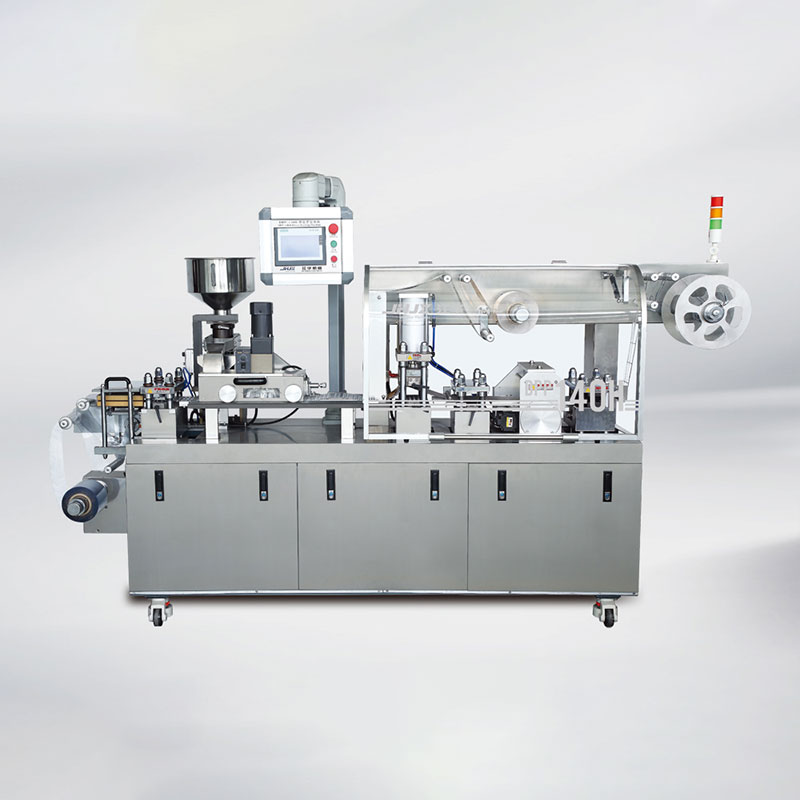
Best Selling Products
Best Selling Products-
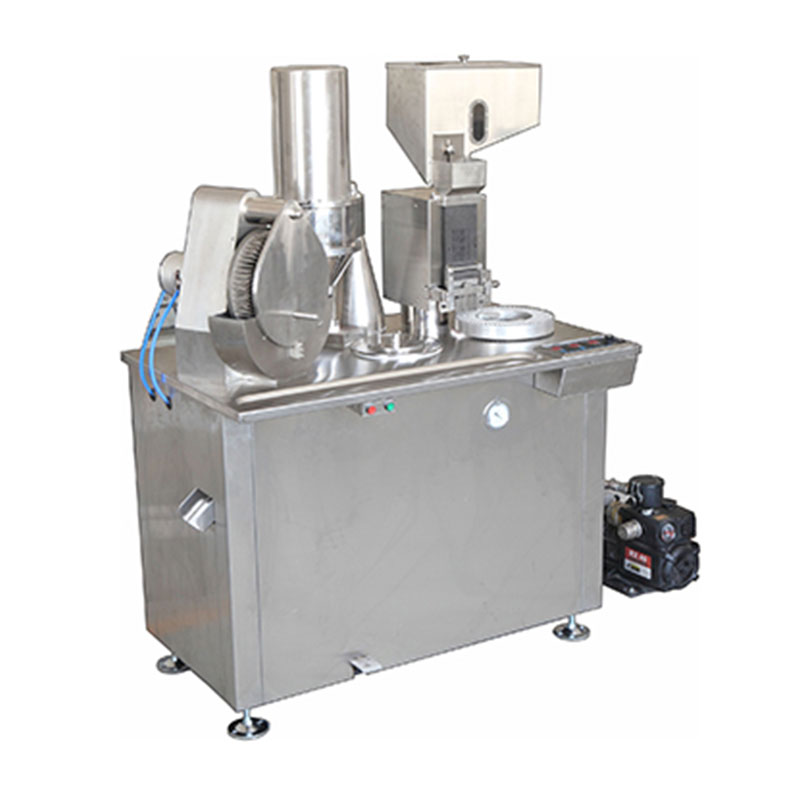 CGN208-D Newest Type Semi Automatic Capsule Filling Machine
 -
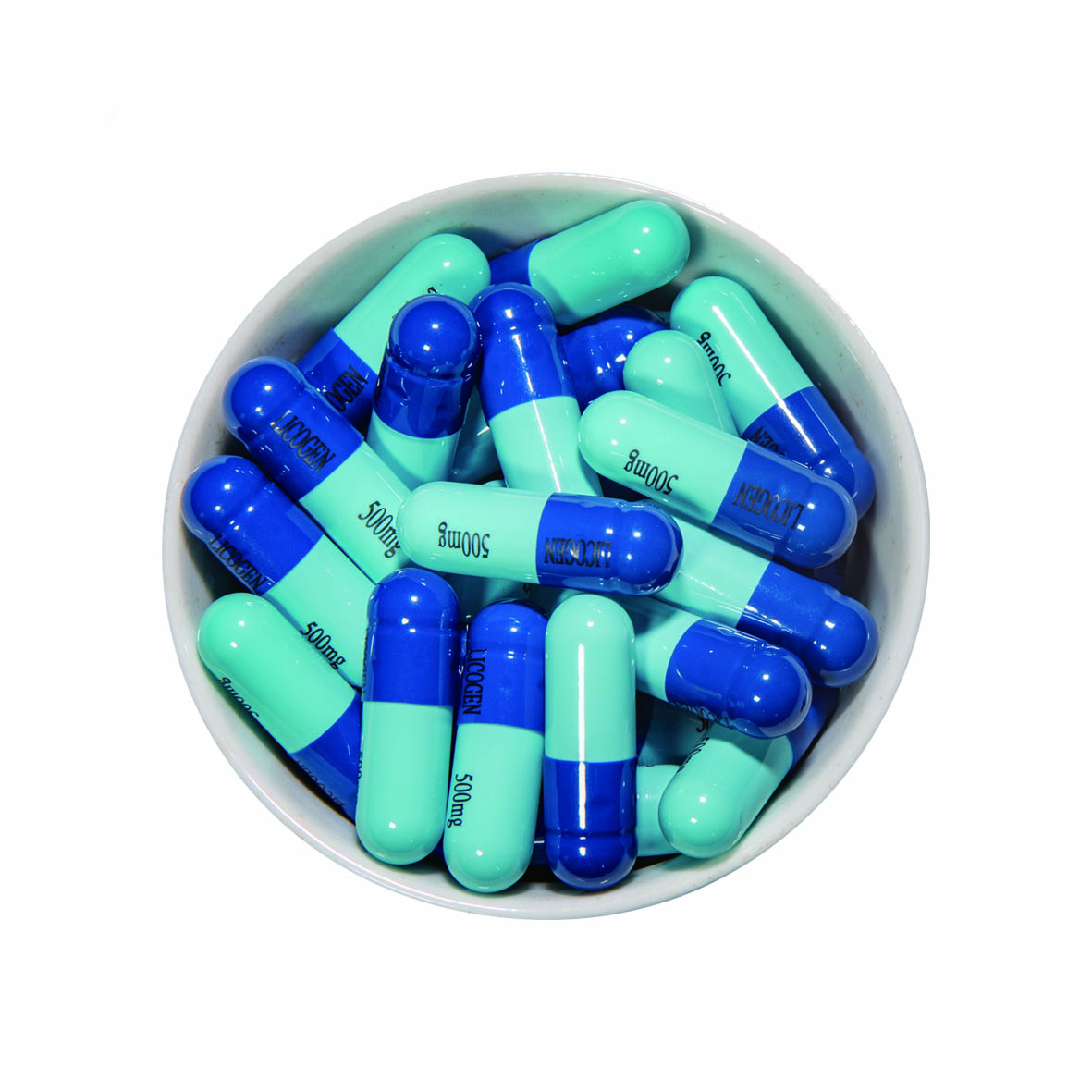 Hard Gelatin Empty Capsule Shell Size 00 0 1 2 3 4
 -
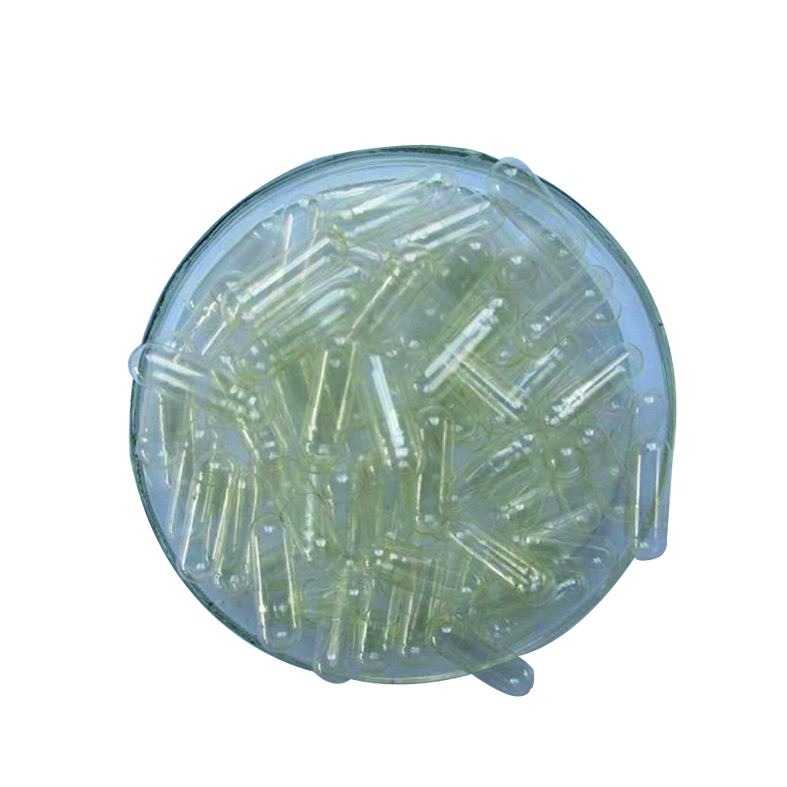 Halal Certificate Empty Clear Hard Gelatin Capsules Shell Size 0
 -
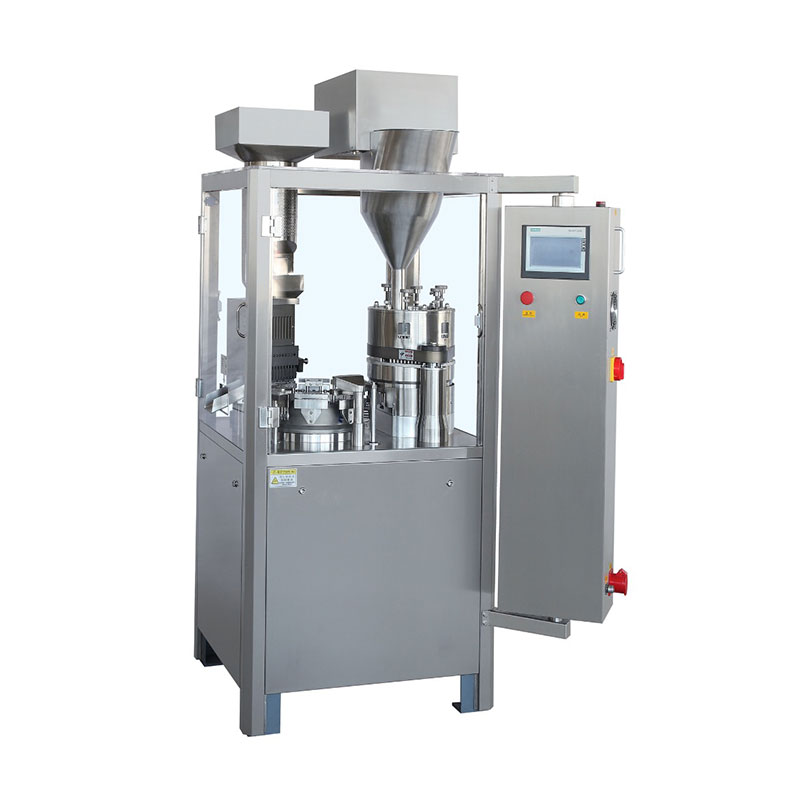 NJP-800 Automatic Capsule Filling Machine
 -
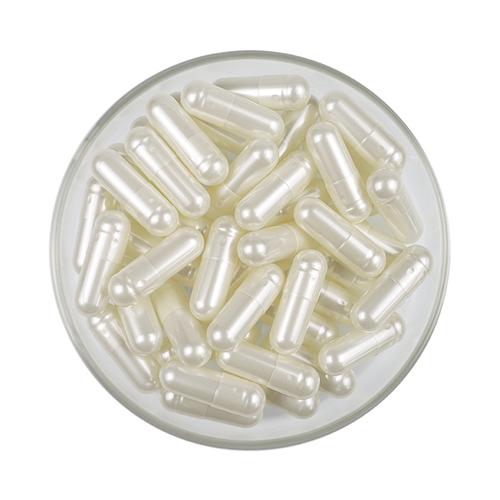 Golden_Pearl Hard Gelatin Capule
 -
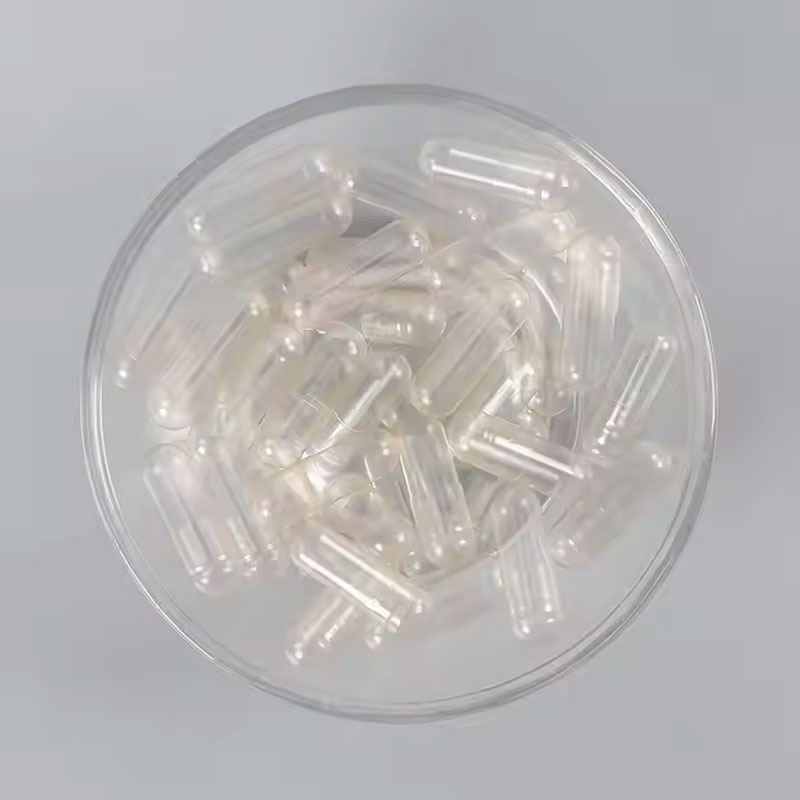 Hpmc Capsules Product Plant Vegetarian Size 00 0 Capsule Shell
 -
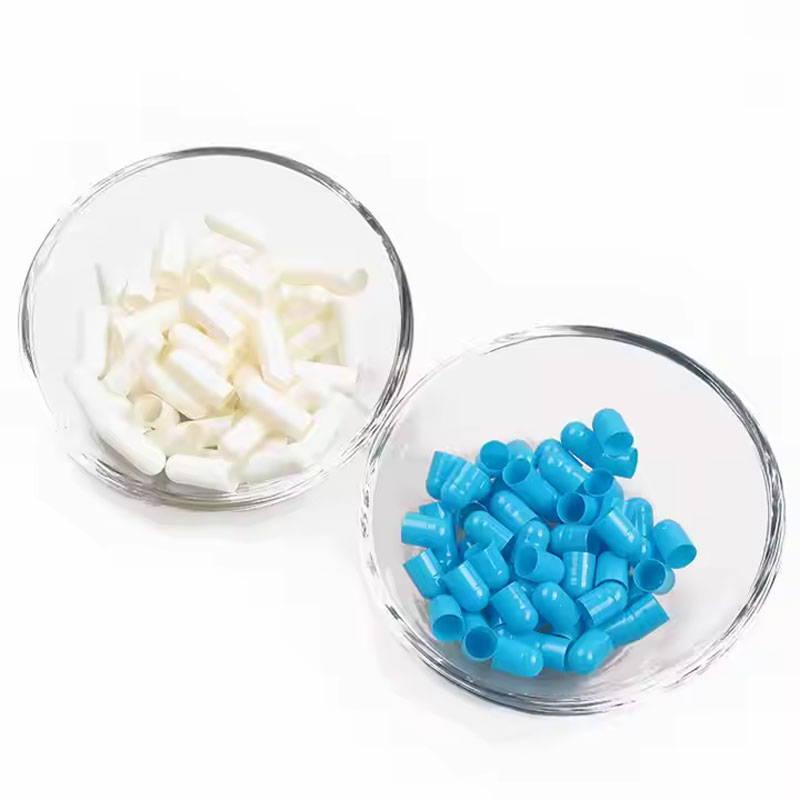 Empty VegCaps Shell Clear Empty Vegan Plant-Based Capsules Size 00 0 1 2 3 4 Natural Vegetable HPMC Capsules
 -
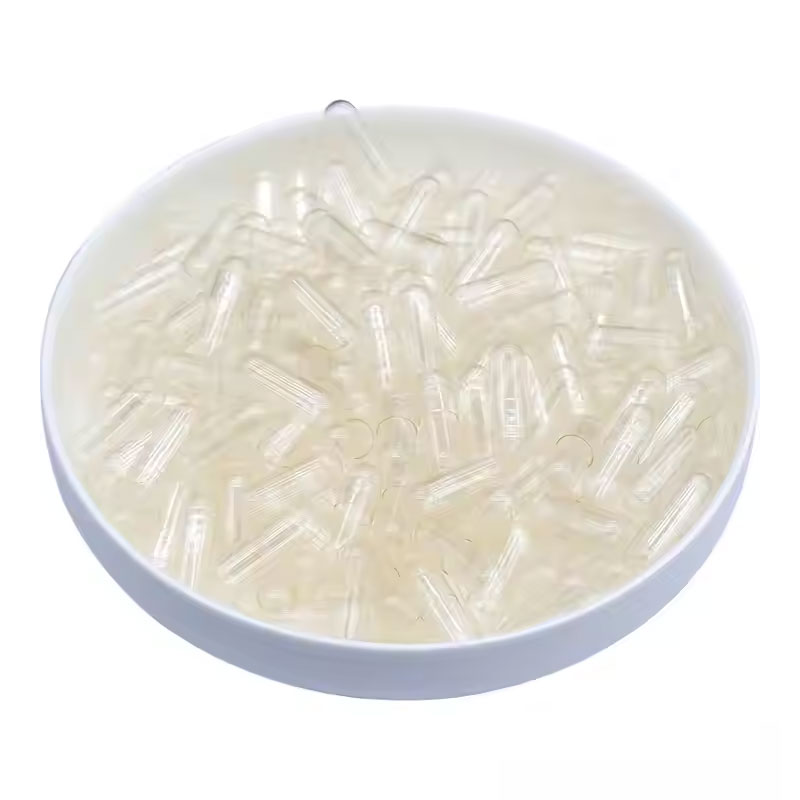 EMPTY VEGATABLE CAPSULE CLEAR SIZE 0
 -
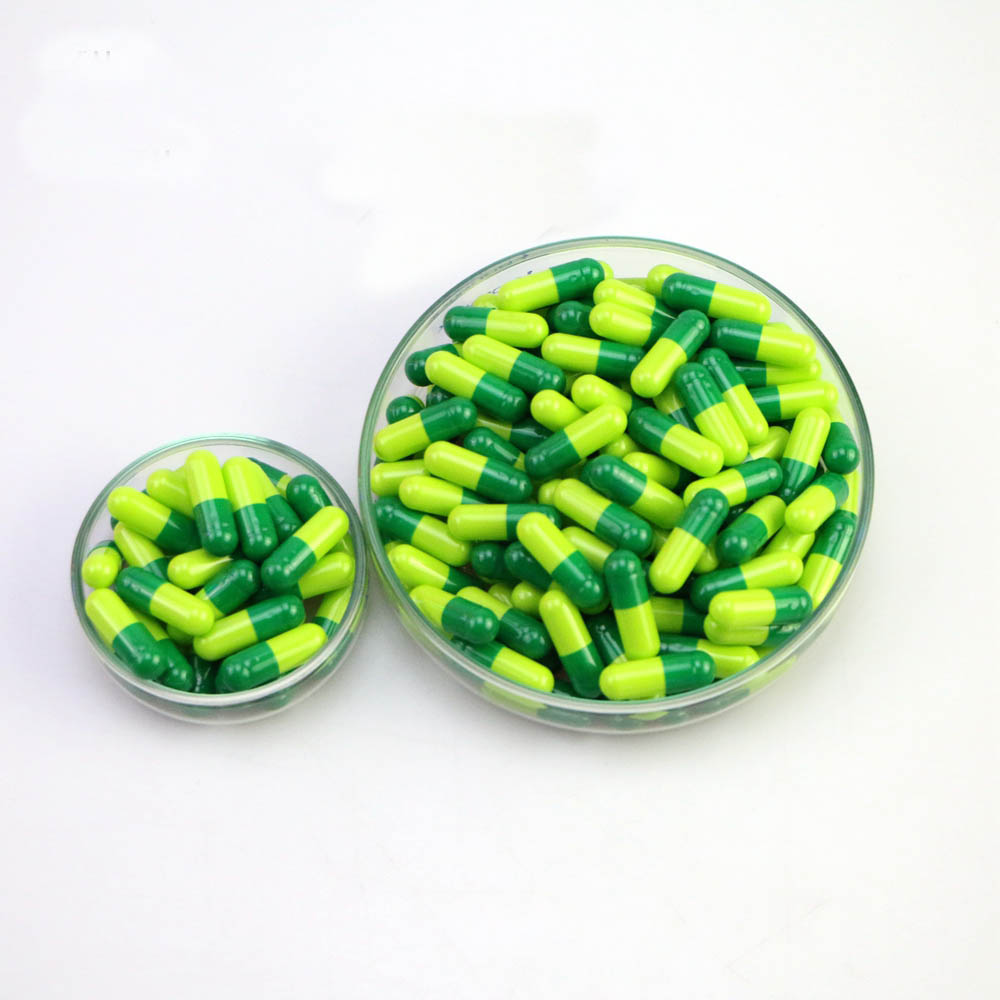 Halal empty hard geltin capsule
 -
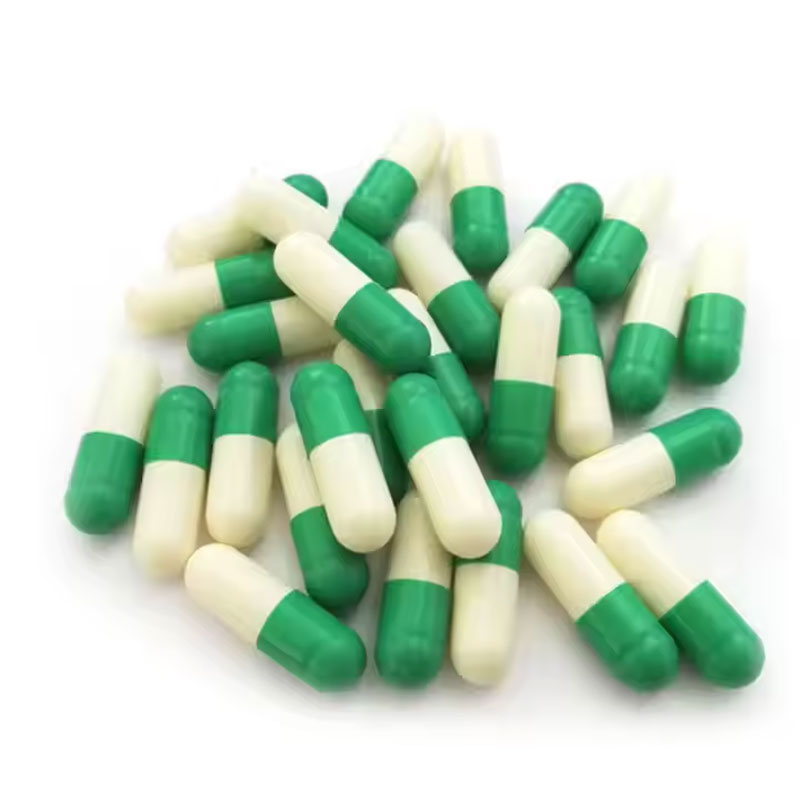 Size 00 hpmc capsules vegetarian capsules empty hard veggie capsules
 -
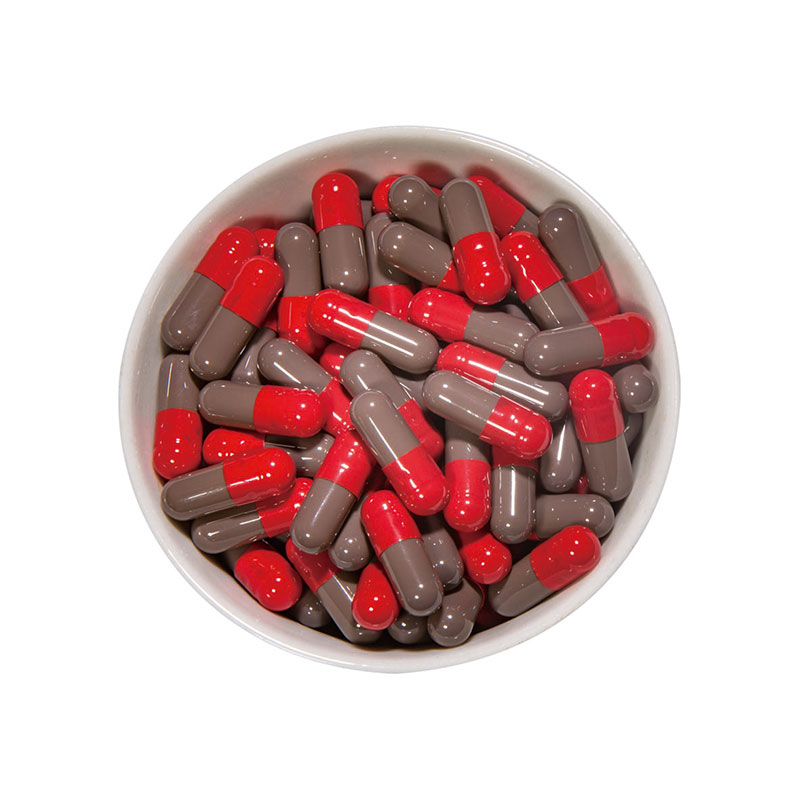 TIO2 free gelatin CAPSULE
 -
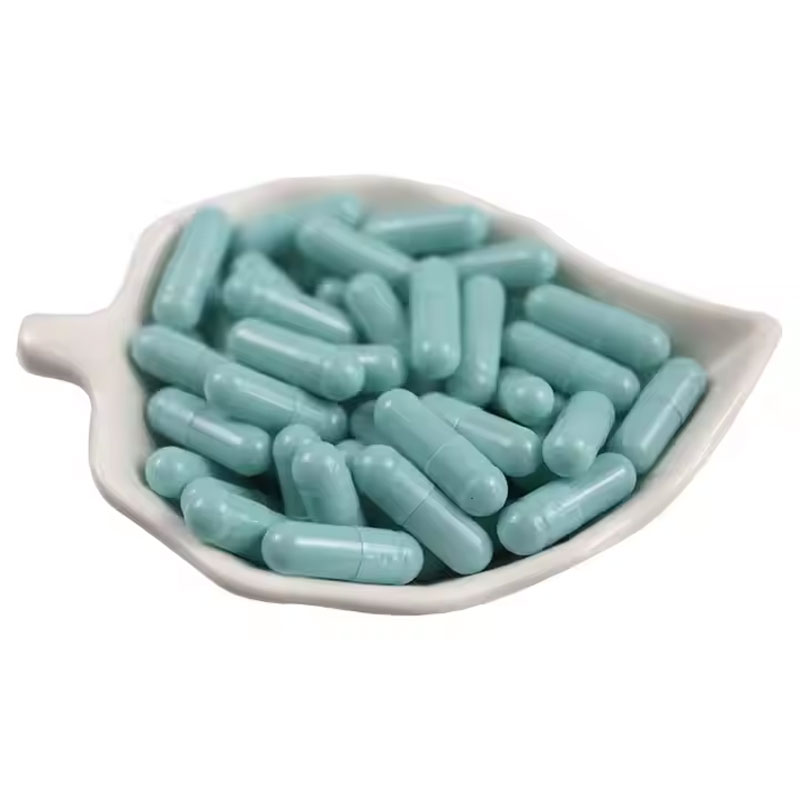 Vegetarian Separated Capsules HPMC Capsules Separated Wholesale Vegetarian Capsules Discount for Bulk Orders
Related Search
Related Search- high quality 00 capsule filler
- high quality size 5 capsule filling machine
- empty veggie capsules
- OEM 00 vegetarian capsules wholesale
- Discount capsule machine filler size 00
- Discount size 4 capsule filler
- Discount sizes of veggie capsules
- Best gelatin capsule filling machine
- OEM CLEAR HPMC CAPSULE
- OEM njp 800 capsule filling machine