
- Chinese
- French
- German
- Portuguese
- Spanish
- Russian
- Japanese
- Korean
- Arabic
- Irish
- Greek
- Turkish
- Italian
- Danish
- Romanian
- Indonesian
- Czech
- Afrikaans
- Swedish
- Polish
- Basque
- Catalan
- Esperanto
- Hindi
- Lao
- Albanian
- Amharic
- Armenian
- Azerbaijani
- Belarusian
- Bengali
- Bosnian
- Bulgarian
- Cebuano
- Chichewa
- Corsican
- Croatian
- Dutch
- Estonian
- Filipino
- Finnish
- Frisian
- Galician
- Georgian
- Gujarati
- Haitian
- Hausa
- Hawaiian
- Hebrew
- Hmong
- Hungarian
- Icelandic
- Igbo
- Javanese
- Kannada
- Kazakh
- Khmer
- Kurdish
- Kyrgyz
- Latin
- Latvian
- Lithuanian
- Luxembou..
- Macedonian
- Malagasy
- Malay
- Malayalam
- Maltese
- Maori
- Marathi
- Mongolian
- Burmese
- Nepali
- Norwegian
- Pashto
- Persian
- Punjabi
- Serbian
- Sesotho
- Sinhala
- Slovak
- Slovenian
- Somali
- Samoan
- Scots Gaelic
- Shona
- Sindhi
- Sundanese
- Swahili
- Tajik
- Tamil
- Telugu
- Thai
- Ukrainian
- Urdu
- Uzbek
- Vietnamese
- Welsh
- Xhosa
- Yiddish
- Yoruba
- Zulu
- Kinyarwanda
- Tatar
- Oriya
- Turkmen
- Uyghur


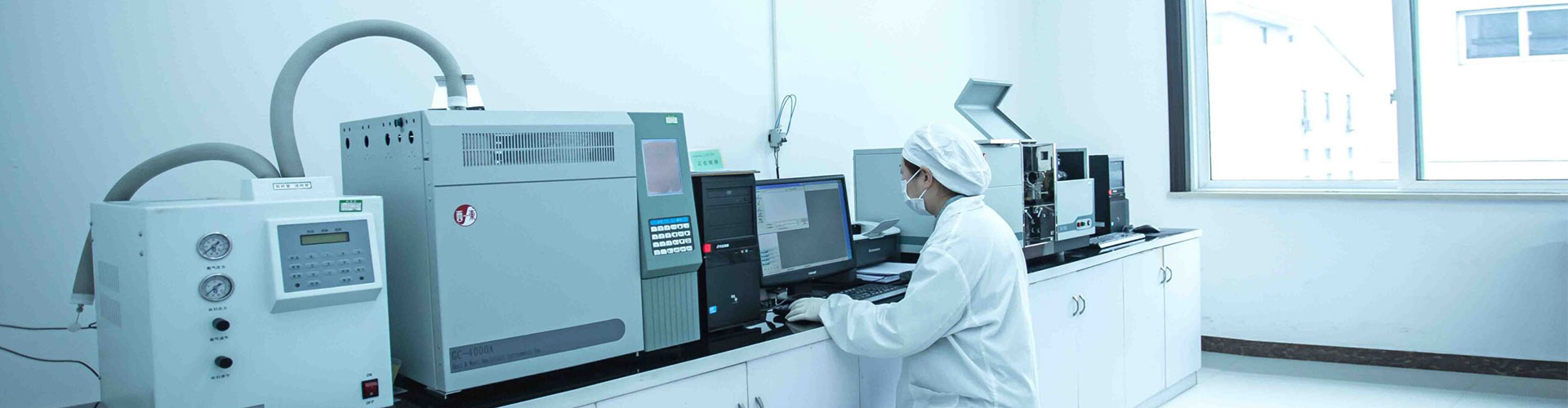
DPP 260 Blister machine ALU/ALU
Understanding the DPP 260 Blister Machine ALU/ALU
The DPP 260 Blister Machine ALU/ALU — what exactly sets it apart in the bustling world of pharmaceuticals? At first glance, it might seem like just another cog in the wheel of drug manufacturing, a sleek piece of machinery doing its job quietly and efficiently. Yet, when you've spent enough time around these machines, you begin to appreciate the intricacies involved in handling materials like aluminum foil for blister packaging. Sometimes, it's the subtle details that make all the difference.
Why ALU/ALU?
Aluminum blister packaging, or ALU/ALU, is a game-changer for sensitive products. The DPP 260 Blister Machine thrives here, offering a barrier against moisture, light, and oxygen. It's interesting to note how this simple selection of material can significantly extend a product's shelf life. While working with Suqian Kelaiya International Trading Co., Ltd, I’ve seen the strategic choice of ALU/ALU material make or break a product lifecycle.
Suqian Kelaiya Corp, with its manufacturing sites in Zhejiang and Jiangsu, relies heavily on the DPP 260. Such machinery ensures that pharmaceuticals maintain their integrity right until they reach the end-user. These are not just decisions taken in the boardroom; they are driven by the rigorous demands of maintaining high-quality standards in real-world settings.
But here's where it gets really hands-on — setting the machine up. Getting the tension right in the film, ensuring the sealing temperature is just so, it's an art and a science. No amount of factory manual reading will substitute for seeing this process in action. Sometimes, it feels like a living thing, reacting to environmental changes, demanding attention to detail from start to finish.
Operational Insights
Digging deeper into operations, the DPP 260 Blister Machine doesn't lend itself to a one-size-fits-all approach. For example, tweaking settings isn't just routine maintenance; it’s a necessary step each time the ambient conditions change. A slight rise in humidity can mean adjusting temperatures, which is not something every manual will tell you. This is knowledge you accumulate over countless trials.
One memorable instance involved troubleshooting unexpected film bubbling. After much head-scratching and a little ingenuity, we adjusted the balance pressure, a step that seemed minor but was pivotal. Therein lies the beauty and challenge of these machines — they demand both respect and understanding of their quirks.
At Suqian Kelaiya, we also pay attention to the selection of compatible materials. Not all ALU foils are made equal, and running tests on small batches is essential to prevent costly errors. During one project, sourcing the right foil became an entire task in itself, but the attention to detail paid off during mass production.
Maintenance Mysteries
Maintenance is where machines like the DPP 260 show their true colors. Regular cleaning schedules and part replacements are only part of the story. Machines develop a feel over time — a safe operational hum or an unusual vibration; these signs can herald the need for deeper inspection. For a company like Suqian Kelaiya, regular training sessions ensure that operational staff are attuned to such nuances.
Early in my career, I learned the hard way the importance of routine checks. A minor oversight in lubrication led to a near-catastrophic halt that could have been easily avoided. Since then, it's become a ritual to double-check settings and lubrication paths. It's a discipline that anyone working with such machinery quickly learns.
Moreover, the integration of automated diagnostics has been a boon. The DPP 260, when properly set up, can preemptively calculate and warn against potential failures. This tech-driven insight, coupled with human expertise, positions companies like Suqian Kelaiya as robust players in the pharmaceutical landscape.
Technological Advancements
The evolution of the DPP 260 Blister Machine continues to reshape how we approach packaging. The introduction of IoT capabilities allows for real-time monitoring and adjustments. At Suqian Kelaiya, integrating these advancements is not just about staying current but pushing the envelope. The potential for efficiency gains and reduced material wastage cannot be understated.
Such machinery, when networked properly, provides a wealth of data. Analyzing these insights helps in predictive maintenance and optimizing output. It’s fascinating how interconnected everything becomes — a slight data dip could signal the need for recalibration long before a human could perceive any difference. The future of blister packaging, it seems, is in harmony with the digital realm.
Yet, with every advancement comes the responsibility to train and adapt. This is especially true for a company that specializes in new drug development and manufacturing like Suqian Kelaiya. Incorporating cutting-edge technology means our teams must be equally adept at handling next-generation equipment.
Final Reflections
Reflecting on my time with the DPP 260 Blister Machine ALU/ALU, it’s clear that success in this field hinges on a blend of technology, experience, and intuition. Suqian Kelaiya International Trading Co., Ltd, known for its commitment to quality, embodies this balance. Working on the front lines, these machines are more than just tools; they are partners in delivering safe, reliable pharmaceuticals to a worldwide audience.
To anyone navigating this industry, I'd say: never stop learning. Every operational glitch, every successful run, adds to a rich tapestry of experience. And as we push forward, it's about embracing the nuances, valuing the small wins, and staying curious about what lies ahead.
Related Products
Related Products

Best Selling Products
Best Selling Products-
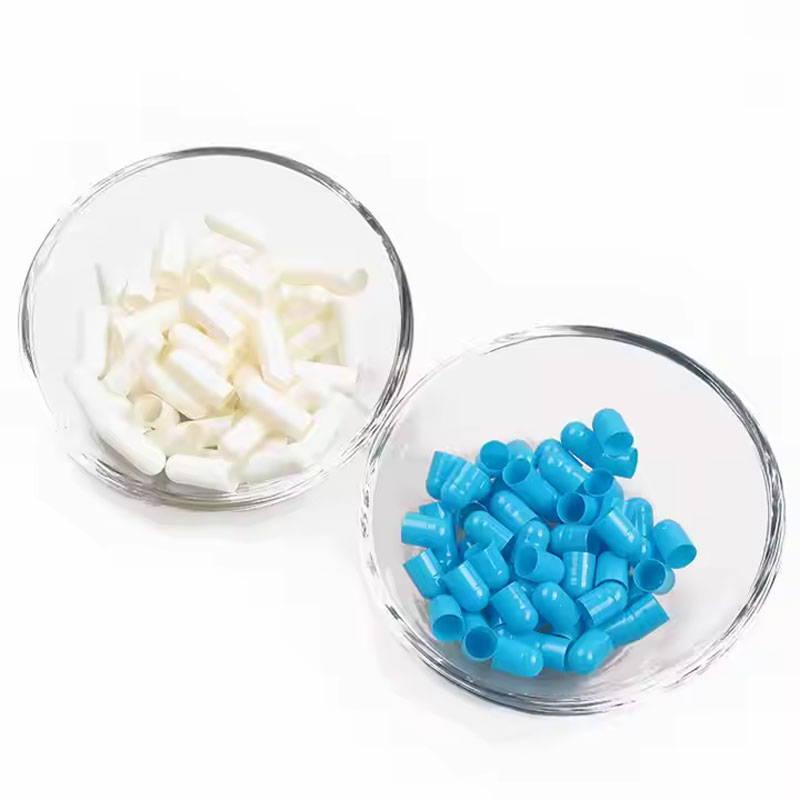 Empty VegCaps Shell Clear Empty Vegan Plant-Based Capsules Size 00 0 1 2 3 4 Natural Vegetable HPMC Capsules
 -
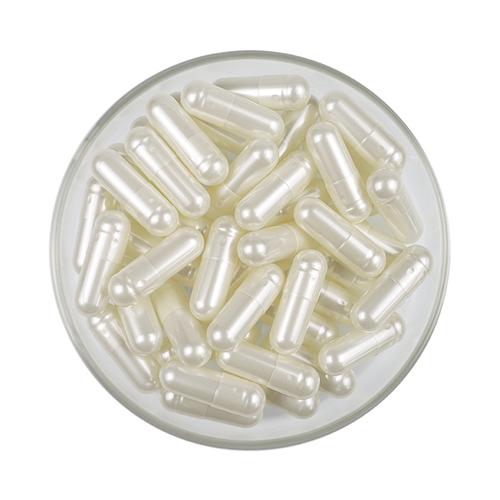 Golden_Pearl Hard Gelatin Capule
 -
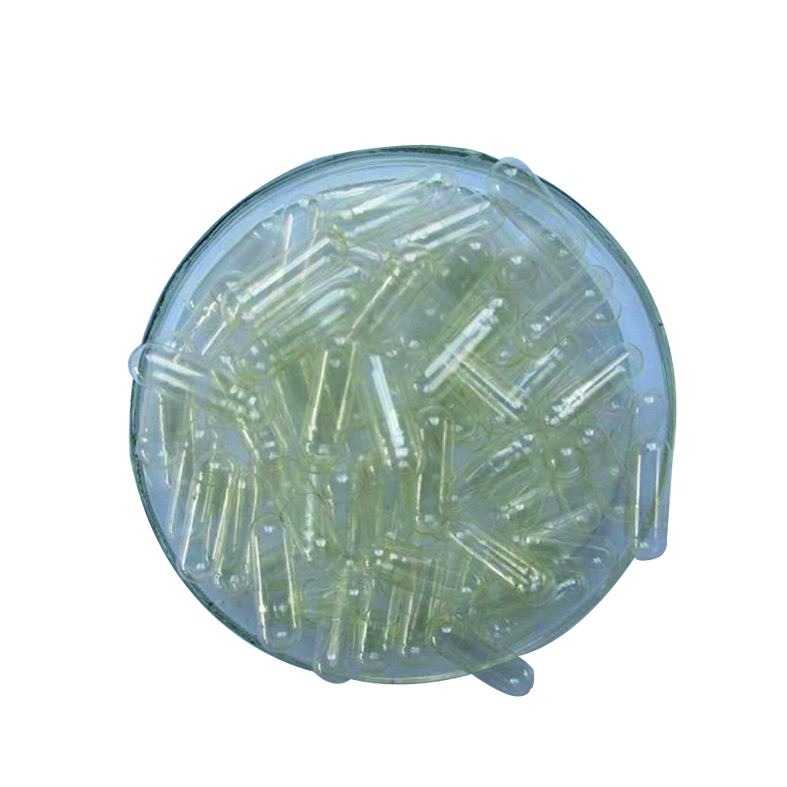 Halal Certificate Empty Clear Hard Gelatin Capsules Shell Size 0
 -
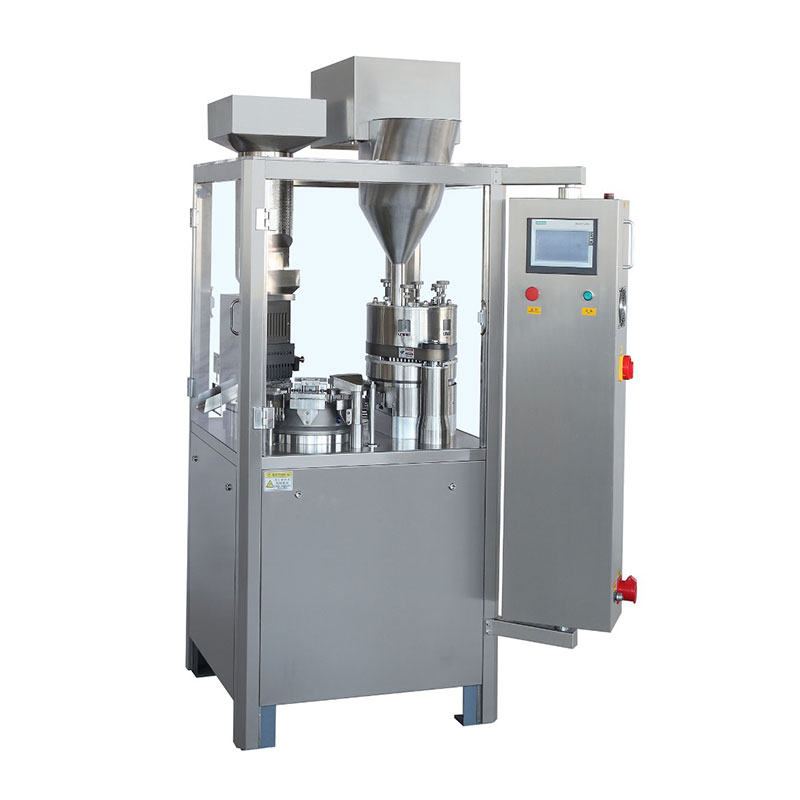 NJP-1200 Automatic Capsule Filling Machine
 -
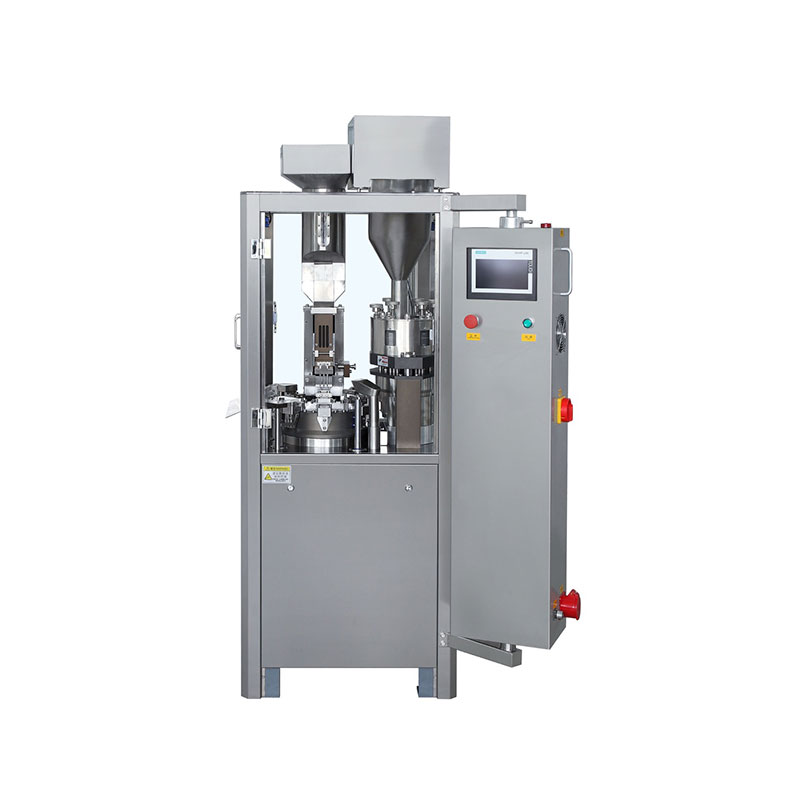 NJP-400 Fully Automatic Capsule Filling Machine
 -
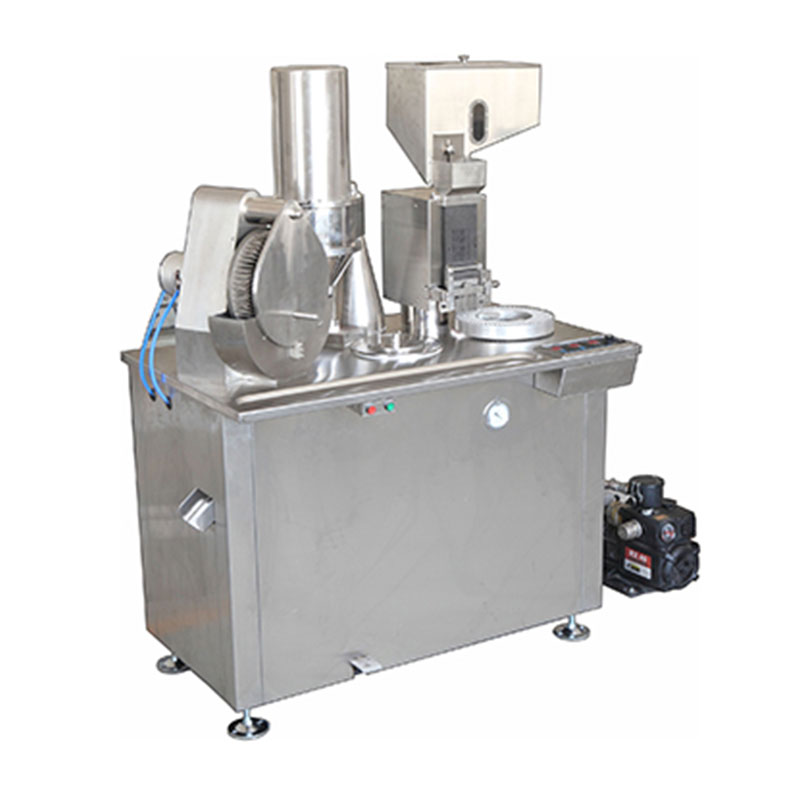 CGN208-D Newest Type Semi Automatic Capsule Filling Machine
 -
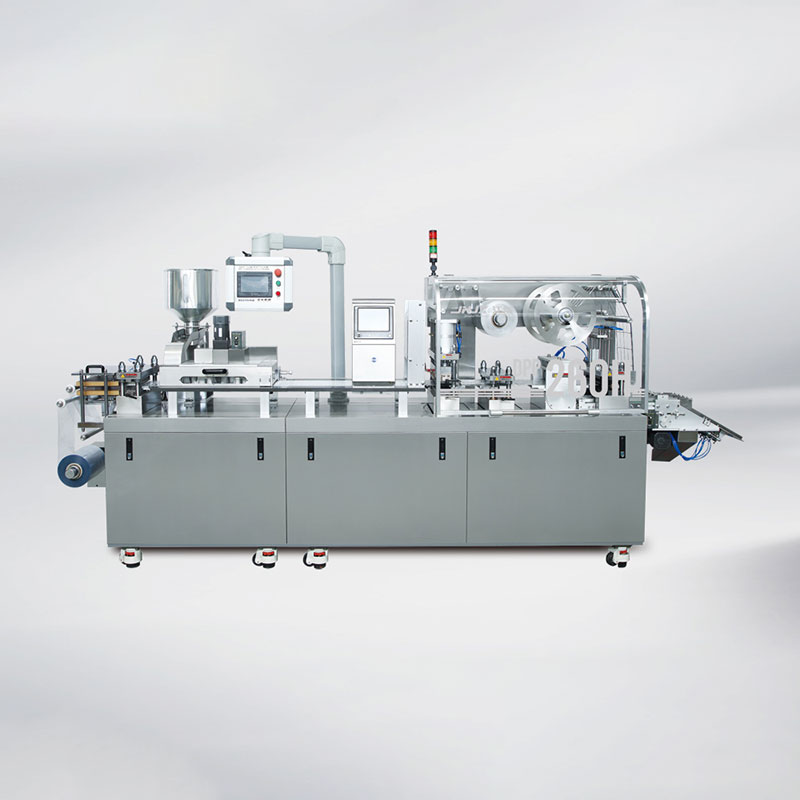 DPP-260H_DPP-320H Flat-plate Blister Packing Machine
 -
 Vegetarian Separated Capsules HPMC Capsules Separated Wholesale Vegetarian Capsules Discount for Bulk Orders
 -
 Size 00 hpmc capsules vegetarian capsules empty hard veggie capsules
 -
 Halal empty hard geltin capsule
 -
 Hpmc Capsules Product Plant Vegetarian Size 00 0 Capsule Shell
 -
 TIO2 free gelatin CAPSULE
Related Search
Related Search- Certificate HPMC Empty Capsule Shell
- Best cellulose vegetable capsule
- Best professional capsule filling machine
- Best vegetable capsules sizes
- small automatic capsule filling machine
- Certificate pill filling machine
- pill capsule filler
- Discount njp 400
- high quality njp 800c
- Best Pearl Golden Color Empty Gelatin Capsule Size 0 00 Hard Empty Capsule Shells