
- Chinese
- French
- German
- Portuguese
- Spanish
- Russian
- Japanese
- Korean
- Arabic
- Irish
- Greek
- Turkish
- Italian
- Danish
- Romanian
- Indonesian
- Czech
- Afrikaans
- Swedish
- Polish
- Basque
- Catalan
- Esperanto
- Hindi
- Lao
- Albanian
- Amharic
- Armenian
- Azerbaijani
- Belarusian
- Bengali
- Bosnian
- Bulgarian
- Cebuano
- Chichewa
- Corsican
- Croatian
- Dutch
- Estonian
- Filipino
- Finnish
- Frisian
- Galician
- Georgian
- Gujarati
- Haitian
- Hausa
- Hawaiian
- Hebrew
- Hmong
- Hungarian
- Icelandic
- Igbo
- Javanese
- Kannada
- Kazakh
- Khmer
- Kurdish
- Kyrgyz
- Latin
- Latvian
- Lithuanian
- Luxembou..
- Macedonian
- Malagasy
- Malay
- Malayalam
- Maltese
- Maori
- Marathi
- Mongolian
- Burmese
- Nepali
- Norwegian
- Pashto
- Persian
- Punjabi
- Serbian
- Sesotho
- Sinhala
- Slovak
- Slovenian
- Somali
- Samoan
- Scots Gaelic
- Shona
- Sindhi
- Sundanese
- Swahili
- Tajik
- Tamil
- Telugu
- Thai
- Ukrainian
- Urdu
- Uzbek
- Vietnamese
- Welsh
- Xhosa
- Yiddish
- Yoruba
- Zulu
- Kinyarwanda
- Tatar
- Oriya
- Turkmen
- Uyghur



DPP 140 Blister machine
html
Exploring the Efficiency of the DPP 140 Blister Machine
In the world of pharmaceutical packaging, the DPP 140 Blister machine is often misunderstood. Many professionals anticipate it to be a one-size-fits-all solution, but the nuances of its operation reveal otherwise. Let’s dive into its actual capabilities and common pitfalls based on practical experiences.
Understanding the Basics
The DPP 140 Blister machine stands out for its compact design, which is ideal for small to medium-sized production runs. Unlike larger, more cumbersome machines, it offers flexibility in format changes, saving both time and space—two crucial elements in any production line. It integrates well within facilities that have developed specialized manufacturing processes, much like SUQIAN KELAIYA INTERNATIONAL TRADING CO., LTD's setups in Zhejiang and Jiangsu.
One key aspect often overlooked is its adaptability to different packaging materials. Many assume compatibility without considering the specifications provided by the manufacturers. For example, the foil and plastic thickness vary widely, and the subtle impacts on forming and sealing efficiency can be significant.
At SUQIAN KELAIYA INTERNATIONAL TRADING CO., LTD, leveraging this adaptability has been paramount. By aligning with the specific characteristics of each material, the transition between production batches has been remarkably seamless. Their two manufacturing sites exemplify the importance of precision in handling these variances.
Operational Challenges
Every machine has its teething problems, and the DPP 140 Blister machine is no exception. Calibration issues can arise, particularly with heating elements required for forming. The key is regular maintenance and understanding the subtle signs of wear and tear.
In one instance at a facility, the machine’s lower heating plate wasn’t reaching optimal temperatures, leading to poor seal integrity. A quick recalibration solved the problem, but it was a learning curve. Recognizing these early signs can prevent costly downtime.
Another common issue is the alignment of feeder systems. With the varied capsule sizes that companies like SUQIAN KELAIYA CORPORATION handle, fine-tuning the feeder to ensure accuracy in dispensing is crucial. Without meticulous adjustments, production loss can happen quite easily.
Integrating with Existing Systems
Integration of the DPP 140 Blister machine requires foresight. Coordination with upstream and downstream operations affects overall productivity. When introduced to an existing line, some operators make the mistake of underestimating setup complexities.
One of the best practices learned through experience is detailed mapping of the machine’s operational flow. This was particularly evident at SUQIAN KELAIYA’s sites. Integrating with automated inspection systems, for example, streamlined the quality control processes immensely.
It's not just about physical integration; software synchronization is equally vital. Ensuring the machine communicates effectively with ERP systems can result in smoother inventory management and enhanced traceability.
Maintenance and Training
A well-maintained DPP 140 Blister machine can significantly extend its operational lifespan. Preventive maintenance, rather than reactive responses, saves not just money but operational efficiency.
Training staff on the nuances of the machine is fundamental. Even where automation predominates, human oversight and intervention can prevent minor errors from escalating. There were instances where incorrect settings led to foil wastage until identified by vigilant operators.
Continual skills development, as practiced at SUQIAN KELAIYA CORPORATION, ensures a team well-versed in both the latest techniques and troubleshooting practices associated with blister packaging technologies.
Future Prospects
As industrial needs evolve, so too will the technologies behind the DPP 140 Blister machine. Innovations focusing on energy efficiency and material compatibility could further enhance its standing in the industry.
Additive manufacturing and IoT integration present exciting avenues for advancement. For companies like SUQIAN KELAIYA, staying ahead of these trends is not just beneficial but necessary to maintain competitive advantages.
The journey with the DPP 140 is ongoing, filled with both challenges and opportunities, and those in the industry must remain both vigilant and adaptable, learning from each operational nuance.
For more insights into advanced pharmaceutical manufacturing techniques, and to explore the services of SUQIAN KELAIYA INTERNATIONAL TRADING CO., LTD, visit their website at kelaiyacorp.com.
Related Products
Related Products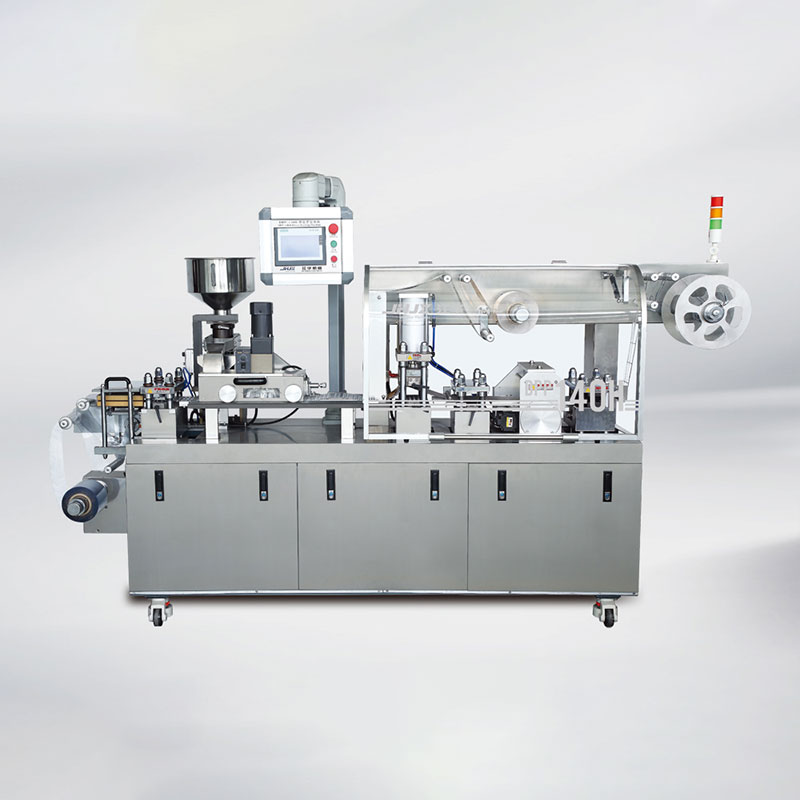

Best Selling Products
Best Selling Products-
 Size 00 hpmc capsules vegetarian capsules empty hard veggie capsules
 -
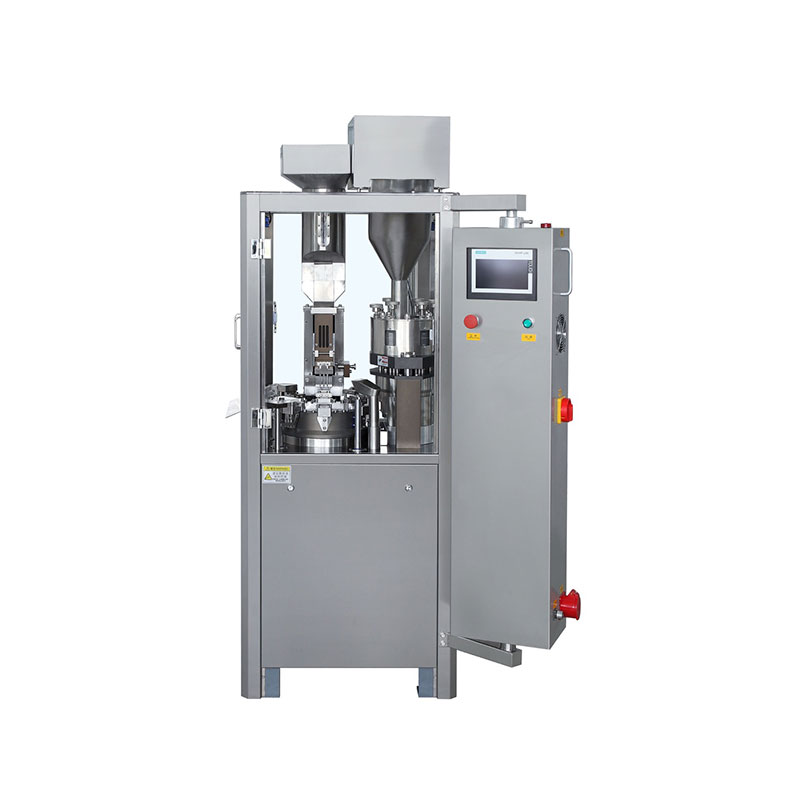 NJP-400 Fully Automatic Capsule Filling Machine
 -
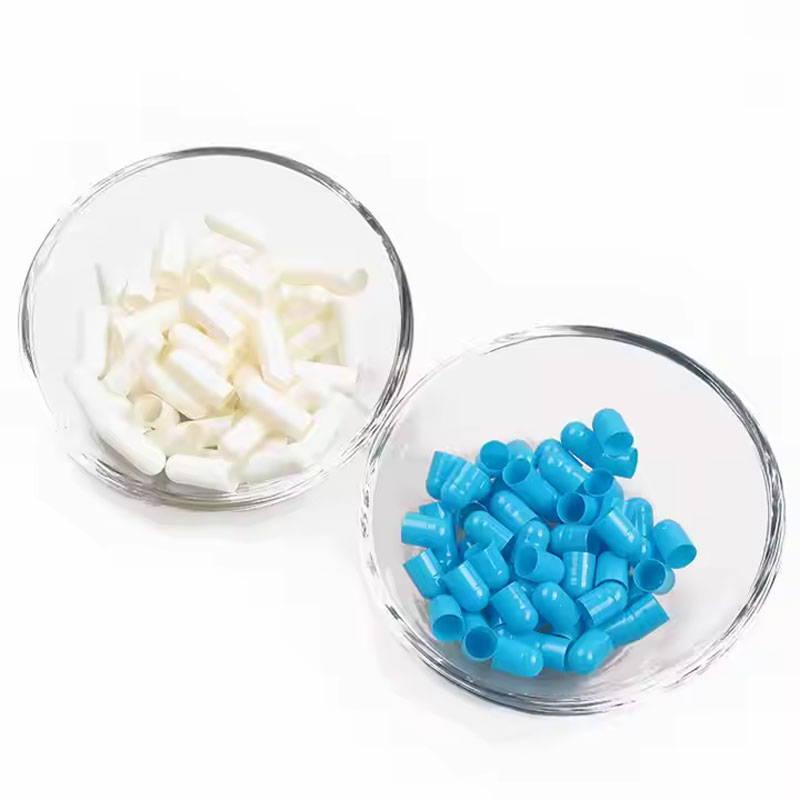 Empty VegCaps Shell Clear Empty Vegan Plant-Based Capsules Size 00 0 1 2 3 4 Natural Vegetable HPMC Capsules
 -
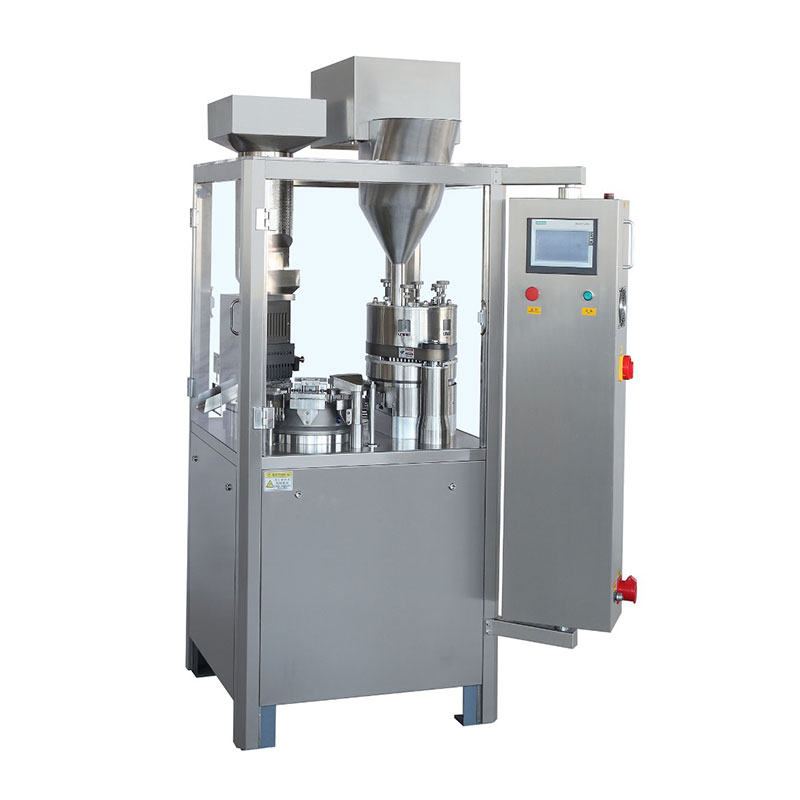 NJP-1200 Automatic Capsule Filling Machine
 -
 Hard Gelatin Empty Capsule Shell Size 00 0 1 2 3 4
 -
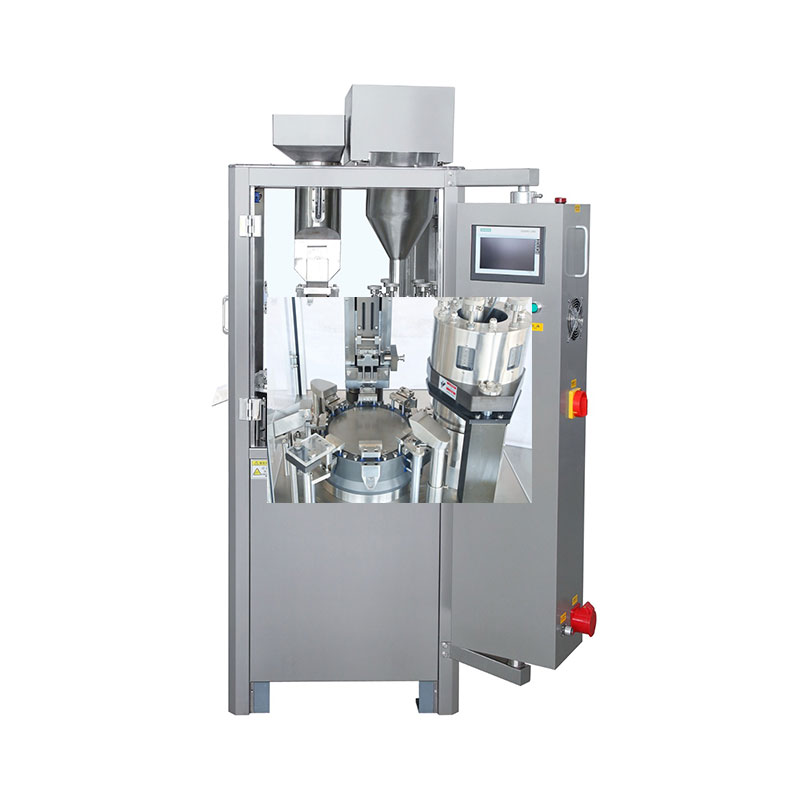 NJP-200 Model Fully Automatic Capsule Filling Machine
 -
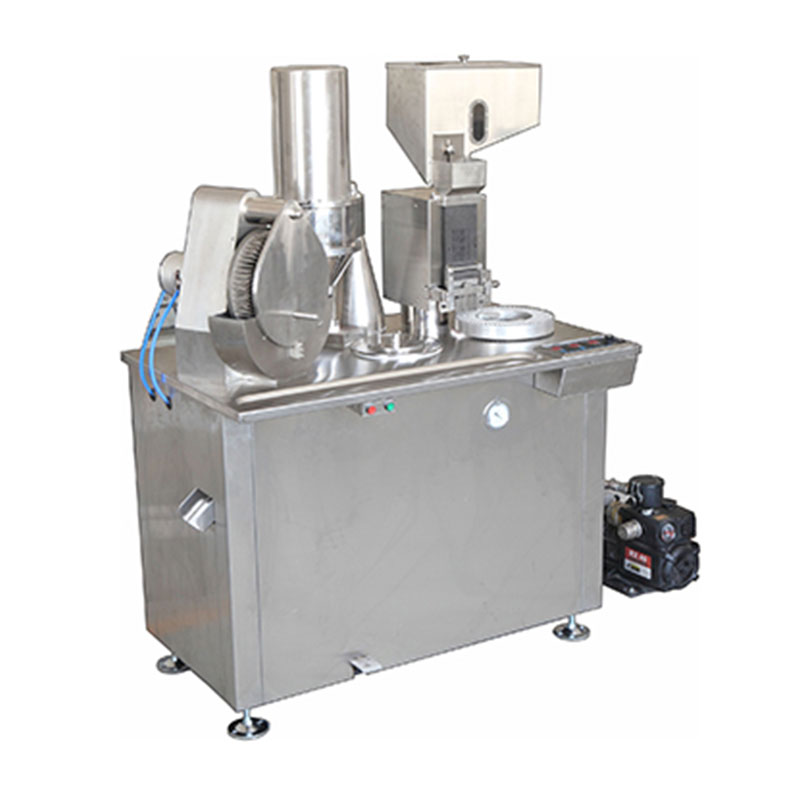 CGN208-D Newest Type Semi Automatic Capsule Filling Machine
 -
 Hpmc Capsules Product Plant Vegetarian Size 00 0 Capsule Shell
 -
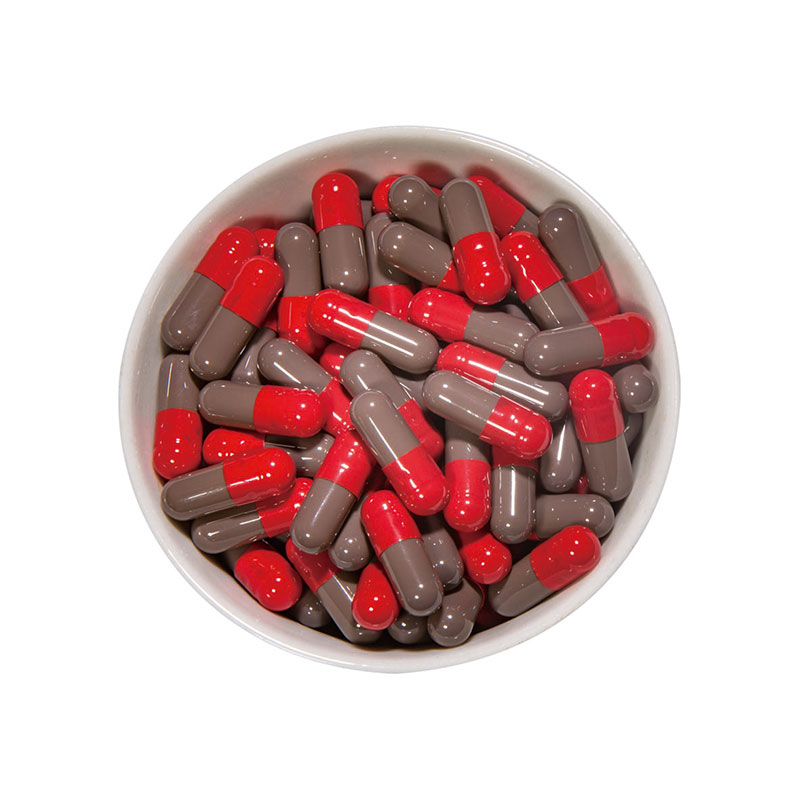 TIO2 free gelatin CAPSULE
 -
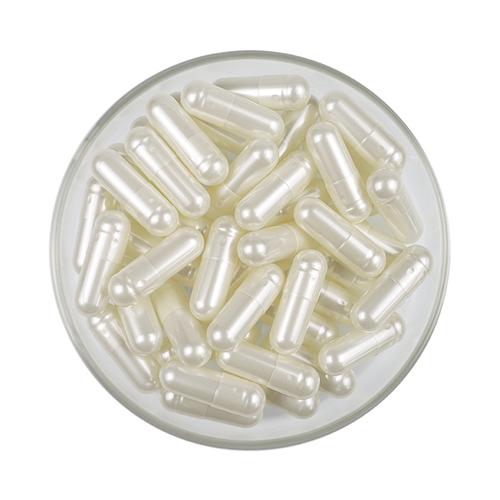 Golden_Pearl Hard Gelatin Capule
 -
 Vegetarian Separated Capsules HPMC Capsules Separated Wholesale Vegetarian Capsules Discount for Bulk Orders
 -
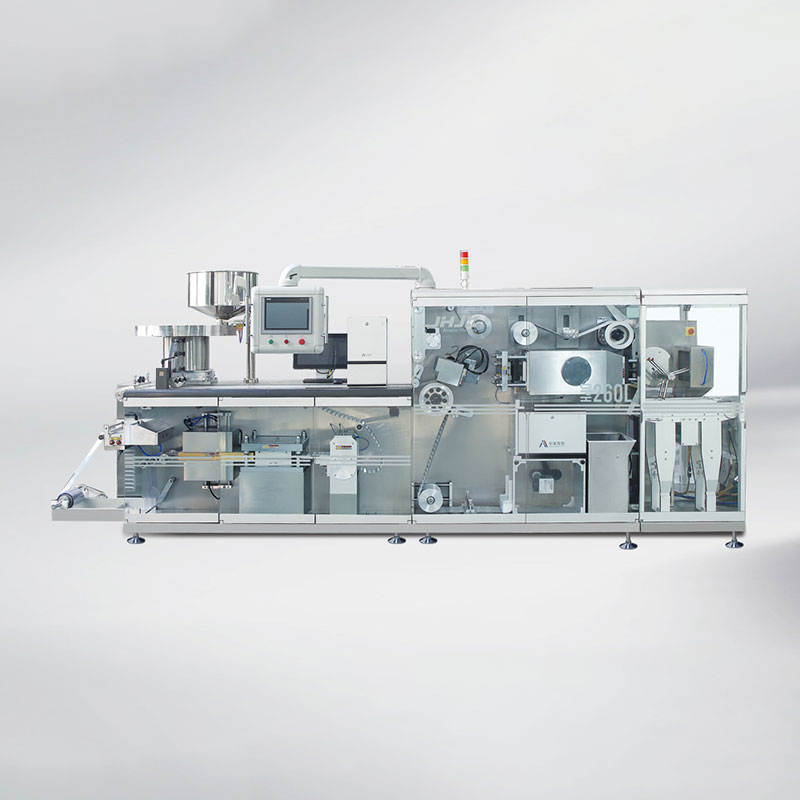 DPH-260L Roll-plate Blister Packaging Machine
Related Search
Related Search- high quality size 4 capsule filler
- small automatic capsule filling machine
- size 0 capsule filling machine
- Best TiO2 free Gelatin Capsule
- Best 00 capsule filler
- DPP 260 Blister machine
- semi-automatic capsule filling machine size 0
- Certificate HPMC Empty Capsule Shell
- Certificate medicine capsule filling machine
- high quality Blister machine