
- Chinese
- French
- German
- Portuguese
- Spanish
- Russian
- Japanese
- Korean
- Arabic
- Irish
- Greek
- Turkish
- Italian
- Danish
- Romanian
- Indonesian
- Czech
- Afrikaans
- Swedish
- Polish
- Basque
- Catalan
- Esperanto
- Hindi
- Lao
- Albanian
- Amharic
- Armenian
- Azerbaijani
- Belarusian
- Bengali
- Bosnian
- Bulgarian
- Cebuano
- Chichewa
- Corsican
- Croatian
- Dutch
- Estonian
- Filipino
- Finnish
- Frisian
- Galician
- Georgian
- Gujarati
- Haitian
- Hausa
- Hawaiian
- Hebrew
- Hmong
- Hungarian
- Icelandic
- Igbo
- Javanese
- Kannada
- Kazakh
- Khmer
- Kurdish
- Kyrgyz
- Latin
- Latvian
- Lithuanian
- Luxembou..
- Macedonian
- Malagasy
- Malay
- Malayalam
- Maltese
- Maori
- Marathi
- Mongolian
- Burmese
- Nepali
- Norwegian
- Pashto
- Persian
- Punjabi
- Serbian
- Sesotho
- Sinhala
- Slovak
- Slovenian
- Somali
- Samoan
- Scots Gaelic
- Shona
- Sindhi
- Sundanese
- Swahili
- Tajik
- Tamil
- Telugu
- Thai
- Ukrainian
- Urdu
- Uzbek
- Vietnamese
- Welsh
- Xhosa
- Yiddish
- Yoruba
- Zulu
- Kinyarwanda
- Tatar
- Oriya
- Turkmen
- Uyghur


Discount empty vegetarian capsules size 3
Exploring Size 3 Discount Empty Vegetarian Capsules
Empty vegetarian capsules have become a staple in custom supplement creation, especially for health enthusiasts and small-scale supplement manufacturers. Among the types available, size 3 capsules are particularly intriguing due to their versatility and ease of use.
Understanding Size 3 Capsules
Size 3 capsules occupy a niche space in supplement manufacturing, striking a balance between size and fill volume. Not too large to be difficult for some to swallow, yet big enough to hold a decent amount of powder or supplement. This makes them an excellent choice for those creating personalized doses.
In my experience, the first step when dealing with any capsule size, including size 3, is understanding the correct fill volume. It becomes critical when customizing supplements because incorrect assumptions might lead to inaccurate dosing. Typically, size 3 capsules can hold about 150-300mg, depending on the powder density. Such variations further underscore the need for accurate measurements.
Another practical consideration is storage and handling. Due to their smaller size, these capsules are less bulky compared to larger capsules. However, they still demand careful handling to avoid static cling and sticking, especially in varying humidity conditions.
Sourcing Discount Empty Vegetarian Capsules
Finding quality discount empty vegetarian capsules size 3 can sometimes feel like a quest. One reputable source is SUQIAN KELAIYA INTERNATIONAL TRADING CO., LTD, available at kelaiyacorp.com. They offer both reliability and quality, backed by their manufacturing sites in Zhejiang and Jiangsu provinces. Their product variety often means that you can secure capsules that suit specific dietary requirements, particularly for those steering clear of gelatin.
However, while discounts are appealing, ensuring that the quality remains high is paramount. Occasionally, in my search for discounts, I've encountered capsules that don't seal properly or have inconsistencies in size. Such issues reinforce the importance of purchasing from trusted suppliers with consistent quality checks.
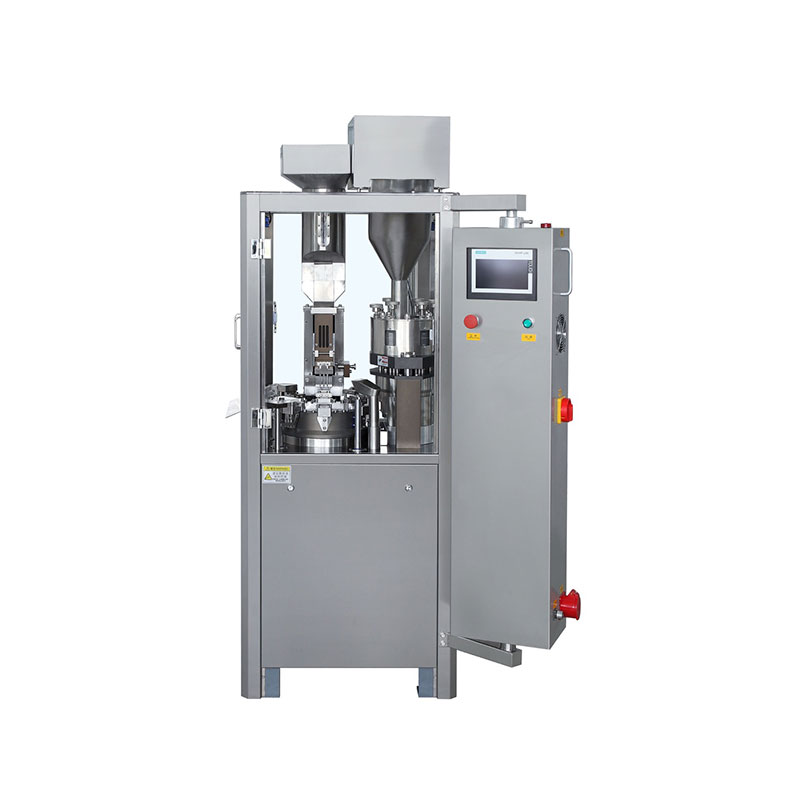
One interesting aspect of using size 3 capsules is their adaptability in filling machines. When I first started using them, the capsules fit seamlessly into capsule filling devices, whether manual or automatic. This ease of use can significantly streamline the encapsulation process for both hobbyists and small businesses.
Potential Challenges with Size 3 Capsules
No journey is without its hurdles. One common snag with size 3 vegetarian capsules is susceptibility to humidity. Due to their plant-based composition, they can become brittle or sticky when exposed to moisture. In past projects, I've learned to store them with silica gel packets to maintain their integrity.
Moreover, dispensing the right dose can sometimes be a challenge with smaller capsules. Ensuring a consistent fill while avoiding spills requires precision. For those engaging in at-home encapsulation, investing in a small-scale machine can alleviate some of these concerns.
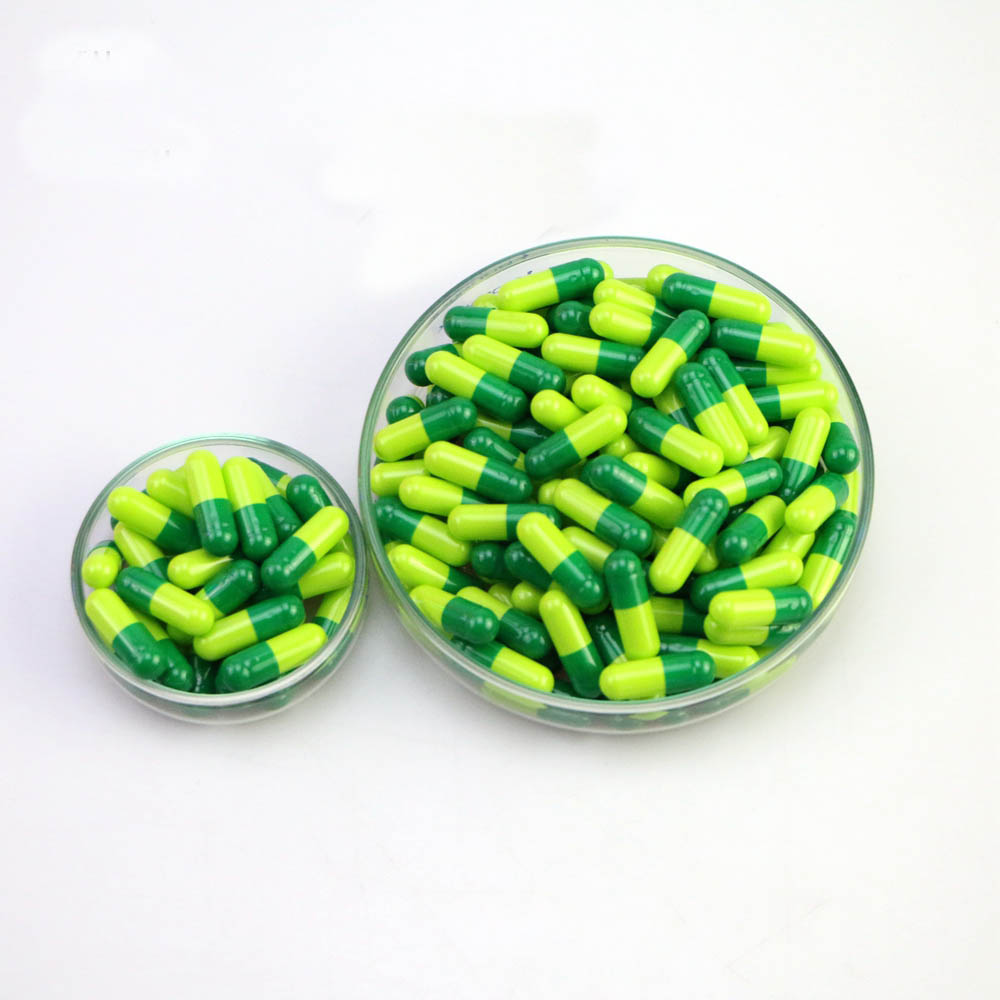
Additionally, capsule color can matter more than one might think. Although I've seen transparent variants commonly used, colored capsules are gaining traction for brand differentiation or UV protection. However, this can sometimes lead to slight price increments.
The Environmental Considerations
Vegetarian capsules, being plant-based, align well with environmental and ethical considerations. In conversations with peers, the sustainable aspect often comes up as a deciding factor. Even when searching for discounts, this criterion plays a role in choosing the right supplier.
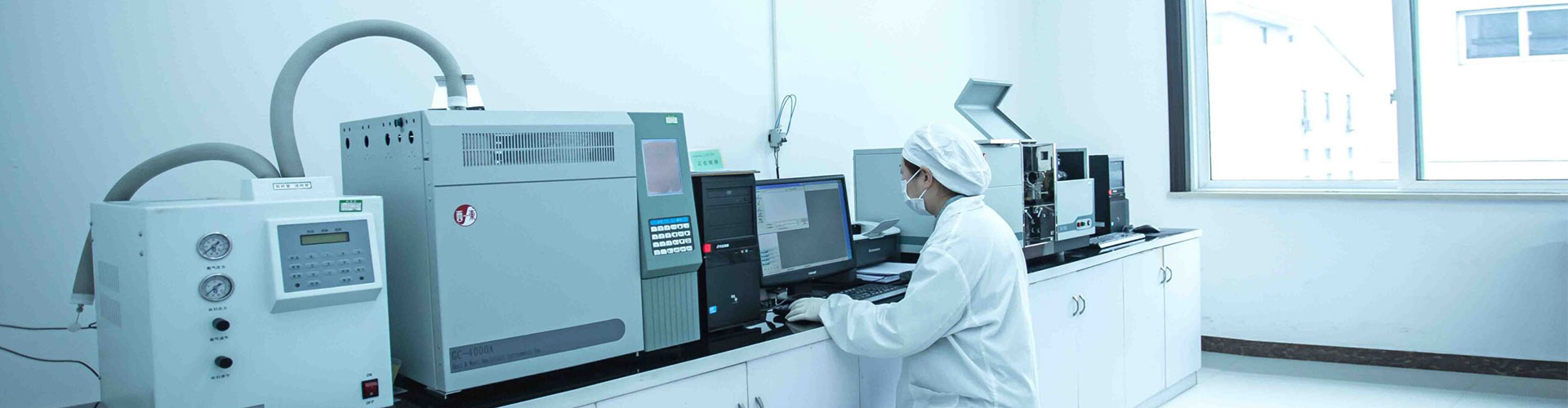
The production of these capsules, particularly by companies like Suqian Kelaiya Corp., reflects an industry shift towards more responsible manufacturing practices. Having visited some manufacturing sites, the emphasis on minimal waste and cleaner processes was apparent.
Yet, it's also crucial to note the balance between ecological benefits and practical usability. The environmental edge can sometimes be offset by transportation or storage impacts unless managed wisely.
Practical Applications and Tips
In a practical sense, using size 3 capsules can adapt to various supplement formulations, whether for vitamins, herbs, or new drug developments. The small size often allows for more targeted formulations, especially beneficial in trial phases of product development.
From my hands-on engagement, one tip I often share is conducting a test batch when trying new powders. The aim is to ensure the powder's texture and cohesiveness align well with the capsule size. This step can save time and resources in the long run.
Lastly, with companies like SUQIAN KELAIYA CORPORATION providing a diverse range of capsule-related equipment, from filling devices to blister machines, expanding from manual to more sophisticated production can be a natural evolution for businesses looking to scale.
Related Products
Related Products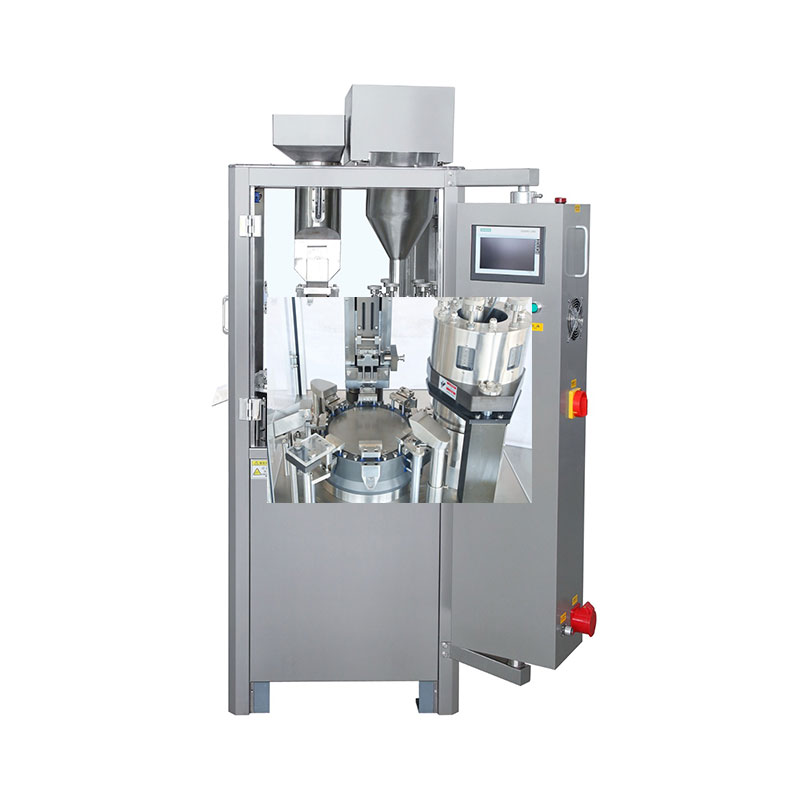
Best Selling Products
Best Selling Products-
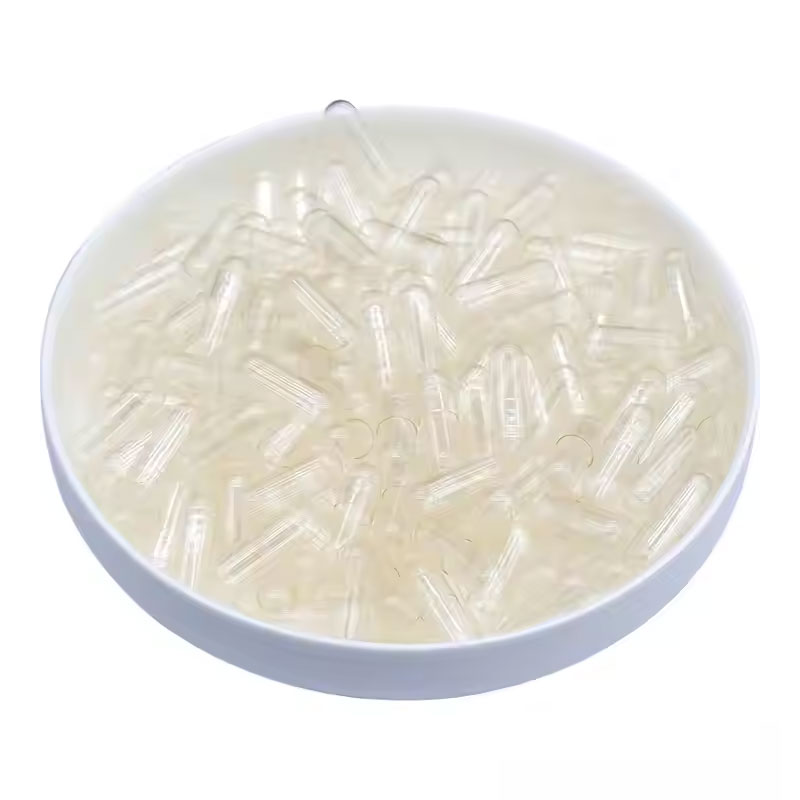 EMPTY VEGATABLE CAPSULE CLEAR SIZE 0
 -
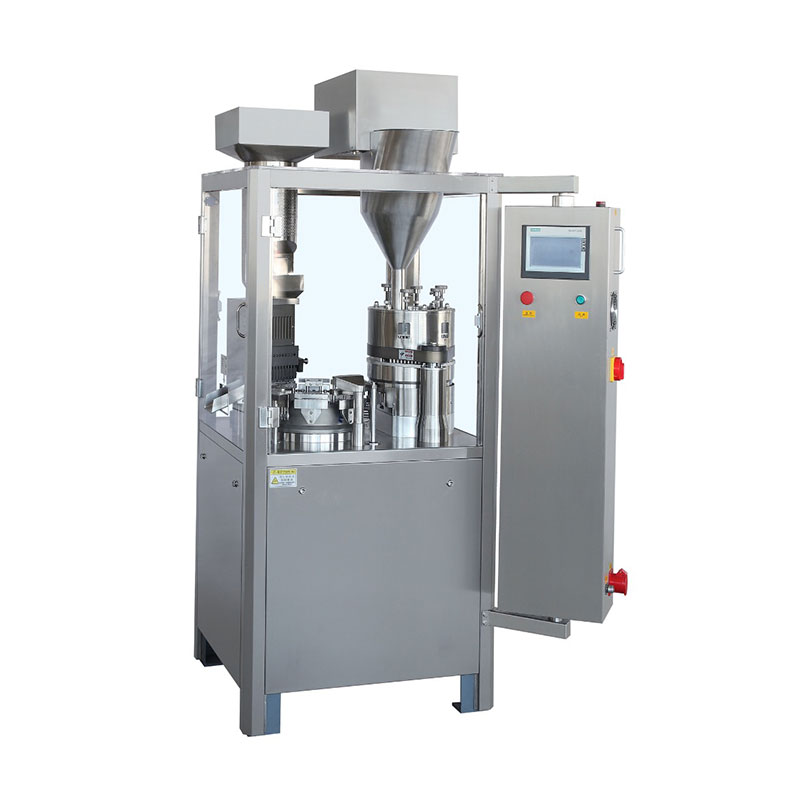 NJP-800 Automatic Capsule Filling Machine
 -
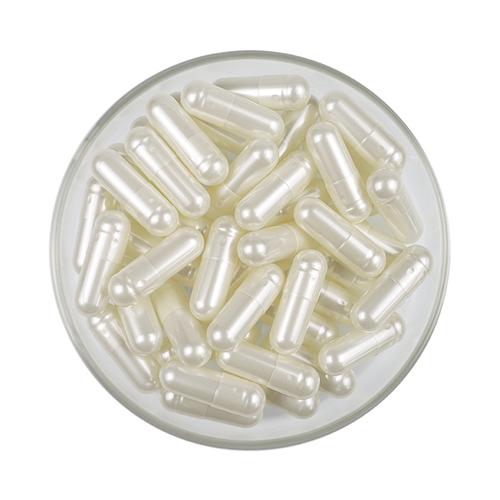 Golden_Pearl Hard Gelatin Capule
 -
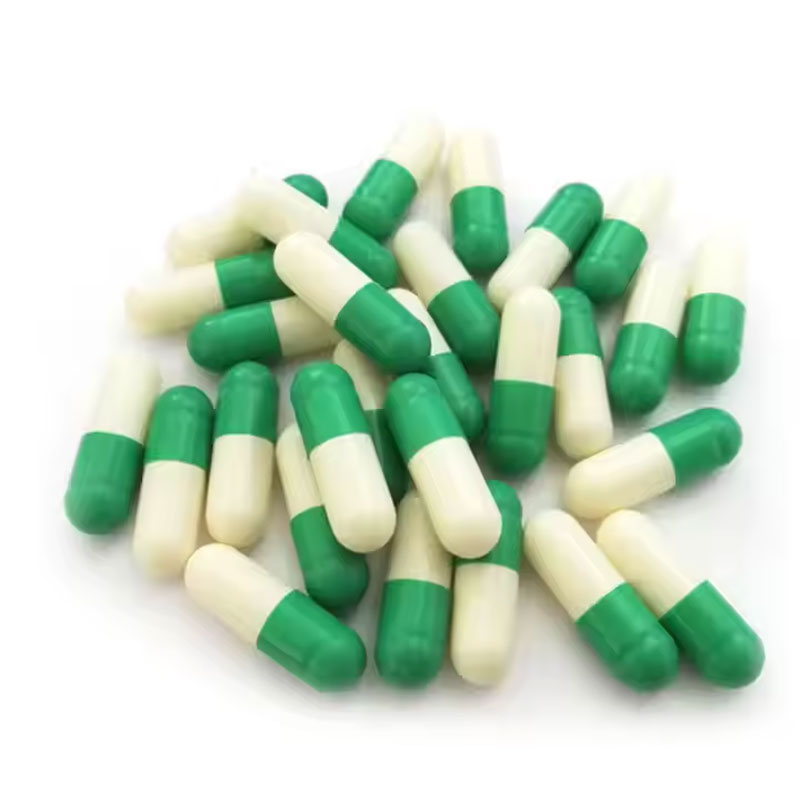 Size 00 hpmc capsules vegetarian capsules empty hard veggie capsules
 -
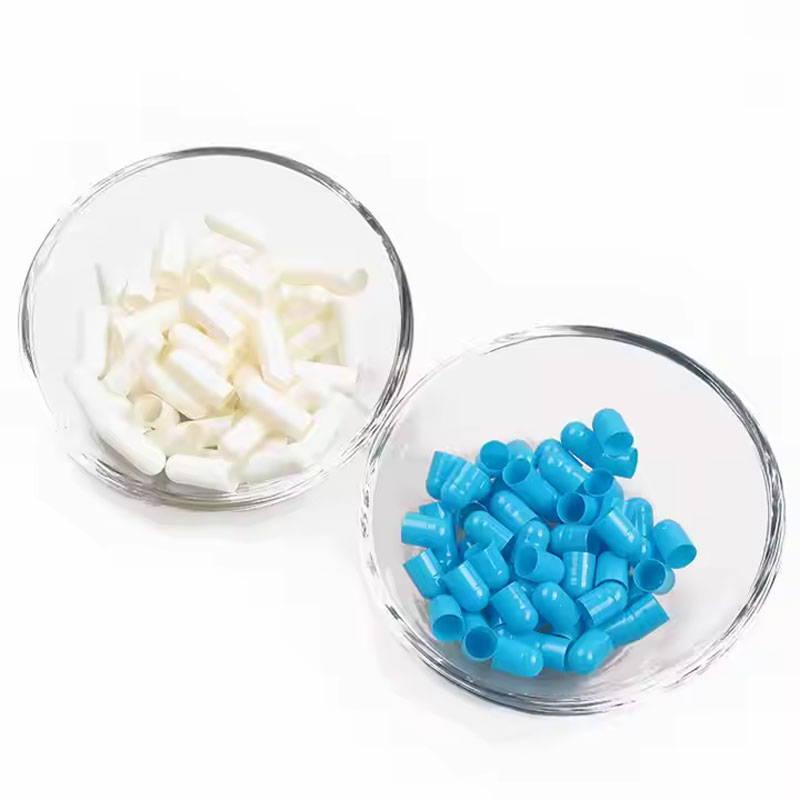 Empty VegCaps Shell Clear Empty Vegan Plant-Based Capsules Size 00 0 1 2 3 4 Natural Vegetable HPMC Capsules
 -
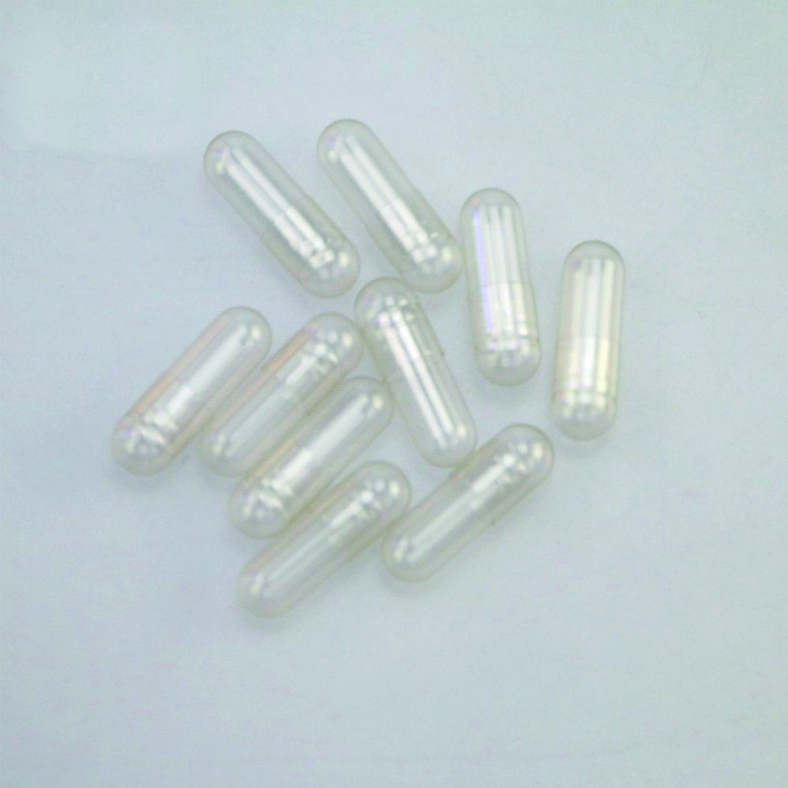 EMPTY HPMC CAPSULE SIZE 00 CLEAR
 -
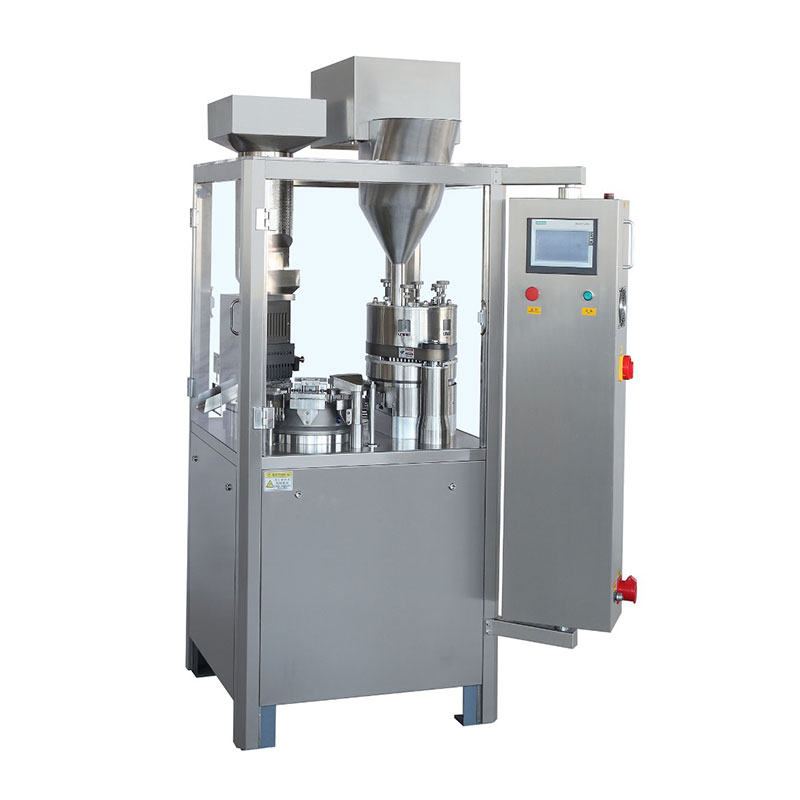 NJP-1200 Automatic Capsule Filling Machine
 -
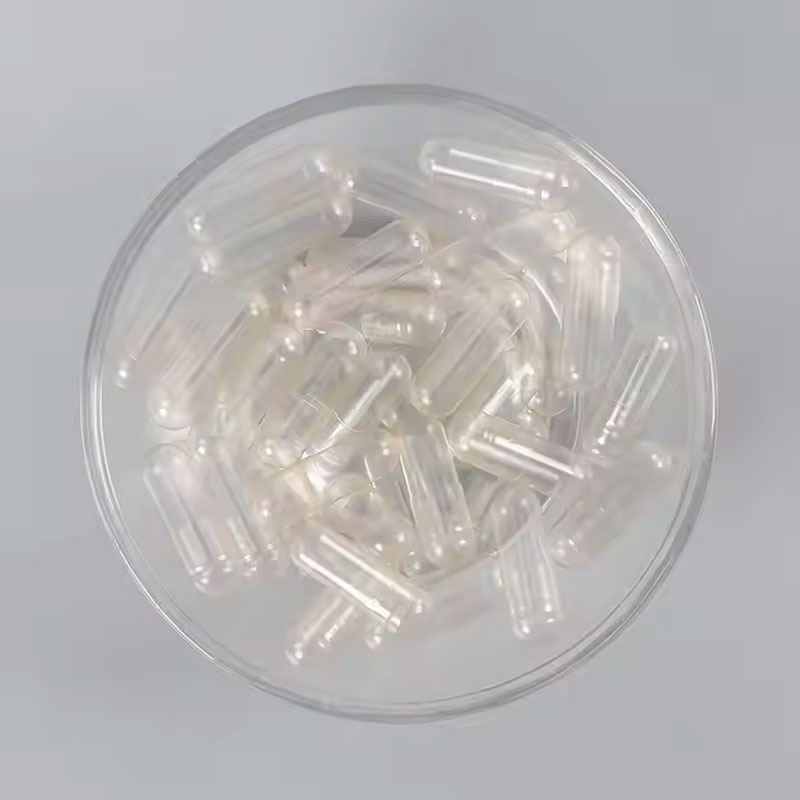 Hpmc Capsules Product Plant Vegetarian Size 00 0 Capsule Shell
 -
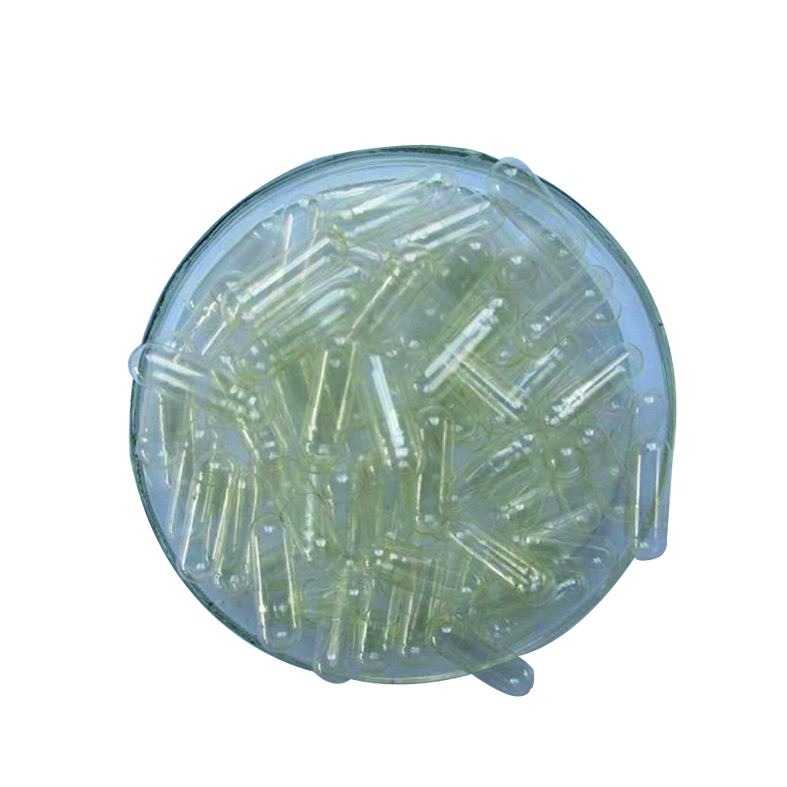 Halal Certificate Empty Clear Hard Gelatin Capsules Shell Size 0
 -
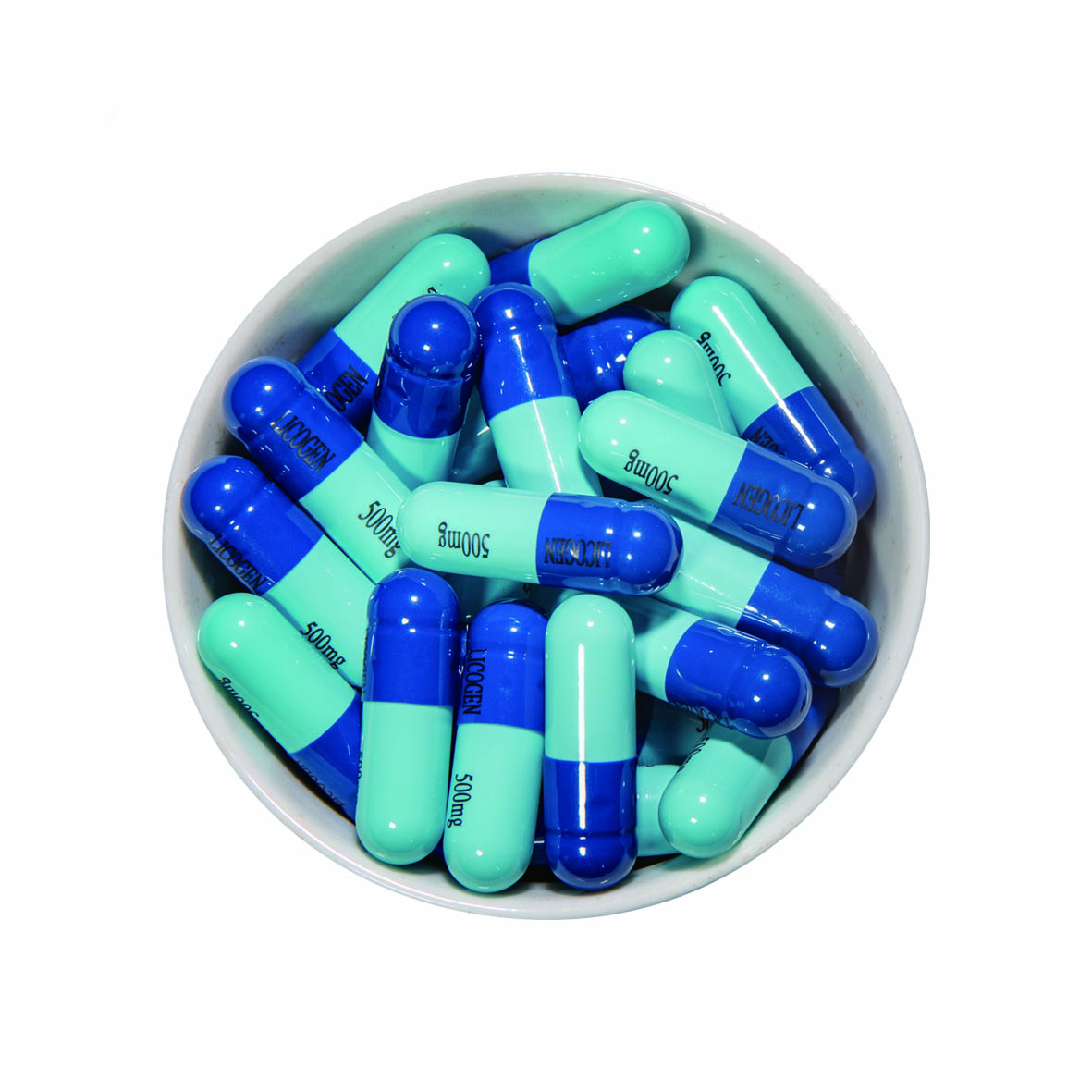 Hard Gelatin Empty Capsule Shell Size 00 0 1 2 3 4
 -
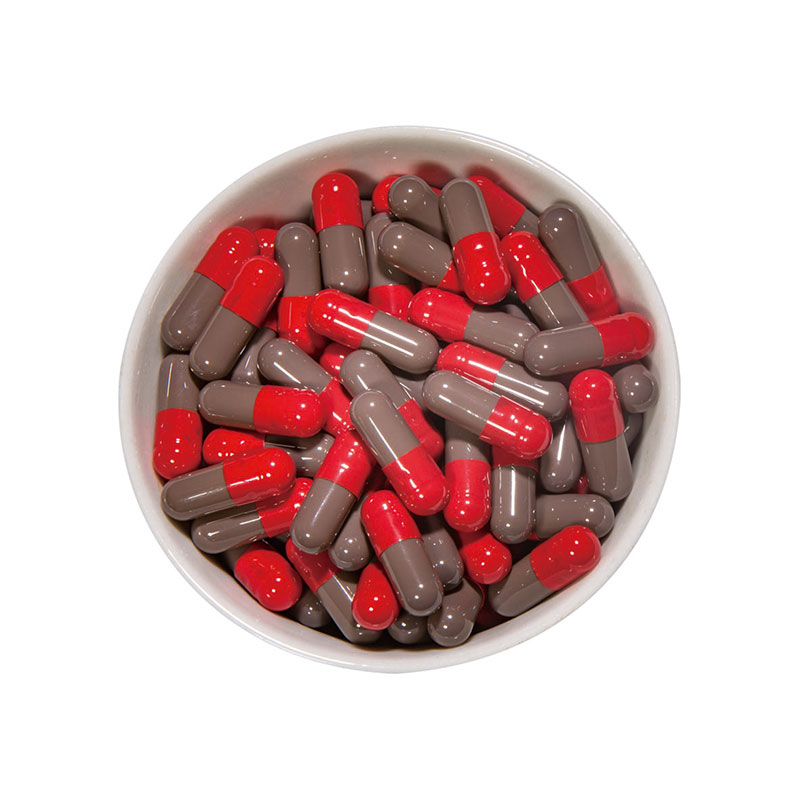 TIO2 free gelatin CAPSULE
 -
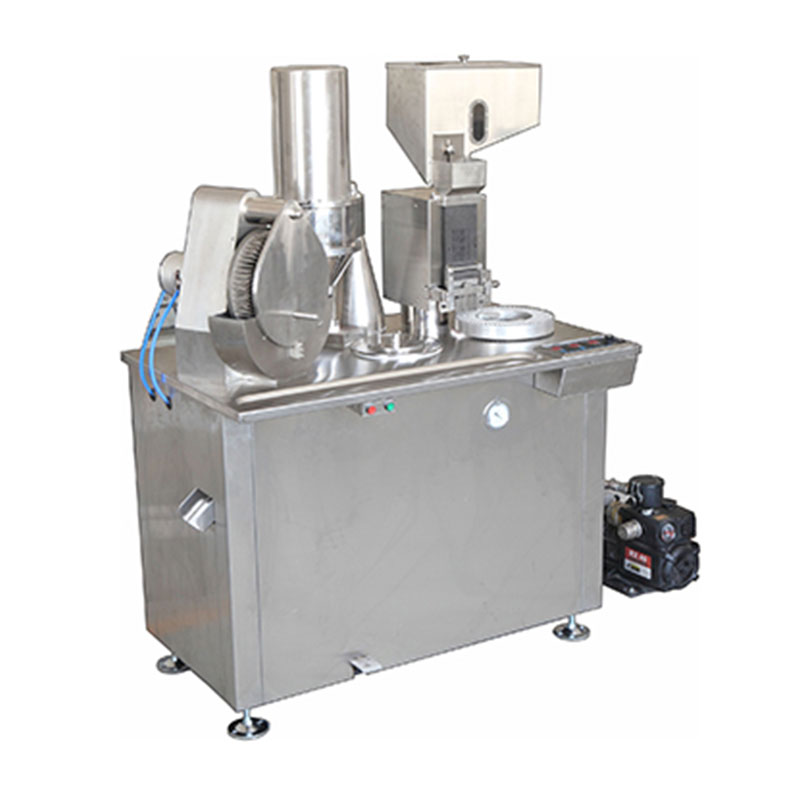 CGN208-D Newest Type Semi Automatic Capsule Filling Machine
Related Search
Related Search- Discount capsule filler size 00
- Discount vegetable capsules 0
- Best size 4 capsule filler
- OEM the capsule machine size 0
- high quality empty CLEAR HPMC CAPSULE SIZE 00
- Best Empty Capusle
- Best capsule filling machine 00
- OEM capsule filling machine size 00
- Best NJP-800 automatic capsule filling machine
- Discount Empty Capsule Gelatin Capsule Size 0 Transparent Natural