
- Chinese
- French
- German
- Portuguese
- Spanish
- Russian
- Japanese
- Korean
- Arabic
- Irish
- Greek
- Turkish
- Italian
- Danish
- Romanian
- Indonesian
- Czech
- Afrikaans
- Swedish
- Polish
- Basque
- Catalan
- Esperanto
- Hindi
- Lao
- Albanian
- Amharic
- Armenian
- Azerbaijani
- Belarusian
- Bengali
- Bosnian
- Bulgarian
- Cebuano
- Chichewa
- Corsican
- Croatian
- Dutch
- Estonian
- Filipino
- Finnish
- Frisian
- Galician
- Georgian
- Gujarati
- Haitian
- Hausa
- Hawaiian
- Hebrew
- Hmong
- Hungarian
- Icelandic
- Igbo
- Javanese
- Kannada
- Kazakh
- Khmer
- Kurdish
- Kyrgyz
- Latin
- Latvian
- Lithuanian
- Luxembou..
- Macedonian
- Malagasy
- Malay
- Malayalam
- Maltese
- Maori
- Marathi
- Mongolian
- Burmese
- Nepali
- Norwegian
- Pashto
- Persian
- Punjabi
- Serbian
- Sesotho
- Sinhala
- Slovak
- Slovenian
- Somali
- Samoan
- Scots Gaelic
- Shona
- Sindhi
- Sundanese
- Swahili
- Tajik
- Tamil
- Telugu
- Thai
- Ukrainian
- Urdu
- Uzbek
- Vietnamese
- Welsh
- Xhosa
- Yiddish
- Yoruba
- Zulu
- Kinyarwanda
- Tatar
- Oriya
- Turkmen
- Uyghur


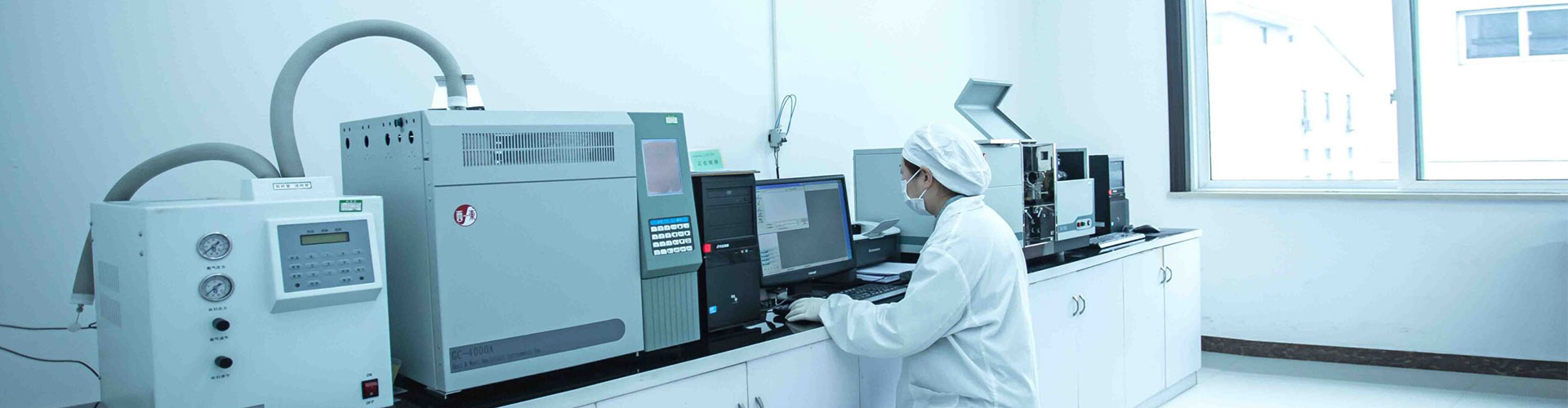
capsule filling machine size 2
Understanding Capsule Filling Machines: Size 2 Capsules in Focus
When it comes to capsule filling, especially with size 2 capsules, there's a bit of art and science involved. As someone who's been in the trenches with these machines, I'll tell you, it's not just about pouring powder into a capsule shell. There are more intricacies involved than most expect.
The Basics of Capsule Filling Machines
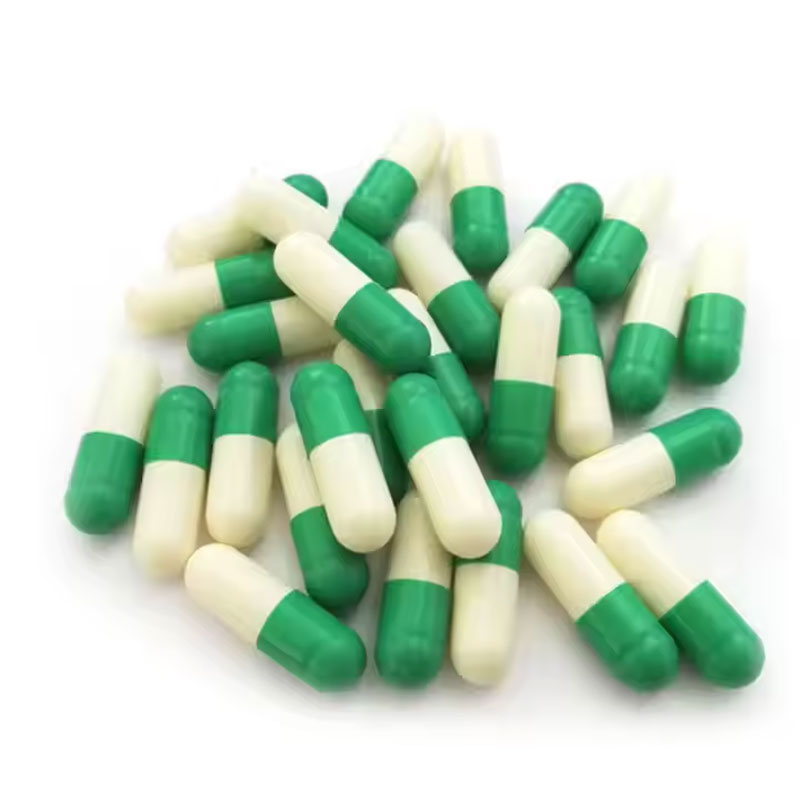
First things first, what exactly is a capsule filling machine? At its core, it's a device, manual or automated, designed to fill empty capsules with the right dosage of a substance. Now, talking about size 2, which is a commonly used size because it holds enough volume for a standard dose without being too large to swallow comfortably.
In my experience, choosing the right machine can make a significant difference. The differences in design, speed, and efficiency can be quite stark. Automated machines offer unparalleled precision, but manual machines provide flexibility that many smaller operations appreciate.
One thing to note is the capsule material itself impacts the machine's performance. Hard gelatin capsules are more common, but alternatives like HPMC (hydroxypropyl methylcellulose) are gaining ground. Each type has its nuances in terms of filling and sealing.
How to Choose the Right Machine
Selection isn't just about matching size requirements. It's about understanding your production needs. For instance, Suqian Kelaiya Corp. provides various options through their platform, https://www.kelaiyacorp.com, catering to different business scales from start-ups to established pharmaceuticals.
Often, the decision comes down to budget versus necessity. While top-tier machines might be attractive, smaller operations might find manual or semi-automatic machines more cost-effective. Knowing your workflow is key—trust me, underestimating this can lead to major headaches later on.
Precision and speed are crucial, especially for companies ramping up production. It’s not uncommon to see operators switch machines mid-production due to unforeseen hiccups, a scenario that’s far too familiar in this line of work.
Common Challenges and Missteps
You might think filling capsules is straightforward, but let me disabuse you of that notion. Granular consistency, moisture level, and even room temperature can affect the output. No one talks about it enough, but this can create huge swings in efficiency and waste.
An overlooked aspect is machine maintenance. A well-maintained machine delivers consistent performance. Sadly, many only learn this the hard way after unexpected breakdowns halt production—something I’ve seen happen more than once.
There’s also the human element. Handling and training of the staff operating these machines can’t be ignored. An intuitive interface helps, but without proper training, even the best machines can’t perform to their potential.
Experiences with Automation Versus Manual Systems
When Suqian Kelaiya Corp. integrated more automated systems, there was a palpable skepticism. Would these machines live up to their promise? As it turns out, while automation cut down on errors and increased output, the adaptation period was bumpy—it always is.
On the manual side, however, there's a charm in the control it offers. For niche products or small batches, sometimes nothing beats the tactile sense of a manual machine. It’s an art in its own right, one that demands patience and practice.
But here’s a nugget of truth: automation and manual systems both have their place. Balancing them becomes a necessity rather than a choice.
The Suqian Kelaiya Experience
At Suqian Kelaiya Corp., bridging these diverse needs is central. Located in Jiangsu and Zhejiang, they don’t just supply capsule filling machines; they also work deeply in new drug development. This holistic approach shapes their product offerings significantly.
By using resources like https://www.kelaiyacorp.com, companies can find an extensive range of machines catering to both burgeoning and mature businesses. Their understanding of the intricate dance between innovation and practicality resonates throughout the industry.
Ultimately, every choice—from the capsule size to the filling machine type—tells a story about a company's priorities and capacities. Trust in a supplier like Suqian Kelaiya can make all the difference. For the uninitiated entering the field, remember: it’s never just about filling a capsule. It’s about crafting a seamless, efficient, and precise manufacturing process.
Related Products
Related Products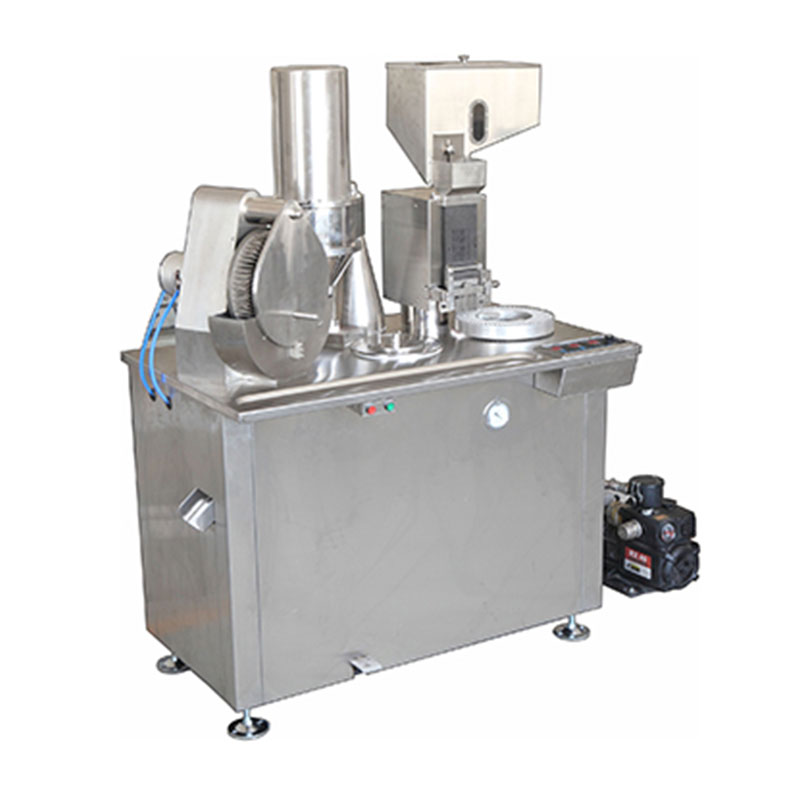
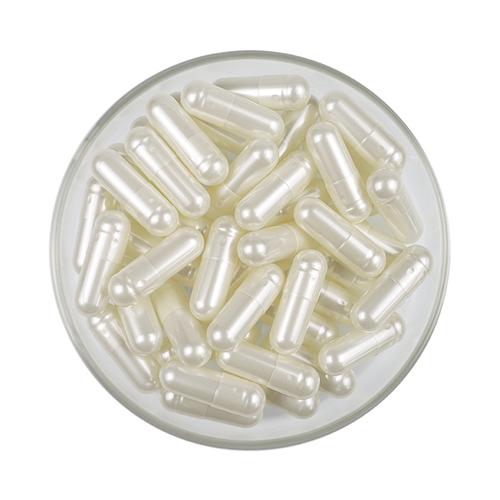

Best Selling Products
Best Selling Products-
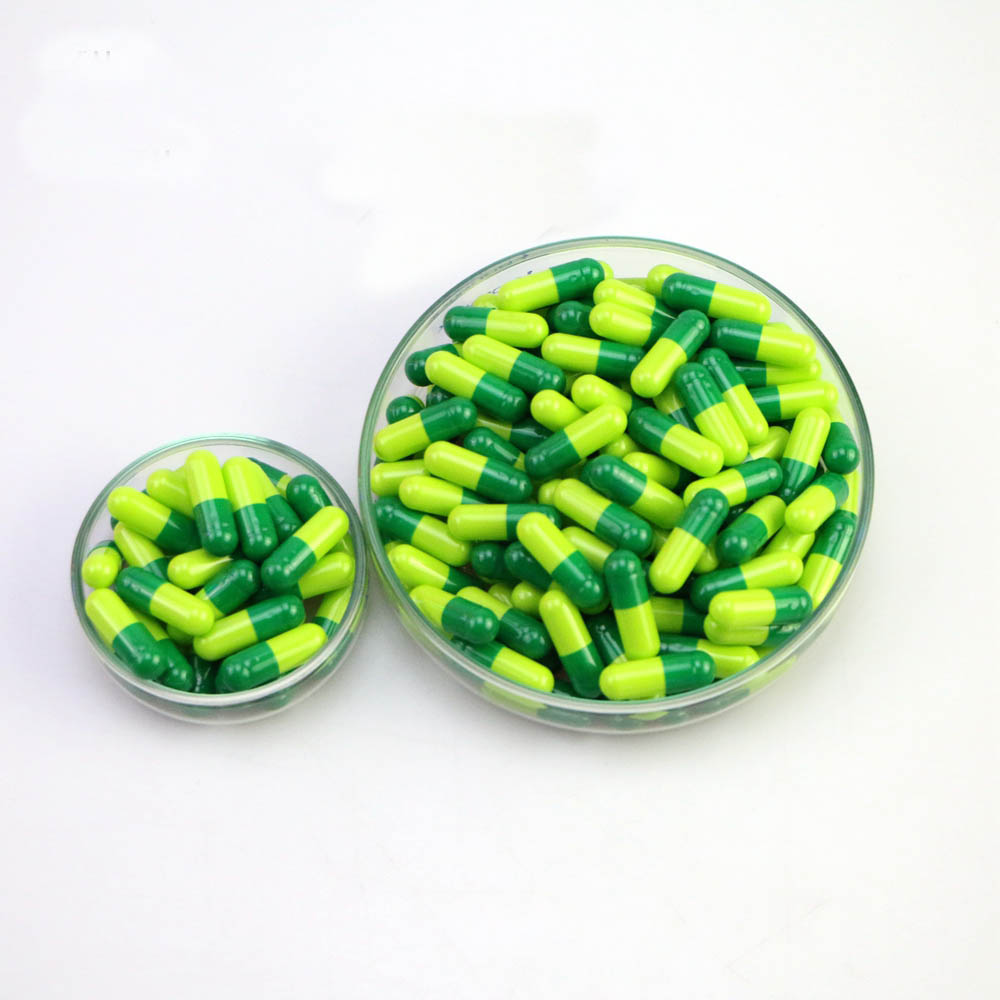 Halal empty hard geltin capsule
 -
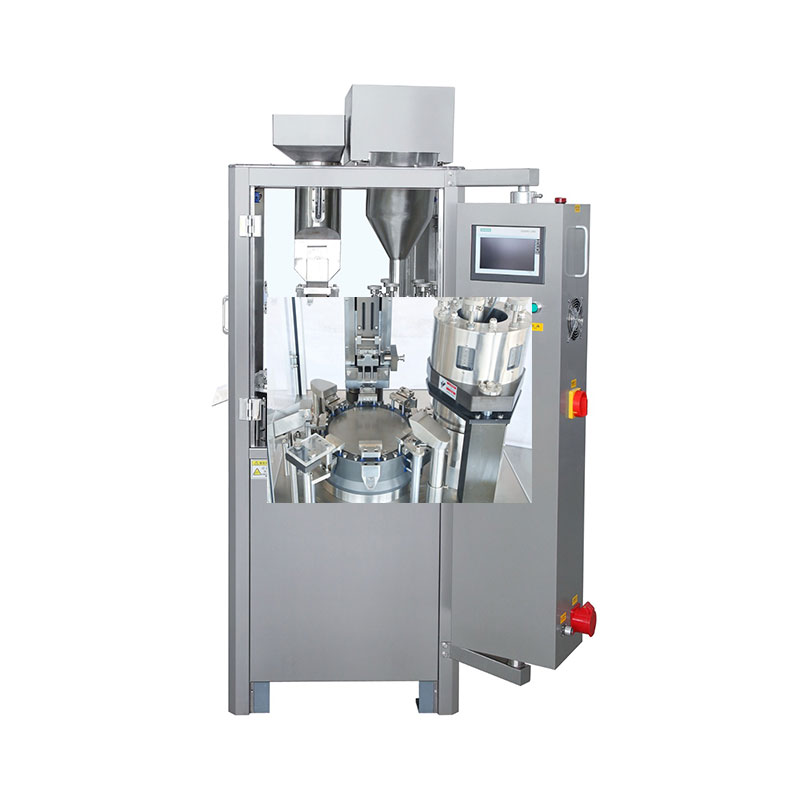
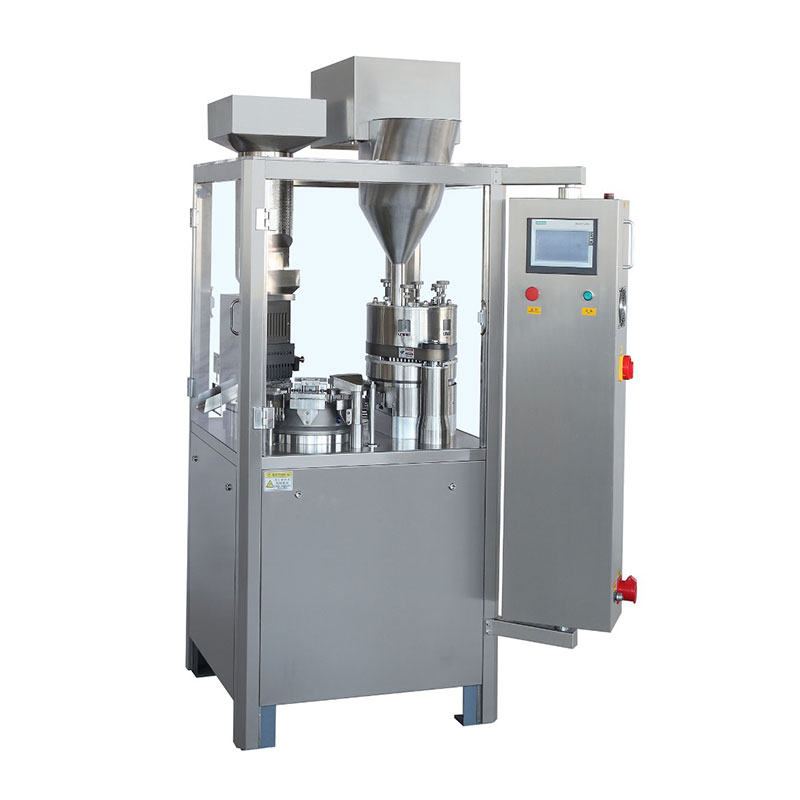 NJP-1200 Automatic Capsule Filling Machine
 -
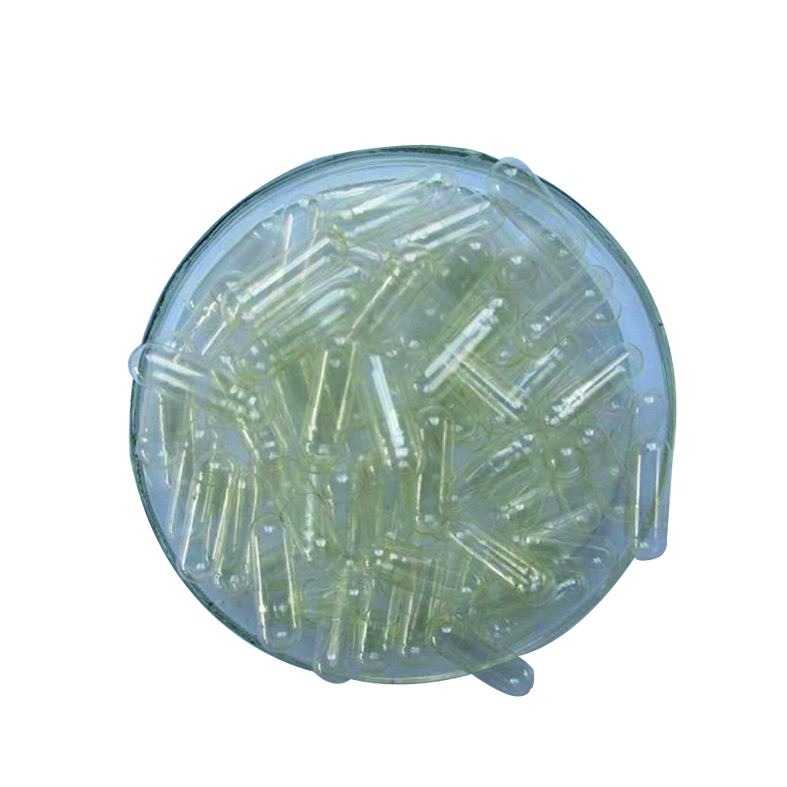 Halal Certificate Empty Clear Hard Gelatin Capsules Shell Size 0
 -
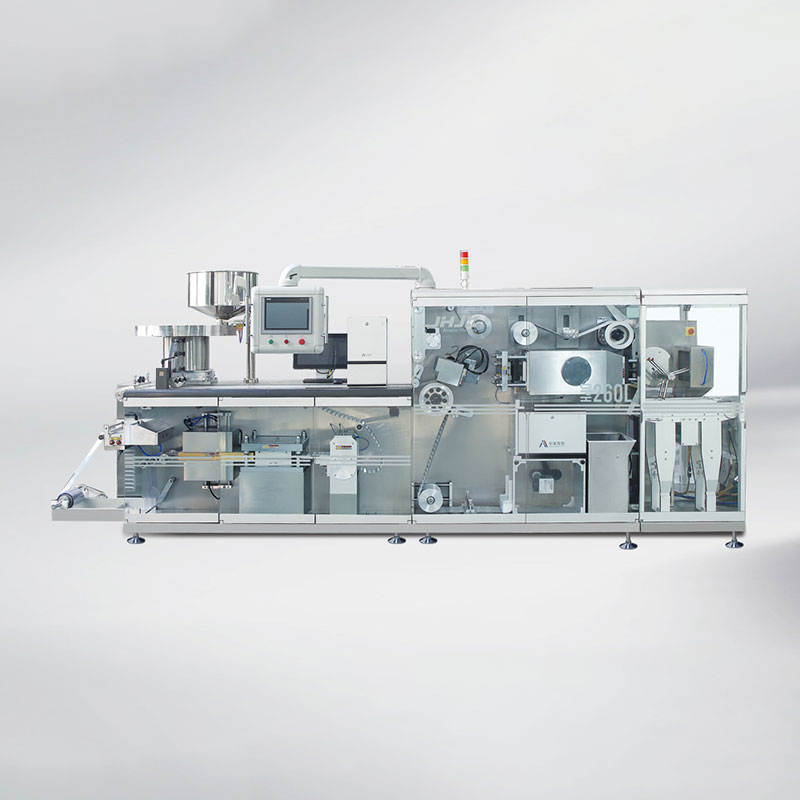 DPH-260L Roll-plate Blister Packaging Machine
 -
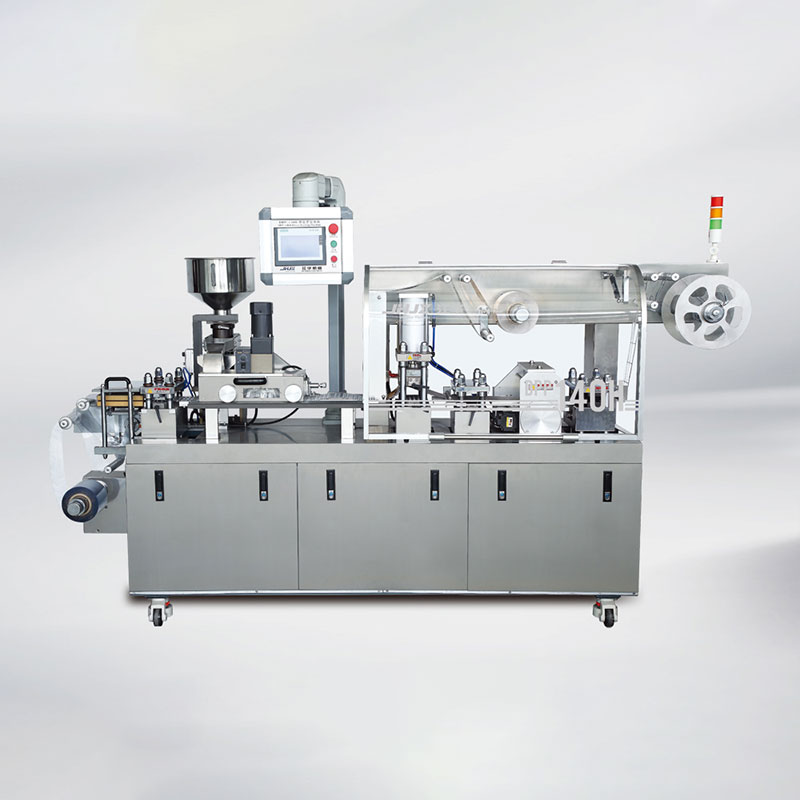 DPP-140H Flat-plate Blister Packing Machine
 -
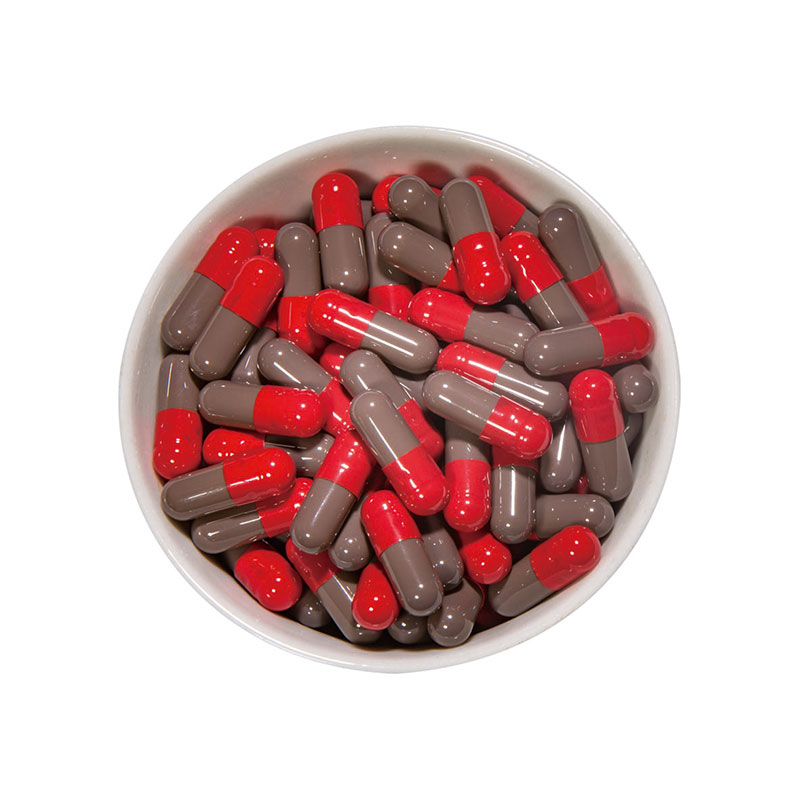 TIO2 free gelatin CAPSULE
 -
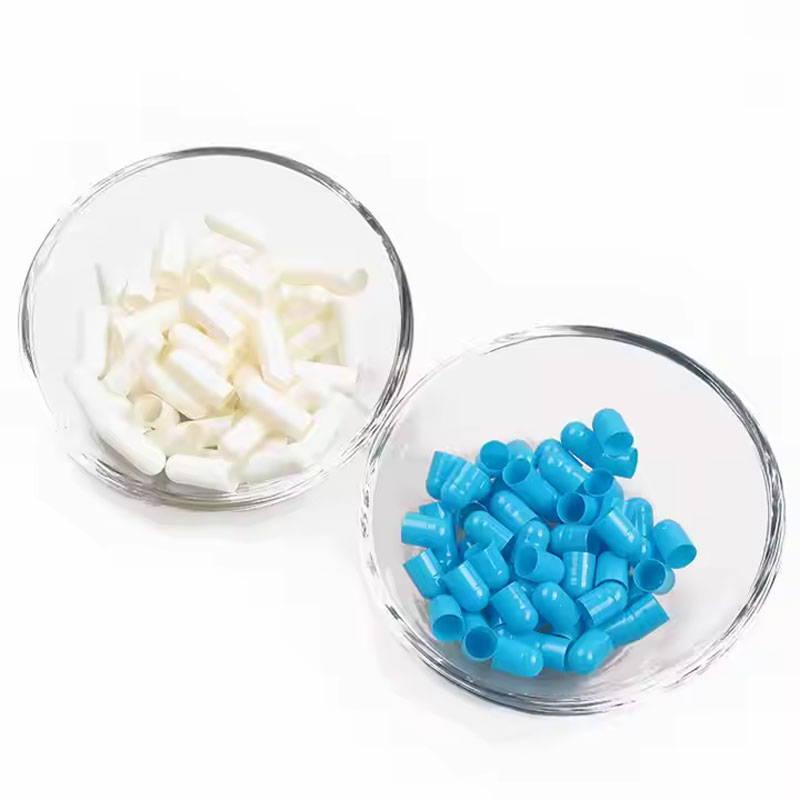 Empty VegCaps Shell Clear Empty Vegan Plant-Based Capsules Size 00 0 1 2 3 4 Natural Vegetable HPMC Capsules
 -
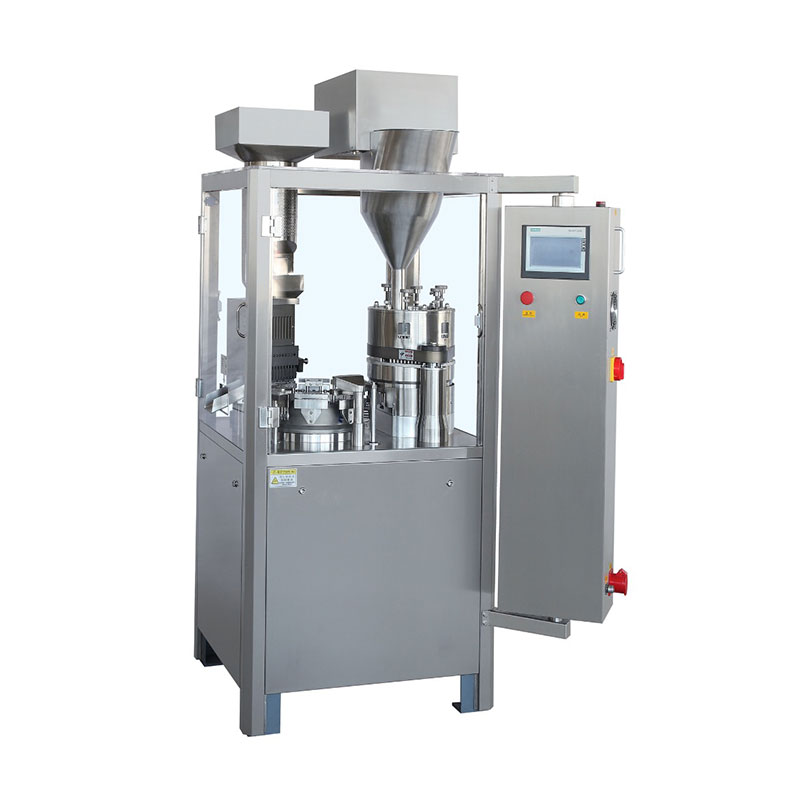 NJP-800 Automatic Capsule Filling Machine
 -
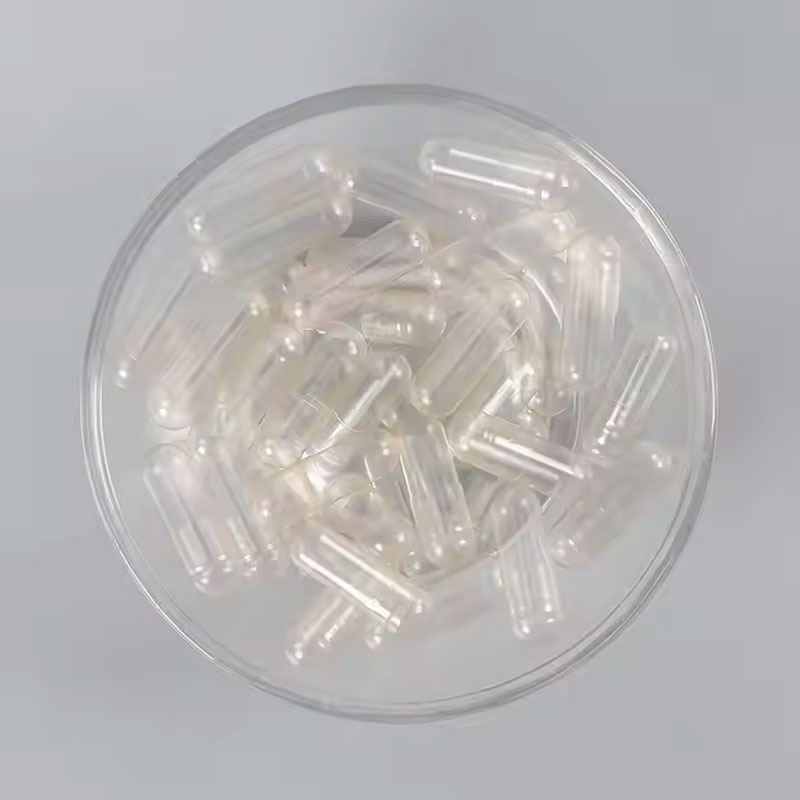 Hpmc Capsules Product Plant Vegetarian Size 00 0 Capsule Shell
 -
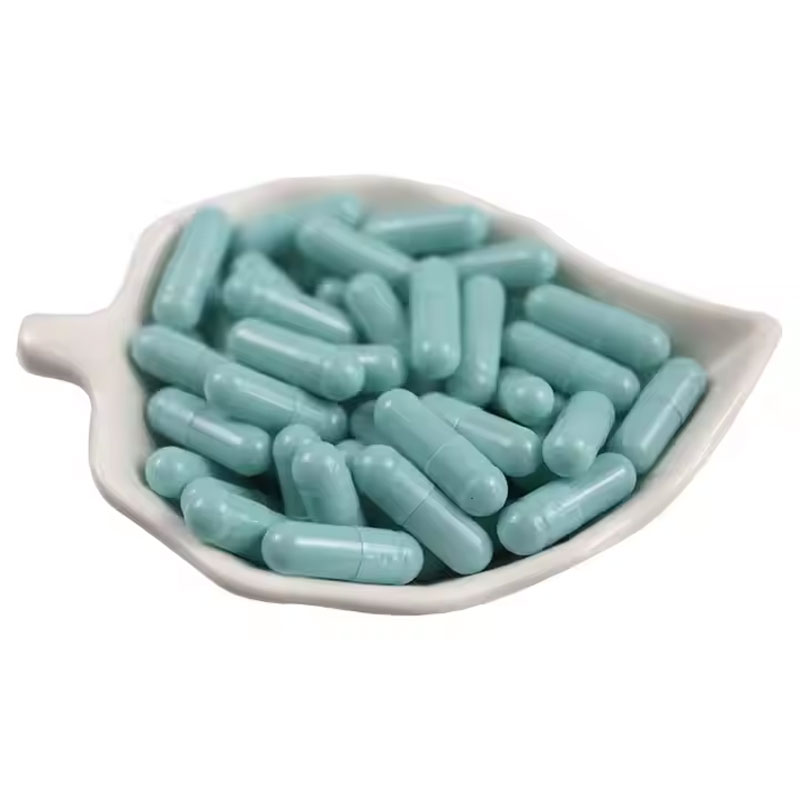 Vegetarian Separated Capsules HPMC Capsules Separated Wholesale Vegetarian Capsules Discount for Bulk Orders
 -
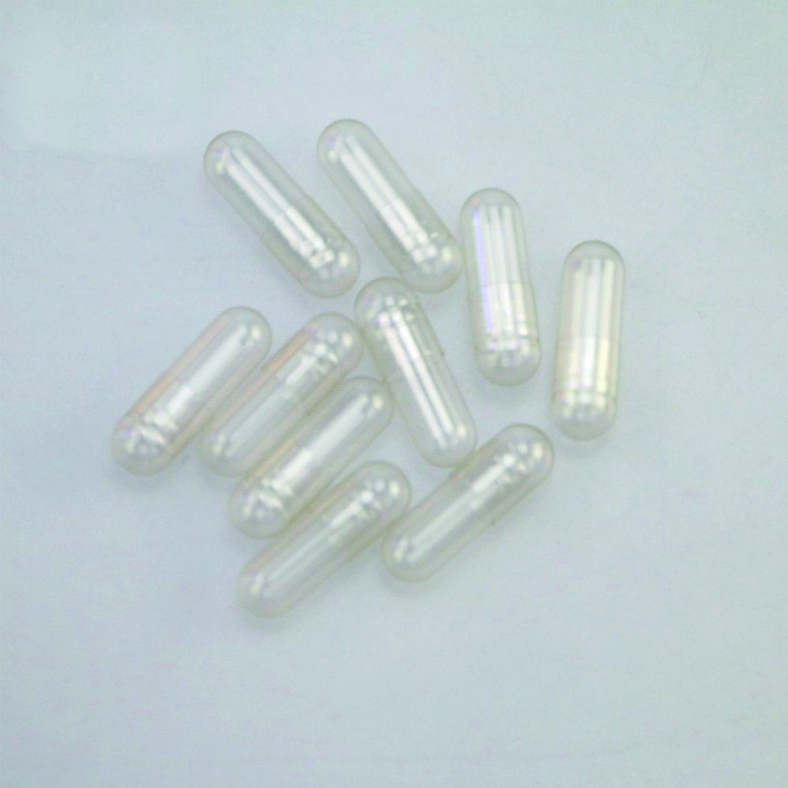 EMPTY HPMC CAPSULE SIZE 00 CLEAR
 -
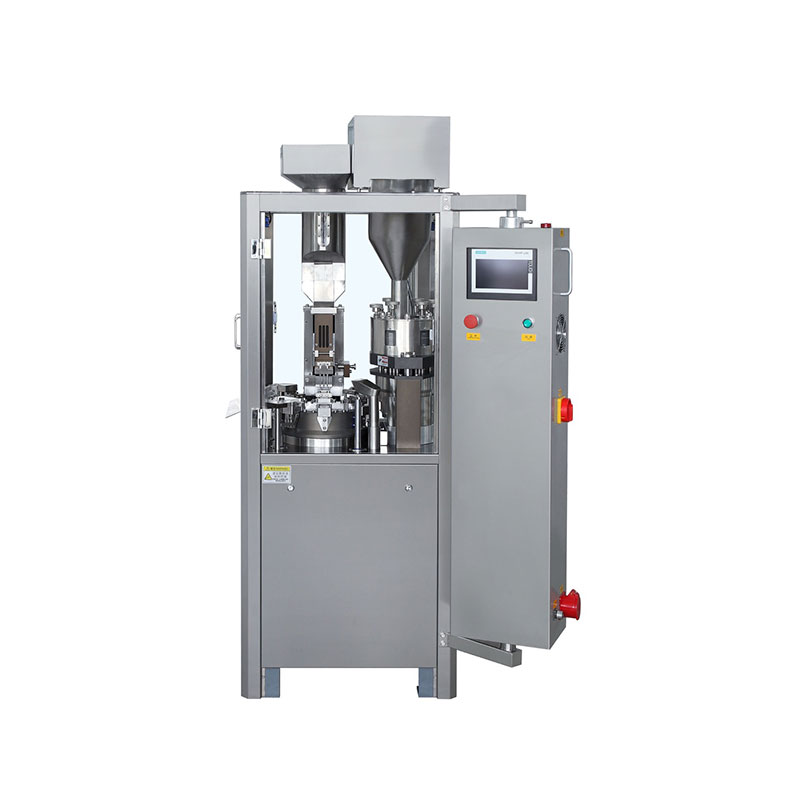 NJP-400 Fully Automatic Capsule Filling Machine
Related Search
Related Search- Certificate supplement capsule filler
- capsule machine size 3
- Discount automatic capsule filling machine manufacturer
- njp 400
- Discount fruit and vegetable capsules advertised on fox news
- OEM semi auto capsule filling machine
- Certificate empty vegetarian capsules size 0
- OEM empty vegetarian capsules size 1
- Certificate small automatic capsule filling machine
- Certificate sizes of veggie capsules