
- Chinese
- French
- German
- Portuguese
- Spanish
- Russian
- Japanese
- Korean
- Arabic
- Irish
- Greek
- Turkish
- Italian
- Danish
- Romanian
- Indonesian
- Czech
- Afrikaans
- Swedish
- Polish
- Basque
- Catalan
- Esperanto
- Hindi
- Lao
- Albanian
- Amharic
- Armenian
- Azerbaijani
- Belarusian
- Bengali
- Bosnian
- Bulgarian
- Cebuano
- Chichewa
- Corsican
- Croatian
- Dutch
- Estonian
- Filipino
- Finnish
- Frisian
- Galician
- Georgian
- Gujarati
- Haitian
- Hausa
- Hawaiian
- Hebrew
- Hmong
- Hungarian
- Icelandic
- Igbo
- Javanese
- Kannada
- Kazakh
- Khmer
- Kurdish
- Kyrgyz
- Latin
- Latvian
- Lithuanian
- Luxembou..
- Macedonian
- Malagasy
- Malay
- Malayalam
- Maltese
- Maori
- Marathi
- Mongolian
- Burmese
- Nepali
- Norwegian
- Pashto
- Persian
- Punjabi
- Serbian
- Sesotho
- Sinhala
- Slovak
- Slovenian
- Somali
- Samoan
- Scots Gaelic
- Shona
- Sindhi
- Sundanese
- Swahili
- Tajik
- Tamil
- Telugu
- Thai
- Ukrainian
- Urdu
- Uzbek
- Vietnamese
- Welsh
- Xhosa
- Yiddish
- Yoruba
- Zulu
- Kinyarwanda
- Tatar
- Oriya
- Turkmen
- Uyghur



Best vegetable capsules sizes
Choosing the Best Vegetable Capsule Sizes for Your Needs
When it comes to selecting the right vegetable capsules sizes, there’s more to consider than you might initially think. It’s not just about fitting all your ingredients, there’s a delicate balance between usability, manufacturing constraints, and consumer preferences. Trust me, having worked through countless trials and errors, these factors make a tangible difference.
Understanding the Basics of Capsule Sizes
First things first, understanding capsule sizes can make or break your product’s success. The standard sizes range from 000 to 5, with 000 being the largest at roughly 1.37 inches in length and size 5 being the smallest at about 0.4 inches. The size choice impacts everything from digestion time to manufacturing efficiency.
Reflecting on my experience, the medium sizes—like 0 and 1—often strike the best balance. They accommodate a decent volume of ingredients but remain easy to swallow for most people. But here’s the catch, choosing a size isn’t just a technical decision; it’s also about your target audience. Are your consumers children, adults, elderly, or athletes?
In my early days working with Suqian Kelaiya Corp., we made a rookie mistake by opting for size 000 for a general consumer product. It was challenging to consume, and feedback wasn’t kind. Learning from that, we pivoted to a more popular size 1, and consumer satisfaction improved significantly.
Factors Influencing Capsule Size Choice
Beyond size compatibility with consumers, there are manufacturing implications. Larger capsules, like 000, usually demand specialized filling equipment and careful handling to avoid breakage. The setup at Suqian Kelaiya Corp. has the advantage of sophisticated filling machines, yet we discovered the nuances of each capsule size through hands-on experience.
Think about material integrity, too. Vegetable capsules are great because they're suitable for vegetarian markets but may react differently under varying conditions compared to gelatin. Our sites in Zhejiang and Jiangsu have had to tweak some processing steps to optimize for vegetable-based capsules versus traditional gelatin.
Storage is another overlooked factor. Larger capsules need more packaging space, impacting logistics costs. At Suqian Kelaiya, modifying warehouse practices based on capsule size helped us streamline operations significantly. Every lesson learned in the field enriches one’s perspective on these seemingly minor details.
Capsule Size and Ingredient Compatibility
Now, talking about ingredients, various supplements and medicines have different bulk densities and require different sizes. For instance, herbal formulations often need more space, and sizes like 00 usually fit the bill neatly. But then again, it depends on how fine you can grind your powders.
Back when we developed a new plant-based supplement, starting out with size 0 was an instinctive choice. However, initial stability tests showed ingredient settling issues. We adjusted to size 00, not a straightforward decision, since it required recalibrating our production line. This change, though cumbersome, was necessary.
Interaction between the capsule material and contents needs awareness too. Capsules, though inert, can sometimes influence the shelf life of sensitive vitamins or herbal elements. A few missed considerations around this can lead to bigger challenges down the line.
Regulatory Considerations
So, another layer—the regulatory landscape. Capsule size might seem trivial from a regulatory standpoint, but consistency and accuracy in filling are non-negotiable. With Suqian Kelaiya’s oversight, strict adherence to regulation is key; this also dictates capsule size choices in some contexts, particularly with international shipments.
Regulatory guidelines often revolve around ensuring the capsule contains the precise amount of active ingredient specified. With smaller capsules, achieving the needed precision can get technically demanding, requiring high-grade machinery.
Failure to comply can lead to serious setbacks, a reality we are keenly aware of at Suqian Kelaiya Corp. Keeping operations transparent and in line with regulations has helped us maintain credibility worldwide.
Consumer Preferences and Trends
Lastly, consumer trends can’t be ignored. The popularity of vegetarian and vegan products has been influencing capsule choices. More brands now prefer vegetable capsules over gelatin to cater to ethical consumer preferences, a shift we’ve embraced proactively.
Market research showed us that branding plays a role, too. Consumers often associate certain capsule sizes with quality, regardless of the truth behind it. One memorable project involved redesigning a product line’s capsule to better fit market expectations—which showed a meaningful uptick in sales.
Consumers are more informed now, and it’s essential that choices reflect their values and needs. With insights gathered from our operations in China, collaborating closely with ingredient suppliers ensures we stay ahead, offering the right sizes and materials to meet demand.
Whether you’re in development at a large company or starting out, these experiences form a mosaic of decisions and adjustments around vegetable capsules sizes. It's a balancing act, where each element contributes to the final product's success. At Suqian Kelaiya Corp., we continue to evolve, learn, and adapt, which ultimately shapes our approach and offerings in the ever-changing landscape of capsule manufacturing.
Related Products
Related Products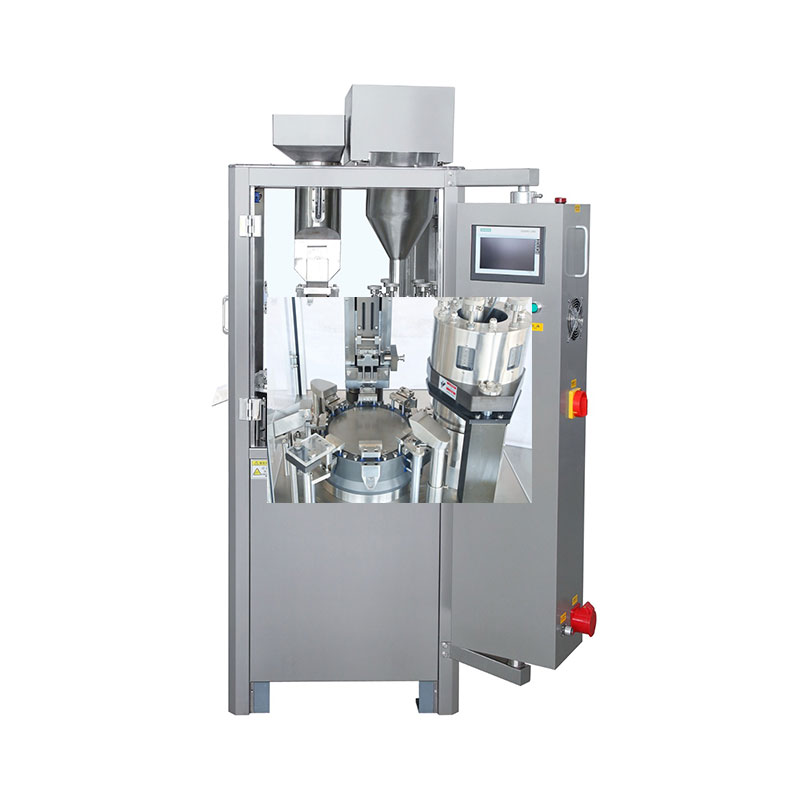
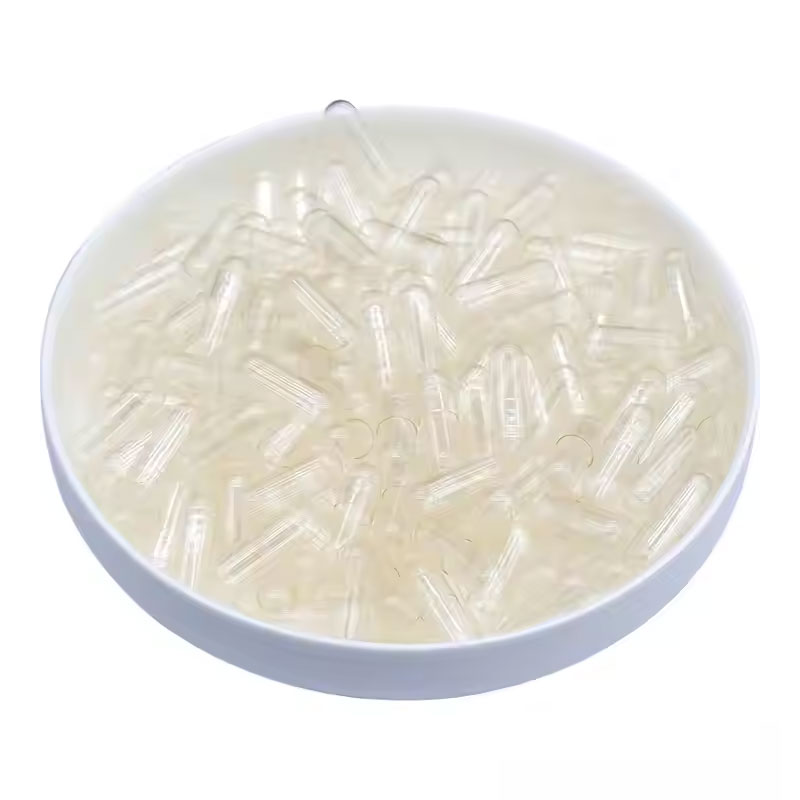
Best Selling Products
Best Selling Products-
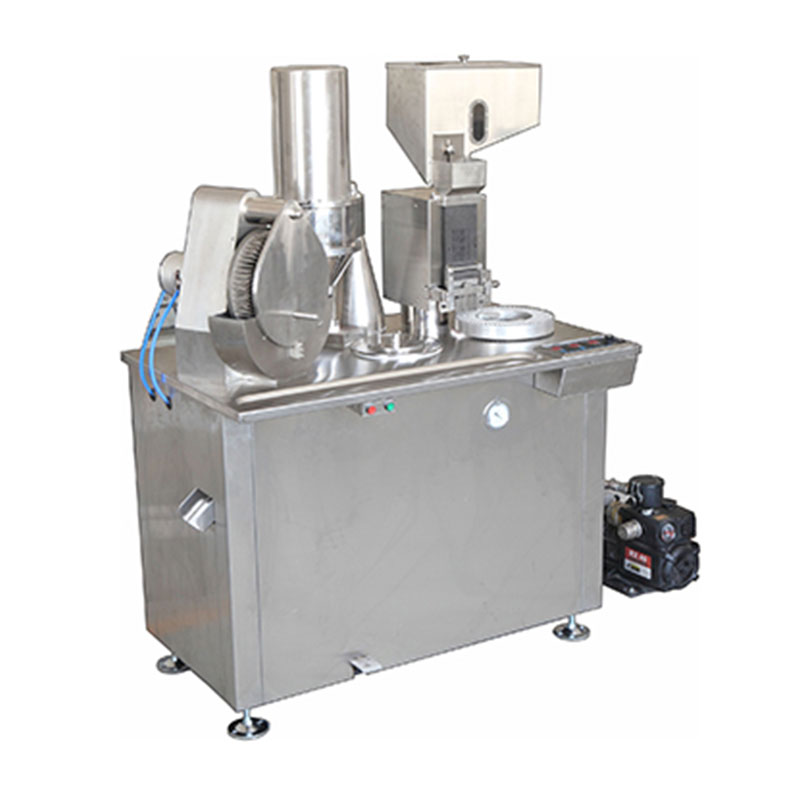 CGN208-D Newest Type Semi Automatic Capsule Filling Machine
 -
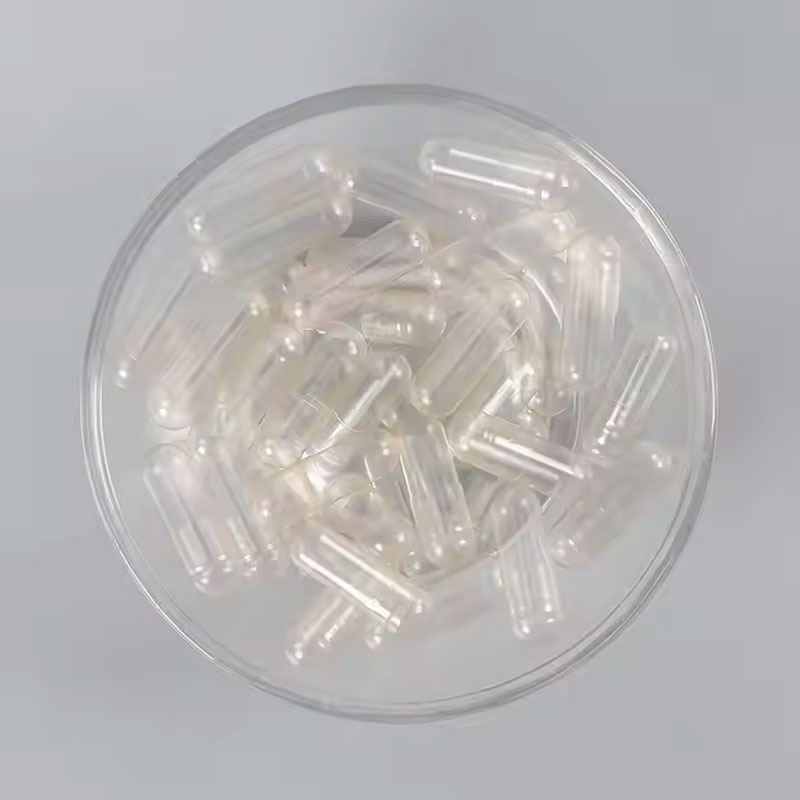 Hpmc Capsules Product Plant Vegetarian Size 00 0 Capsule Shell
 -
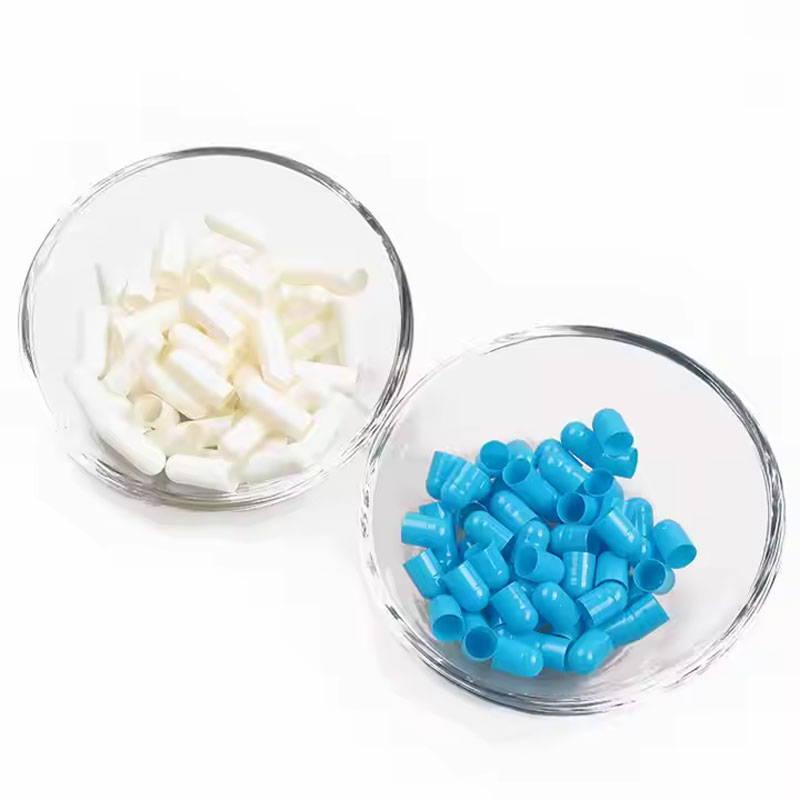 Empty VegCaps Shell Clear Empty Vegan Plant-Based Capsules Size 00 0 1 2 3 4 Natural Vegetable HPMC Capsules
 -
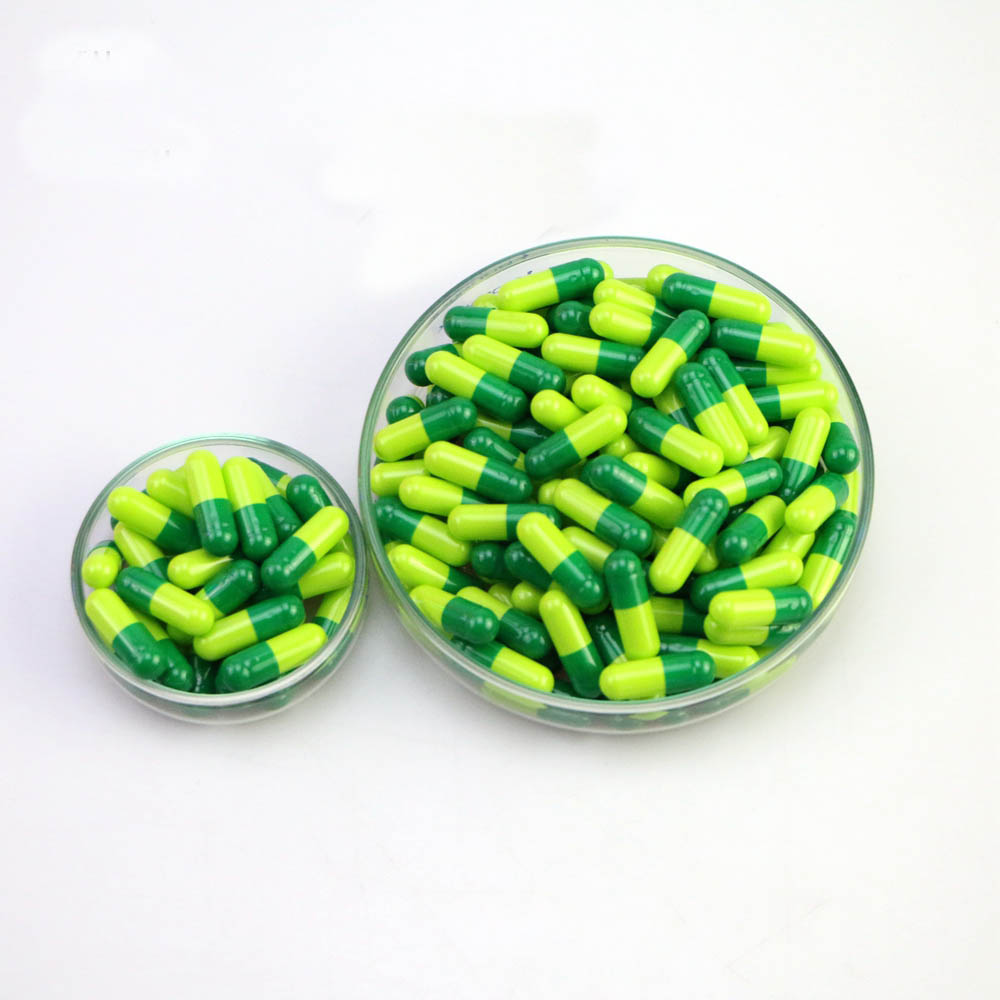 Halal empty hard geltin capsule
 -
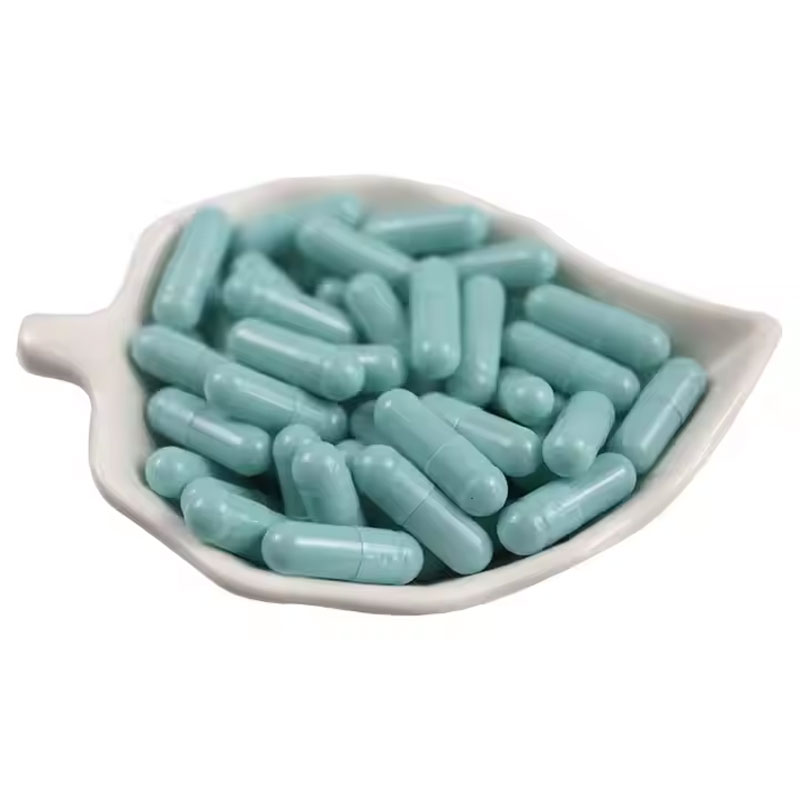 Vegetarian Separated Capsules HPMC Capsules Separated Wholesale Vegetarian Capsules Discount for Bulk Orders
 -
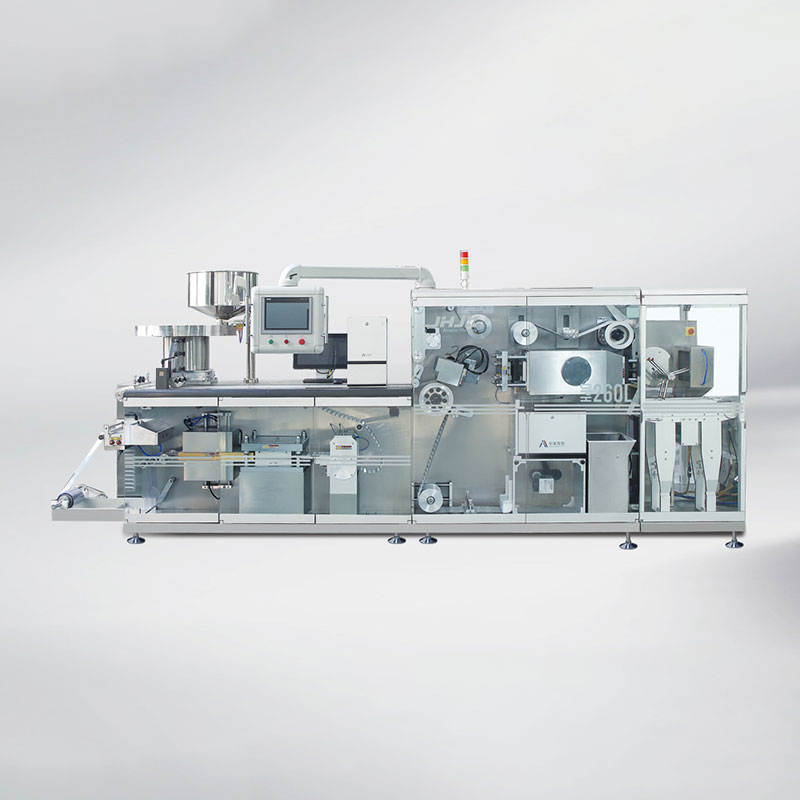 DPH-260L Roll-plate Blister Packaging Machine
 -
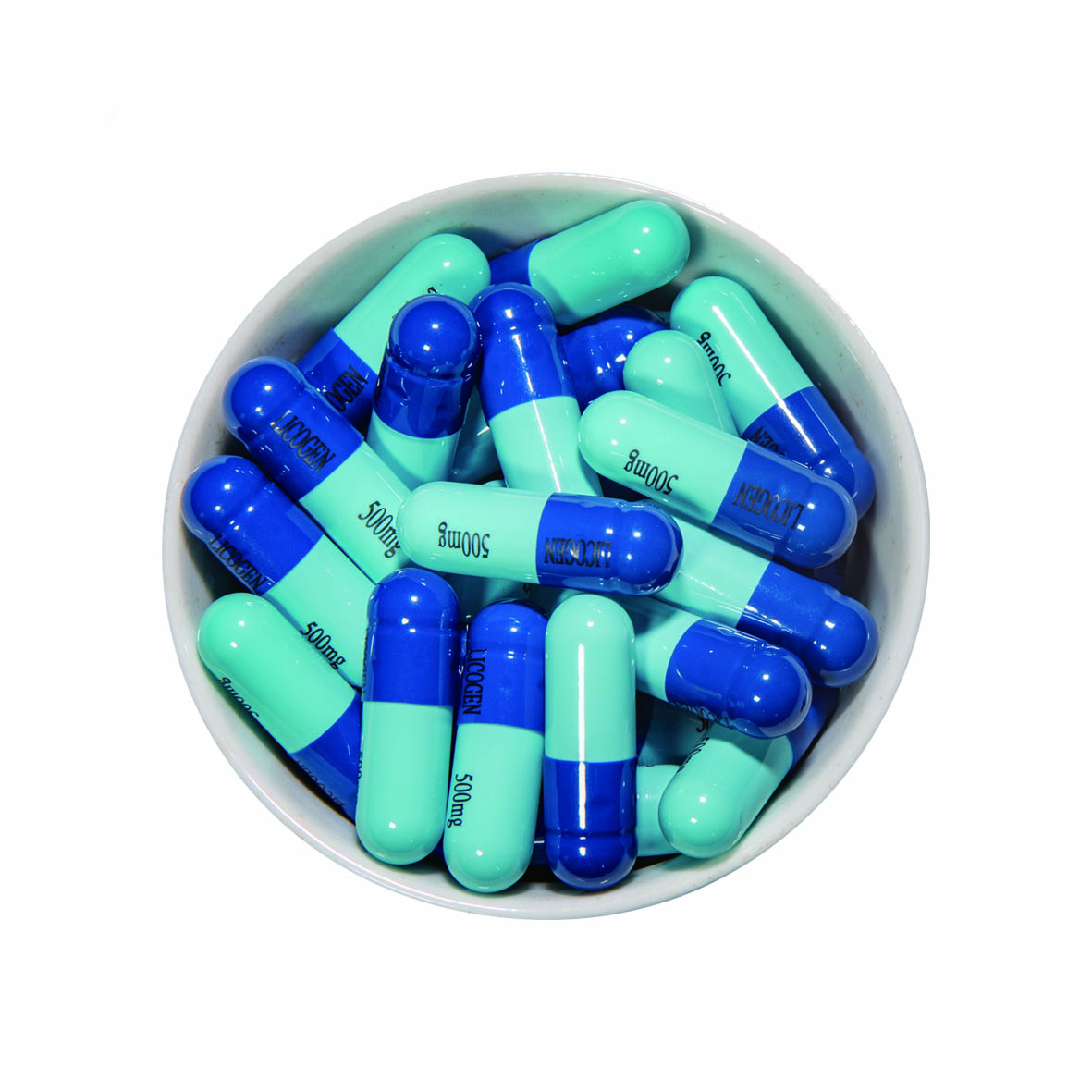 Hard Gelatin Empty Capsule Shell Size 00 0 1 2 3 4
 -
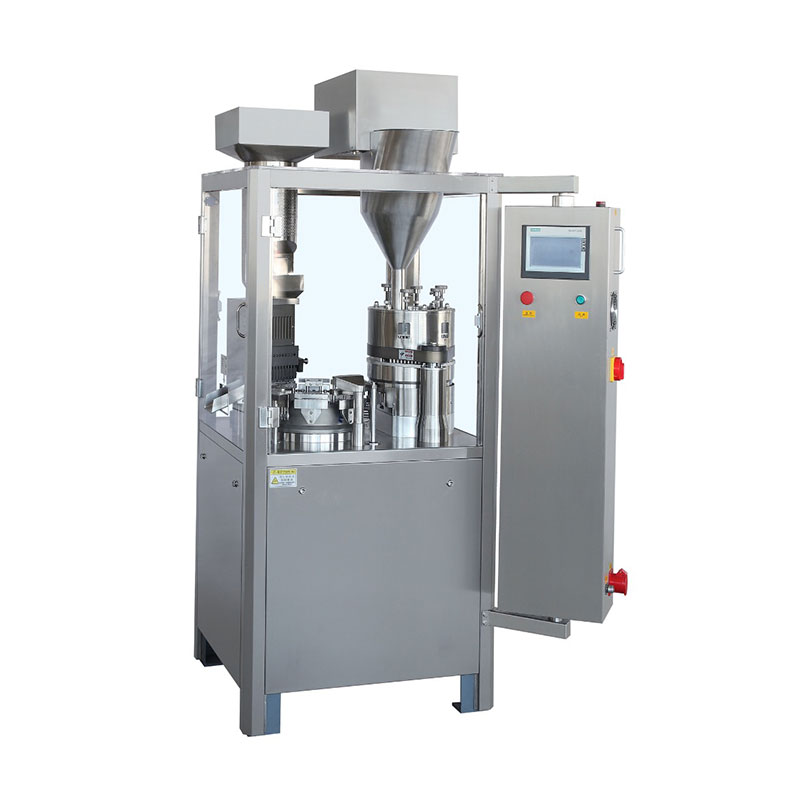 NJP-800 Automatic Capsule Filling Machine
 -
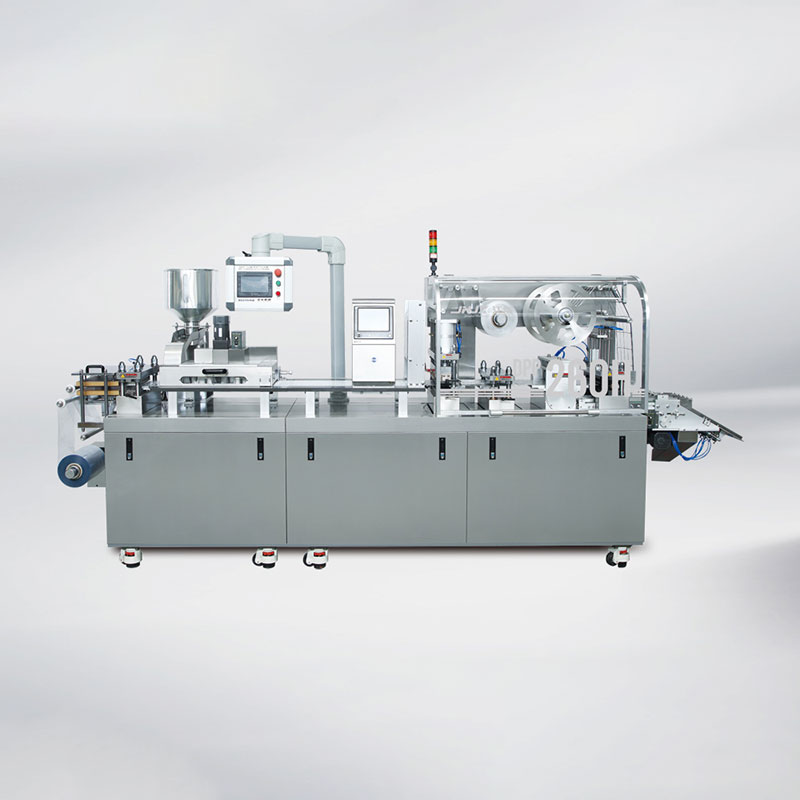 DPP-260H_DPP-320H Flat-plate Blister Packing Machine
 -
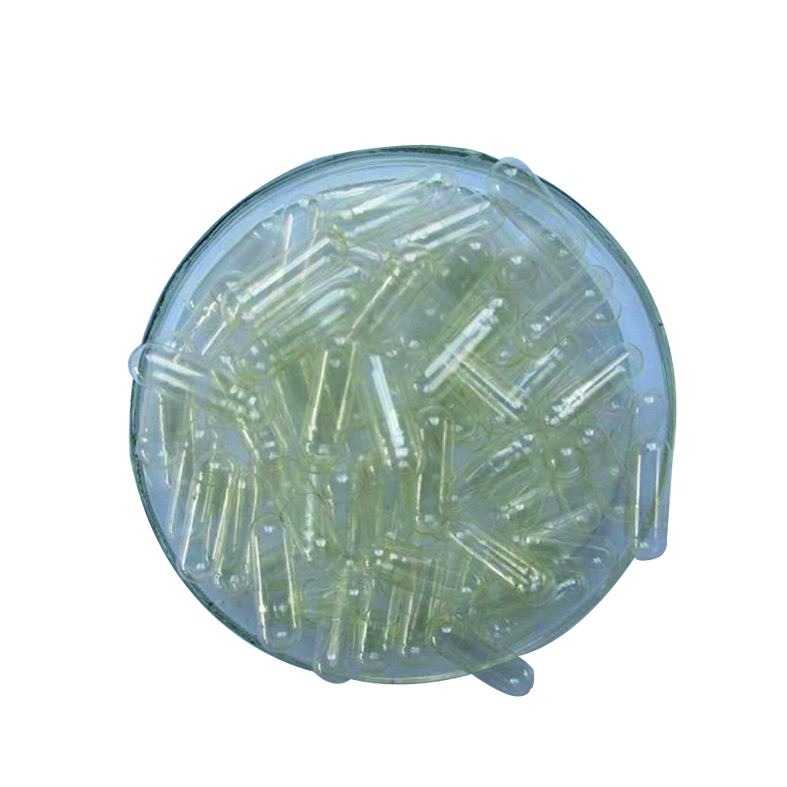 Halal Certificate Empty Clear Hard Gelatin Capsules Shell Size 0
 -
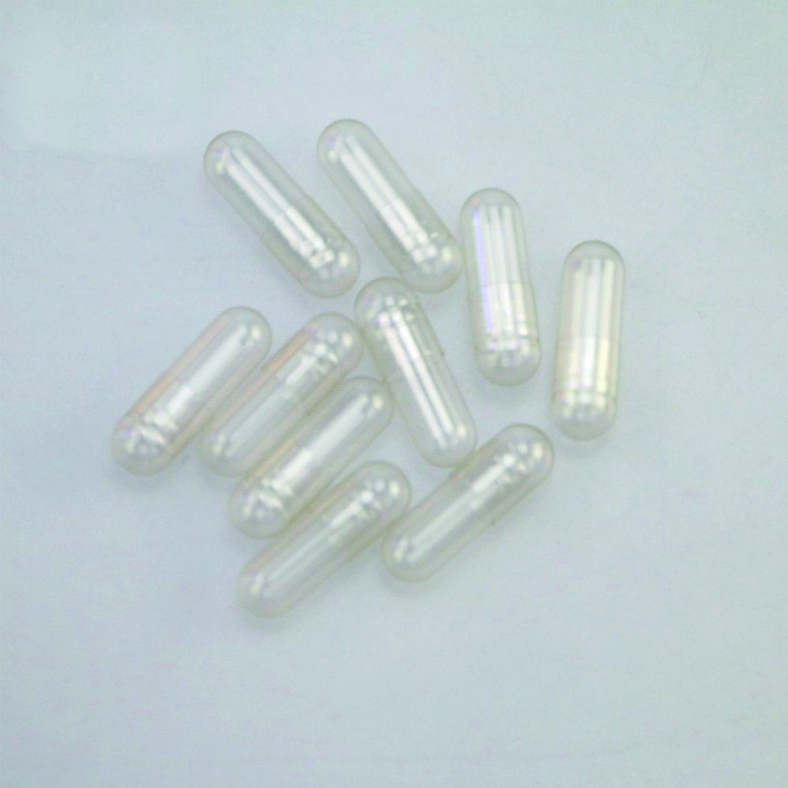 EMPTY HPMC CAPSULE SIZE 00 CLEAR
 -
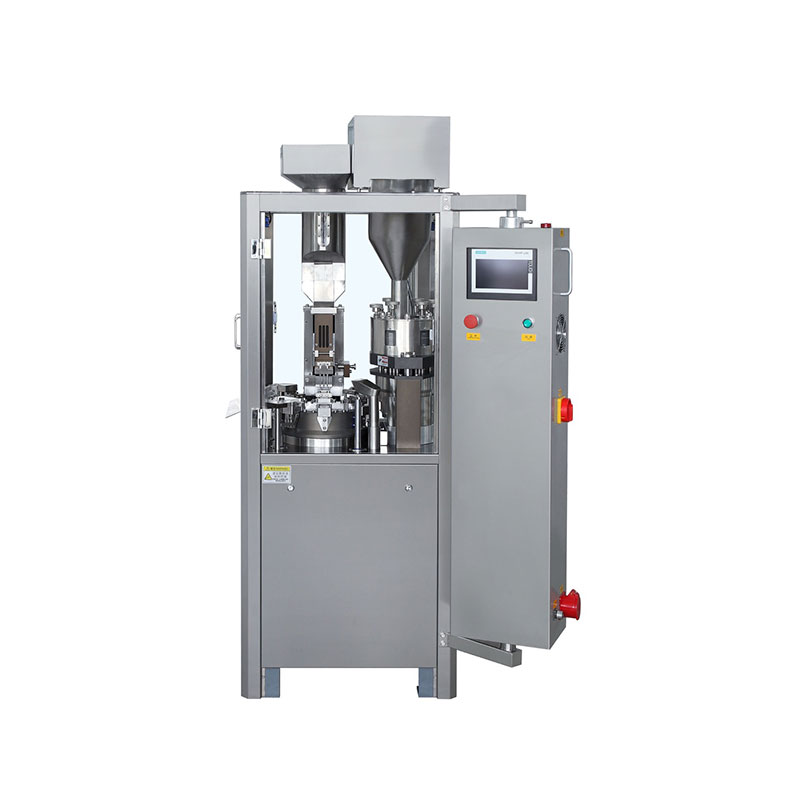 NJP-400 Fully Automatic Capsule Filling Machine
Related Search
Related Search- OEM the capsule machine size 0
- Discount semi-automatic capsule filling machine size 0
- Certificate empty vegetarian capsules near me
- Best sizes of veggie capsules
- OEM capsule filling machine size 2
- Best Empty Gealtin Capusle
- hard gelatin capsule
- high quality 000 capsule filling machine
- high quality capsule filling machine 00
- Best DPP 140 Blister machine