
- Chinese
- French
- German
- Portuguese
- Spanish
- Russian
- Japanese
- Korean
- Arabic
- Irish
- Greek
- Turkish
- Italian
- Danish
- Romanian
- Indonesian
- Czech
- Afrikaans
- Swedish
- Polish
- Basque
- Catalan
- Esperanto
- Hindi
- Lao
- Albanian
- Amharic
- Armenian
- Azerbaijani
- Belarusian
- Bengali
- Bosnian
- Bulgarian
- Cebuano
- Chichewa
- Corsican
- Croatian
- Dutch
- Estonian
- Filipino
- Finnish
- Frisian
- Galician
- Georgian
- Gujarati
- Haitian
- Hausa
- Hawaiian
- Hebrew
- Hmong
- Hungarian
- Icelandic
- Igbo
- Javanese
- Kannada
- Kazakh
- Khmer
- Kurdish
- Kyrgyz
- Latin
- Latvian
- Lithuanian
- Luxembou..
- Macedonian
- Malagasy
- Malay
- Malayalam
- Maltese
- Maori
- Marathi
- Mongolian
- Burmese
- Nepali
- Norwegian
- Pashto
- Persian
- Punjabi
- Serbian
- Sesotho
- Sinhala
- Slovak
- Slovenian
- Somali
- Samoan
- Scots Gaelic
- Shona
- Sindhi
- Sundanese
- Swahili
- Tajik
- Tamil
- Telugu
- Thai
- Ukrainian
- Urdu
- Uzbek
- Vietnamese
- Welsh
- Xhosa
- Yiddish
- Yoruba
- Zulu
- Kinyarwanda
- Tatar
- Oriya
- Turkmen
- Uyghur


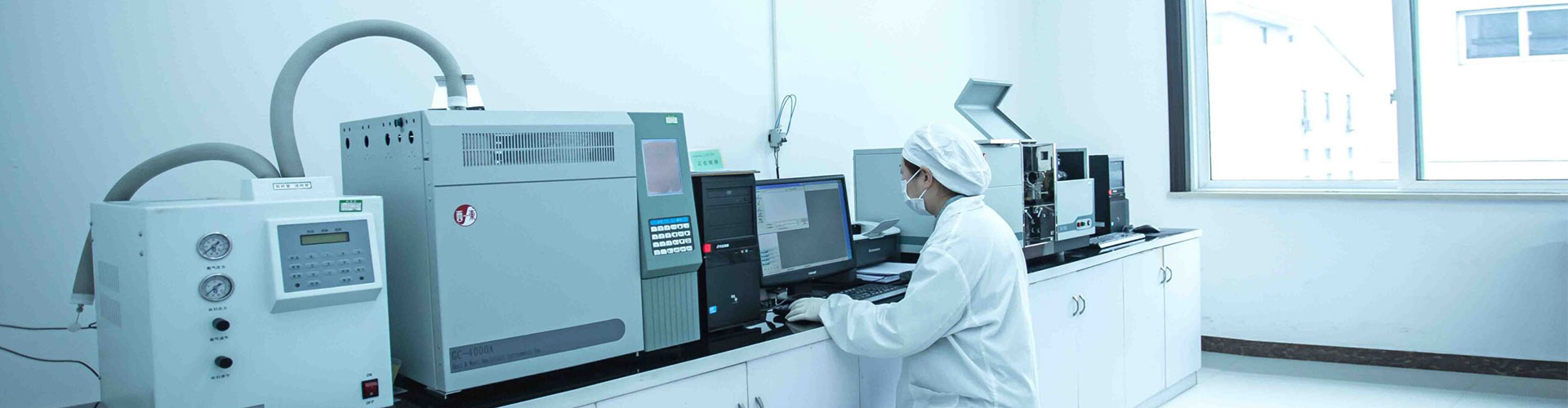
Best TiO2 free Capsule
Exploring the Best TiO2 Free Capsule: Insights from the Field
For anyone involved in pharmaceuticals or supplements, the move towards TiO2 free capsules is significant. Titanium dioxide, or TiO2, has been under scrutiny for potential health concerns, leading many manufacturers to explore alternatives. Yet, what truly makes a capsule 'the best' in this category? Is it solely about the absence of TiO2, or are there other factors at play? As someone who's navigated these waters numerous times, the answer is layered and always seems to evolve.
The Core of TiO2 Alternatives
At the heart of any good TiO2 free capsule is the material composition. Having worked closely with capsule manufacturing processes, the challenge often lies in maintaining stability and aesthetics without relying on TiO2. It's a balancing act—ensuring the capsule shell remains intact, digestible, and visually appealing. My experiences suggest that it's not just about substituting materials but rethinking formulations entirely.
A specific case comes to mind. In a project with SUQIAN KELAIYA INTERNATIONAL TRADING CO., LTD, we explored various fillers to replace TiO2. The approach involved not only bench-testing but also scaled production trials in their Zhejiang and Jiangsu sites. During these trials, we faced unexpected challenges, such as variability in fill uniformity—issues you only really catch after multiple production runs.
Moreover, when I say 'stability,' I don't just mean the capsule structure. It encompasses the compound inside, which can be sensitive to other materials. Different formulations can react differently, sometimes making the solution more complex than anticipated.
Navigating Regulatory Landscapes
Regulatory landscapes are another significant consideration. Across various markets, regulations regarding TiO2 have shifted, demanding quick pivots and new strategies. SUQIAN KELAIYA CORP, for example, has been proactive in adapting to these changes, ensuring compliance with new directives without compromising product quality.
There was a time when we had to quickly adapt a particular batch for a European client due to regulatory changes. This involved more than just switching to non-TiO2 capsules; it demanded that all other ingredients met the strictest guidelines. These experiences taught me that being dynamic and having a responsive supply chain are as vital as the capsule formulation itself.
The tightrope walk with regulations doesn't just end at compliance. Suitability testing, batch consistency, and documentation are all fundamentally critical, requiring close collaboration among all team members within production and regulatory departments.
Performance and Consumer Preferences
So why do consumers care? Beyond health implications, aesthetics still plays a huge role. The consumer market has, for better or worse, been conditioned to expect certain visual cues. Capsules that deviate from these expectations might be perceived as inferior, regardless of quality.
In the past, one of the noticeable shifts we observed was in consumer gravitation towards clear or naturally colored capsules as opposed to opaque ones—a nod to transparency in more ways than one. To meet this demand, ongoing discussions with marketing teams and consumer focus groups became necessary factors in product development.
Interestingly, while working with SUQIAN KELAIYA CORP, we've noticed newer films and coatings emerging, which enhance the capsules' appearance without TiO2. These features often assure consumers of the product's safety, aligning with growing health-conscious trends.
The Role of Technology and Machinery
Without a doubt, the machinery plays a pivotal role. The filling and blister machines at SUQIAN KELAIYA's facilities were central to our exploration of TiO2-free alternatives. These machines needed to handle the nuances of new capsule materials without compromising efficiency.
We occasionally faced hurdles—like shifts in capsule seating during high-speed operations—prompting iterative modifications to equipment settings. The learning curve was steep, but having adaptable technology made tackling these challenges much more manageable than if we had stuck with older machinery.
As technology evolves, so does the capability to produce more sophisticated, high-quality capsules. With the right machines, the transition to TiO2-free production becomes smoother, aiding in meeting both production goals and consumer expectations.
The Journey Ahead
The quest for the best TiO2 free capsule is ongoing. As new innovations arise and consumer demands change, staying at the cutting edge becomes both a challenge and an opportunity. Companies like SUQIAN KELAIYA INTERNATIONAL TRADING CO., LTD are continuously pushing the boundaries in order to provide safe, effective solutions.
For anyone in this field, sharing experiences, navigating challenges, and understanding the layers beyond just removing TiO2 becomes essential. The road might not be straightforward, but the destination—a safe, effective, and consumer-approved product—is well worth the journey.
Ultimately, it's this blend of science, compliance, and market understanding that drives progress. The best TiO2-free capsule, then, is not just a product; it's a testament to innovation and adaptation in an ever-shifting landscape.
Related Products
Related Products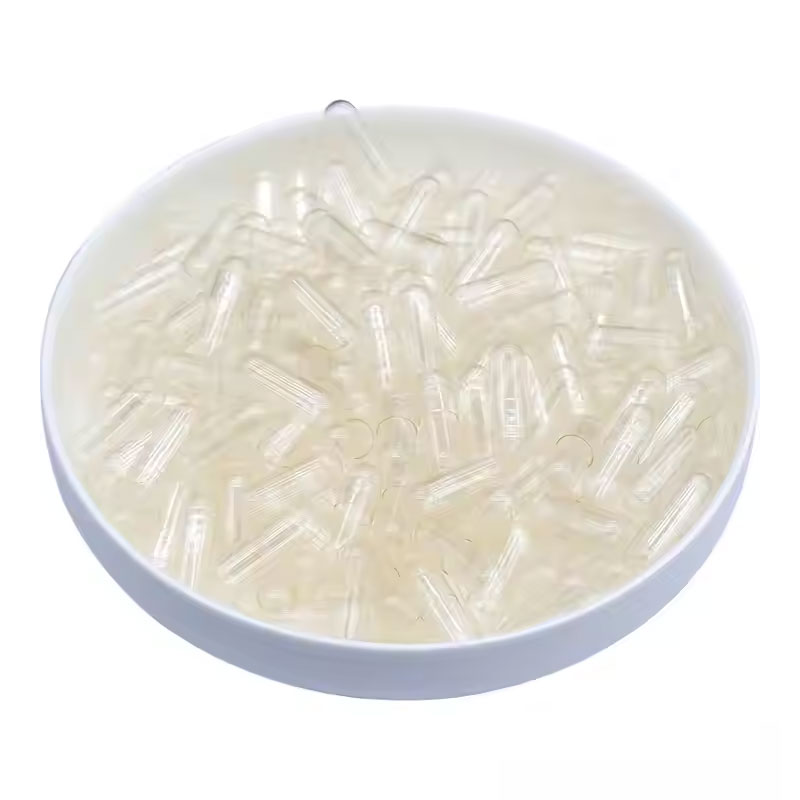
Best Selling Products
Best Selling Products-
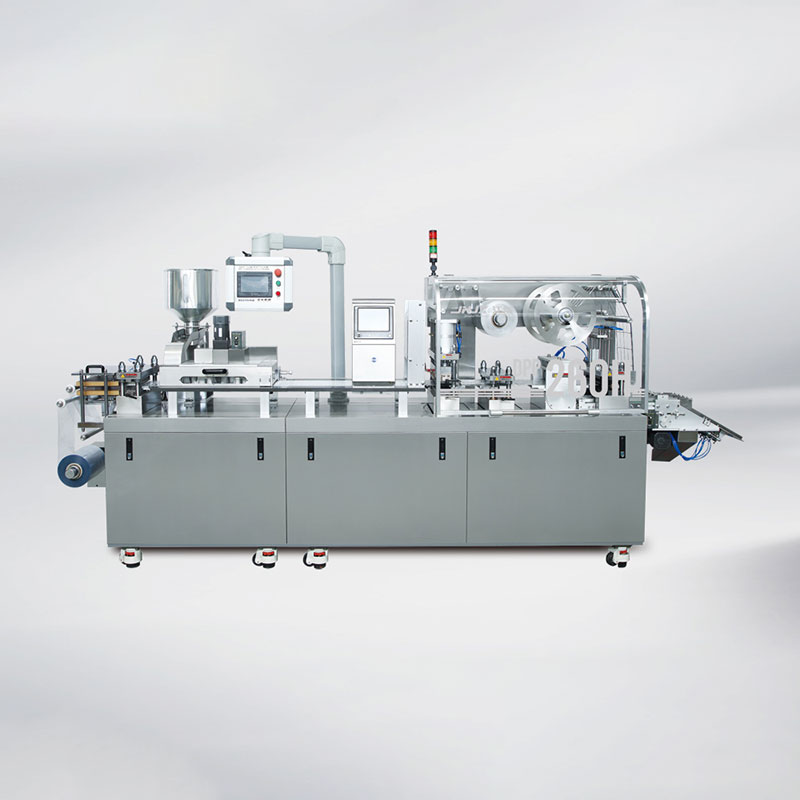 DPP-260H_DPP-320H Flat-plate Blister Packing Machine
 -
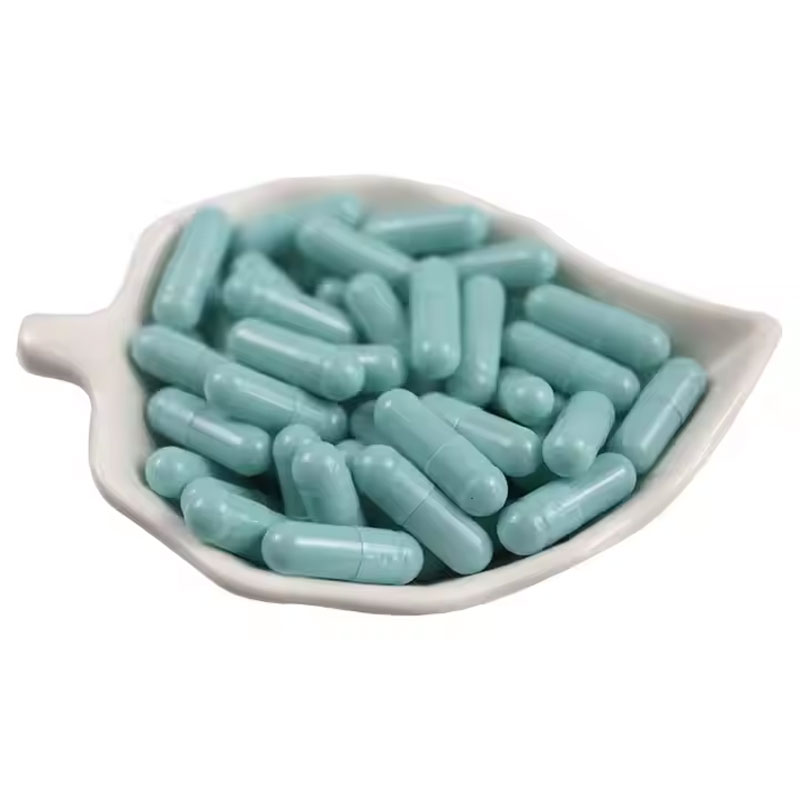 Vegetarian Separated Capsules HPMC Capsules Separated Wholesale Vegetarian Capsules Discount for Bulk Orders
 -
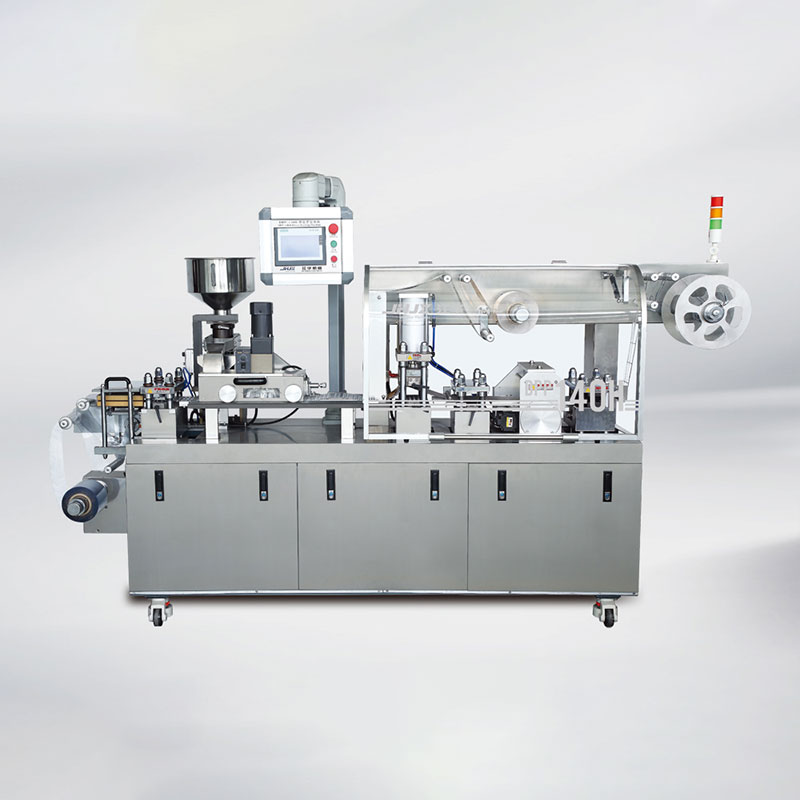 DPP-140H Flat-plate Blister Packing Machine
 -
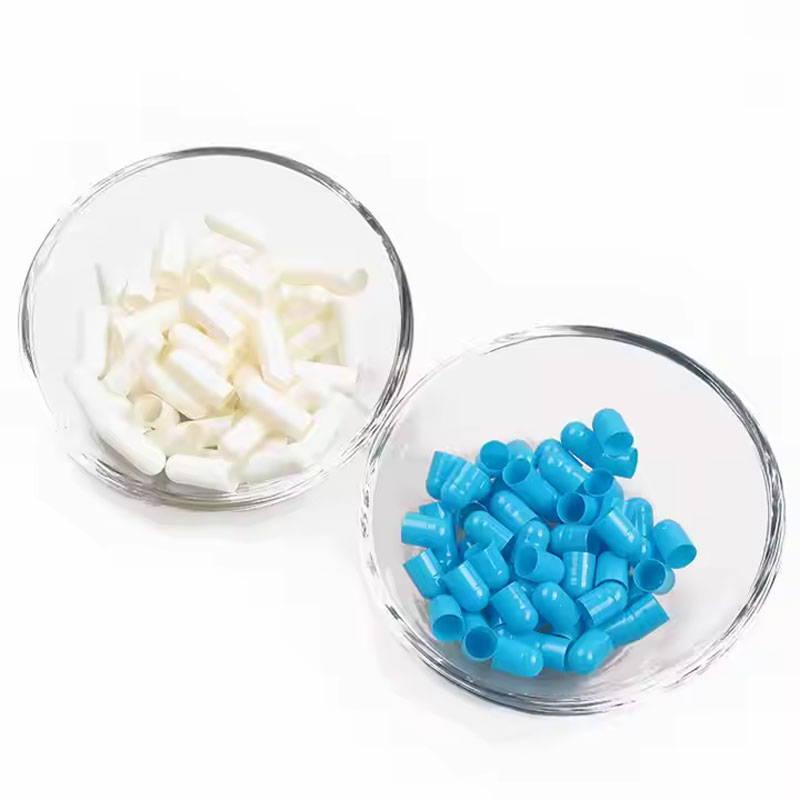 Empty VegCaps Shell Clear Empty Vegan Plant-Based Capsules Size 00 0 1 2 3 4 Natural Vegetable HPMC Capsules
 -
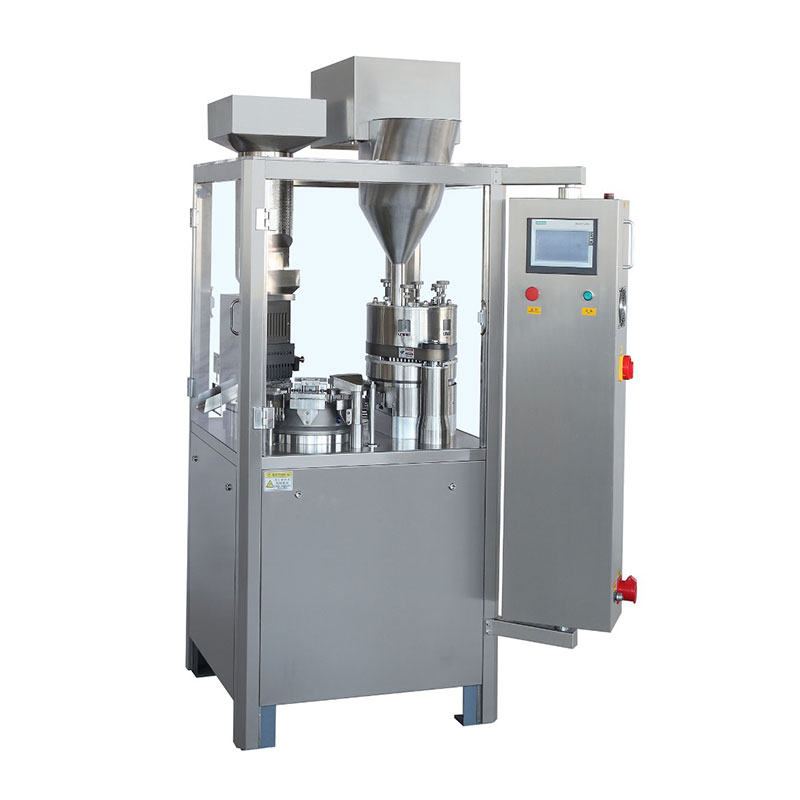 NJP-1200 Automatic Capsule Filling Machine
 -
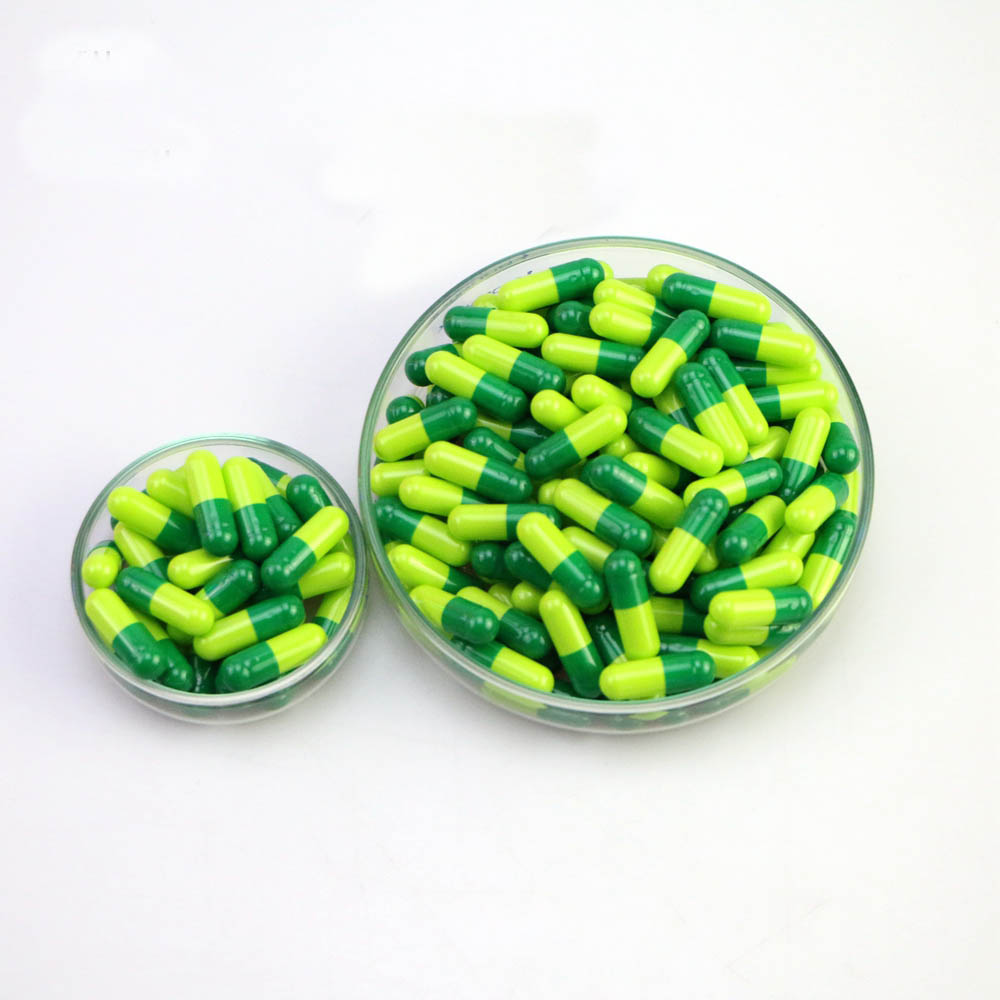
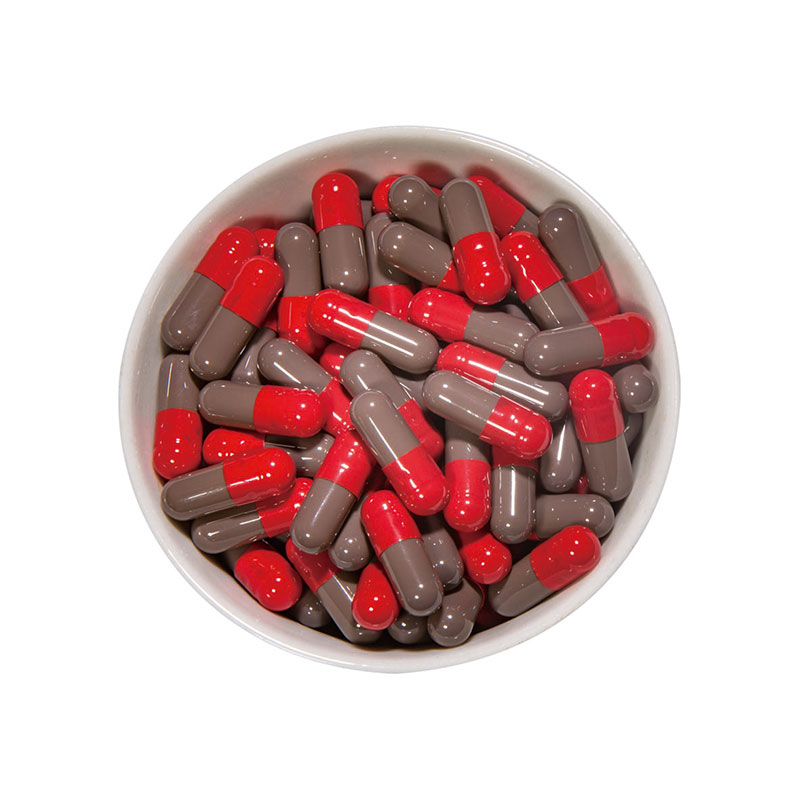 TIO2 free gelatin CAPSULE
 -
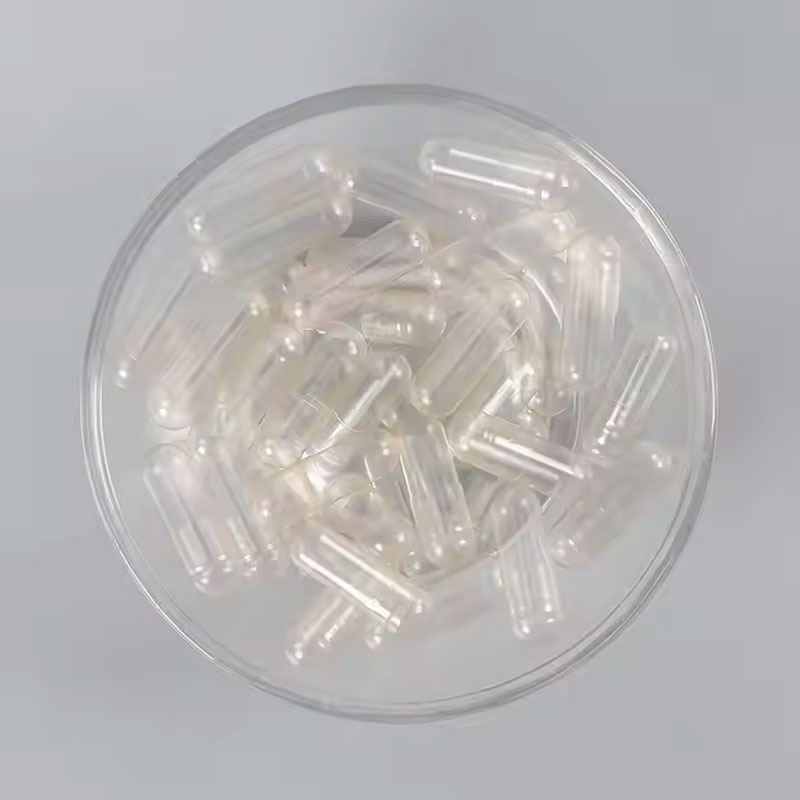
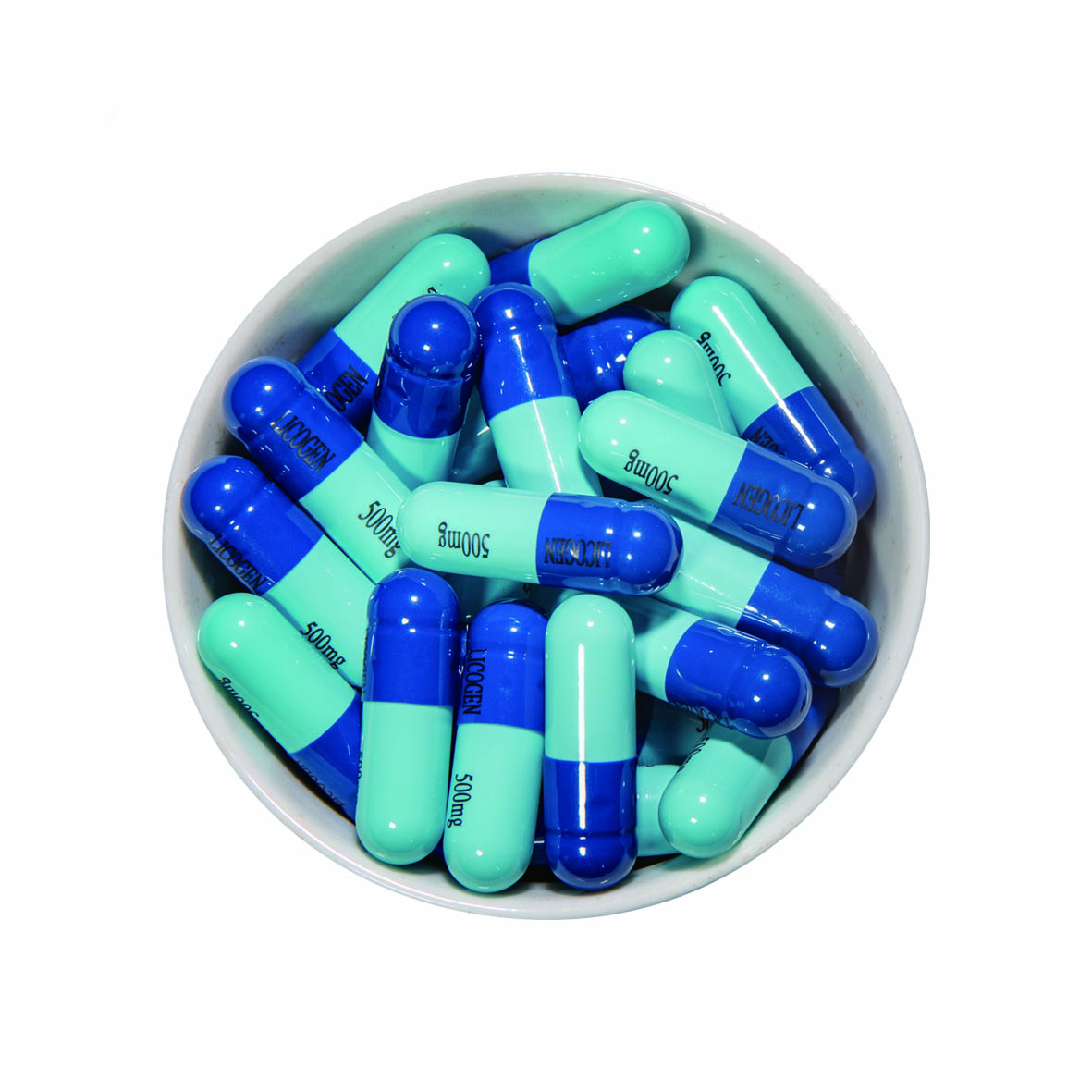 Hard Gelatin Empty Capsule Shell Size 00 0 1 2 3 4
 -
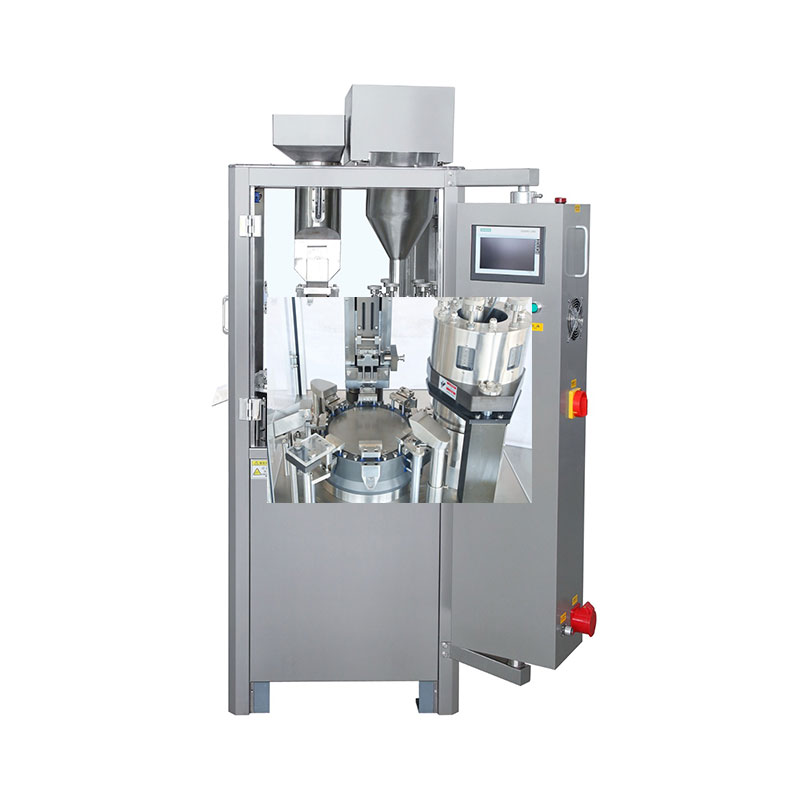 NJP-200 Model Fully Automatic Capsule Filling Machine
 -
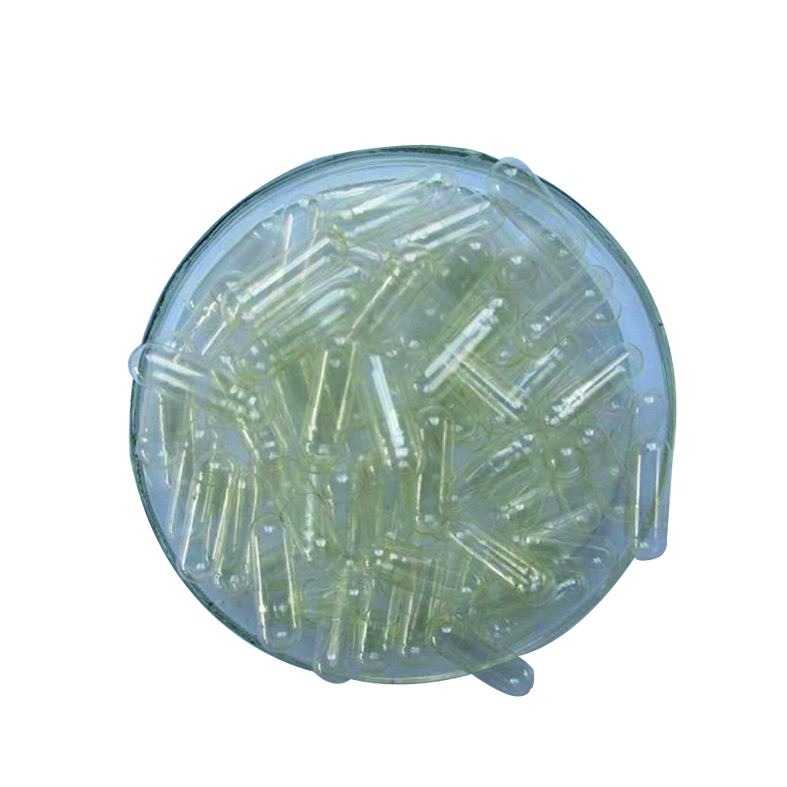 Halal Certificate Empty Clear Hard Gelatin Capsules Shell Size 0
 -
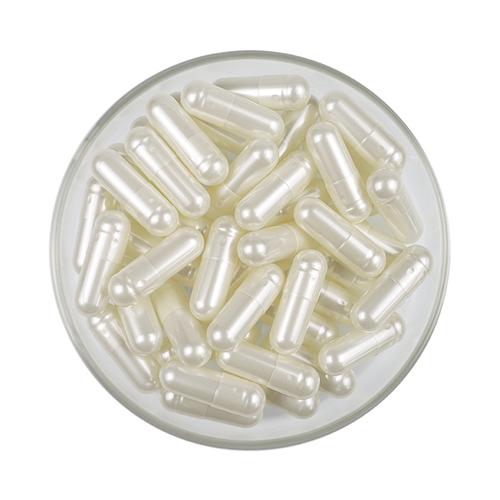 Golden_Pearl Hard Gelatin Capule
 -
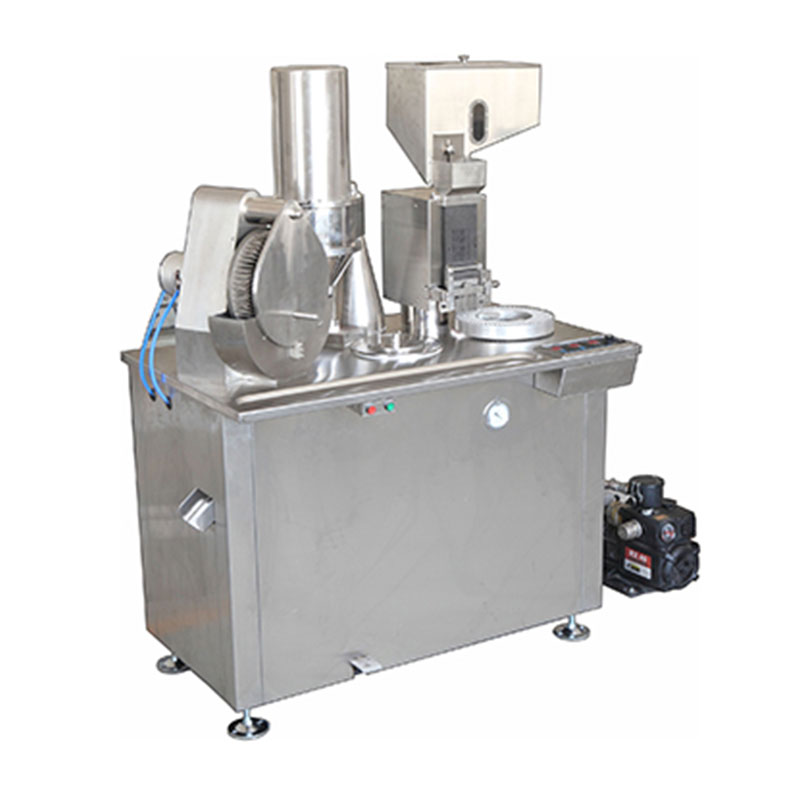 CGN208-D Newest Type Semi Automatic Capsule Filling Machine
 -
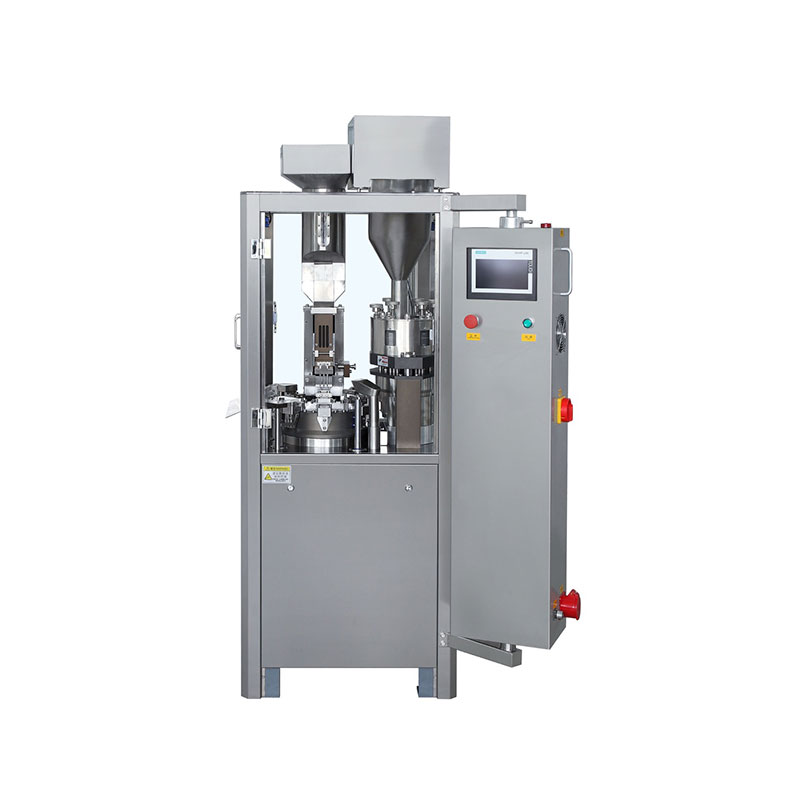 NJP-400 Fully Automatic Capsule Filling Machine
Related Search
Related Search- high quality semi automatic capsule filling machine
- Best gelatin capsule filling machine
- Discount automatic capsule filling machine
- Best 000 capsule filling machine
- vegetable capsules sizes
- high quality gelatin capsule filler
- high quality halala empty capsule
- OEM sizes of veggie capsules
- OEM 0 capsule filling machine
- OEM automatic capsule filling machine for sale