
- Chinese
- French
- German
- Portuguese
- Spanish
- Russian
- Japanese
- Korean
- Arabic
- Irish
- Greek
- Turkish
- Italian
- Danish
- Romanian
- Indonesian
- Czech
- Afrikaans
- Swedish
- Polish
- Basque
- Catalan
- Esperanto
- Hindi
- Lao
- Albanian
- Amharic
- Armenian
- Azerbaijani
- Belarusian
- Bengali
- Bosnian
- Bulgarian
- Cebuano
- Chichewa
- Corsican
- Croatian
- Dutch
- Estonian
- Filipino
- Finnish
- Frisian
- Galician
- Georgian
- Gujarati
- Haitian
- Hausa
- Hawaiian
- Hebrew
- Hmong
- Hungarian
- Icelandic
- Igbo
- Javanese
- Kannada
- Kazakh
- Khmer
- Kurdish
- Kyrgyz
- Latin
- Latvian
- Lithuanian
- Luxembou..
- Macedonian
- Malagasy
- Malay
- Malayalam
- Maltese
- Maori
- Marathi
- Mongolian
- Burmese
- Nepali
- Norwegian
- Pashto
- Persian
- Punjabi
- Serbian
- Sesotho
- Sinhala
- Slovak
- Slovenian
- Somali
- Samoan
- Scots Gaelic
- Shona
- Sindhi
- Sundanese
- Swahili
- Tajik
- Tamil
- Telugu
- Thai
- Ukrainian
- Urdu
- Uzbek
- Vietnamese
- Welsh
- Xhosa
- Yiddish
- Yoruba
- Zulu
- Kinyarwanda
- Tatar
- Oriya
- Turkmen
- Uyghur



Best kosher vegetable capsules
Understanding the Best Kosher Vegetable Capsules
When diving into the world of supplements, one term that often comes up is kosher vegetable capsules. These are not only appealing to those following a kosher diet but also to vegetarians and anyone cautious about their health. Here’s a dive into the nuances, the pitfalls, and the choices involved in finding the best options available.
Why Choose Kosher Vegetable Capsules?
Kosher vegetable capsules are rapidly gaining popularity because they cater to dietary restrictions while ensuring peace of mind about the source and composition. But why should one care about these capsules being kosher and vegetable-based? The answer lies in the assurance and transparency about ingredients that come with kosher certification, coupled with the plant-based nature of the capsules, which appeals health-wise to a broader audience.
From experience, it becomes evident that the most significant advantage lies in the purity and ethical preparation involved. However, it's not uncommon to find consumers confused about whether every vegetarian capsule is genuinely kosher. This assumption is frequent but incorrect. The kosher certification adds a layer of scrutiny that might otherwise be overlooked.
Here, it's essential to know your manufacturers. Reliable companies like SUQIAN KELAIYA INTERNATIONAL TRADING CO., LTD, known for their rigorous standards in new drug development and manufacturing, offer assurance. Investing time to understand the certifications can save a lot of guesswork and ensure top-quality choices.
The Challenges in Sourcing Kosher Vegetable Capsules
While the idea seems simple, procuring high-quality capsules has its challenges. The market is flooded with brands, some making dubious claims. A classic example involves discrepancies in labeling or certifications that aren't as credible as they seem. Ensuring the source is legitimate and trustworthy is paramount.
Another hurdle is availability. Despite growing demand, not every local store stocks these specialized products. Brands like those manufactured by Suqian kelaiya corp., with their manufacturing sites in Zhejiang and Jiangsu provinces, provide a reassuring option, knowing they meet high standards in production. The company's infrastructure for producing empty capsules and capsule filling machines strengthens this trust.
Then there's the issue of misunderstandings about what vegetable and kosher imply, in the context of capsules. People sometimes assume vegetable capsules will automatically be vegan, which is not always true due to potential cross-contamination or the use of non-vegan solvents.
Key Features to Consider in Capsule Selection
Look beyond labels and shiny packaging. The actual substance matters far more. Ensure that the capsules maintain integrity and stay intact upon consumption. This means checking for moisture-content control and durability of the capsule material under varying storage conditions.
Quality control is where companies like Suqian Kelaiya come into play. They maintain strict oversight at their manufacturing facilities, ensuring that every capsule meets the stringent criteria that one should be aiming for. It's not just a marketing claim; it's practice embedded in their production ethos.
Finally, compatibility with other substances should be considered. Not every capsule behaves the same way with different fillings, which can affect efficacy. Understanding these interactions will maximize the effectiveness of the supplement being consumed.
Exploring Practical Uses of Kosher Vegetable Capsules
One of the practical applications I discovered quite by accident was their use in homemade supplement projects. These capsules lend themselves well due to their neutrality and ease of use. However, it's critical to ensure sterility and precision when filling them to maintain health standards.
For businesses involved in personalized medicine or supplements, these capsules offer a customizable aspect that's hard to match. The empty capsules manufactured by Suqian Kelaiya can be a game-changer for small-scale operations looking for reliability and cost-effectiveness.
This experiential insight underlines why choosing the right kind of capsule is pivotal. It isn't merely about the casing; it's about ensuring the entire health supplement process remains uncompromised.
The Economic Implications
On the economic side, opting for high-quality kosher vegetable capsules can initially seem like an extravagance. But when viewed through the lens of health outcomes and adherence to dietary standards, it becomes an invaluable investment.
Partnering with established manufacturers reduces the risk associated with counterfeit or low-quality products, often prevalent in less regulated markets. The investment in brands like Suqian Kelaiya, known for their transparency and commitment to quality, pays off in credibility and long-term satisfaction.
In conclusion, while the choice of kosher vegetable capsules may appear trivial at a glance, it encapsulates a deeper commitment to health standards, personal ethics, and lifestyle choices. This understanding can transform how supplements are perceived and consumed.
Related Products
Related Products

Best Selling Products
Best Selling Products-
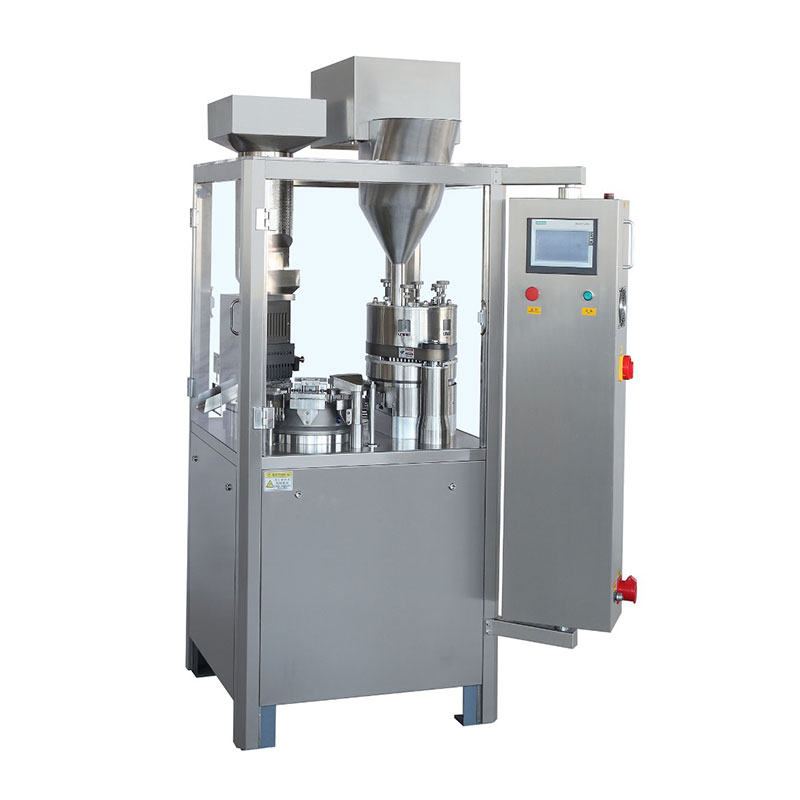 NJP-1200 Automatic Capsule Filling Machine
 -
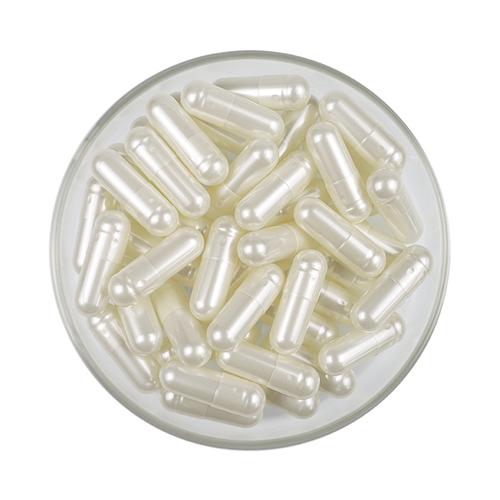 Golden_Pearl Hard Gelatin Capule
 -
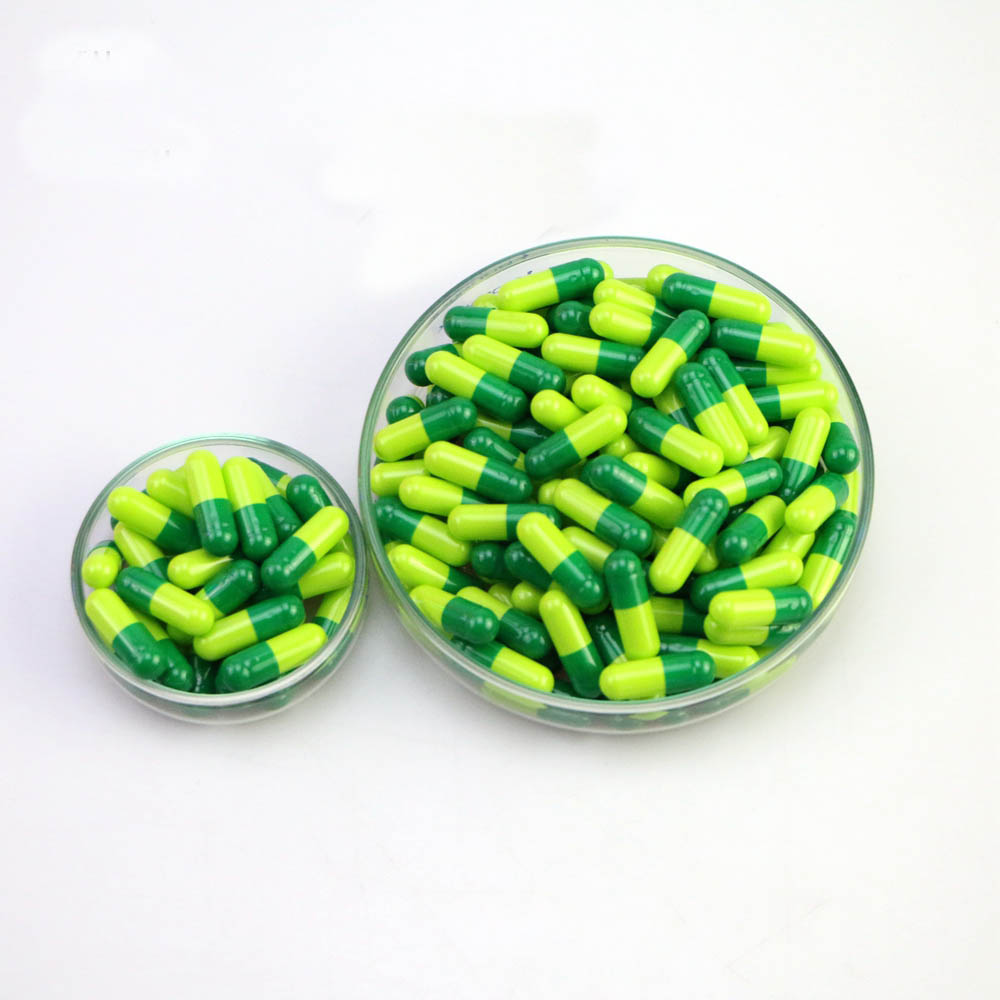 Halal empty hard geltin capsule
 -
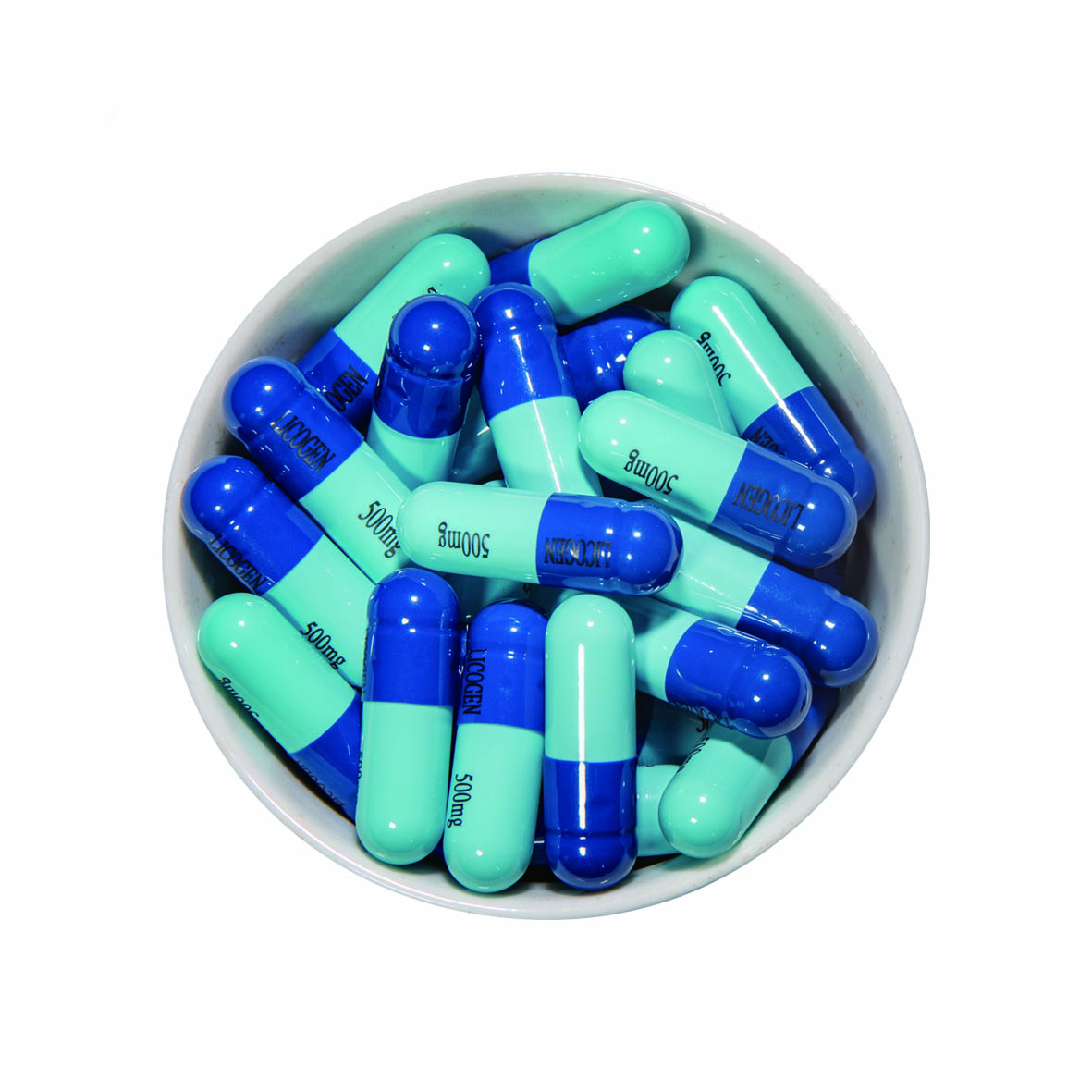 Hard Gelatin Empty Capsule Shell Size 00 0 1 2 3 4
 -
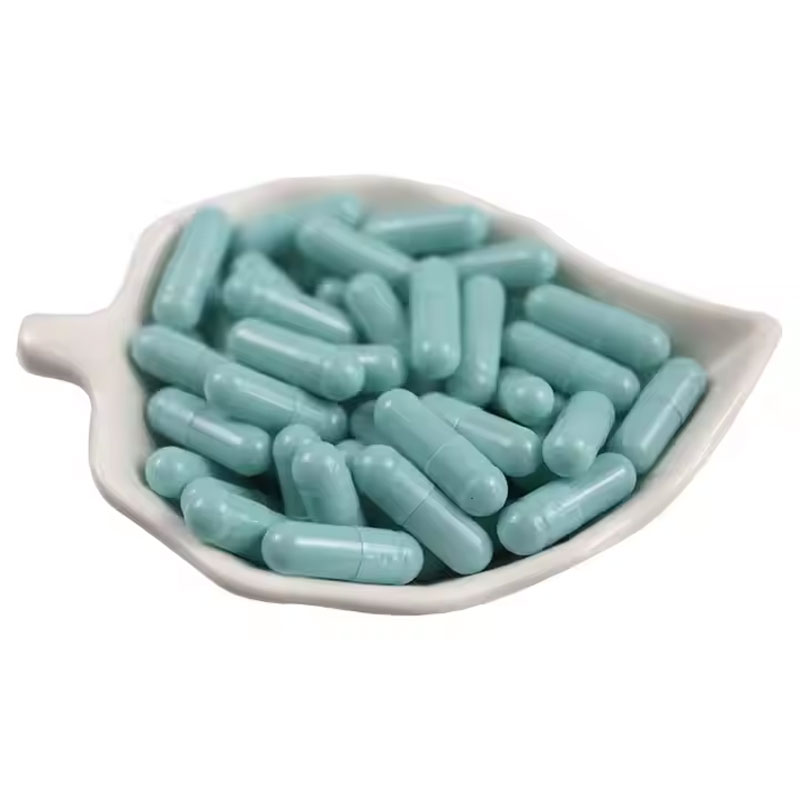 Vegetarian Separated Capsules HPMC Capsules Separated Wholesale Vegetarian Capsules Discount for Bulk Orders
 -
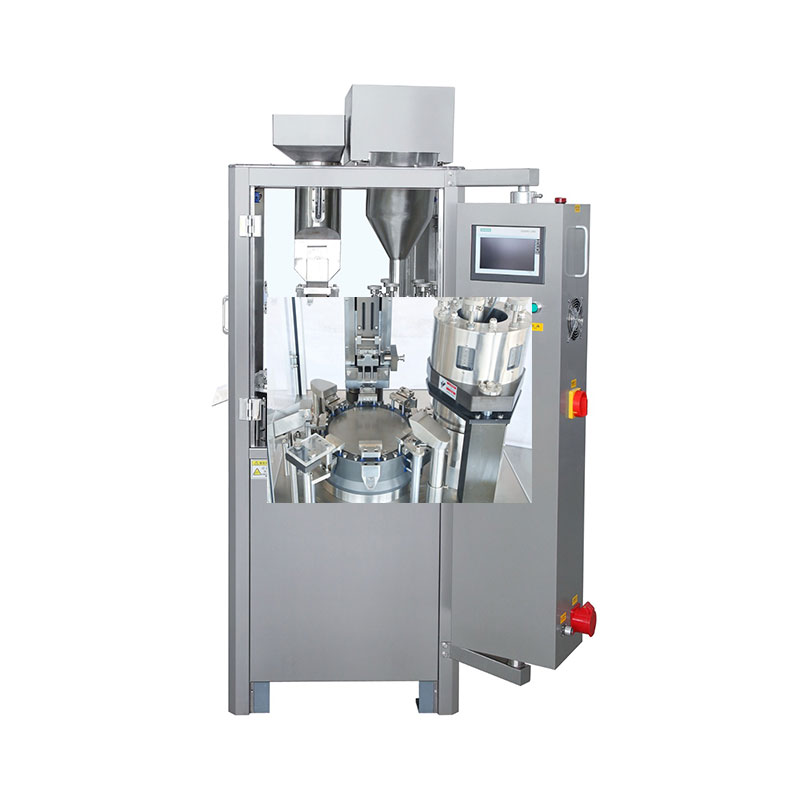 NJP-200 Model Fully Automatic Capsule Filling Machine
 -
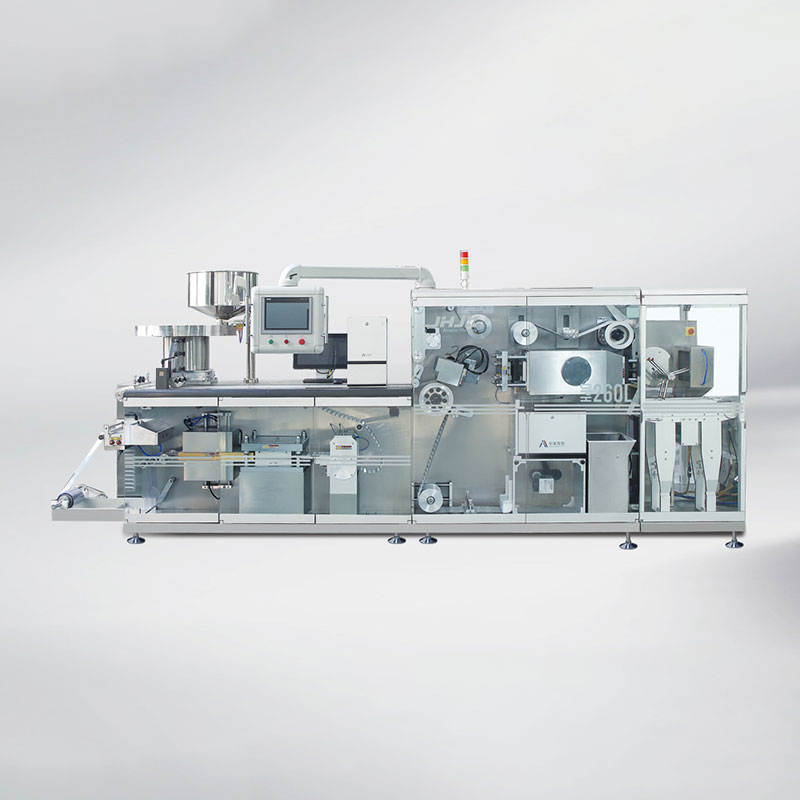 DPH-260L Roll-plate Blister Packaging Machine
 -
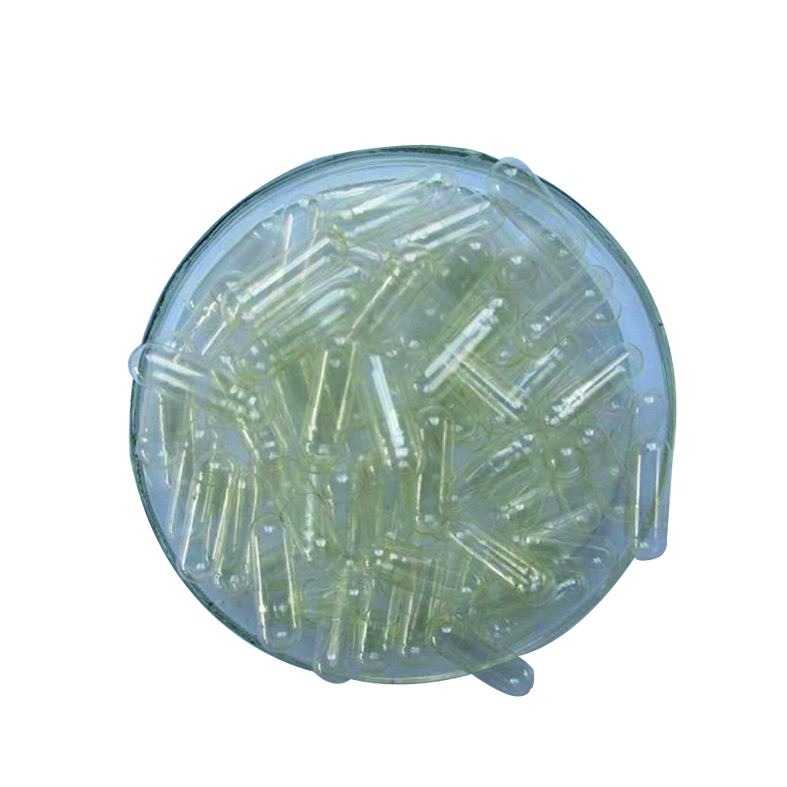 Halal Certificate Empty Clear Hard Gelatin Capsules Shell Size 0
 -
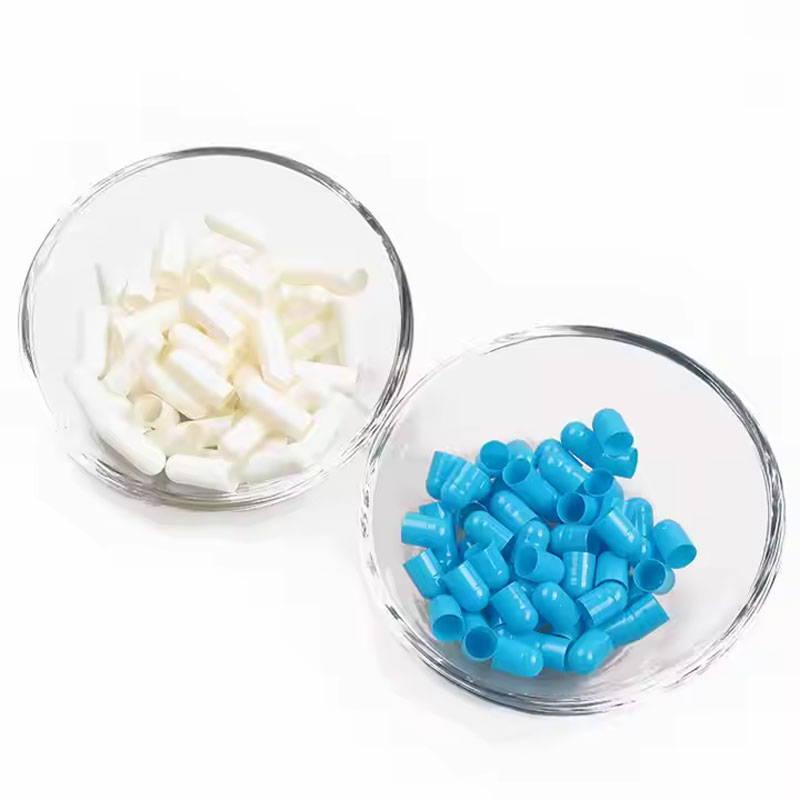 Empty VegCaps Shell Clear Empty Vegan Plant-Based Capsules Size 00 0 1 2 3 4 Natural Vegetable HPMC Capsules
 -
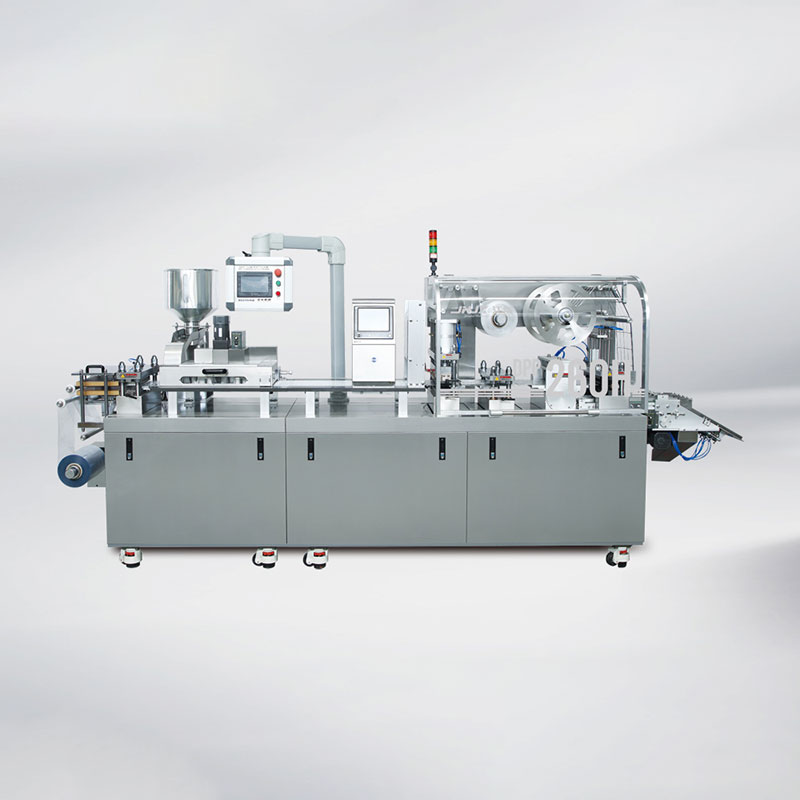 DPP-260H_DPP-320H Flat-plate Blister Packing Machine
 -
 Hpmc Capsules Product Plant Vegetarian Size 00 0 Capsule Shell
 -
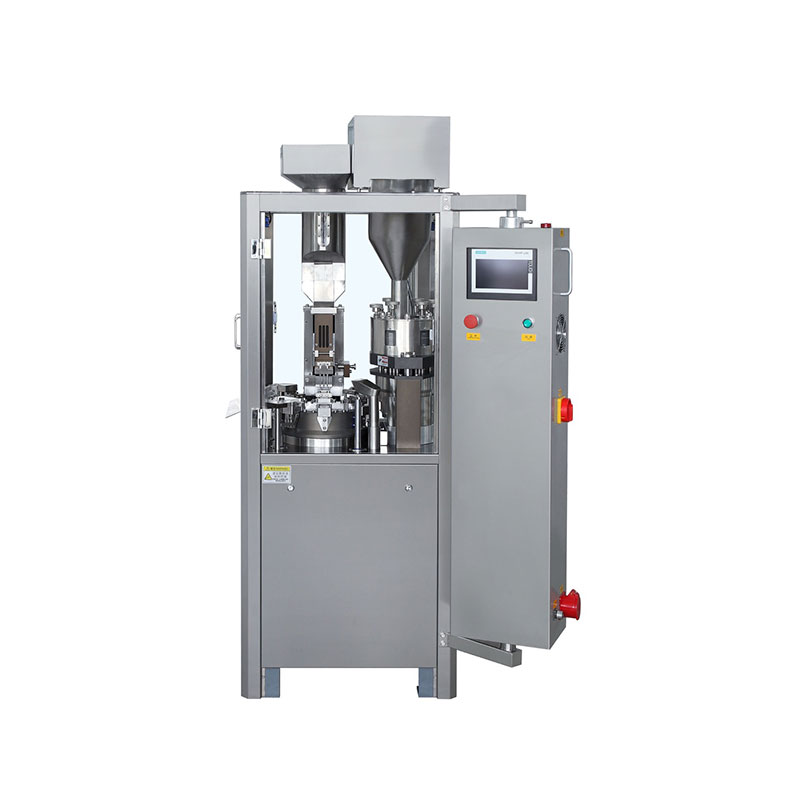 NJP-400 Fully Automatic Capsule Filling Machine
Related Search
Related Search- Best capsule filling machine size 2
- capsule filling machines professional
- high quality 00 veggie capsules
- Certificate capsule filling machine 00
- OEM empty vegetable capsules cvs
- high quality capsule filler size 00
- OEM best capsule filling machine
- Best size 5 capsule filling machine
- Discount best capsule filling machine
- Discount empty Vegetable Capsule