
- Chinese
- French
- German
- Portuguese
- Spanish
- Russian
- Japanese
- Korean
- Arabic
- Irish
- Greek
- Turkish
- Italian
- Danish
- Romanian
- Indonesian
- Czech
- Afrikaans
- Swedish
- Polish
- Basque
- Catalan
- Esperanto
- Hindi
- Lao
- Albanian
- Amharic
- Armenian
- Azerbaijani
- Belarusian
- Bengali
- Bosnian
- Bulgarian
- Cebuano
- Chichewa
- Corsican
- Croatian
- Dutch
- Estonian
- Filipino
- Finnish
- Frisian
- Galician
- Georgian
- Gujarati
- Haitian
- Hausa
- Hawaiian
- Hebrew
- Hmong
- Hungarian
- Icelandic
- Igbo
- Javanese
- Kannada
- Kazakh
- Khmer
- Kurdish
- Kyrgyz
- Latin
- Latvian
- Lithuanian
- Luxembou..
- Macedonian
- Malagasy
- Malay
- Malayalam
- Maltese
- Maori
- Marathi
- Mongolian
- Burmese
- Nepali
- Norwegian
- Pashto
- Persian
- Punjabi
- Serbian
- Sesotho
- Sinhala
- Slovak
- Slovenian
- Somali
- Samoan
- Scots Gaelic
- Shona
- Sindhi
- Sundanese
- Swahili
- Tajik
- Tamil
- Telugu
- Thai
- Ukrainian
- Urdu
- Uzbek
- Vietnamese
- Welsh
- Xhosa
- Yiddish
- Yoruba
- Zulu
- Kinyarwanda
- Tatar
- Oriya
- Turkmen
- Uyghur



Best filler used in hard gelatin capsule
The Best Fillers for Hard Gelatin Capsules: Industry Insights
Choosing the right filler for hard gelatin capsules is a critical decision in the pharmaceutical industry. There are various factors to consider, from the physical properties of the filler to regulatory implications. In this article, we navigate through different fillers, share practical experiences, and discover what has worked—and what hasn’t—in real-world applications.
Understanding Capsule Fillers
The selection of a filler for hard gelatin capsules often begins with understanding its intended purpose. Fillers not only add volume but can affect the release and absorption of the active pharmaceutical ingredient (API). Early in my career, I recall a project where we underestimated the impact of filler choice on bioavailability. Lessons learned!
Common fillers like lactose, microcrystalline cellulose, and dicalcium phosphate are staples—but are they always the best choice? Not necessarily. It’s vital to consider the interaction between the filler and the API. In one instance, we found that microcrystalline cellulose provided the best stability for a particularly sensitive API.
Remember, the primary role of fillers is to achieve the desired weight and uniformity. Each filler has different flow properties, and the choice can significantly impact manufacturing efficiency. I’ve seen production slow down drastically because of poorly chosen fillers.
Case Study: Lactose as a Filler
Lactose has been used widely due to its cost-effectiveness and availability. However, using lactose isn't without its challenges. Lactose is notorious for hygroscopicity, which might not pair well with moisture-sensitive APIs. In a project at Suqian Kelaiya International Trading Co., Ltd, we had to switch to anhydrous lactose to manage moisture issues.
Moreover, lactose can create troubleshooting headaches when it comes to compatibility with certain APIs. We encountered stability problems with a hygroscopic active ingredient. From this, I learned that pre-formulation studies are indispensable in the filler selection process.
It's also worth noting regulatory concerns regarding lactose in medications meant for lactose-intolerant patients. Always keep the end user in mind when selecting fillers.
Advanced Fillers: HPMC and Beyond
Hydroxypropyl methylcellulose (HPMC) and its variations have emerged as popular alternatives. At Suqian Kelaiya Corp., we've used HPMC in formulations aiming for a more natural or vegetarian label. This material has proven to have excellent stability characteristics.
Interestingly, HPMC offers a great moisture barrier, which has come in handy while working with encapsulations requiring longer shelf life and stable release profiles. The transition to HPMC was smooth when using advanced capsule filling machines available through our company's resources.
However, cost and processing challenges can deter companies from switching to HPMC universally. The cost-benefit analysis is crucial for each project to determine if HPMC’s advantages outweigh its significantly higher price.
Dealing with Overcoming Challenges
Each filler brings its own set of challenges. Over the years, I have seen issues arise from unexpected sources such as compatibility, regulatory changes, and mechanical processing problems. Each challenge often requires a tailored solution specific to the filler in use.
For instance, while dicalcium phosphate is an excellent flowing agent and provides good compressibility, it can react with alkaline-sensitive APIs, leading to early trials debunking its suitability. A keen eye on these properties during formulation can save significant time and resources.
Working with Suqian Kelaiya Corp.'s extensive capabilities in new drug development and capsule manufacturing has provided unique insights into overcoming these hurdles through innovative technologies and techniques.
The Role of Technology in Choosing Fillers
With advancements in capsule filling technology, the impact of fillers can be better controlled. Automated systems available at Suqian Kelaiya International Trading Co., Ltd help in achieving more consistent results with complex formulations. The use of advanced blister machines further complements this by ensuring that even naturally unstable formulations can have a reliable shelf life.
Technological progress helps address issues of flow properties and compatibility more efficiently than ever. Machines produced at our Zhejiang and Jiangsu sites in particular enable a precision manufacturing process that can adapt quickly to different fillers.
Ultimately, the choice of filler should reflect a balance between formulation needs and cost-efficiency, with an eye on future-proofing against regulatory changes. The collaboration with technical experts and leveraging advanced manufacturing capabilities, like those at Suqian Kelaiya Corp., are essential in making informed decisions.
Related Products
Related Products
Best Selling Products
Best Selling Products-
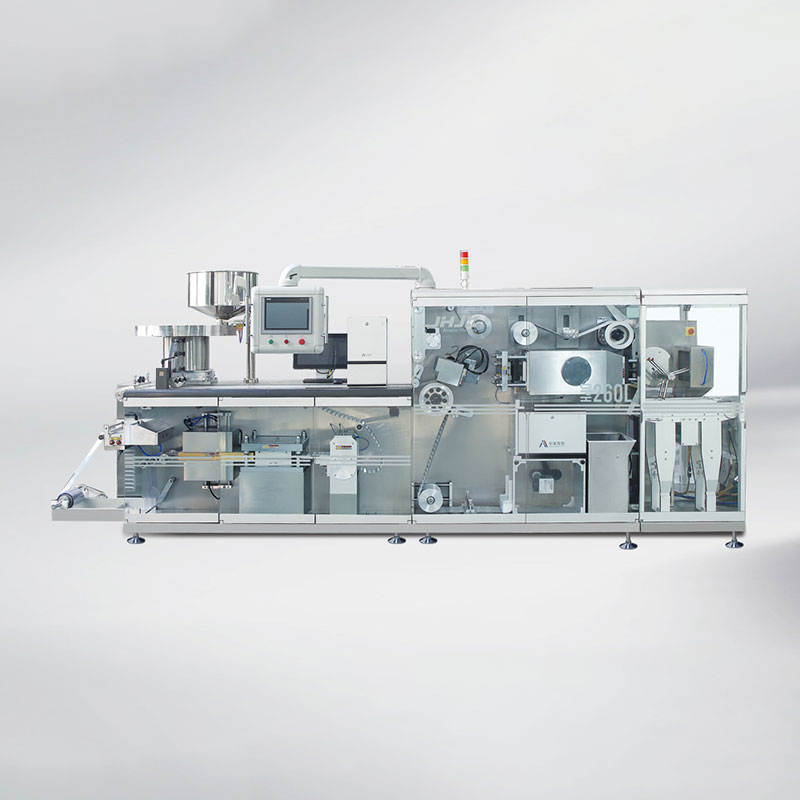 DPH-260L Roll-plate Blister Packaging Machine
 -
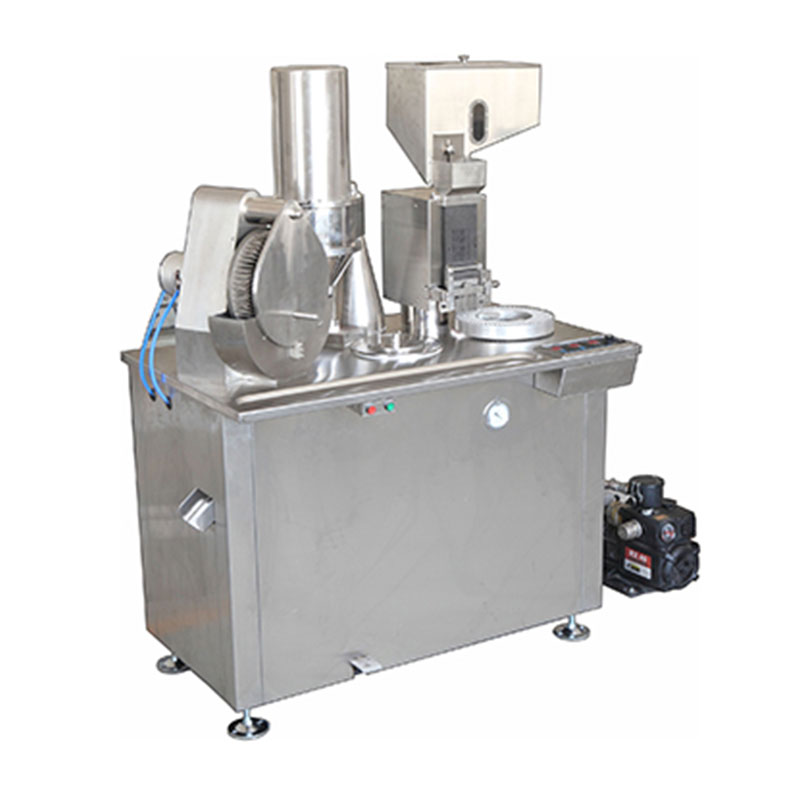 CGN208-D Newest Type Semi Automatic Capsule Filling Machine
 -
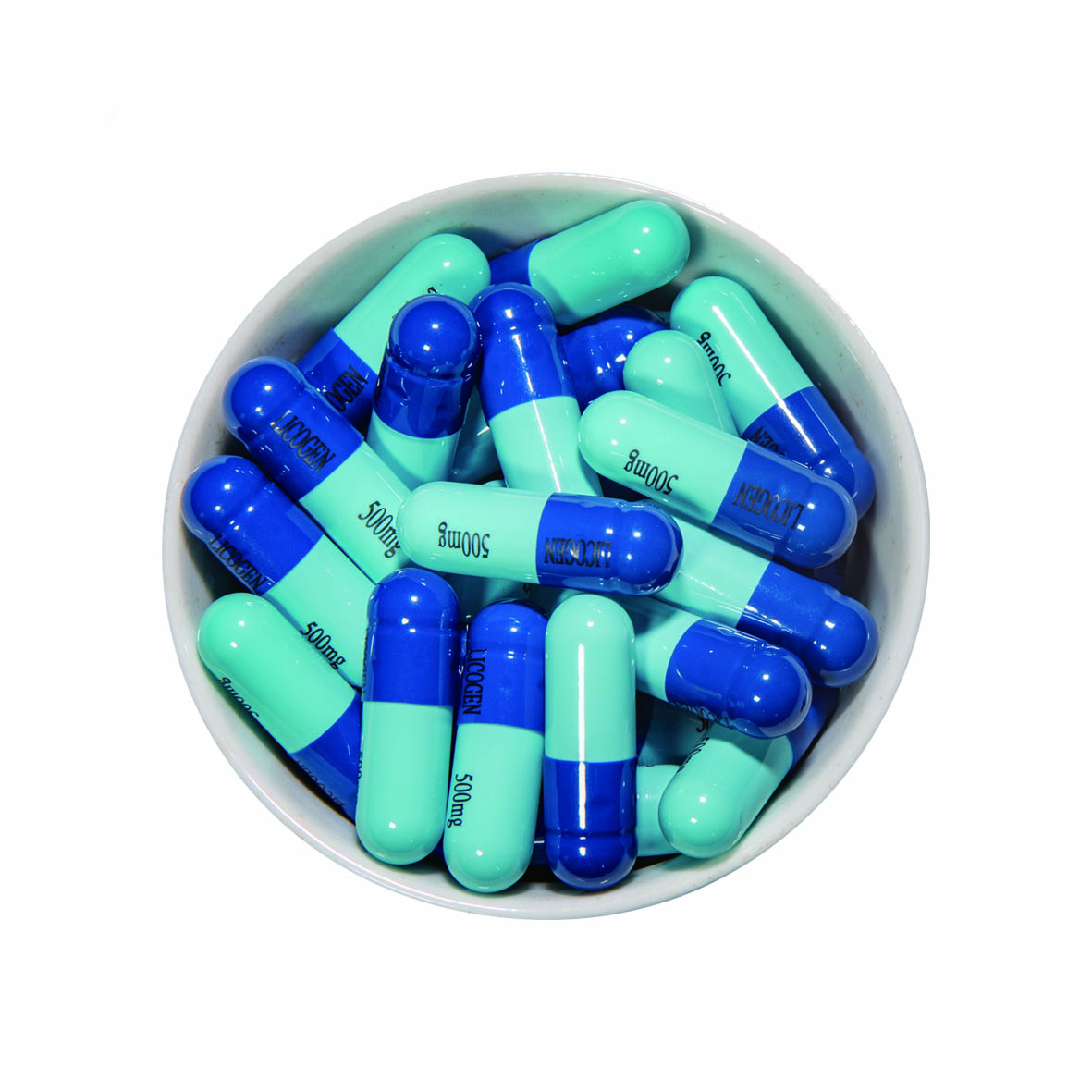 Hard Gelatin Empty Capsule Shell Size 00 0 1 2 3 4
 -
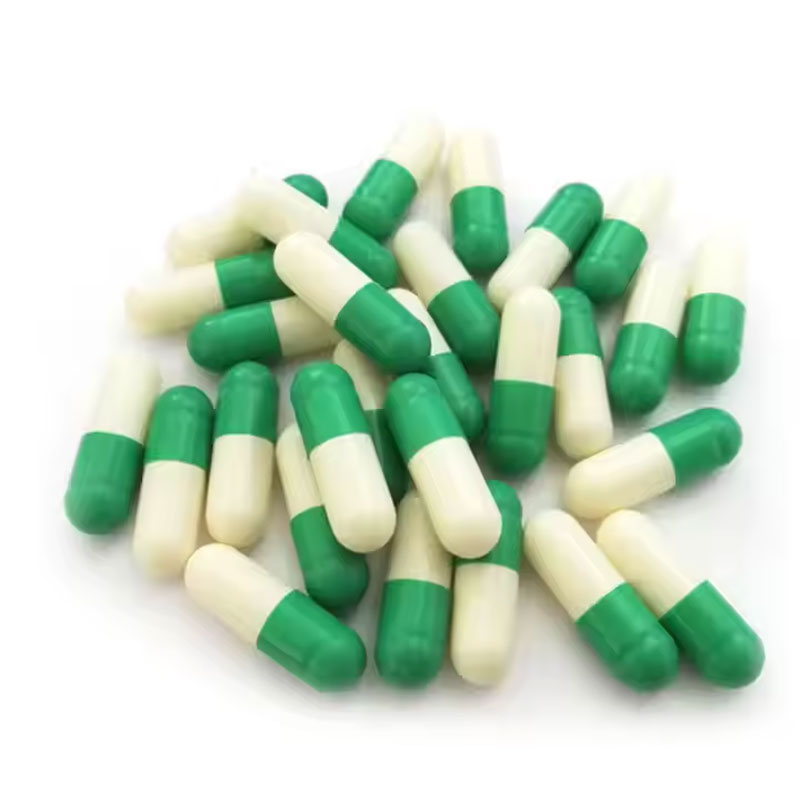 Size 00 hpmc capsules vegetarian capsules empty hard veggie capsules
 -
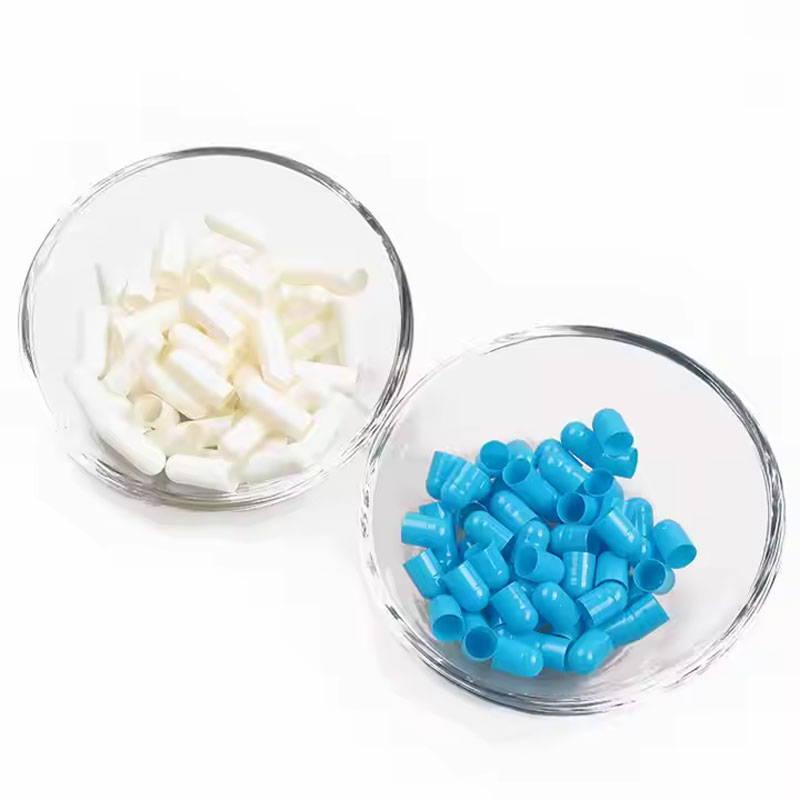 Empty VegCaps Shell Clear Empty Vegan Plant-Based Capsules Size 00 0 1 2 3 4 Natural Vegetable HPMC Capsules
 -
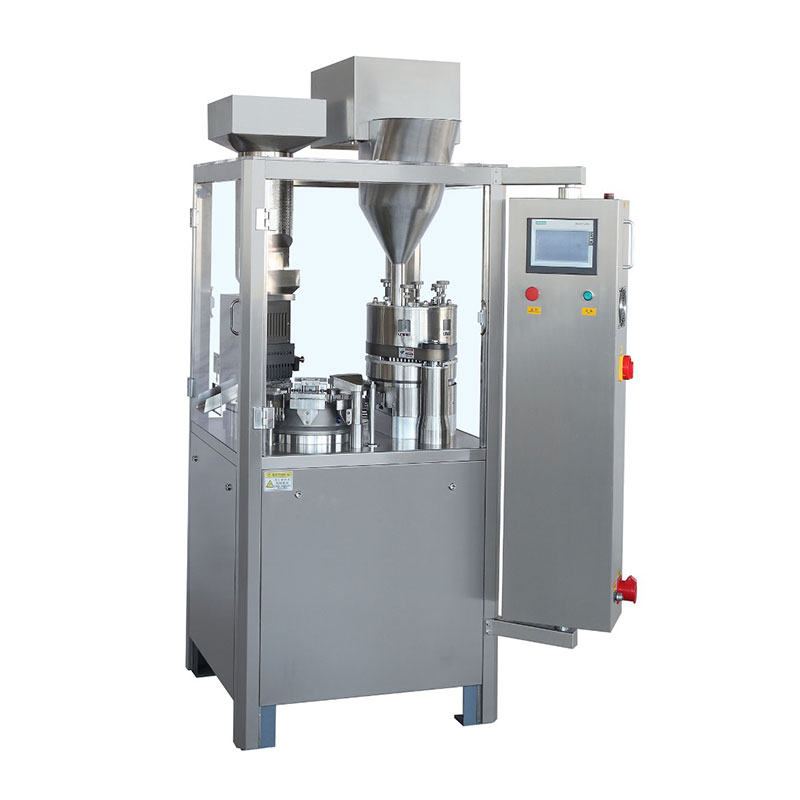 NJP-1200 Automatic Capsule Filling Machine
 -
 Hpmc Capsules Product Plant Vegetarian Size 00 0 Capsule Shell
 -
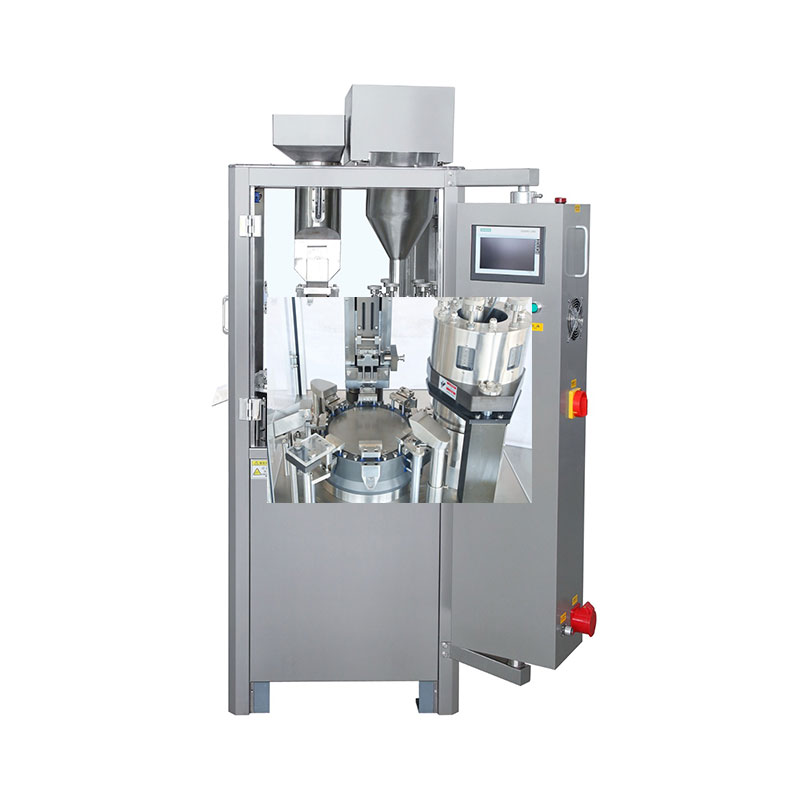 NJP-200 Model Fully Automatic Capsule Filling Machine
 -
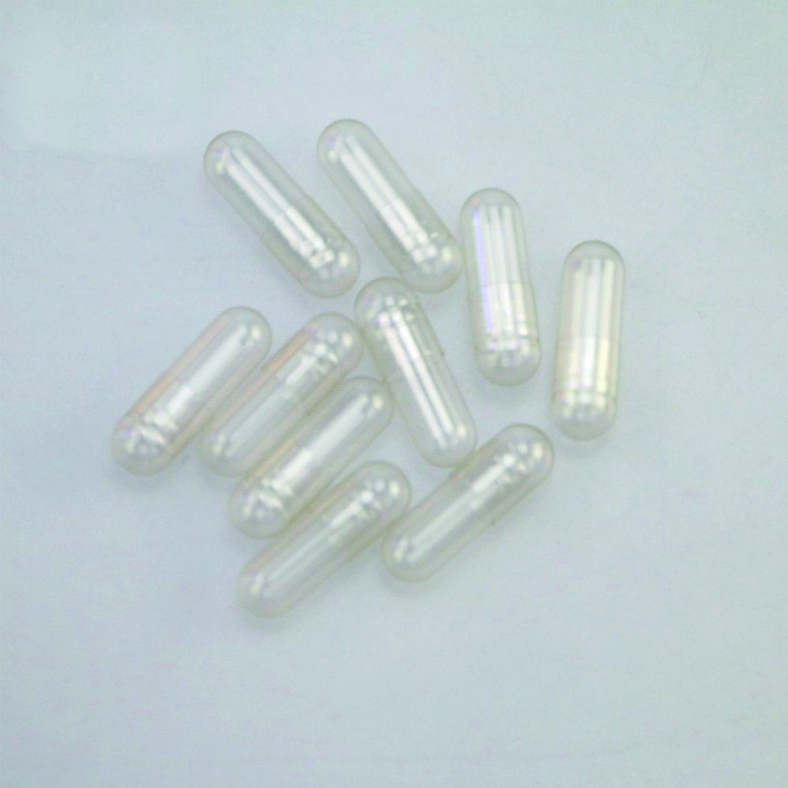 EMPTY HPMC CAPSULE SIZE 00 CLEAR
 -
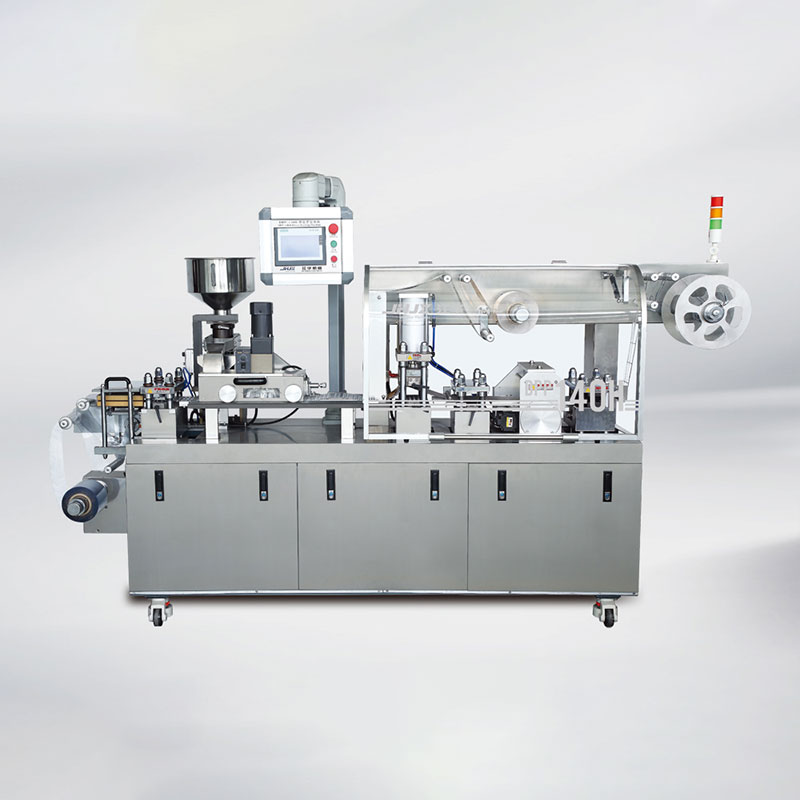 DPP-140H Flat-plate Blister Packing Machine
 -
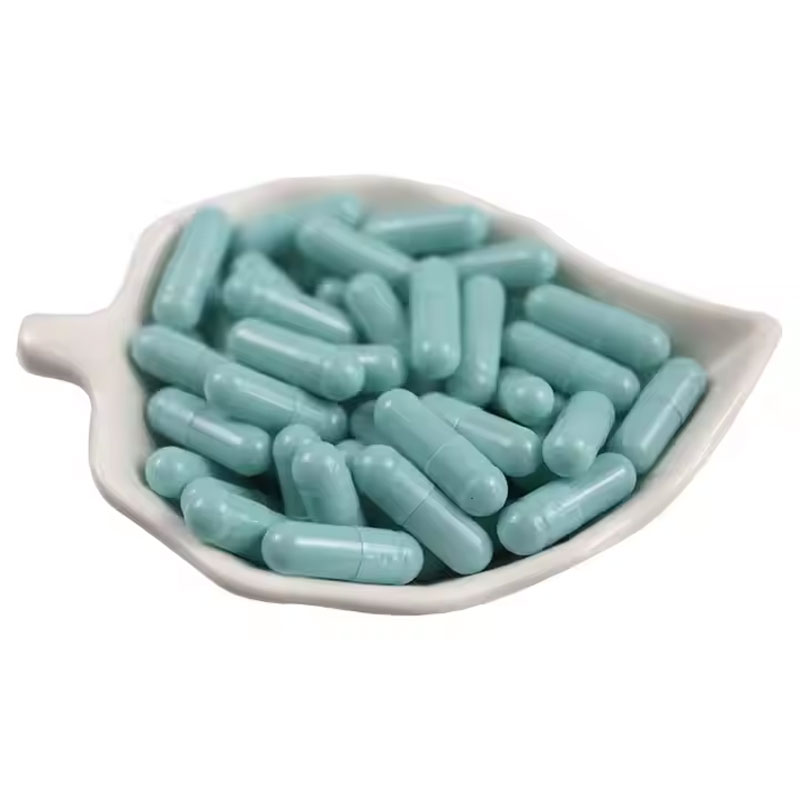 Vegetarian Separated Capsules HPMC Capsules Separated Wholesale Vegetarian Capsules Discount for Bulk Orders
 -
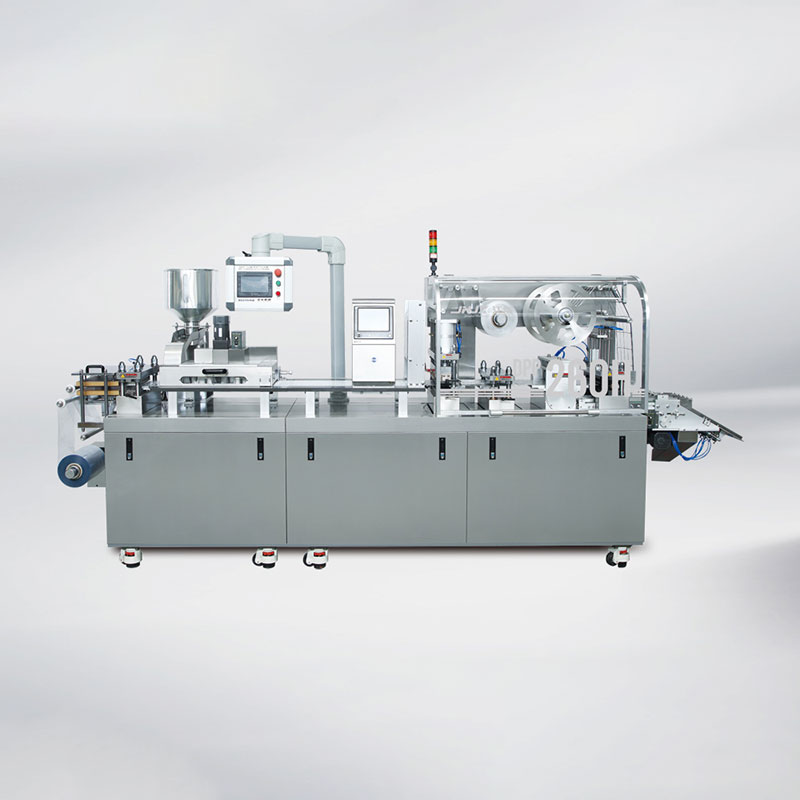 DPP-260H_DPP-320H Flat-plate Blister Packing Machine
Related Search
Related Search- Certificate manual capsule filling machine
- capsule filling machines professional
- Best capsule filler size 2
- Certificate njp 800 capsule filling machine
- Certificate DPP 80 Blister machine
- OEM CLEAR VEGETABLE CAPSULE SIZE 00
- high quality fully automatic capsule filling machine
- Best clear vegetarian capsules size 00
- Best capsule machine size 3
- Certificate DPP 260 Blister machine