
- Chinese
- French
- German
- Portuguese
- Spanish
- Russian
- Japanese
- Korean
- Arabic
- Irish
- Greek
- Turkish
- Italian
- Danish
- Romanian
- Indonesian
- Czech
- Afrikaans
- Swedish
- Polish
- Basque
- Catalan
- Esperanto
- Hindi
- Lao
- Albanian
- Amharic
- Armenian
- Azerbaijani
- Belarusian
- Bengali
- Bosnian
- Bulgarian
- Cebuano
- Chichewa
- Corsican
- Croatian
- Dutch
- Estonian
- Filipino
- Finnish
- Frisian
- Galician
- Georgian
- Gujarati
- Haitian
- Hausa
- Hawaiian
- Hebrew
- Hmong
- Hungarian
- Icelandic
- Igbo
- Javanese
- Kannada
- Kazakh
- Khmer
- Kurdish
- Kyrgyz
- Latin
- Latvian
- Lithuanian
- Luxembou..
- Macedonian
- Malagasy
- Malay
- Malayalam
- Maltese
- Maori
- Marathi
- Mongolian
- Burmese
- Nepali
- Norwegian
- Pashto
- Persian
- Punjabi
- Serbian
- Sesotho
- Sinhala
- Slovak
- Slovenian
- Somali
- Samoan
- Scots Gaelic
- Shona
- Sindhi
- Sundanese
- Swahili
- Tajik
- Tamil
- Telugu
- Thai
- Ukrainian
- Urdu
- Uzbek
- Vietnamese
- Welsh
- Xhosa
- Yiddish
- Yoruba
- Zulu
- Kinyarwanda
- Tatar
- Oriya
- Turkmen
- Uyghur


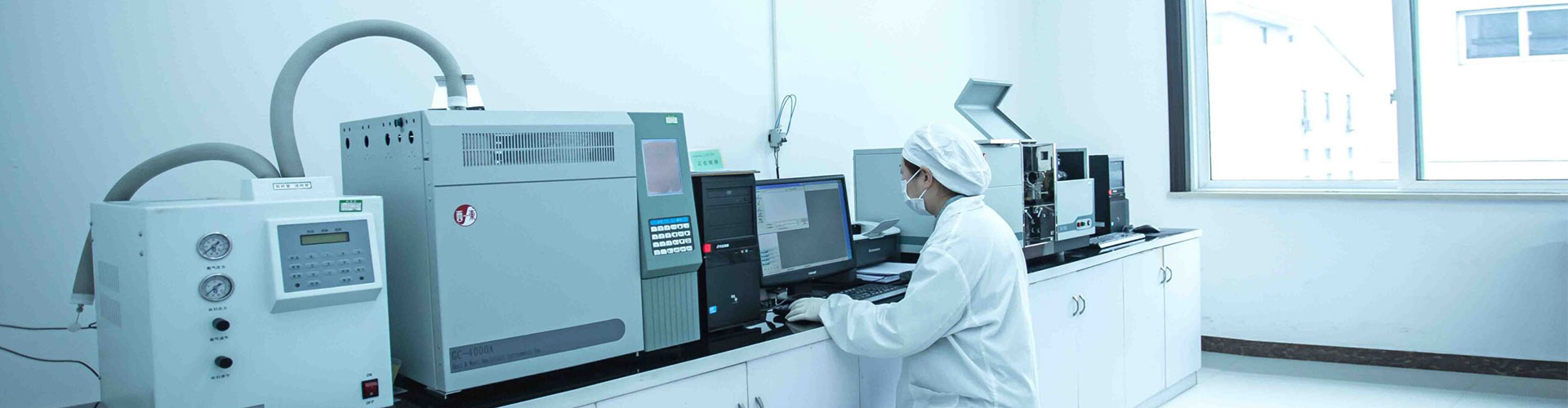
Best Empty Capsules for Powder
Choosing the Best Empty Capsules for Powder: Practical Insights
Finding the best empty capsules for powder can seem straightforward, but if you've ever had a capsule not quite dissolve when needed, you know the stakes. It's not just about holding the powder—it's about ensuring it works when it counts. Let’s shake out some of the lesser-known nuances.
Understanding the Basics: Capsule Materials Matter
Empty capsules aren’t one-size-fits-all. I’ve had my share of moments standing in a supplies aisle or late-night online shopping, weighing the pros and cons of gelatin versus vegetarian options. Gelatin, sourced from animal collagen, often wins on availability and cost. It dissolves quickly, but not everyone's on board with animal products.
Enter vegetarian capsules, typically made from hydroxypropyl methylcellulose (HPMC). They're suitable for vegans and have a slower disintegration time, which might influence how your body absorbs the powder. In my experience, they’re slightly pricier, but offer peace of mind—especially if you’re serving a diverse crowd with various dietary needs.
Deciding between these isn't just philosophy; it’s about the end-use. Are your consumers, or maybe even you, looking for the immediate effect, or is the gradual release preferable?
Size Does Matter: Filling Efficiency
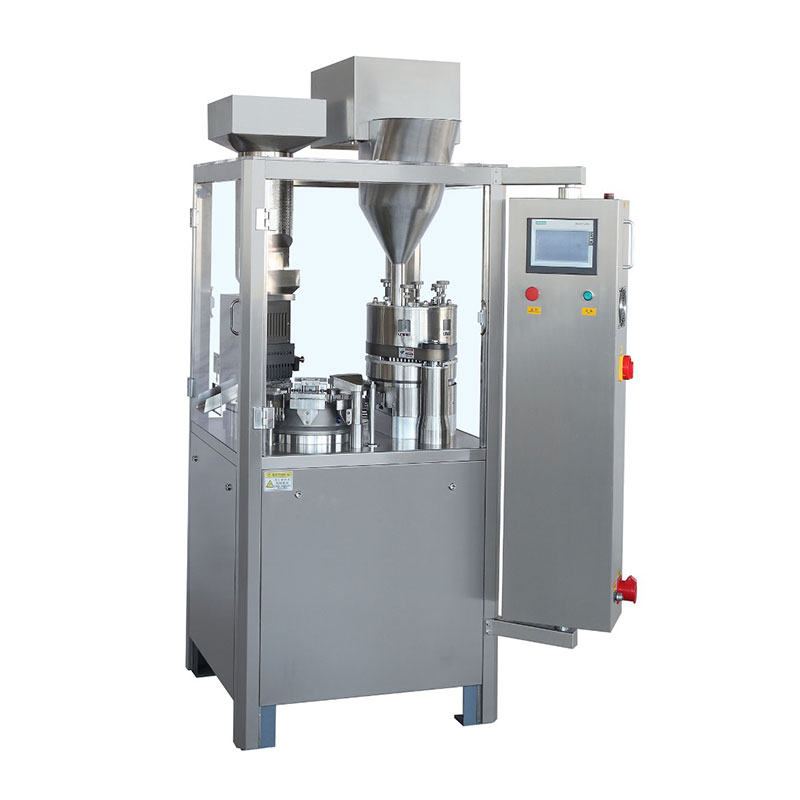
The size of the capsule directly influences both the dosage and ease of filling. I recall my early days at Suqian Kelaiya Corp., where we've got some serious gear for this stuff. The capsule filling machine is engineered for precision—having the right capsule size makes all the difference.
Bigger isn't always better. While '000' capsules pack a punch, they can be challenging to swallow. A practical balance rests somewhere between '0' and '1', especially if you're filling them manually. The middle ground, right? But truly, it's about what you’re putting inside them—too dense or too fine?
As I’ve learned witnessing our manufacturing process, the filling efficiency can often be optimized with the right capsule size. Aligning with the machine specs makes them snap shut perfectly, preventing powder leaks.
Quality Control: Key to Consistency
Quality and consistency are non-negotiable. If you've ever had an inconsistent batch, you understand why I stress this point. At Suqian Kelaiya Corp., we perform rigorous tests to ensure every batch meets our standards. After all, our reputation—built on drug development and precise manufacturing—depends on it.
Whether it’s investing in advanced machinery or simply getting the right certifications, consistency isn't just a benchmark; it’s a promise to ourselves and our customers. A defective capsule can mean a dosage error, and in pharmaceuticals, that margin of error should be zero.
Check for certifications when purchasing. A little diligence upfront saves a lot of headaches later.
Customization Options and Branding
“Is it just powder in a shell, or can it represent more?” This thought led us to innovation, pushing the capsule beyond functional to become part of branding. Many don't realize the potential of custom colors and imprints.
At our facilities, we explore these options quite extensively. Branding on the capsule itself serves not only practical tracking purposes but also enhances brand visibility. Some manufacturers shy away from this, yet it’s a missed opportunity if overlooked.
Engaging with a supplier offering customization ensures capsules that align with your brand ethos. It’s like wearing your brand’s uniform—only it’s swallowed instead of worn.
Environmental and Ethical Considerations
In the grand scheme, the environmental impact of capsules might not seem massive, but every bit counts. At Suqian Kelaiya Corp., we prioritize sustainable practices in our two sites in Zhejiang and Jiangsu provinces. It’s a subtle shift in thinking that cascades across processes.
Customers increasingly value brands that demonstrate responsible sourcing and manufacturing. It’s wise to share this vision, as it often aligns with a mindful consumer approach. Hydroxypropyl methylcellulose (HPMC) for instance, being plant-based, offers a more eco-friendly option.
Strive to make choices that match not only industry standards but also align with wider community and environmental ideals. Every small decision leads to larger impact.
Related Products
Related Products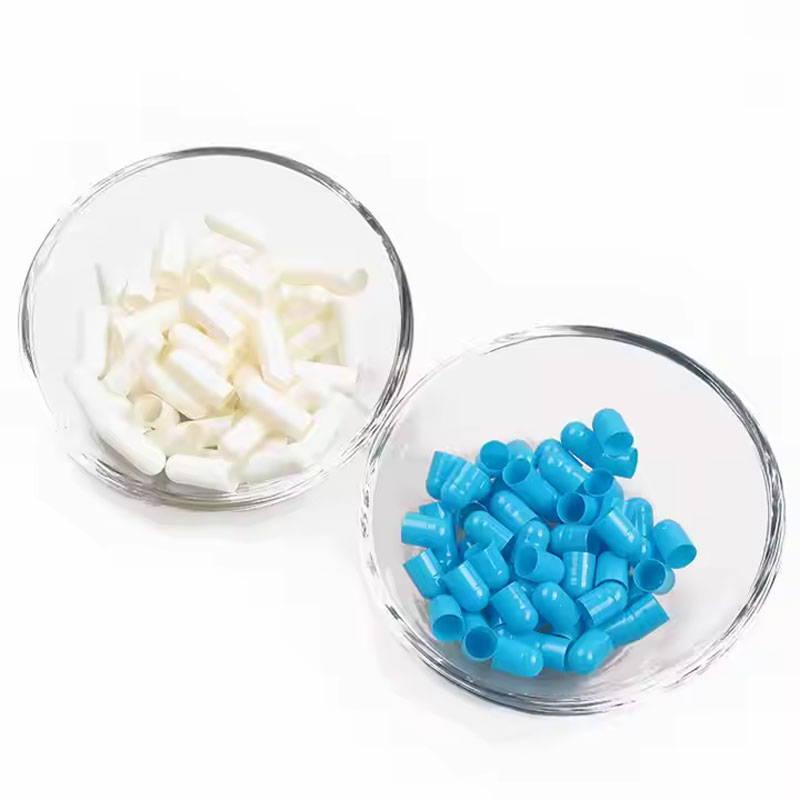
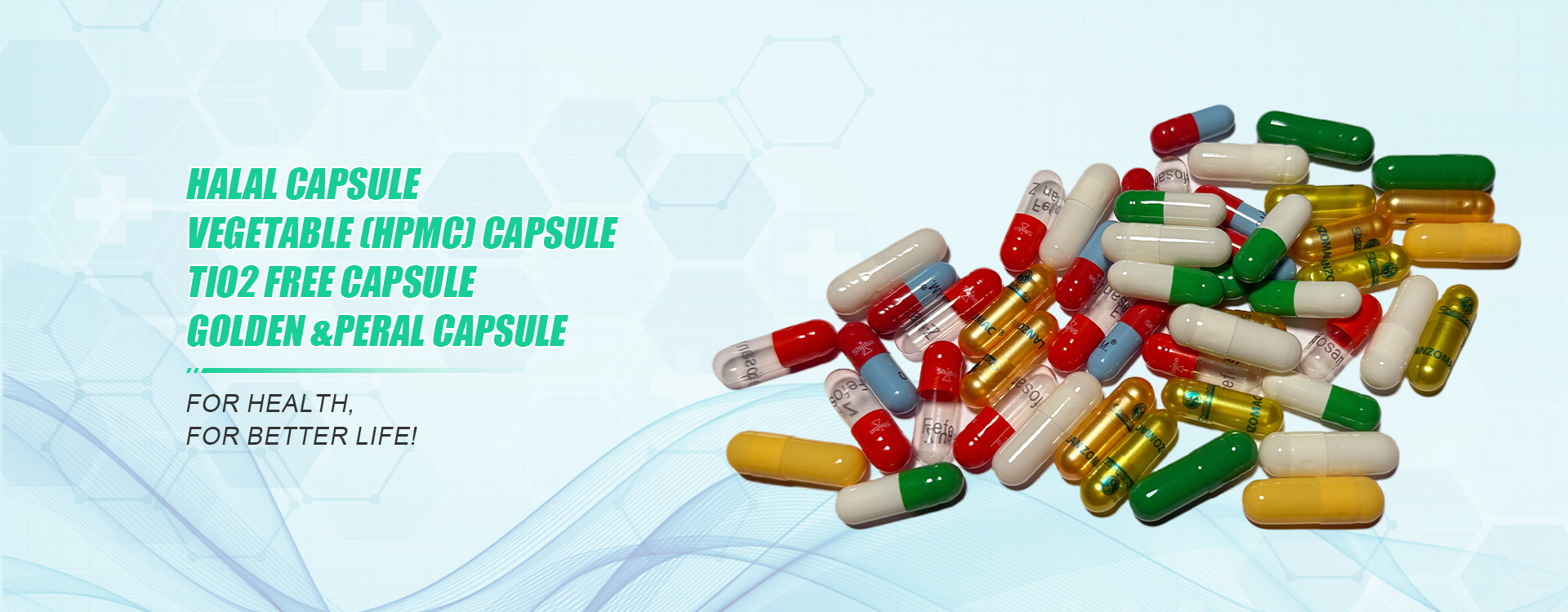
Best Selling Products
Best Selling Products-
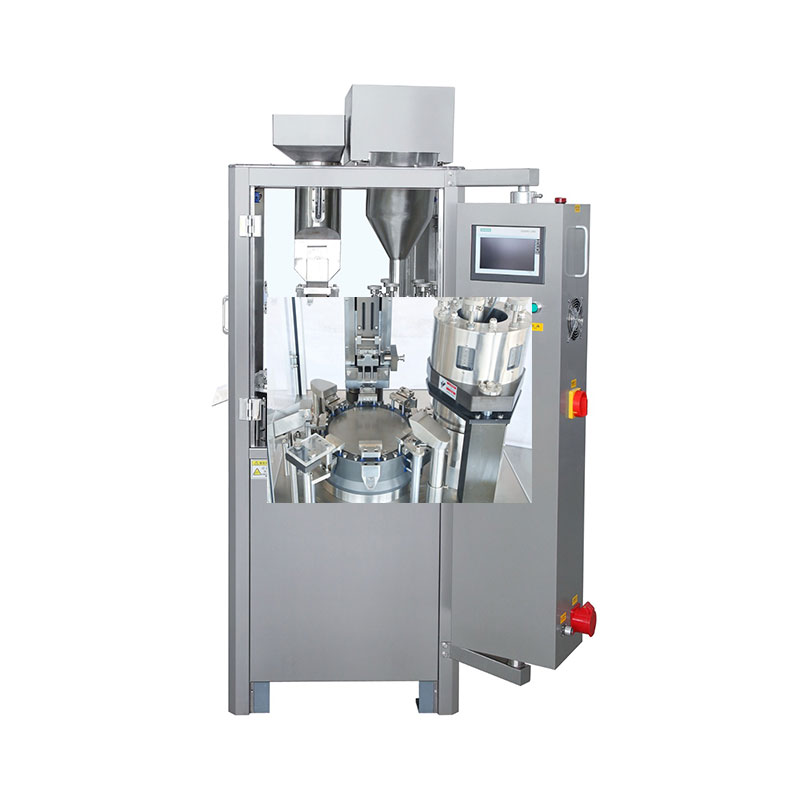 NJP-200 Model Fully Automatic Capsule Filling Machine
 -
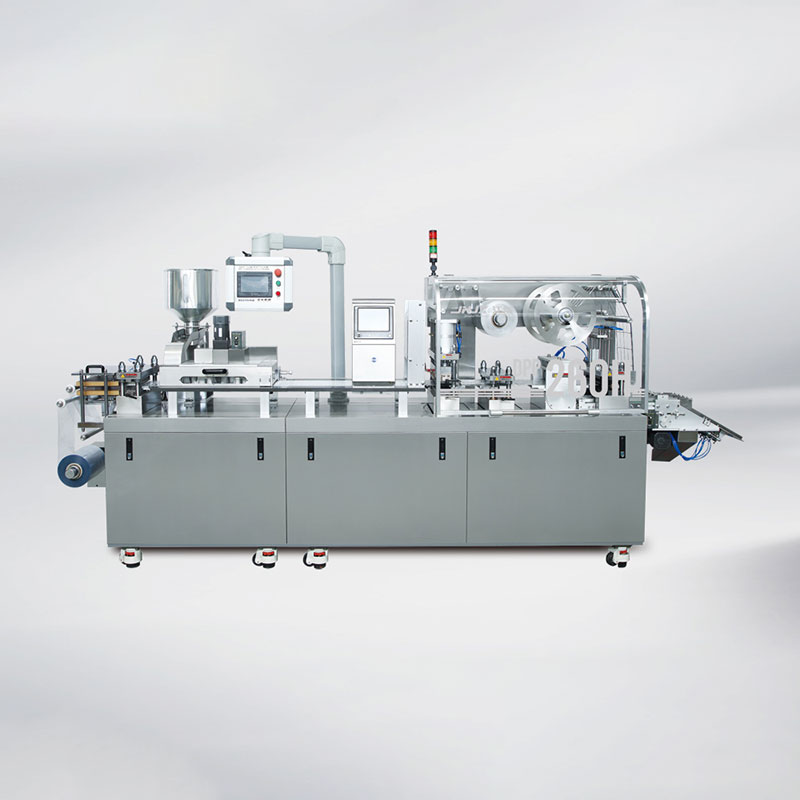 DPP-260H_DPP-320H Flat-plate Blister Packing Machine
 -
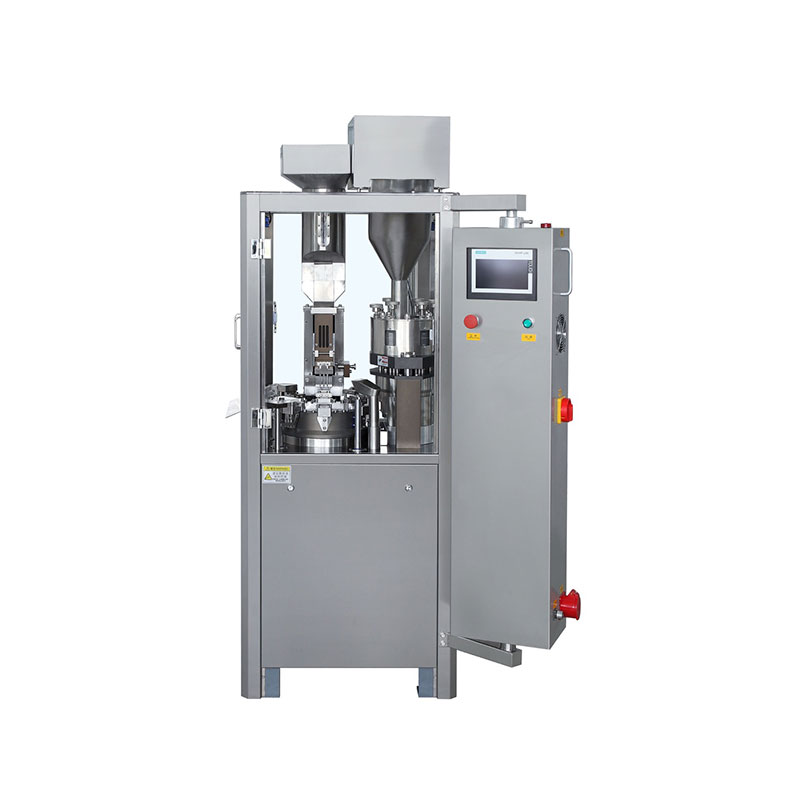 NJP-400 Fully Automatic Capsule Filling Machine
 -
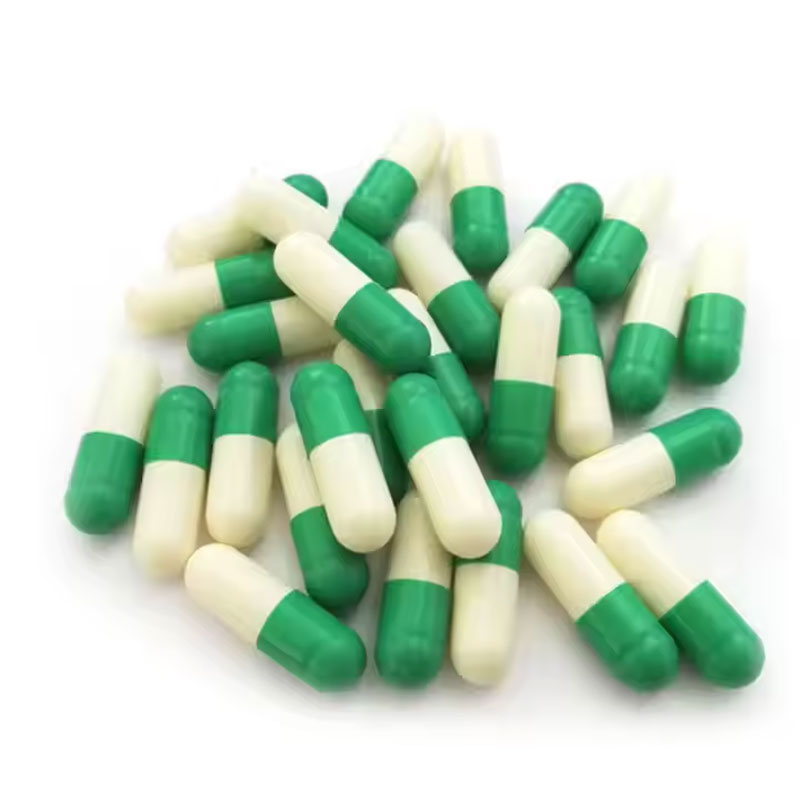 Size 00 hpmc capsules vegetarian capsules empty hard veggie capsules
 -
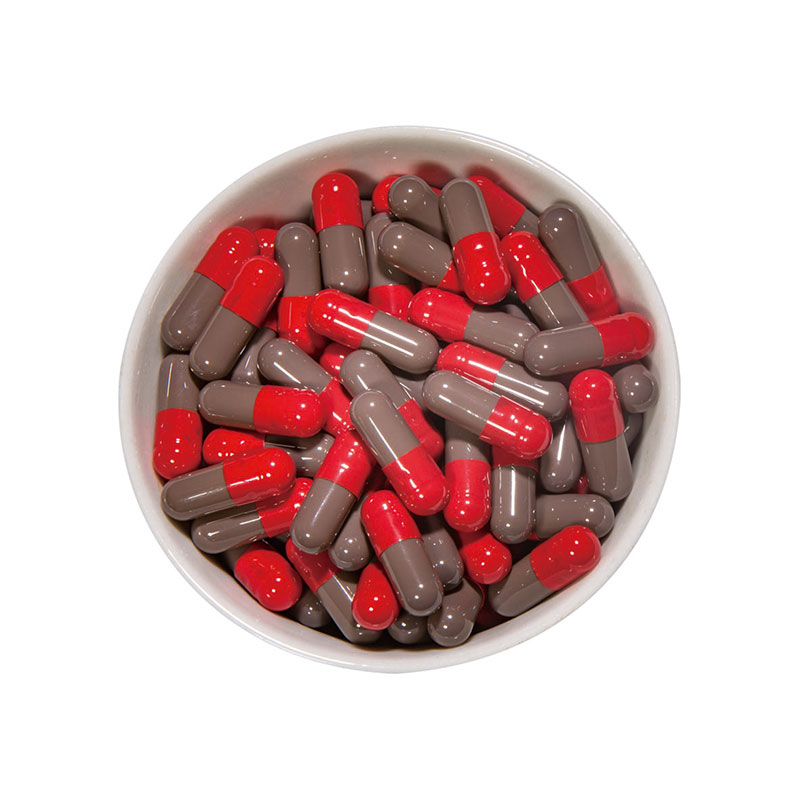 TIO2 free gelatin CAPSULE
 -
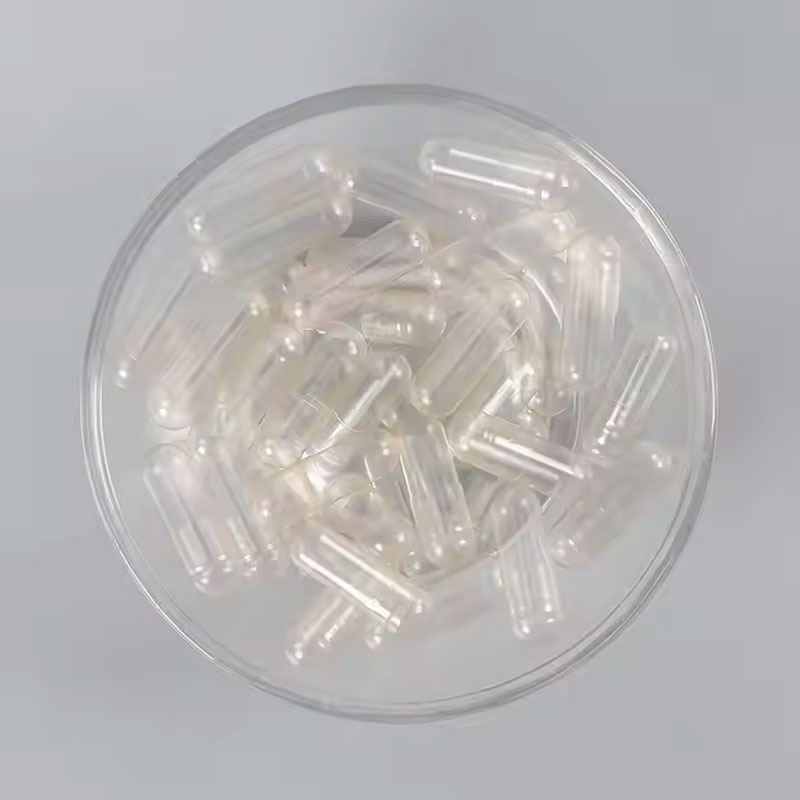 Hpmc Capsules Product Plant Vegetarian Size 00 0 Capsule Shell
 -
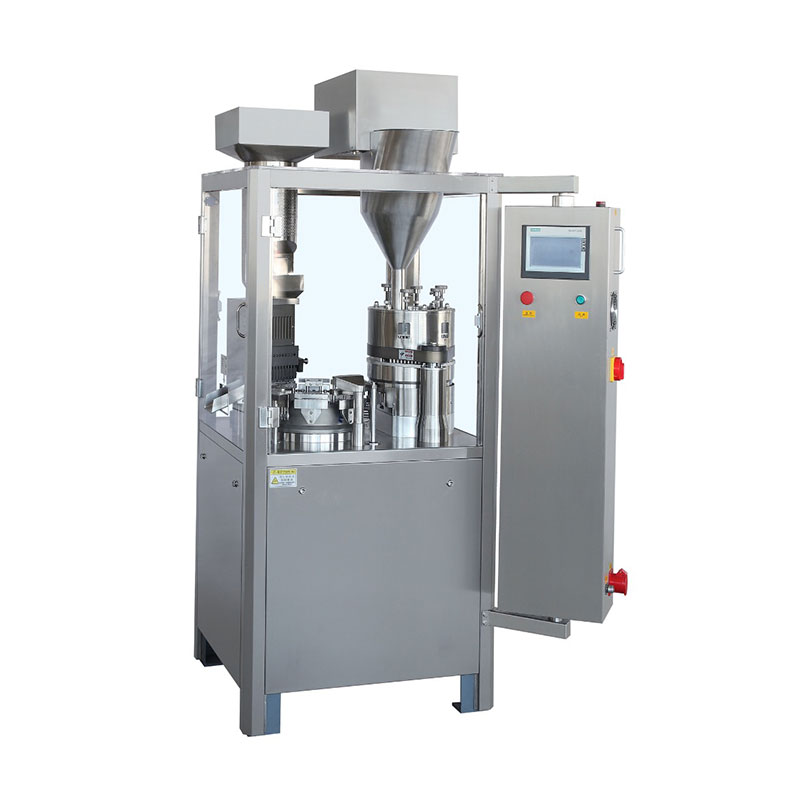 NJP-800 Automatic Capsule Filling Machine
 -
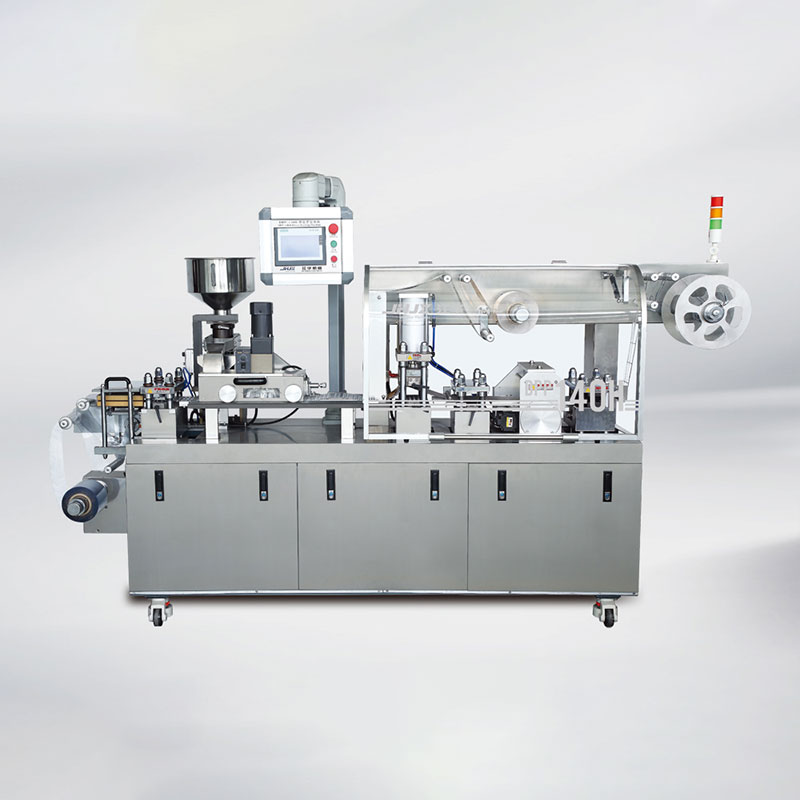 DPP-140H Flat-plate Blister Packing Machine
 -
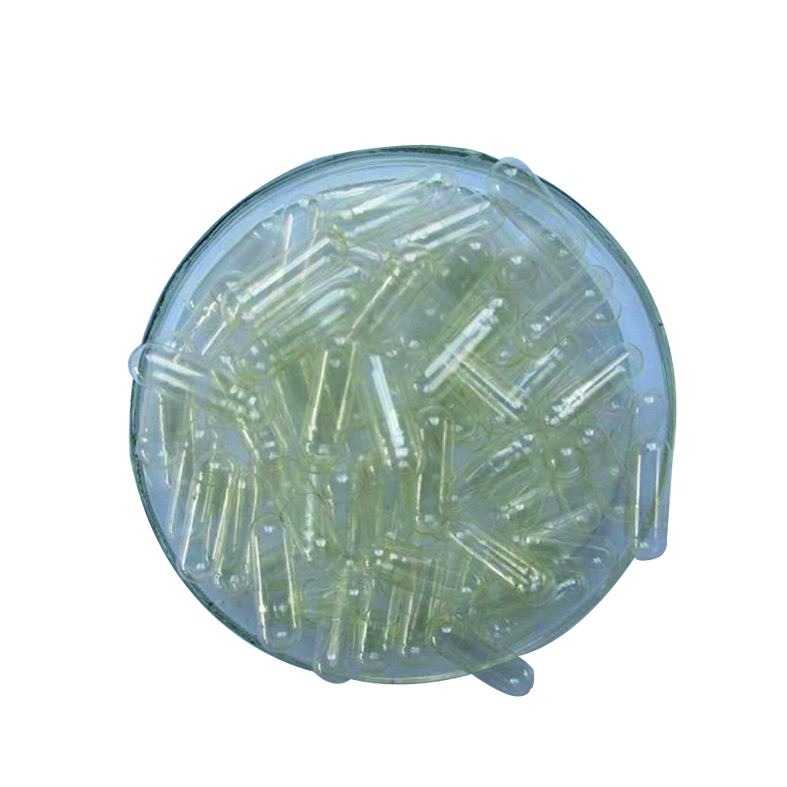 Halal Certificate Empty Clear Hard Gelatin Capsules Shell Size 0
 -
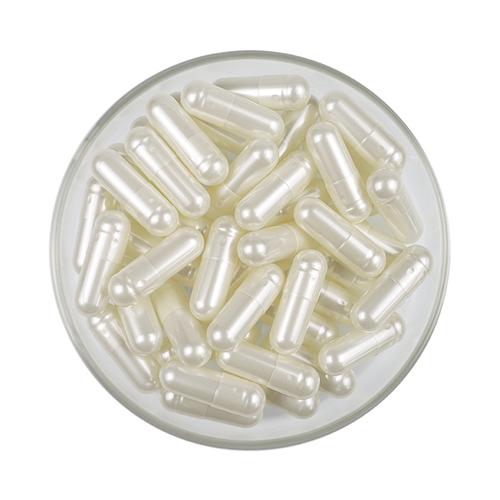 Golden_Pearl Hard Gelatin Capule
 -
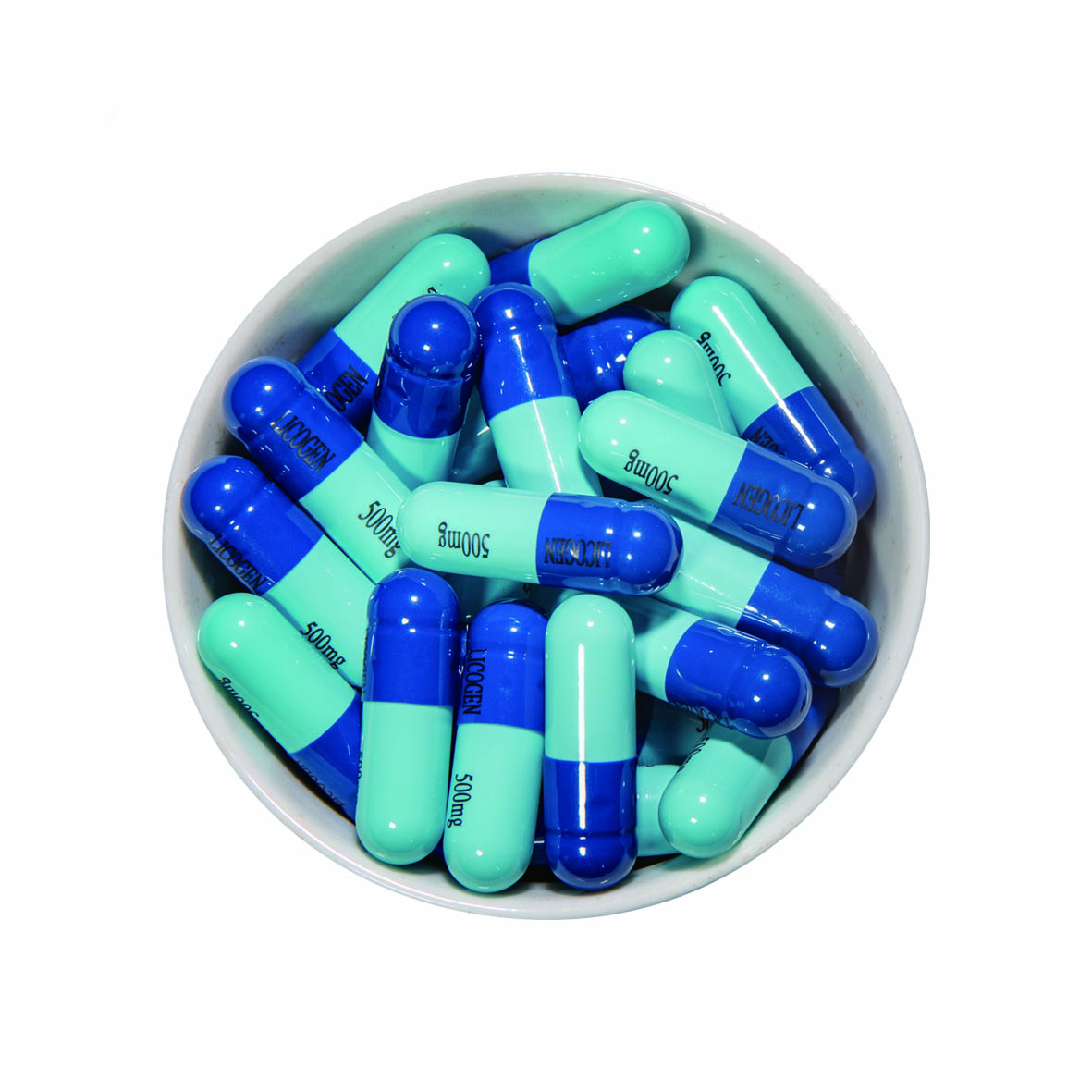 Hard Gelatin Empty Capsule Shell Size 00 0 1 2 3 4
 -
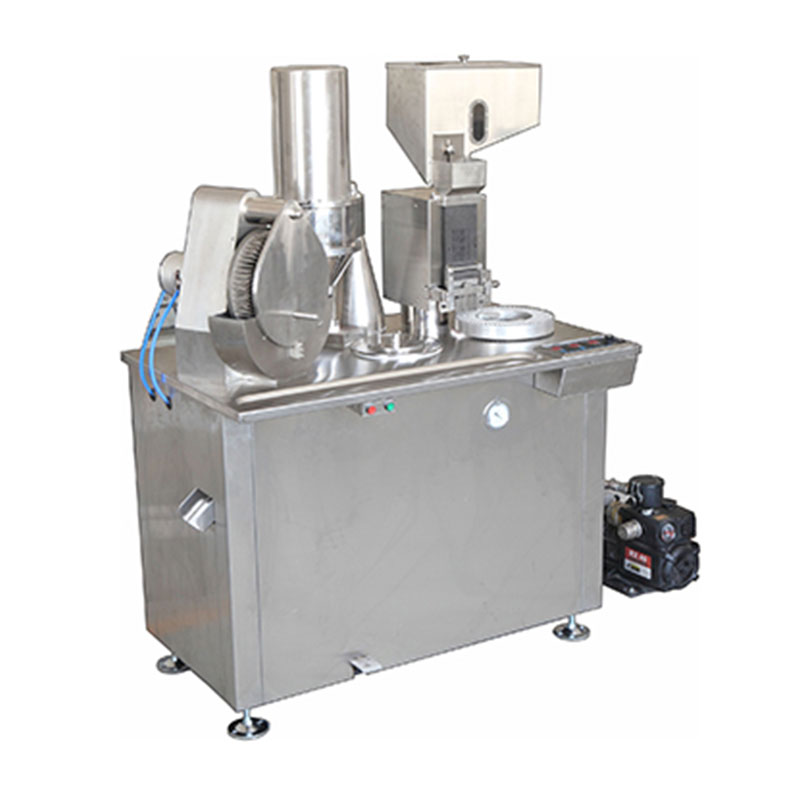 CGN208-D Newest Type Semi Automatic Capsule Filling Machine
Related Search
Related Search- Discount empty capsule
- Discount CLEAR VEGETABLE CAPSULE SIZE 00
- Certificate capsule filler filling machine
- OEM Blister machine
- automatic capsule filling machine manufacturer
- Discount size 4 capsule filler
- OEM 00 vegetarian capsules wholesale
- Best gelatin capsule filling machine
- OEM size 1 capsule filling machine
- OEM pharma capsule filling machine