
- Chinese
- French
- German
- Portuguese
- Spanish
- Russian
- Japanese
- Korean
- Arabic
- Irish
- Greek
- Turkish
- Italian
- Danish
- Romanian
- Indonesian
- Czech
- Afrikaans
- Swedish
- Polish
- Basque
- Catalan
- Esperanto
- Hindi
- Lao
- Albanian
- Amharic
- Armenian
- Azerbaijani
- Belarusian
- Bengali
- Bosnian
- Bulgarian
- Cebuano
- Chichewa
- Corsican
- Croatian
- Dutch
- Estonian
- Filipino
- Finnish
- Frisian
- Galician
- Georgian
- Gujarati
- Haitian
- Hausa
- Hawaiian
- Hebrew
- Hmong
- Hungarian
- Icelandic
- Igbo
- Javanese
- Kannada
- Kazakh
- Khmer
- Kurdish
- Kyrgyz
- Latin
- Latvian
- Lithuanian
- Luxembou..
- Macedonian
- Malagasy
- Malay
- Malayalam
- Maltese
- Maori
- Marathi
- Mongolian
- Burmese
- Nepali
- Norwegian
- Pashto
- Persian
- Punjabi
- Serbian
- Sesotho
- Sinhala
- Slovak
- Slovenian
- Somali
- Samoan
- Scots Gaelic
- Shona
- Sindhi
- Sundanese
- Swahili
- Tajik
- Tamil
- Telugu
- Thai
- Ukrainian
- Urdu
- Uzbek
- Vietnamese
- Welsh
- Xhosa
- Yiddish
- Yoruba
- Zulu
- Kinyarwanda
- Tatar
- Oriya
- Turkmen
- Uyghur



automatic capsule filling machine
The Intricacies of Automatic Capsule Filling Machines
Delve into the world of pharmaceutical manufacturing with a closer look at automatic capsule filling machines, essential tools in modern medicine production. Navigate common industry misconceptions and explore real-world applications and challenges. Discover insights from those who've been hands-on in the field.
Understanding the Basics
When we talk about automatic capsule filling machines, we're essentially addressing the linchpin of efficiency in pharmaceutical production. These machines streamline the encapsulation process, ensuring precision and consistency. But what often gets overlooked is the balance between speed and accuracy — after all, a milligram here or there can make all the difference.
In my experience, one common pitfall is assuming that one size fits all. Each machine can vary significantly in the types of capsules it can fill, from size 000 to size 5, and the specifics of the fillers they can handle. It's crucial to align machine specs with production needs from the outset.
There’s also a bit of art in the calibration. It's not just about following the manual; it involves keen observation and minor tweaks. A slight adjustment in the tamping station, for example, can resolve powder leakage issues that aren't immediately obvious but could impact overall yield.
Overcoming Common Challenges
Integrating a new machine, like those offered by companies such as Suqian Kelaiya International Trading Co., Ltd, isn't without its growing pains. Machines often arrive with their unique quirks, and initial setup can be a dance between patience and precision.
I recall a particular instance involving a granulate that kept clogging the machine. Initially, it seemed a simple case of machine error. However, upon closer inspection, it turned out to be a humidity issue affecting the granulate's flow properties. Adjusting the environmental controls solved it — a lesson in how even adjacent systems play a crucial role.
Moreover, aligning machine output with regulation standards requires constant vigilance. It's not just internal validation; third-party audits necessitate precise documentation and compliance, often demanding more than just baseline specifications.
Maintenance: The Unsung Hero
Regular maintenance can't be overemphasized. It might sound like a given, but I've seen many instances where small issues, if left unattended, grow into costly repairs. Parts like dosing disks and capsule trays require routine checks and sometimes, preemptive replacements.
Preventive maintenance means more than just cleaning — it's anticipating wear and tear. Having backup components on hand can prevent downtime when the inevitable occurs. A broken part on a busy production line can mean not just financial loss but also reputational damage.
Again, collaboration with the manufacturer plays a big role. For instance, Suqian Kelaiya's after-sales service is instrumental in providing timely assistance, often catching potential issues during routine check-ins.
The Human Element
Even with automation, the human touch remains essential. Operators need comprehensive training not only on machine operation but also on troubleshooting common issues. A well-trained staff can often diagnose and resolve minor issues before they escalate.
There’s also something to be said about the operator’s intuition. Over time, operators develop an ear for the machines. A slight change in sound might indicate a pending issue. That kind of insight is something you gain only through experience.
It’s about fostering a culture of curiosity and attention to detail. Encouraging operators to voice observations and participate in solution-finding keeps operations running smoothly and efficiently.
Future Directions and Innovations
Looking ahead, advancements in technology promise exciting developments for the industry. The integration of AI and IoT into capsule filling machines could revolutionize the data-driven analytics side of operations, predicting failures before they occur.
We’re already seeing machines capable of even greater precision. With variable dosing capabilities and multi-material filling, the potential for personalized medicine grows. However, with these advancements comes complexity — the challenge will be integrating these capabilities seamlessly into existing production lines.
Companies like Suqian Kelaiya, with their dedication to new drug development and manufacturing, are likely to be at the forefront of these innovations. It’s pivotal for the industry to keep pace, ensuring that production processes are both cutting-edge and reliable.
Related Products
Related Products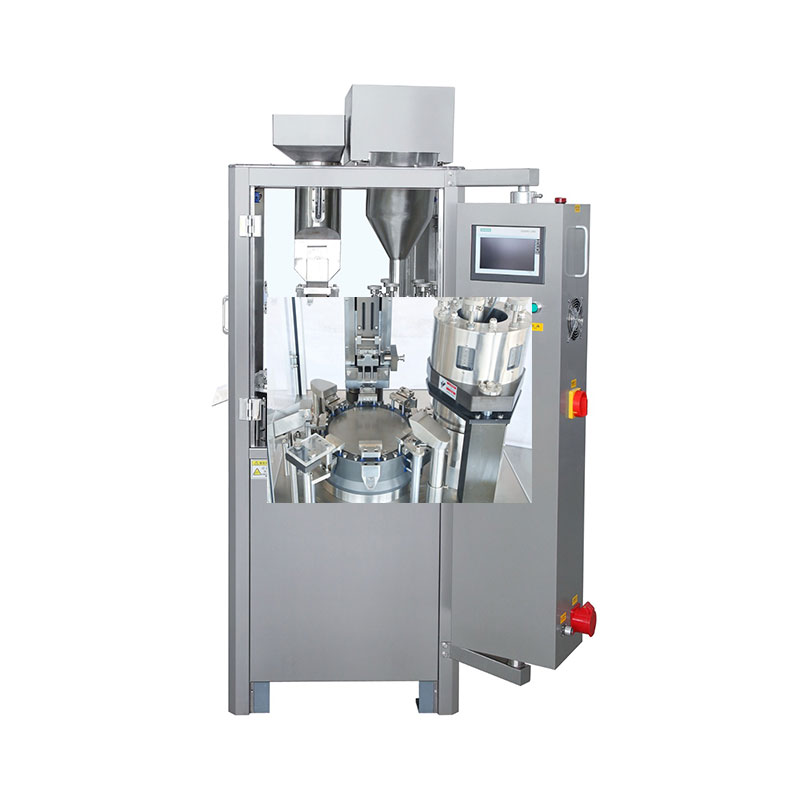


Best Selling Products
Best Selling Products-
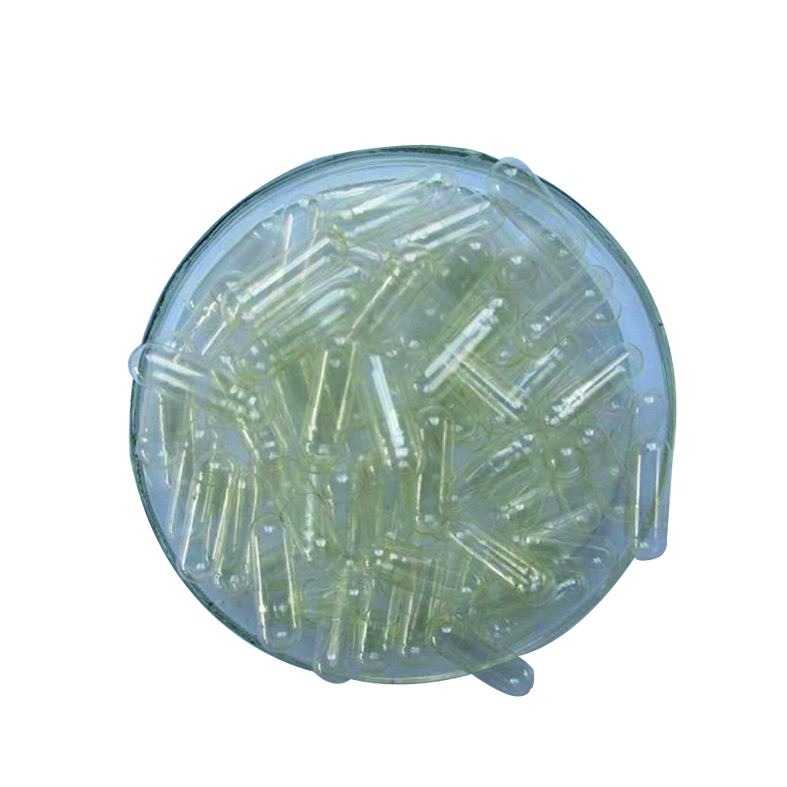 Halal Certificate Empty Clear Hard Gelatin Capsules Shell Size 0
 -
 EMPTY VEGATABLE CAPSULE CLEAR SIZE 0
 -
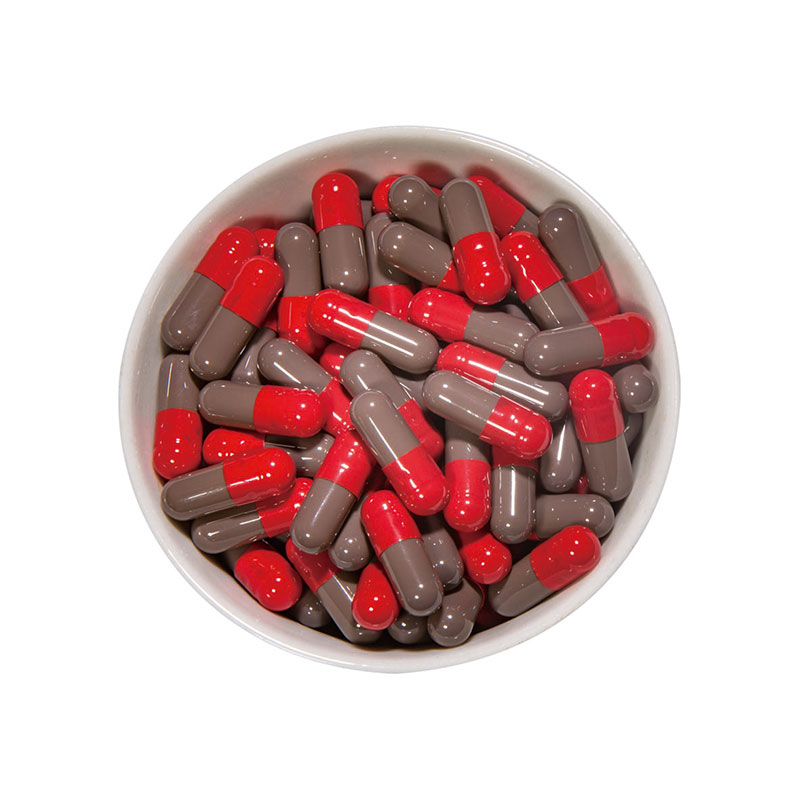 TIO2 free gelatin CAPSULE
 -
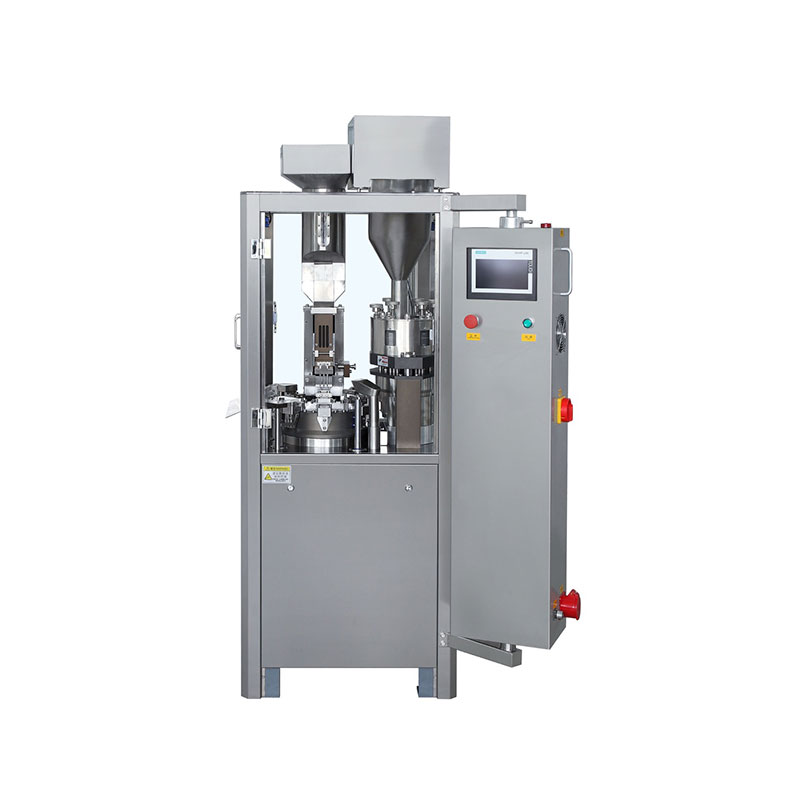 NJP-400 Fully Automatic Capsule Filling Machine
 -
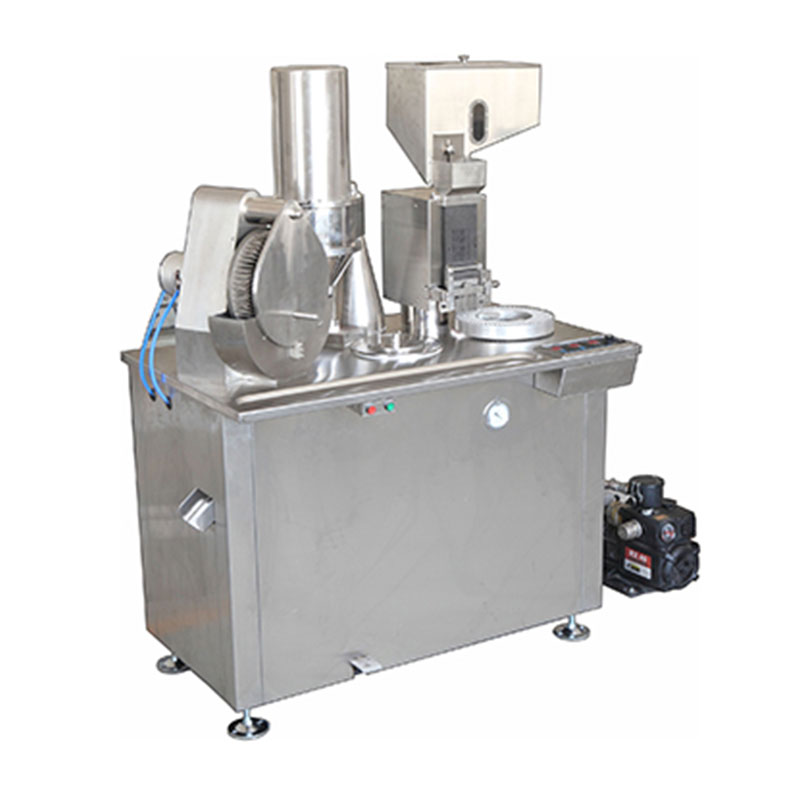 CGN208-D Newest Type Semi Automatic Capsule Filling Machine
 -
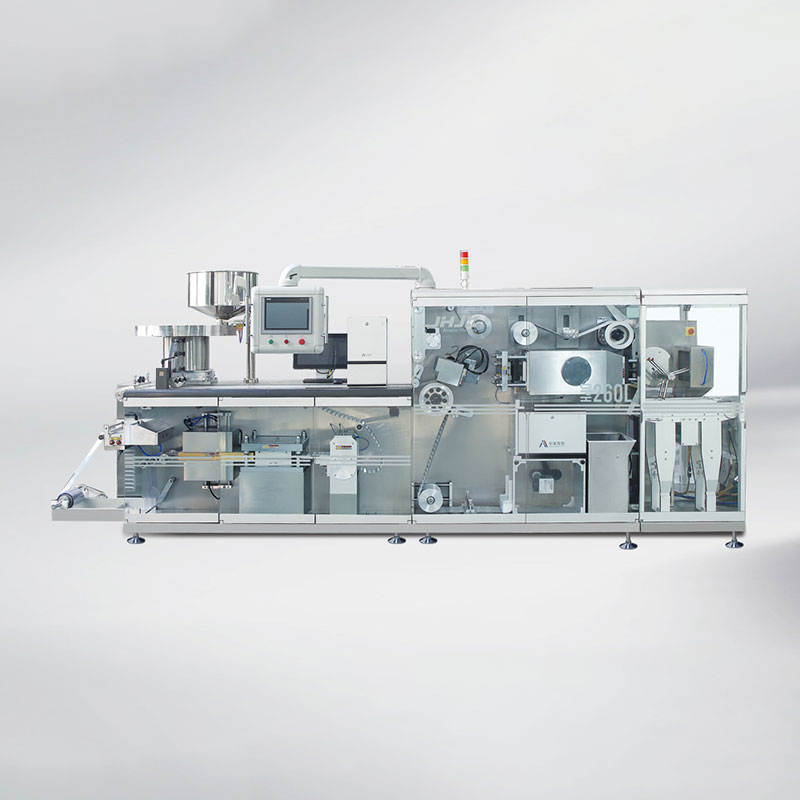 DPH-260L Roll-plate Blister Packaging Machine
 -
 Empty VegCaps Shell Clear Empty Vegan Plant-Based Capsules Size 00 0 1 2 3 4 Natural Vegetable HPMC Capsules
 -
 Hpmc Capsules Product Plant Vegetarian Size 00 0 Capsule Shell
 -
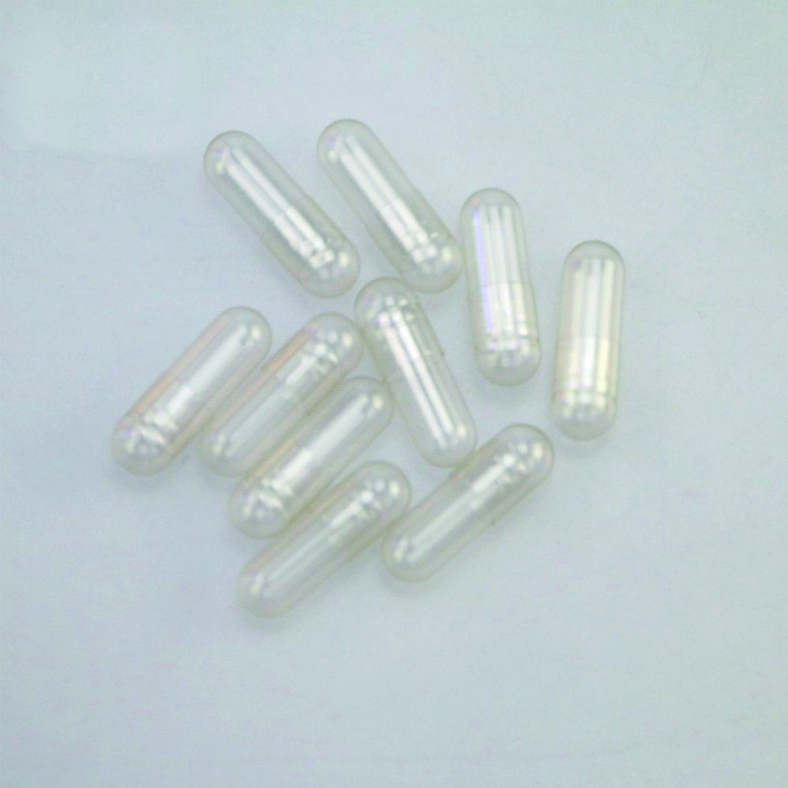 EMPTY HPMC CAPSULE SIZE 00 CLEAR
 -
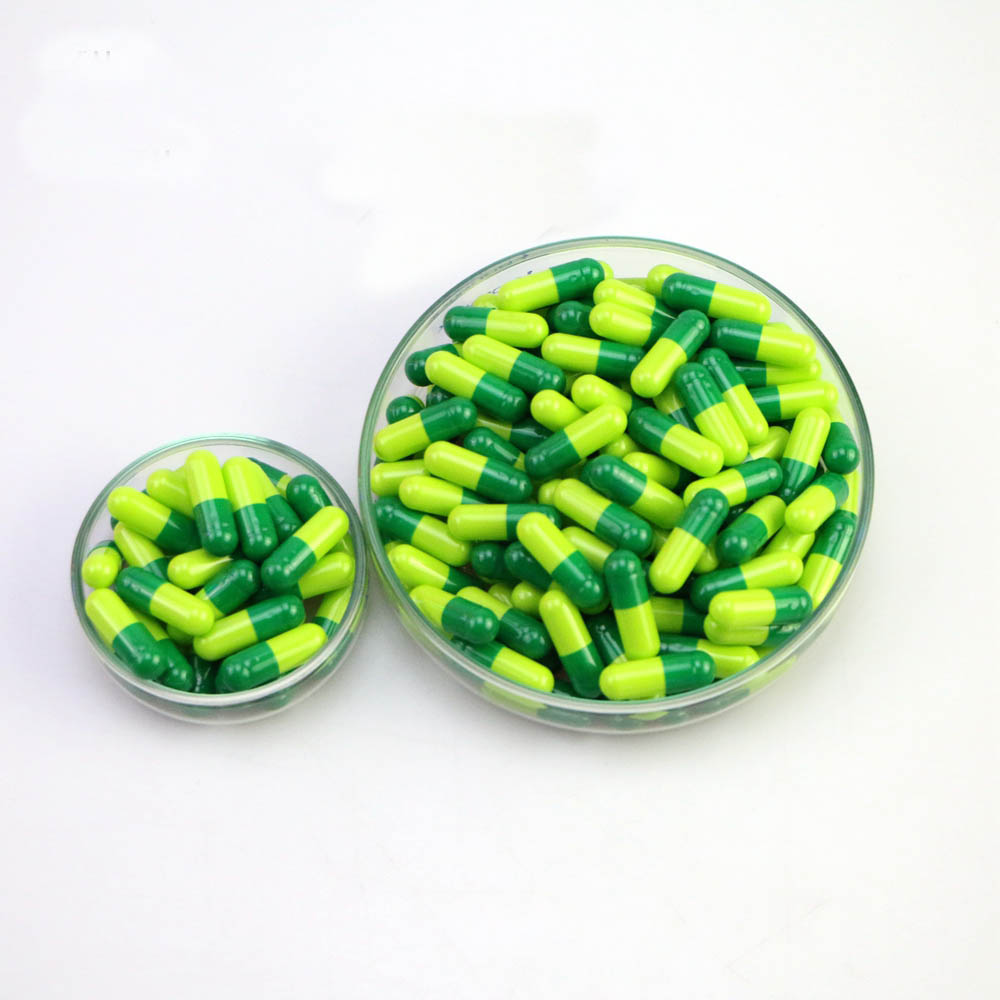 Halal empty hard geltin capsule
 -
 Golden_Pearl Hard Gelatin Capule
 -
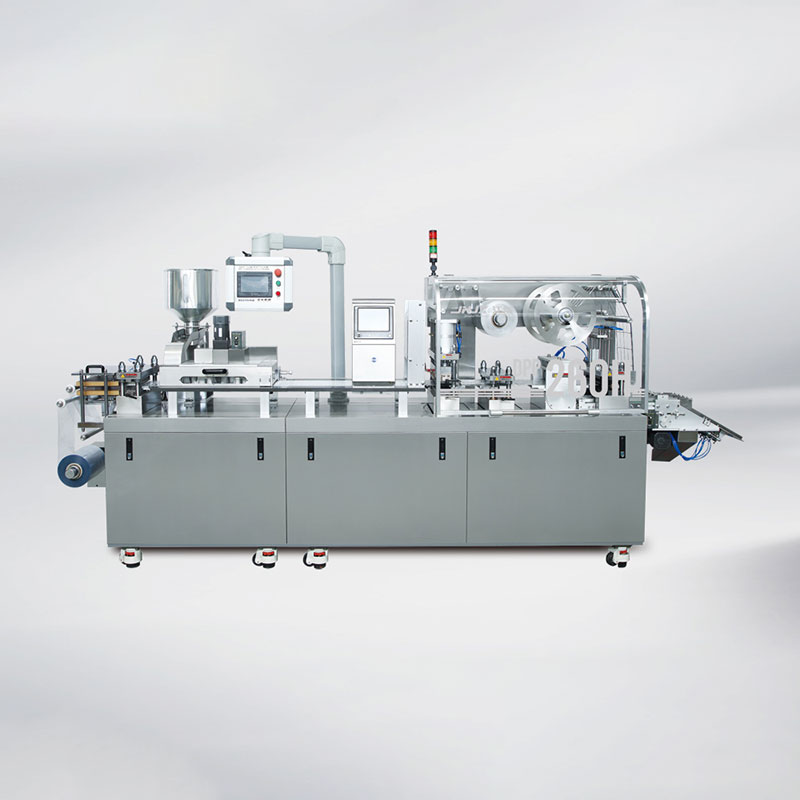 DPP-260H_DPP-320H Flat-plate Blister Packing Machine
Related Search
Related Search- vegetable capsules empty
- high quality size 0 vegetarian capsules
- high quality pill capsule filling machine
- Best vegetarian capsules size 1
- Discount automatic capsule filling machine manufacturer
- capsule powder filling machine
- OEM Blister machine FOR tABLET
- high quality best capsule filling machine
- hard gelatin capsule filling
- capsule filler size 00