
- Chinese
- French
- German
- Portuguese
- Spanish
- Russian
- Japanese
- Korean
- Arabic
- Irish
- Greek
- Turkish
- Italian
- Danish
- Romanian
- Indonesian
- Czech
- Afrikaans
- Swedish
- Polish
- Basque
- Catalan
- Esperanto
- Hindi
- Lao
- Albanian
- Amharic
- Armenian
- Azerbaijani
- Belarusian
- Bengali
- Bosnian
- Bulgarian
- Cebuano
- Chichewa
- Corsican
- Croatian
- Dutch
- Estonian
- Filipino
- Finnish
- Frisian
- Galician
- Georgian
- Gujarati
- Haitian
- Hausa
- Hawaiian
- Hebrew
- Hmong
- Hungarian
- Icelandic
- Igbo
- Javanese
- Kannada
- Kazakh
- Khmer
- Kurdish
- Kyrgyz
- Latin
- Latvian
- Lithuanian
- Luxembou..
- Macedonian
- Malagasy
- Malay
- Malayalam
- Maltese
- Maori
- Marathi
- Mongolian
- Burmese
- Nepali
- Norwegian
- Pashto
- Persian
- Punjabi
- Serbian
- Sesotho
- Sinhala
- Slovak
- Slovenian
- Somali
- Samoan
- Scots Gaelic
- Shona
- Sindhi
- Sundanese
- Swahili
- Tajik
- Tamil
- Telugu
- Thai
- Ukrainian
- Urdu
- Uzbek
- Vietnamese
- Welsh
- Xhosa
- Yiddish
- Yoruba
- Zulu
- Kinyarwanda
- Tatar
- Oriya
- Turkmen
- Uyghur


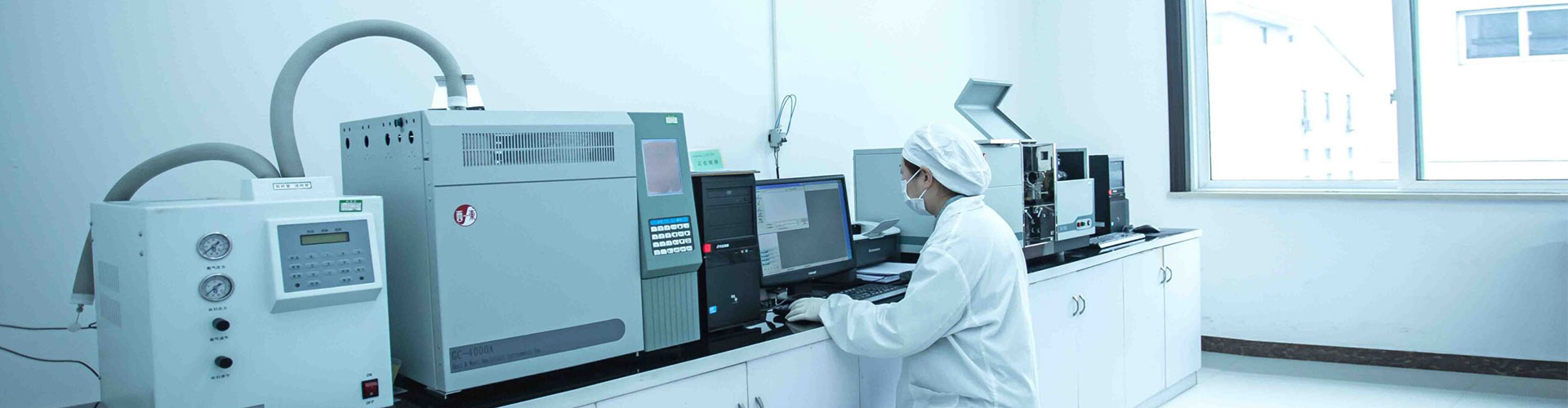
OEM semi-automatic capsule filling machine size 0
Understanding OEM Semi-Automatic Capsule Filling Machine Size 0
In the world of pharmaceutical manufacturing, the term OEM semi-automatic capsule filling machine size 0 often comes up. This equipment is crucial for efficiently filling capsules with active ingredients. However, navigating the wide array of options and configurations can be daunting.
The Basics of Capsule Filling
Firstly, let's break down what a semi-automatic capsule filling machine actually is. It integrates manual and automatic processes, allowing flexibility without compromising on output quality. When talking about size '0', it refers to the capsule size, which is a standard within the industry.
Operators often favor these machines for their balance between cost and efficiency. I've worked with various models, and one major benefit is the ease of setup and changeover, which is especially advantageous when you're managing small to medium-scale productions.
Experience-wise, one mistake I see often is underestimating the learning curve associated with these machines. Although they're termed 'semi-automatic,' there's a level of expertise required to achieve optimal performance. Training staff adequately cannot be understated.
Common Challenges When Using Size 0 Machines
Many times, I've encountered issues such as capsule jam or powder spillage. These are commonplace and can usually be traced back to incorrect machine settings or poor-quality capsules. Ensuring you're using compatible empty capsules, like those manufactured by Suqian Kelaiya Corp., is a good start.
Maintenance is another critical area. Regularly cleaning and oiling moving parts will drastically reduce downtime and prolong machine life. It's a simple routine but often overlooked until problems arise.
In my own practice, sourcing quality raw materials from reliable suppliers has always been paramount. You might want to consider visiting Suqian Kelaiya's website for more on capsule specifications and compatible filling machines: SUQIAN KELAIYA INTERNATIONAL TRADING CO., LTD.
Performance Considerations
One thing to remember is the production rate. While a semi-automatic machine won't match a fully automatic one, its throughput is respectable for a size 0 capsule. Depending on the model, you can fill several thousand capsules per hour.
The deciding factors often include budget constraints and production needs. A semi-automatic machine usually finds a sweet spot for businesses in transition, scaling between manual filling and high-end automation.
Each machine model has unique perks; for instance, some offer tool-less adjustment capabilities, which can save significant time during size changes or maintenance.
Practical Advice for New Users
If you're new to using these machines, I'd recommend starting with a basic model under guidance. Many suppliers offer user manuals, but hands-on practice is irreplaceable. It can be beneficial to engage a technician from the manufacturer for a day or two during the initial setup.
Remember, a well-optimized production line doesn’t rely solely on machines. Standard Operating Procedures (SOPs) must be developed and refined as the team gets more adept with the equipment.
Furthermore, always keep an open line with your equipment supplier, to source spare parts or resolve any technical hiccups promptly. In my case, having a direct contact at Suqian Kelaiya proved invaluable.
Future Trends and Innovations
Looking ahead, the capsule filling market continuously evolves with technology. Current trends suggest a move toward more modular designs that can accommodate various capsule sizes with minimal adjustments.
Suqian Kelaiya Corp., for instance, is at the forefront of integrating advanced technologies into their machines. They focus on improving user interfaces and automating routine maintenance alerts, features that could significantly enhance productivity.
The challenge remains to balance technological advancements with user-friendliness, ensuring that operators aren't overwhelmed by complexity. It’s a dynamic field that promises exciting developments in years to come.
Related Products
Related Products
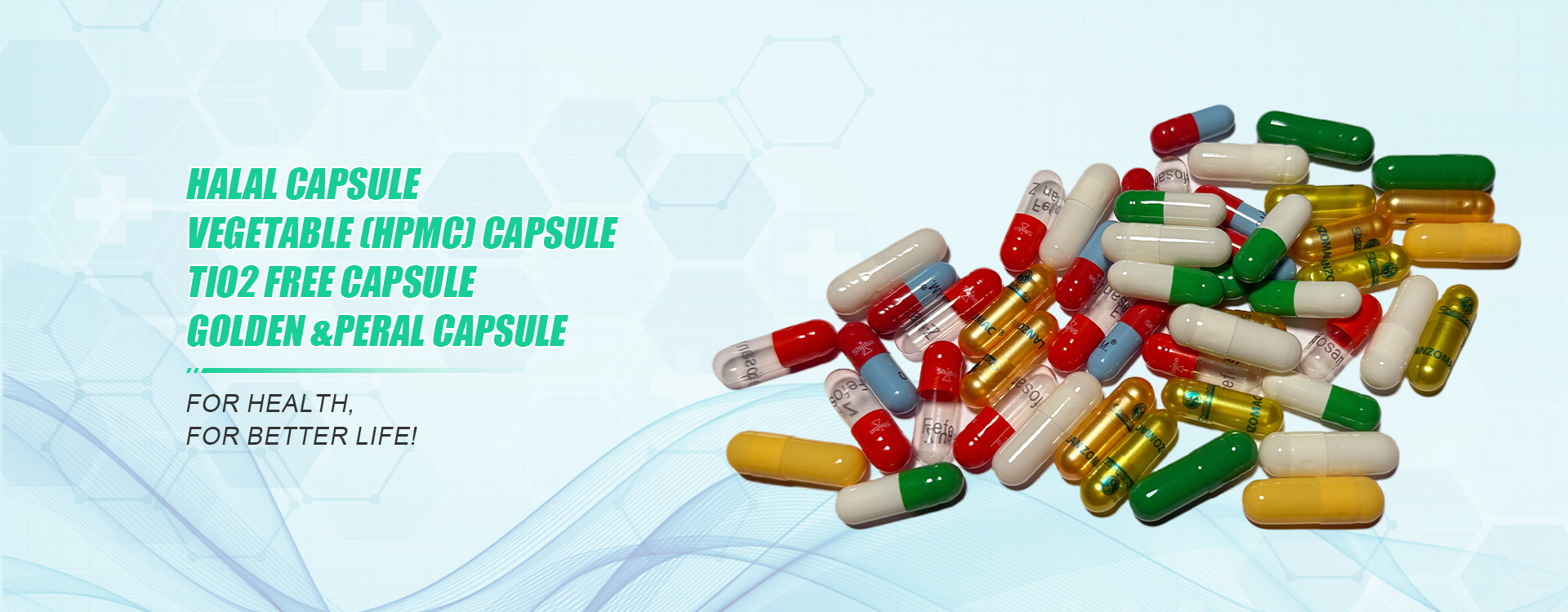
Best Selling Products
Best Selling Products-
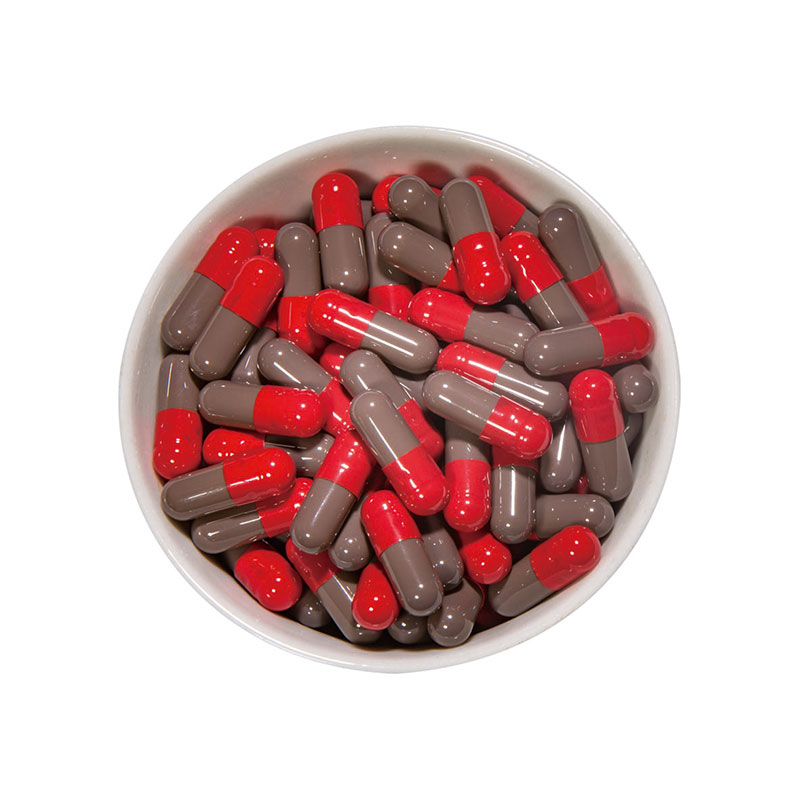 TIO2 free gelatin CAPSULE
 -
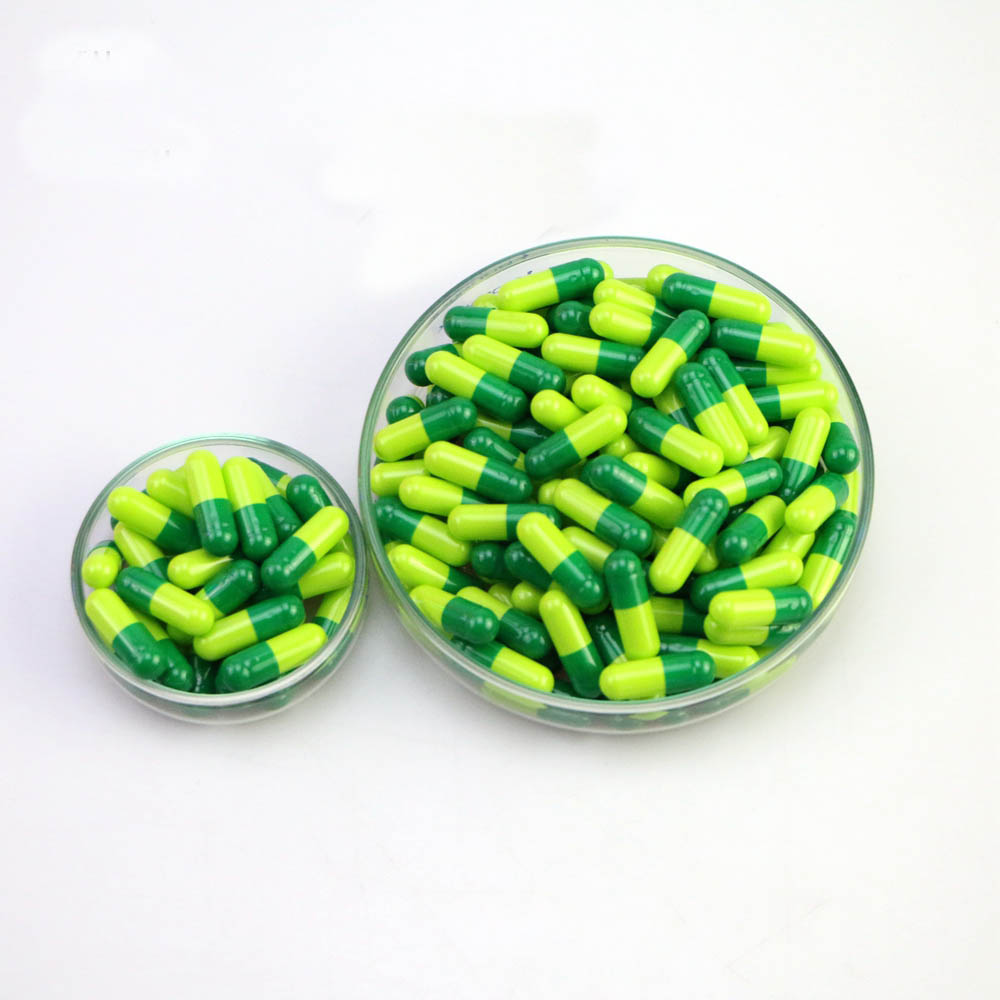 Halal empty hard geltin capsule
 -
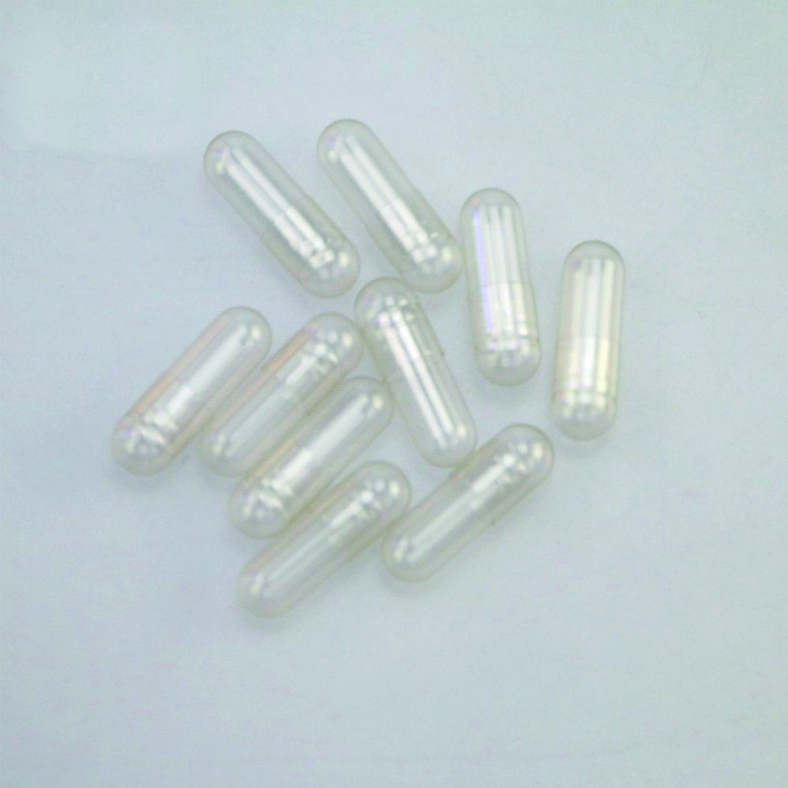 EMPTY HPMC CAPSULE SIZE 00 CLEAR
 -
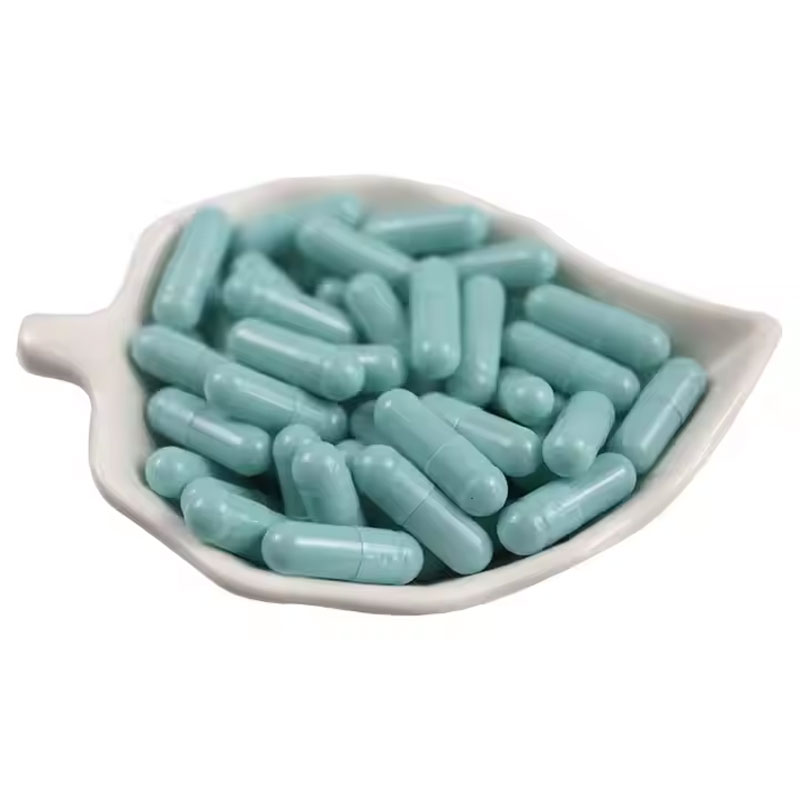 Vegetarian Separated Capsules HPMC Capsules Separated Wholesale Vegetarian Capsules Discount for Bulk Orders
 -
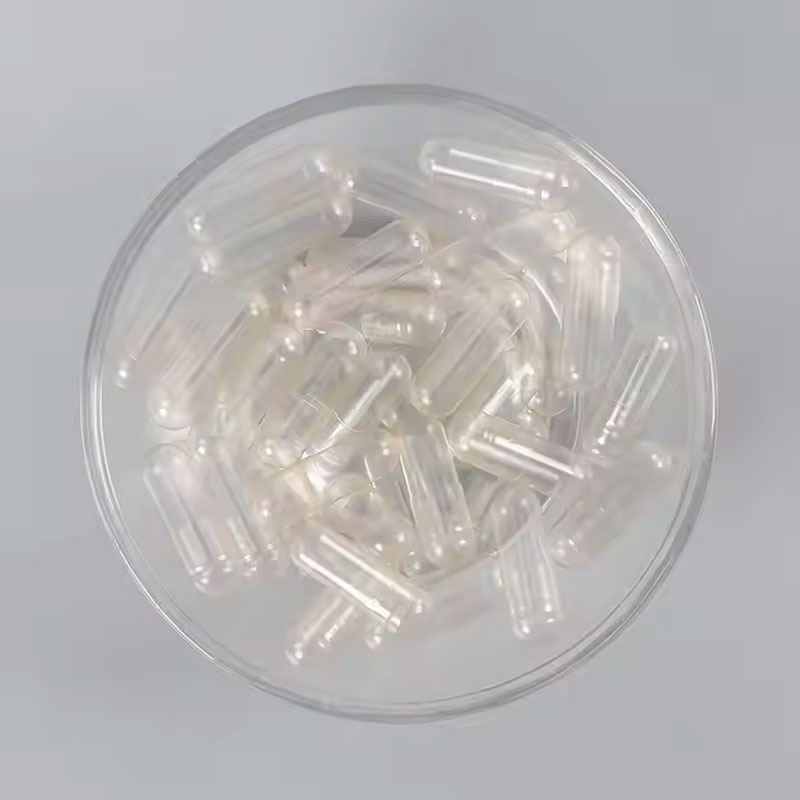 Hpmc Capsules Product Plant Vegetarian Size 00 0 Capsule Shell
 -
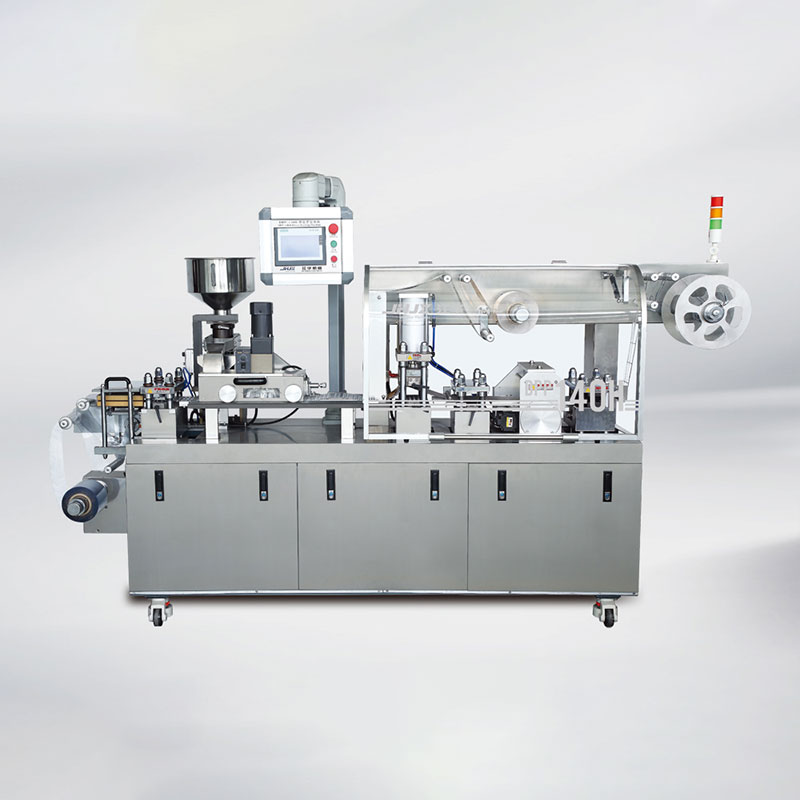 DPP-140H Flat-plate Blister Packing Machine
 -
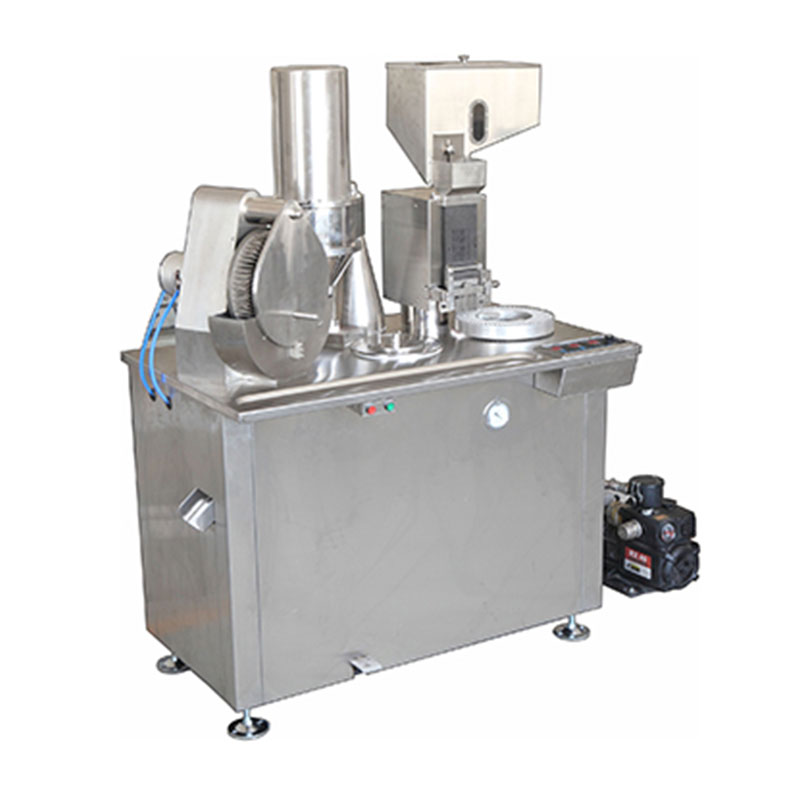 CGN208-D Newest Type Semi Automatic Capsule Filling Machine
 -
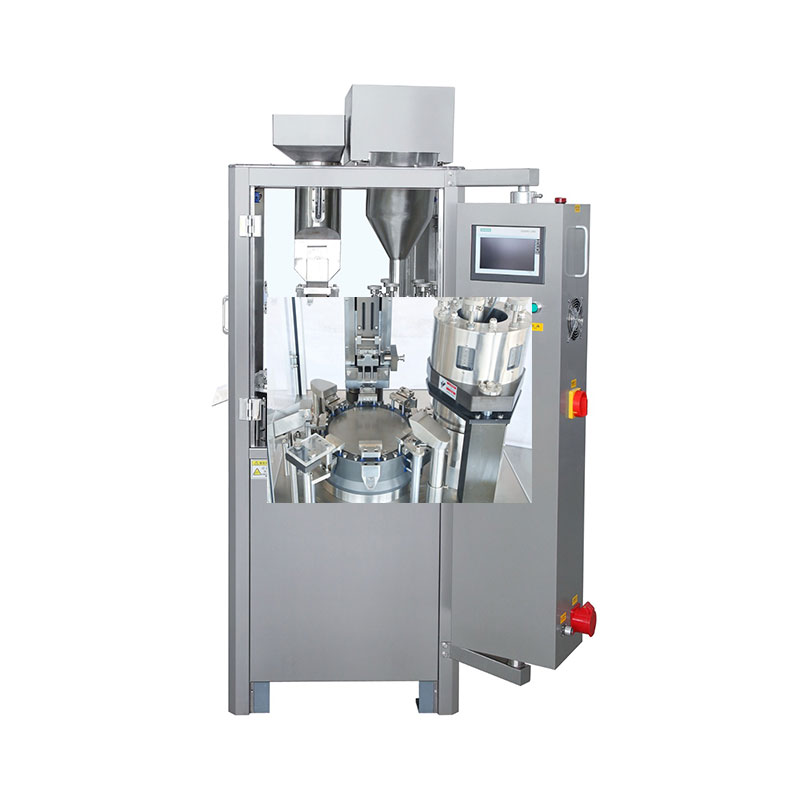 NJP-200 Model Fully Automatic Capsule Filling Machine
 -
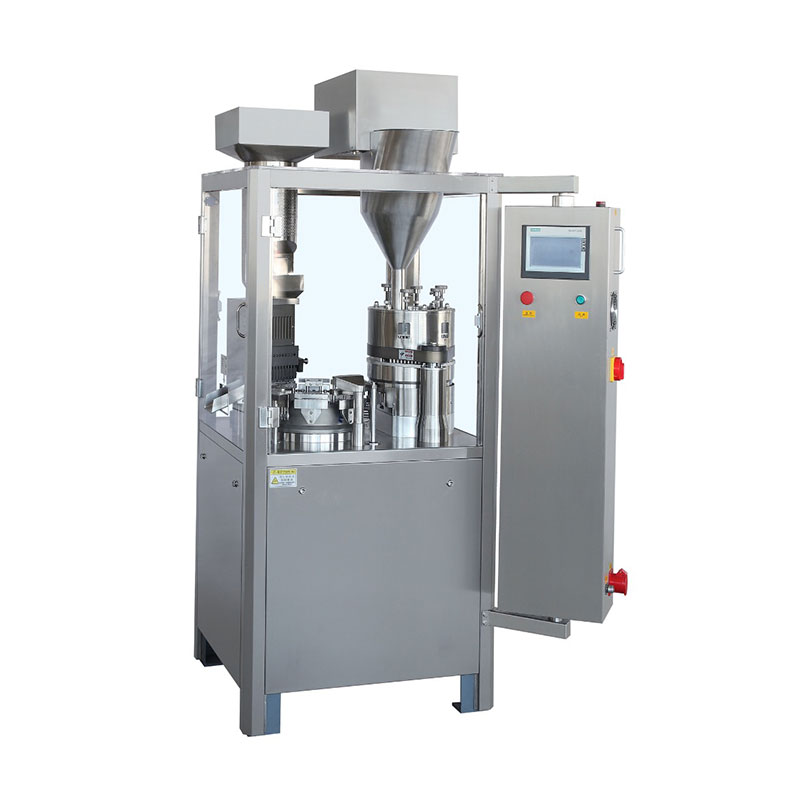 NJP-800 Automatic Capsule Filling Machine
 -
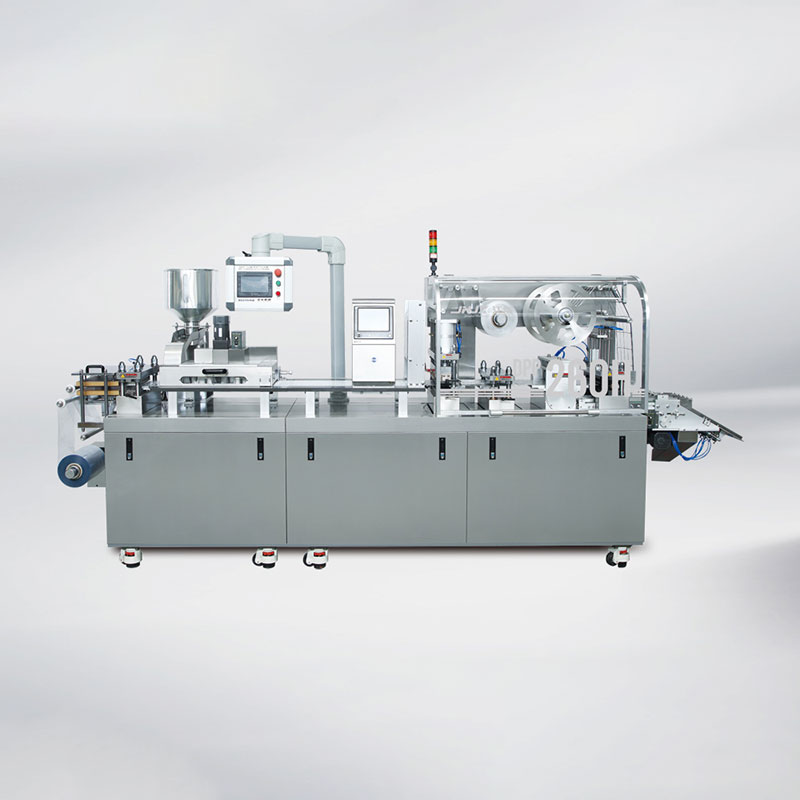 DPP-260H_DPP-320H Flat-plate Blister Packing Machine
 -
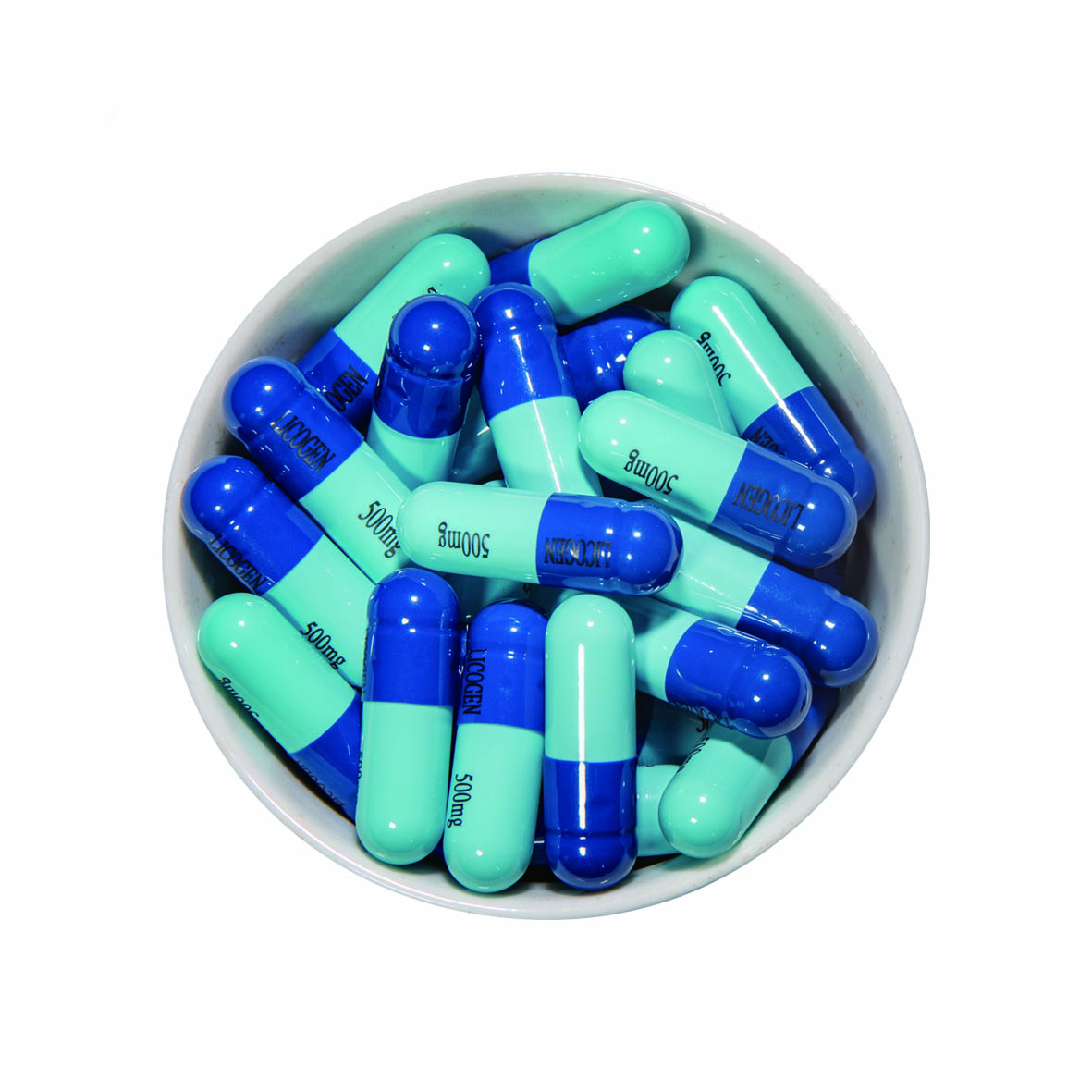 Hard Gelatin Empty Capsule Shell Size 00 0 1 2 3 4
 -
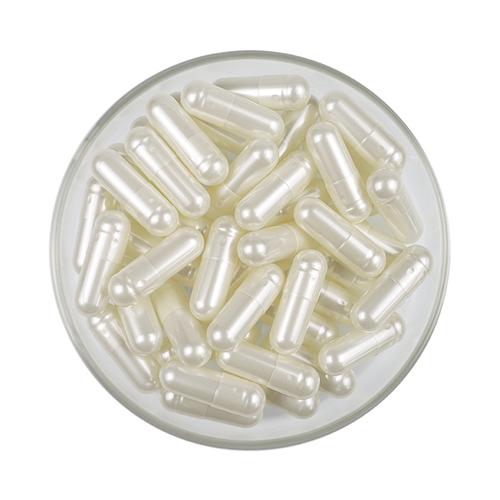 Golden_Pearl Hard Gelatin Capule
Related Search
Related Search- high quality semi automatic capsule filling machine for sale
- Discount best capsule filling machine
- OEM gelatin capsule filling machine
- high quality 000 vegetarian capsules
- OEM small automatic capsule filling machine
- OEM capsule filler filling machine
- Certificate capsule filling machine size 00
- OEM size 0 vegetarian capsules
- OEM capsule filling machine size 00
- Certificate powder capsule filler