
- Chinese
- French
- German
- Portuguese
- Spanish
- Russian
- Japanese
- Korean
- Arabic
- Irish
- Greek
- Turkish
- Italian
- Danish
- Romanian
- Indonesian
- Czech
- Afrikaans
- Swedish
- Polish
- Basque
- Catalan
- Esperanto
- Hindi
- Lao
- Albanian
- Amharic
- Armenian
- Azerbaijani
- Belarusian
- Bengali
- Bosnian
- Bulgarian
- Cebuano
- Chichewa
- Corsican
- Croatian
- Dutch
- Estonian
- Filipino
- Finnish
- Frisian
- Galician
- Georgian
- Gujarati
- Haitian
- Hausa
- Hawaiian
- Hebrew
- Hmong
- Hungarian
- Icelandic
- Igbo
- Javanese
- Kannada
- Kazakh
- Khmer
- Kurdish
- Kyrgyz
- Latin
- Latvian
- Lithuanian
- Luxembou..
- Macedonian
- Malagasy
- Malay
- Malayalam
- Maltese
- Maori
- Marathi
- Mongolian
- Burmese
- Nepali
- Norwegian
- Pashto
- Persian
- Punjabi
- Serbian
- Sesotho
- Sinhala
- Slovak
- Slovenian
- Somali
- Samoan
- Scots Gaelic
- Shona
- Sindhi
- Sundanese
- Swahili
- Tajik
- Tamil
- Telugu
- Thai
- Ukrainian
- Urdu
- Uzbek
- Vietnamese
- Welsh
- Xhosa
- Yiddish
- Yoruba
- Zulu
- Kinyarwanda
- Tatar
- Oriya
- Turkmen
- Uyghur



high quality vegetable capsules sizes
Exploring the World of High Quality Vegetable Capsules and Their Sizes
When it comes to dietary supplements, the choice of capsule is often overlooked. Yet, the type and size of a capsule can significantly influence both the efficacy of the supplement and the consumer’s experience. As someone who’s spent a considerable amount of time in this industry, I've seen firsthand how crucial it is to pick the right high quality vegetable capsules. Let’s delve into the factors that matter and some pitfalls to avoid.
Understanding Capsule Sizes
There's a misconception that the larger the capsule, the more effective the supplement. While size does correlate with dosage capacity, it’s not a straightforward calculation. For those new to this, a 'Size 0' capsule is often a standard choice, with its balance between volume and ease of swallowing. However, there are options from 'Size 5'—smaller and easier for children—to 'Size 000', which are substantial and usually reserved for those who can manage them.
The size you choose should match your dosage needs without making it uncomfortable for the consumer. I recall an instance where we had a customer complaint about a too-large capsule. Adjusting the capsule size led to a significant increase in satisfaction. It's these little tweaks that matter.
Moreover, the capsule size can affect the number of pills in a bottle, impacting consumer perceptions about value and effectiveness. It’s a balancing act between what’s fitting, feasible, and marketable.
The Role of Material in Capsule Quality
While size is important, the composition of the capsule matters just as much. High quality vegetable capsules are often preferred due to their natural ingredients and compatibility with vegetarian and vegan diets. Plus, they are less likely to cause allergies or adverse effects compared to their gelatin counterparts.
From personal experience working with SUQIAN KELAIYA INTERNATIONAL TRADING CO., LTD, a company focused on new drug development and capsule manufacturing, the choice of material isn't just about dietary preferences. It’s about stability and how the capsule interacts with its contents over time. More stable materials preserve the efficacy of the enclosed substances better.
I've been part of discussions where the decision on material came down to shelf-life issues. Veggie capsules generally weather the test of time better, especially in diverse storage environments.
Manufacturing Insights
Getting into the nitty-gritty of manufacturing, it’s clear how technology impacts quality. At Suqian kelaiya corp., with their state-of-the-art facilities found in Zhejiang and Jiangsu provinces, precision and consistency are key. From what I've seen, it’s not just about producing capsules but maintaining stringent quality controls at each step.
The manufacturing process can be intricate, with steps that require careful monitoring. Machines need regular calibration to ensure that each batch meets specific weight and size requirements. A slip in any process stage can lead to a product recall or worse, customer health risks.
There’s a learning curve here. For instance, early in my career, underestimating the importance of machine maintenance led to a misaligned manufacturing line. It was a valuable lesson on the importance of process management.
Consumer Preferences and Market Trends
Understanding consumer preferences can guide product development. Many consumers now seek transparency and eco-friendliness in their supplement choices. This trend isn’t just a marketing ploy—it’s a genuine demand shift. In a survey conducted by our team, a significant portion of respondents indicated a preference for vegetable-based capsules over gelatin, for ethical and health reasons.
Observations suggest that environmental concerns are driving the demand for sustainable products. As sustainability moves to the forefront, manufacturers like SUQIAN KELAIYA INTERNATIONAL TRADING CO., LTD aim to innovate with biodegradable capsule solutions. What’s fascinating is finding ways to be eco-conscious without sacrificing quality.
This transition influences both our marketing strategies and production methods, requiring ongoing research and development to meet these evolving needs.
The Future of Capsule Manufacturing
As the industry evolves, so does the technology and approach to high quality vegetable capsules. The future is likely to embrace further advancements in bioavailability, finding ways to make nutrients more efficiently absorbed by the body. This includes experimenting with new materials and technologies at facilities like those operated by Suqian kelaiya corp.
Another exciting frontier is personalized nutrition, where capsule manufacturing could align with individual health profiles. Imagine tailoring size and composition according to personal dietary needs or health goals. This could be a game-changer, albeit one that requires significant investment in both research and technology.
With such innovations on the horizon, the companies in this space are poised to lead a new era of nutritional science. The balance of product integrity and advancing technology offers promising prospects for both manufacturers and consumers.
In conclusion, choosing the right capsule goes beyond just size. It’s about understanding material implications, market demands, and manufacturing intricacies. As someone entrenched in this world, I can say that these details shape not just a product, but consumer trust and satisfaction.
Related Products
Related Products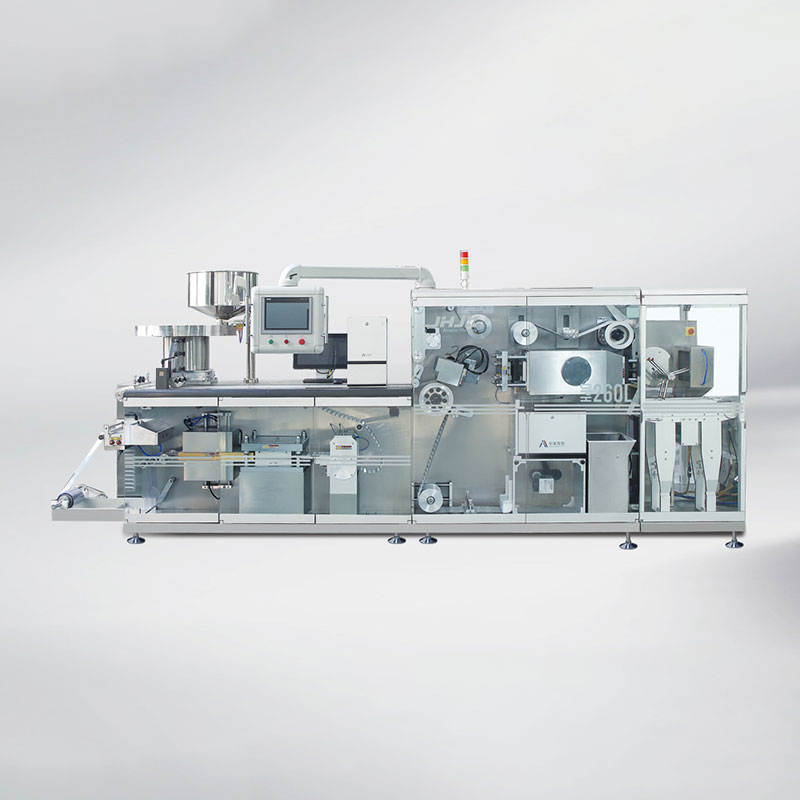
Best Selling Products
Best Selling Products-
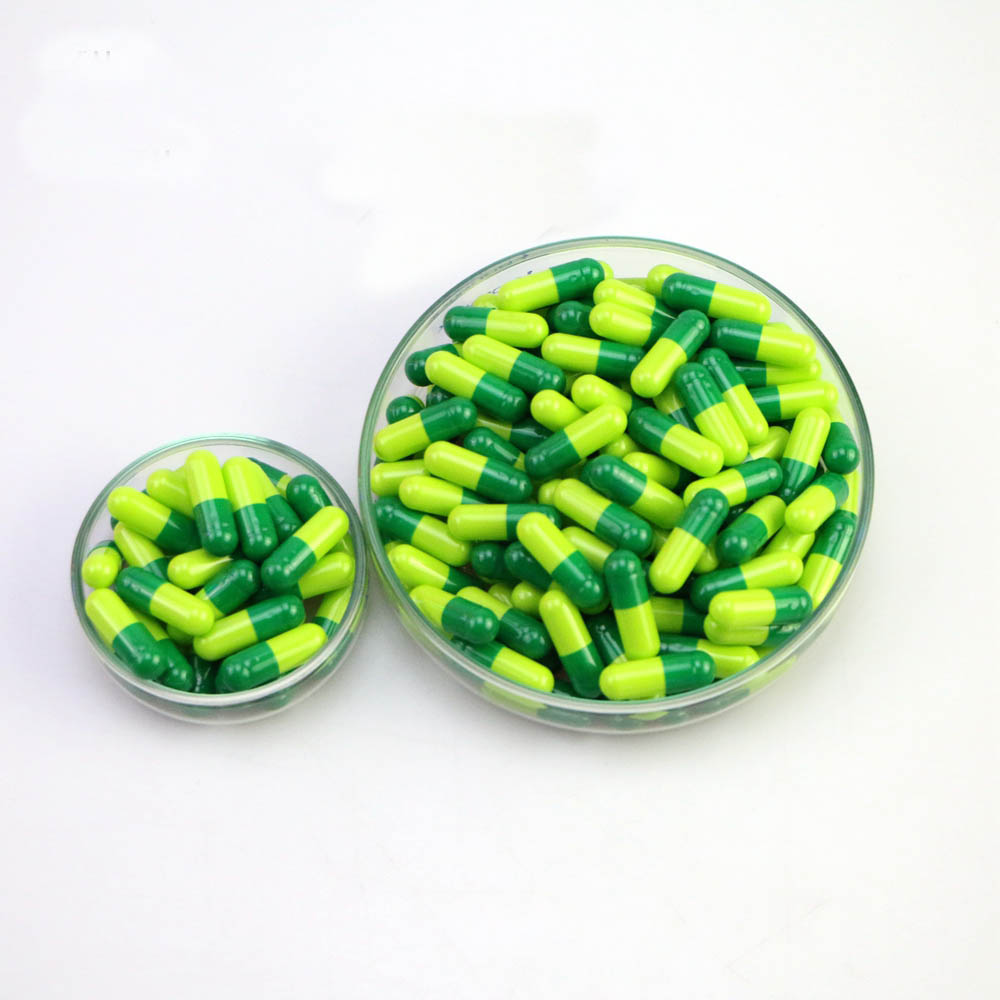 Halal empty hard geltin capsule
 -
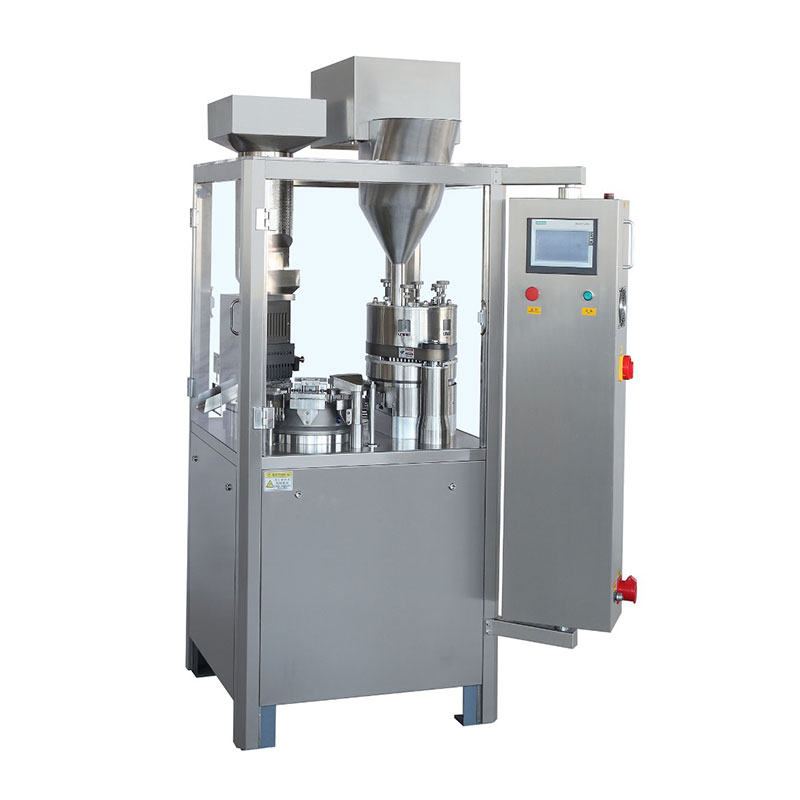 NJP-1200 Automatic Capsule Filling Machine
 -
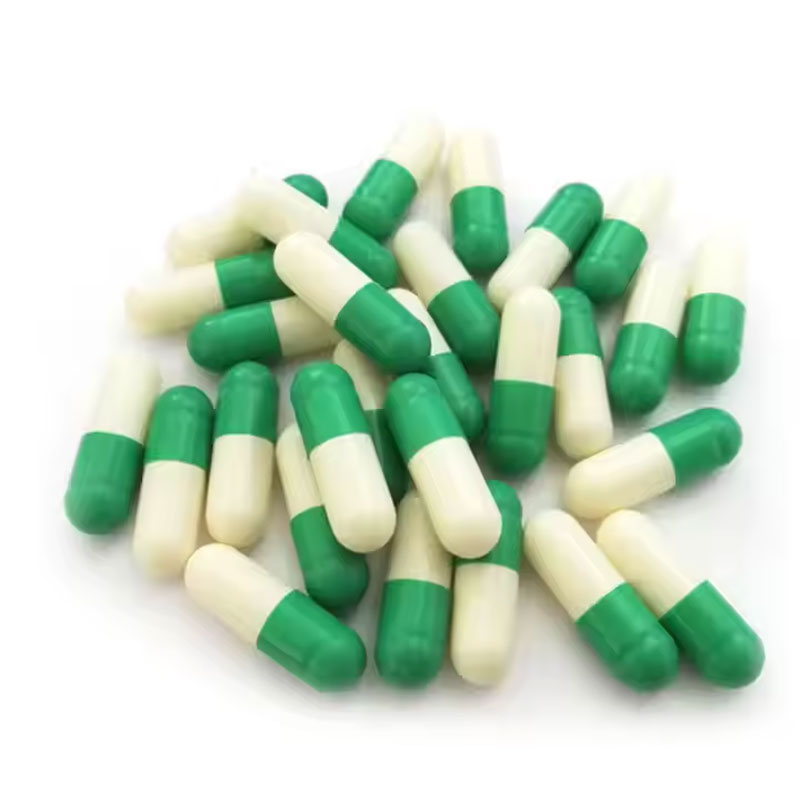 Size 00 hpmc capsules vegetarian capsules empty hard veggie capsules
 -
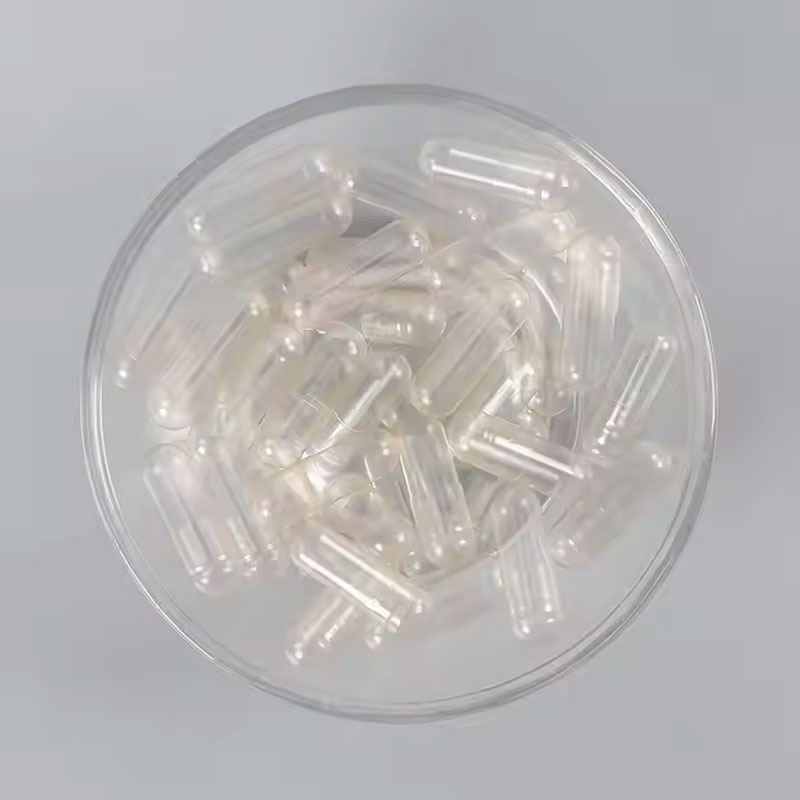 Hpmc Capsules Product Plant Vegetarian Size 00 0 Capsule Shell
 -
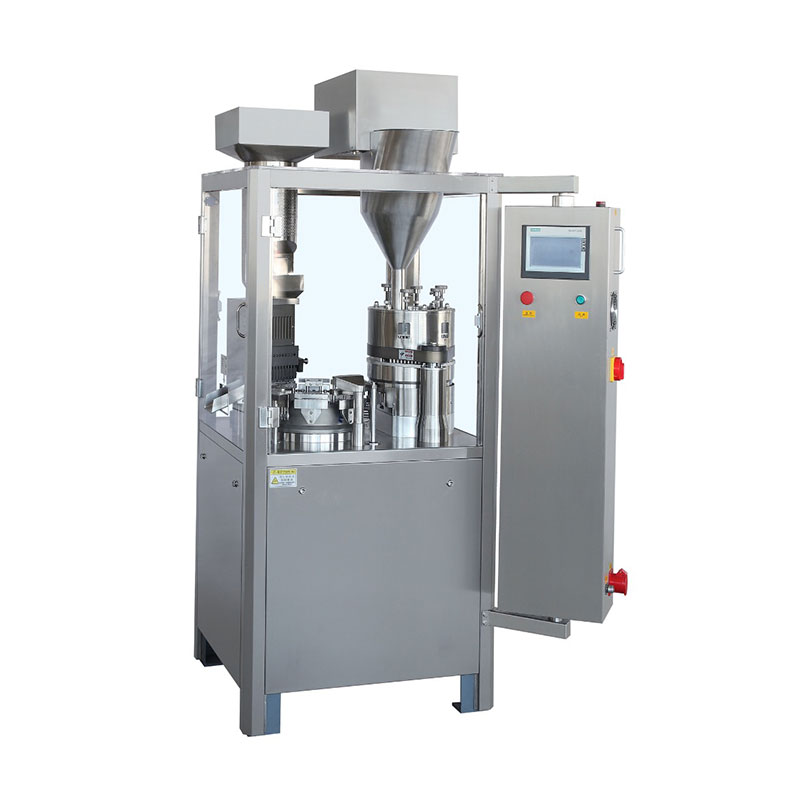 NJP-800 Automatic Capsule Filling Machine
 -
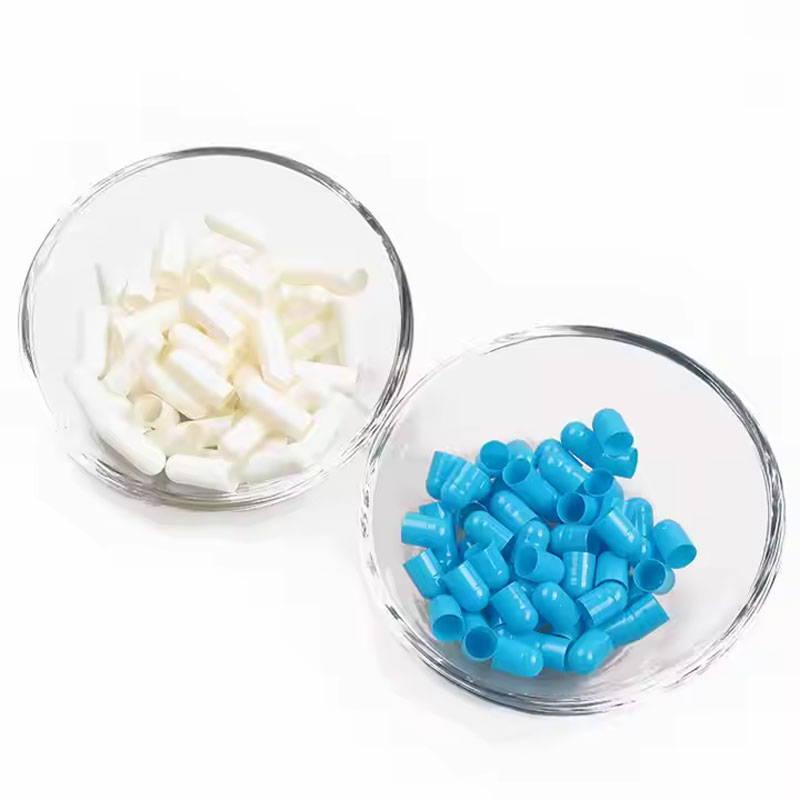 Empty VegCaps Shell Clear Empty Vegan Plant-Based Capsules Size 00 0 1 2 3 4 Natural Vegetable HPMC Capsules
 -
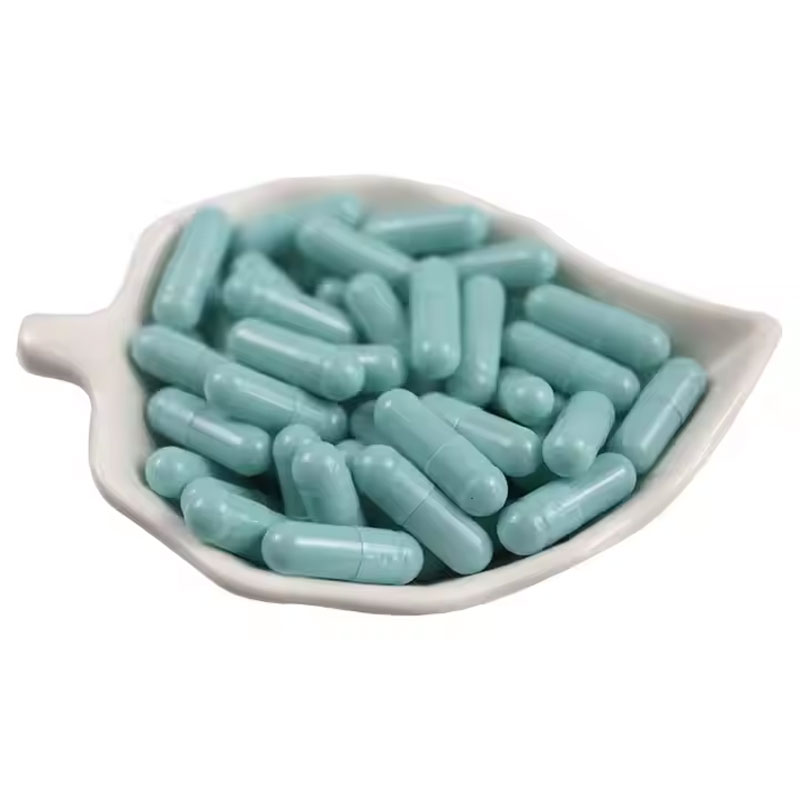 Vegetarian Separated Capsules HPMC Capsules Separated Wholesale Vegetarian Capsules Discount for Bulk Orders
 -
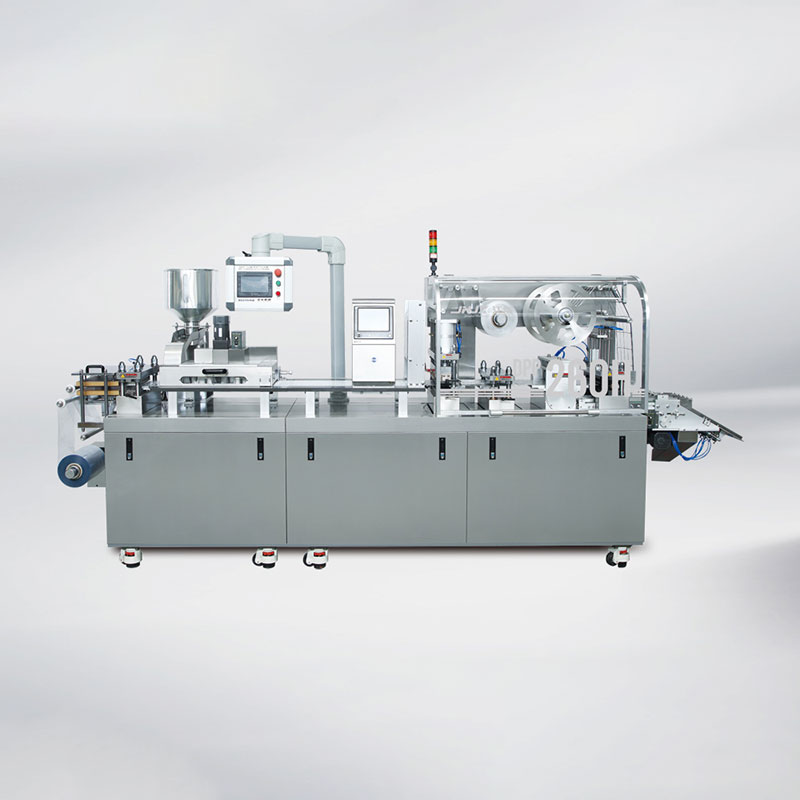 DPP-260H_DPP-320H Flat-plate Blister Packing Machine
 -
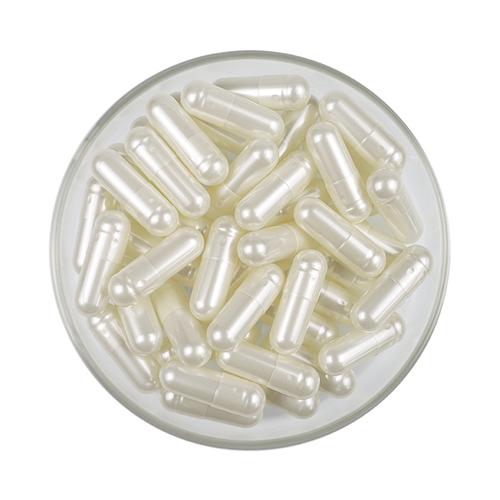 Golden_Pearl Hard Gelatin Capule
 -
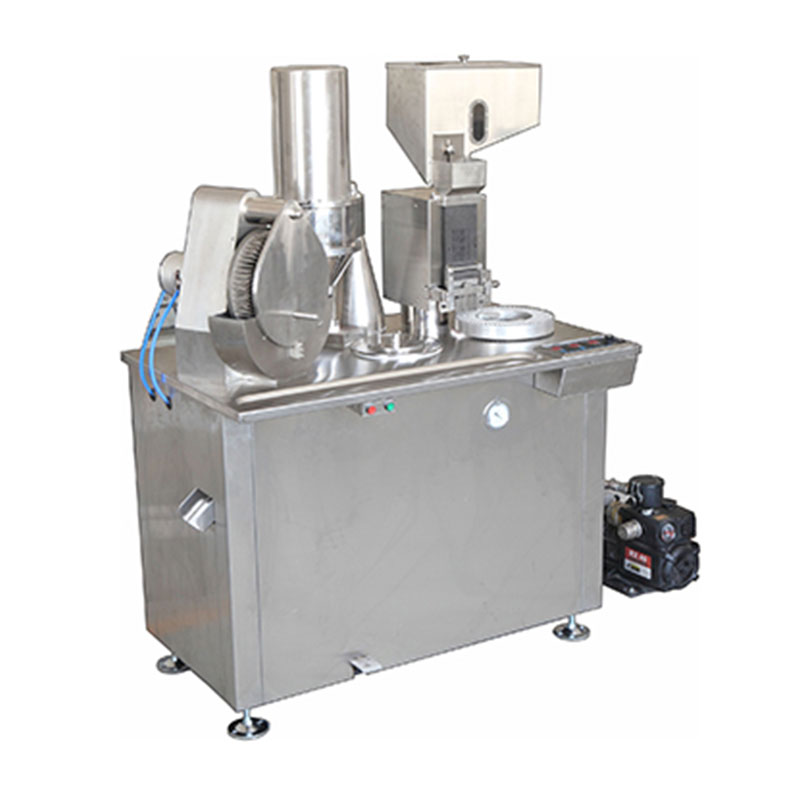 CGN208-D Newest Type Semi Automatic Capsule Filling Machine
 -
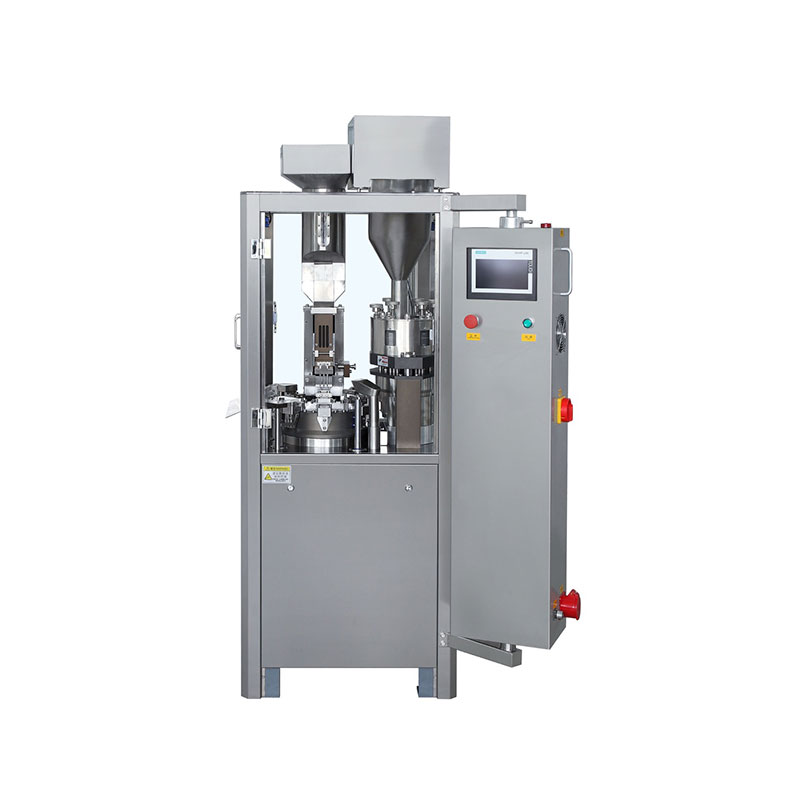 NJP-400 Fully Automatic Capsule Filling Machine
 -
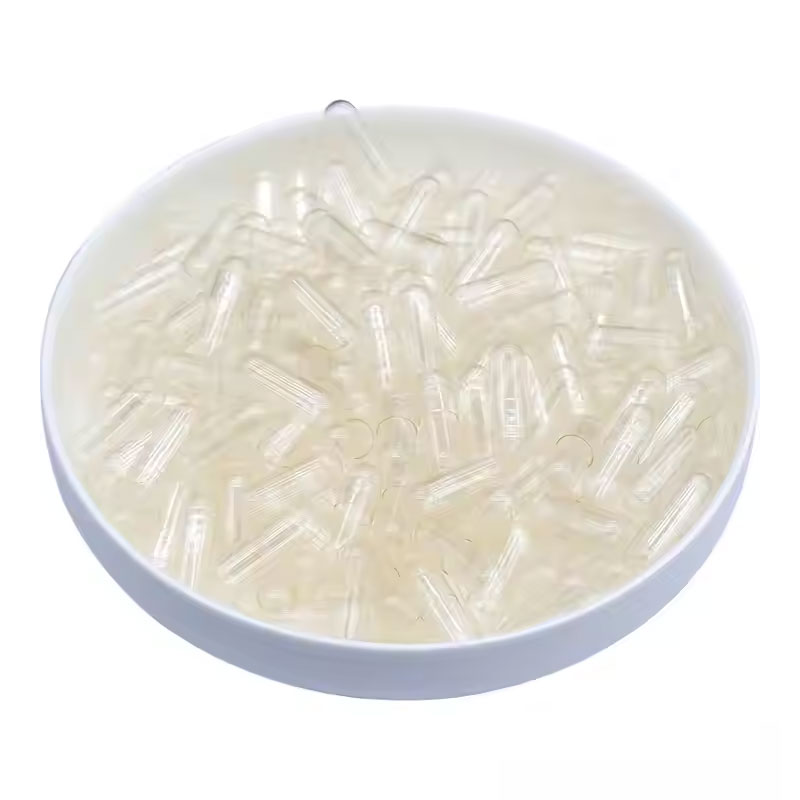 EMPTY VEGATABLE CAPSULE CLEAR SIZE 0
Related Search
Related Search- high quality size 1 capsule filling machine
- OEM CLEAR HPMC CAPSULE
- vegetable capsules 0
- Discount Pearl White Color Empty Capsules
- Discount capsule filling machine size 00
- Certificate 000 empty vegetarian capsules
- OEM empty vegetarian capsules near me
- high quality halala empty capsule
- Certificate capsule filler size 000
- Discount empty veggie capsules