
- Chinese
- French
- German
- Portuguese
- Spanish
- Russian
- Japanese
- Korean
- Arabic
- Irish
- Greek
- Turkish
- Italian
- Danish
- Romanian
- Indonesian
- Czech
- Afrikaans
- Swedish
- Polish
- Basque
- Catalan
- Esperanto
- Hindi
- Lao
- Albanian
- Amharic
- Armenian
- Azerbaijani
- Belarusian
- Bengali
- Bosnian
- Bulgarian
- Cebuano
- Chichewa
- Corsican
- Croatian
- Dutch
- Estonian
- Filipino
- Finnish
- Frisian
- Galician
- Georgian
- Gujarati
- Haitian
- Hausa
- Hawaiian
- Hebrew
- Hmong
- Hungarian
- Icelandic
- Igbo
- Javanese
- Kannada
- Kazakh
- Khmer
- Kurdish
- Kyrgyz
- Latin
- Latvian
- Lithuanian
- Luxembou..
- Macedonian
- Malagasy
- Malay
- Malayalam
- Maltese
- Maori
- Marathi
- Mongolian
- Burmese
- Nepali
- Norwegian
- Pashto
- Persian
- Punjabi
- Serbian
- Sesotho
- Sinhala
- Slovak
- Slovenian
- Somali
- Samoan
- Scots Gaelic
- Shona
- Sindhi
- Sundanese
- Swahili
- Tajik
- Tamil
- Telugu
- Thai
- Ukrainian
- Urdu
- Uzbek
- Vietnamese
- Welsh
- Xhosa
- Yiddish
- Yoruba
- Zulu
- Kinyarwanda
- Tatar
- Oriya
- Turkmen
- Uyghur


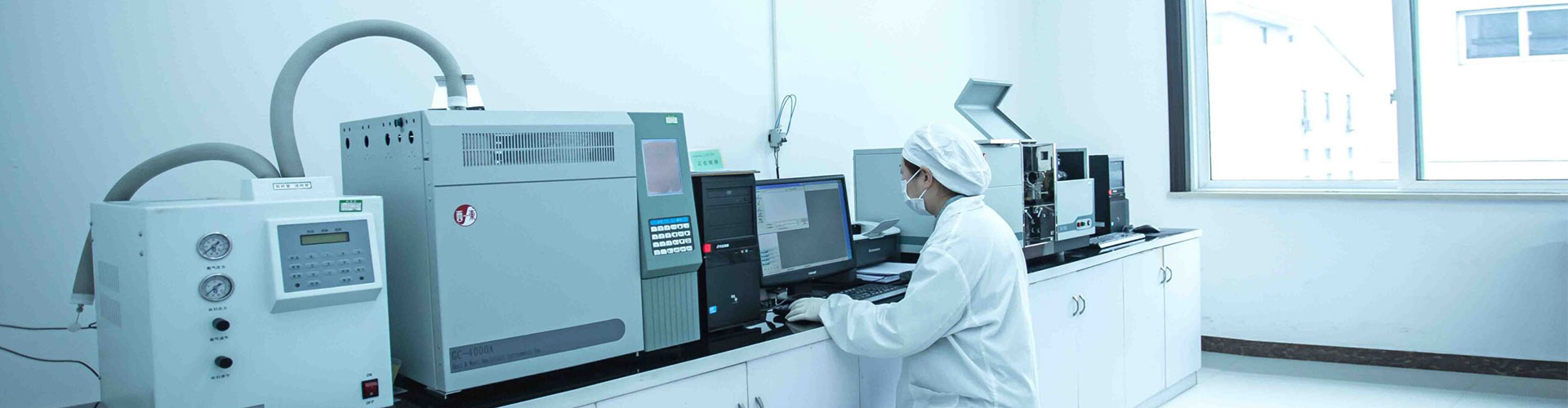
high quality powder capsule filling machine
The Intricacies of High Quality Powder Capsule Filling Machines
In the world of pharmaceutical manufacturing, the term high quality powder capsule filling machine is tossed around quite a bit. Yet, many in the industry, whether newcomers or seasoned experts, often have misconceptions about what makes a machine truly top-notch. Misunderstandings can stem from marketing noise or simply the rapid pace of technological change. Having worked hands-on with these machines, I'll share some insights and real-life experiences to shed light on their complexities.
Understanding the Basics
When we discuss a high quality powder capsule filling machine, it's crucial to first grasp the fundamental requirements. We're looking at precision, speed, and ease of use. Imagine being on a production floor: the machine needs to handle diverse powder types effectively—from fine granules to coarser materials—without compromising the capsule's integrity.
One common pitfall is underestimating the importance of machine compatibility with various powder types. I've seen firsthand how mismatches can lead to inefficiencies. A manufacturing site I visited once faced endless clogs because the filling heads weren't suited for the particular powder's flow characteristics. A simple misjudgment, but it halted an entire line.
Consistency is another crucial aspect. I've had the opportunity to test machines from different manufacturers. Some brands shine with their ability to maintain consistent fills, batch after batch. Others not so much. This consistency isn’t just a matter of brand prestige; it directly impacts operational costs and product quality.
The Role of Technology
Innovation in this field is relentless. Machines are becoming more sophisticated with automation and IoT capabilities. Yet, a tech-heavy approach doesn't always equate to quality. I've encountered machines laden with features—touch screens, remote diagnostics—that ultimately complicate rather than simplify the process for operators unused to them.
There's value in simplicity. One machine I recall had intuitive controls and minimalistic design but outperformed more elaborate models. It's a reminder that sometimes, less is more, especially in high-pressure manufacturing environments.
The evolving landscape means that companies like SUQIAN KELAIYA INTERNATIONAL TRADING CO., LTD are continually adapting. With manufacturing sites in Zhejiang and Jiangsu, they exemplify how a blend of cutting-edge technology and practical design can meet new drug development needs effectively (source: kelaiyacorp.com).
Practical Challenges
Even with a solid machine, the production environment throws unique challenges your way. Temperature and humidity variations can impact powder behavior. I've witnessed how subtle shifts in these parameters could lead to significant variances in capsule weight and integrity.
Maintenance also plays a big role. No matter the initial quality, ongoing upkeep is essential. I remember visiting a facility where a minor oversight in routine maintenance spiraled into prolonged downtime due to a seized filling head. Lesson learned: preventive maintenance is never optional.
Operator training is another dimension. The most sophisticated machine can become a liability if not used correctly. Training sessions I’ve held reinforce this, showing that investing time in proper education pays off in the long term.
Considerations for Selection
When selecting a high quality powder capsule filling machine, start with your specific needs. Are you dealing with a unique powder blend? What’s the desired output? Answering these can narrow down your choices significantly.
Being hands-on with demo models provides invaluable insights. I've consulted with teams, facilitating trials where users can interact with machines directly. Observing how the machine integrates within existing workflows reveals potential issues early.
For those sourcing machines globally, understanding manufacturer support and availability of spare parts is crucial. Suqian Kelaiya’s presence in multiple provinces offers a strategic advantage, ensuring quick after-sales support which is often a decisive factor.
Future Prospects
Looking forward, the demand for more sustainable solutions is growing. Machines are evolving to accommodate biodegradable capsules, aligning with industry sustainability goals. Recently, I've collaborated on projects that emphasize reducing energy consumption and waste.
The integration of AI to predict maintenance needs and optimize filling processes is another exciting frontier. Although still in early stages, the potential efficiency gains are considerable. It’s an area that companies like SUQIAN KELAIYA INTERNATIONAL TRADING CO., LTD are likely observing closely.
As this field continues to develop, staying informed and adaptable is key. For any business involved with pharmaceuticals, understanding the intricacies of their capsule filling operations and leveraging emerging technologies will be crucial for maintaining a competitive edge.
Related Products
Related Products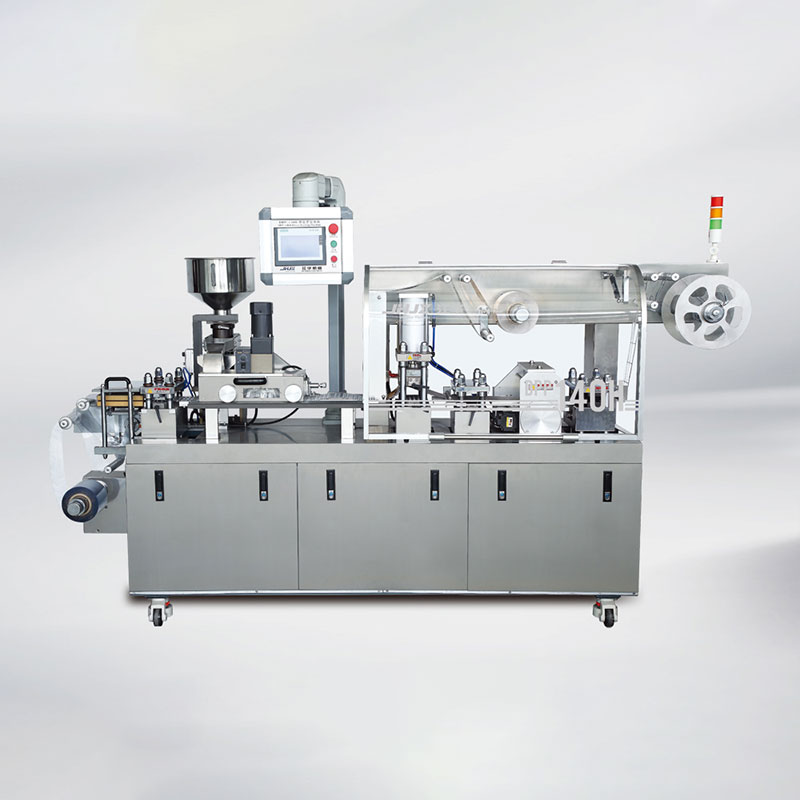
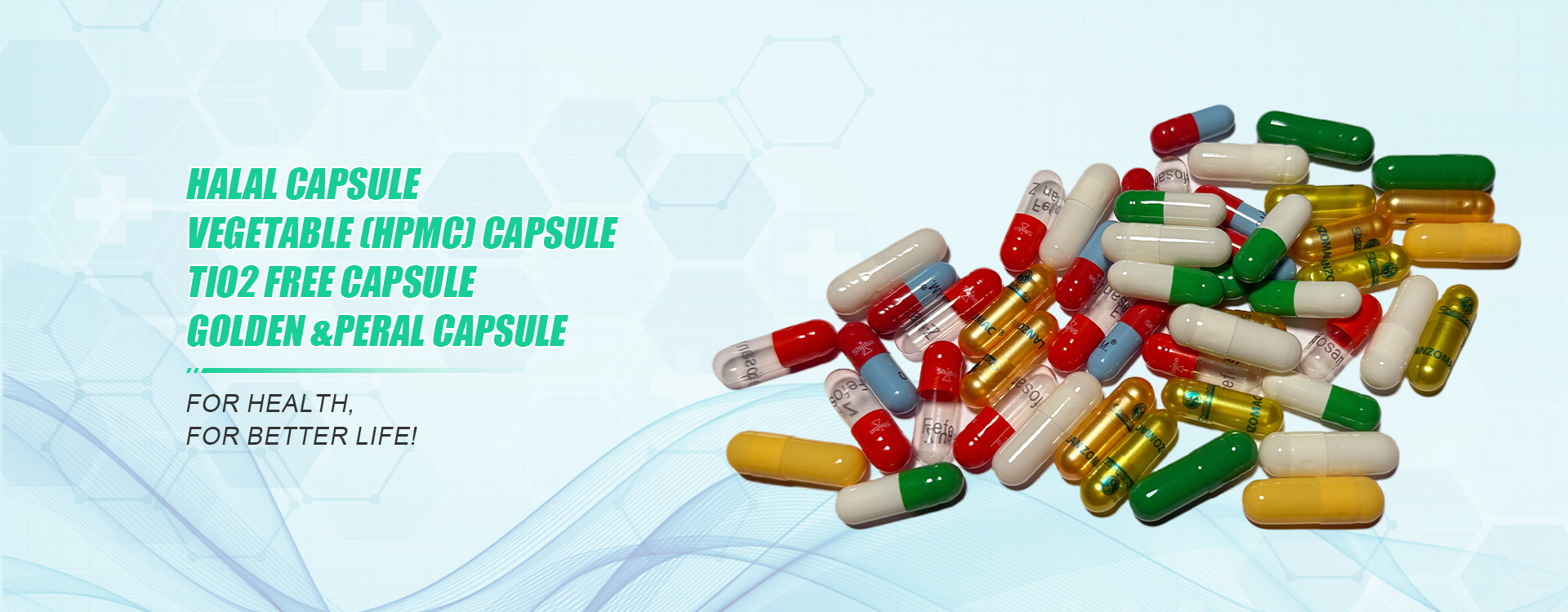
Best Selling Products
Best Selling Products-
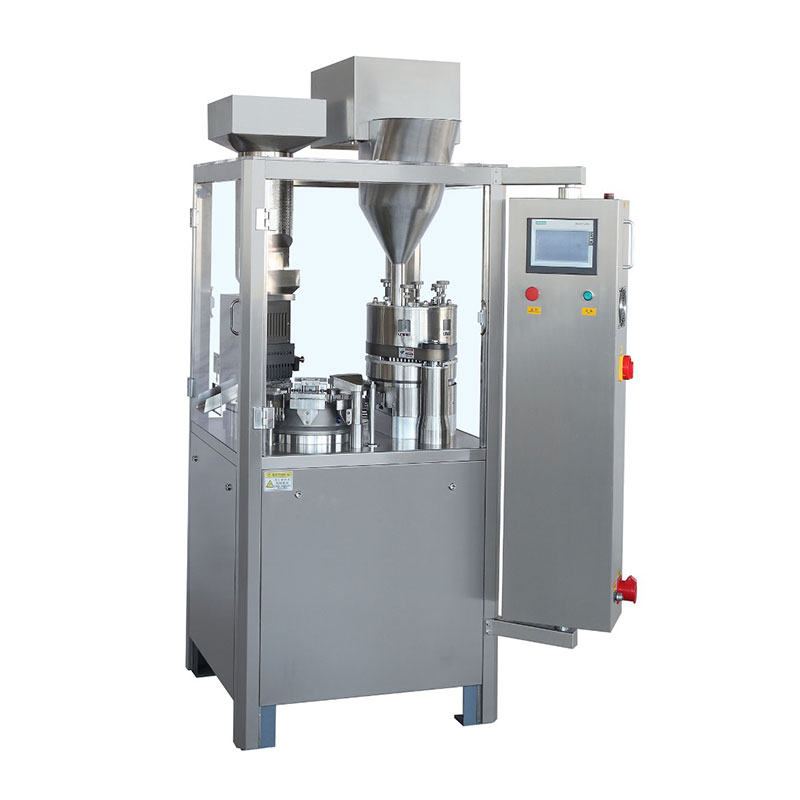
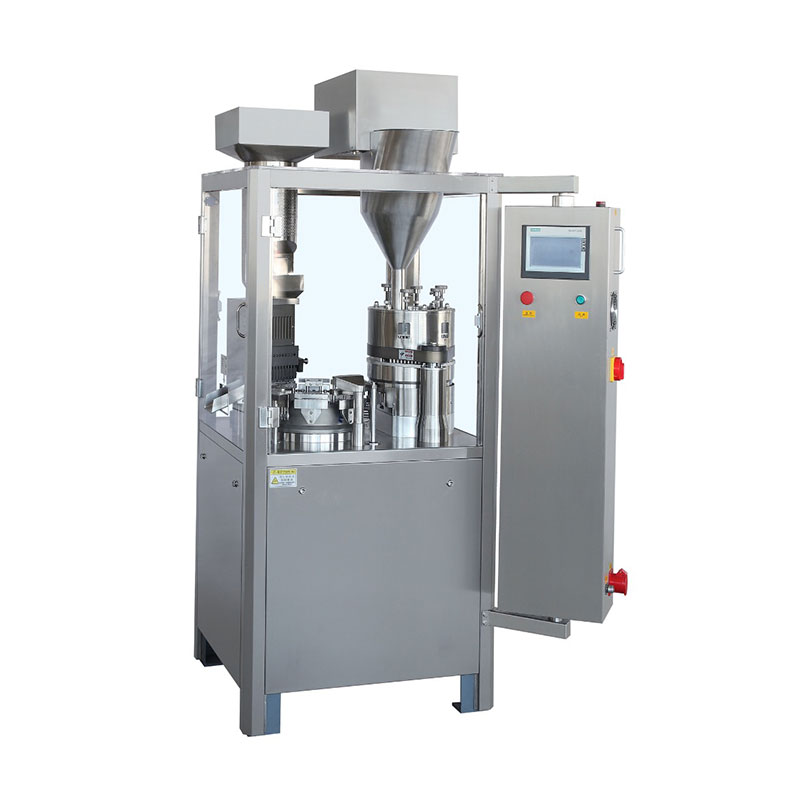 NJP-800 Automatic Capsule Filling Machine
 -
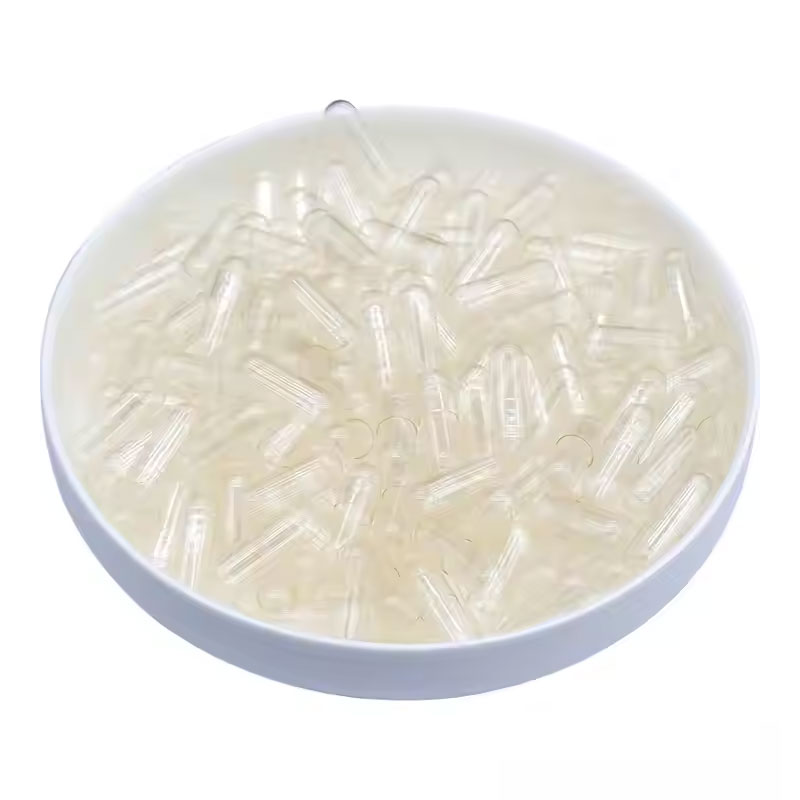
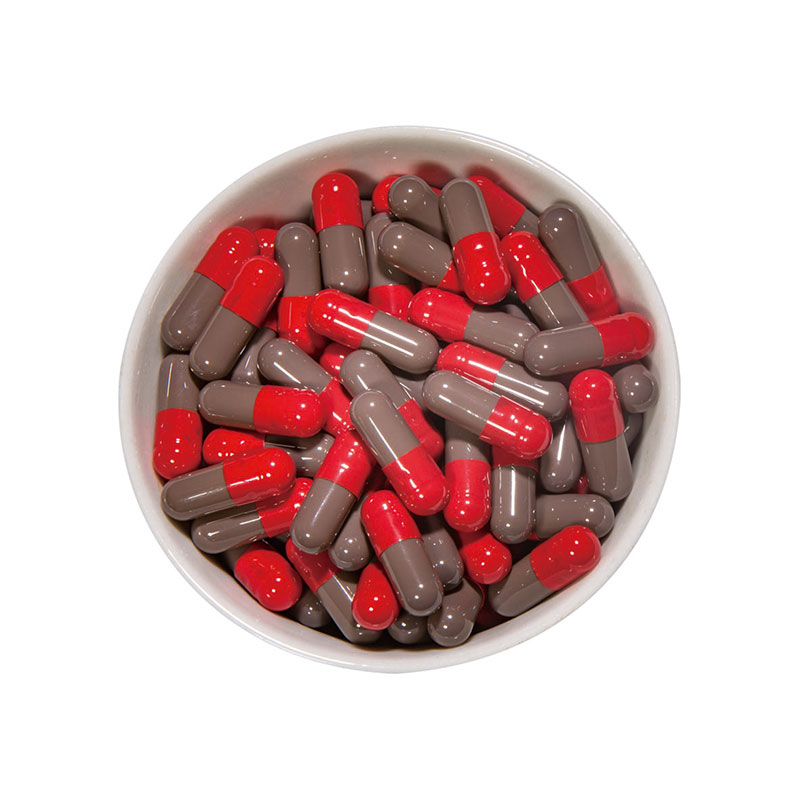 TIO2 free gelatin CAPSULE
 -
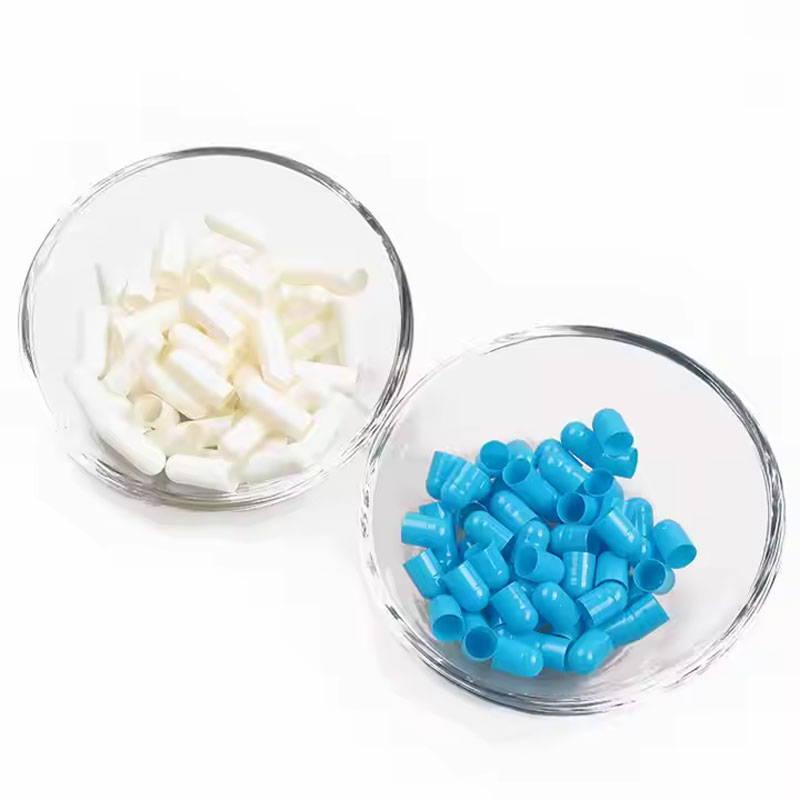 Empty VegCaps Shell Clear Empty Vegan Plant-Based Capsules Size 00 0 1 2 3 4 Natural Vegetable HPMC Capsules
 -
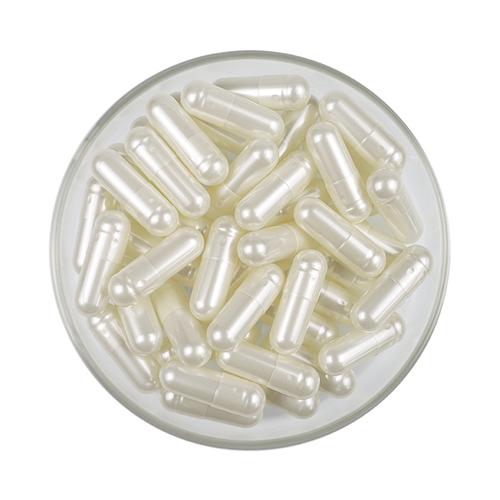 Golden_Pearl Hard Gelatin Capule
 -
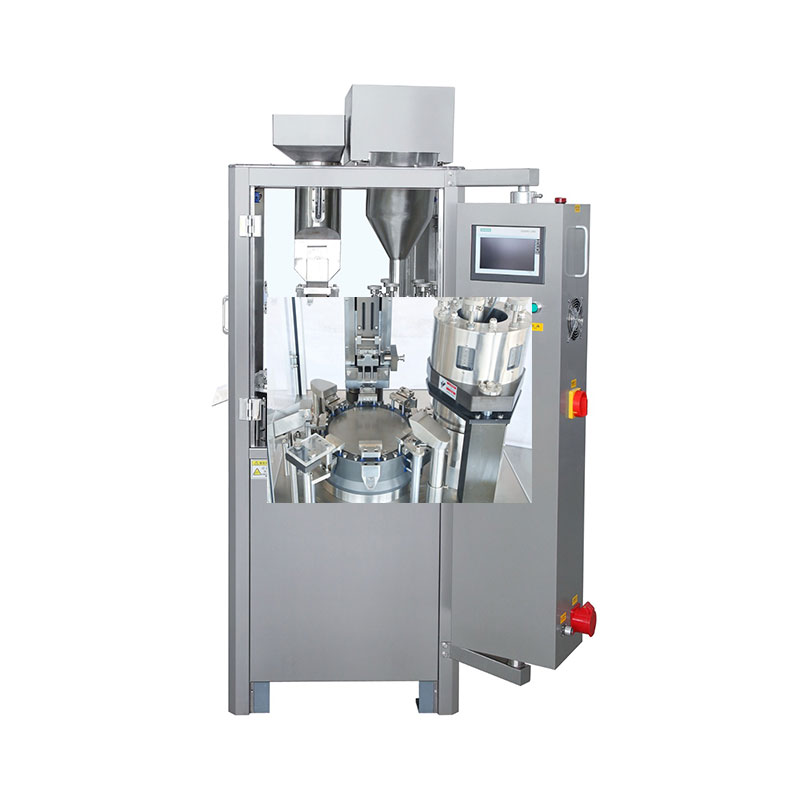 NJP-200 Model Fully Automatic Capsule Filling Machine
 -
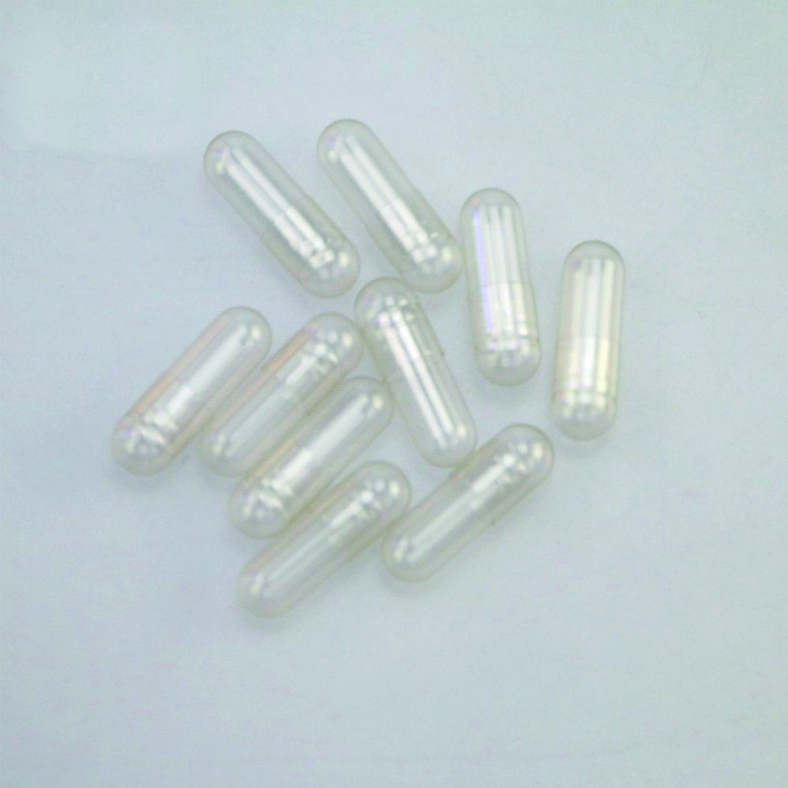 EMPTY HPMC CAPSULE SIZE 00 CLEAR
 -
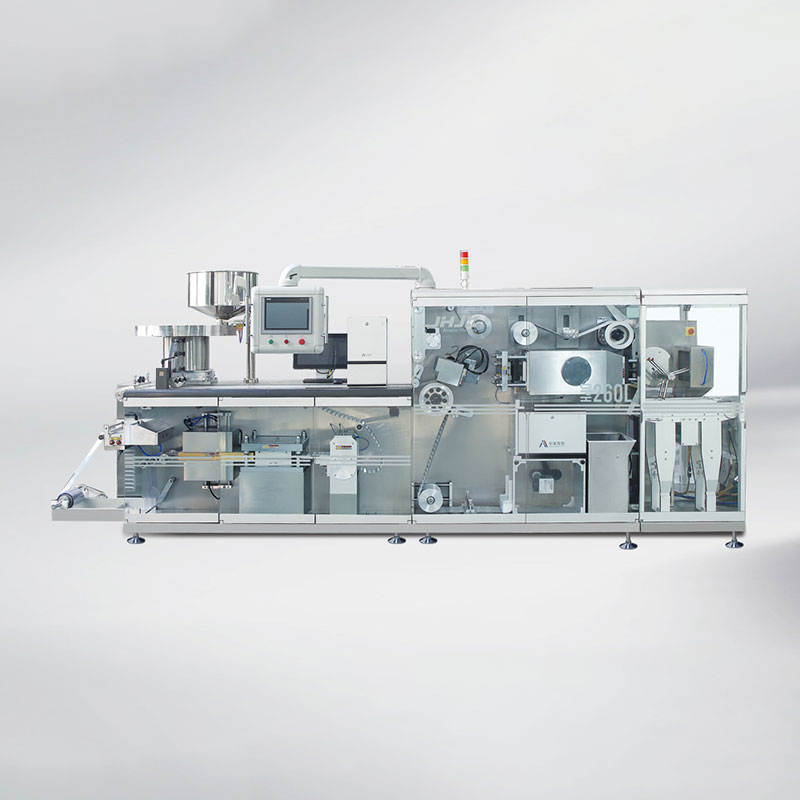 DPH-260L Roll-plate Blister Packaging Machine
 -
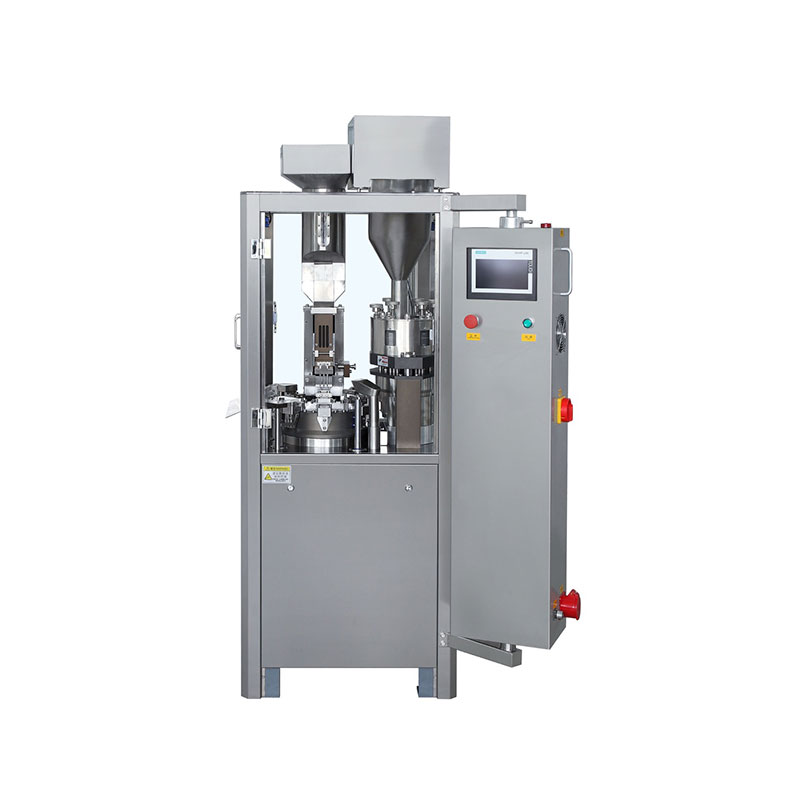 NJP-400 Fully Automatic Capsule Filling Machine
 -
 Hpmc Capsules Product Plant Vegetarian Size 00 0 Capsule Shell
 -
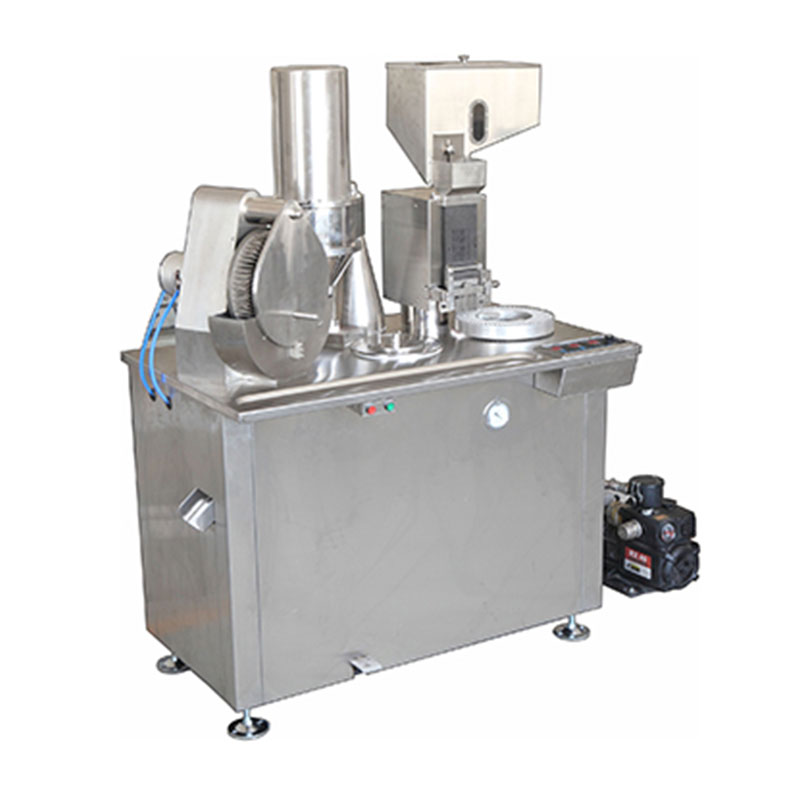 CGN208-D Newest Type Semi Automatic Capsule Filling Machine
 -
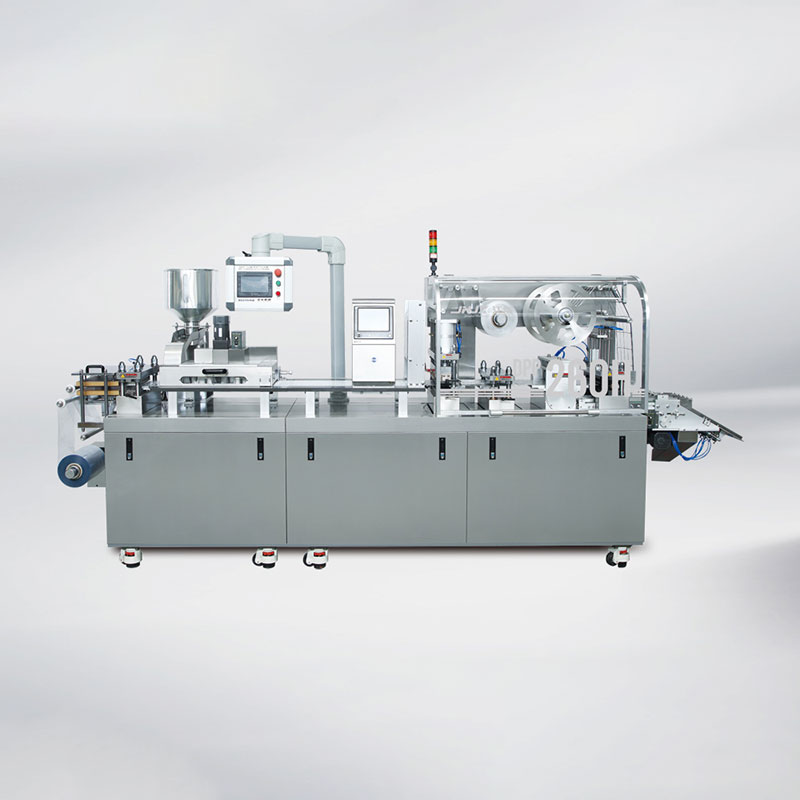 DPP-260H_DPP-320H Flat-plate Blister Packing Machine
 -
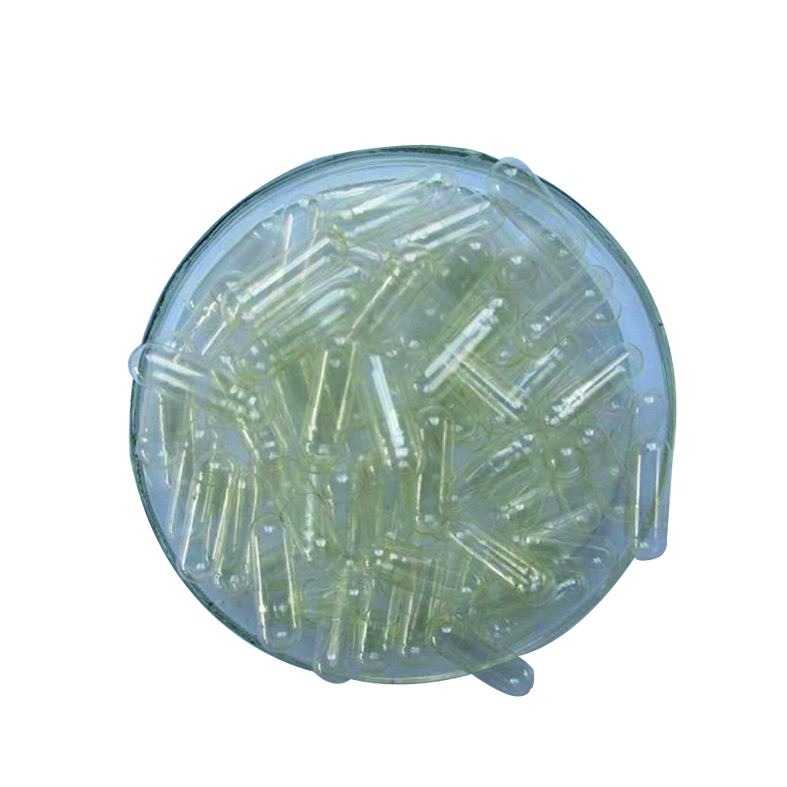 Halal Certificate Empty Clear Hard Gelatin Capsules Shell Size 0
Related Search
Related Search- Discount size 0 vegetable capsules
- high quality bosch capsule filling machine
- Best halala empty capsule
- Best size 2 capsule filling machine
- high quality hard gelatin capsule
- OEM njp capsule filling machine
- the capsule machine 000
- high quality medicine capsule filling machine
- Certificate BOVINE HARD GELATIN CAPSULE
- DPP 260 Blister machine