
- Chinese
- French
- German
- Portuguese
- Spanish
- Russian
- Japanese
- Korean
- Arabic
- Irish
- Greek
- Turkish
- Italian
- Danish
- Romanian
- Indonesian
- Czech
- Afrikaans
- Swedish
- Polish
- Basque
- Catalan
- Esperanto
- Hindi
- Lao
- Albanian
- Amharic
- Armenian
- Azerbaijani
- Belarusian
- Bengali
- Bosnian
- Bulgarian
- Cebuano
- Chichewa
- Corsican
- Croatian
- Dutch
- Estonian
- Filipino
- Finnish
- Frisian
- Galician
- Georgian
- Gujarati
- Haitian
- Hausa
- Hawaiian
- Hebrew
- Hmong
- Hungarian
- Icelandic
- Igbo
- Javanese
- Kannada
- Kazakh
- Khmer
- Kurdish
- Kyrgyz
- Latin
- Latvian
- Lithuanian
- Luxembou..
- Macedonian
- Malagasy
- Malay
- Malayalam
- Maltese
- Maori
- Marathi
- Mongolian
- Burmese
- Nepali
- Norwegian
- Pashto
- Persian
- Punjabi
- Serbian
- Sesotho
- Sinhala
- Slovak
- Slovenian
- Somali
- Samoan
- Scots Gaelic
- Shona
- Sindhi
- Sundanese
- Swahili
- Tajik
- Tamil
- Telugu
- Thai
- Ukrainian
- Urdu
- Uzbek
- Vietnamese
- Welsh
- Xhosa
- Yiddish
- Yoruba
- Zulu
- Kinyarwanda
- Tatar
- Oriya
- Turkmen
- Uyghur


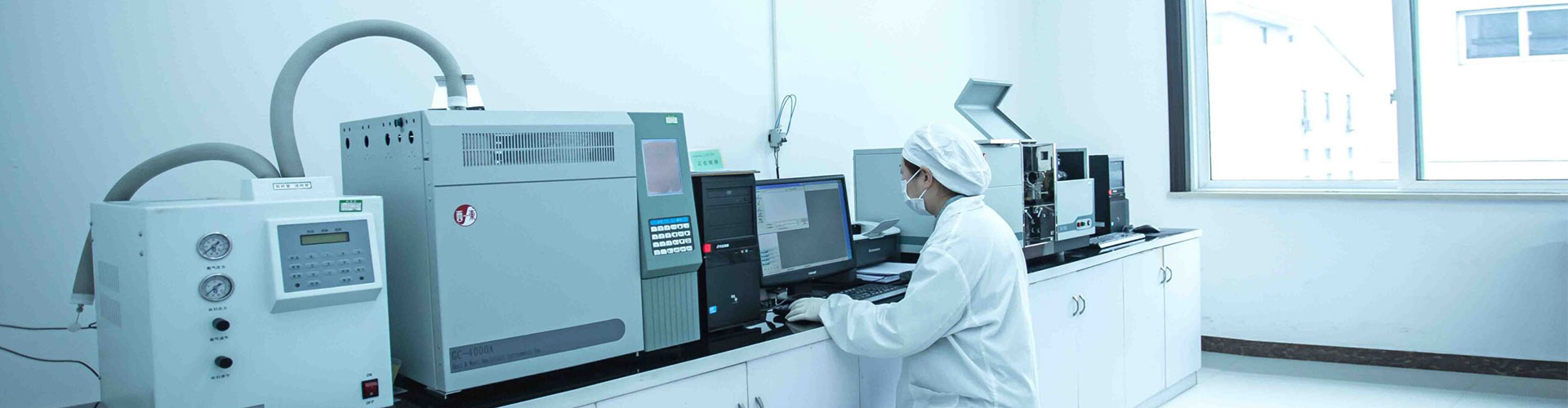
gelatin capsule filling machine
Understanding Gelatin Capsule Filling Machines: Insights from Experience
For anyone working in the pharmaceutical industry, the gelatin capsule filling machine represents a critical component of the manufacturing process. These machines are intricate and essential for ensuring consistent and precise delivery of medications. What might be less understood, however, are the subtle complexities involved in operating and maintaining these machines, especially for companies like Suqian Kelaiya International Trading Co., Ltd, which specializes in advanced drug development and manufacturing.
The Fundamentals of Gelatin Capsule Filling
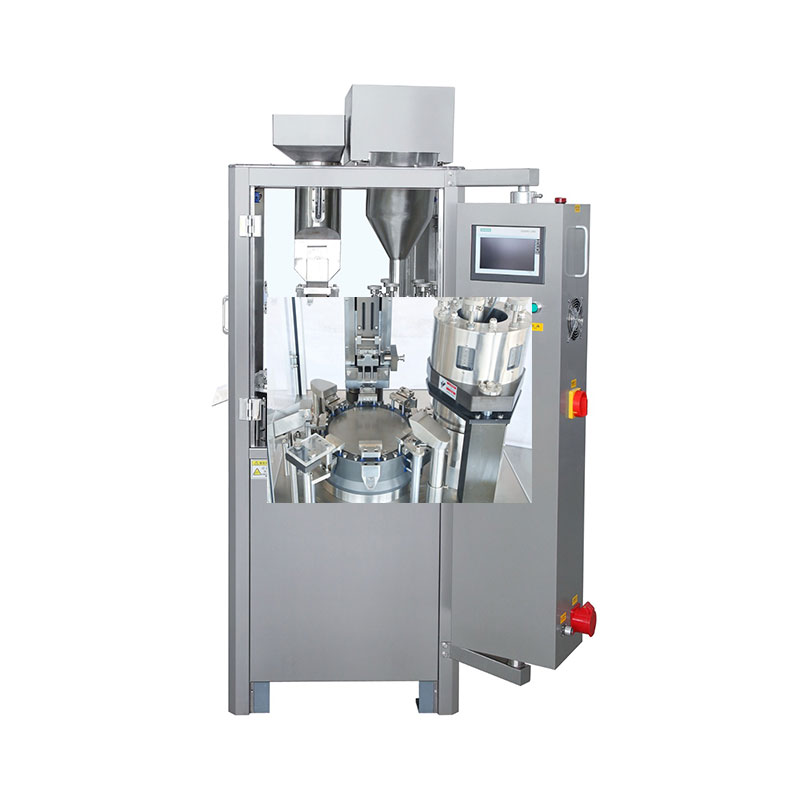
At its core, a gelatin capsule filling machine functions to precisely meter the correct dosage of medication into a capsule. On the surface, this sounds straightforward, but the process involves numerous intricate steps and adjustments. Experience has demonstrated that even slight deviations in humidity or temperature can impact the machine's performance, resulting in capsule defects or inconsistency in dosage.
Companies like Suqian Kelaiya International Trading Co., Ltd, accessible via their website, are deeply familiar with these challenges. Their manufacturing sites in Zhejiang and Jiangsu provinces are equipped with specialized machinery designed to alleviate some common issues found in less advanced models.
It’s often the case that operators must have a deep understanding of the interplay between the machine’s settings and the properties of the gelatin and fillers being used. This knowledge is crucial for troubleshooting and ensuring efficient production runs.
Common Challenges and Their Solutions
One noteworthy challenge when working with gelatin capsule filling machines is dealing with the sensitivity of the gelatin itself. It tends to react to environmental conditions, leading operators to constantly adjust settings such as humidity control within the production environment.
Another frequent hiccup is the accurate alignment and locking of capsules. Misalignment can lead to spillage or uneven filling, common issues that can disrupt production. Developing a keen eye for spotting alignment issues before they escalate is an invaluable skill.
Preventative maintenance is also a critical component. Regularly cleaning parts and inspecting for wear can prevent downtime and ensure the longevity and reliability of the equipment. Suqian Kelaiya Corp. provides comprehensive guidelines and support to ensure their machines are maintained at peak efficiency.
Advanced Techniques and Technologies
Modern capsule filling machines have incorporated various advancements such as automation and improved sensor technology. These innovations allow for better monitoring and control through digital interfaces, reducing the manual labor required and increasing precision.
For instance, machines now often include sensors that detect fill weight and automatically adjust to stay within specified tolerances. This significantly reduces the margin for error and improves overall production quality.
Suqian Kelaiya has stayed ahead of these trends by investing in R&D, ensuring their machines match the evolving needs of the pharmaceutical industry. Their dual facilities serve as breeding grounds for innovative solutions, marrying traditional techniques with cutting-edge technology.
Real-World Application and Insights
In practical terms, these machines are not just about filling capsules but are pivotal to the efficiency and output of an entire production line. Success lies in how well a company can adapt its processes to the capabilities of their machinery.
Integrating additional features like automated sorting or packaging can streamline operations even further. Yet, this introduces another layer of complexity that requires thorough training and understanding from the operating staff.
From my experience, the collaborative efforts between engineering, production, and quality assurance teams are crucial. It's not just about having the technology but using it effectively to meet stringent industry standards.
Conclusion: Lessons from the Manufacturing Floor
Gelatin capsule filling is an art as much as it is a science. With meticulous attention to the nuances of machine operation and environmental control, companies like Suqian Kelaiya Corp. ensure their facilities maintain efficient and reliable production lines. As the pharmaceutical landscape continues to evolve, those who adapt and innovate will set the standards for future advancements.
Ultimately, the goal is not merely to embrace technology but to harness it with a human touch, bridging the gap between complex machinery and precise, personalized care in medication delivery.
Related Products
Related Products

Best Selling Products
Best Selling Products-
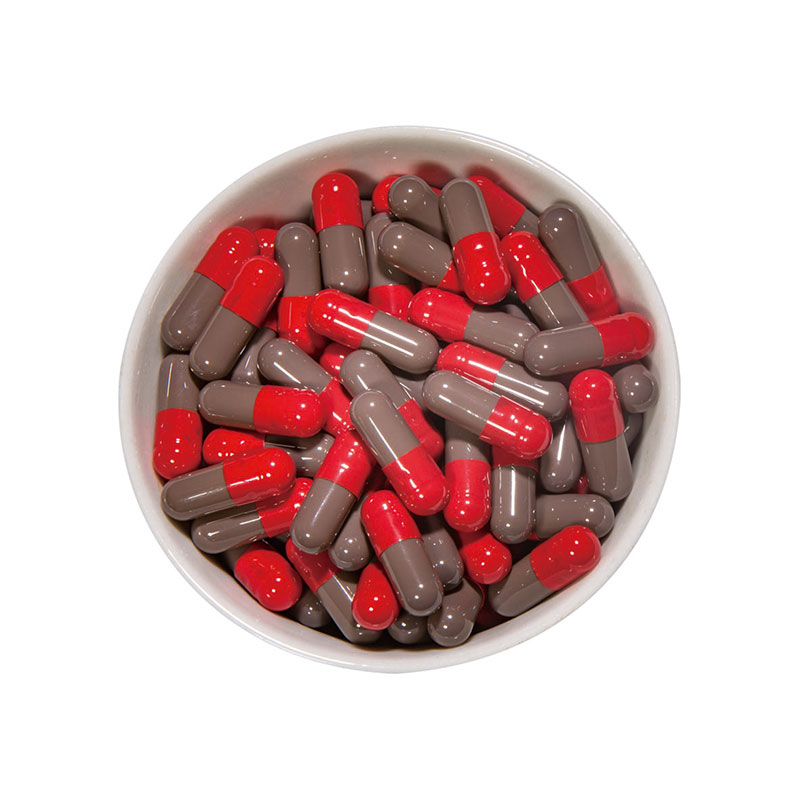 TIO2 free gelatin CAPSULE
 -
 Vegetarian Separated Capsules HPMC Capsules Separated Wholesale Vegetarian Capsules Discount for Bulk Orders
 -
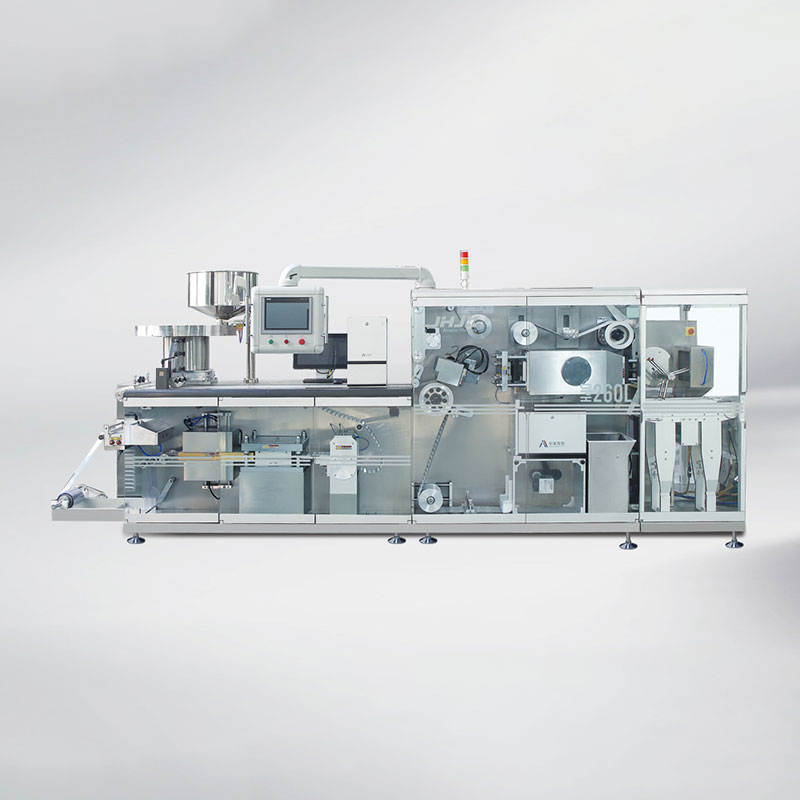 DPH-260L Roll-plate Blister Packaging Machine
 -
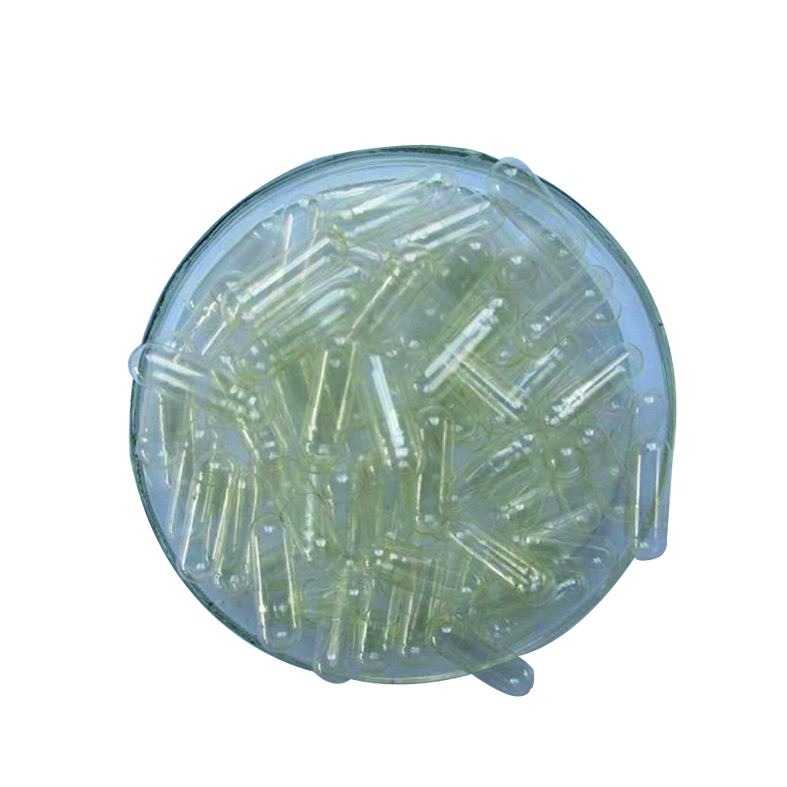 Halal Certificate Empty Clear Hard Gelatin Capsules Shell Size 0
 -
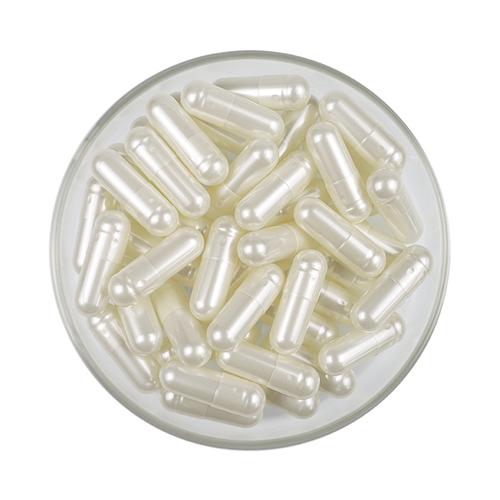 Golden_Pearl Hard Gelatin Capule
 -
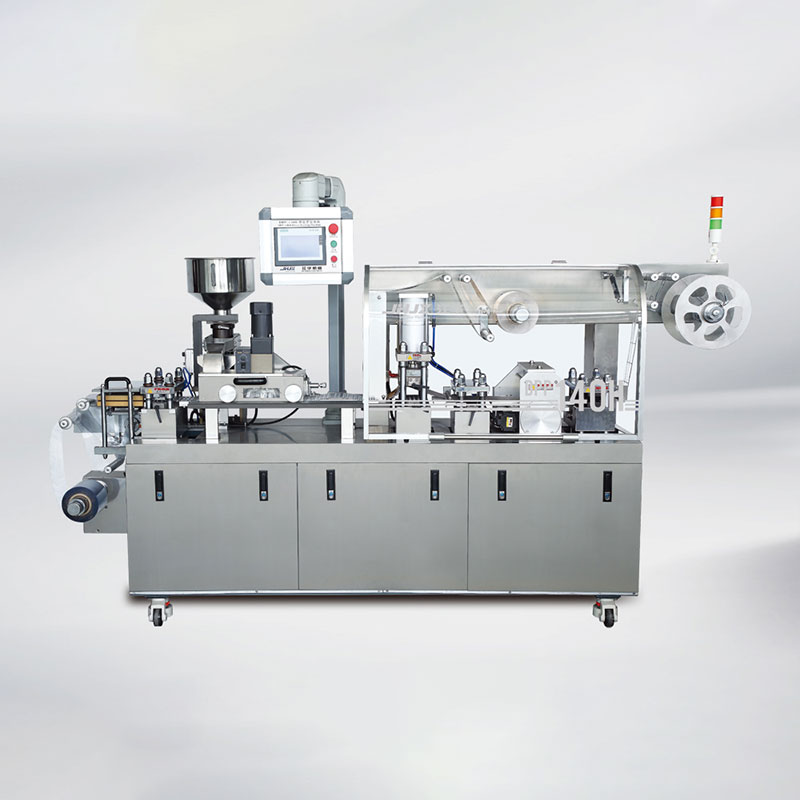 DPP-140H Flat-plate Blister Packing Machine
 -
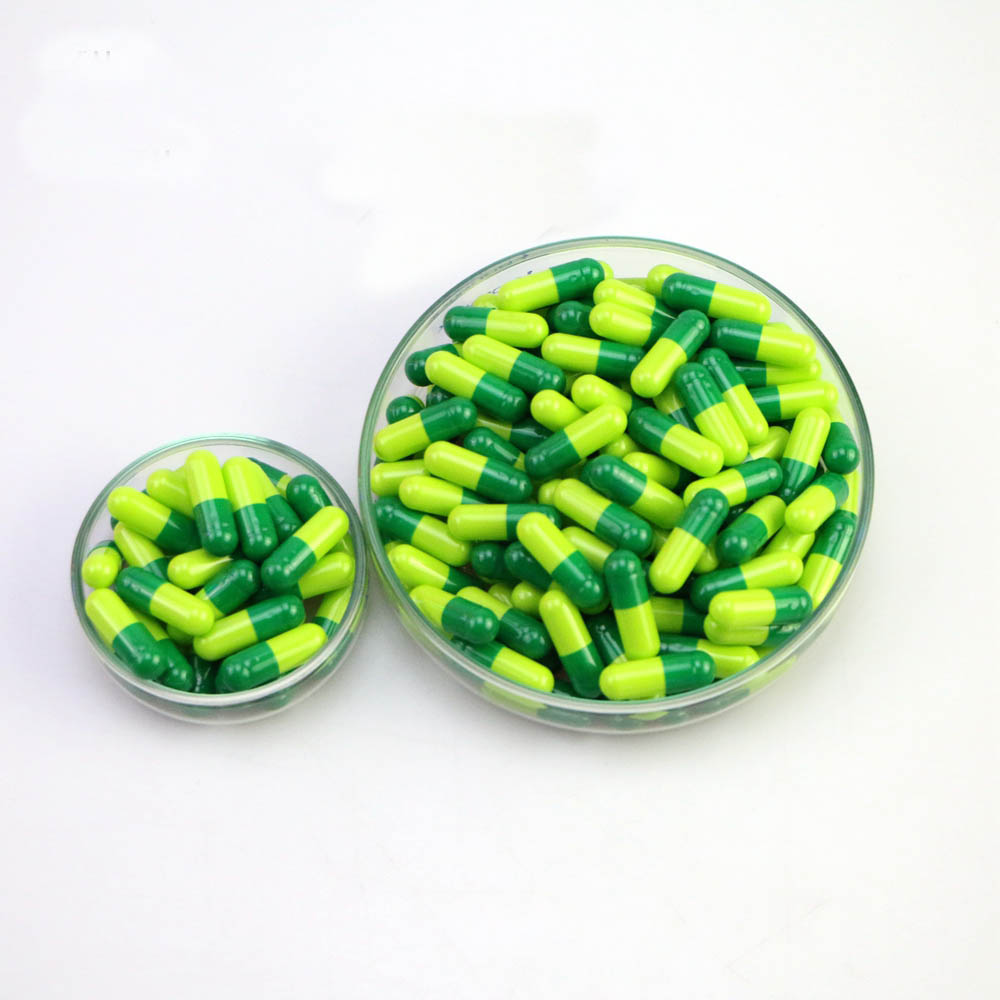 Halal empty hard geltin capsule
 -
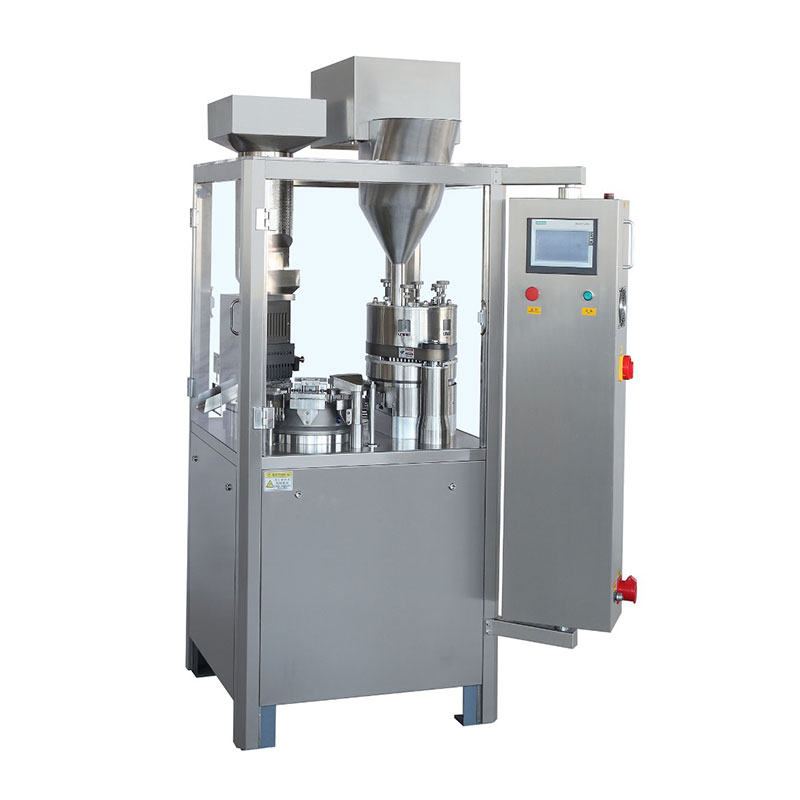 NJP-1200 Automatic Capsule Filling Machine
 -
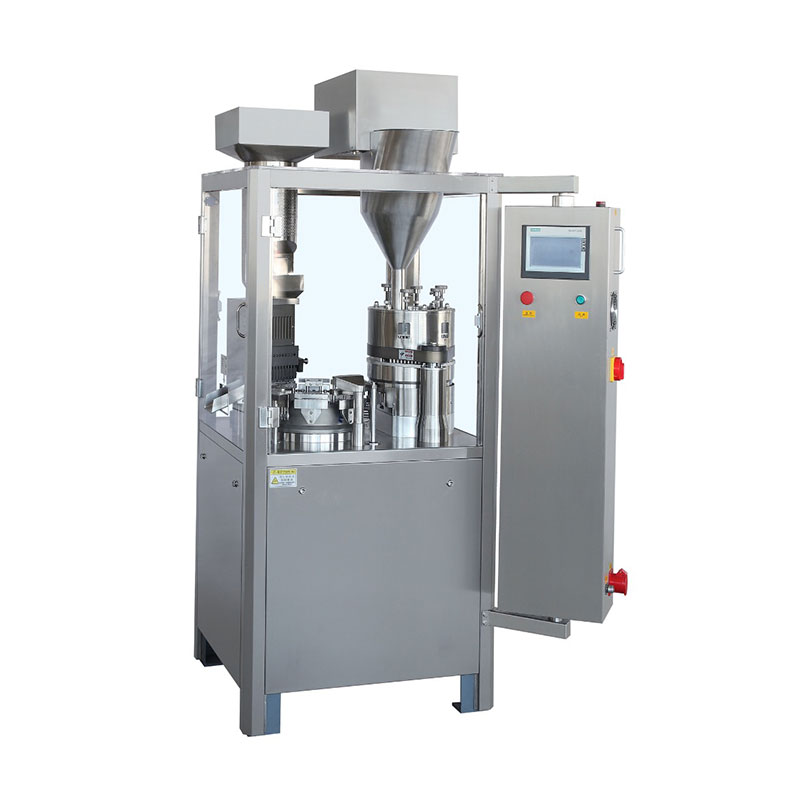 NJP-800 Automatic Capsule Filling Machine
 -
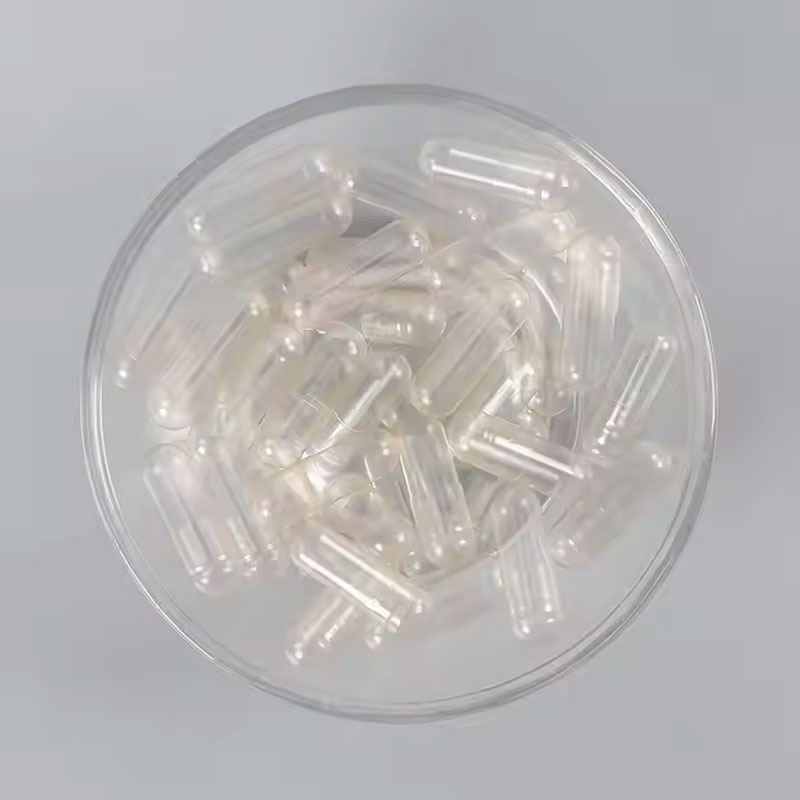 Hpmc Capsules Product Plant Vegetarian Size 00 0 Capsule Shell
 -
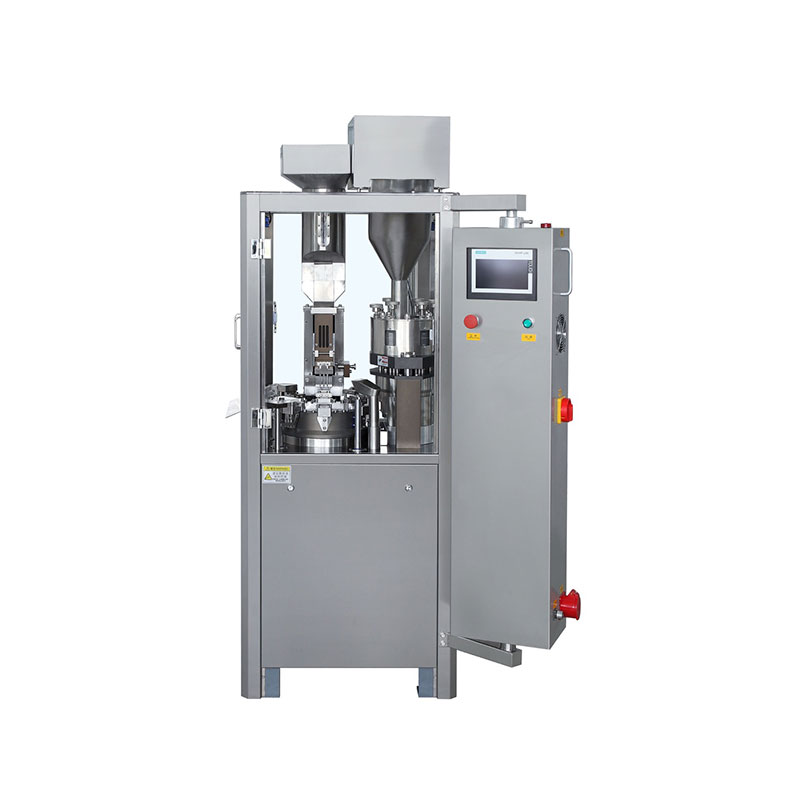 NJP-400 Fully Automatic Capsule Filling Machine
 -
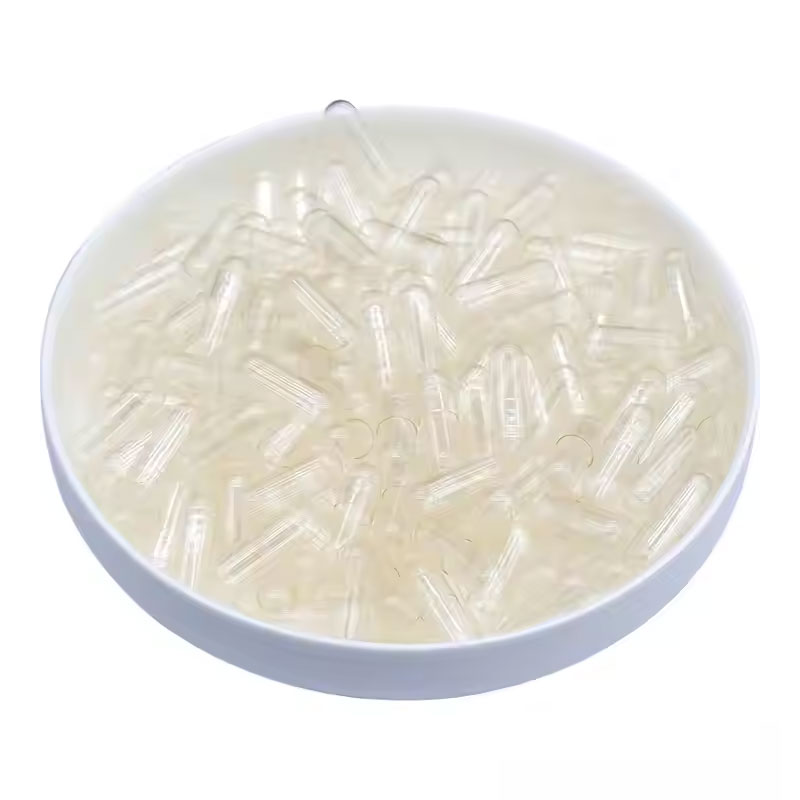 EMPTY VEGATABLE CAPSULE CLEAR SIZE 0
Related Search
Related Search- OEM cellulose vegetable capsule
- OEM NJP-1200 automatic capsule filling machine
- Discount capsule filling machine 00
- OEM pill capsule filler
- Best pharma capsule filling machine
- Best 00 capsule machine
- Discount semi automatic capsule filler
- OEM capsule filler size 00
- Certificate best automatic capsule filling machine
- Discount njp 400 capsule filling machine