
- Chinese
- French
- German
- Portuguese
- Spanish
- Russian
- Japanese
- Korean
- Arabic
- Irish
- Greek
- Turkish
- Italian
- Danish
- Romanian
- Indonesian
- Czech
- Afrikaans
- Swedish
- Polish
- Basque
- Catalan
- Esperanto
- Hindi
- Lao
- Albanian
- Amharic
- Armenian
- Azerbaijani
- Belarusian
- Bengali
- Bosnian
- Bulgarian
- Cebuano
- Chichewa
- Corsican
- Croatian
- Dutch
- Estonian
- Filipino
- Finnish
- Frisian
- Galician
- Georgian
- Gujarati
- Haitian
- Hausa
- Hawaiian
- Hebrew
- Hmong
- Hungarian
- Icelandic
- Igbo
- Javanese
- Kannada
- Kazakh
- Khmer
- Kurdish
- Kyrgyz
- Latin
- Latvian
- Lithuanian
- Luxembou..
- Macedonian
- Malagasy
- Malay
- Malayalam
- Maltese
- Maori
- Marathi
- Mongolian
- Burmese
- Nepali
- Norwegian
- Pashto
- Persian
- Punjabi
- Serbian
- Sesotho
- Sinhala
- Slovak
- Slovenian
- Somali
- Samoan
- Scots Gaelic
- Shona
- Sindhi
- Sundanese
- Swahili
- Tajik
- Tamil
- Telugu
- Thai
- Ukrainian
- Urdu
- Uzbek
- Vietnamese
- Welsh
- Xhosa
- Yiddish
- Yoruba
- Zulu
- Kinyarwanda
- Tatar
- Oriya
- Turkmen
- Uyghur



Certificate cellulose vegetable capsule
The Intricacies of Certificate Cellulose Vegetable Capsules
Certificate cellulose vegetable capsules might seem straightforward, but there's plenty beneath the surface that most people miss. Understanding the nuances can help you appreciate what goes into choosing the right capsule, whether you’re looking at them from a development or consumer perspective.
Understanding the Basics
When we talk about cellulose vegetable capsules, it’s essential to recognize their foundation. Made from hydroxypropyl methylcellulose (HPMC), a compound derived from cellulose, these capsules boast a plant-based origin. However, just because they're plant-derived doesn’t automatically make them right for every product. There are stability issues and dissolution rates to think about.
In my early experience with Suqian Kelaiya Corp., I learned that not every cellulose source is created equal. We once had an issue with a batch that was sourced differently, and its performance threw off our batch tests significantly. The consistency of source affects not just the mechanical properties, like flexibility, but also the chemical stability. Lesson learned: be vigilant about sourcing.
One common myth I've encountered in discussions is the 'one-size-fits-all' assumption regarding these capsules. That's rarely the case. If your active ingredients interact with cellulose, your entire formulation could be at risk. Testing under various conditions is crucial.
Manufacturing Challenges
At Suqian Kelaiya Corp., where we operate manufacturing sites in Zhejiang and Jiangsu, we’ve faced numerous hurdles with capsule production. For a seemingly simple product, the manufacturing complexities can be daunting. Achieving the right blend of durability and bioavailability is an ongoing challenge.
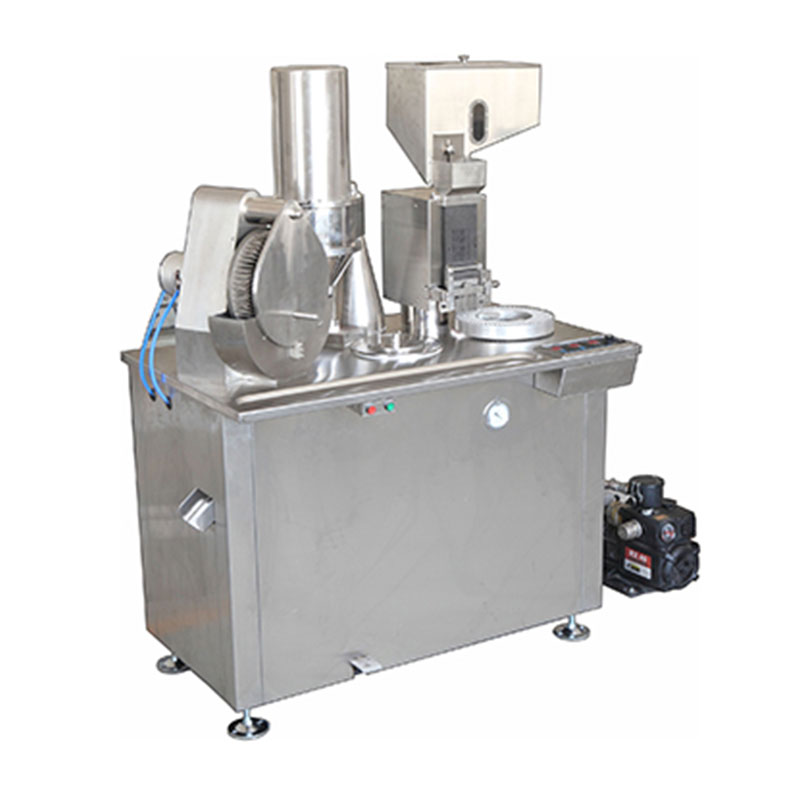
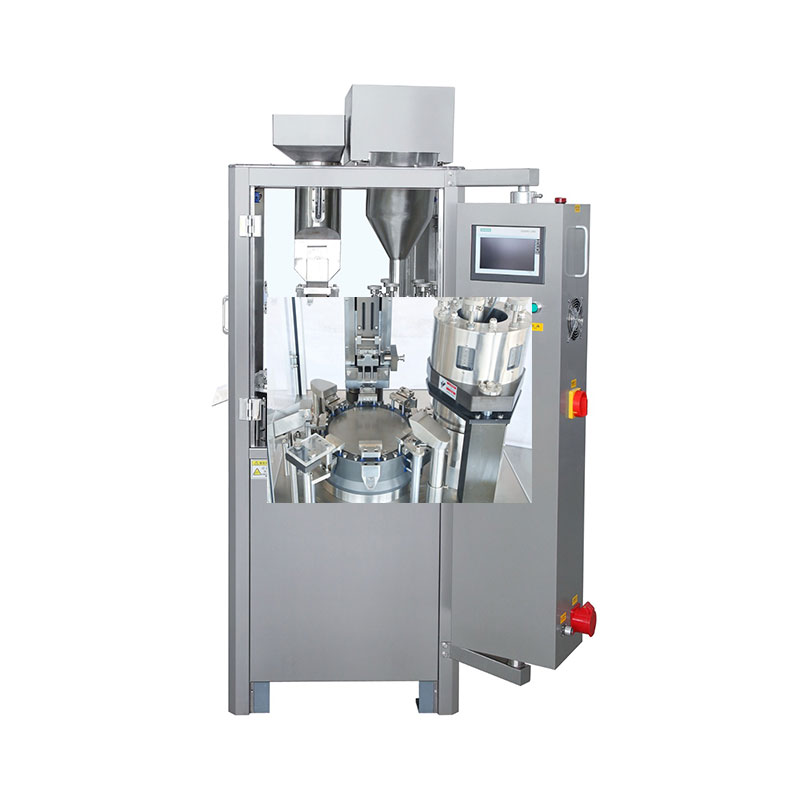
A particular headache comes when calibrating our capsule filling machines. Even a slight deviation can lead to defective capsules. It’s a meticulous process requiring a lot of trial and error even after years of experience in the industry.
Blister packaging, another step in our process, presents its own set of challenges. It's not just about protecting the cellulose vegetable capsules; it’s about ensuring they reach consumers intact and effective. Temperature fluctuations during transit can impact the capsule's integrity unless the blister packaging is optimized for such conditions.
Consumer Perceptions and Misunderstandings
From what I've observed, many consumers equate the term 'vegetable capsule' with health benefits that aren’t necessarily there. This perception often stems from marketing rather than scientific backing. While they are a plant-based alternative to gelatin, this doesn't mean they're inherently superior.
Consumer education is crucial. Testing different products ourselves at Suqian Kelaiya, we've found that various factors, like how the capsules are stored, can influence the efficacy of the product they encapsulate. Educating users about these conditions is often overlooked but vital.
I recall an incident where customers reported inconsistent results with our products. Upon investigation, improper storage turned out to be the culprit, not the capsules themselves. Simple consumer guidelines on storage could have prevented this.
Regulations and Certifications
A topic even insiders sometimes neglect is the extensive regulation surrounding capsule production. Certificates and compliance with standards are non-negotiable. Any lapse here could be catastrophic, both from a legal standpoint and a consumer trust perspective.
At Suqian Kelaiya, we prioritize certifications, ensuring that every manufacturing phase adheres to industry standards. This not only safeguards our reputation but also ensures the quality and safety of our products.
Ensuring these certifications cover every aspect of production is critical. From sourcing materials to the final manufacturing steps, oversight is a nonstop requirement. Missing a certification update even once can halt production entirely.
The Role of Innovation
The journey isn’t over once you’ve stabilized your product line. Innovation is continuous. At Suqian Kelaiya, we’re always looking to improve our formulations, production processes, and the machinery we use. Whether it's through enhancing our empty capsule designs or upgrading our capsule filling machines, progress is driven by innovation.
An interesting development I’m particularly engaged with is exploring how new capsule wall thicknesses might affect dissolution rates and drug uptake. Each small modification can lead to significant changes in performance, but it takes extensive research to find what works best.
In summary, working with cellulose vegetable capsules is far more complex than it may initially appear. It’s a field rich with opportunities for those willing to dive deep into its intricacies, and the continuous evolution in technology and customer expectations demands adaptability and thorough knowledge.
Related Products
Related Products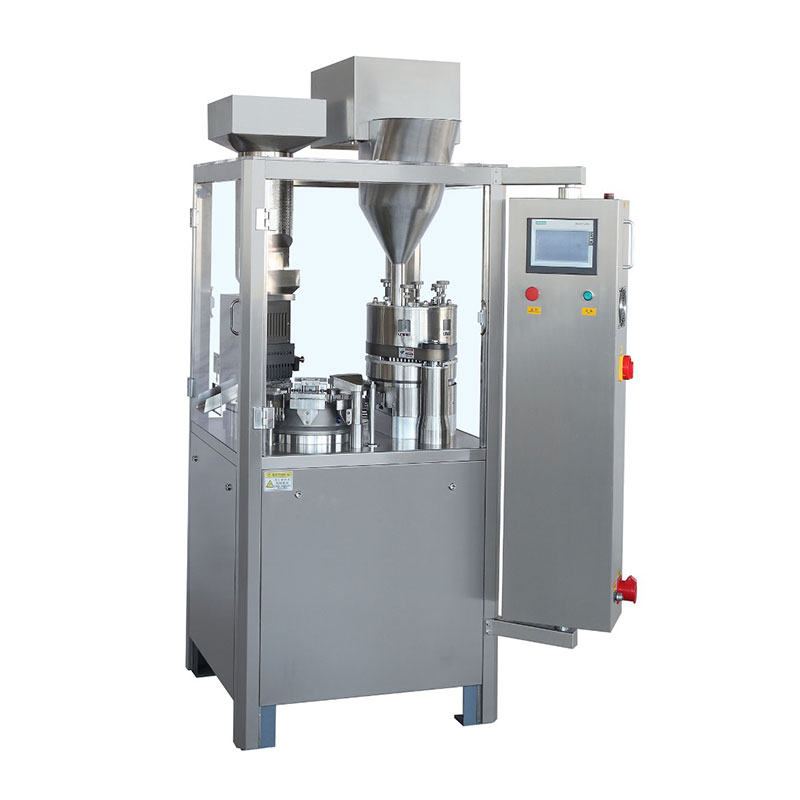

Best Selling Products
Best Selling Products-
 Size 00 hpmc capsules vegetarian capsules empty hard veggie capsules
 -
 Golden_Pearl Hard Gelatin Capule
 -
 Hpmc Capsules Product Plant Vegetarian Size 00 0 Capsule Shell
 -
 NJP-200 Model Fully Automatic Capsule Filling Machine
 -
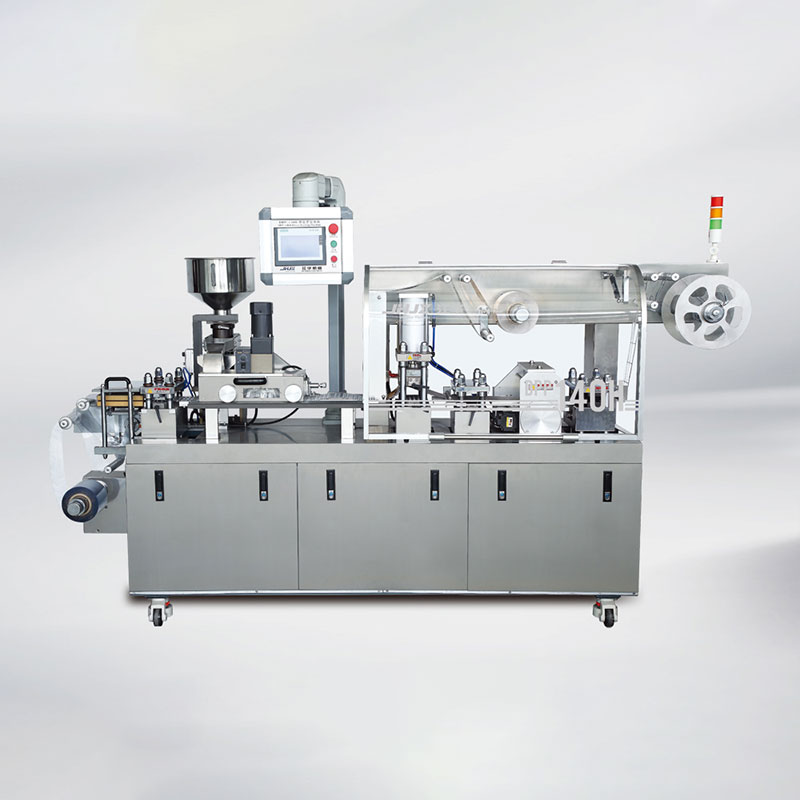 DPP-140H Flat-plate Blister Packing Machine
 -
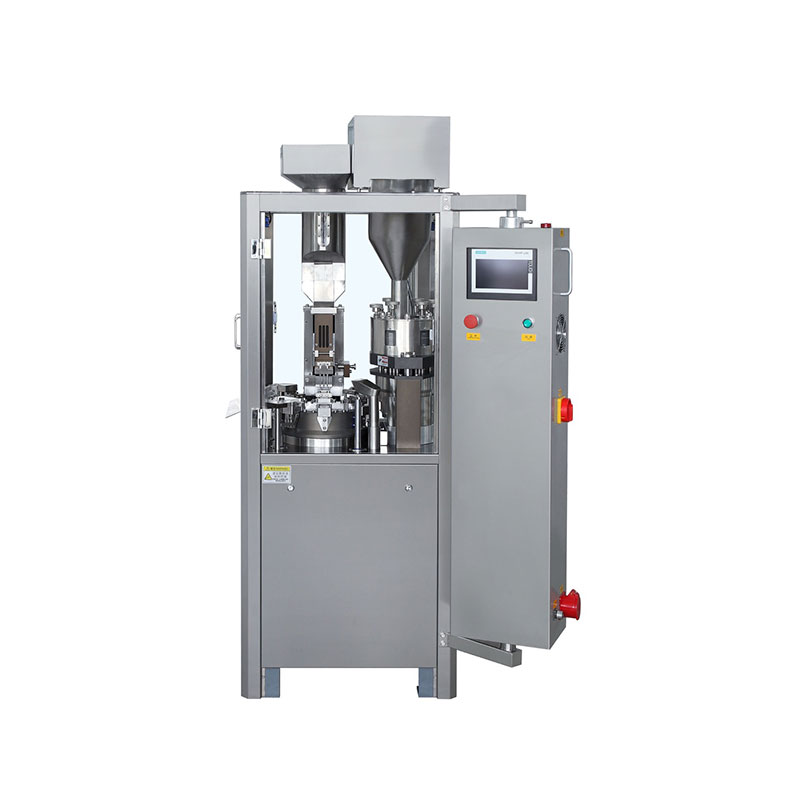 NJP-400 Fully Automatic Capsule Filling Machine
 -
 Halal Certificate Empty Clear Hard Gelatin Capsules Shell Size 0
 -
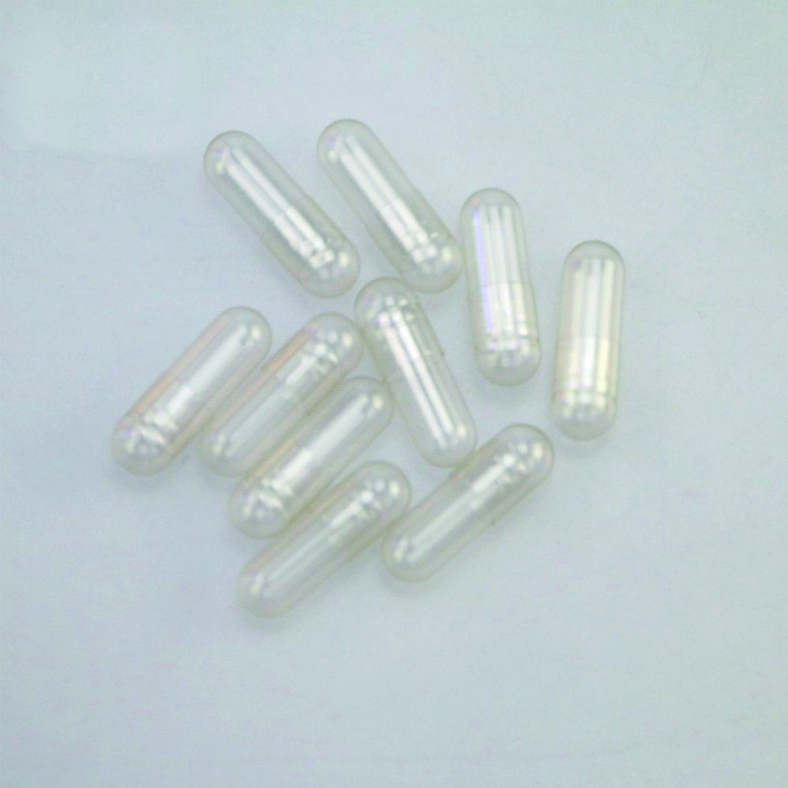 EMPTY HPMC CAPSULE SIZE 00 CLEAR
 -
 EMPTY VEGATABLE CAPSULE CLEAR SIZE 0
 -
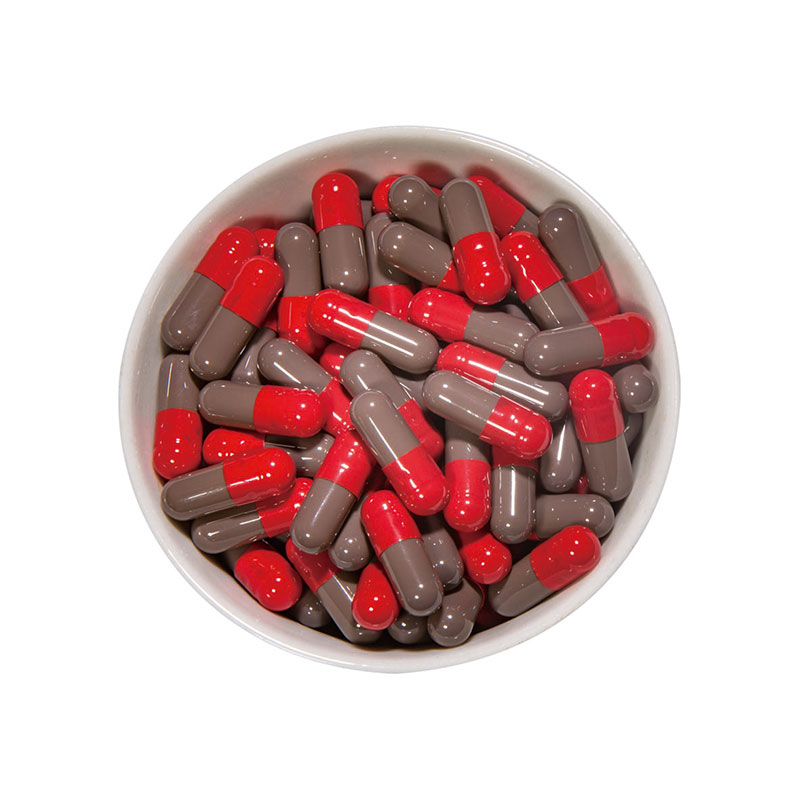 TIO2 free gelatin CAPSULE
 -
 Halal empty hard geltin capsule
 -
 Hard Gelatin Empty Capsule Shell Size 00 0 1 2 3 4
Related Search
Related Search- Discount small automatic capsule filling machine for sale
- Best small automatic capsule filling machine
- semi automatic capsule filling machine for sale
- Certificate Blister machine FOR tABLET
- capsule filler filling machine
- high quality vegetarian capsules size 000
- high quality empty vegetarian capsules size 1
- OEM TiO2 free Gelatin Capsule
- Best size 00 capsule filler
- Certificate gelatin capsule filler