
- Chinese
- French
- German
- Portuguese
- Spanish
- Russian
- Japanese
- Korean
- Arabic
- Irish
- Greek
- Turkish
- Italian
- Danish
- Romanian
- Indonesian
- Czech
- Afrikaans
- Swedish
- Polish
- Basque
- Catalan
- Esperanto
- Hindi
- Lao
- Albanian
- Amharic
- Armenian
- Azerbaijani
- Belarusian
- Bengali
- Bosnian
- Bulgarian
- Cebuano
- Chichewa
- Corsican
- Croatian
- Dutch
- Estonian
- Filipino
- Finnish
- Frisian
- Galician
- Georgian
- Gujarati
- Haitian
- Hausa
- Hawaiian
- Hebrew
- Hmong
- Hungarian
- Icelandic
- Igbo
- Javanese
- Kannada
- Kazakh
- Khmer
- Kurdish
- Kyrgyz
- Latin
- Latvian
- Lithuanian
- Luxembou..
- Macedonian
- Malagasy
- Malay
- Malayalam
- Maltese
- Maori
- Marathi
- Mongolian
- Burmese
- Nepali
- Norwegian
- Pashto
- Persian
- Punjabi
- Serbian
- Sesotho
- Sinhala
- Slovak
- Slovenian
- Somali
- Samoan
- Scots Gaelic
- Shona
- Sindhi
- Sundanese
- Swahili
- Tajik
- Tamil
- Telugu
- Thai
- Ukrainian
- Urdu
- Uzbek
- Vietnamese
- Welsh
- Xhosa
- Yiddish
- Yoruba
- Zulu
- Kinyarwanda
- Tatar
- Oriya
- Turkmen
- Uyghur



Blister machine FOR CAPSULE
Navigating the World of Blister Machines for Capsules
Understanding the nuances of using a blister machine for capsule packaging can be a game changer in pharmaceutical manufacturing. Here’s an exploration based on real industry insights and hands-on experiences.
Why Blister Packaging?
Blister packaging has become a staple in capsule production due to its practicality and efficiency. It provides an ideal balance of protection and presentation, safeguarding capsules from environmental factors such as humidity and contamination. Companies like SUQIAN KELAIYA INTERNATIONAL TRADING CO., LTD, with their expertise in capsule machining and manufacturing, understand the critical role these machines play.
That said, selecting the right blister machine isn't straightforward. You'd be surprised how often misalignment in production goals and machine capabilities can lead to bottlenecks. I've seen setups where one machine was supposed to handle a new capsule size but ended up causing more downtime than output.
The devil is often in the details. Blister machines need precise calibration to function optimally, especially when you're dealing with high-volume production lines like those at SUQIAN KELAIYA's facilities in Zhejiang and Jiangsu. The right machine ensures that capsules are perfectly aligned and sealed—crucial for maintaining quality.
Choosing the Right Machine
When choosing a blister machine, your workload and specific needs primarily dictate the choice. Some machines cater to small batches, while others are designed for industrial-scale operations. One useful tip is to always check the machine's compatibility with your existing systems. Integration hiccups can cost hours in lost production time.
I've had instances where minor misconfigurations caused by oversight led to scrapped runs. Partnering with a manufacturer like SUQIAN KELAIYA, which offers comprehensive solutions, often minimizes such risks because they integrate new systems with existing workflows seamlessly.
It's worthwhile to visit the vendor's site in person, if possible, to see operational setups that may be similar to your own. There's nothing quite like hands-on demos to reveal potential pitfalls and efficiencies.
Challenges and Solutions
Challenges are inevitable. For instance, material feed issues often create bottlenecks. One practical solution is regular maintenance checks and ensuring materials are up to spec. Using inferior products can lead directly to production inefficiencies and compromises in capsule quality.
Consider the humidity control. Capsules are notoriously sensitive to moisture, and a well-designed blister machine setup should include dehumidifiers or air-controlled environments. During my visits to SUQIAN KELAIYA facilities, I noted their meticulous approach to maintaining environmental controls, which significantly reduced spoilage.
Training is another facet that's often overlooked. Ensuring operators are well-versed with the machinery's intricacies can prevent many day-to-day issues. A small investment in training can pay huge dividends in operational uptime and quality output.
Upkeep and Maintenance
Maintenance of blister machines should never be an afterthought. Scheduled maintenance ensures that the machine runs smoothly, and regular checks prevent unexpected breakdowns. In my experience, a well-maintained machine operates more efficiently and with fewer errors.
It's essential to develop a maintenance calendar that suits your production schedule. For example, SUQIAN KELAIYA's teams often incorporate predictive maintenance strategies, utilizing data analytics to predict and prevent failures before they occur.
Spare parts availability is another critical factor. Having immediate access to necessary spares can significantly cut down on downtime—something I've had to learn the hard way.
The Future of Blister Machines
Looking forward, the evolution of blister machines marries technology with process improvement. Automation and smart systems are increasingly becoming a part of newer models, enhancing efficiency and reducing the need for constant human intervention.
I was impressed by how companies like SUQIAN KELAIYA have begun integrating IoT and data monitoring technologies into their machinery, creating smarter production lines that automatically adjust based on real-time data. This means fewer production halts and better adherence to quality standards.
Ultimately, the success of blister packaging for capsules hinges on choosing the right equipment, maintaining it diligently, and continuously optimizing the process. The industry's future is promising, especially with knowledgeable players like SUQIAN KELAIYA leading the charge.
Related Products
Related Products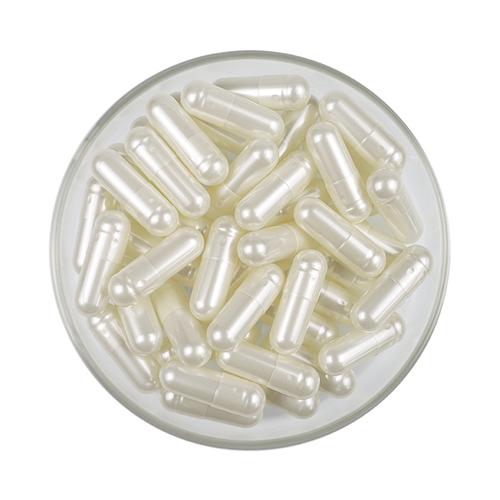

Best Selling Products
Best Selling Products-
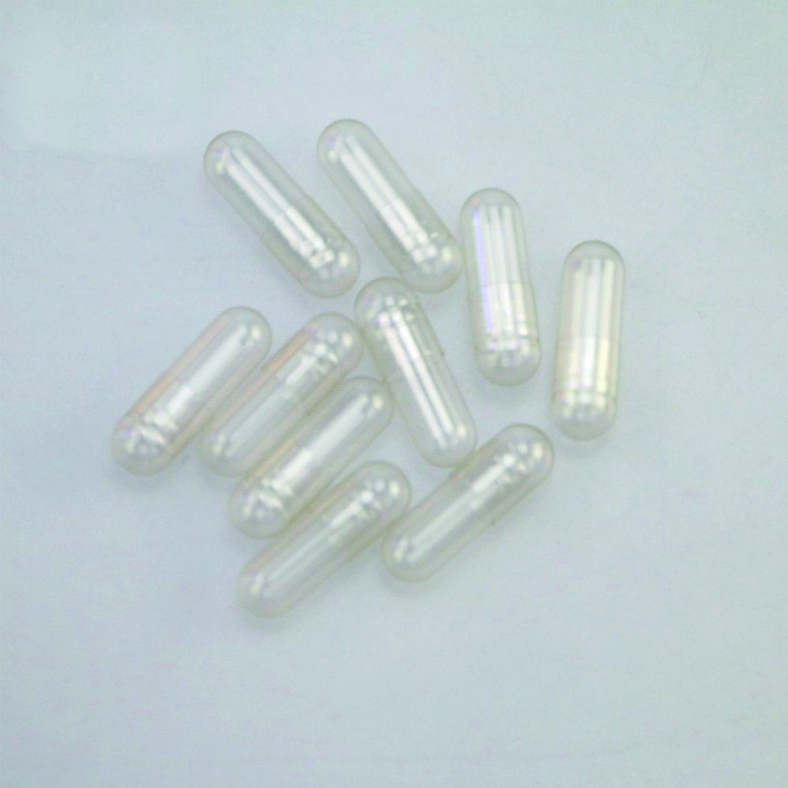 EMPTY HPMC CAPSULE SIZE 00 CLEAR
 -
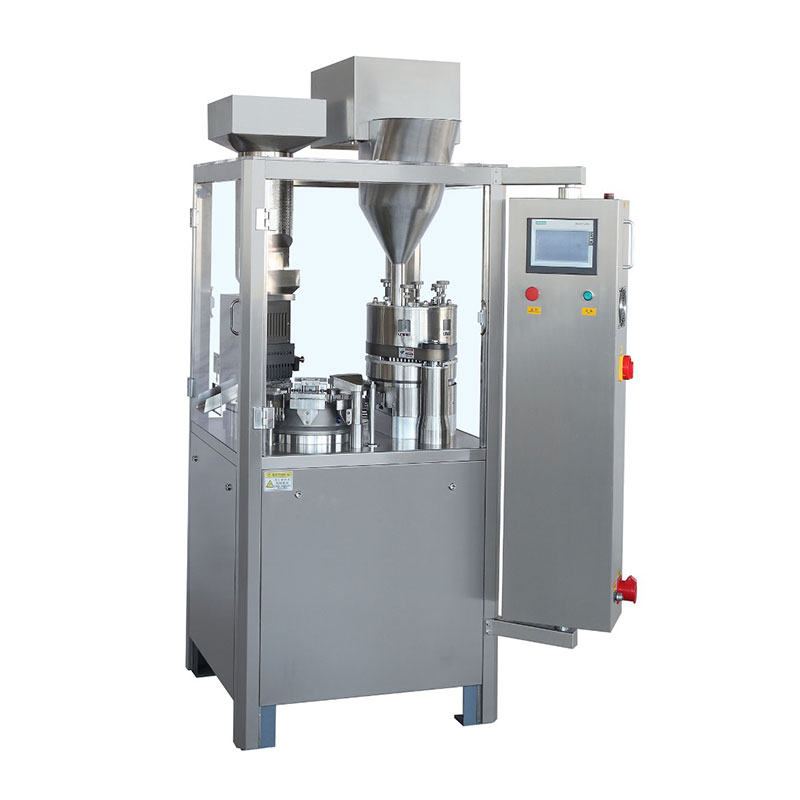 NJP-1200 Automatic Capsule Filling Machine
 -
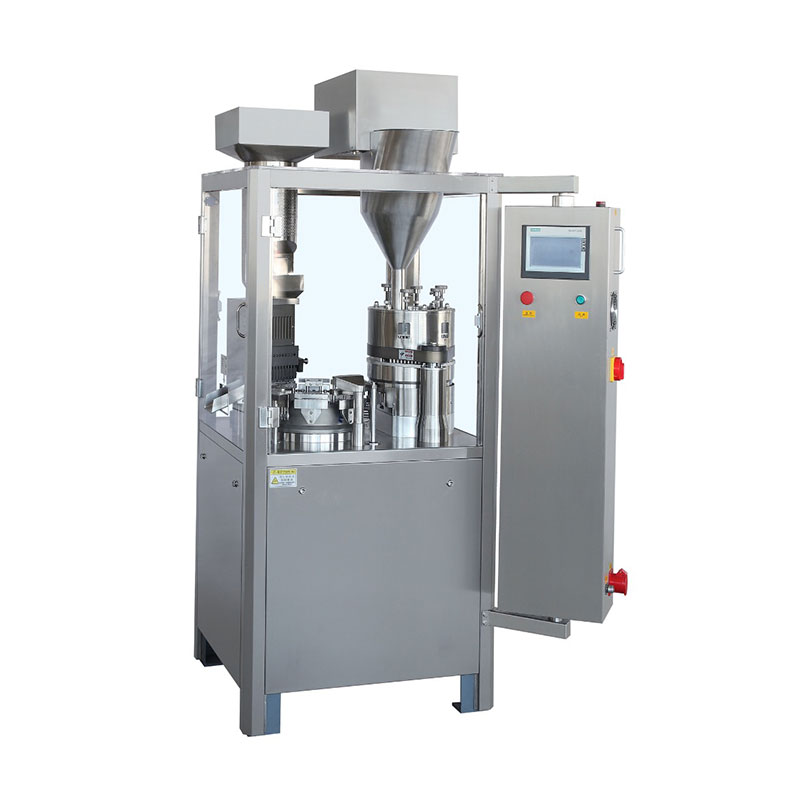 NJP-800 Automatic Capsule Filling Machine
 -
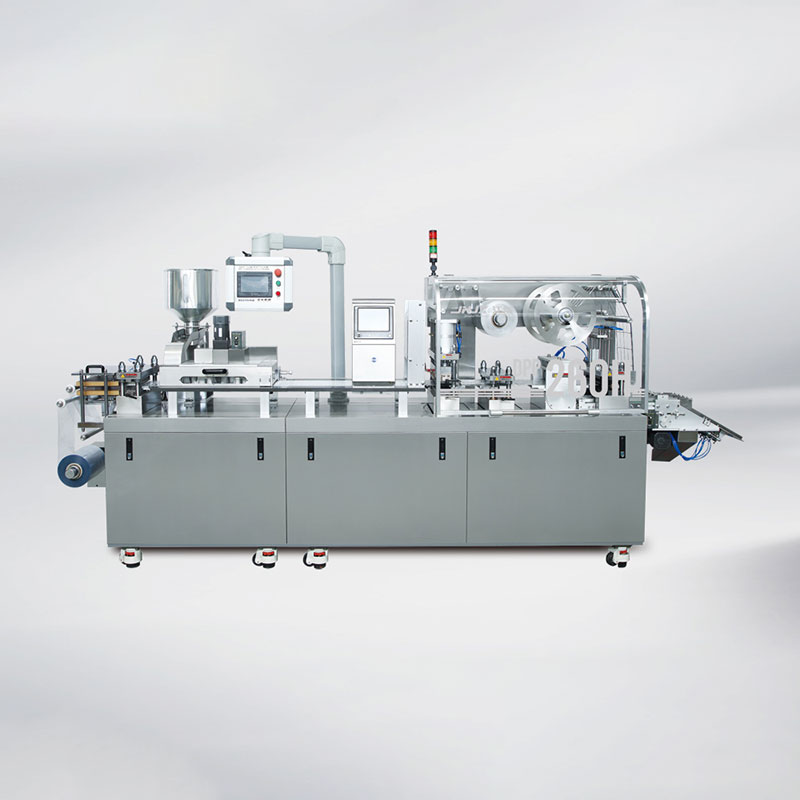 DPP-260H_DPP-320H Flat-plate Blister Packing Machine
 -
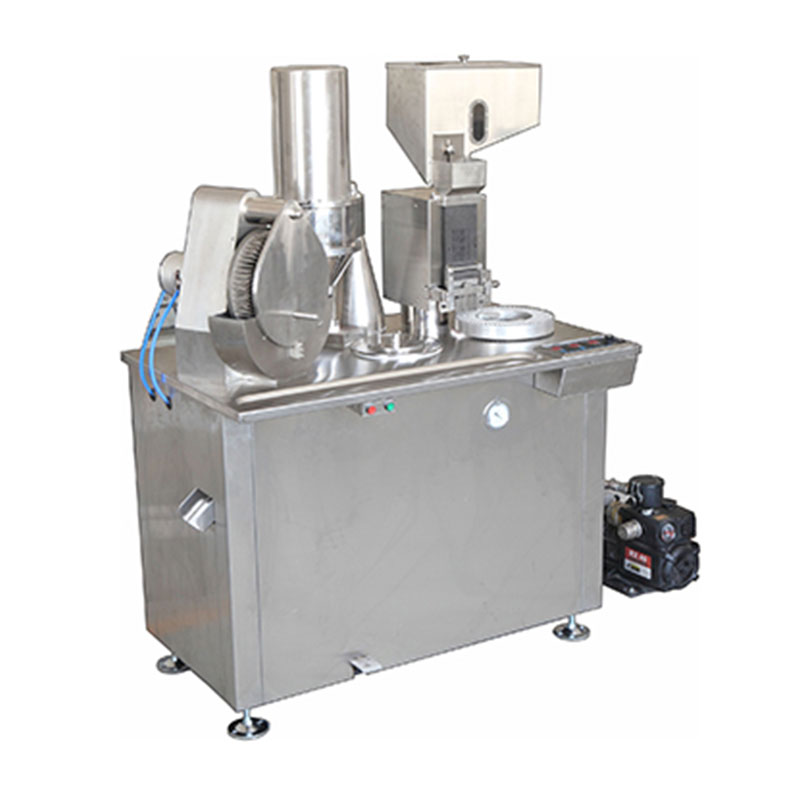 CGN208-D Newest Type Semi Automatic Capsule Filling Machine
 -
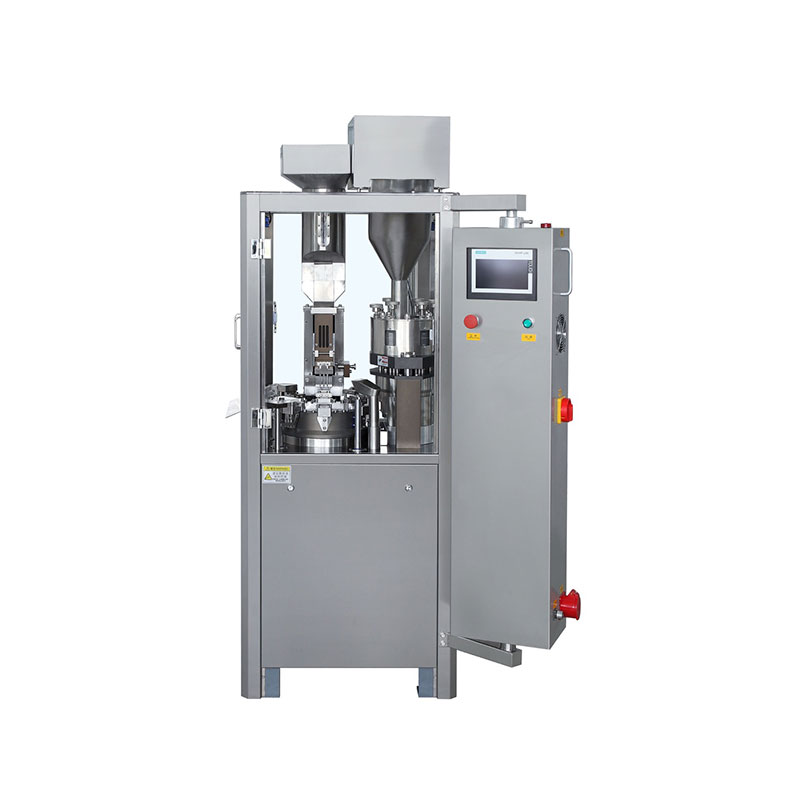 NJP-400 Fully Automatic Capsule Filling Machine
 -
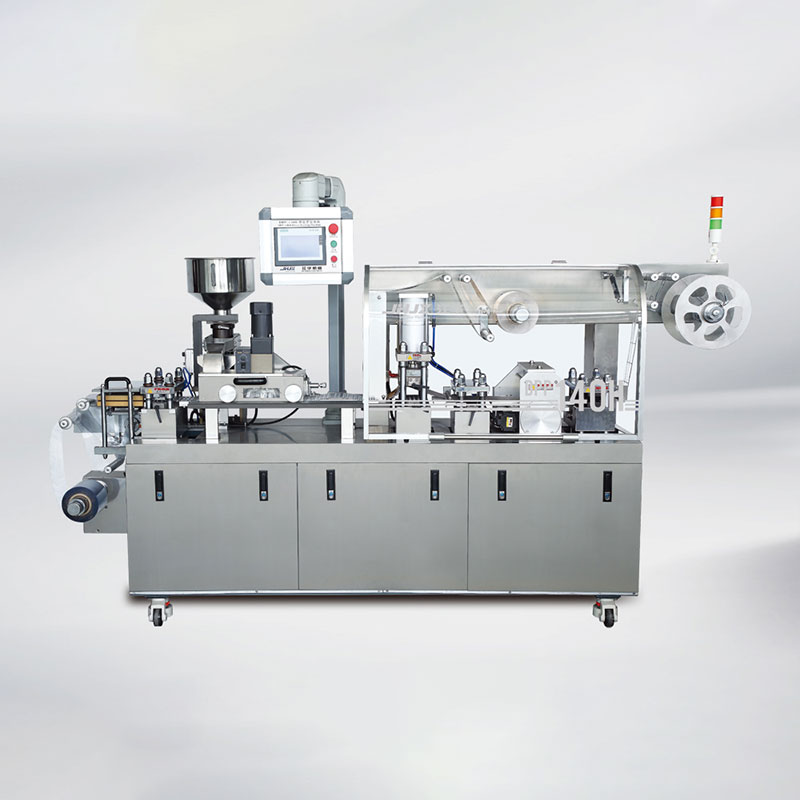 DPP-140H Flat-plate Blister Packing Machine
 -
 Vegetarian Separated Capsules HPMC Capsules Separated Wholesale Vegetarian Capsules Discount for Bulk Orders
 -
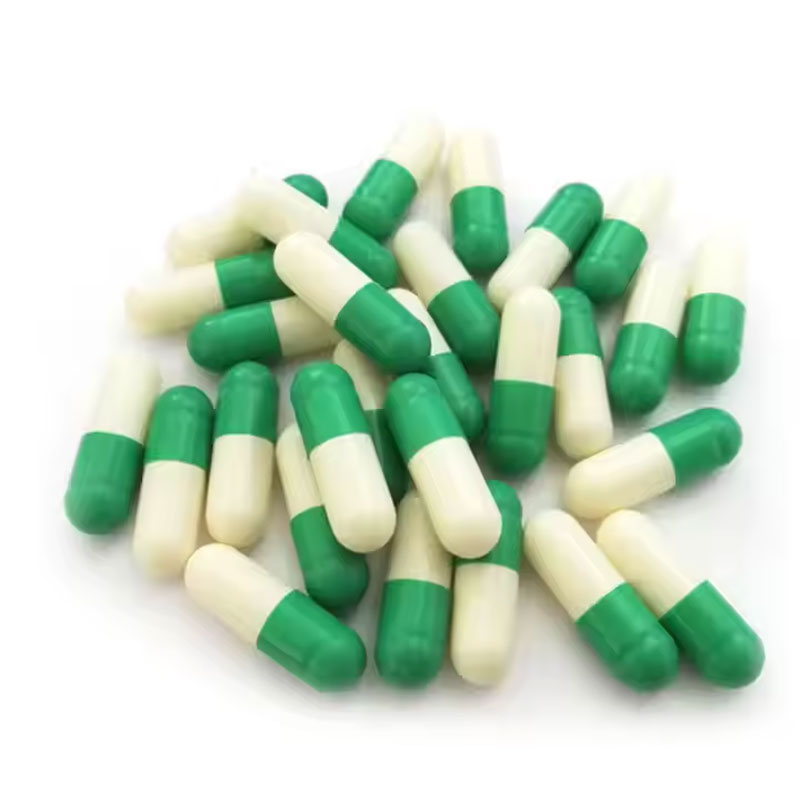 Size 00 hpmc capsules vegetarian capsules empty hard veggie capsules
 -
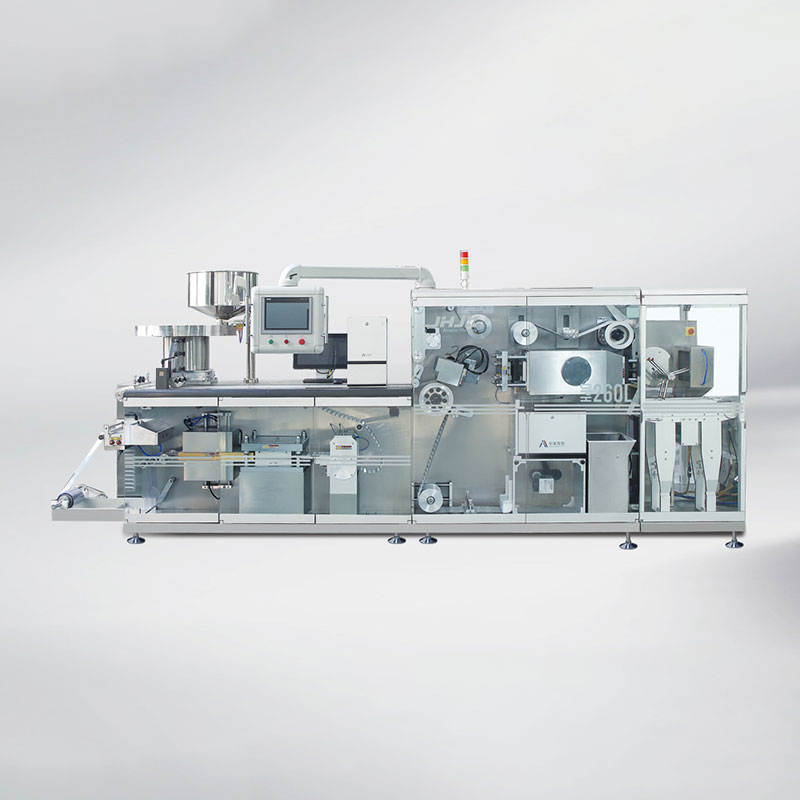 DPH-260L Roll-plate Blister Packaging Machine
 -
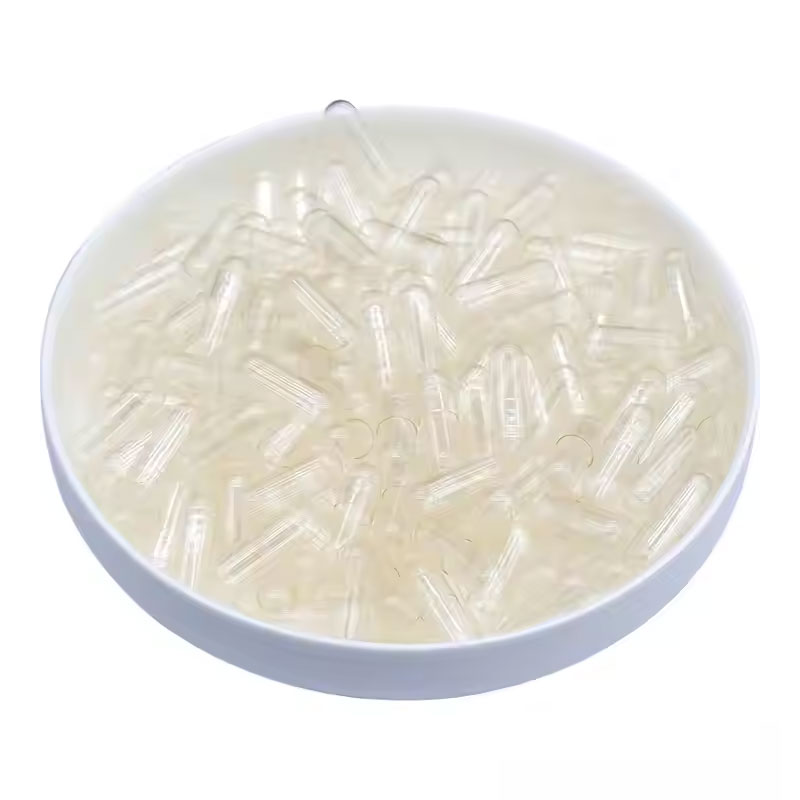 EMPTY VEGATABLE CAPSULE CLEAR SIZE 0
 -
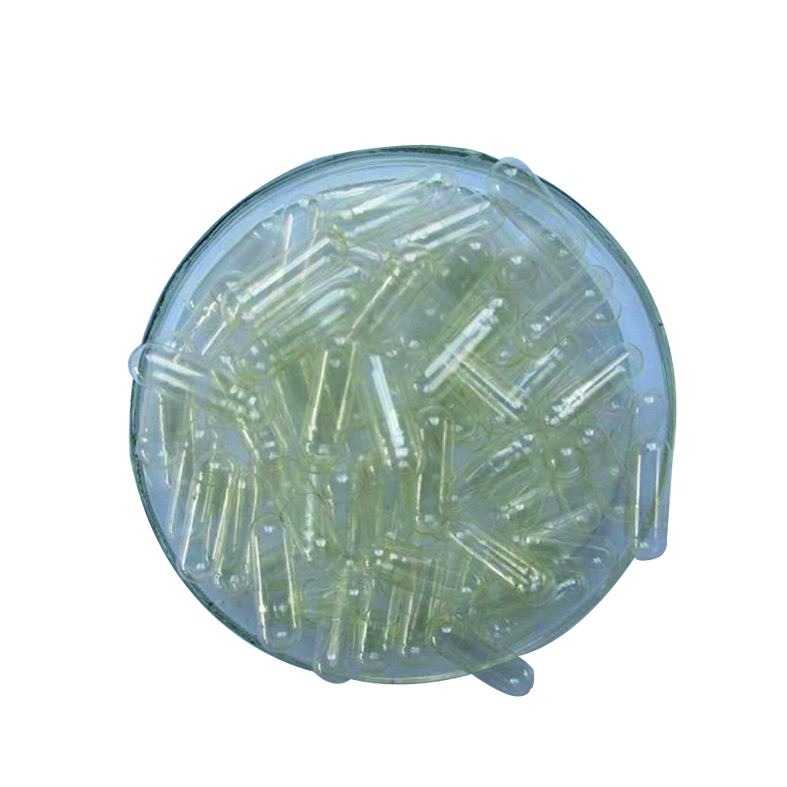 Halal Certificate Empty Clear Hard Gelatin Capsules Shell Size 0
Related Search
Related Search- Best best vegetable capsules
- Certificate njp 1200
- capsule filling machine supplier
- OEM Empty Capsule Gelatin Capsule Size 0 Transparent Natural
- Best njp 800
- Best semi automatic capsule filling machine
- OEM the capsule machine 000
- Best Pearl Golden Color Empty Gelatin Capsule Size 0 00 Hard Empty Capsule Shells
- Best DPP 140 Blister machine
- Certificate 0 capsule filling machine