
- Chinese
- French
- German
- Portuguese
- Spanish
- Russian
- Japanese
- Korean
- Arabic
- Irish
- Greek
- Turkish
- Italian
- Danish
- Romanian
- Indonesian
- Czech
- Afrikaans
- Swedish
- Polish
- Basque
- Catalan
- Esperanto
- Hindi
- Lao
- Albanian
- Amharic
- Armenian
- Azerbaijani
- Belarusian
- Bengali
- Bosnian
- Bulgarian
- Cebuano
- Chichewa
- Corsican
- Croatian
- Dutch
- Estonian
- Filipino
- Finnish
- Frisian
- Galician
- Georgian
- Gujarati
- Haitian
- Hausa
- Hawaiian
- Hebrew
- Hmong
- Hungarian
- Icelandic
- Igbo
- Javanese
- Kannada
- Kazakh
- Khmer
- Kurdish
- Kyrgyz
- Latin
- Latvian
- Lithuanian
- Luxembou..
- Macedonian
- Malagasy
- Malay
- Malayalam
- Maltese
- Maori
- Marathi
- Mongolian
- Burmese
- Nepali
- Norwegian
- Pashto
- Persian
- Punjabi
- Serbian
- Sesotho
- Sinhala
- Slovak
- Slovenian
- Somali
- Samoan
- Scots Gaelic
- Shona
- Sindhi
- Sundanese
- Swahili
- Tajik
- Tamil
- Telugu
- Thai
- Ukrainian
- Urdu
- Uzbek
- Vietnamese
- Welsh
- Xhosa
- Yiddish
- Yoruba
- Zulu
- Kinyarwanda
- Tatar
- Oriya
- Turkmen
- Uyghur



Best DPP 260 Blister machine ALU/PVC
html
Considerations for Choosing the Best DPP 260 Blister Machine ALU/PVC
When it comes to selecting the best DPP 260 Blister Machine for ALU/PVC packaging, many factors come into play. Often, there's a misconception in the industry that a higher price tag automatically guarantees superior quality. However, from my experience and practical insights, reality tends to be more nuanced.
Understanding the Basics
The DPP 260 is often praised for its efficiency in blister packaging, particularly when dealing with ALU/PVC materials. Over the years, I’ve handled quite a few models, each touting its own set of bells and whistles. The core, however, always boils down to the machine’s reliability and compatibility with your specific production needs.
In practice, you want a machine that offers consistent sealing quality and straightforward operation. During a recent project with Suqian Kelaiya Corp., whose primary website is kelaiyacorp.com, the DPP 260's adaptability to varying product types proved invaluable. This flexibility allows you to run different batches without constant recalibration—a real timesaver in high-volume production.
Yet, even the most touted machines have their quirks. One common issue is the sensitivity to temperature fluctuations in the materials used, which can affect seal integrity. Regular maintenance and calibration checks are key to addressing this.
Common Pitfalls
A common error I’ve seen over time is underestimating the importance of a well-trained operator. A machine’s performance is often only as good as the person running it. Ensuring your team is well-versed with the DPP 260’s controls can significantly reduce downtime and improve the overall efficiency of the production line.
Another pitfall lies in neglecting regular maintenance. It’s tempting to push a machine to its limits, particularly during peak production periods. However, as I learned the hard way, skipping scheduled maintenance can lead to significant downtime later on.
For example, at one manufacturing site in Jiangsu province, a minor oversight in maintenance led to a delay in a critical production schedule. The lesson here is clear: regular checks are non-negotiable.
Real-world Application
In an application setting, particularly within Suqian Kelaiya Corp., where both empty capsule production and capsule filling need synchronizing, the DPP 260 excels in its versatility. It easily integrates into existing production lines, minimizing disruptions.
The true test came when we had to scale up production rapidly, ensuring that blister packaging maintained consistent quality. The DPP 260 proved itself in handling the pressure, thanks in part to its robust build and energy-efficient operation. Energy efficiency might not seem like a dealbreaker at first glance, but in high-output scenarios, it makes a noticeable difference.
Moreover, the adaptability of the machine is worth mentioning. Switching from one product type to another can be seamless if the configuration is properly set, reducing downtime between batches—a crucial factor for any manufacturing plant aiming to stay competitive.
Technical Considerations
On the technical side, understanding the specifications of the DPP 260 is vital. The Sealing and cutting precision must align with your product requirements. I’ve found that spending time in understanding file formats specific to ALU/PVC is crucial.
Misalignment, even by a fraction, can spell disaster for sensitive products. Such instances can be mitigated through comprehensive pre-installation checks and regular training sessions for operators.
Importantly, maintaining detailed records on machine settings during different production runs can aid rapid troubleshooting during mechanical failures. An anecdote from the Suqian site reminded us that every production environment introduces unique variables that must be accounted for.
Final Thoughts
In summary, choosing the best DPP 260 Blister Machine ALU/PVC involves more than evaluating technical specs. It entails a holistic approach, considering the compatibility, employee training, maintenance needs, and real-world application scenarios like those experienced at Suqian Kelaiya Corp..
As the blister machine landscape continues to evolve, keep an eye out for enhancements that may further streamline your operations, but do so with a critical understanding of your specific operational needs. This nuanced selection and integration process will ultimately lead to greater production success and efficiency.
Related Products
Related Products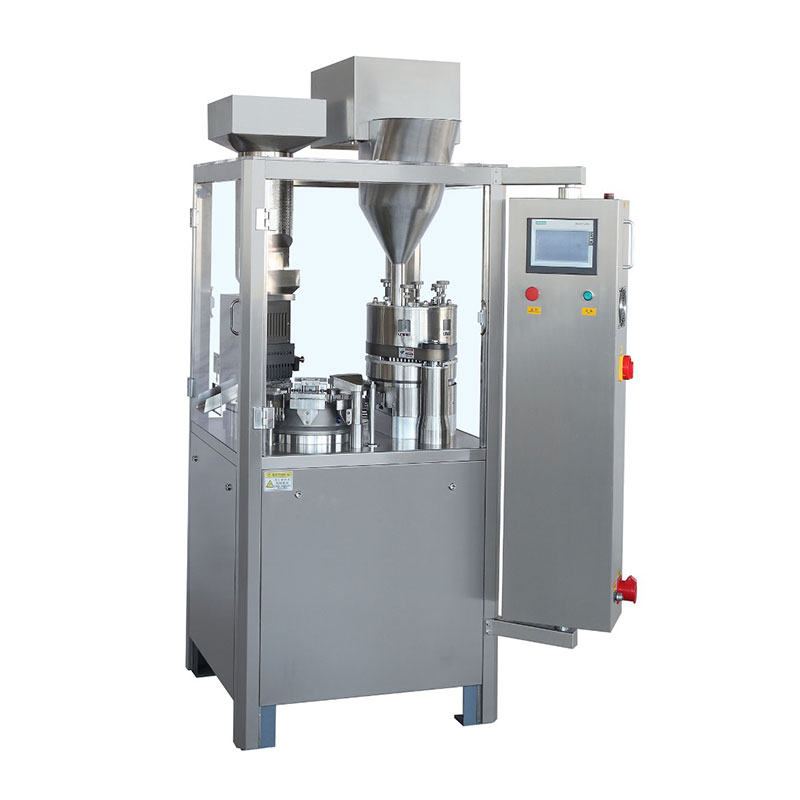


Best Selling Products
Best Selling Products-
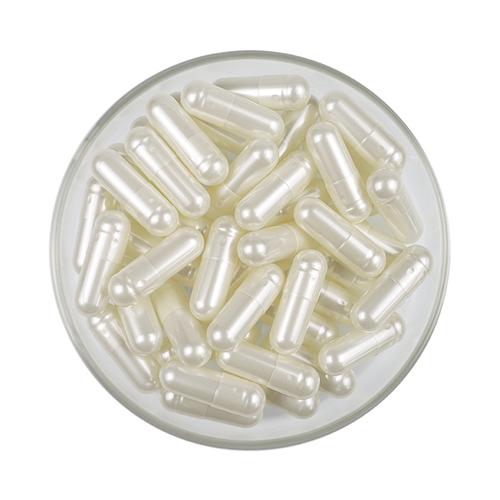
 Hpmc Capsules Product Plant Vegetarian Size 00 0 Capsule Shell
 -
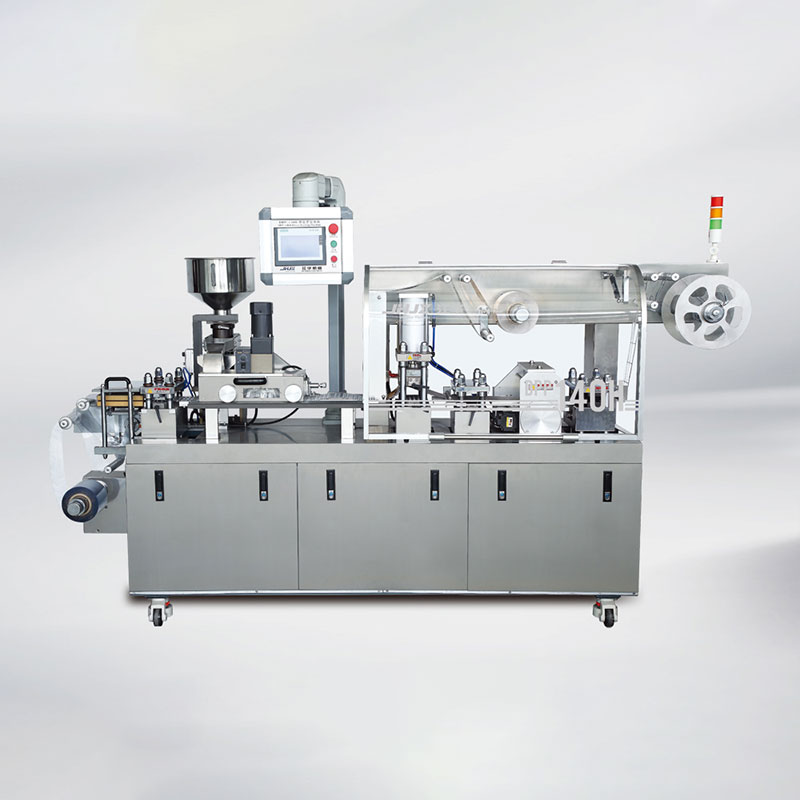 DPP-140H Flat-plate Blister Packing Machine
 -
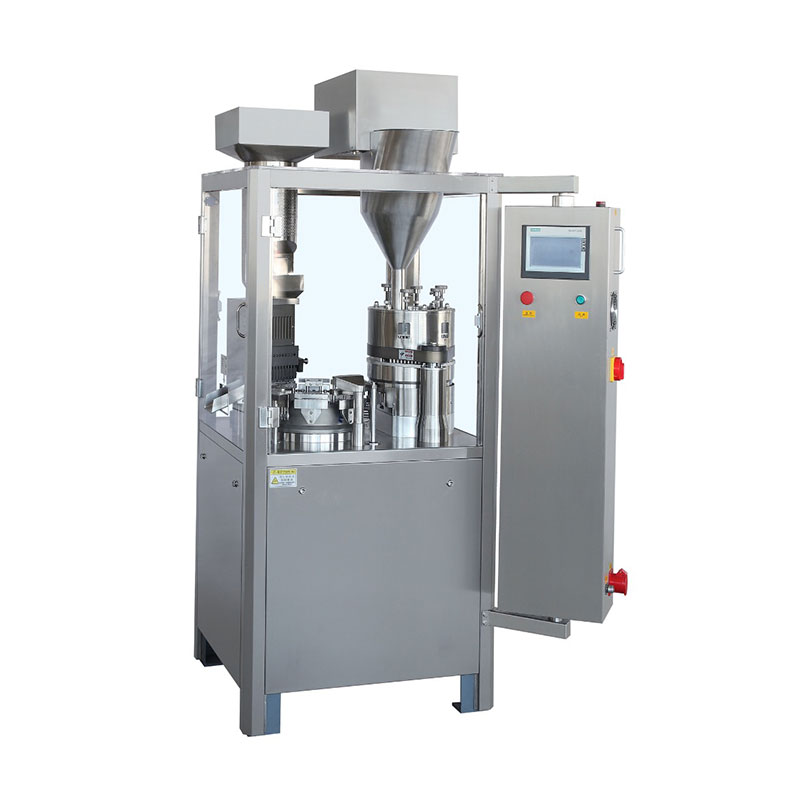
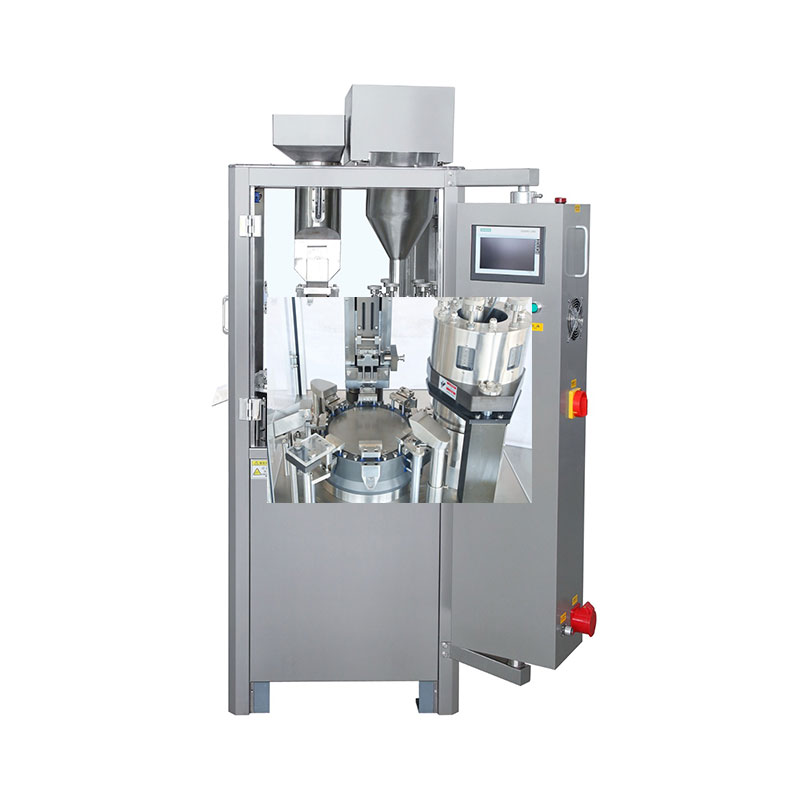 NJP-200 Model Fully Automatic Capsule Filling Machine
 -
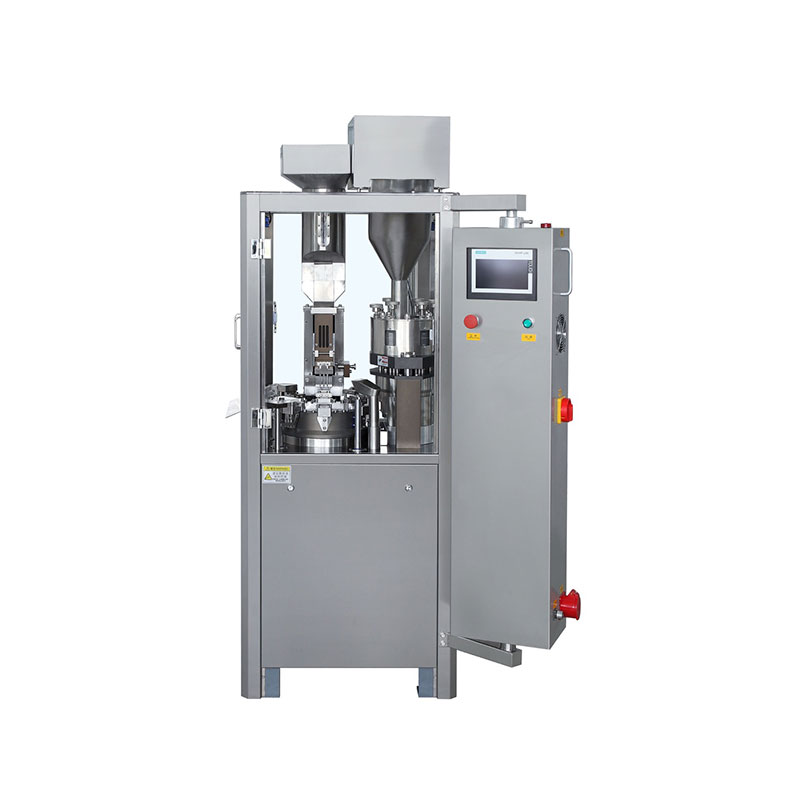 NJP-400 Fully Automatic Capsule Filling Machine
 -
 Halal Certificate Empty Clear Hard Gelatin Capsules Shell Size 0
 -
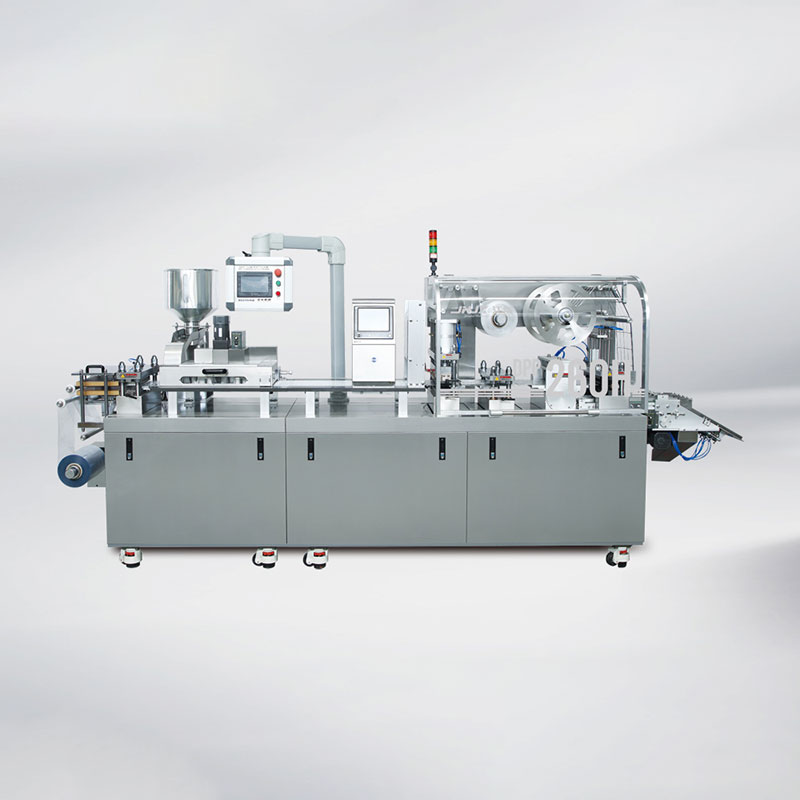 DPP-260H_DPP-320H Flat-plate Blister Packing Machine
 -
 Halal empty hard geltin capsule
 -
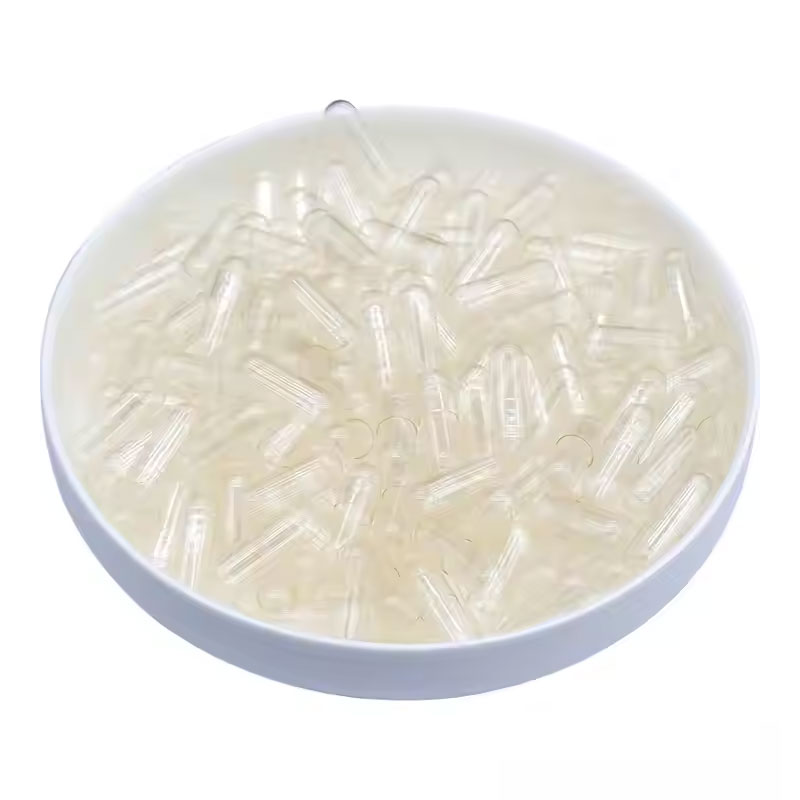 EMPTY VEGATABLE CAPSULE CLEAR SIZE 0
 -
 Empty VegCaps Shell Clear Empty Vegan Plant-Based Capsules Size 00 0 1 2 3 4 Natural Vegetable HPMC Capsules
 -
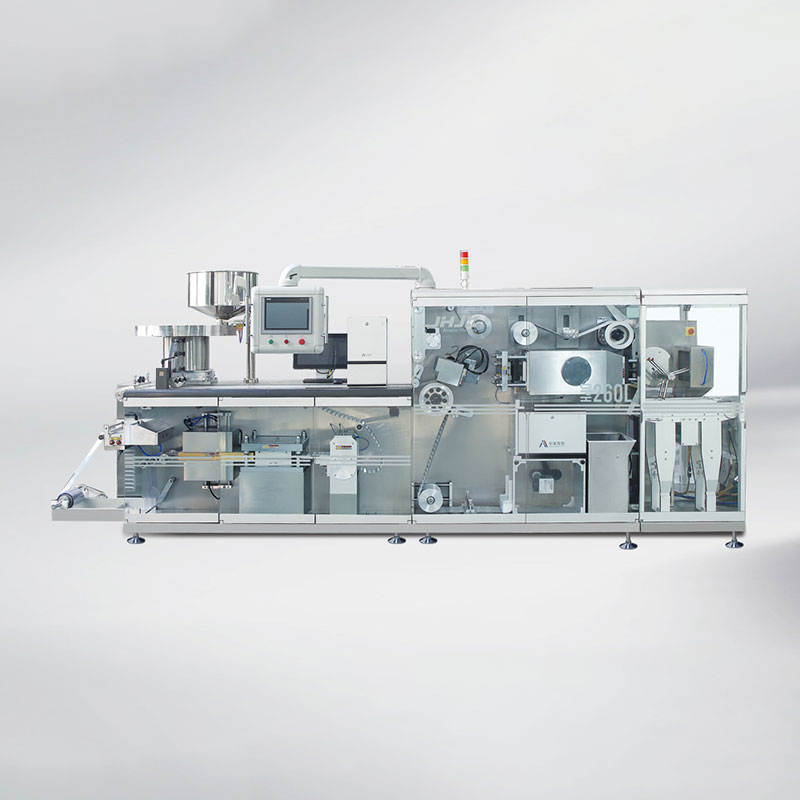 DPH-260L Roll-plate Blister Packaging Machine
 -
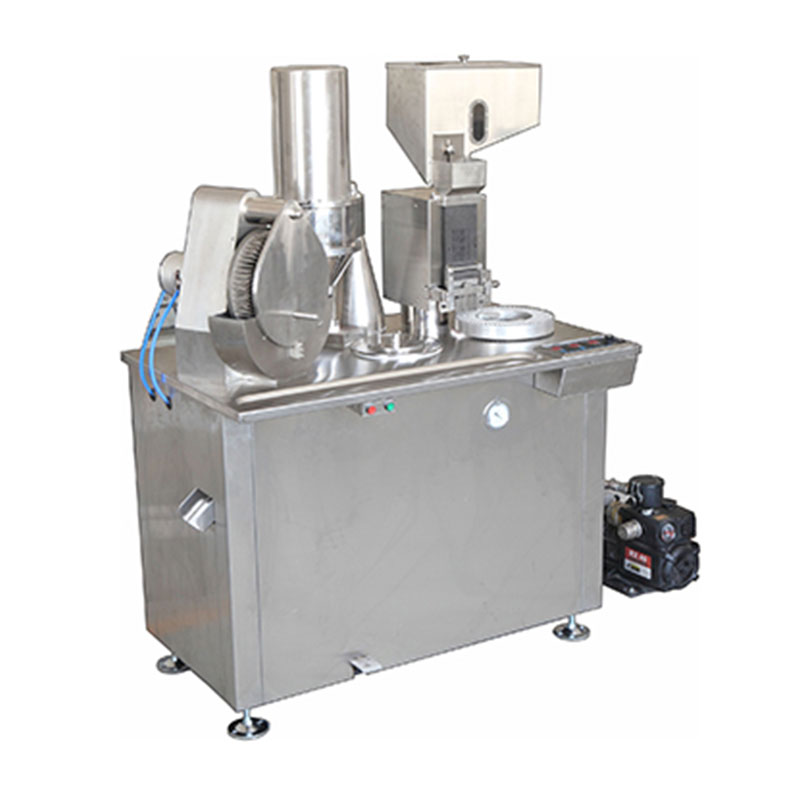 CGN208-D Newest Type Semi Automatic Capsule Filling Machine
 -
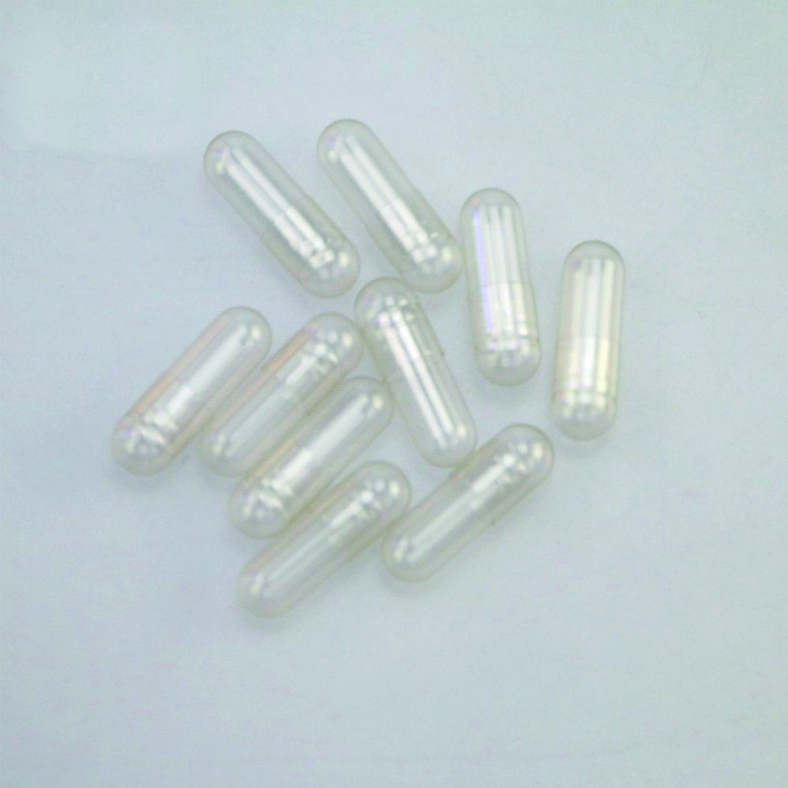 EMPTY HPMC CAPSULE SIZE 00 CLEAR
Related Search
Related Search- Best automatic capsule filling machine 00
- Certificate size 0 vegetable capsules
- Best empty vegetarian capsules size 000
- OEM sizes of veggie capsules
- Discount njp 400 capsule filling machine
- Certificate empty vegetarian capsules size 0
- semi automatic capsule filler
- high quality semi-automatic capsule filling machine size 0
- Discount capsule filler
- Certificate best capsule filling machine