
- Chinese
- French
- German
- Portuguese
- Spanish
- Russian
- Japanese
- Korean
- Arabic
- Irish
- Greek
- Turkish
- Italian
- Danish
- Romanian
- Indonesian
- Czech
- Afrikaans
- Swedish
- Polish
- Basque
- Catalan
- Esperanto
- Hindi
- Lao
- Albanian
- Amharic
- Armenian
- Azerbaijani
- Belarusian
- Bengali
- Bosnian
- Bulgarian
- Cebuano
- Chichewa
- Corsican
- Croatian
- Dutch
- Estonian
- Filipino
- Finnish
- Frisian
- Galician
- Georgian
- Gujarati
- Haitian
- Hausa
- Hawaiian
- Hebrew
- Hmong
- Hungarian
- Icelandic
- Igbo
- Javanese
- Kannada
- Kazakh
- Khmer
- Kurdish
- Kyrgyz
- Latin
- Latvian
- Lithuanian
- Luxembou..
- Macedonian
- Malagasy
- Malay
- Malayalam
- Maltese
- Maori
- Marathi
- Mongolian
- Burmese
- Nepali
- Norwegian
- Pashto
- Persian
- Punjabi
- Serbian
- Sesotho
- Sinhala
- Slovak
- Slovenian
- Somali
- Samoan
- Scots Gaelic
- Shona
- Sindhi
- Sundanese
- Swahili
- Tajik
- Tamil
- Telugu
- Thai
- Ukrainian
- Urdu
- Uzbek
- Vietnamese
- Welsh
- Xhosa
- Yiddish
- Yoruba
- Zulu
- Kinyarwanda
- Tatar
- Oriya
- Turkmen
- Uyghur


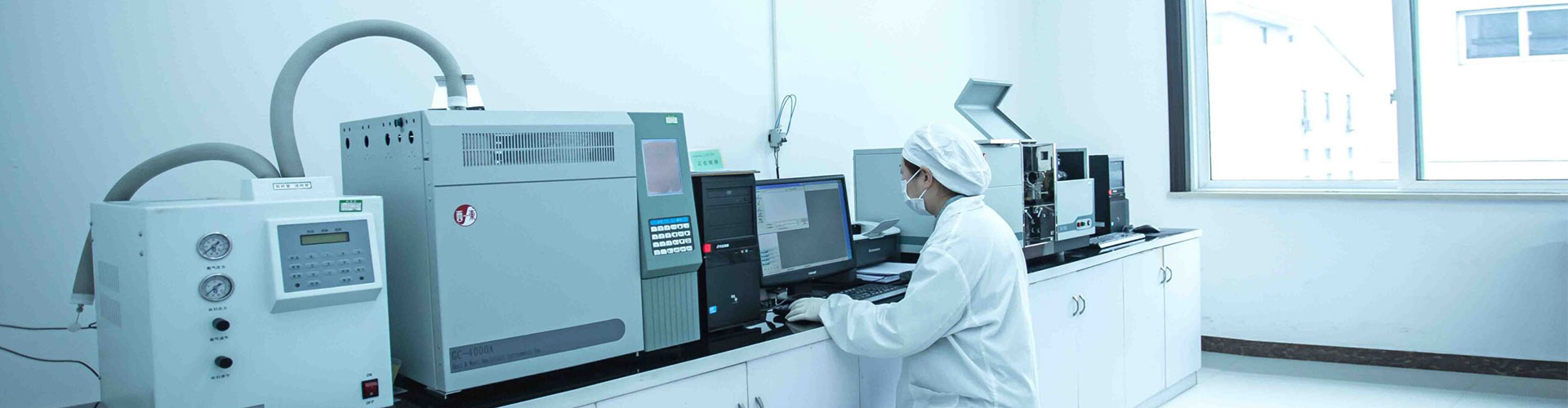
000 capsule filling machine
Choosing the Right 000 Capsule Filling Machine: Insights from the Field
Navigating the world of capsule filling machines can be daunting, especially when you're targeting a machine that handles the '000' size capsules. What's often overlooked is how these machines fit into the broader framework of pharmaceutical manufacturing.
Understanding the Basics of 000 Capsule Filling Machines
I remember the first time I encountered a 000 capsule filling machine. It was in a bustling factory floor where precision and efficiency were paramount. Not everyone understands that these machines are fine-tuned for larger capsule sizes and require special consideration.
From the outset, the larger capsule size presents unique challenges. For instance, the fill materials must be meticulously measured to avoid any wastage or error. It's here that the role of companies like SUQIAN KELAIYA INTERNATIONAL TRADING CO., LTD becomes crucial. Their expertise in drug development and capsule production is invaluable.
One common mistake I’ve seen is underestimating the importance of machine maintenance. Regular calibration and cleaning are non-negotiable if you want a prolonged operational life.
Key Features to Look For
When selecting a capsule filling machine, there's more to consider than just the size compatibility. The material flexibility and speed need attention. Machines capable of handling various fill materials—from powders to granules—are far more versatile.
During a tour of a manufacturing site, the efficiency of operation became particularly clear. A well-designed machine can transition between different capsule sizes with minimal downtime, which is a significant advantage for high-volume production settings.
The integration of advanced technology, like automated weight checks, can further enhance productivity and ensure compliance with drug safety standards. I saw firsthand how manual errors were reduced almost to zero with these enhancements.
Common Challenges and Solutions
Handling a 000 capsule filling machine comes with its own set of challenges. One particular issue is the risk of capsule breakage during the filling process. This often stems from improper machine setup or poor quality capsules.
In my experience, engaging with suppliers that have robust quality assurance measures, such as Suqian Kelaiya Corp, can mitigate many of these problems. Their empty capsules, manufactured across sites in Zhejiang and Jiangsu provinces, adhere to stringent quality standards.
Another frequent challenge is achieving uniform fill weights. Discrepancies here can lead to batch rejections. Precision dosing mechanisms equipped with real-time adjustments have proven to be lifesavers in maintaining consistency.
Cost Considerations and ROI
While initial costs of a reliable capsule filling machine can be significant, the investment is often offset by long-term savings in labor, material wastage, and time. High-quality machines, although pricey up front, offer better efficiency and fewer breakdowns.
I've noted that companies with a focus on continuous training and machine maintenance tend to avoid costly downtimes. The initial investment in educating staff pays off manifold over the lifespan of the machine.
Moreover, a well-integrated machine, such as those from SUQIAN KELAIYA, contributes to better overall product quality, enhancing market reputation and fostering customer trust.
Future Trends and Innovations
The future of capsule filling looks promising with innovations in automation and digital monitoring. I've seen how real-time analytics transform production lines, allowing quicker adjustments and enhancing batch consistency.
There's a growing trend towards eco-friendly materials and processes in capsule manufacturing. Companies like Suqian Kelaiya are at the forefront, adapting to these changes with new products and methods.
As we move forward, the integration of AI in capsule filling machines is an exciting development, potentially leading to smarter and more adaptive machines. However, this transition requires a balance between new technology adoption and practical operational needs.
Related Products
Related Products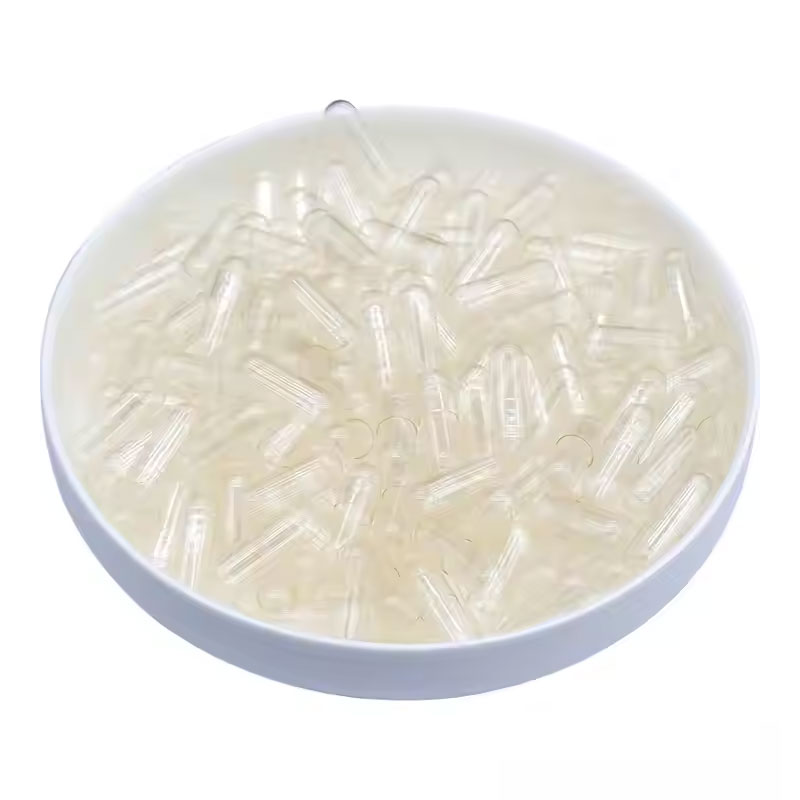
Best Selling Products
Best Selling Products-
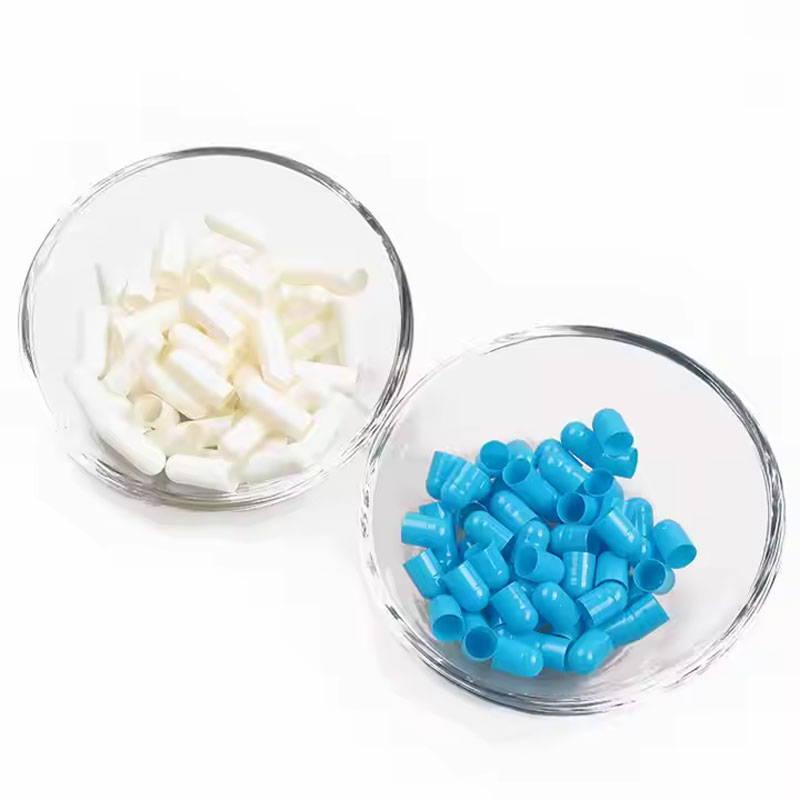 Empty VegCaps Shell Clear Empty Vegan Plant-Based Capsules Size 00 0 1 2 3 4 Natural Vegetable HPMC Capsules
 -
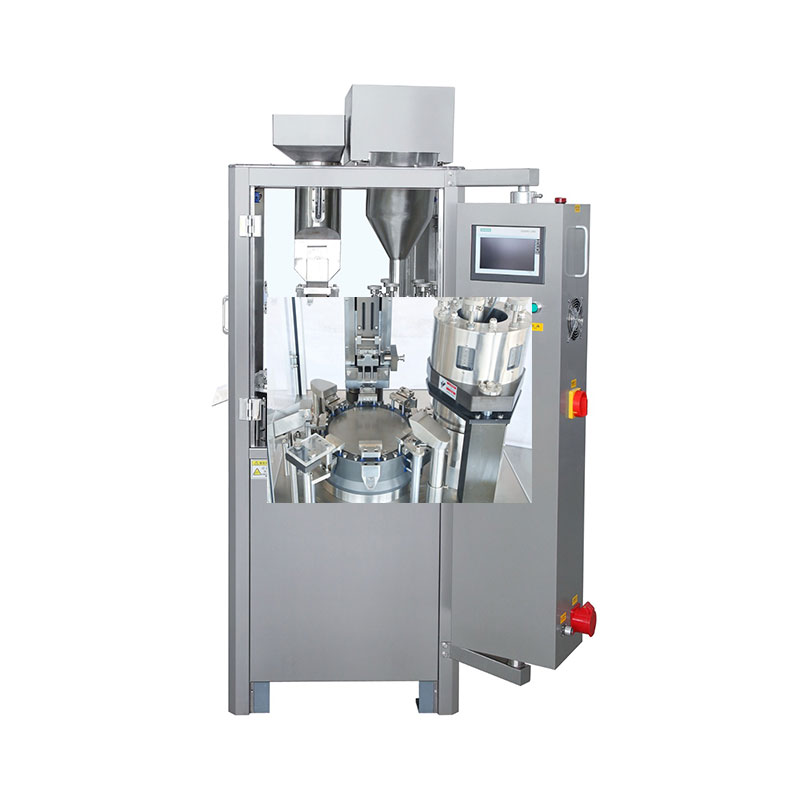 NJP-200 Model Fully Automatic Capsule Filling Machine
 -
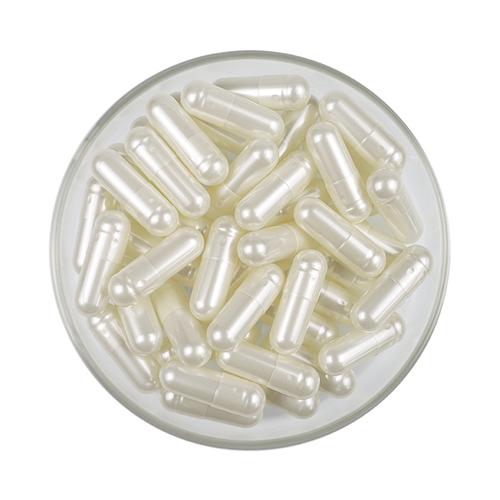 Golden_Pearl Hard Gelatin Capule
 -
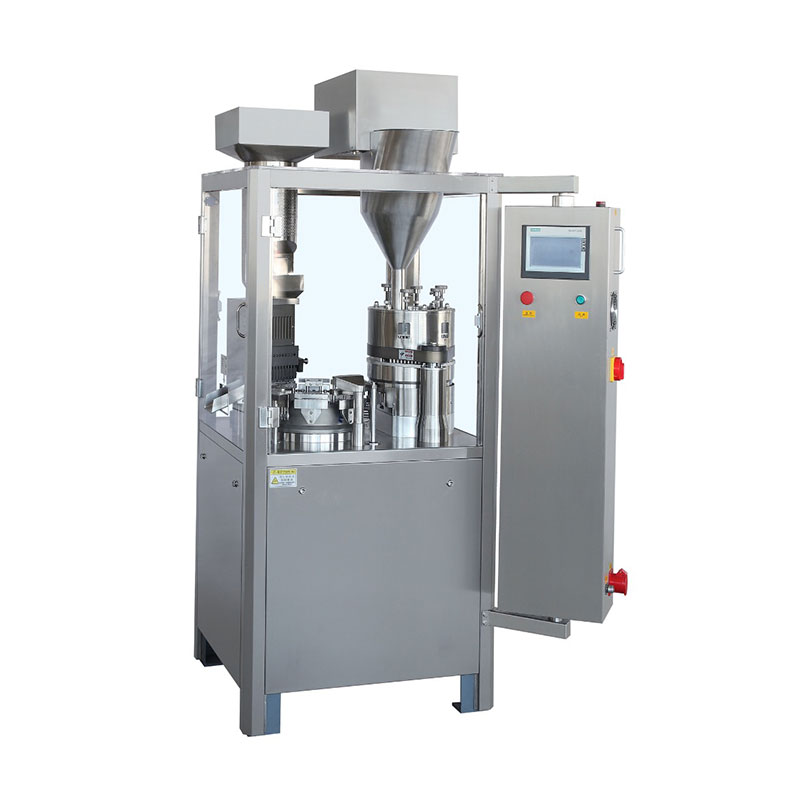 NJP-800 Automatic Capsule Filling Machine
 -
 Vegetarian Separated Capsules HPMC Capsules Separated Wholesale Vegetarian Capsules Discount for Bulk Orders
 -
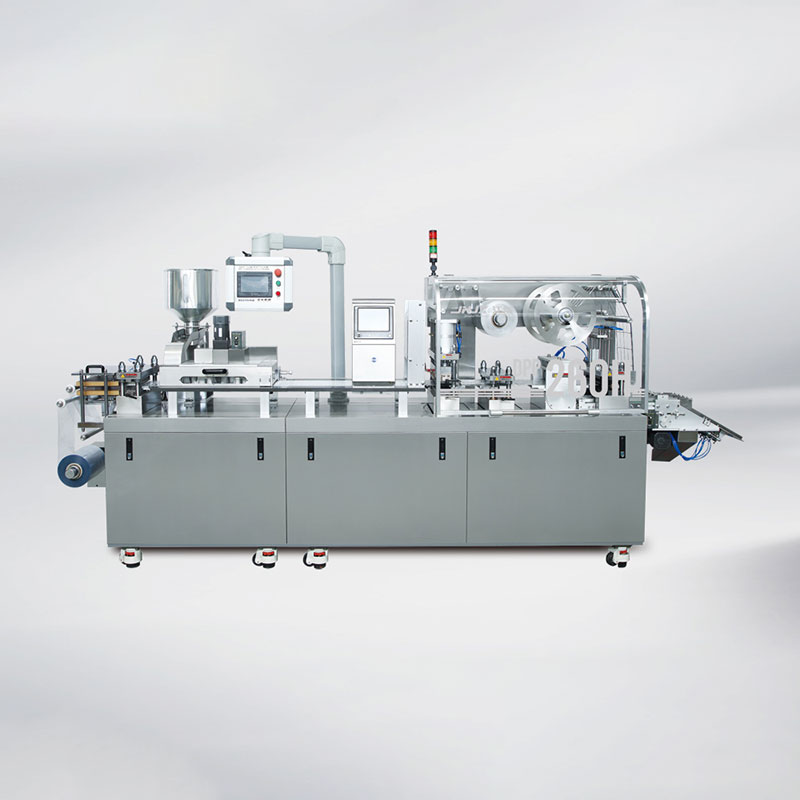 DPP-260H_DPP-320H Flat-plate Blister Packing Machine
 -
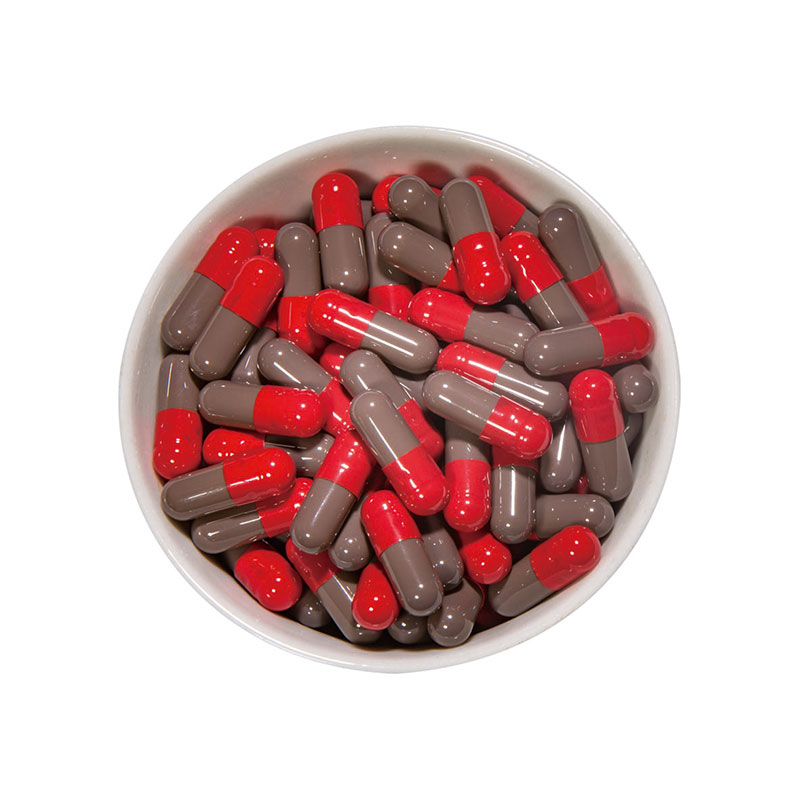 TIO2 free gelatin CAPSULE
 -
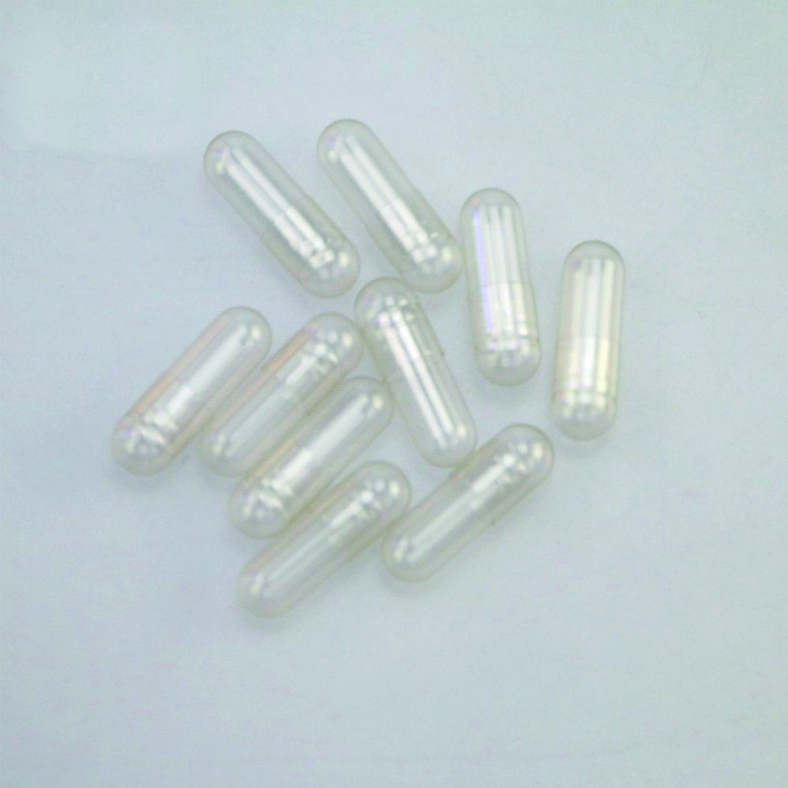 EMPTY HPMC CAPSULE SIZE 00 CLEAR
 -
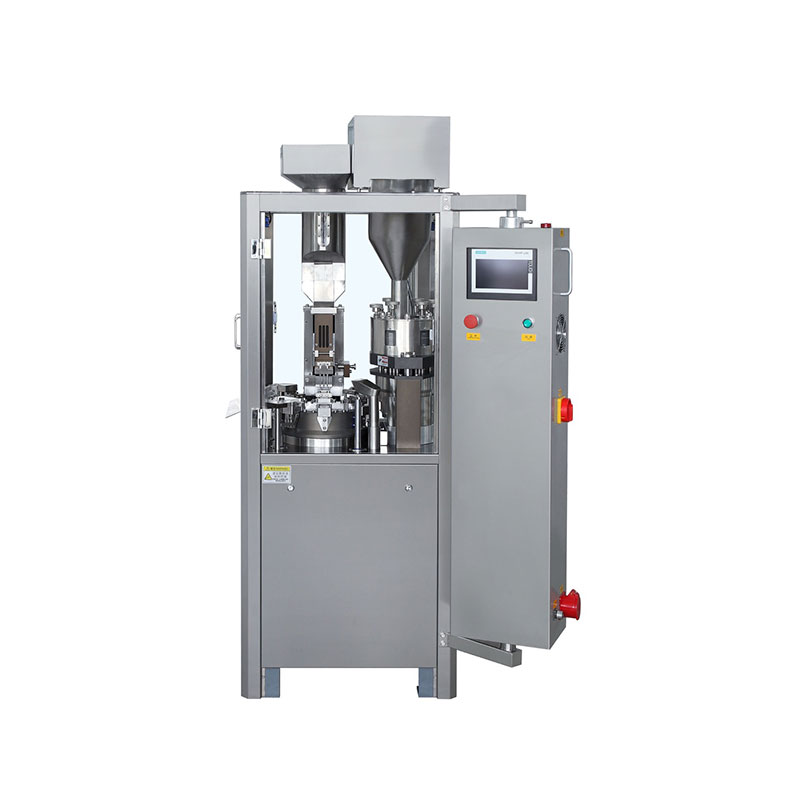 NJP-400 Fully Automatic Capsule Filling Machine
 -
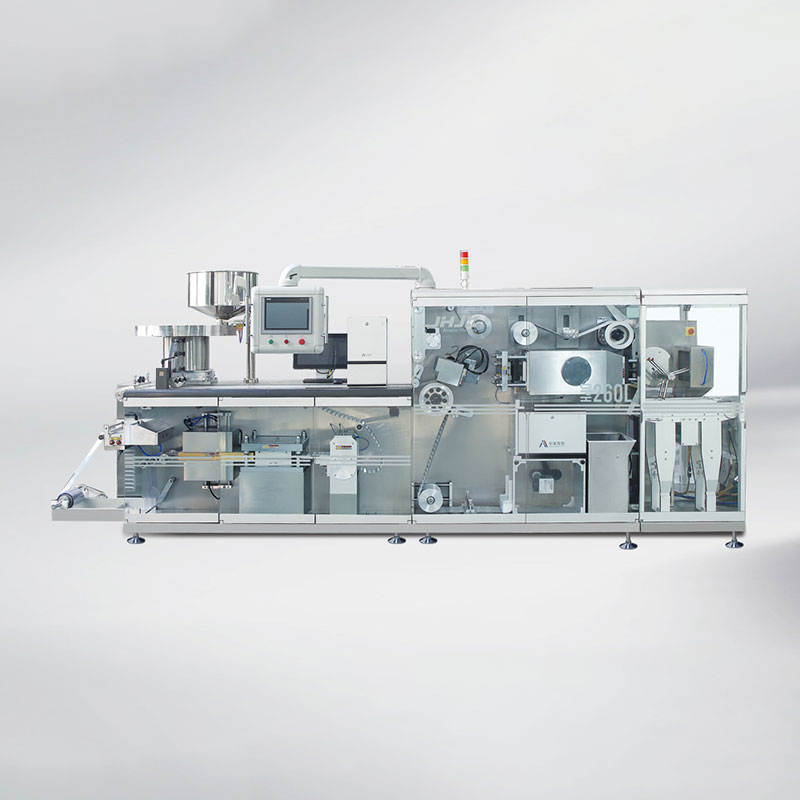 DPH-260L Roll-plate Blister Packaging Machine
 -
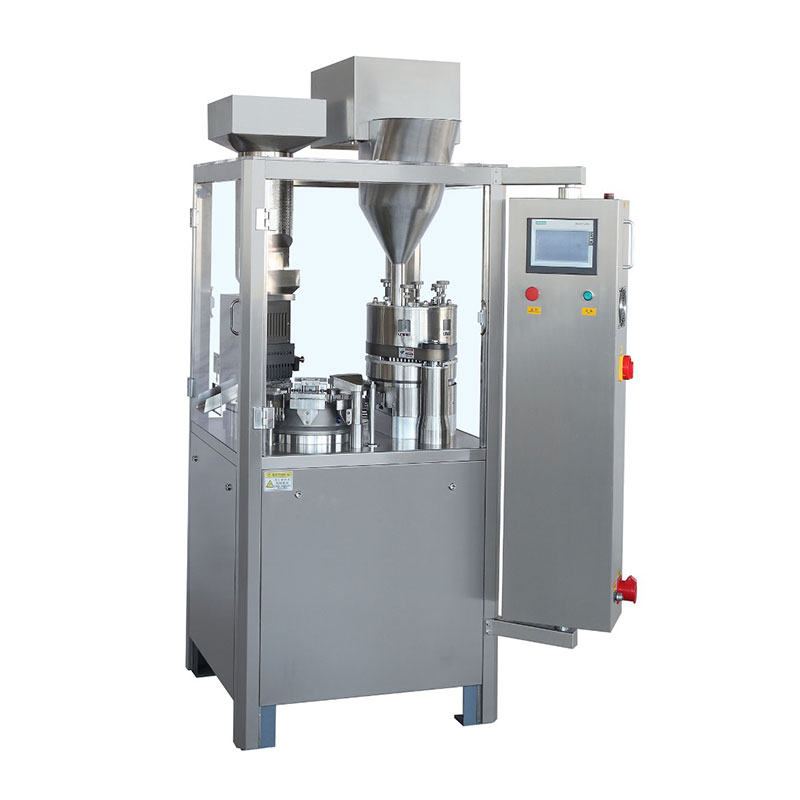 NJP-1200 Automatic Capsule Filling Machine
 -
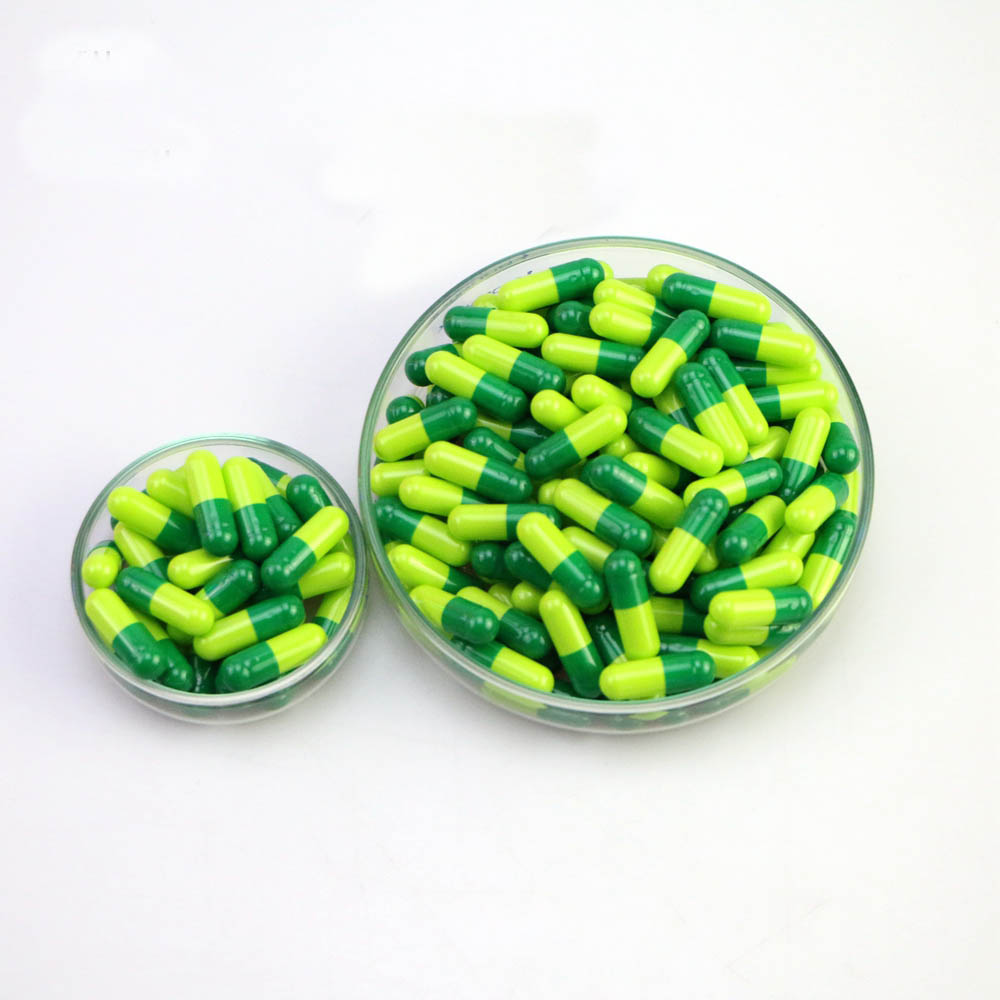 Halal empty hard geltin capsule
Related Search
Related Search- Certificate njp 800 capsule filling machine
- the capsule machine size 0
- high quality semi automatic capsule filling machine for sale
- hard capsule filling machine
- Certificate size 5 capsule filling machine
- high quality DPP 80 Blister machinePVC/ALU
- OEM Blister machine
- Certificate automatic capsule filling machine 00
- Best semi automatic capsule filler
- high quality NJP-1200 automatic capsule filling machine