
- English
- Chinese
- French
- German
- Portuguese
- Spanish
- Russian
- Japanese
- Korean
- Arabic
- Irish
- Greek
- Turkish
- Italian
- Danish
- Romanian
- Indonesian
- Czech
- Afrikaans
- Swedish
- Polish
- Basque
- Catalan
- Esperanto
- Hindi
- Lao
- Albanian
- Amharic
- Armenian
- Azerbaijani
- Belarusian
- Bengali
- Bosnian
- Bulgarian
- Cebuano
- Chichewa
- Corsican
- Croatian
- Dutch
- Estonian
- Filipino
- Finnish
- Frisian
- Galician
- Georgian
- Gujarati
- Haitian
- Hausa
- Hawaiian
- Hebrew
- Hmong
- Hungarian
- Icelandic
- Igbo
- Javanese
- Kannada
- Kazakh
- Khmer
- Kurdish
- Kyrgyz
- Latin
- Latvian
- Lithuanian
- Luxembou..
- Macedonian
- Malagasy
- Malay
- Malayalam
- Maltese
- Maori
- Marathi
- Mongolian
- Burmese
- Nepali
- Norwegian
- Pashto
- Persian
- Punjabi
- Serbian
- Sesotho
- Sinhala
- Slovak
- Slovenian
- Somali
- Scots Gaelic
- Shona
- Sindhi
- Sundanese
- Swahili
- Tajik
- Tamil
- Telugu
- Thai
- Ukrainian
- Urdu
- Uzbek
- Vietnamese
- Welsh
- Xhosa
- Yiddish
- Yoruba
- Zulu
- Kinyarwanda
- Tatar
- Oriya
- Turkmen
- Uyghur



VEGETABLE CAPSULE
The Role and Impact of Vegetable Capsules in Modern Supplements
Vegetable capsules have been transforming how supplements are consumed, offering an appealing alternative to traditional gelatin capsules. As someone who's handled product development in the nutraceutical industry, I’ve noticed a few misconceptions. People often think these capsules are solely for vegetarians—it's more nuanced. They’re favored for their ease of use and a cleaner label, among other reasons. Let's dive into how these seemingly simple capsules can carry such weight in supplement innovation.
Understanding the Basics of Vegetable Capsules
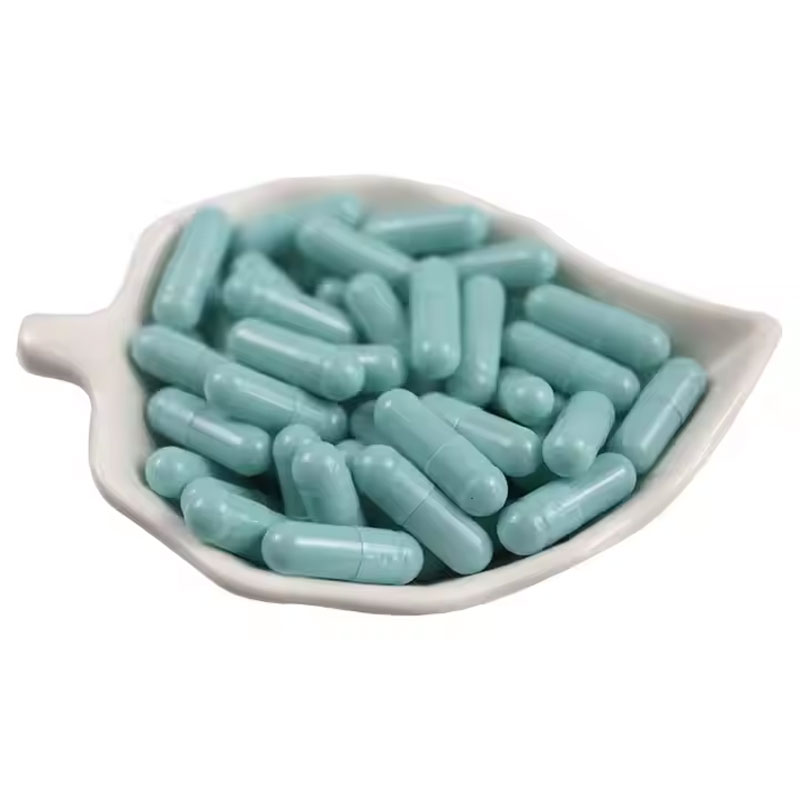
At a high level, vegetable capsules are derived from cellulose, typically sourced from tree pulp. These capsules offer a plant-based option that's free from animal products, making them suitable for vegetarians and vegans. Yet, their appeal stretches beyond dietary restrictions. From my experience, clients choose them for their dissolvability and stability under various conditions—features that enable better nutrient delivery.
Unlike gelatin, vegetable capsules do not involve animal byproducts, making them an ethical choice for many brands. A colleague once pointed out the regulatory ease these capsules afford. There are often fewer hoops to jump through when aiming for certification in various markets—a hidden advantage worth considering in product rollout stages.
However, one clear observation has been the crucial role of quality control. Vegetable capsules can be sensitive to humidity, requiring robust manufacturing environments. According to SUQIAN KELAIYA INTERNATIONAL TRADING CO., LTD, ensuring consistent humidity control in their Zhejiang and Jiangsu plants is vital in maintaining capsule integrity as detailed on their website.
Applications in Various Industries
The versatility of vegetable capsules makes them a favorite across industries—be it pharmaceuticals, nutraceuticals, or even certain food supplements. Companies often leverage these capsules to address wider consumer preferences, pushing the envelope in delivering health benefits. In supplement development, considerations such as delayed-release mechanisms have been addressed quite adeptly using vegetable capsules.
During a project focusing on probiotics, the use of acid-resistant vegetable capsules was a breakthrough. These capsules could sustain the delicate probiotic strains through the harsh gastric environment, ensuring delivery to the intestines where they are most effective. The innovation opened avenues for potential new product lines for our client.
Yet, I've seen projects stumble when overlooking the compatibility of these encapsulants with certain substances. A minor oversight in formulation can lead to stability issues, something that emphasizes why hands-on formulation testing can't be substituted with theoretical assessments alone.
The Sustainability Factor
Sustainability has become a pillar in modern consumer choice, and vegetable capsules align well with this ethos. They are biodegradable, reflecting the industry's shift towards eco-conscious production and packaging. Brands are increasingly using this aspect in marketing strategies, tapping into the values of environmentally aware consumers.
In conversation with SUQIAN KELAIYA CORP. representatives, the emphasis was on sustainable practices across their production sites. From using eco-friendly materials to streamlining processes, the focus is unmissable and becoming a competitive edge.
This pursuit of sustainability doesn’t just resonate at a consumer level—it's transforming supply chain dialogues. Suppliers are more willing to engage in eco-positive practices, knowing it aligns with market demands. This brings about a symbiotic relationship that fosters innovation and responsibility.
Challenges and Misconceptions
Widely seen as a perfect solution, vegetable capsules do have their limitations. Cost is a constant talking point. I've seen clients hesitating due to the higher expense compared to gelatin alternatives. But when considering the broader picture—ethical sourcing and market demand—it often becomes a strategic investment.
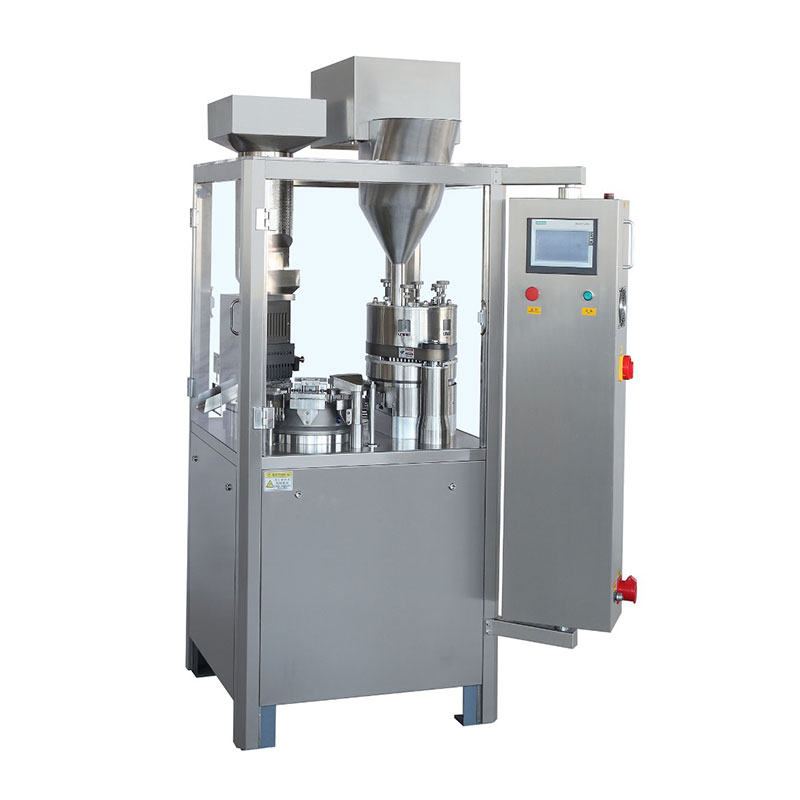
Another often overlooked aspect is the effort required for technological adaptation. For a company expanding their product line to include vegetable capsules, adjustments in machinery might be necessary. The capsule filling machines by SUQIAN KELAIYA CORP. are tailored for such transitions, providing clients the necessary infrastructure, which is pivotal for scaling smoothly.
On a project last year, an unexpected hurdle was the appearance of capsules—which can vary depending on the plant-based material used. Adjustments in production parameters and formulation techniques were necessary to achieve visual appeal without altering functional integrity.
The Future of Vegetable Capsules in the Industry
The trajectory of vegetable capsules continues to rise as companies like SUQIAN KELAIYA CORP. innovate in manufacturing capabilities. A key takeaway is the balance between sustainability and functionality. The industry is nowhere near saturation; rather, there are ample opportunities to explore advanced features like targeted release or enhanced bioavailability.
Looking forward, I see collaborations becoming more central. Companies will likely engage more with academic institutions or tech startups to push the envelope further. The developments around personalized medicine also excite me, potentially allowing for customized supplements housed in vegetable capsules tailored for individual health needs.
In essence, vegetable capsules provide more than just a plant-based alternative. They embody a shift in consumer preferences, technology, and sustainability, reshaping the supplement landscape with every turn. As with any dynamic entity, staying informed and adaptable remains key.
Related Products
Related Products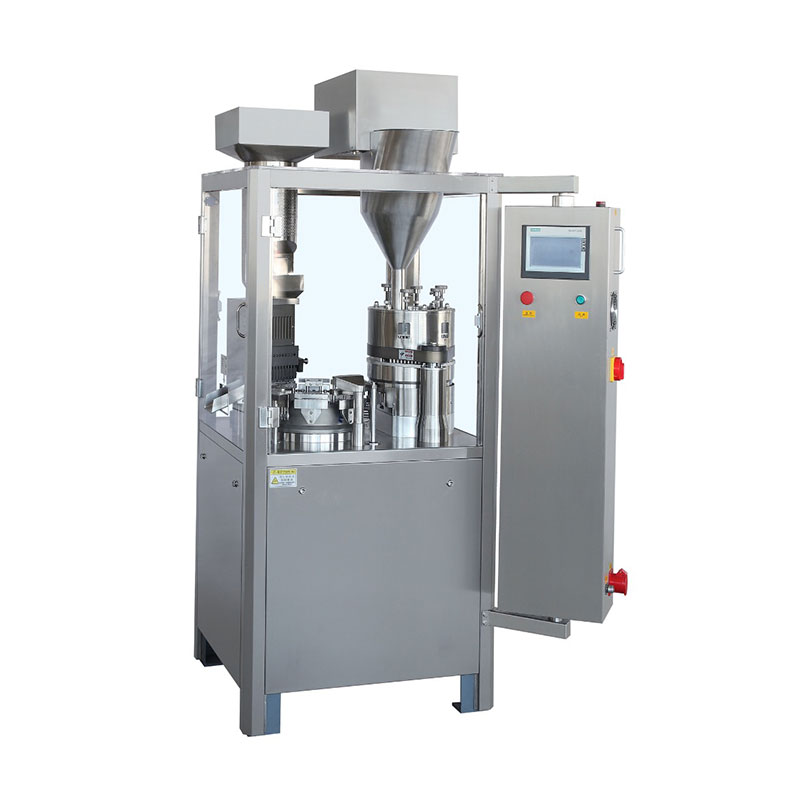
Best Selling Products
Best Selling Products-
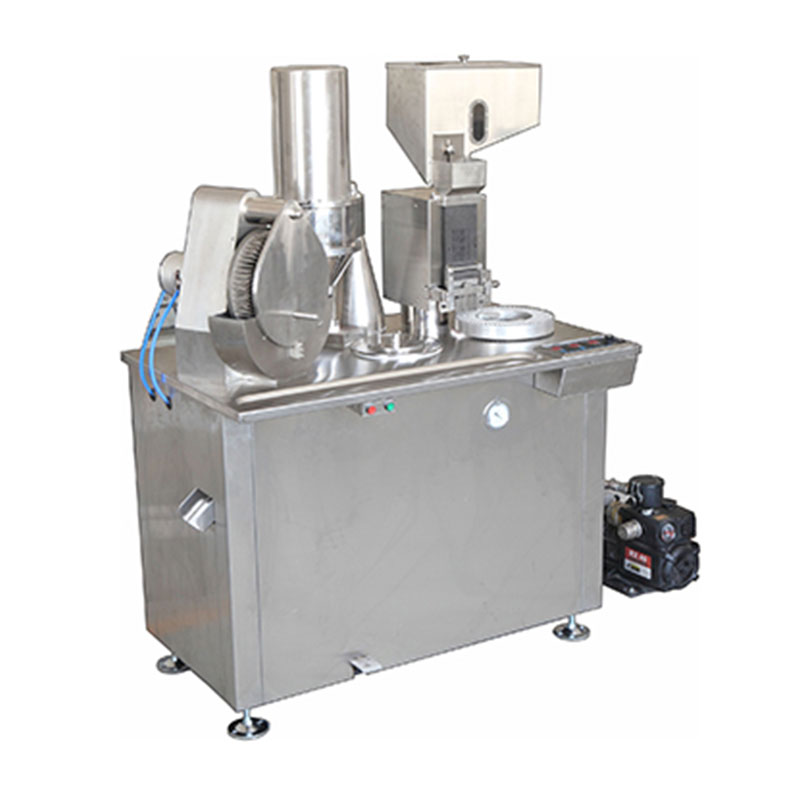 CGN208-D Newest Type Semi Automatic Capsule Filling Machine
 -
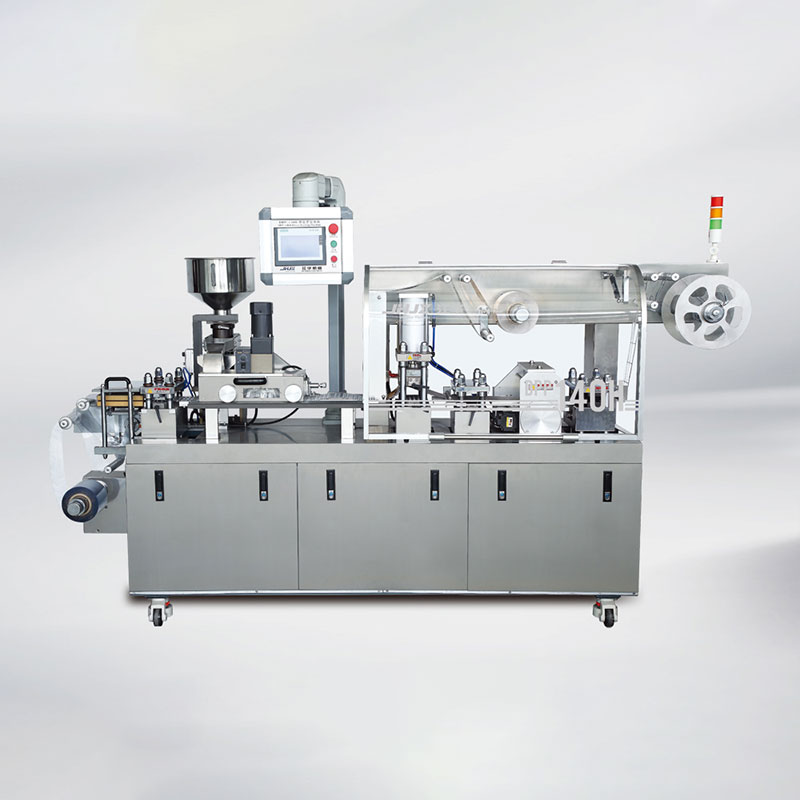 DPP-140H Flat-plate Blister Packing Machine
 -
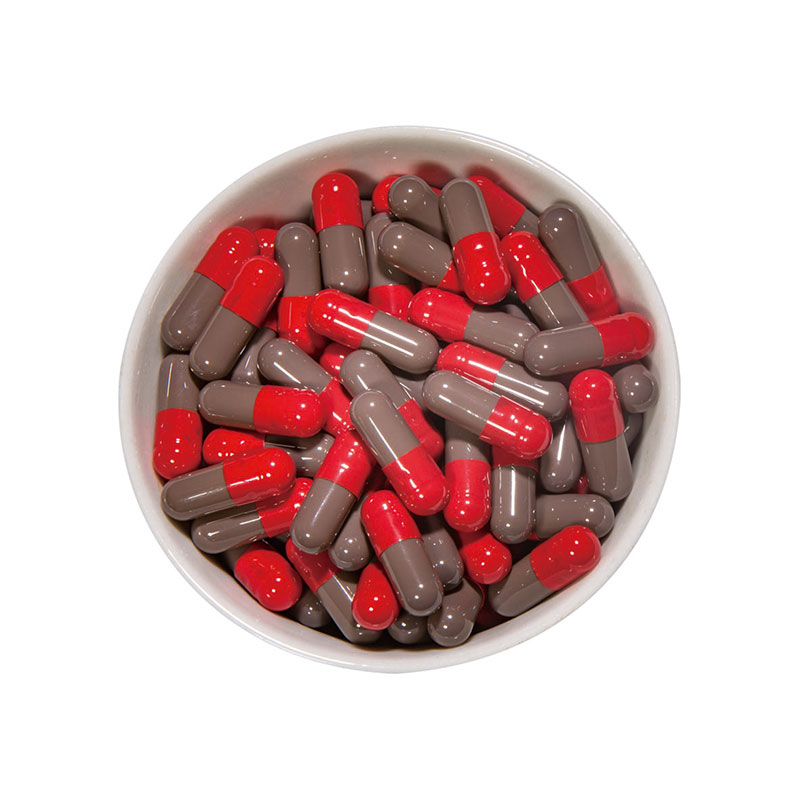 TIO2 free gelatin CAPSULE
 -
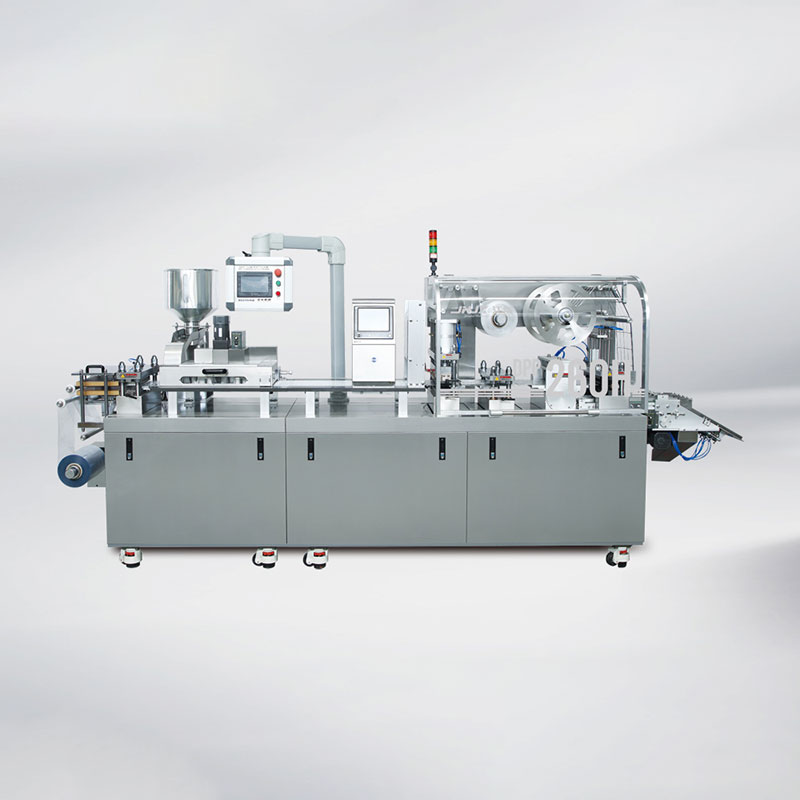 DPP-260H_DPP-320H Flat-plate Blister Packing Machine
 -
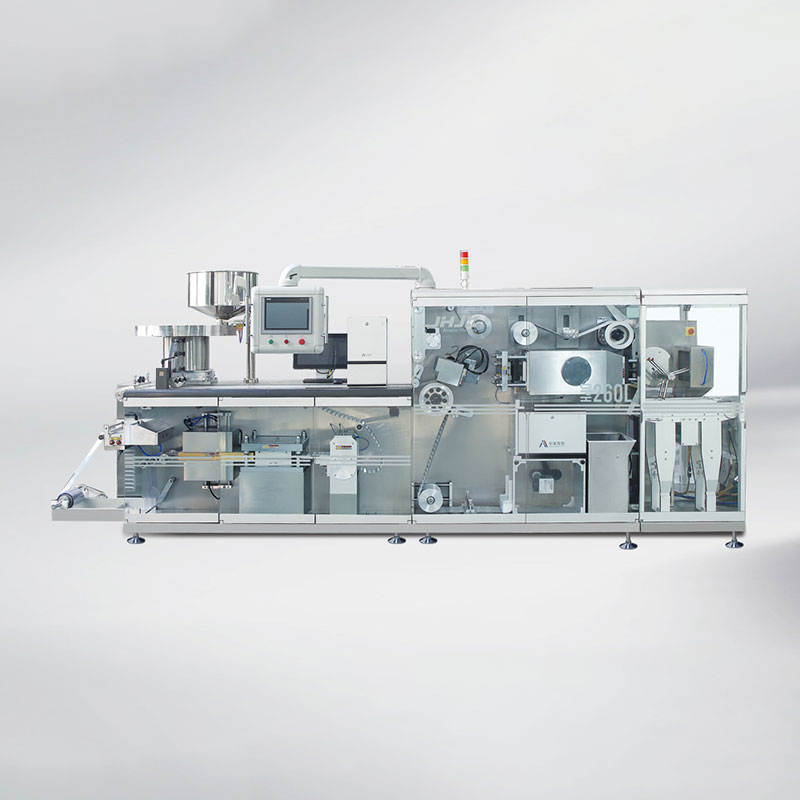 DPH-260L Roll-plate Blister Packaging Machine
 -
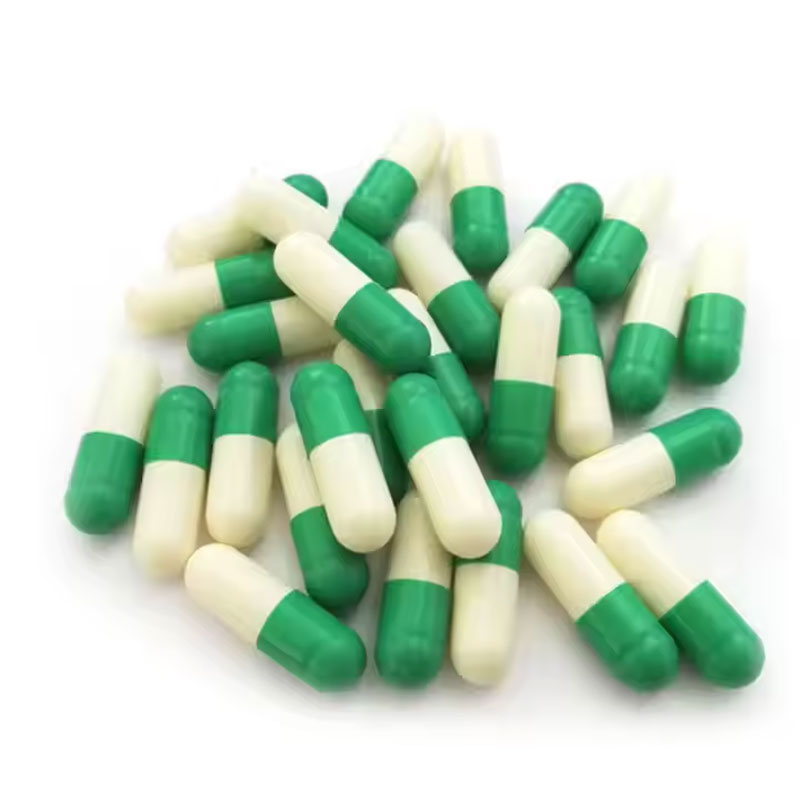 Size 00 hpmc capsules vegetarian capsules empty hard veggie capsules
 -
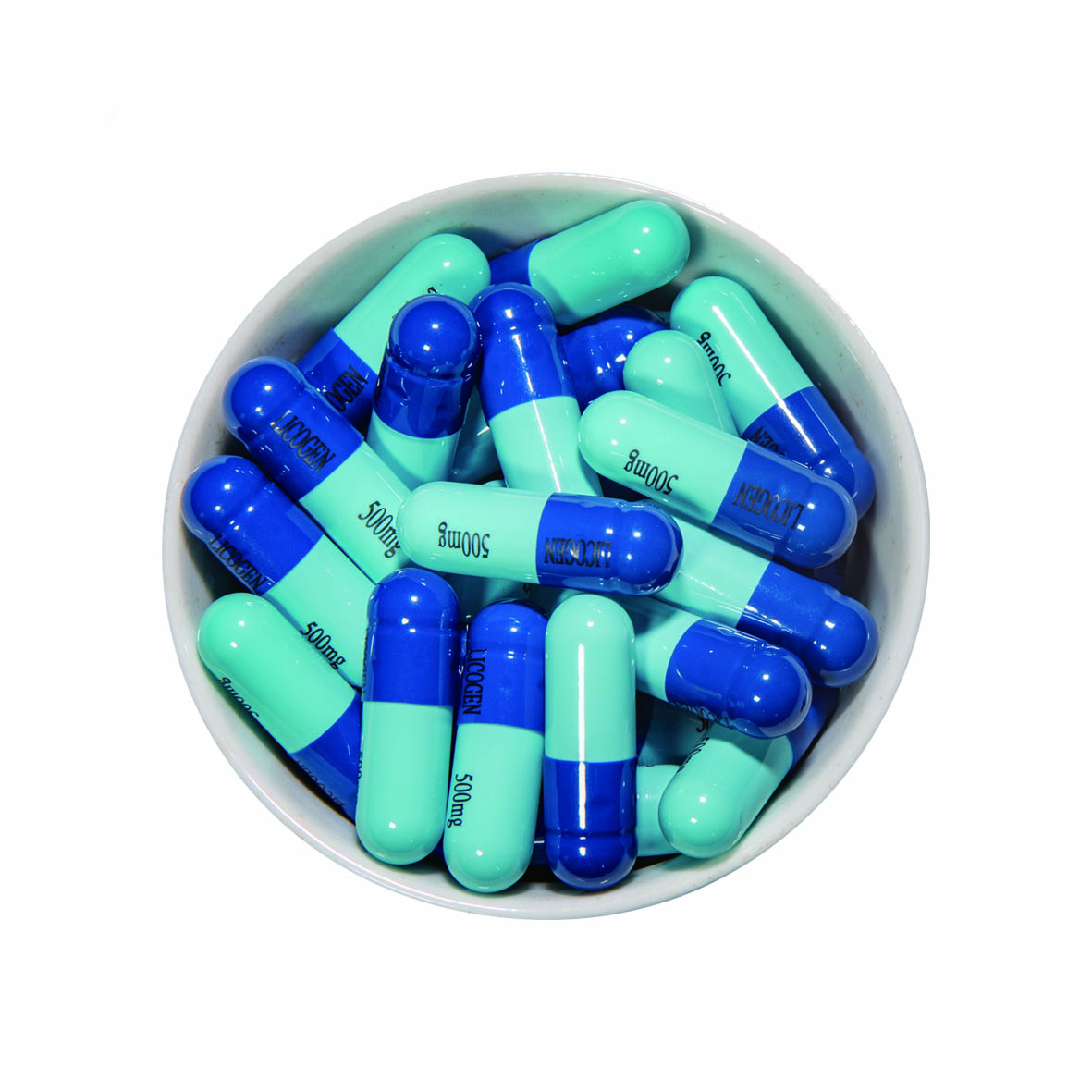 Hard Gelatin Empty Capsule Shell Size 00 0 1 2 3 4
 -
 EMPTY VEGATABLE CAPSULE CLEAR SIZE 0
 -
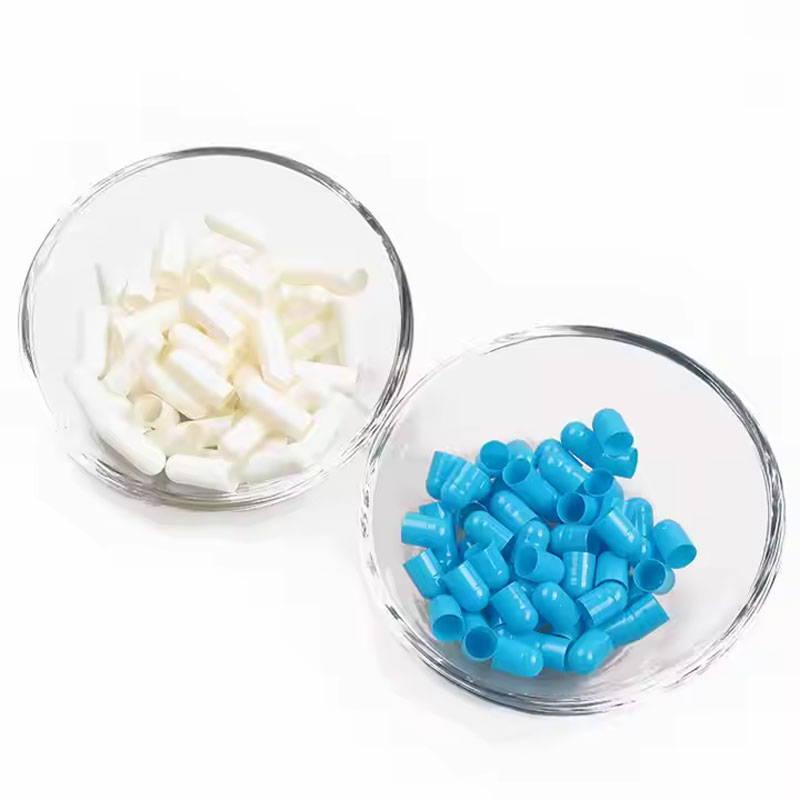 Empty VegCaps Shell Clear Empty Vegan Plant-Based Capsules Size 00 0 1 2 3 4 Natural Vegetable HPMC Capsules
 -
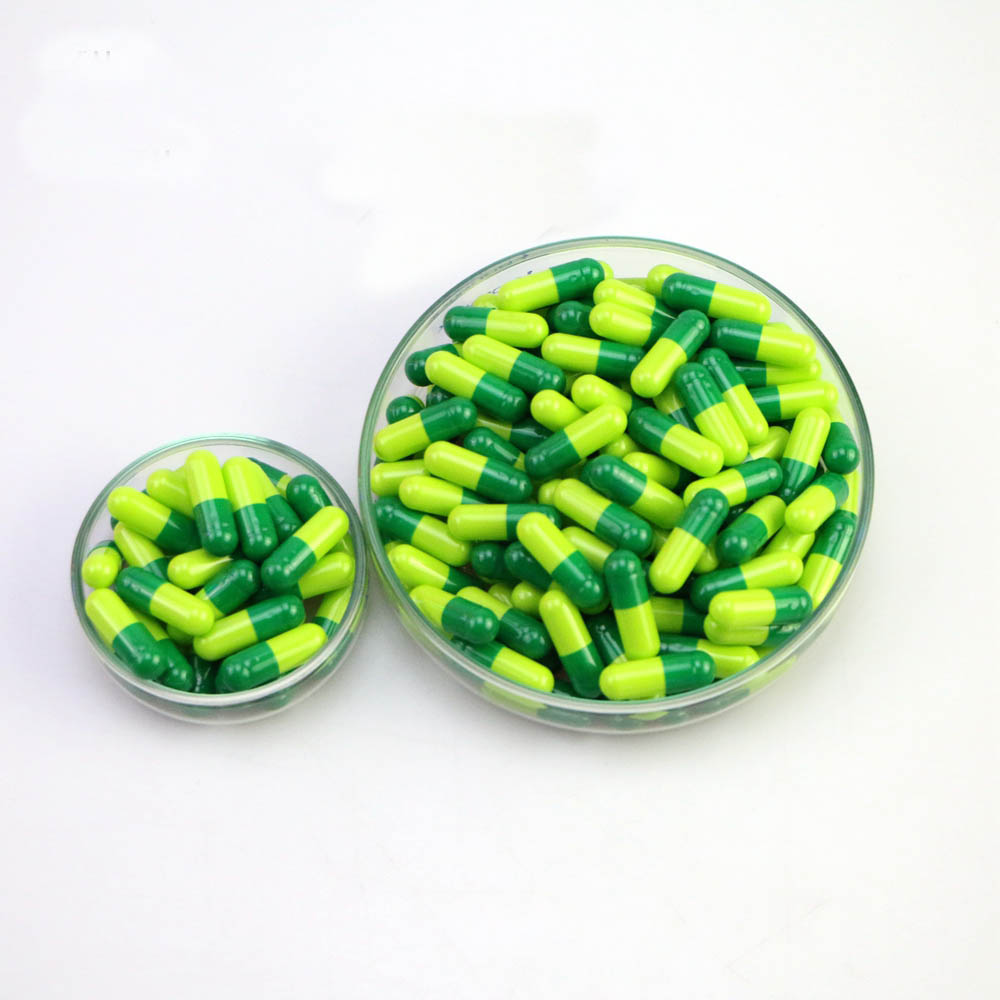 Halal empty hard geltin capsule
 -
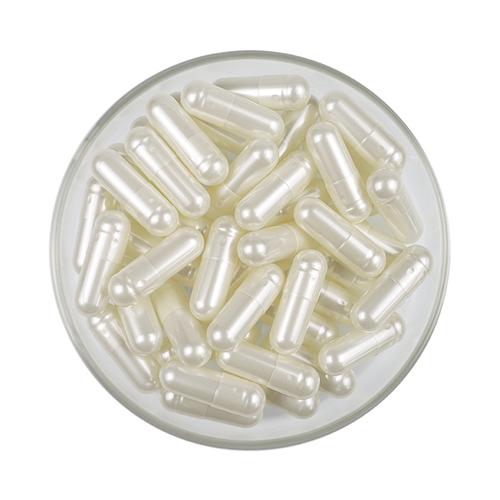 Golden_Pearl Hard Gelatin Capule
 -
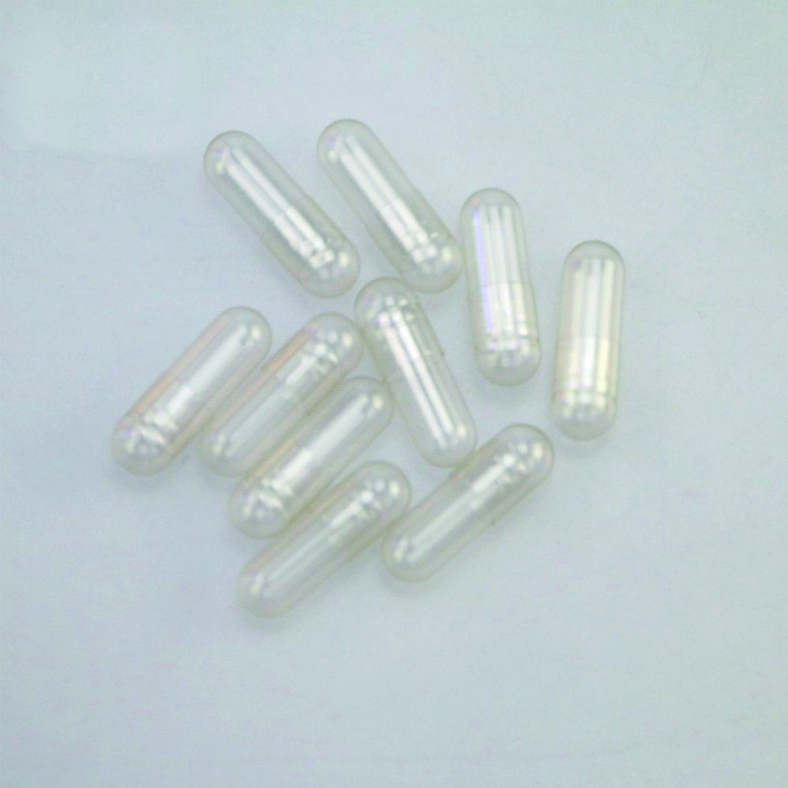 EMPTY HPMC CAPSULE SIZE 00 CLEAR
Related Search
Related Search- OEM vegetarian capsules size 1
- OEM hard gelatin capsule size 0
- Discount size 2 capsule filling machine
- Certificate fully automatic capsule filling machine
- high quality capsule filling machines professional
- OEM pill capsule filling machine
- high quality CLEAR VEGETABLE CAPSULE SIZE 00
- high quality empty vegetarian capsules size 3
- Discount filling machine of capsule
- Certificate capsule filling machines professional