
- English
- Chinese
- French
- German
- Portuguese
- Spanish
- Russian
- Japanese
- Korean
- Arabic
- Irish
- Greek
- Turkish
- Italian
- Danish
- Romanian
- Indonesian
- Czech
- Afrikaans
- Swedish
- Polish
- Basque
- Catalan
- Esperanto
- Hindi
- Lao
- Albanian
- Amharic
- Armenian
- Azerbaijani
- Belarusian
- Bengali
- Bosnian
- Bulgarian
- Cebuano
- Chichewa
- Corsican
- Croatian
- Dutch
- Estonian
- Filipino
- Finnish
- Frisian
- Galician
- Georgian
- Gujarati
- Haitian
- Hausa
- Hawaiian
- Hebrew
- Hmong
- Hungarian
- Icelandic
- Igbo
- Javanese
- Kannada
- Kazakh
- Khmer
- Kurdish
- Kyrgyz
- Latin
- Latvian
- Lithuanian
- Luxembou..
- Macedonian
- Malagasy
- Malay
- Malayalam
- Maltese
- Maori
- Marathi
- Mongolian
- Burmese
- Nepali
- Norwegian
- Pashto
- Persian
- Punjabi
- Serbian
- Sesotho
- Sinhala
- Slovak
- Slovenian
- Somali
- Scots Gaelic
- Shona
- Sindhi
- Sundanese
- Swahili
- Tajik
- Tamil
- Telugu
- Thai
- Ukrainian
- Urdu
- Uzbek
- Vietnamese
- Welsh
- Xhosa
- Yiddish
- Yoruba
- Zulu
- Kinyarwanda
- Tatar
- Oriya
- Turkmen
- Uyghur


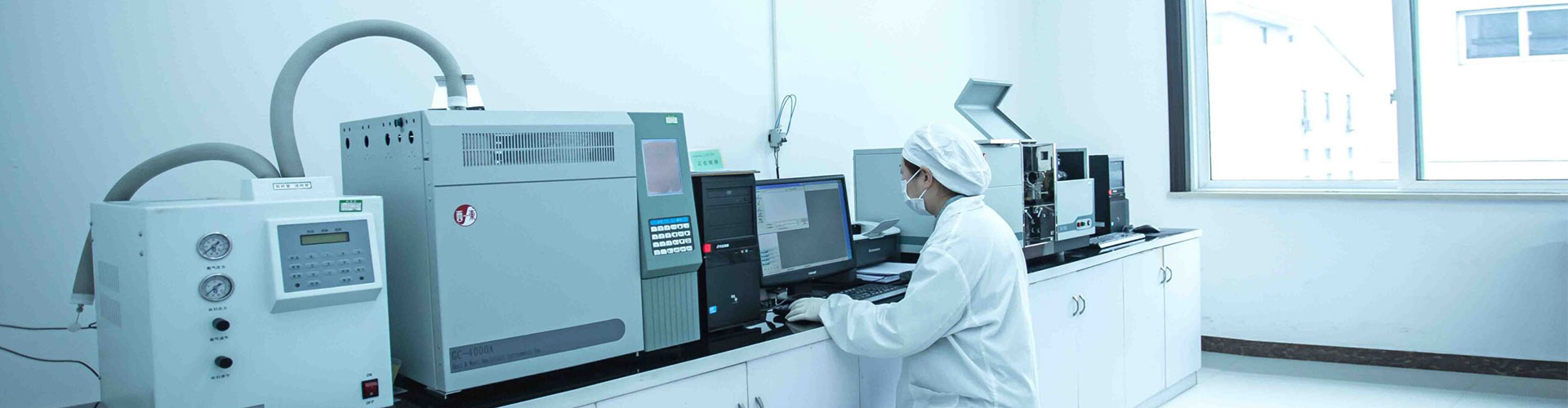
OEM small automatic capsule filling machine
The Intricacies of OEM Small Automatic Capsule Filling Machines
Small automatic capsule filling machines are often misunderstood. People tend to oversimplify what they can achieve and underestimate the complexities involved. From efficiency to scale, there's much more beneath the surface.
Understanding the Basics
At its core, an OEM small automatic capsule filling machine is about precision and reliability. These machines cater to smaller-scale operations but can still deliver impressive results. They're perfect for niche markets or companies testing new products, like Suqian Kelaiya Corp. with its focus on new drug development and manufacturing. The ability to reduce human error while maintaining consistency is key here.
One common misconception is that these machines are just for small businesses or startups. However, even large pharmaceutical companies utilize them to test new formulations without disrupting large-scale production. This flexibility is invaluable.
It’s also worth noting how the design plays into functionality. Many of these machines, especially those from reputable companies, are often modular, allowing for upgrades or specific customizations. This aspect is beneficial for companies like Suqian Kelaiya Corp., which are involved in diverse processes from empty capsules to blister machines.
Challenges in Implementation
While the benefits are clear, integrating a small automatic capsule filling machine isn’t without its challenges. Calibration is crucial. Even slight deviations can lead to significant losses in time and resources. For instance, I recall an incident where a seemingly minor software glitch led to a halt in production, underscoring the need for precise technical support.
Also, while initial costs may seem high for these machines, the long-term gains often justify the investment. The real costs lie in the downtime or inefficiencies that a poorly chosen machine might bring.
Maintenance is another aspect where many falter. Regular checks and updates, especially of the software, ensure smooth operations. Firms like Suqian Kelaiya Corp. probably have dedicated teams for this purpose, which is a best practice rather than a luxury.
Practical Experiences
Experience is a great teacher. In my career, one memorable project involved retrofitting an older machine with new features. It was a practical exercise in marrying old tech with new, a situation many in the industry might face. The learning curve was steep but rewarding, revealing insights into the limitations and potentials of these machines.
The ability to rapidly prototype new drug formulations was one advantage we leveraged. Small batch runs provided immediate feedback, allowing for quick pivots in formulation.
Additionally, working with an OEM equipped us with tailored solutions. It wasn't just about what the machine could do, but what it could be made to do, much like the versatility that Suqian Kelaiya Corp. aims to provide through their tailored products.
Technological Advancements
Technological advancements have led to smarter, more efficient machines. Automation isn't just about speed; it's also about precision and data. Modern machines come with IoT capabilities, capturing data crucial for refining processes.
These advances mean that operators can make informed decisions, improving efficiency and product quality over time. It's a blend of hardware and software optimization, something that companies like Suqian Kelaiya Corp. are undoubtedly leveraging.
Furthermore, sustainability is now a major consideration. Energy-efficient models and recyclable materials are becoming the norm, adding an extra layer of appeal to these machines. Companies conscious of their environmental footprint can align their operations with sustainable practices right from their equipment choices.
Conclusion: A Balancing Act
In conclusion, selecting and operating a small automatic capsule filling machine is a balancing act. It requires an understanding of current needs and future scalability. Information exchange between stakeholders, from operators to management, plays a significant role in success.
The experience and adaptability in handling these machines mark the difference between simply using them and truly integrating them into a seamless production workflow. For companies like Suqian Kelaiya Corp., the capability to navigate this landscape effectively is part of what keeps them at the forefront of pharmaceutical manufacturing.
Ultimately, it's about making smart, informed decisions that factor in both immediate needs and long-term value, ensuring that the technology serves the business purpose efficiently and sustainably.
Related Products
Related Products
Best Selling Products
Best Selling Products-
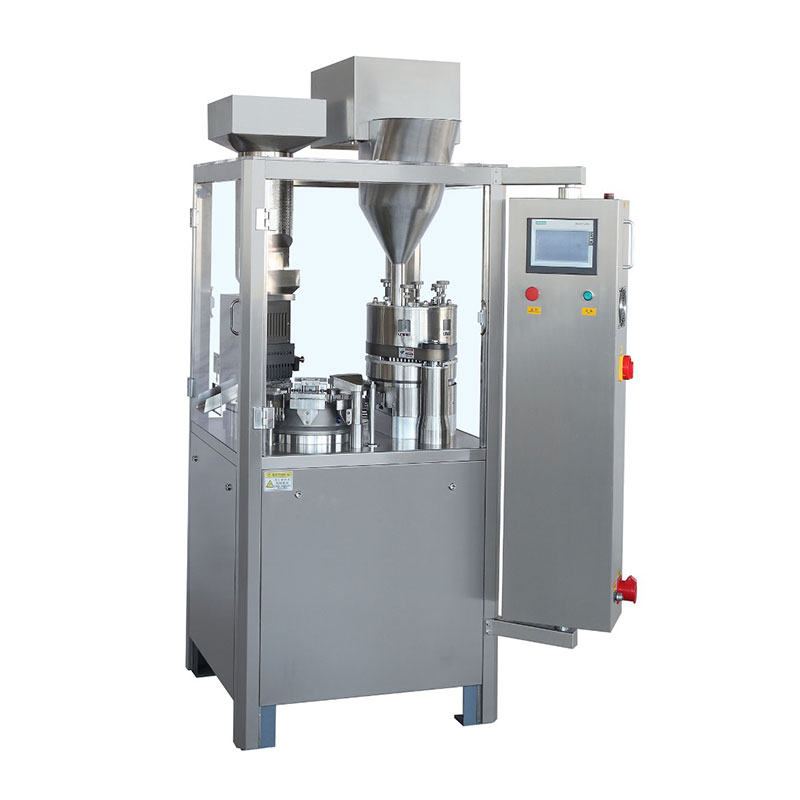 NJP-1200 Automatic Capsule Filling Machine
 -
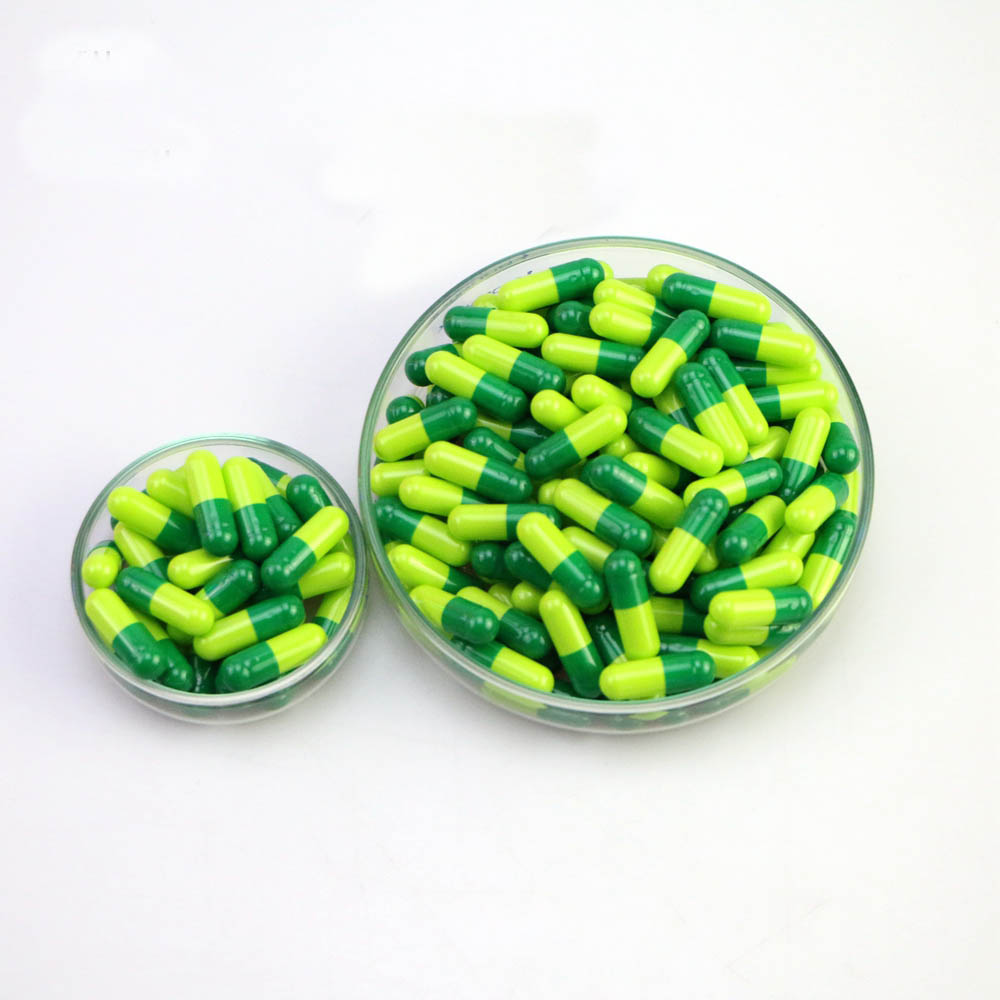 Halal empty hard geltin capsule
 -
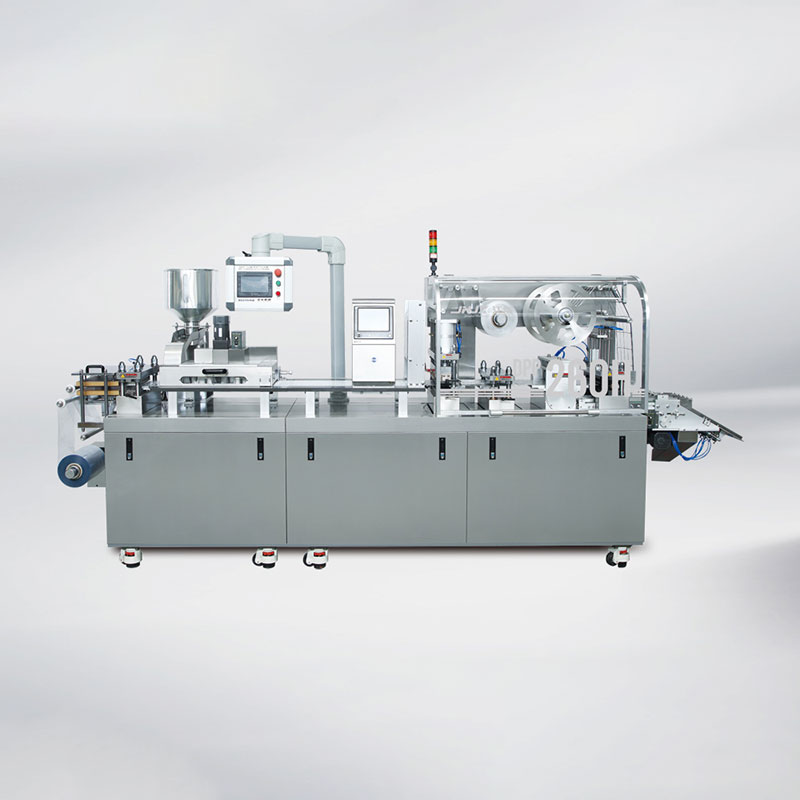 DPP-260H_DPP-320H Flat-plate Blister Packing Machine
 -
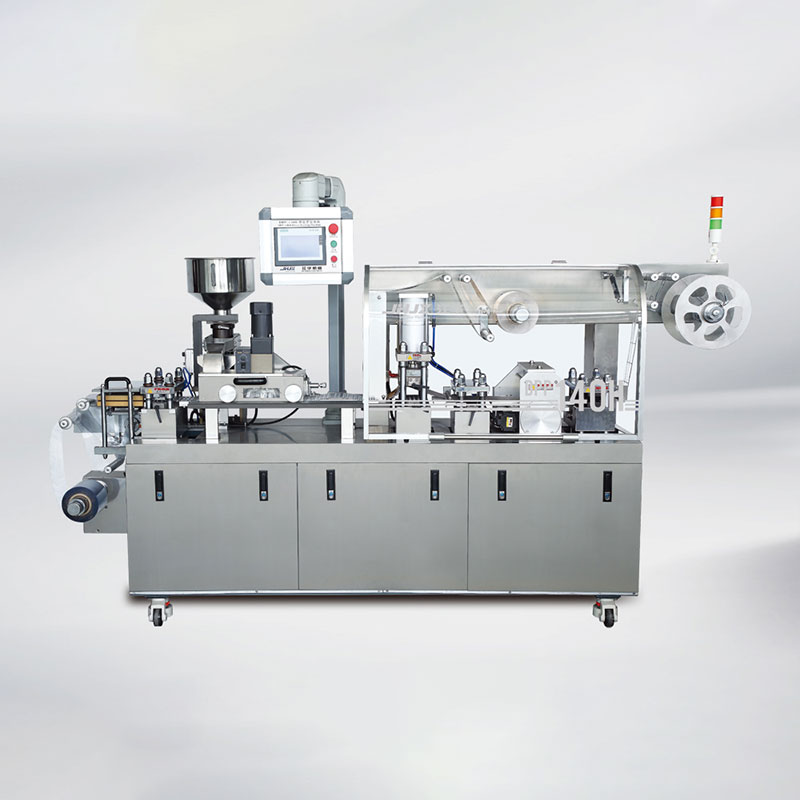 DPP-140H Flat-plate Blister Packing Machine
 -
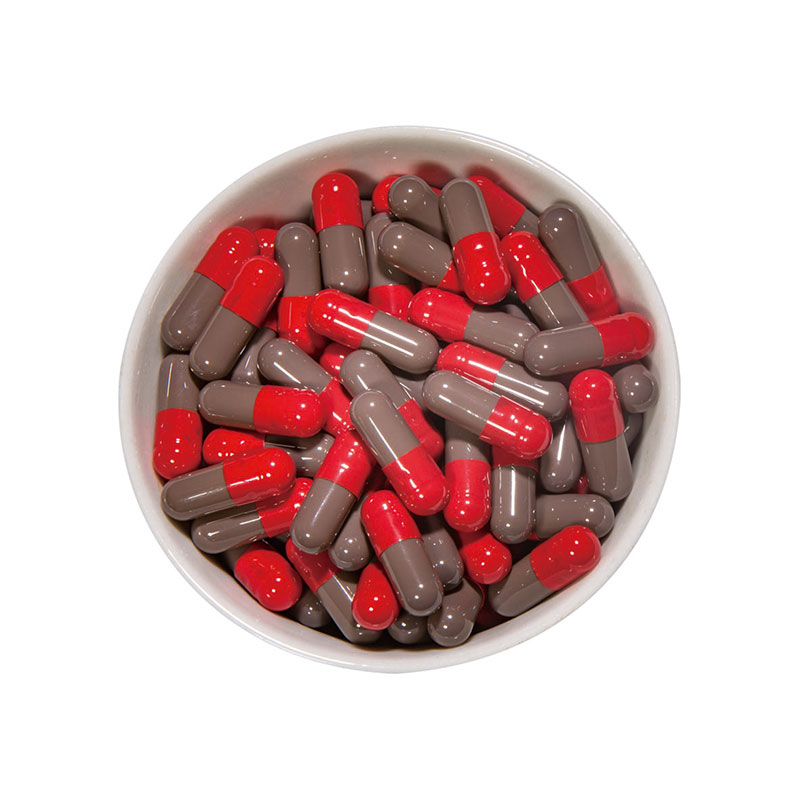 TIO2 free gelatin CAPSULE
 -
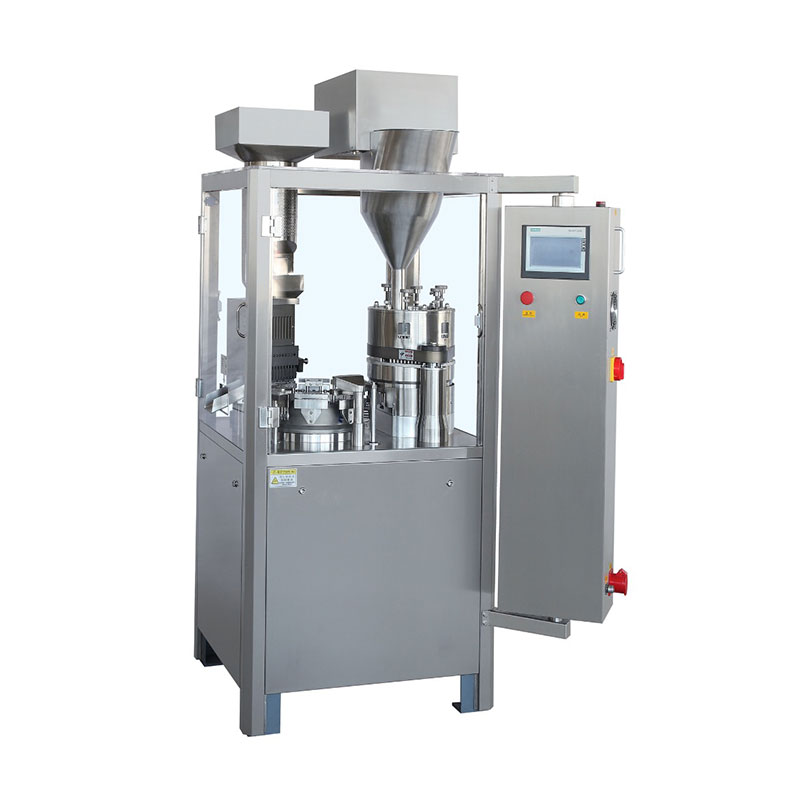 NJP-800 Automatic Capsule Filling Machine
 -
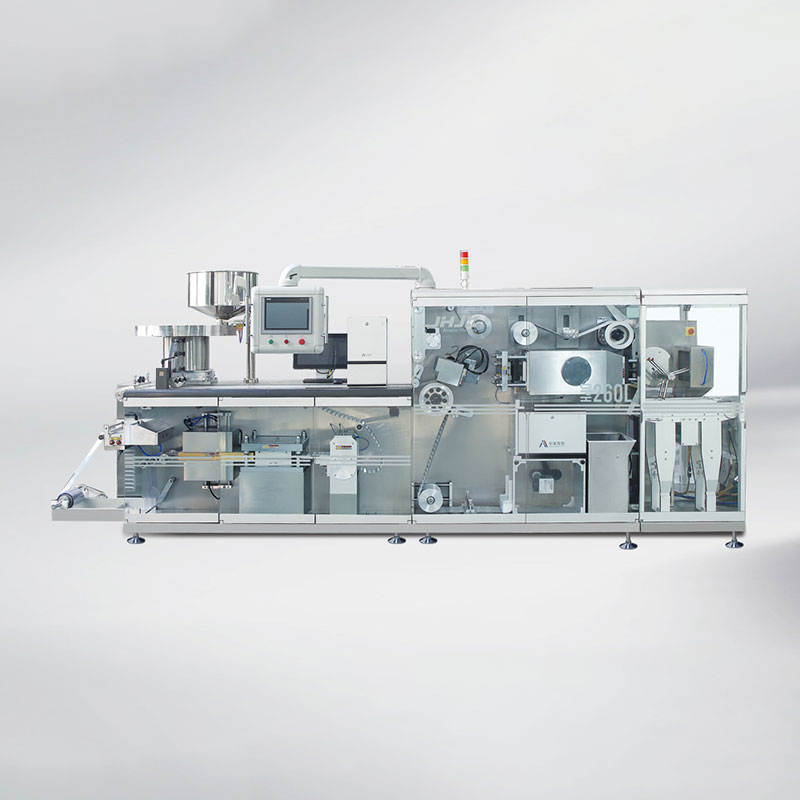 DPH-260L Roll-plate Blister Packaging Machine
 -
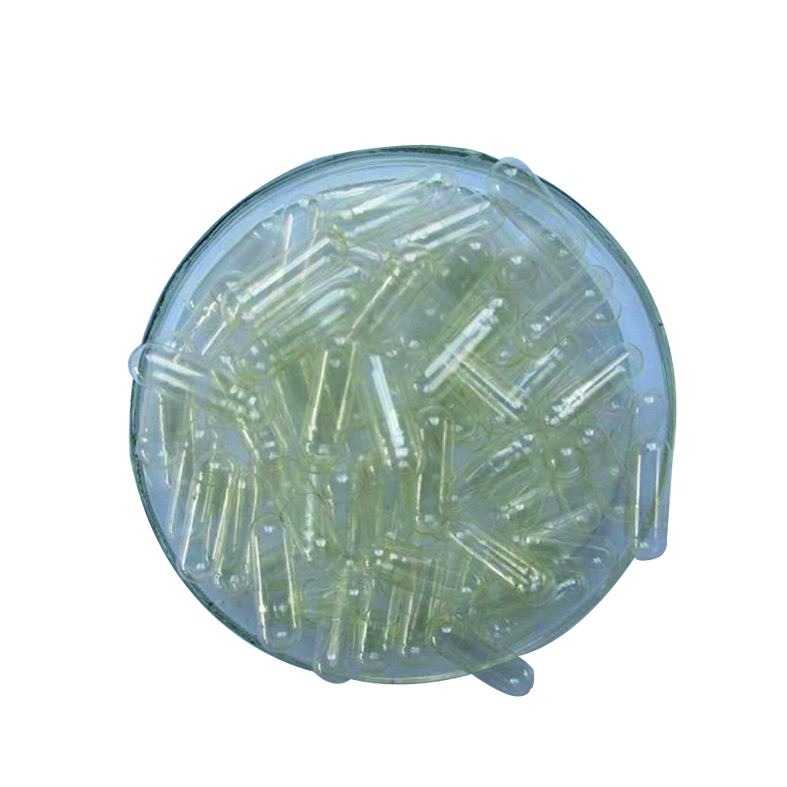 Halal Certificate Empty Clear Hard Gelatin Capsules Shell Size 0
 -
 Empty VegCaps Shell Clear Empty Vegan Plant-Based Capsules Size 00 0 1 2 3 4 Natural Vegetable HPMC Capsules
 -
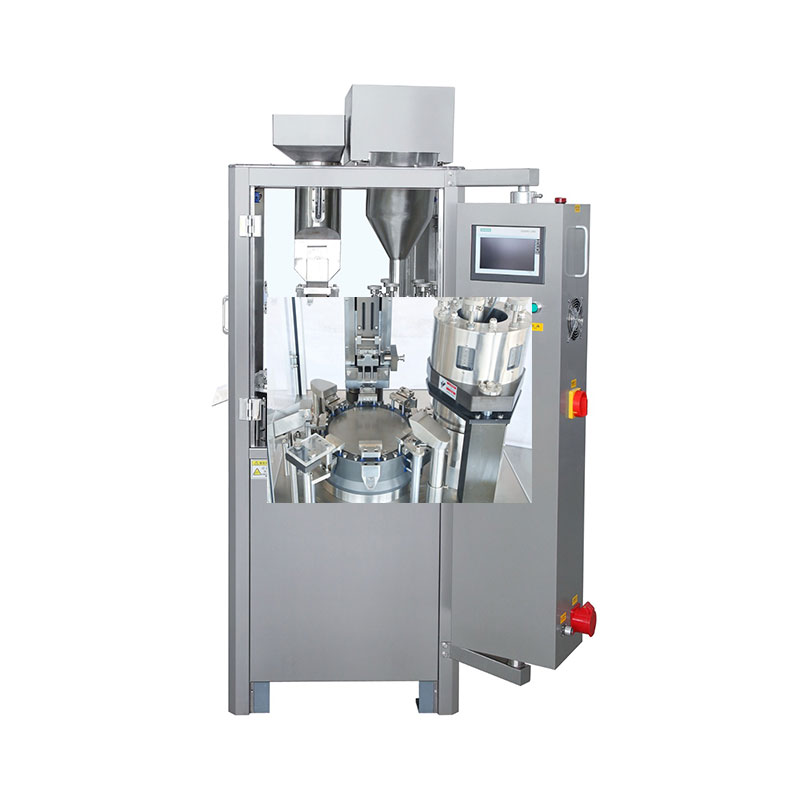 NJP-200 Model Fully Automatic Capsule Filling Machine
 -
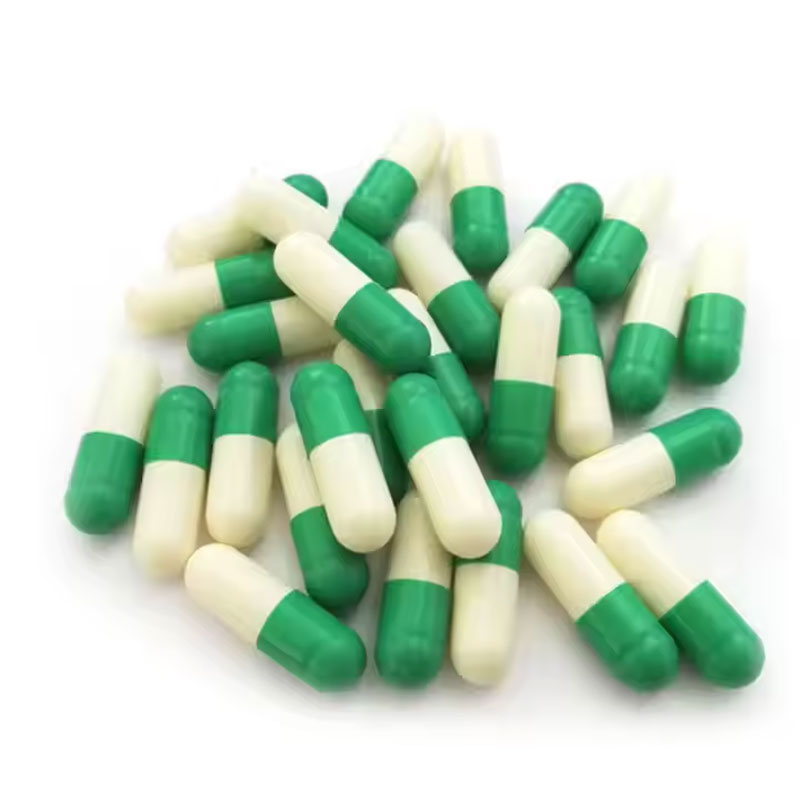 Size 00 hpmc capsules vegetarian capsules empty hard veggie capsules
 -
 Hpmc Capsules Product Plant Vegetarian Size 00 0 Capsule Shell
Related Search
Related Search- high quality automatic capsule filling machine for sale
- OEM semi automatic capsule filling machine for sale
- Certificate semi manual capsule filling machine
- Certificate powder capsule filling machine
- Discount DPP 140 Blister machine PVC/ALU
- Best capsule filler size 000
- OEM NJP-800 automatic capsule filling machine
- Certificate size 4 capsule filler
- Best Pearl Golden Color Empty Gelatin Capsule Size 0 00 Hard Empty Capsule Shells
- high quality best manual capsule filling machine