
- English
- Chinese
- French
- German
- Portuguese
- Spanish
- Russian
- Japanese
- Korean
- Arabic
- Irish
- Greek
- Turkish
- Italian
- Danish
- Romanian
- Indonesian
- Czech
- Afrikaans
- Swedish
- Polish
- Basque
- Catalan
- Esperanto
- Hindi
- Lao
- Albanian
- Amharic
- Armenian
- Azerbaijani
- Belarusian
- Bengali
- Bosnian
- Bulgarian
- Cebuano
- Chichewa
- Corsican
- Croatian
- Dutch
- Estonian
- Filipino
- Finnish
- Frisian
- Galician
- Georgian
- Gujarati
- Haitian
- Hausa
- Hawaiian
- Hebrew
- Hmong
- Hungarian
- Icelandic
- Igbo
- Javanese
- Kannada
- Kazakh
- Khmer
- Kurdish
- Kyrgyz
- Latin
- Latvian
- Lithuanian
- Luxembou..
- Macedonian
- Malagasy
- Malay
- Malayalam
- Maltese
- Maori
- Marathi
- Mongolian
- Burmese
- Nepali
- Norwegian
- Pashto
- Persian
- Punjabi
- Serbian
- Sesotho
- Sinhala
- Slovak
- Slovenian
- Somali
- Scots Gaelic
- Shona
- Sindhi
- Sundanese
- Swahili
- Tajik
- Tamil
- Telugu
- Thai
- Ukrainian
- Urdu
- Uzbek
- Vietnamese
- Welsh
- Xhosa
- Yiddish
- Yoruba
- Zulu
- Kinyarwanda
- Tatar
- Oriya
- Turkmen
- Uyghur



OEM size 0 vegetable capsules
The Intricacies of OEM Size 0 Vegetable Capsules
In the world of pharmaceuticals and nutraceuticals, OEM size 0 vegetable capsules often play an essential yet underrated role. While many focus on the contents, the capsule itself can make all the difference in delivery and consumer experience. These capsules aren't just a matter of fitting ingredients inside but optimizing that fit for various applications.
Understanding Size and Material Choices
The size 0 capsule is one of the most popular for supplements. The reasons are manifold, but it often boils down to balance: accommodating sufficient product volume while still being easy to swallow. This size typically holds between 400 to 800 mg depending on the density of the material filled, which suits many herbs, powders, and nutraceuticals perfectly. Yet, many overlook the significance of the capsule material itself, especially when choosing vegetable capsules.
Not all materials are created equal. Vegetable capsules, made from cellulose, provide an animal-product-free option. This aspect becomes crucial in today's market where vegan and vegetarian options are in high demand. But the material's role isn't limited to dietary preferences; cellulose capsules also excel in stability and resistance to temperature and humidity, which often plague gelatin capsules.
When I first worked with Suqian Kelaiya Corp., a company renowned for its innovation in new drug development, I discovered the subtleties involved in choosing the right capsule. Their experience, with manufacturing sites spanning Zhejiang and Jiangsu provinces, showed the real-world complexities involved.
The OEM Advantage
OEM or Original Equipment Manufacturer sourcing provides a unique level of flexibility and customization. But, from a practitioner's viewpoint, jumping into OEM without due diligence can be risky. It's not just about getting the right size but ensuring the quality and compatibility with the product.
I recall a client who insisted on using an OEM for capsule production without verifying their capabilities. The result was inconsistent product fill weights due to a mismatch in expectations and production capabilities. Lessons like these underscore the importance of working with reputable companies like Suqian Kelaiya Corp., which offer substantial expertise in both capsule and machine production.
At Suqian Kelaiya Corp., they prioritize not only producing high-quality capsules but also ensuring the equipment for filling is up to par. The integration of capsule with the filling machine elements is crucial, something worth visiting at their site for more detailed insights: Suqian Kelaiya Corp.
Challenges and Solutions in Storage
One recurring issue with vegetable capsules, particularly in humid regions, involves moisture control. Unlike gelatin, plant-based capsules are less prone to gelatinization but aren’t impervious to humidity.
During a trial with storage conditions, I noticed capsulating filled herbs clumping due to suboptimal storage—which meant returning to the basics of desiccant use and optimizing storage environments. Such challenges are preventable but often underestimated in the initial planning stages.
A conversation with a colleague revealed they had faced a similar issue. Their solution involved redesigning the packaging process to incorporate additional barriers against moisture, a practical solution that reduced product returns significantly.
Quality Control and Testing
Quality isn’t just a buzzword at Suqian Kelaiya Corp.; it's part of the process with rigorous testing measures. Their dual manufacturing sites allow for intensive quality checks and ensure that each capsule batch not only adheres to but exceeds industry standards.
Once, during an on-site inspection, I witnessed their multi-layer testing process—each batch passes through visual inspections, weight checks, and dissolution testing to ensure uniformity and effectiveness. It struck me how essential these steps are when consistently producing high-grade products.
OEM partners often overlook the importance of a proven track record in quality testing. It's vital to collaborate with those who understand both the microscopic and macroscopic implications of capsule production.
Aligning With Market Trends
Market demands are evolving. The shift towards plant-based products isn't just a trend; it's becoming standard. This drive isn't merely about preference but aligning products with consumer ethics as well.
This reality places added pressure but also opportunity on OEMs to innovate. We've seen Suqian Kelaiya Corp. embrace these changes, adjusting formulations and manufacturing techniques to suit an ever-discerning clientele.
For professionals in the field, staying ahead requires not just awareness but action. Whether reevaluating material choices or manufacturer partnerships, the focus should always remain on delivering quality while adapting to consumer needs.
Related Products
Related Products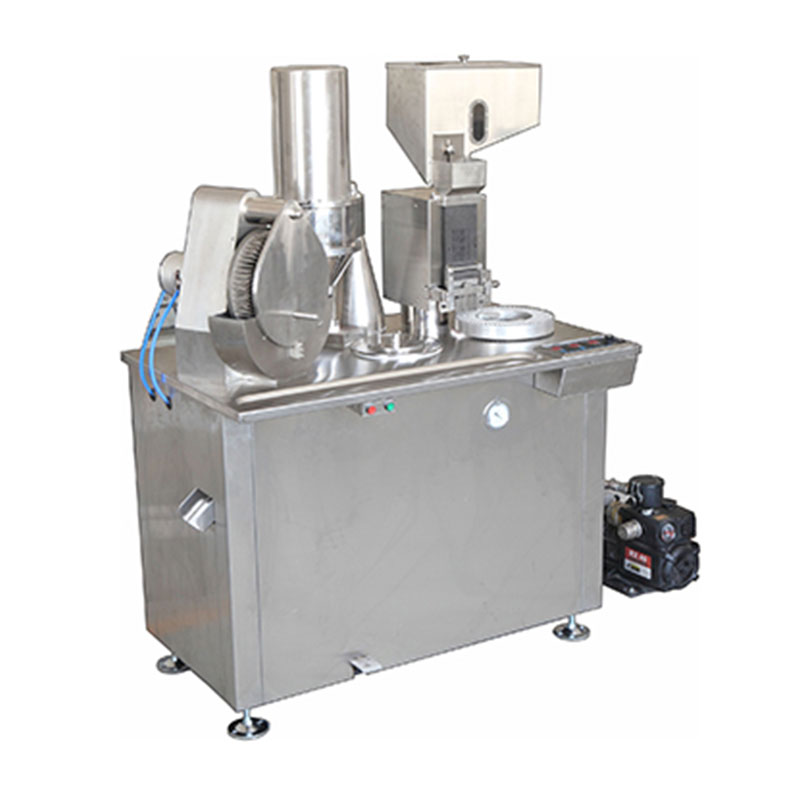
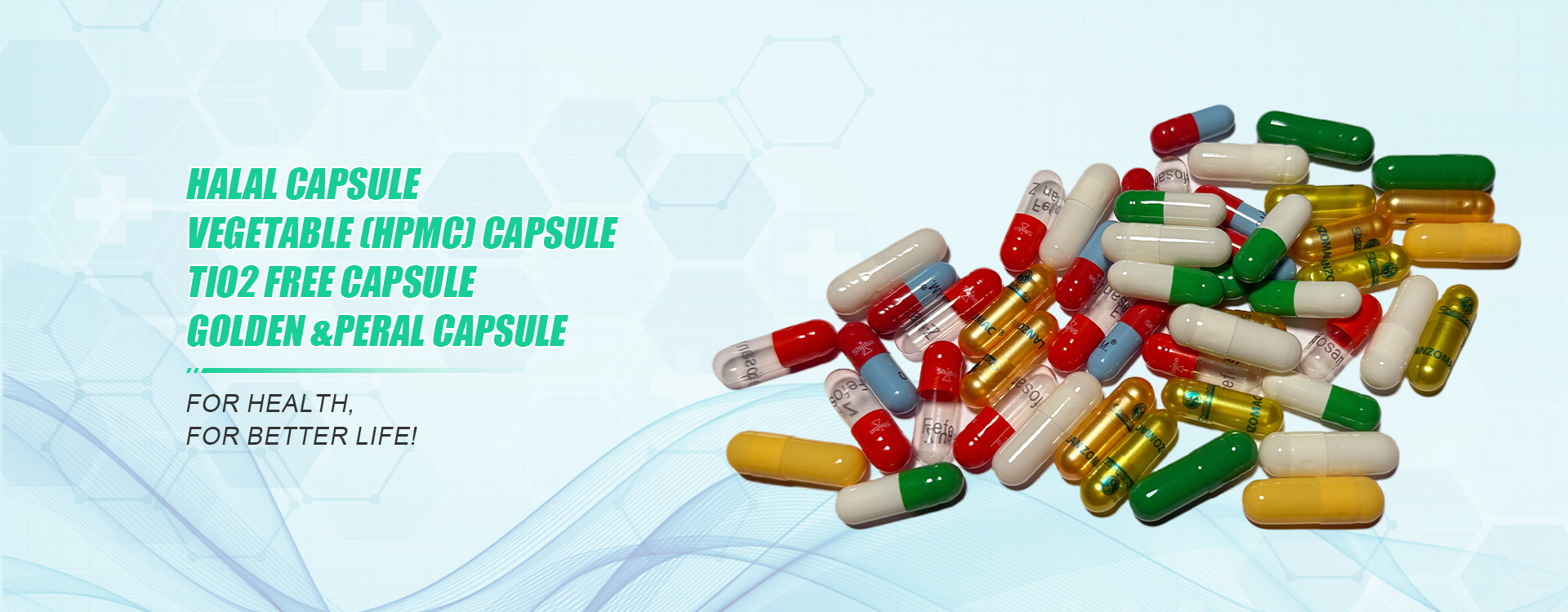
Best Selling Products
Best Selling Products-
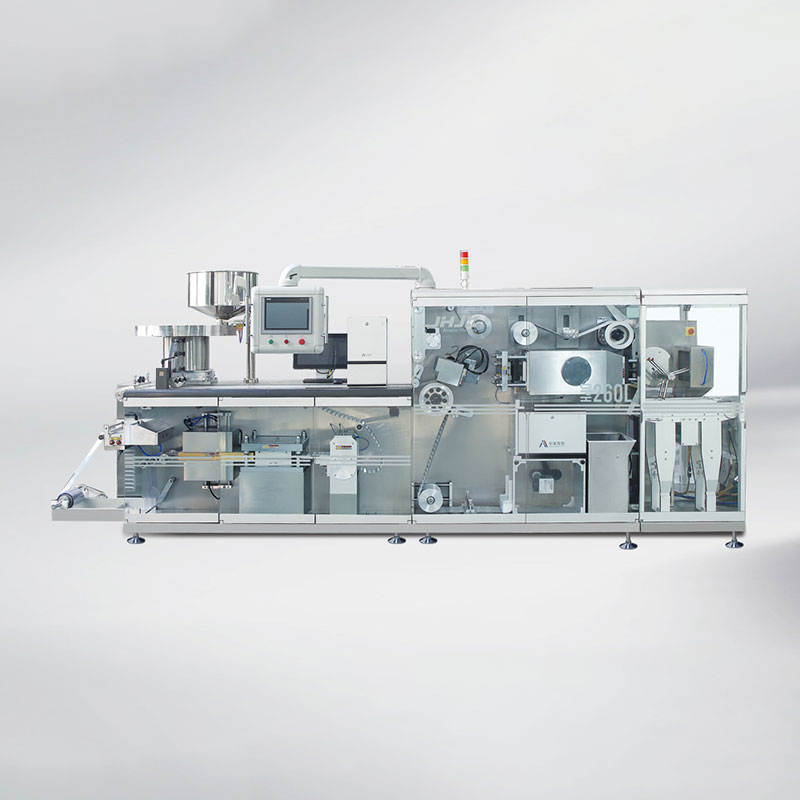 DPH-260L Roll-plate Blister Packaging Machine
 -
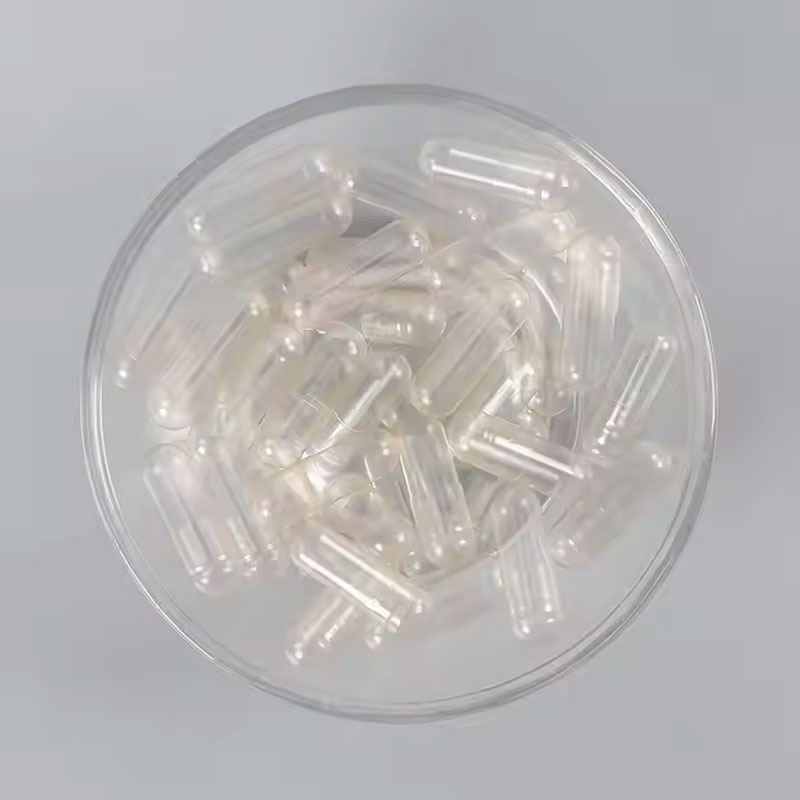 Hpmc Capsules Product Plant Vegetarian Size 00 0 Capsule Shell
 -
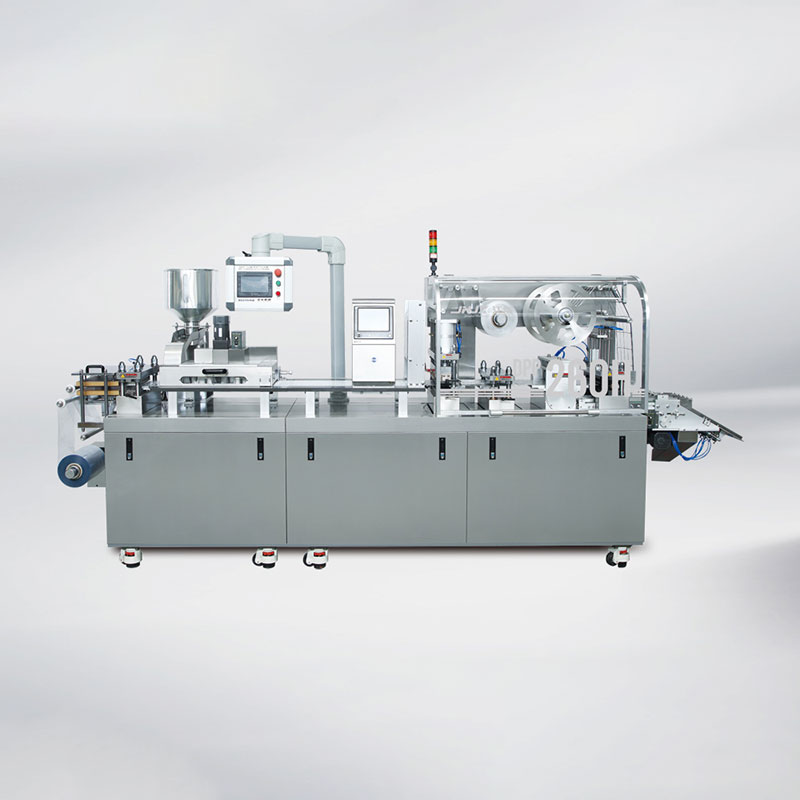 DPP-260H_DPP-320H Flat-plate Blister Packing Machine
 -
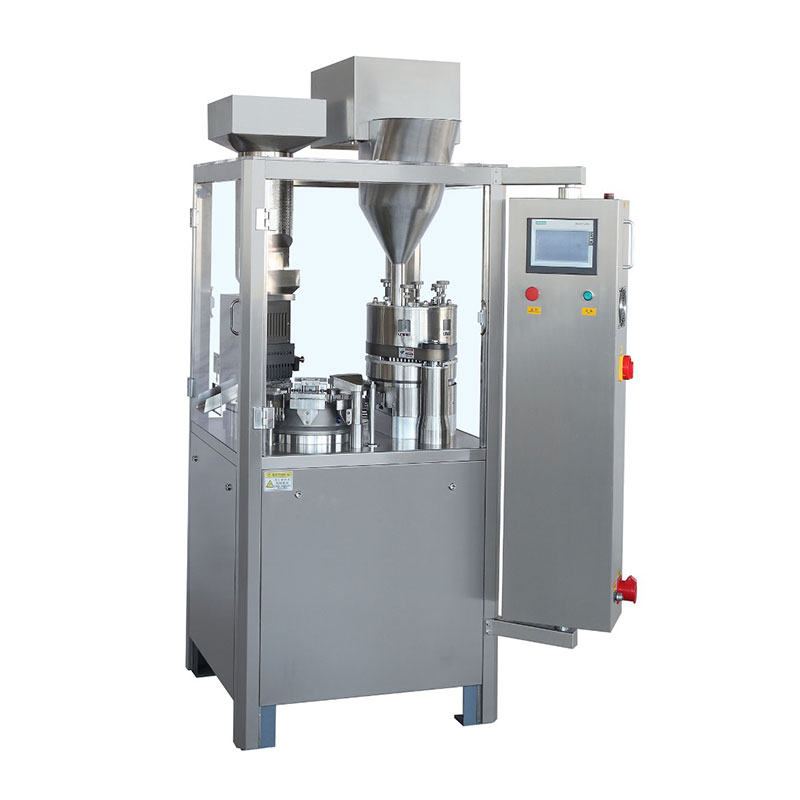 NJP-1200 Automatic Capsule Filling Machine
 -
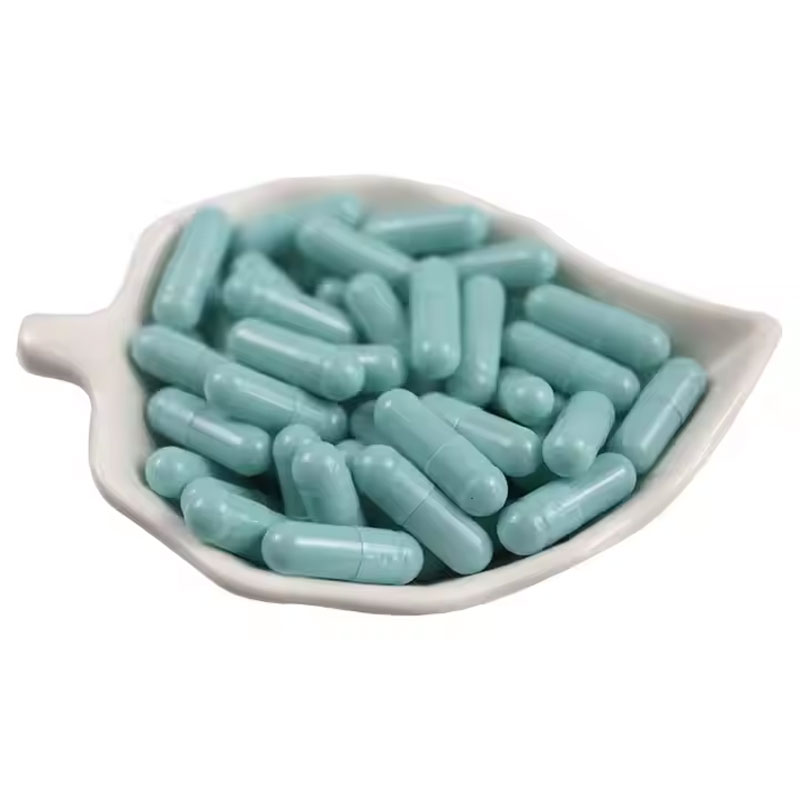 Vegetarian Separated Capsules HPMC Capsules Separated Wholesale Vegetarian Capsules Discount for Bulk Orders
 -
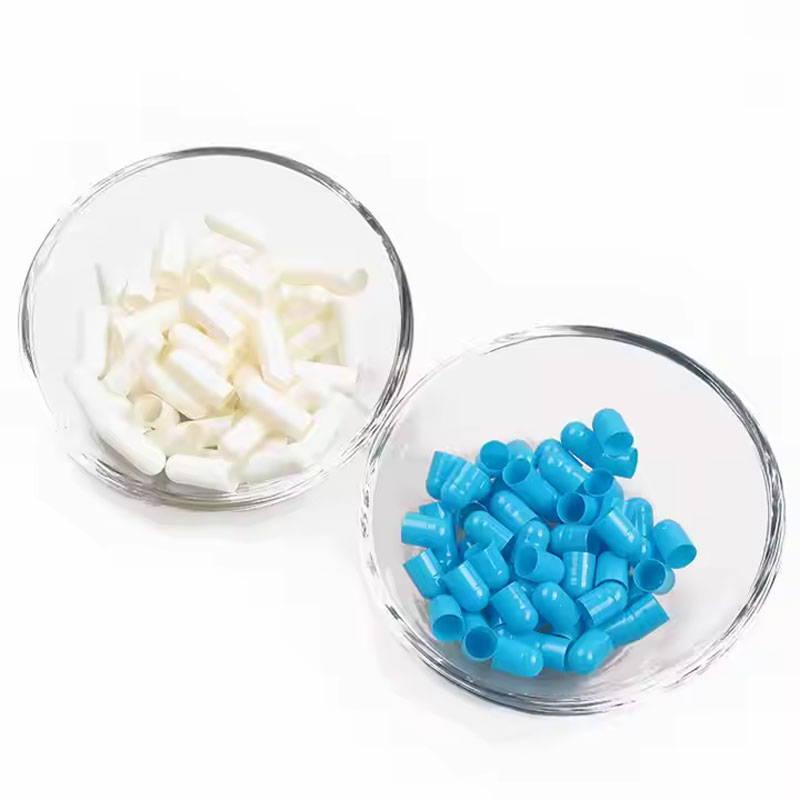 Empty VegCaps Shell Clear Empty Vegan Plant-Based Capsules Size 00 0 1 2 3 4 Natural Vegetable HPMC Capsules
 -
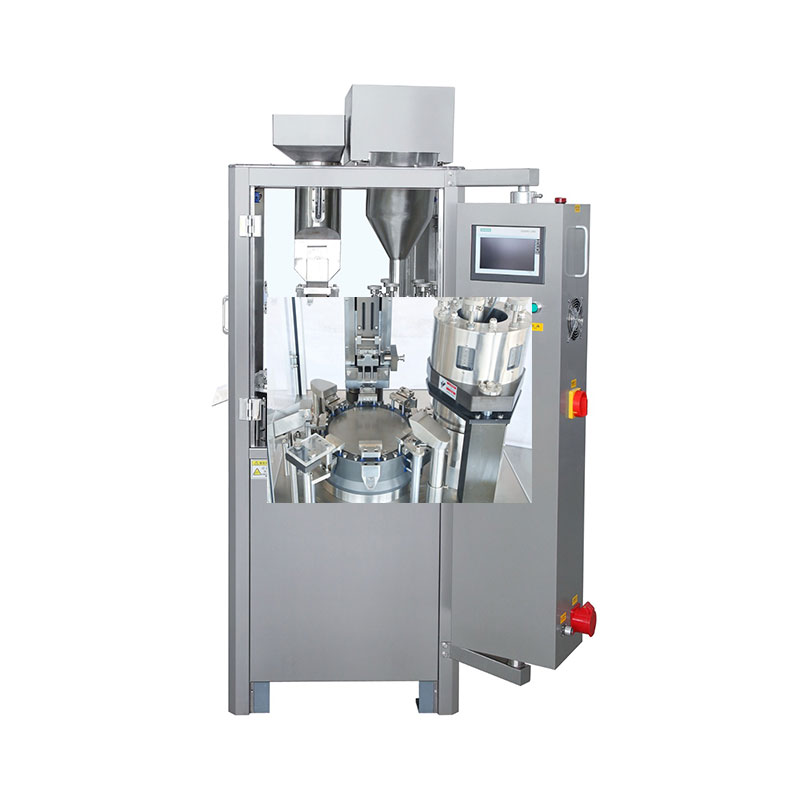 NJP-200 Model Fully Automatic Capsule Filling Machine
 -
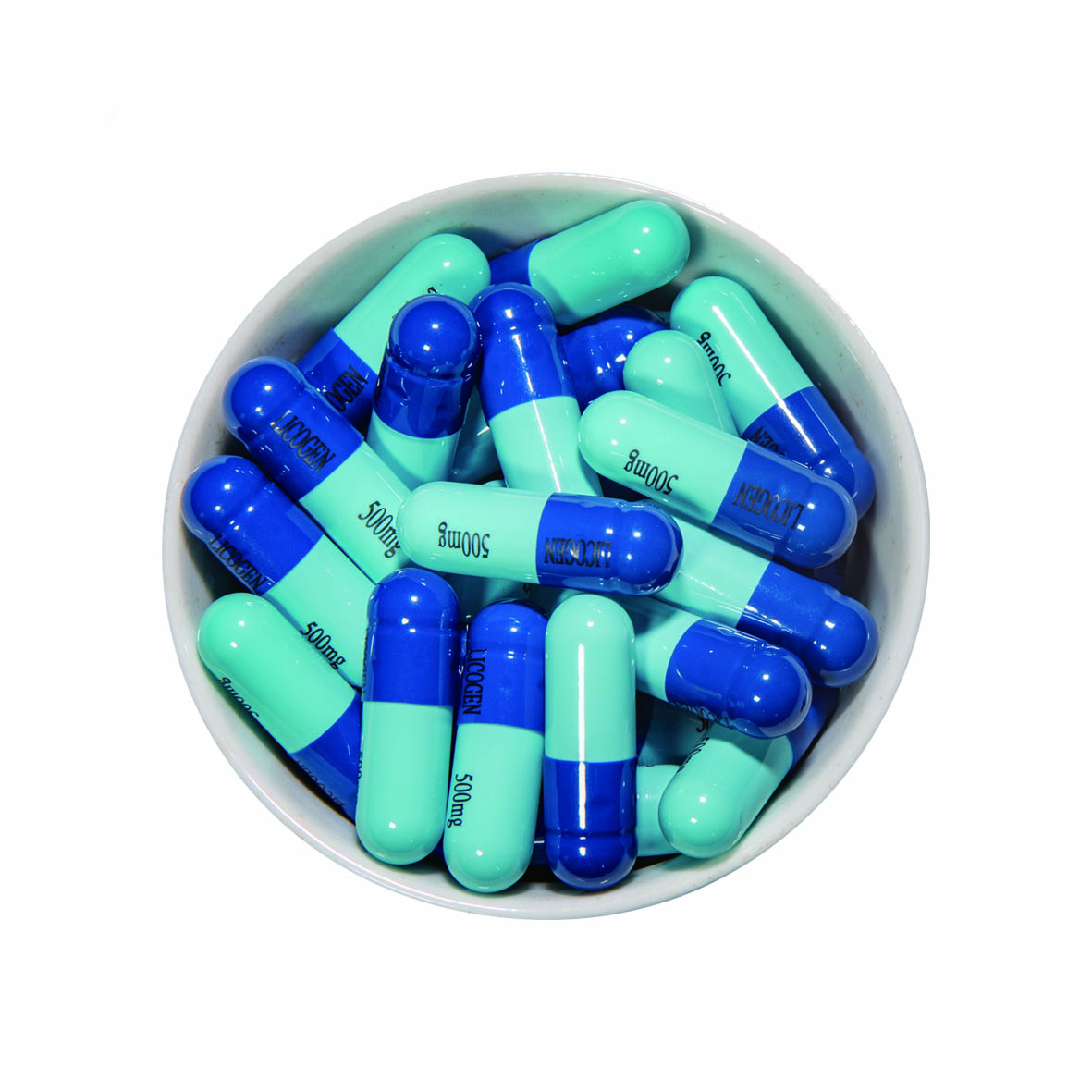 Hard Gelatin Empty Capsule Shell Size 00 0 1 2 3 4
 -
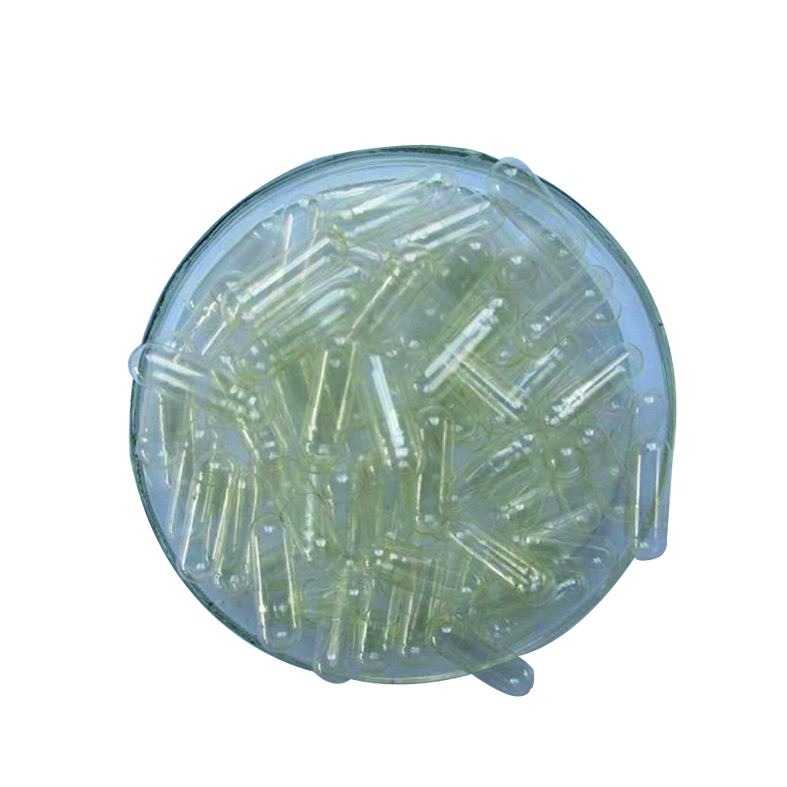 Halal Certificate Empty Clear Hard Gelatin Capsules Shell Size 0
 -
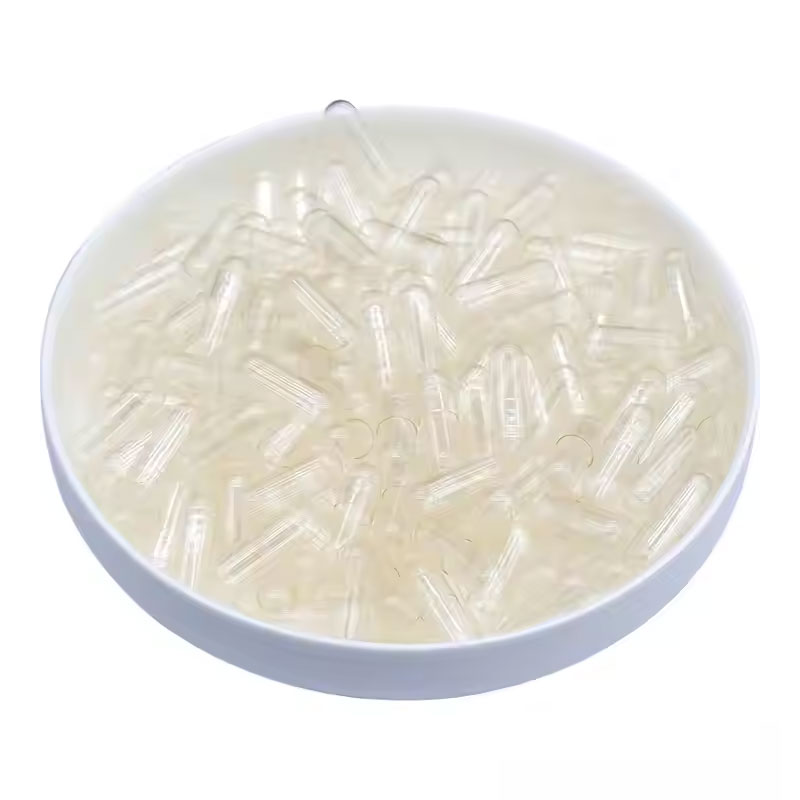 EMPTY VEGATABLE CAPSULE CLEAR SIZE 0
 -
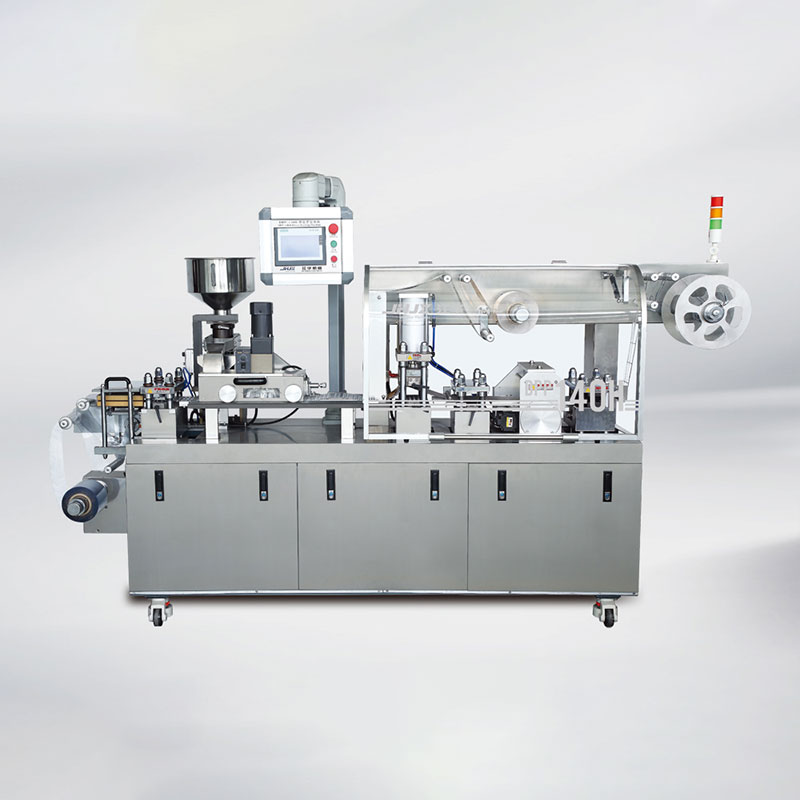 DPP-140H Flat-plate Blister Packing Machine
 -
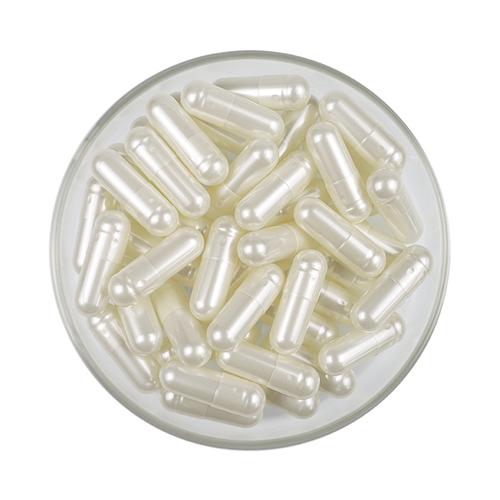 Golden_Pearl Hard Gelatin Capule
Related Search
Related Search- high quality top rated capsule filling machine
- Best automatic capsule filling machine for sale
- OEM empty capsule
- capsule filling machines employed for large scale manufacture of capsules
- njp 800c
- Discount halala empty capsule
- OEM filling machine of capsule
- OEM the capsule machine size 0
- njp 400
- Discount hard gelatin capsule filling machine