
- English
- Chinese
- French
- German
- Portuguese
- Spanish
- Russian
- Japanese
- Korean
- Arabic
- Irish
- Greek
- Turkish
- Italian
- Danish
- Romanian
- Indonesian
- Czech
- Afrikaans
- Swedish
- Polish
- Basque
- Catalan
- Esperanto
- Hindi
- Lao
- Albanian
- Amharic
- Armenian
- Azerbaijani
- Belarusian
- Bengali
- Bosnian
- Bulgarian
- Cebuano
- Chichewa
- Corsican
- Croatian
- Dutch
- Estonian
- Filipino
- Finnish
- Frisian
- Galician
- Georgian
- Gujarati
- Haitian
- Hausa
- Hawaiian
- Hebrew
- Hmong
- Hungarian
- Icelandic
- Igbo
- Javanese
- Kannada
- Kazakh
- Khmer
- Kurdish
- Kyrgyz
- Latin
- Latvian
- Lithuanian
- Luxembou..
- Macedonian
- Malagasy
- Malay
- Malayalam
- Maltese
- Maori
- Marathi
- Mongolian
- Burmese
- Nepali
- Norwegian
- Pashto
- Persian
- Punjabi
- Serbian
- Sesotho
- Sinhala
- Slovak
- Slovenian
- Somali
- Scots Gaelic
- Shona
- Sindhi
- Sundanese
- Swahili
- Tajik
- Tamil
- Telugu
- Thai
- Ukrainian
- Urdu
- Uzbek
- Vietnamese
- Welsh
- Xhosa
- Yiddish
- Yoruba
- Zulu
- Kinyarwanda
- Tatar
- Oriya
- Turkmen
- Uyghur


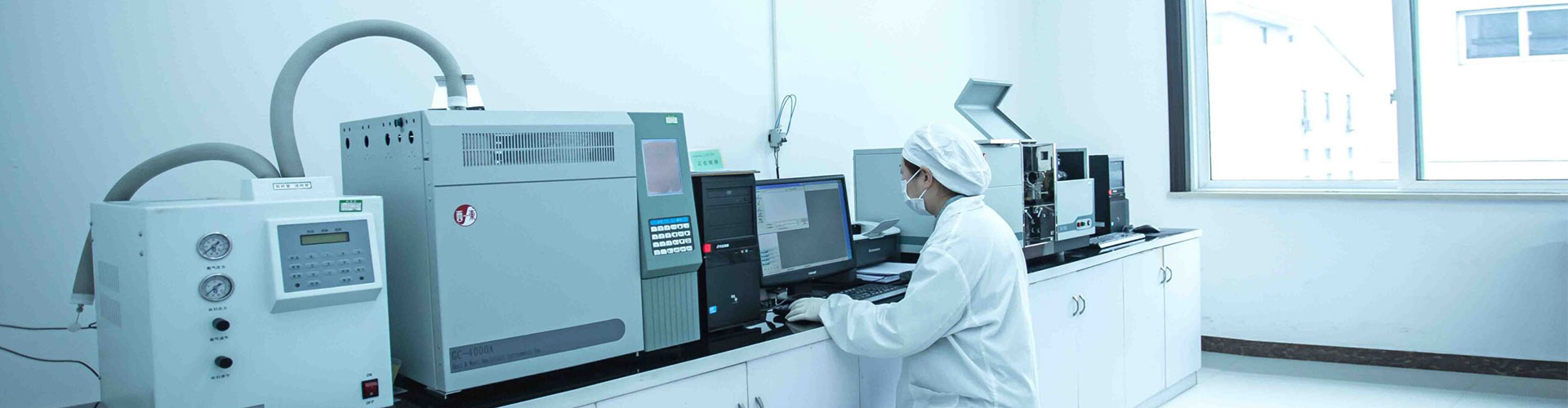
OEM semi automatic capsule filler
The Real Deal with OEM Semi-Automatic Capsule Fillers
When you dive into the world of capsule filling, the term OEM semi-automatic capsule filler might seem straightforward at first. Yet, there's a lot beneath the surface that can trip up even seasoned professionals. Let's cut through the noise and get to what these machines truly offer.
Understanding the Basics
OEM semi-automatic capsule fillers are quite the workhorse in small to medium-sized pharmaceutical and nutraceutical settings. Typically manufactured to client specifications, these machines allow for a degree of customization that can be crucial for unique product requirements. But why choose semi-automatic over fully automatic? The answer often boils down to flexibility and cost-effectiveness.
At Suqian Kelaiya Corp., we're no strangers to the nuances of these machines. With facilities in Zhejiang and Jiangsu, not only do we develop new drugs but also manufacture capsule fillers that bridge the gap between manual work and full automation. This dual-capability can be a game-changer.
It's critical, however, to balance the benefits with potential downsides. I've seen cases where businesses overestimate their capacity needs and overspend on features they'll rarely utilize. To avoid such pitfalls, a detailed production analysis can do wonders.
Real-World Application
From experience, one salient feature of an OEM semi-automatic capsule filler is its ability to streamline production without the complexity of fully automated systems. At Suqian Kelaiya, we've tailored solutions for clients that required both efficiency and precision without breaking the bank.
In one instance, a client aimed for a niche nutraceutical line. They needed equipment that could support small batches while maintaining high accuracy. Our OEM semi-automatic solution was a perfect fit, allowing them to adjust quickly to market demands. The ability to modify machine settings on the fly was key to their success.
Still, this isn't a one-size-fits-all solution. Not every scenario will find semi-automatic fillers appropriate. For operations where output volume is the overwhelming requirement, fully automated might still win out.
Challenges and Considerations
Adopting semi-automatic solutions brings its own set of challenges. At times, clients underestimate the training required for operators. These machines are straightforward, but without familiarization, efficiency can falter. Investing time in thorough training can significantly impact overall productivity.
There's also the consideration of maintenance. Semi-automatic systems generally demand more human oversight than their automated counterparts. This increases potential for minor mishaps which, if not addressed swiftly, can escalate. In my view, having a dedicated maintenance schedule is indispensable.
Lastly, it's essential to think about scalability. As operations grow, what was once sufficient may quickly become a bottleneck. Our approach at Suqian Kelaiya involves periodic reviews with our clients to reassess their evolving needs and propose timely upgrades.
Technological Advancements
In recent years, the technology behind such fillers has seen substantial improvements. Enhanced sensory equipment and smarter interfaces have simplified operations. It's been interesting watching these developments unfold and seeing how clients can capitalize on these advancements.
For example, integrating IoT technology has been a topic of conversation. Imagine being able to monitor and adjust a capsule filler remotely. It's not science fiction—it's quickly becoming a reality, and early adopters are already seeing the benefits.
However, it’s crucial to validate the compatibility of such advanced features with your existing manufacturing setup. Overcomplication without clear benefit should be avoided, which again underscores the importance of a tailored approach.
Final Thoughts
Choosing the right OEM semi-automatic capsule filler isn't merely about selecting a machine; it's an investment in your manufacturing future. At Suqian Kelaiya Corp., we're committed to guiding our clients through this decision-making process, ensuring they capitalize on both current and future advancements (see more at our website).
The key is a balance between current needs and future possibilities. It's less about the machinery itself and more about what it enables your business to achieve. If you're contemplating the shift, consider collaboration with a knowledgeable partner who understands the intricacies of OEM solutions.
In a landscape as dynamic as pharmaceuticals, it's experts like us at Suqian Kelaiya who help ensure you're not just keeping pace but staying ahead.
Related Products
Related Products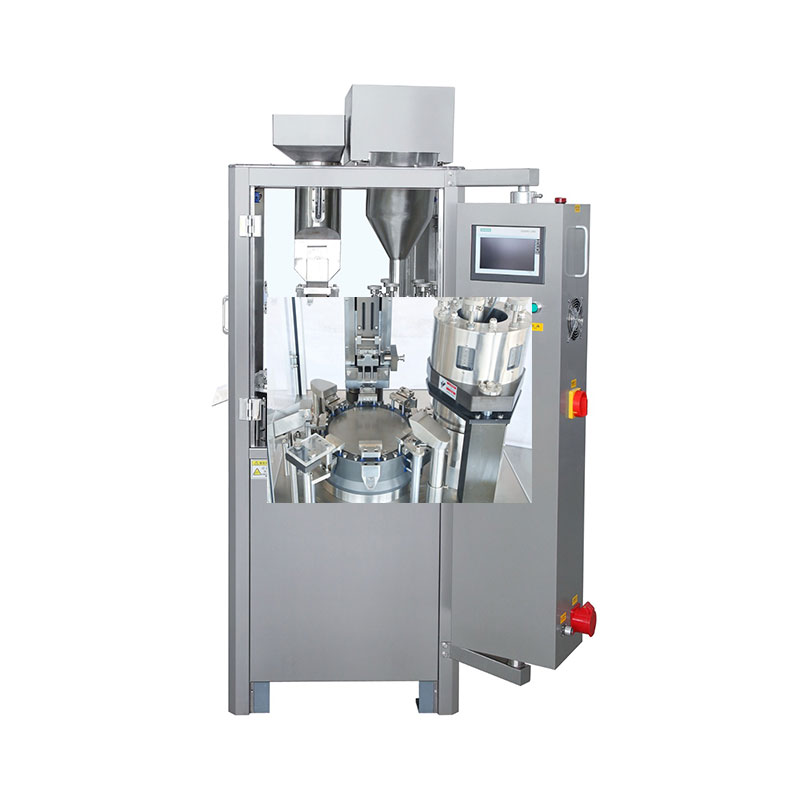
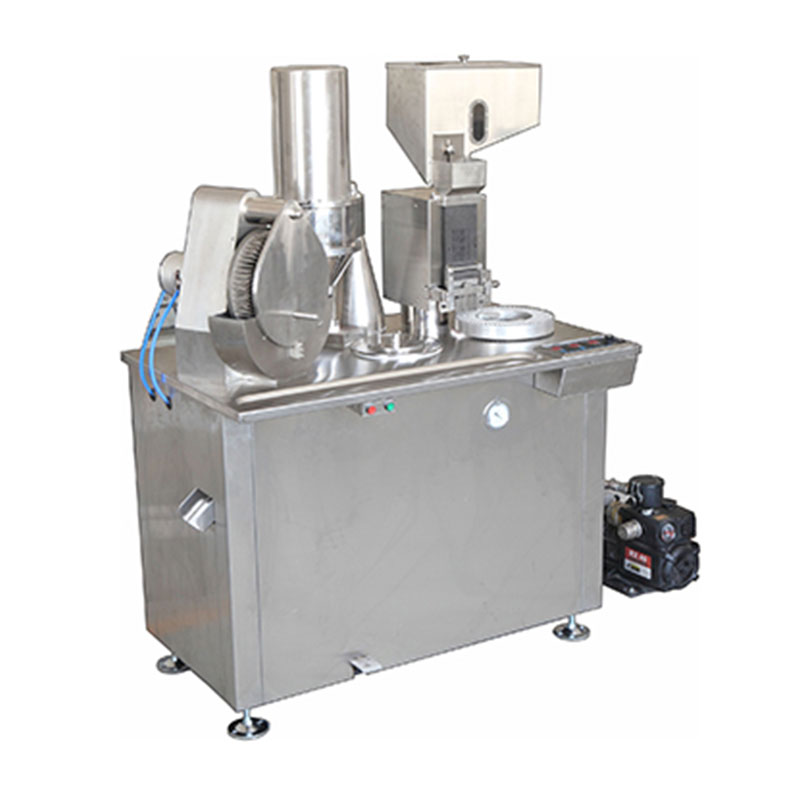
Best Selling Products
Best Selling Products-
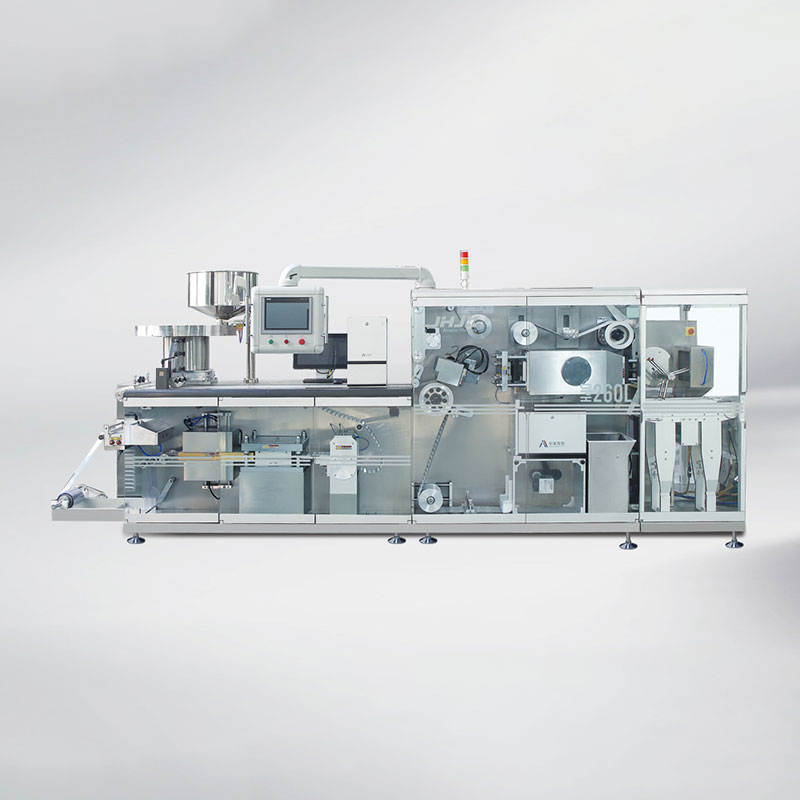 DPH-260L Roll-plate Blister Packaging Machine
 -
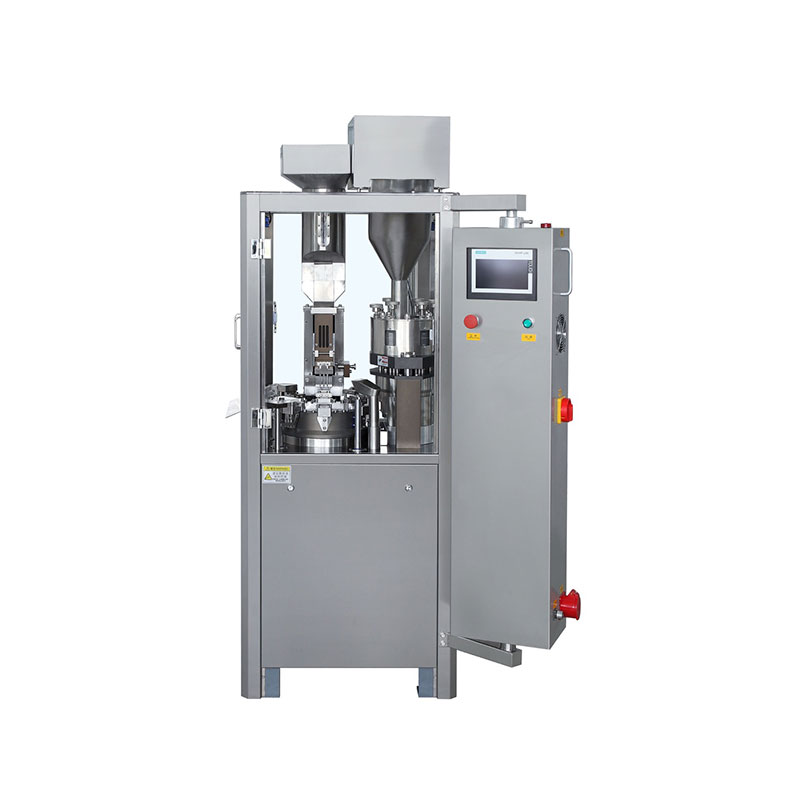 NJP-400 Fully Automatic Capsule Filling Machine
 -
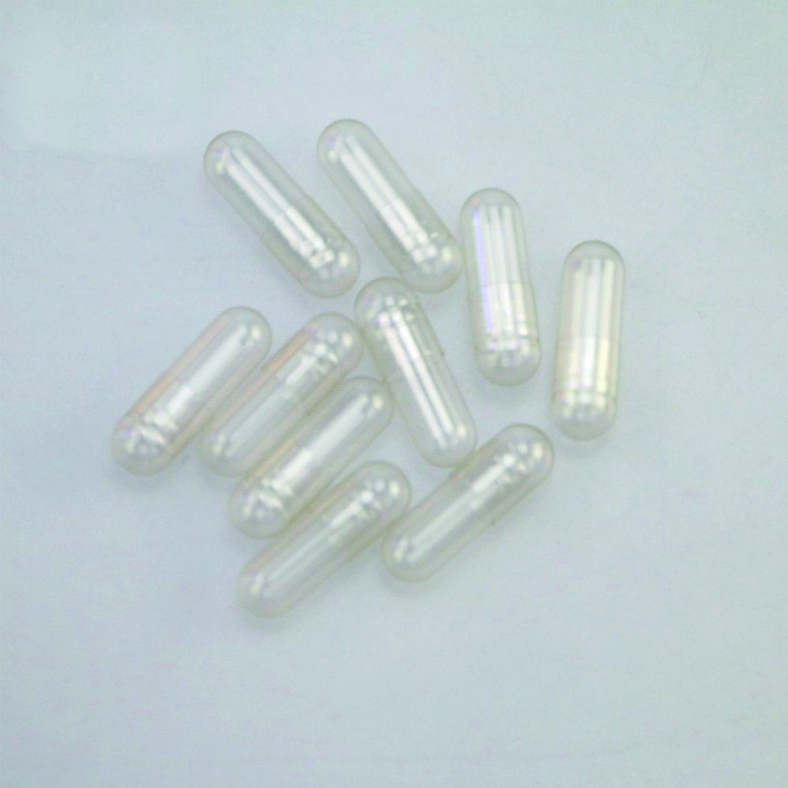 EMPTY HPMC CAPSULE SIZE 00 CLEAR
 -
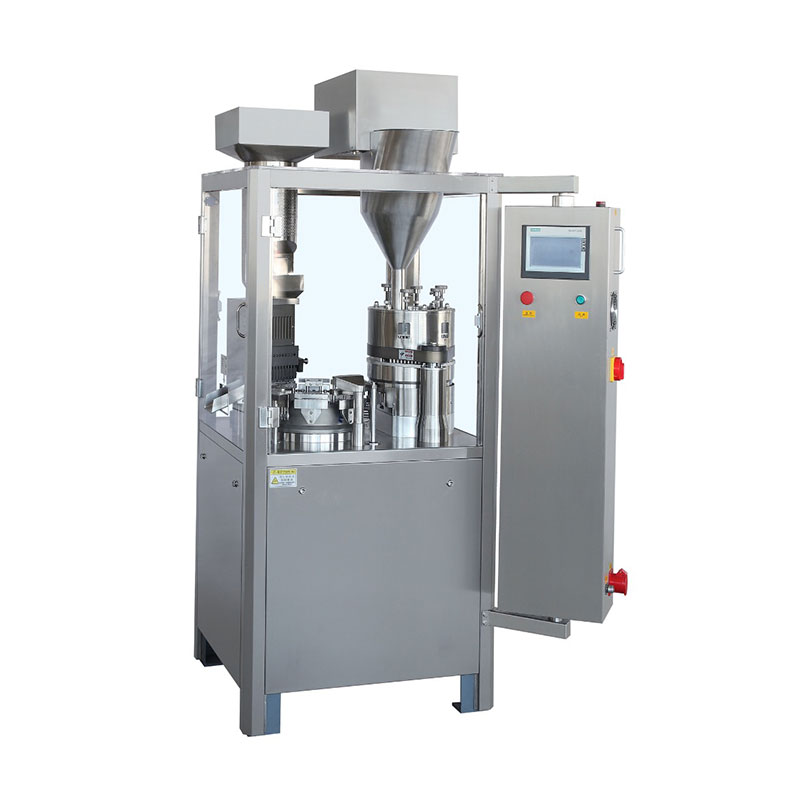 NJP-800 Automatic Capsule Filling Machine
 -
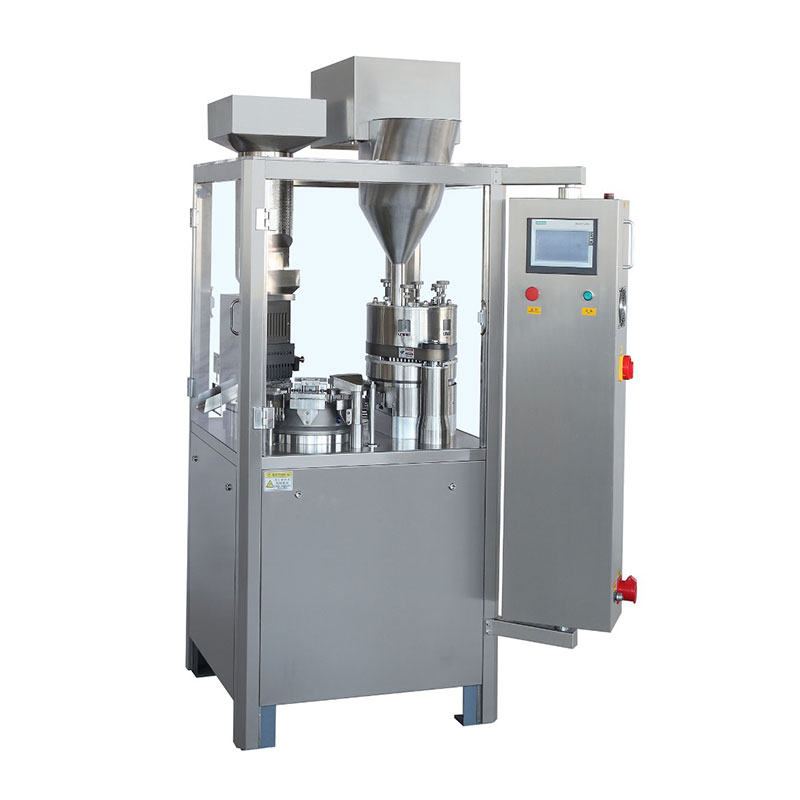 NJP-1200 Automatic Capsule Filling Machine
 -
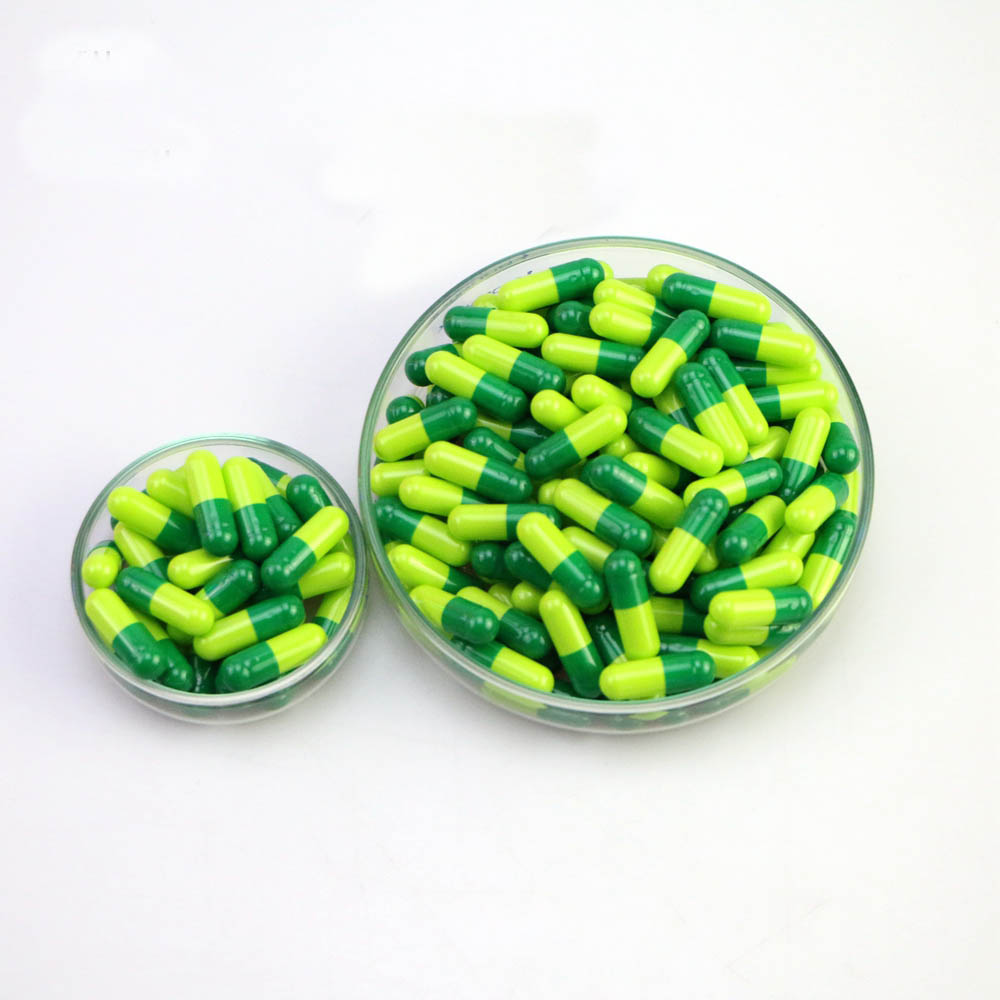 Halal empty hard geltin capsule
 -
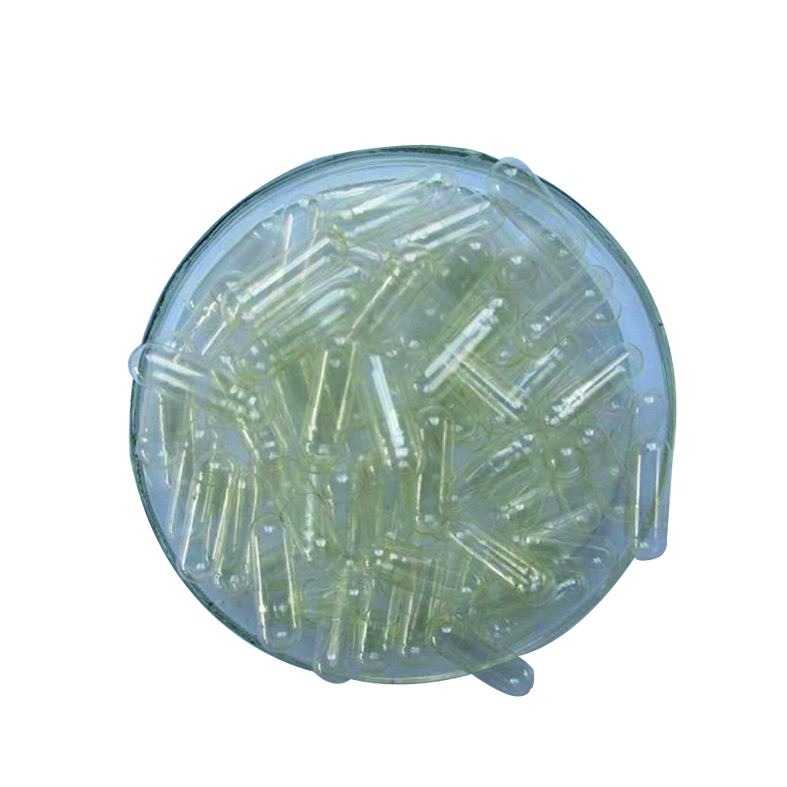 Halal Certificate Empty Clear Hard Gelatin Capsules Shell Size 0
 -
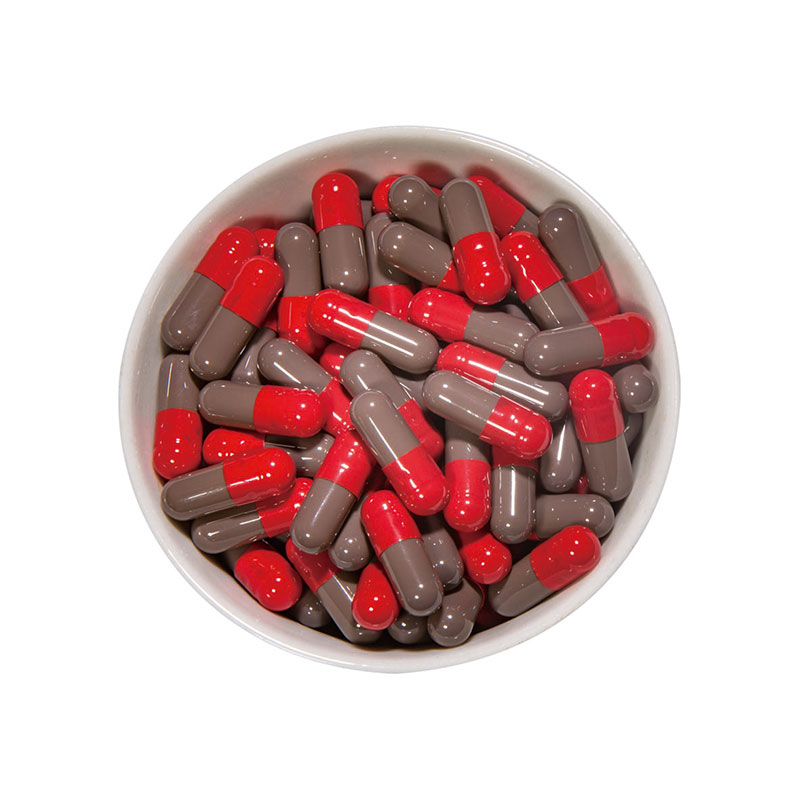 TIO2 free gelatin CAPSULE
 -
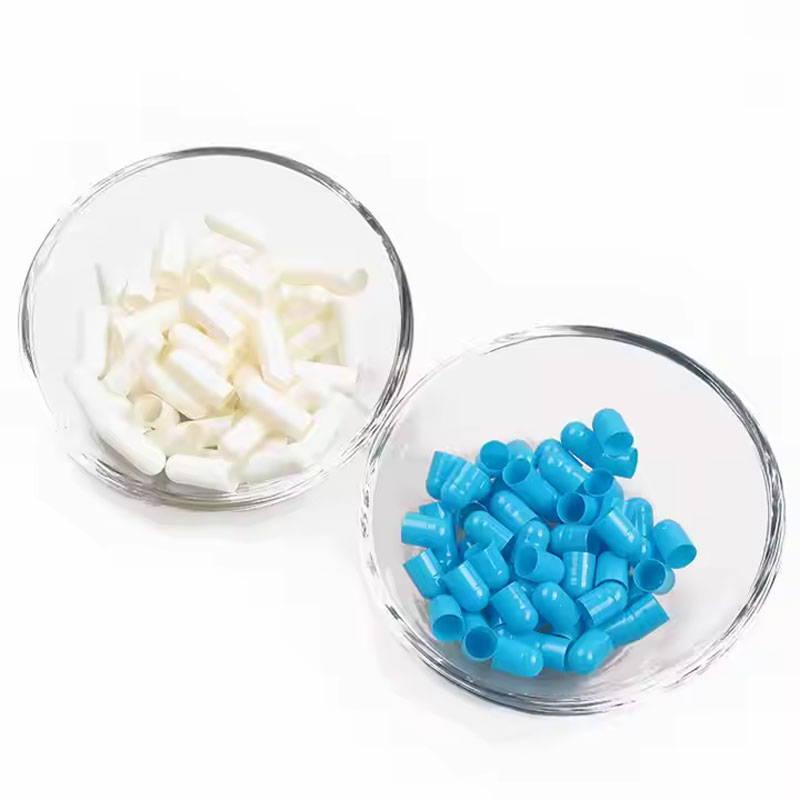 Empty VegCaps Shell Clear Empty Vegan Plant-Based Capsules Size 00 0 1 2 3 4 Natural Vegetable HPMC Capsules
 -
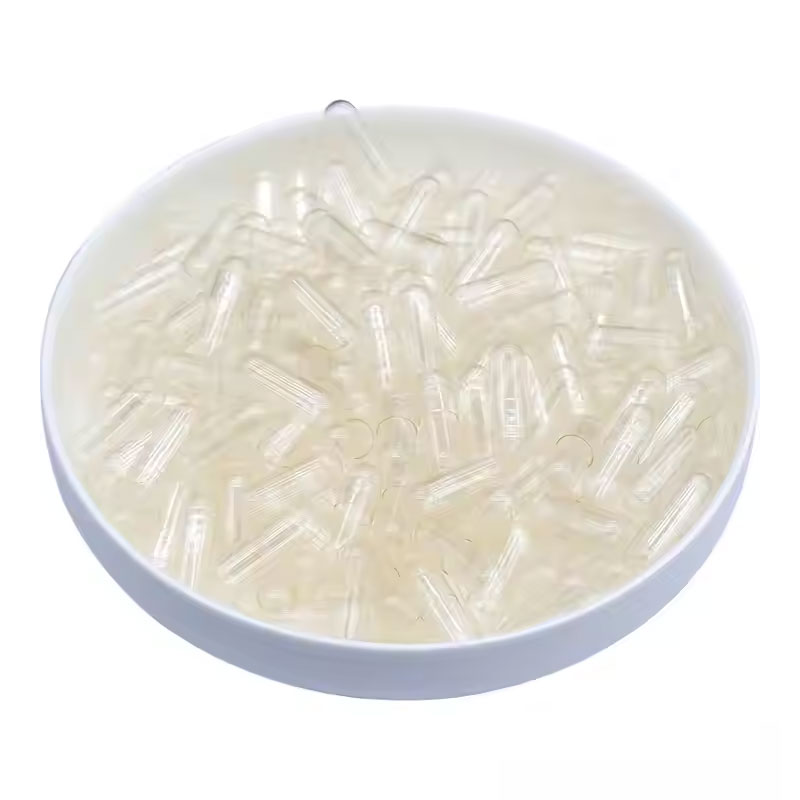 EMPTY VEGATABLE CAPSULE CLEAR SIZE 0
 -
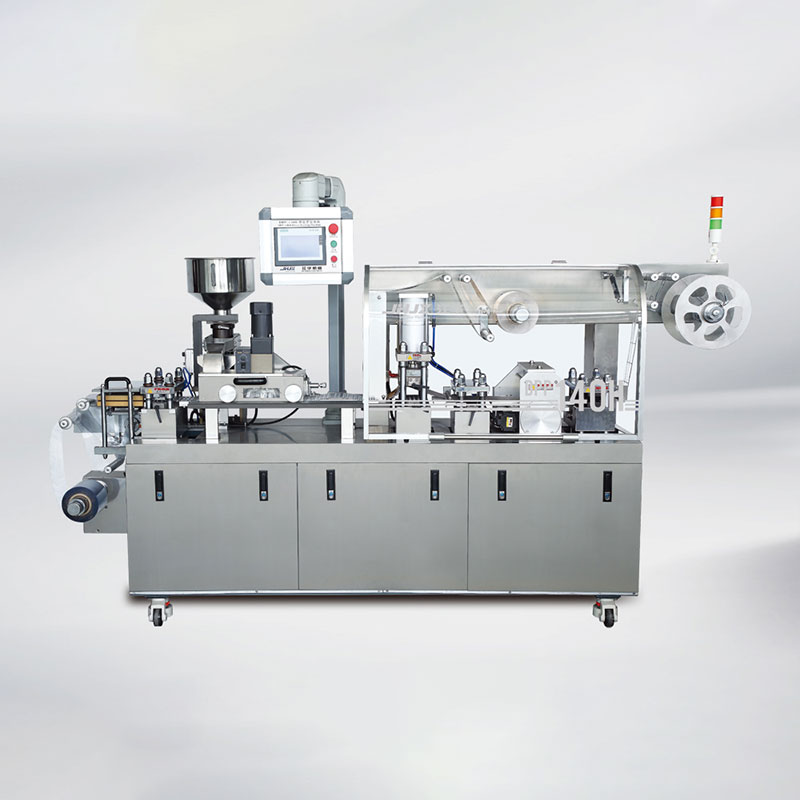 DPP-140H Flat-plate Blister Packing Machine
 -
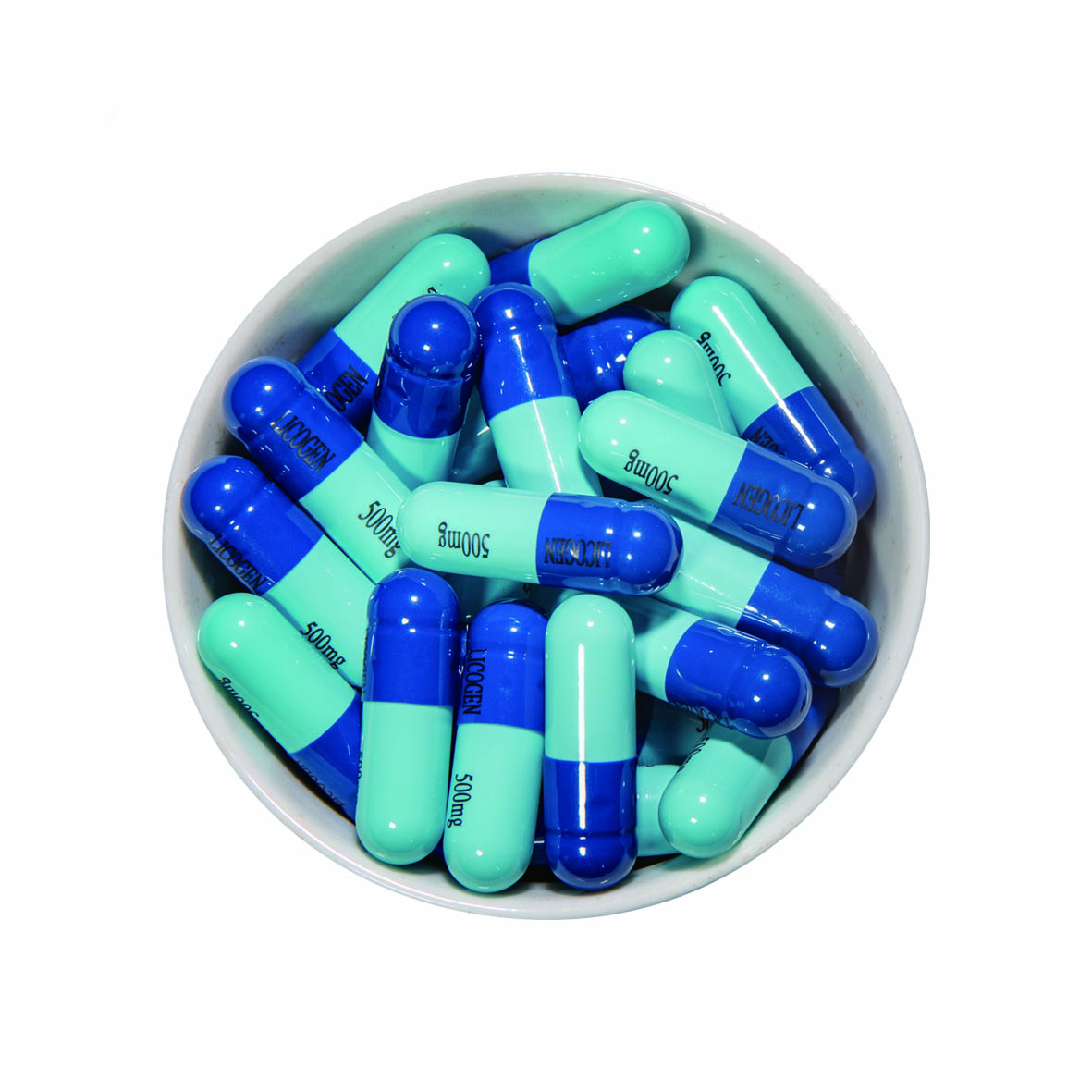 Hard Gelatin Empty Capsule Shell Size 00 0 1 2 3 4
Related Search
Related Search- OEM semi automatic capsule filler
- capsule machine filler size 00
- high quality njp 800 capsule filling machine
- OEM capsule filler filling machine
- Certificate hard gelatin capsule filling
- cellulose vegetable capsule
- OEM the capsule machine size 0
- hard gelatin capsule size 0
- Empty Capsule Gelatin Capsule Size 0 Transparent Natural
- NJP-1200 automatic capsule filling machine