
- English
- Chinese
- French
- German
- Portuguese
- Spanish
- Russian
- Japanese
- Korean
- Arabic
- Irish
- Greek
- Turkish
- Italian
- Danish
- Romanian
- Indonesian
- Czech
- Afrikaans
- Swedish
- Polish
- Basque
- Catalan
- Esperanto
- Hindi
- Lao
- Albanian
- Amharic
- Armenian
- Azerbaijani
- Belarusian
- Bengali
- Bosnian
- Bulgarian
- Cebuano
- Chichewa
- Corsican
- Croatian
- Dutch
- Estonian
- Filipino
- Finnish
- Frisian
- Galician
- Georgian
- Gujarati
- Haitian
- Hausa
- Hawaiian
- Hebrew
- Hmong
- Hungarian
- Icelandic
- Igbo
- Javanese
- Kannada
- Kazakh
- Khmer
- Kurdish
- Kyrgyz
- Latin
- Latvian
- Lithuanian
- Luxembou..
- Macedonian
- Malagasy
- Malay
- Malayalam
- Maltese
- Maori
- Marathi
- Mongolian
- Burmese
- Nepali
- Norwegian
- Pashto
- Persian
- Punjabi
- Serbian
- Sesotho
- Sinhala
- Slovak
- Slovenian
- Somali
- Scots Gaelic
- Shona
- Sindhi
- Sundanese
- Swahili
- Tajik
- Tamil
- Telugu
- Thai
- Ukrainian
- Urdu
- Uzbek
- Vietnamese
- Welsh
- Xhosa
- Yiddish
- Yoruba
- Zulu
- Kinyarwanda
- Tatar
- Oriya
- Turkmen
- Uyghur



OEM HPMC Empty Capsule Shell
Understanding the World of OEM HPMC Empty Capsule Shells
OEM HPMC empty capsule shells—these tiny marvels of pharmaceutical engineering often go unnoticed, yet they play a crucial role in the health industry. If we unpack the term, we see a blend of manufacturing nuances and material science intricacies. OEM, or Original Equipment Manufacturer, in this context, suggests a customizable product tailored to specific company needs. And HPMC? That's Hydroxypropyl Methylcellulose, a plant-derived compound, pivotal for vegans and those with gelatin sensitivities. But aren’t all empty capsules the same? Well, not quite. In my experience, delving deeper always reveals a range of complexities.
Why HPMC Stands Out
At first glance, usage might seem simple—choose a shell, fill it, seal it, and voilà. However, when considering formulation compatibility, stability, and dissolution profiles, the discussion becomes more nuanced. I remember a case with a mid-scale supplement manufacturer who transitioned to HPMC from traditional gelatin. The adaptation brought challenges, notably in humidity control during production. A subtle yet impactful variable was unveiled: HPMC capsules tend to be more robust in variable environments, but also demand this precision in humidity management. Their plant-based nature, though advantageous for specific market segments, called for recalibrations in storage and handling practices. Failure to adapt led to initial bottlenecks in production efficiency.
Reflecting on the transition a few years later, it is obvious that embracing HPMC entails embracing a deeper understanding of its characteristics. Unlike gelatin, these shells offer better resistance to moisture, but that doesn't exempt them from specialized care. Consider the industry's drive towards cleaner labels and transparency; plant-derived capsules are a step forward. Coupled with the surge in vegan-friendly products, HPMC capsules are riding a wave of innovation.
A significant aspect involves their versatile nature. Working within an OEM setup means leveraging HPMC's adaptability. Customizability is a prized factor; the ability to incorporate unique features like specialized coatings or flavors captivates R&D teams. This requires collaboration across different departments, from product development to manufacturing, ensuring all variables align.
The Role of Suqian Kelaiya Corp.
Enterprises like Suqian Kelaiya Corp., anchored at https://www.kelaiyacorp.com, are at the forefront of this evolution. With their dual manufacturing sites in Zhejiang and Jiangsu provinces, the company has positioned itself as both a trailblazer and reliable partner in contract manufacturing. The synergy between capsule production and machinery amplifies their effectiveness. I recall a visit to one of their sites, where the seamless integration of capsule formation and filling machinery was nothing short of impressive. It’s clear their expertise doesn't happen by accident—it’s built on robust systems and innovative approaches.
This commitment extends to their strategic offerings. Whether it's refining the capsule formulation or enhancing the filling machinery, the constant pursuit of excellence is evident. Projects often extend beyond mere manufacturing, encompassing collaborative R&D initiatives with pharmaceutical clients. The essence of OEM lies in such symbiotic partnerships where both quality and innovation play center stage.
Furthermore, Suqian Kelaiya Corp.'s engagement with blister machine technology highlights the drive toward comprehensive solutions. Offering encapsulation, filling, and packaging services under one roof becomes a potent competitive advantage. In discussions with other stakeholders, the recurring theme is trust. Opting for a trusted partner that can deliver across these verticals reduces headaches associated with fragmented supply chains.
Common Misconceptions and Realities
The assumption that all capsule shells perform similarly can lead to miscues. I've seen formulations that worked seamlessly with gelatin face surprising hurdles when swapped to HPMC. The variances in shell integrity, dissolution rates, and absorption efficacy were eye-opening. Initial trials often required tweaks to the active ingredients or excipients to achieve desired release profiles. Herein lies the artistry of OEM solutions—tailoring goes beyond surface-level adjustments.
Those unacquainted with the manufacturing lifecycle might overlook the significance of seemingly minor tweaks. For operators deeply immersed in quality control, these are day-to-day realities. The dialogue between pharmacists, formulators, and engineers becomes crucial, bridging theoretical design with practical execution. It's in the finesse of these interactions that successful OEM ventures find their rhythm.
I've witnessed the trial-and-error approach in smaller firms trying to minimize initial costs by opting for generic solutions. Yet, they soon encounter scalability snags. Scaling up without robust OEM backing can lead to cost spikes and quality compromises. This reinforces the lesson that investment in strategic partnerships, like those with an entity as resilient as Suqian Kelaiya Corp., offers long-term dividends.
Considerations for Sustainable Practices
The conversation around sustainability is gaining momentum, not only for end products but throughout the production channel. HPMC empty capsule shells, with their renewable resource base, offer an eco-friendlier alternative. Suqian Kelaiya Corp.’s alignment with sustainability reflects a conscious choice, exemplified by their process optimizations and resource efficiency focus.
There’s also a palpable shift towards creating environmentally considerate manufacturing frameworks. Observations from industry seminars highlight how companies are reassessing their carbon footprints and adopting greener technologies. Plant-based capsule production offers a model to follow, and OEM manufacturers are in a unique position to influence change at scale.
Ultimately, the dialogue must extend beyond one-dimensional green initiatives. It’s about integrating sustainability at every operational level. For those like Suqian Kelaiya Corp., this holistic view resonates across customer interactions and community engagements. This approach mirrors a rising consumer consciousness, where transparency and sustainability differentiate leaders from followers.
Looking Forward: The Future of Capsule Innovation
As we look ahead, the trajectory for OEM HPMC empty capsule innovations appears promising. A combination of technological advances and evolving consumer preferences is set to shape new formulations and applications. The ability to innovate will rest on collaboration between contract manufacturers, brand owners, and consumers.
In this evolving narrative, OEM offerings will likely extend to niche market segments with personalized health solutions. The concept of customized capsules isn’t far-fetched; rather, it’s where the sector is headed. The pathway forward is dotted with potential—one just needs the vision and the partnerships to tap into it.
As these dynamics unfold, companies like Suqian Kelaiya Corp. will continue pioneering industry standards. For those entrenched in the capsule world, keeping an ear to the ground and a finger on the pulse remains essential. Through innovation, adaptability, and strategic collaborations, the capsule industry is poised not only for growth but for meaningful impacts on health and wellness fronts. The story of OEM HPMC empty capsules is just beginning, and those engaged have the opportunity to be part of a revolution in pharmaceutical delivery.
Related Products
Related Products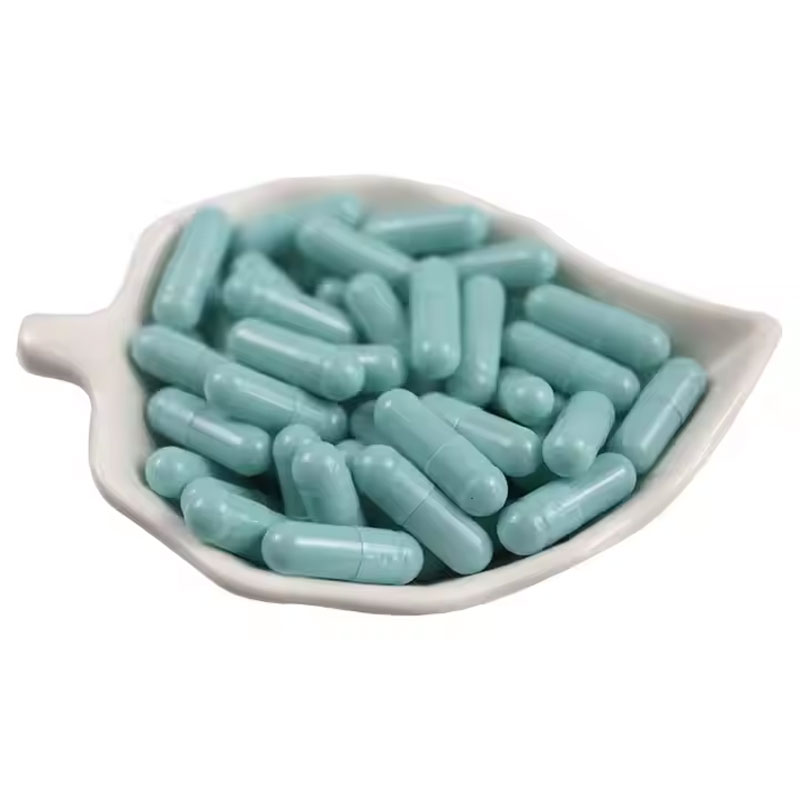

Best Selling Products
Best Selling Products-
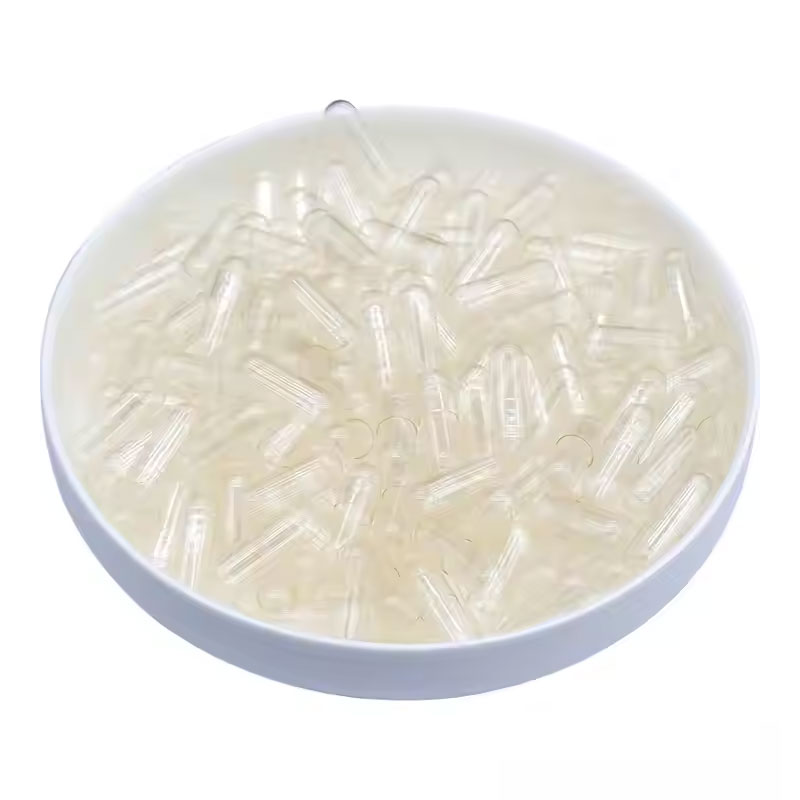 EMPTY VEGATABLE CAPSULE CLEAR SIZE 0
 -
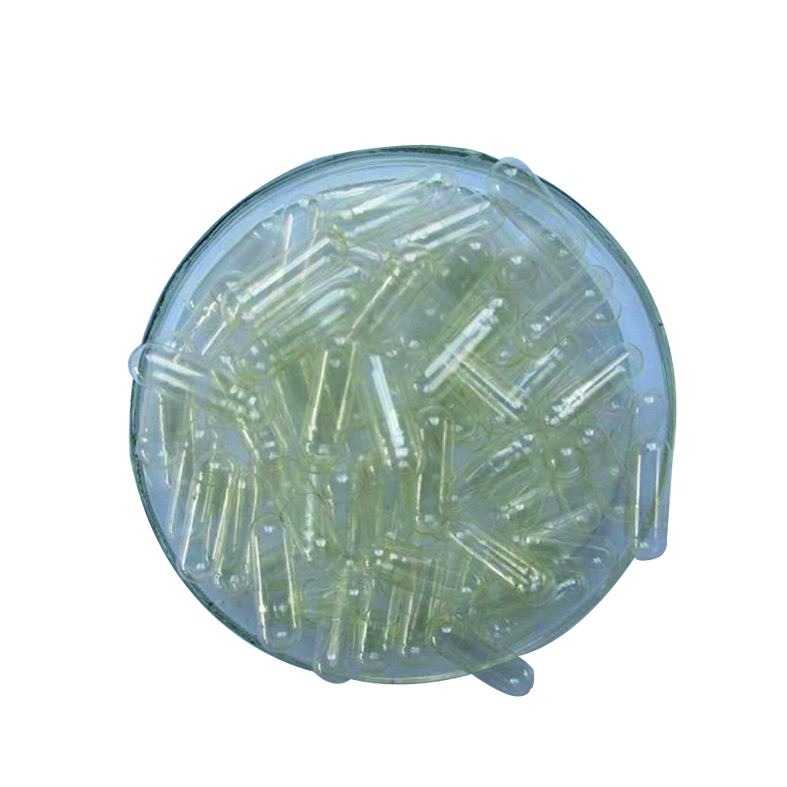 Halal Certificate Empty Clear Hard Gelatin Capsules Shell Size 0
 -
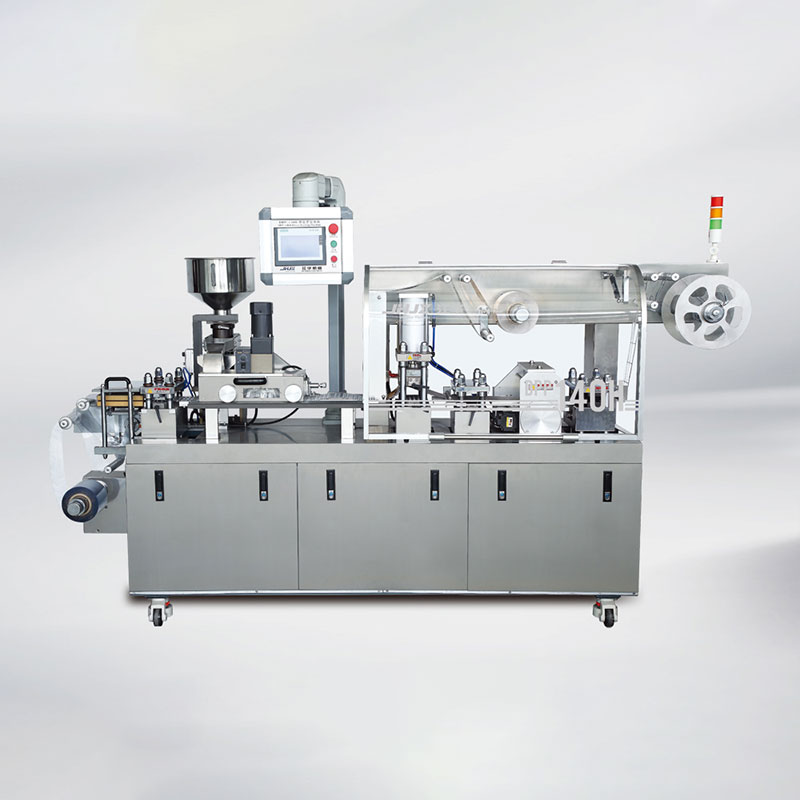 DPP-140H Flat-plate Blister Packing Machine
 -
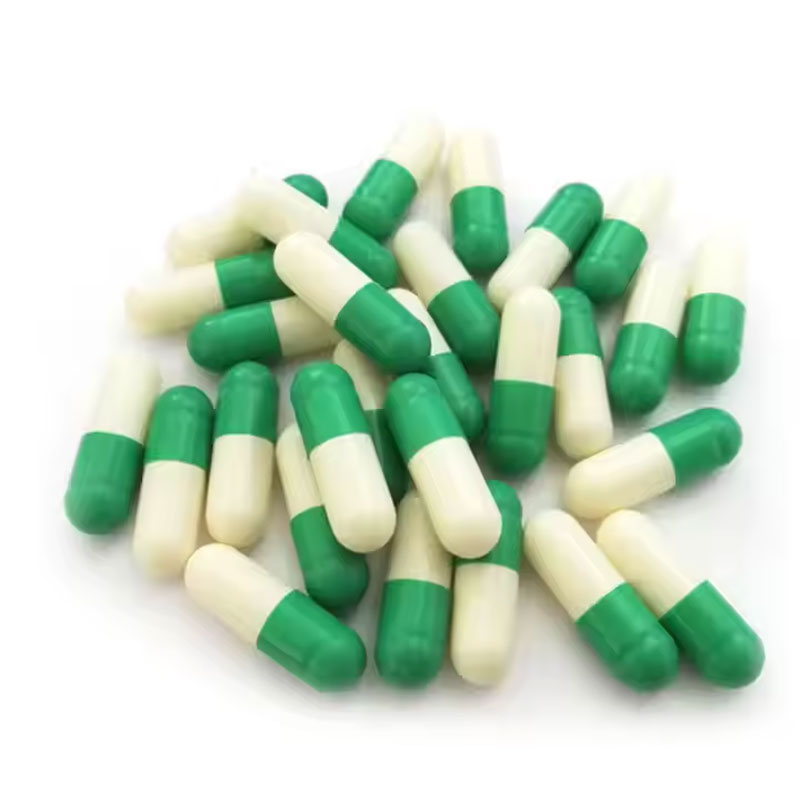 Size 00 hpmc capsules vegetarian capsules empty hard veggie capsules
 -
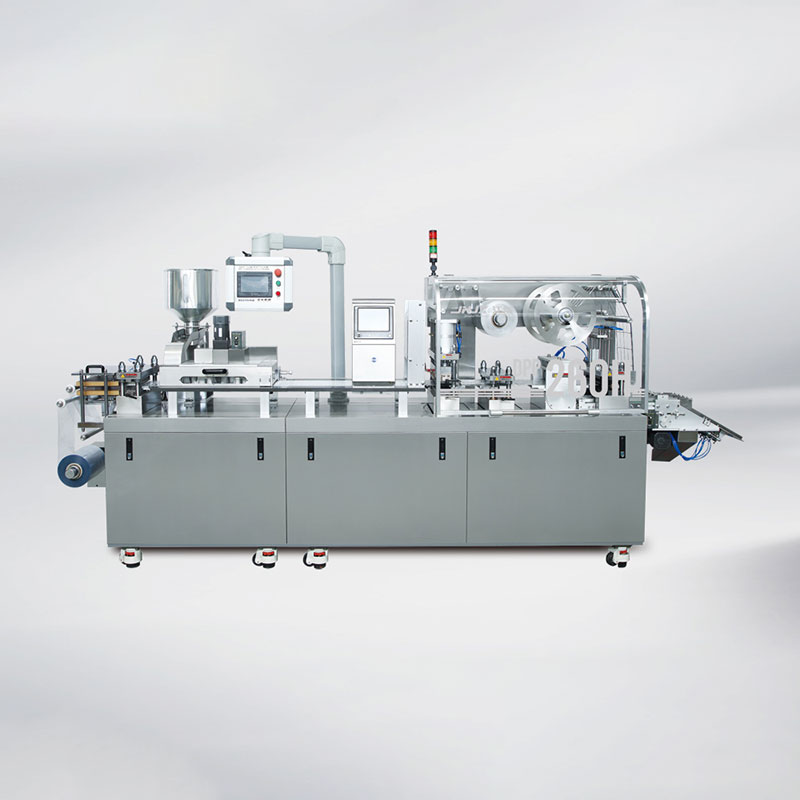 DPP-260H_DPP-320H Flat-plate Blister Packing Machine
 -
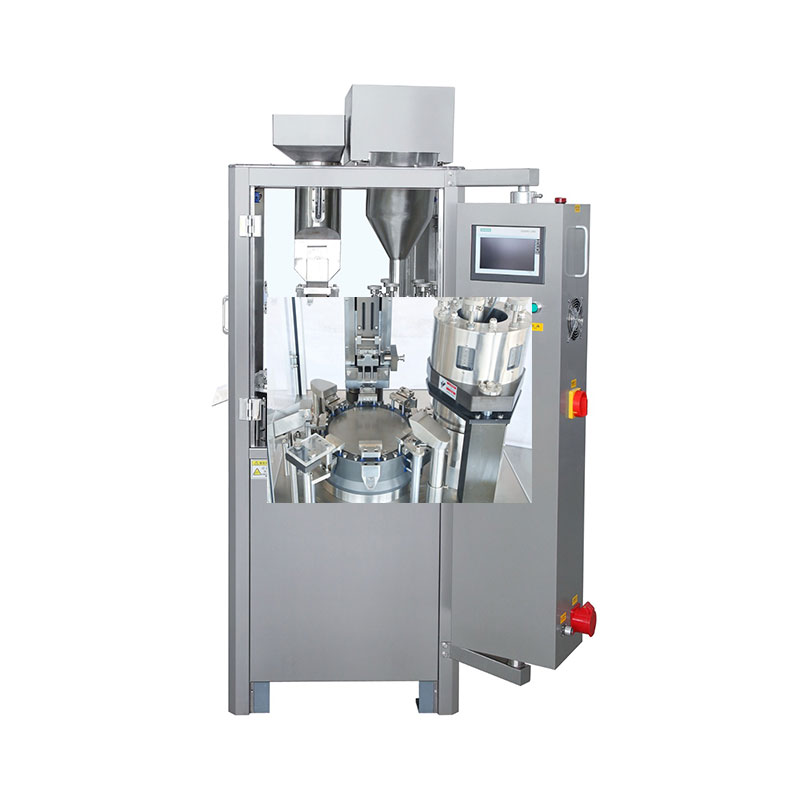 NJP-200 Model Fully Automatic Capsule Filling Machine
 -
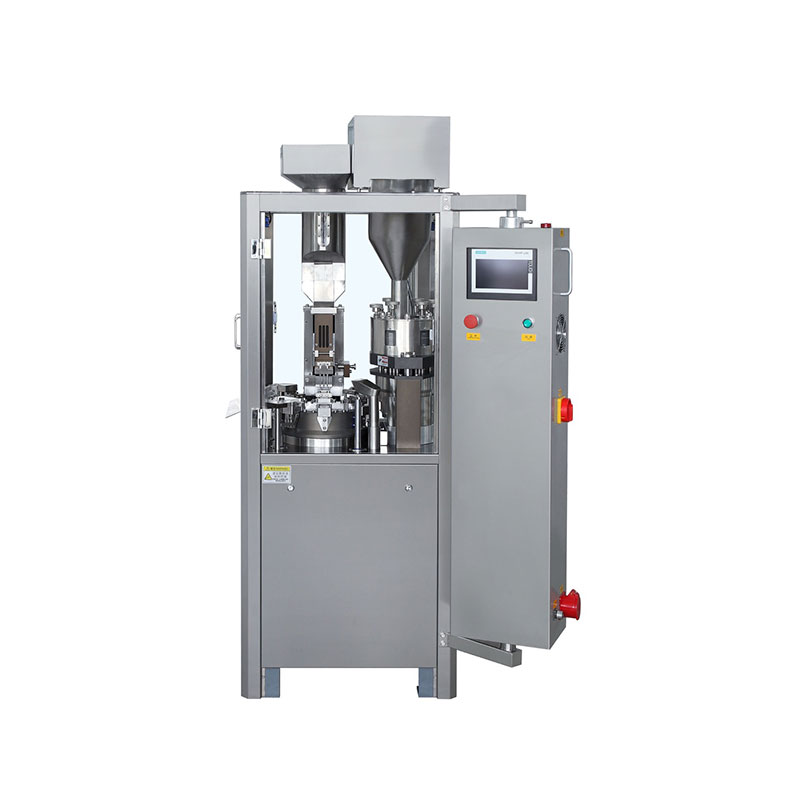 NJP-400 Fully Automatic Capsule Filling Machine
 -
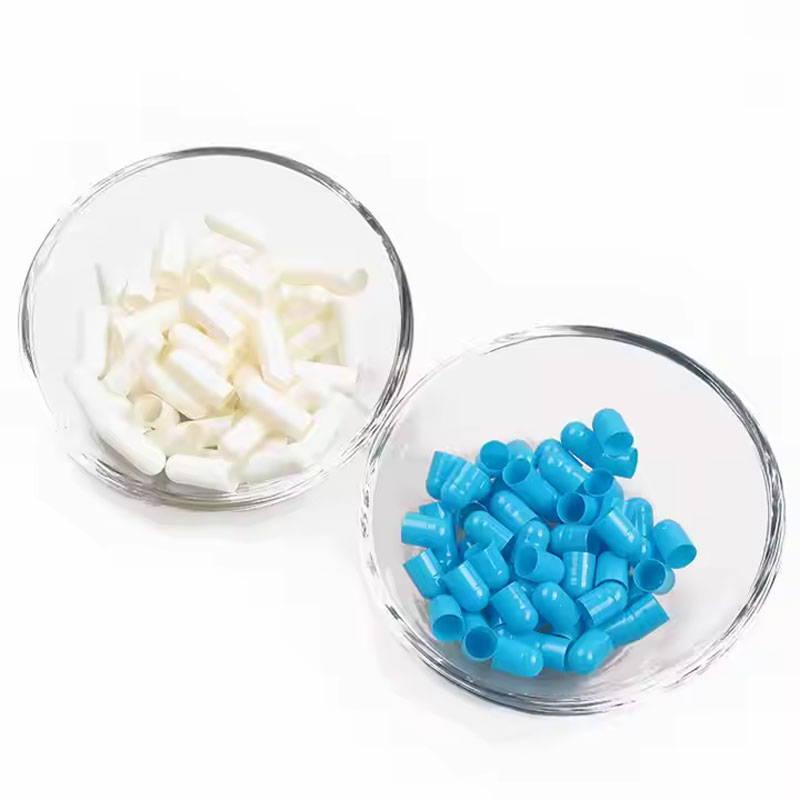 Empty VegCaps Shell Clear Empty Vegan Plant-Based Capsules Size 00 0 1 2 3 4 Natural Vegetable HPMC Capsules
 -
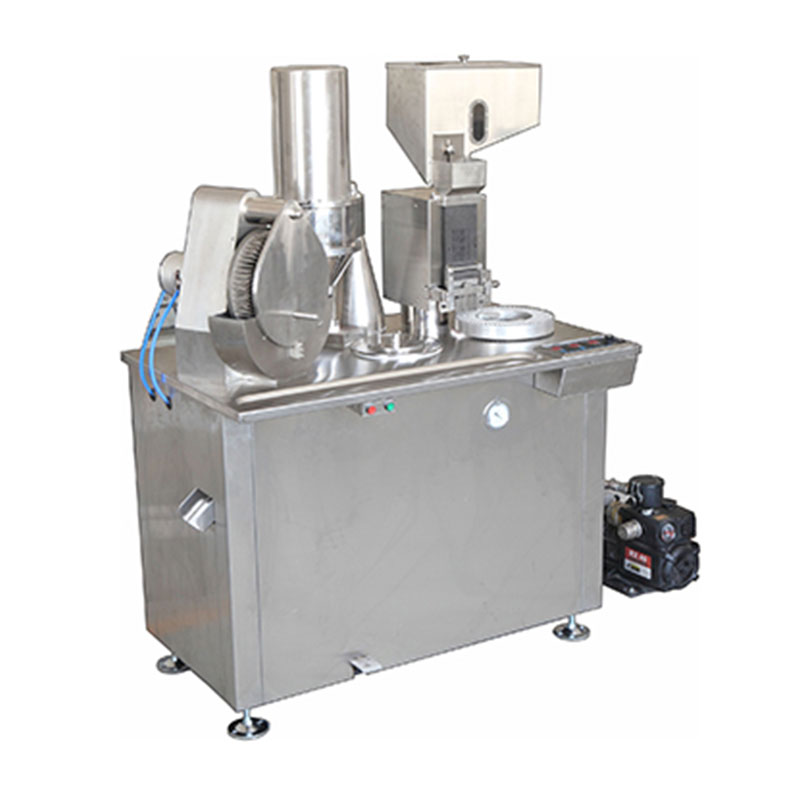 CGN208-D Newest Type Semi Automatic Capsule Filling Machine
 -
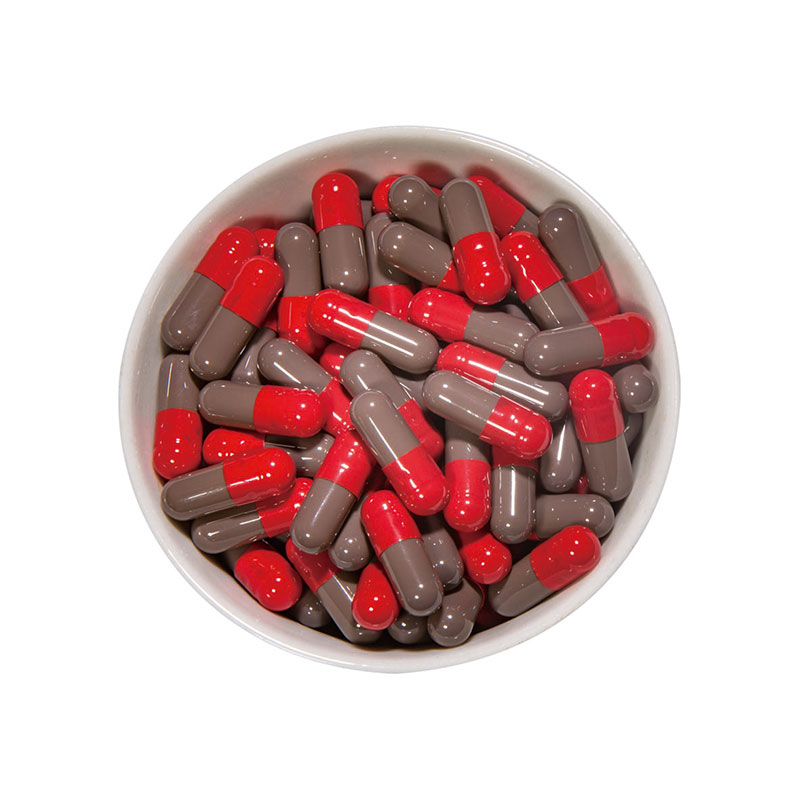 TIO2 free gelatin CAPSULE
 -
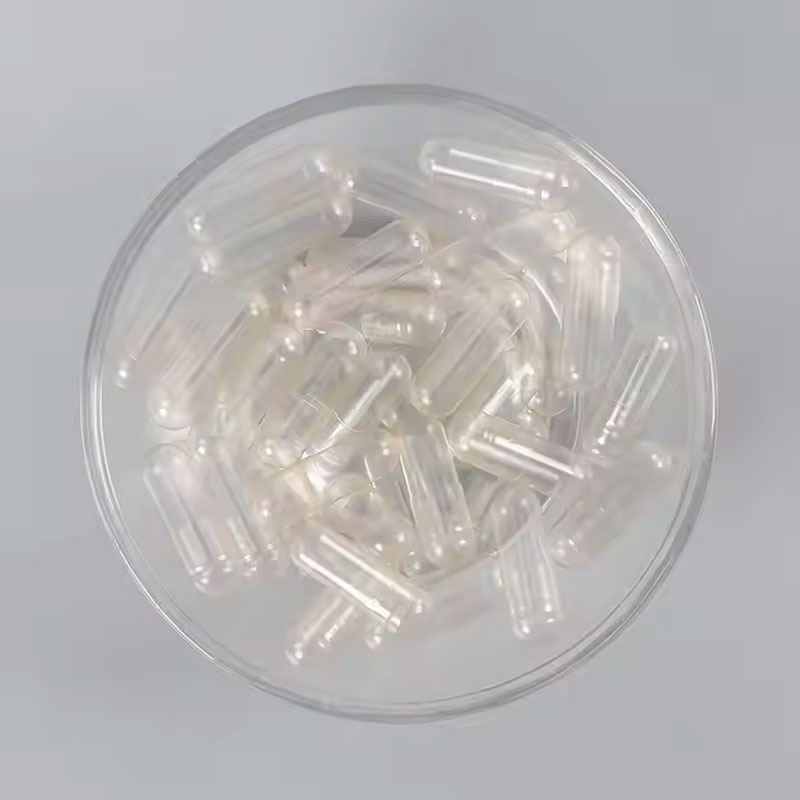 Hpmc Capsules Product Plant Vegetarian Size 00 0 Capsule Shell
 -
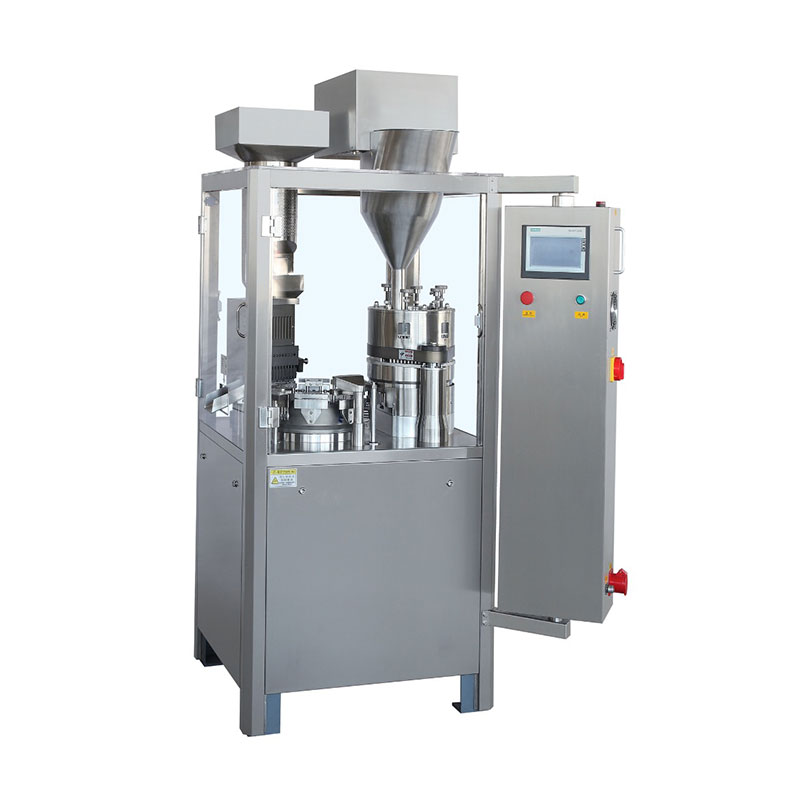 NJP-800 Automatic Capsule Filling Machine
Related Search
Related Search- Best CLEAR HPMC CAPSULE
- Discount 000 empty vegetarian capsules
- Certificate capsule filling machines professional
- Best clear vegetarian capsules size 00
- OEM clear vegetarian capsules size 00
- Discount njp 400 capsule filling machine
- automatic capsule filling machine 00
- Best empty vegetarian capsules size 1
- Discount semi-automatic capsule filling machine size 0
- Certificate automatic capsule filling machine 00