
- English
- Chinese
- French
- German
- Portuguese
- Spanish
- Russian
- Japanese
- Korean
- Arabic
- Irish
- Greek
- Turkish
- Italian
- Danish
- Romanian
- Indonesian
- Czech
- Afrikaans
- Swedish
- Polish
- Basque
- Catalan
- Esperanto
- Hindi
- Lao
- Albanian
- Amharic
- Armenian
- Azerbaijani
- Belarusian
- Bengali
- Bosnian
- Bulgarian
- Cebuano
- Chichewa
- Corsican
- Croatian
- Dutch
- Estonian
- Filipino
- Finnish
- Frisian
- Galician
- Georgian
- Gujarati
- Haitian
- Hausa
- Hawaiian
- Hebrew
- Hmong
- Hungarian
- Icelandic
- Igbo
- Javanese
- Kannada
- Kazakh
- Khmer
- Kurdish
- Kyrgyz
- Latin
- Latvian
- Lithuanian
- Luxembou..
- Macedonian
- Malagasy
- Malay
- Malayalam
- Maltese
- Maori
- Marathi
- Mongolian
- Burmese
- Nepali
- Norwegian
- Pashto
- Persian
- Punjabi
- Serbian
- Sesotho
- Sinhala
- Slovak
- Slovenian
- Somali
- Scots Gaelic
- Shona
- Sindhi
- Sundanese
- Swahili
- Tajik
- Tamil
- Telugu
- Thai
- Ukrainian
- Urdu
- Uzbek
- Vietnamese
- Welsh
- Xhosa
- Yiddish
- Yoruba
- Zulu
- Kinyarwanda
- Tatar
- Oriya
- Turkmen
- Uyghur


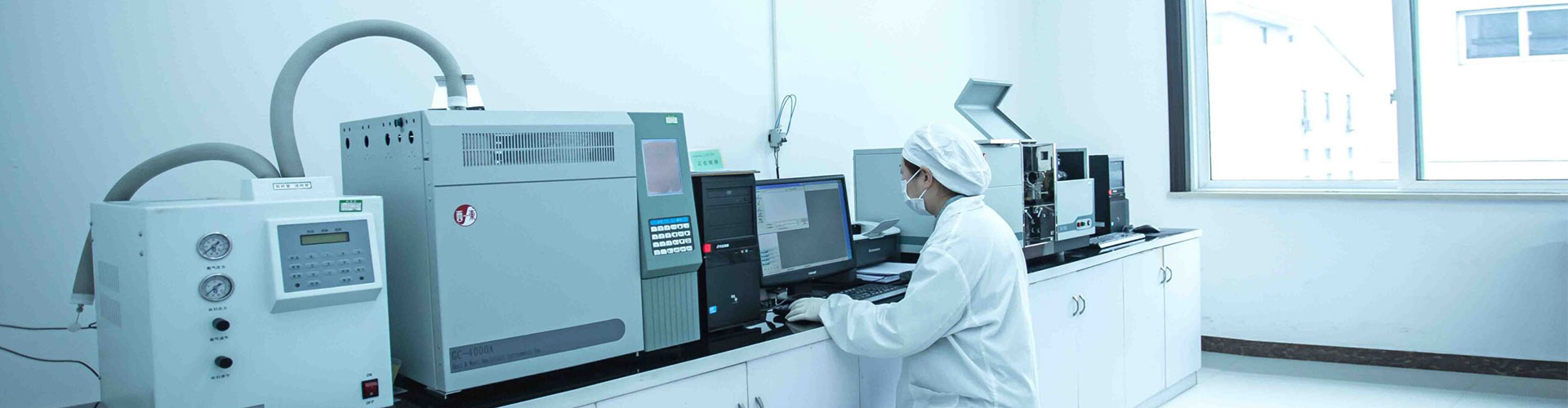
njp 2000 capsule filling machine
The Intricacies of the NJP 2000 Capsule Filling Machine
In the world of pharmaceutical manufacturing, the NJP 2000 capsule filling machine often stands out as a robust choice for mid-level production needs. Yet, surprisingly, misconceptions about its capabilities and limitations persist among industry newcomers. Many envision an ideal, catch-all solution, only to discover the nuanced reality through hands-on experience.
Understanding the Machine's Core Functionality
The NJP 2000 isn't just a piece of equipment; it's a cornerstone for many mid-sized pharmaceutical operations. When I first encountered it, my expectations were shaped by glossy brochures and technical specs. However, the true learning unfolded during actual operation on the production floor.
Equipped to manage 2000 capsules per minute, it's a powerhouse — at least on paper. But what's often understated is its requirement for precise handling and meticulous calibration. Even a slight deviation in setup can skew the entire batch, leading to wastage and inefficiencies. Such was the case in a project with Suqian Kelaiya Corp., where an oversight in powder granularity adjustment led to suboptimal fill weights.
That's where manufacturer expertise plays a pivotal role. Suqian Kelaiya Corp., known for their advanced drug development and equipment manufacturing, offered invaluable insights into the intricacies of achieving optimal results with this machine. Their manufacturing sites in Zhejiang and Jiangsu provinces have seen various models come and go, but the NJP 2000 has remained a staple for good reason.
Operational Challenges and Precision
Every machine has its quirks, and the NJP 2000 is no exception. When new operators transition from smaller scales to the NJP 2000, they often confront unexpected hurdles. It's not about the speed or the volume, but precision. Misalignments, often from hurried setups, introduce complications that aren't easily observable in real-time.
In one instance, we faced a recurring issue with capsule breakage. After a detailed assessment, the culprit turned out to be trace moisture from an improperly ventilated ingredient storage area. Addressing such minor yet impactful factors is key to accomplishing efficient fills, something I've learned through collaboration with industry experts.
Moreover, ongoing maintenance is another often-misjudged aspect. Regular checks, guided by manufacturer recommendations — especially those from Suqian Kelaiya — can mitigate many common problems. The investment in time and effort, as intangible as it may appear initially, pays dividends in long-term performance and consistency.
The Role of Suqian Kelaiya Corp. in Industry Evolution
Given its breadth in manufacturing and new drug development, Suqian Kelaiya Corp. has become a go-to resource for addressing practical challenges with the NJP 2000. Their expertise extends beyond the tangible product, encompassing a holistic understanding of pharmaceutical needs. Their dedication to advancing equipment functionality while maintaining usability is evident to anyone who has interacted with their team.
Our collaboration with them highlighted their commitment to customer support and innovation. Engaging with their seasoned professionals provided clarity on optimizing the machine's operation in various conditions, whether handling variable humidity levels or accommodating different capsule sizes.
This partnership reinforced a critical realization: even sophisticated machinery like the NJP 2000 requires a knowledgeable network of support. This extends well beyond basic operational manuals; it's about continuous learning and adaptation, something Suqian Kelaiya embodies through its proactive customer interaction.
Real-World Applications and Adaptability
The NJP 2000's adaptability is another aspect that's often overlooked. It's designed to handle a wide range of capsule sizes without extensive retooling. This flexibility proved invaluable during a particular contract manufacturing project where we needed swift adjustments to accommodate diverse batch requirements.
During this project, a last-minute client request necessitated an abrupt switch from size 1 to size 0 capsules. Thanks to the machine's modular design and intuitive interface, this was a smoother transition than anticipated — underscoring the NJP 2000's versatility in dynamic production environments.
Suqian Kelaiya's support also played a crucial role here. Their on-call technical assistance helped us navigate pressure calibration adjustments promptly, ensuring we met the tight delivery deadline without compromising on quality. It was a testament to how real-time expertise can make or break a deadline-driven scenario.
Long-Term Considerations for Sustained Use
While initial setups might daunt new users, the real challenge—and opportunity—lies in mastering the NJP 2000 over its operational lifetime. Longevity in industrial equipment such as this isn't merely about durability; it involves proactive adjustments in response to evolving drug formulations and productivity demands.
Regularly revisiting the machine's calibration and settings can adapt its performance to current needs. The NJP 2000's durability combined with updated operational strategies from experts like Suqian Kelaiya ensures its continued relevance in a rapidly advancing market.
Ultimately, the ongoing challenge is balancing technological capability with evolving pharmaceutical demands. As Suqian Kelaiya continues to contribute to advancements in drug development and equipment, partnerships with organizations such as theirs will remain integral to staying at the forefront of industry innovation and efficiency.
Related Products
Related Products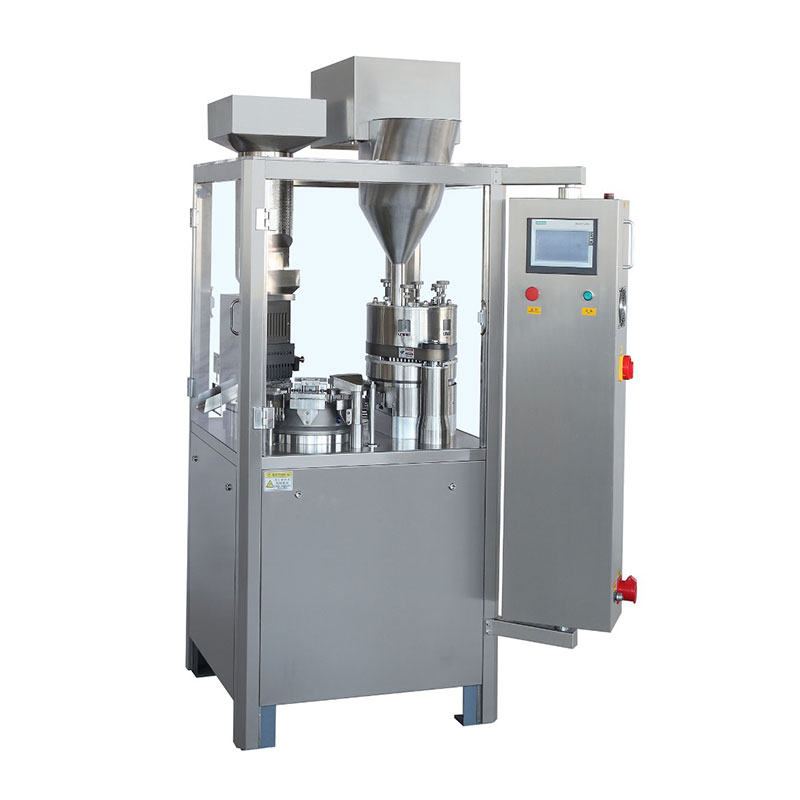

Best Selling Products
Best Selling Products-
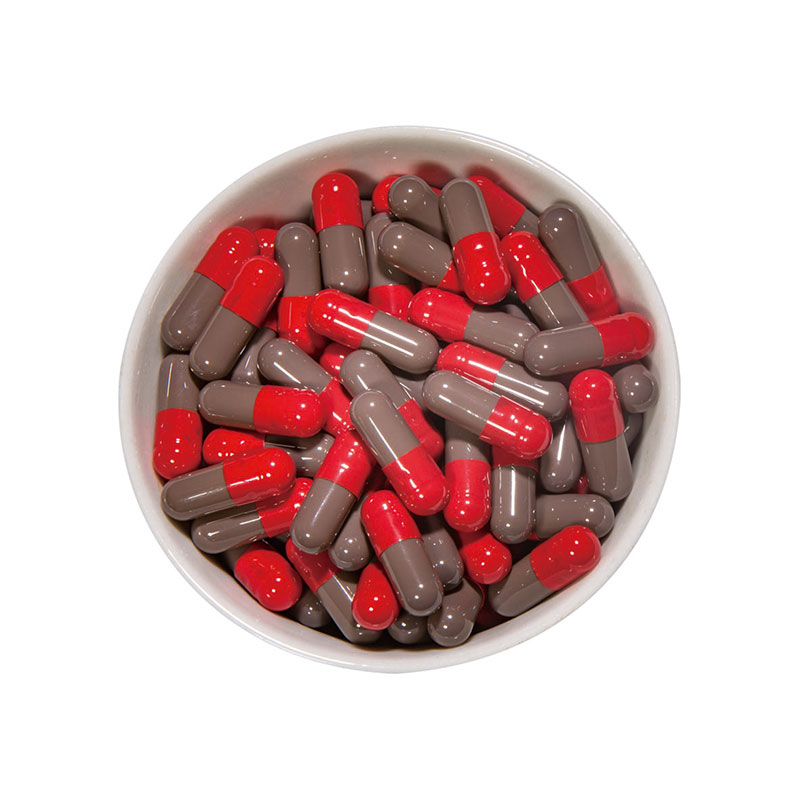
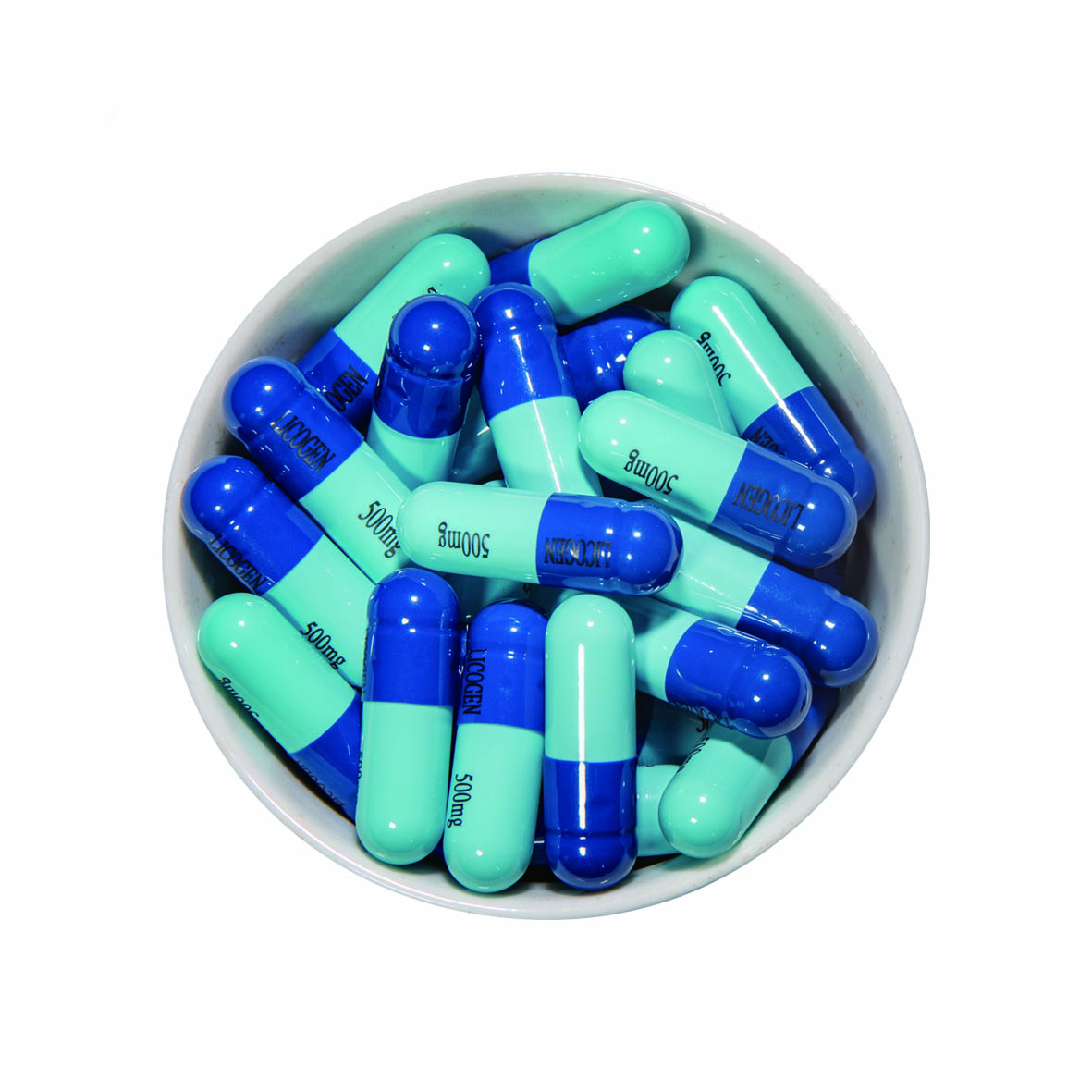 Hard Gelatin Empty Capsule Shell Size 00 0 1 2 3 4
 -
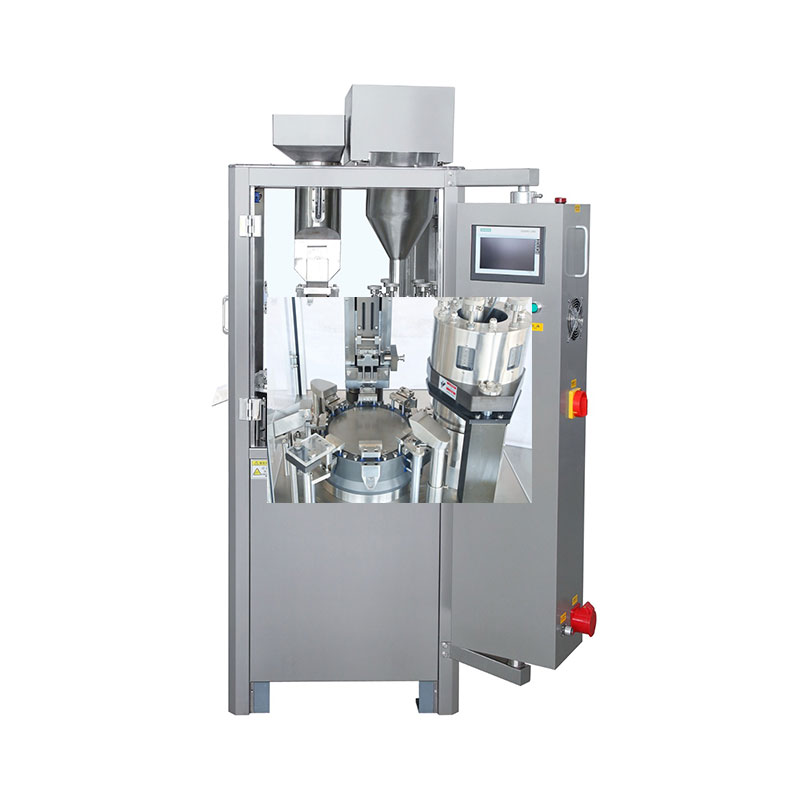 NJP-200 Model Fully Automatic Capsule Filling Machine
 -
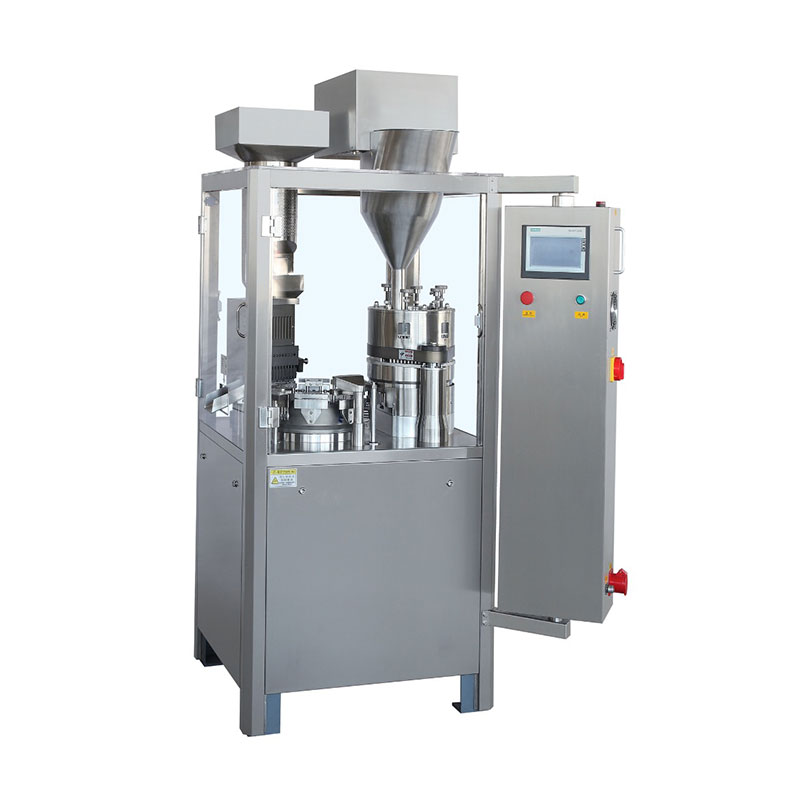 NJP-800 Automatic Capsule Filling Machine
 -
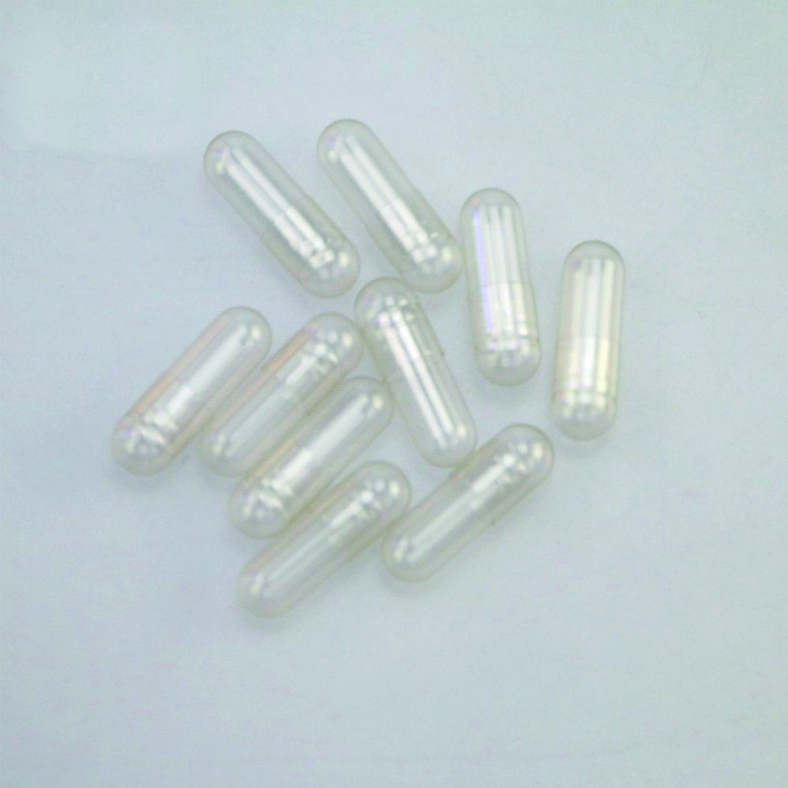 EMPTY HPMC CAPSULE SIZE 00 CLEAR
 -
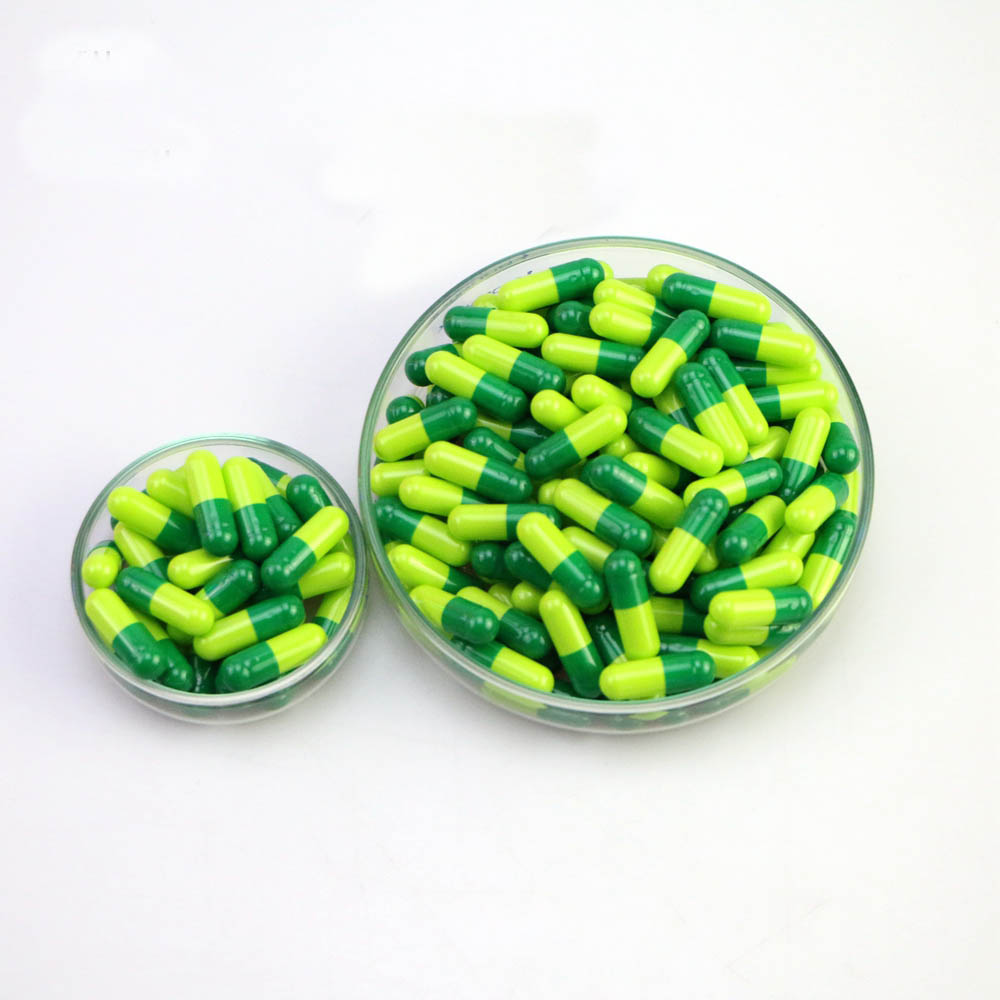 Halal empty hard geltin capsule
 -
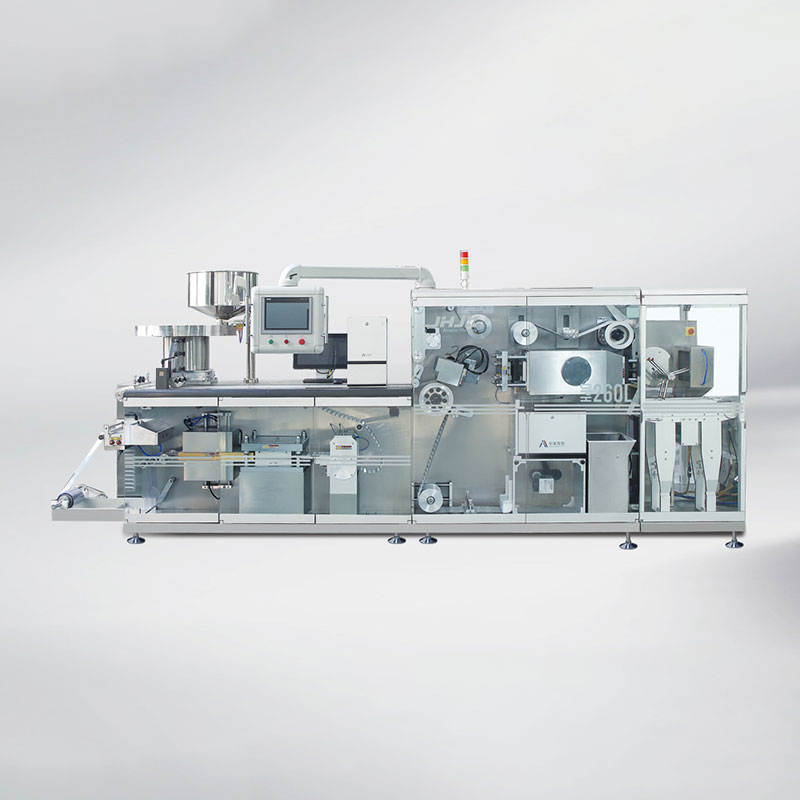
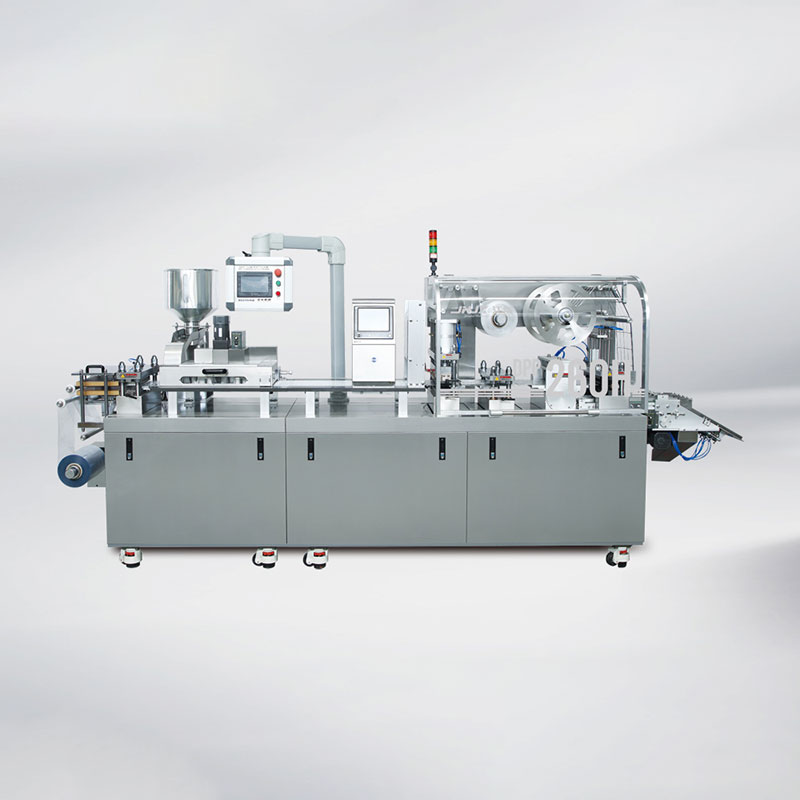 DPP-260H_DPP-320H Flat-plate Blister Packing Machine
 -
 Vegetarian Separated Capsules HPMC Capsules Separated Wholesale Vegetarian Capsules Discount for Bulk Orders
 -
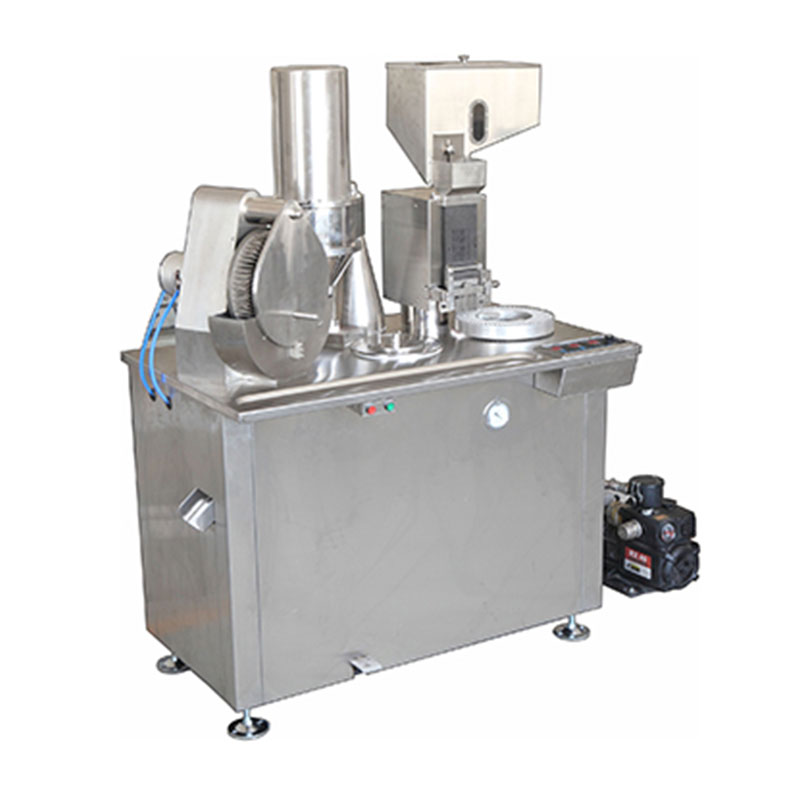 CGN208-D Newest Type Semi Automatic Capsule Filling Machine
 -
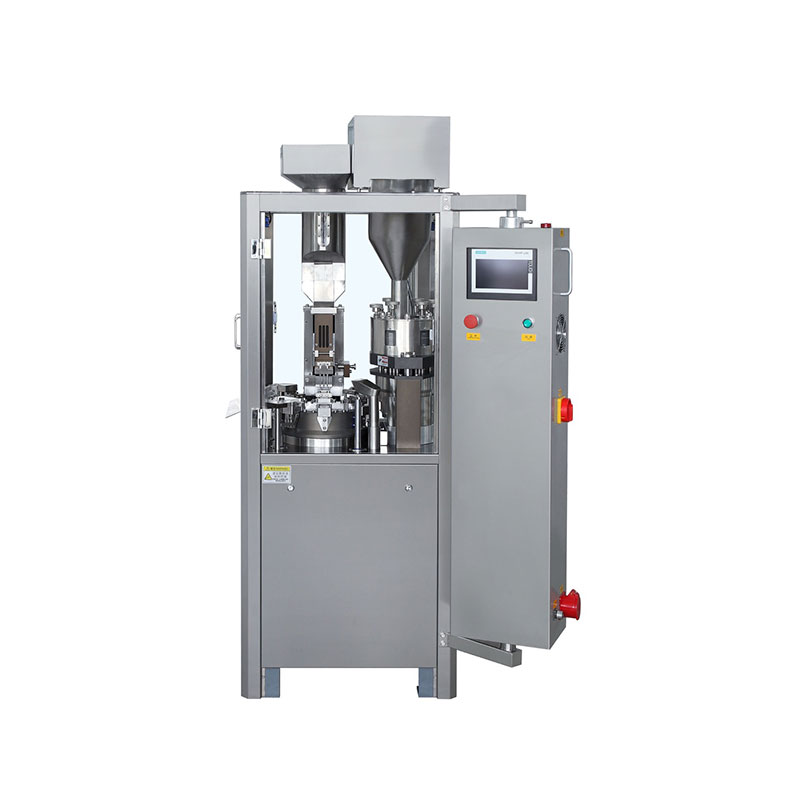 NJP-400 Fully Automatic Capsule Filling Machine
 -
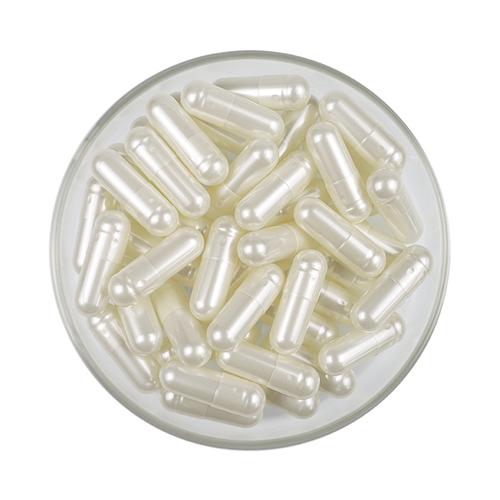 Golden_Pearl Hard Gelatin Capule
 -
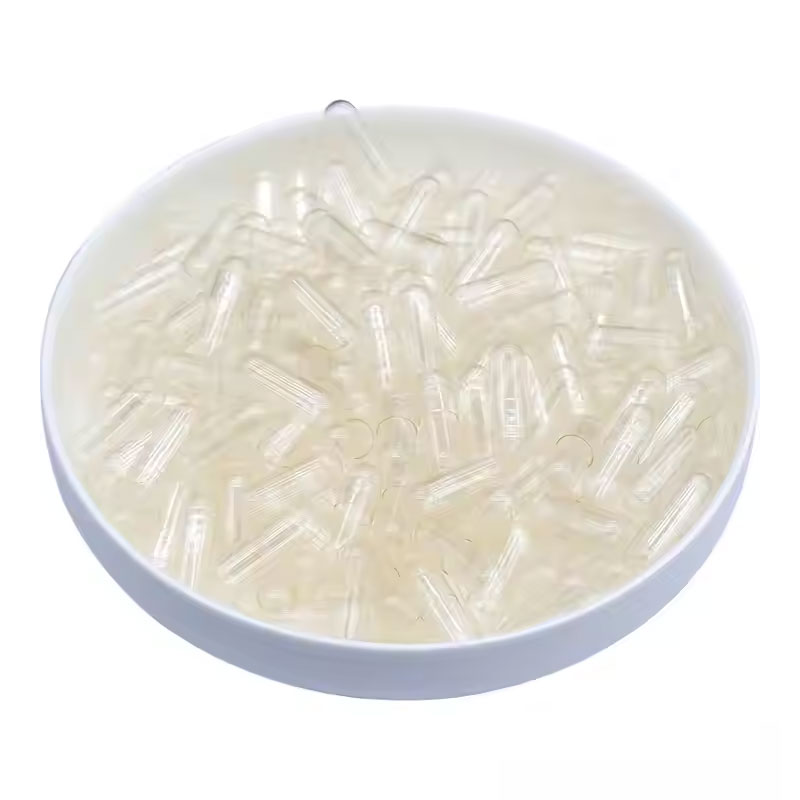 EMPTY VEGATABLE CAPSULE CLEAR SIZE 0
 -
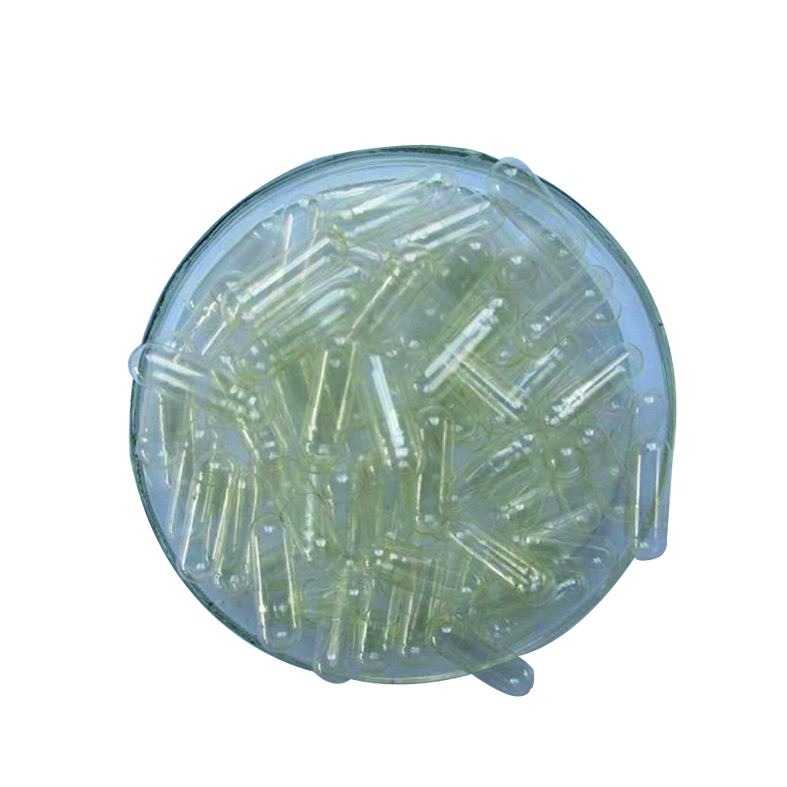 Halal Certificate Empty Clear Hard Gelatin Capsules Shell Size 0