
- English
- Chinese
- French
- German
- Portuguese
- Spanish
- Russian
- Japanese
- Korean
- Arabic
- Irish
- Greek
- Turkish
- Italian
- Danish
- Romanian
- Indonesian
- Czech
- Afrikaans
- Swedish
- Polish
- Basque
- Catalan
- Esperanto
- Hindi
- Lao
- Albanian
- Amharic
- Armenian
- Azerbaijani
- Belarusian
- Bengali
- Bosnian
- Bulgarian
- Cebuano
- Chichewa
- Corsican
- Croatian
- Dutch
- Estonian
- Filipino
- Finnish
- Frisian
- Galician
- Georgian
- Gujarati
- Haitian
- Hausa
- Hawaiian
- Hebrew
- Hmong
- Hungarian
- Icelandic
- Igbo
- Javanese
- Kannada
- Kazakh
- Khmer
- Kurdish
- Kyrgyz
- Latin
- Latvian
- Lithuanian
- Luxembou..
- Macedonian
- Malagasy
- Malay
- Malayalam
- Maltese
- Maori
- Marathi
- Mongolian
- Burmese
- Nepali
- Norwegian
- Pashto
- Persian
- Punjabi
- Serbian
- Sesotho
- Sinhala
- Slovak
- Slovenian
- Somali
- Scots Gaelic
- Shona
- Sindhi
- Sundanese
- Swahili
- Tajik
- Tamil
- Telugu
- Thai
- Ukrainian
- Urdu
- Uzbek
- Vietnamese
- Welsh
- Xhosa
- Yiddish
- Yoruba
- Zulu
- Kinyarwanda
- Tatar
- Oriya
- Turkmen
- Uyghur


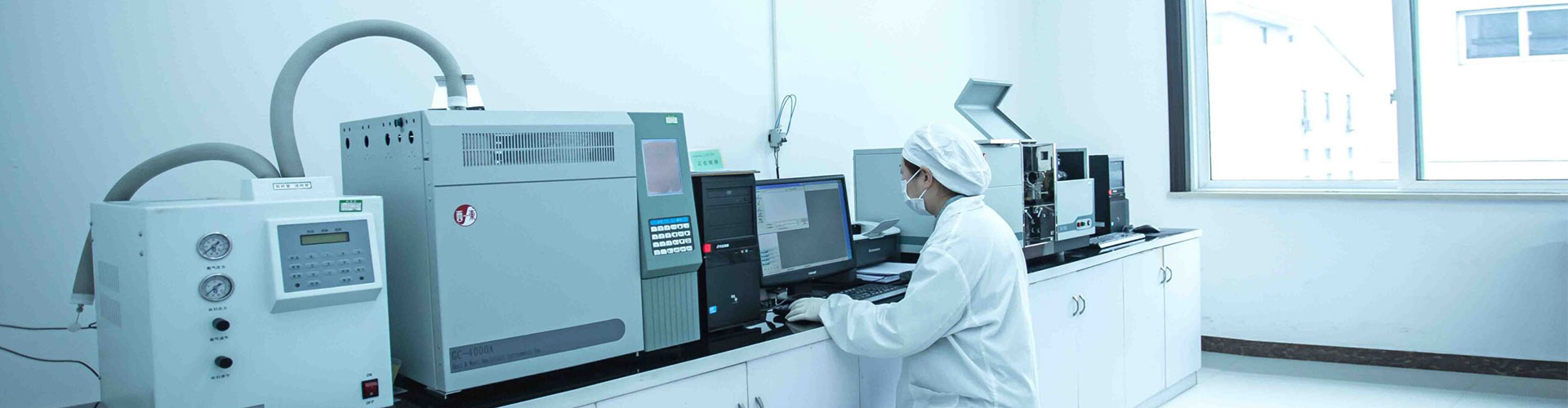
high quality njp 800
Understanding the High Quality NJP 800: An Insider's Perspective
In the complex world of pharmaceutical manufacturing, the term 'high quality NJP 800' often surfaces, yet it remains an area rife with misconceptions for those outside the industry. At first glance, it might seem like just another piece of machinery, but there's a lot more lurking beneath the surface.
Introduction to NJP 800
So, what exactly is the NJP 800? It's essentially a fully automatic capsule filling machine—an essential part of the pharmaceutical production line. When professionals refer to 'high quality', they aren't just speaking to its output. It's about consistency, reliability, and efficiency in a demanding environment. However, getting it just right is no small feat.
Now, working as part of a team at SUQIAN KELAIYA INTERNATIONAL TRADING CO., LTD, I've had my share of run-ins with production quirks and machine idiosyncrasies. Our company, operating out of Zhejiang and Jiangsu provinces, specializes in everything from empty capsules to blister machines. We’ve learned that not every NJP 800 is equal, even if they look identical at first glance.
Take, for instance, the challenge of capsule size variation. It's a common hiccup we see when someone misunderstands the machinations of the NJP 800. It’s not just about hitting a switch and walking away. Attention to detail in setup and maintenance often plays a pivotal role in achieving the 'high quality' everyone desires.
The Manufacturing Challenge
Ensuring quality begins at the manufacturing stage. At our Suqian kelaiya corp., with the myriad processes that unfold across our sites, attention must be paid to the precision engineering that goes into the NJP 800. This is where experienced technicians come into play.
I've watched our team troubleshoot everything from slight misalignments to more complex timing issues. The process can be exasperating, yet that’s where the experience really shows. It’s the little things—correctly calibrated weights and precise pressure settings—that distinguish perfectly filled capsules from ones that don’t meet standards.
And of course, let’s not forget the necessity of good quality raw materials. It’s often been said in our meetings that a machine is only as good as what you feed it. High-quality inputs equal high-quality outputs, and that’s something we can’t afford to overlook.
Operating Insights
Once up and running, maintaining that high standard with an NJP 800 means being proactive about monitoring and maintenance. Individuals in my field will tell you: ignore the minor quirks of a machine at your peril.
I've seen colleagues spend countless nights on preventive maintenance schedules, ensuring bearings are greased, parts are replaced on time, and software updates are applied promptly. This is the unsung heroics in the background that keep production smooth.
Even something as elemental as cleaning protocols can alter the course of production quality. Overlooking residue build-up is a rookie mistake, one that could compromise the supposedly 'high quality' output everyone strives for.
Common Problems and Solutions
Let’s be real: even the best machines falter. Whether it’s due to human error or just wear and tear, the key is knowing what to do when problems arise. For us at Suqian kelaiya corp., analyzing error codes and mechanical feedback has become second nature.
The NJP 800 might encounter errors like jamming or unexpected stoppages. The typical knee-jerk reaction is panic, but experience teaches you to take a step-by-step approach. Most issues have logical solutions, often rooted in overlooking basic maintenance tasks.
For example, troubleshooting might start by resetting a sensor or recalibrating a setting, highlighting the need for skilled operators who are adept at both analytical thinking and hands-on action.
Continuous Improvements
In my discussions with colleagues, one thing stands out—it’s the relentless pursuit of improvement. Whether it's tweaking software to improve filling accuracy or exploring new material technologies, staying stagnant is not an option.
We often work closely with engineers and external partners to explore advancements that can refine processes even further, such as optimizing filling times or improving machine ergonomics. These discussions are crucial for propelling both the NJP 800's capabilities and our business forward.
Ultimately, 'high quality NJP 800' is not just a claim—it’s the culmination of understanding, experience, and relentless pursuit of excellence in pharmaceutical manufacturing.
Related Products
Related Products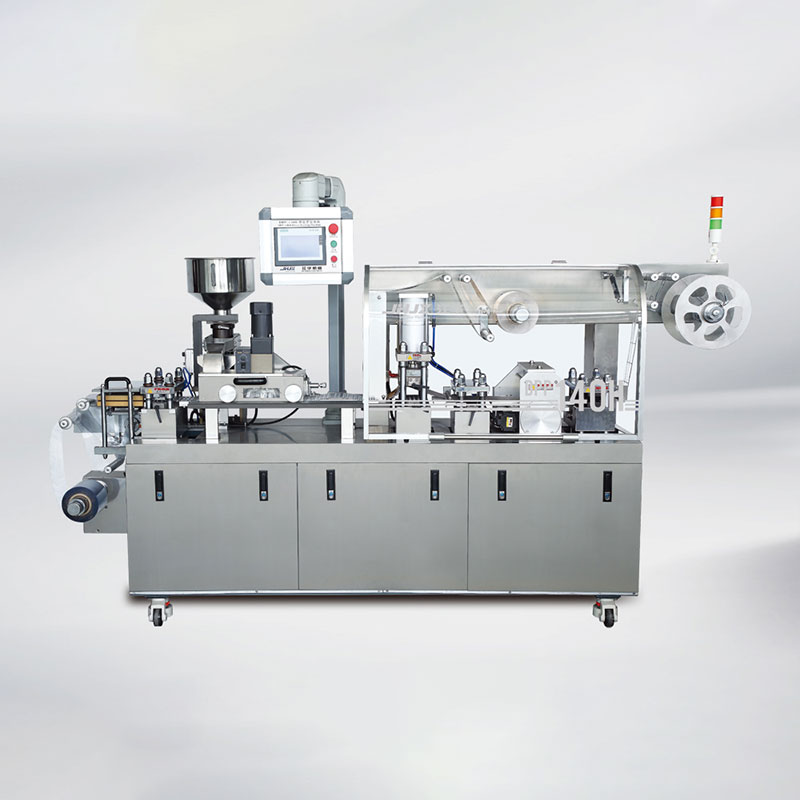

Best Selling Products
Best Selling Products-
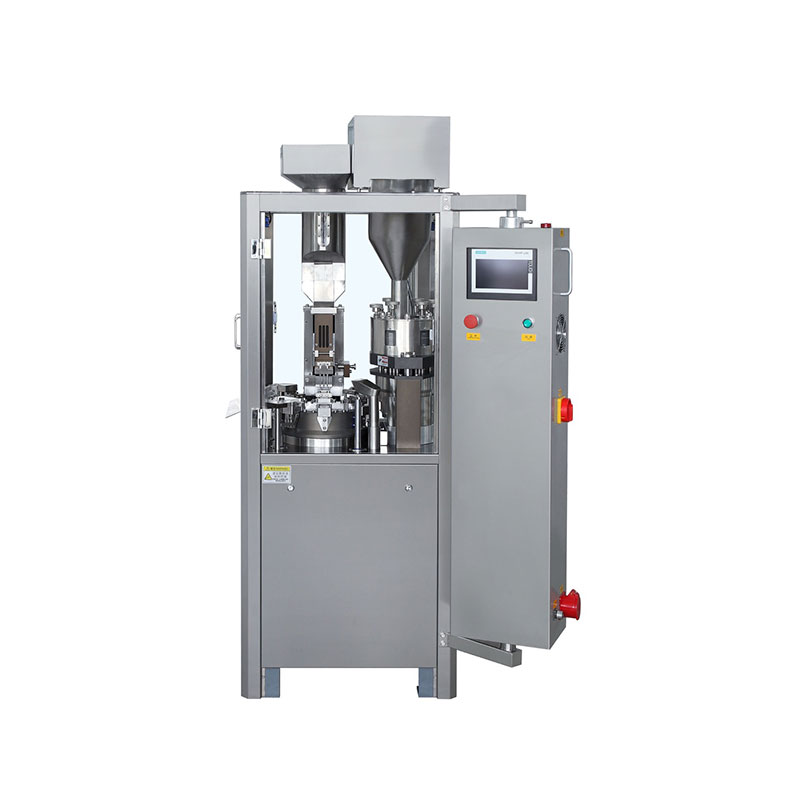 NJP-400 Fully Automatic Capsule Filling Machine
 -
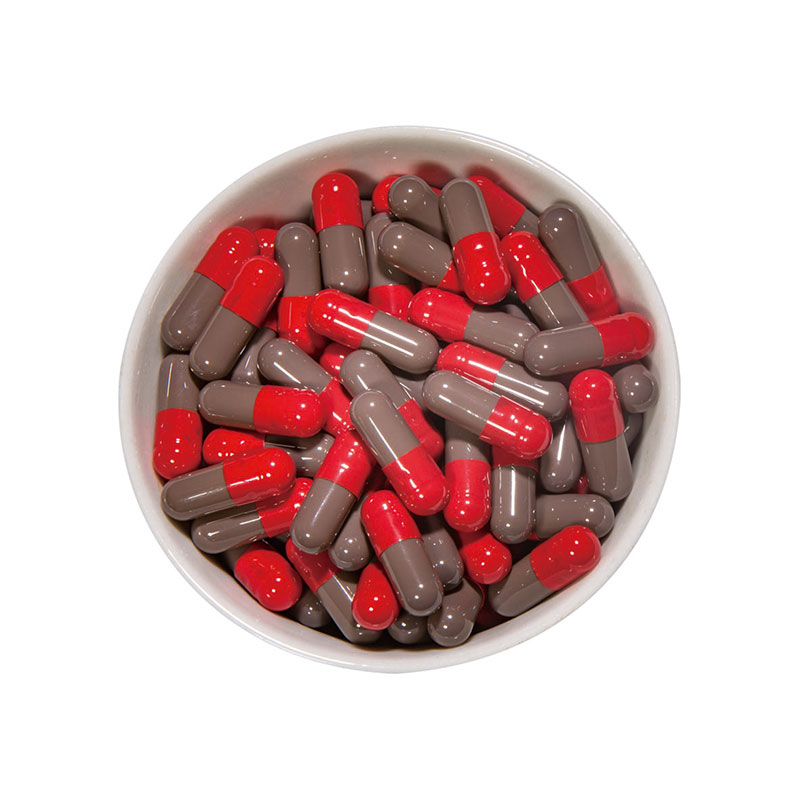 TIO2 free gelatin CAPSULE
 -
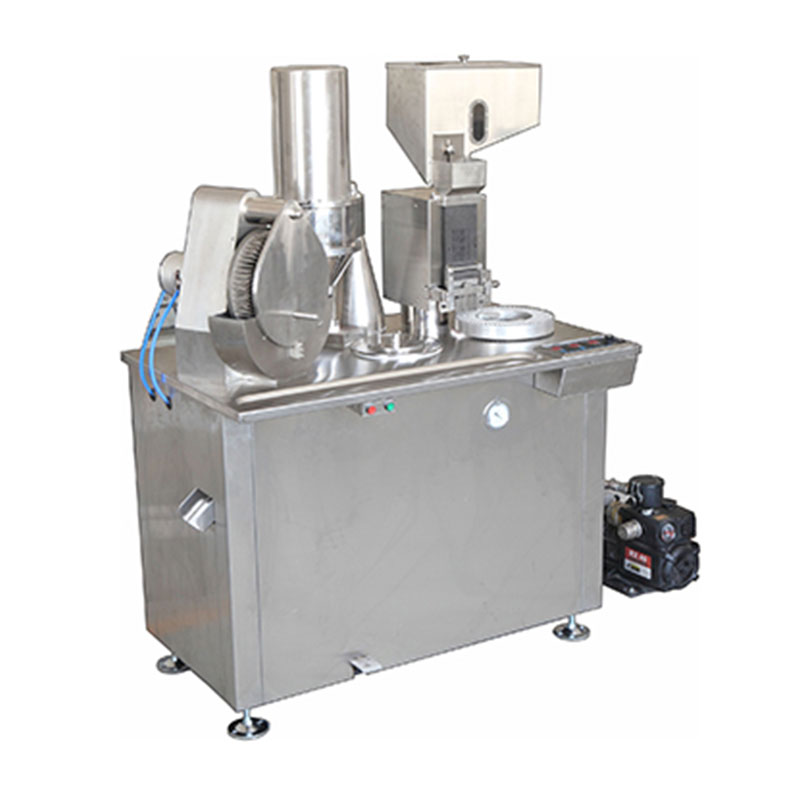 CGN208-D Newest Type Semi Automatic Capsule Filling Machine
 -
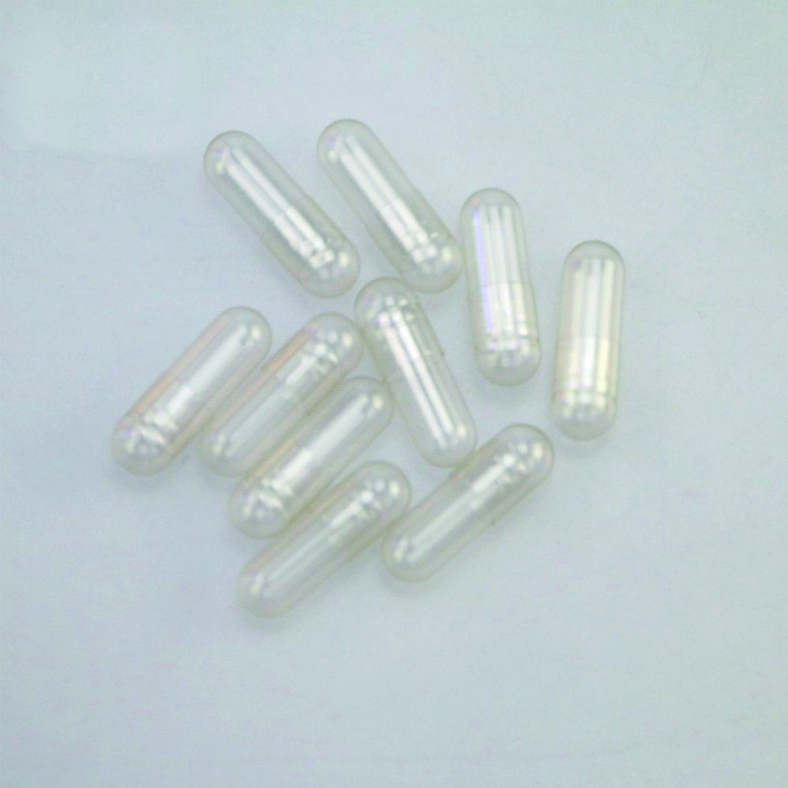 EMPTY HPMC CAPSULE SIZE 00 CLEAR
 -
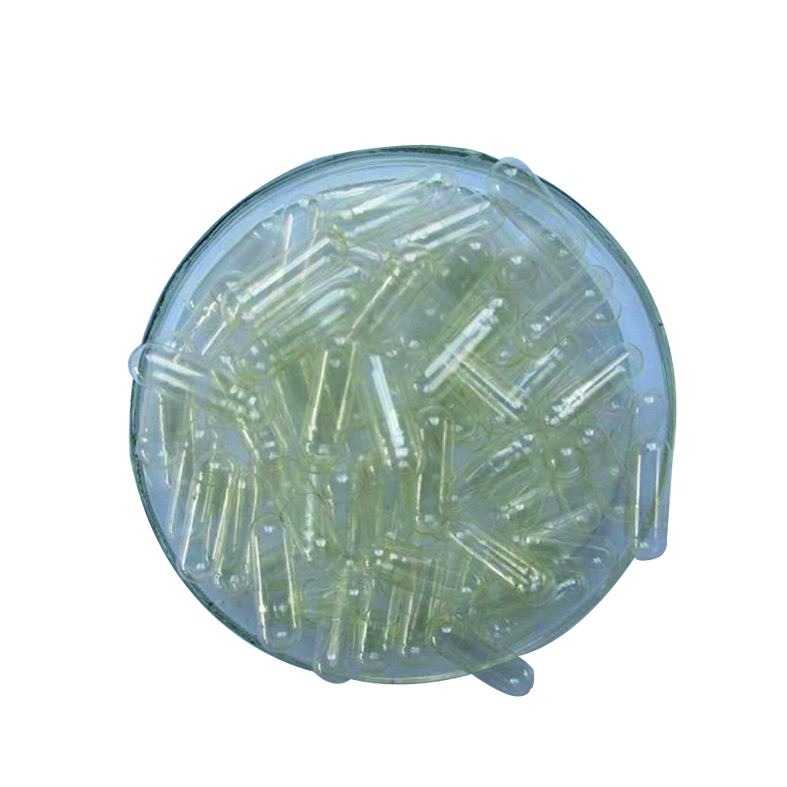 Halal Certificate Empty Clear Hard Gelatin Capsules Shell Size 0
 -
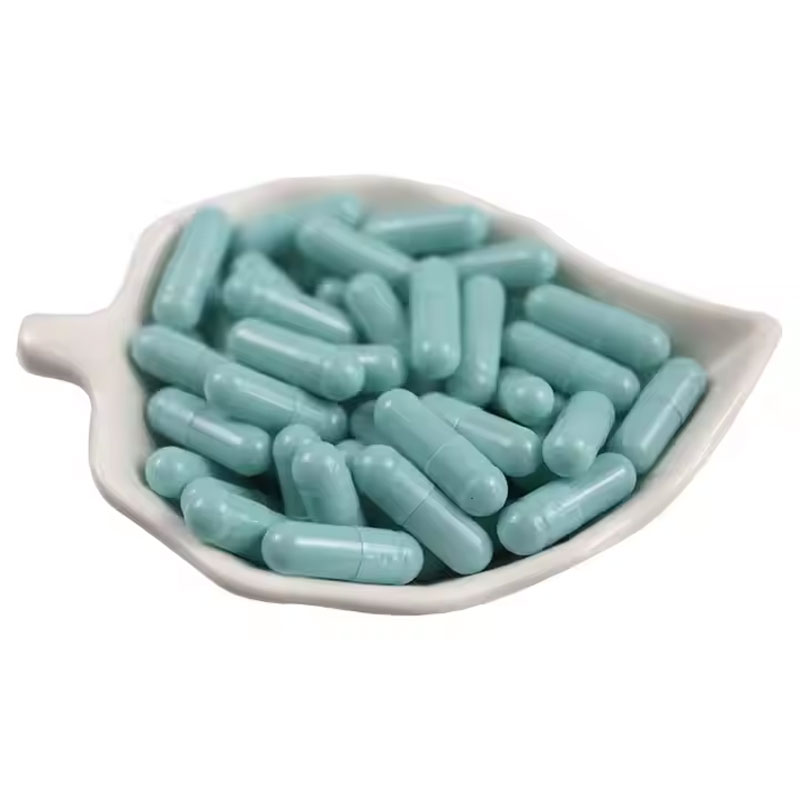 Vegetarian Separated Capsules HPMC Capsules Separated Wholesale Vegetarian Capsules Discount for Bulk Orders
 -
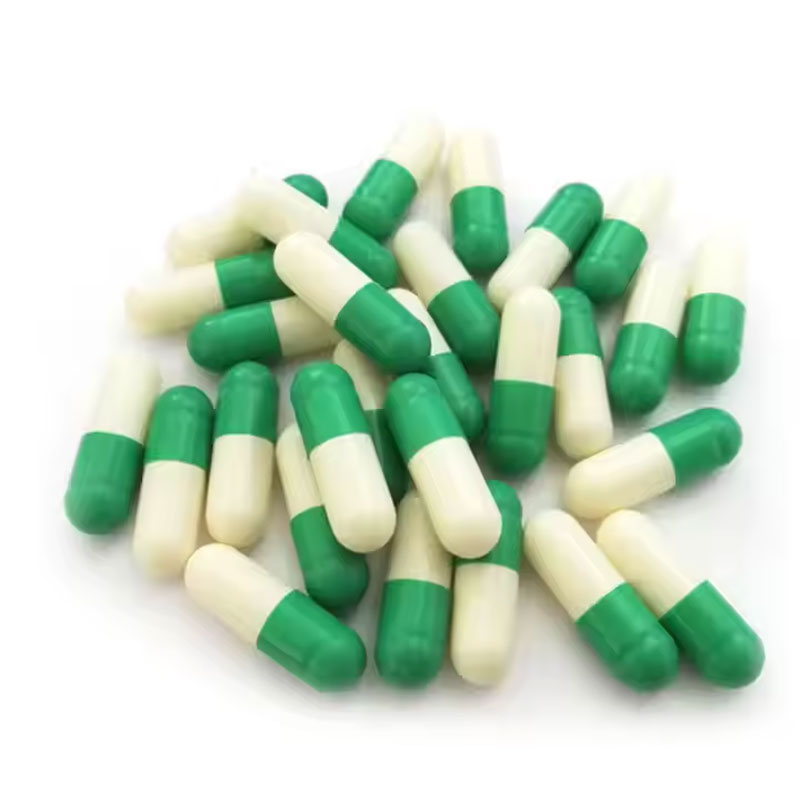 Size 00 hpmc capsules vegetarian capsules empty hard veggie capsules
 -
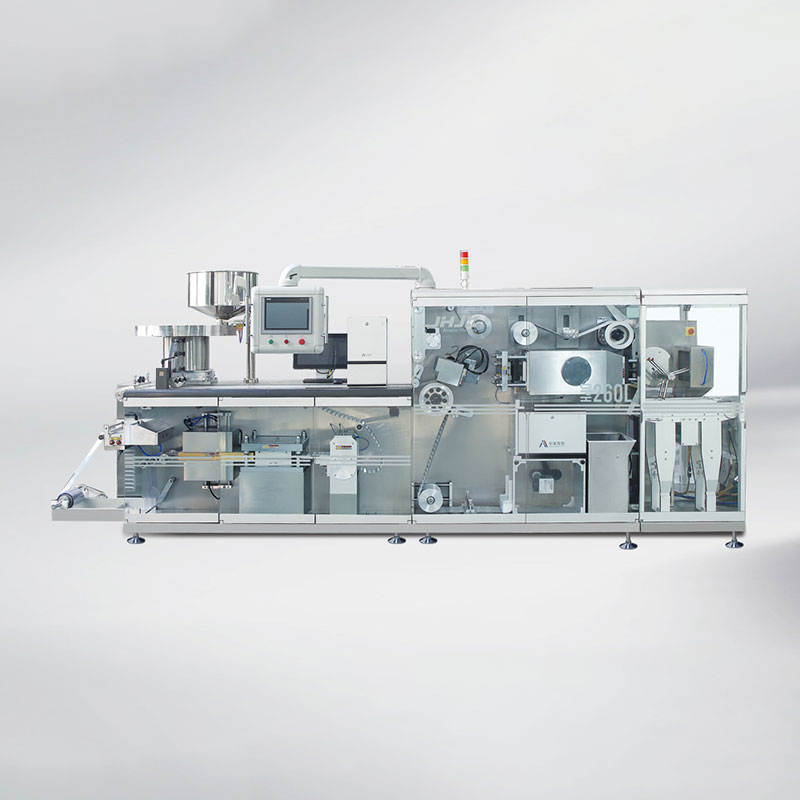 DPH-260L Roll-plate Blister Packaging Machine
 -
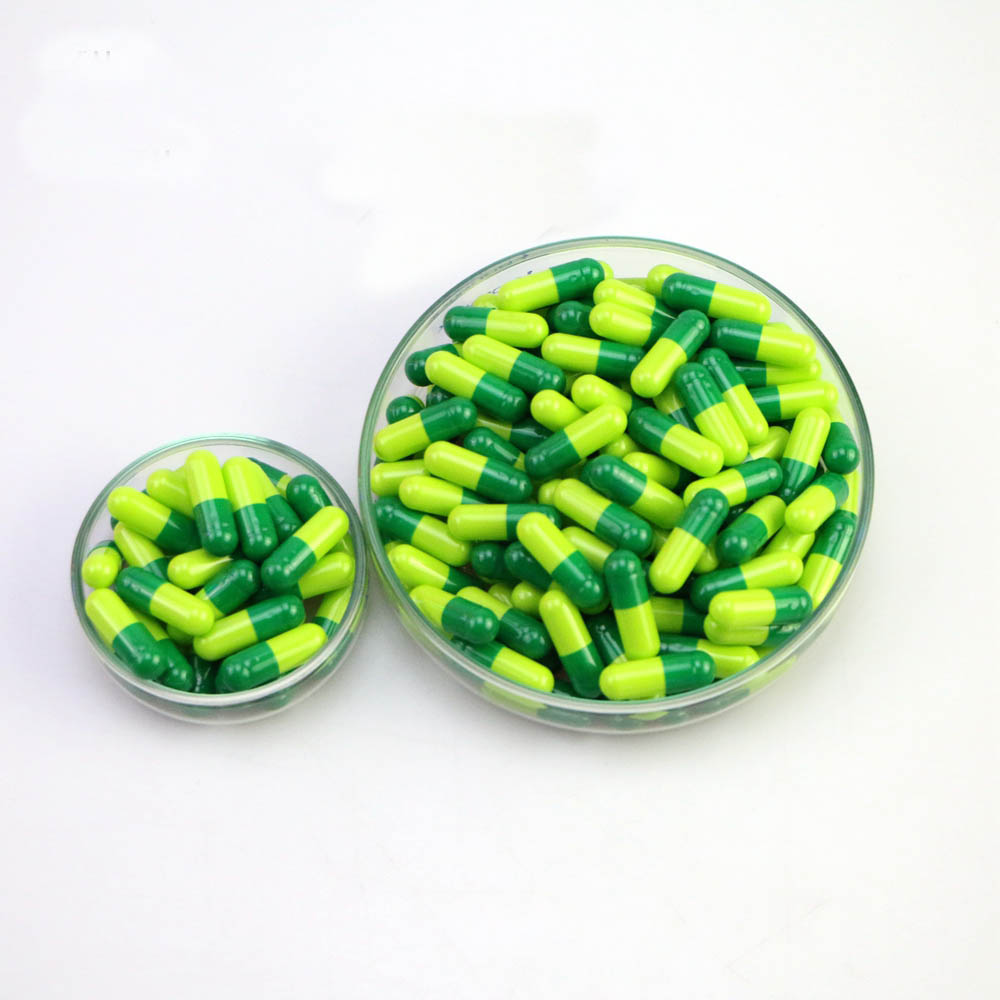 Halal empty hard geltin capsule
 -
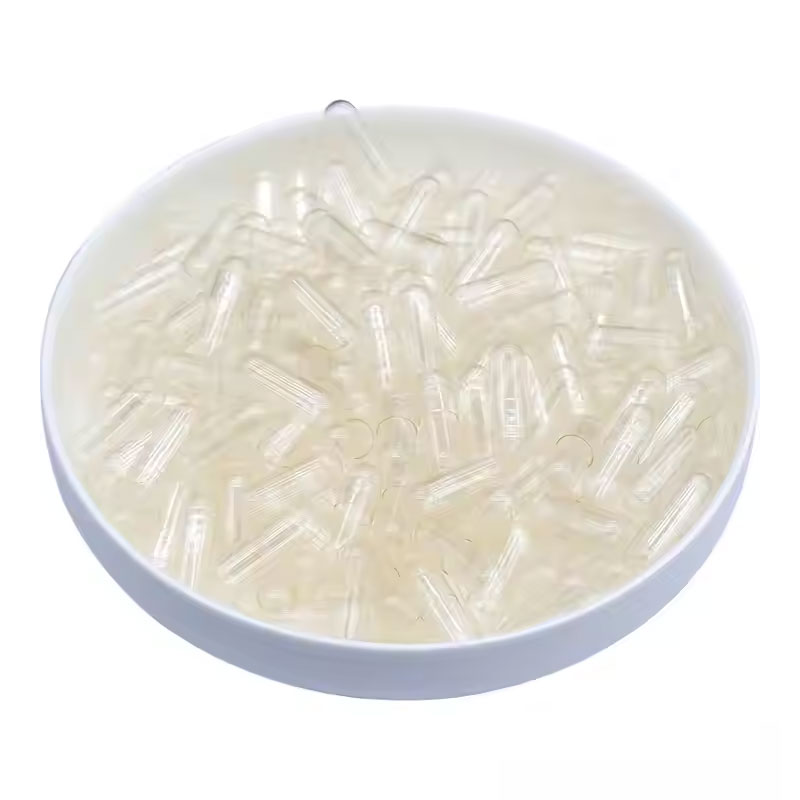 EMPTY VEGATABLE CAPSULE CLEAR SIZE 0
 -
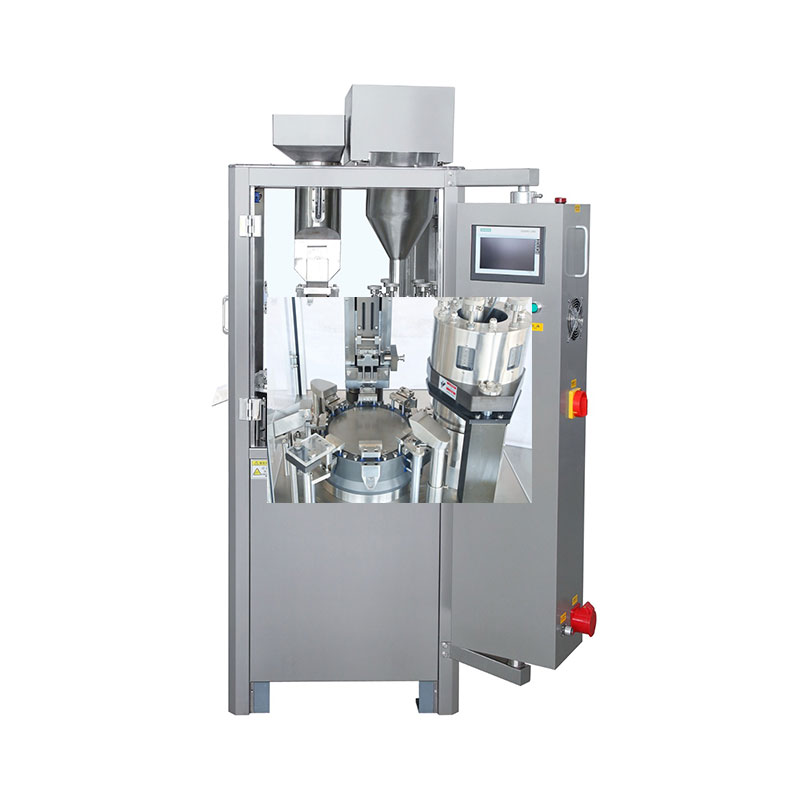 NJP-200 Model Fully Automatic Capsule Filling Machine
 -
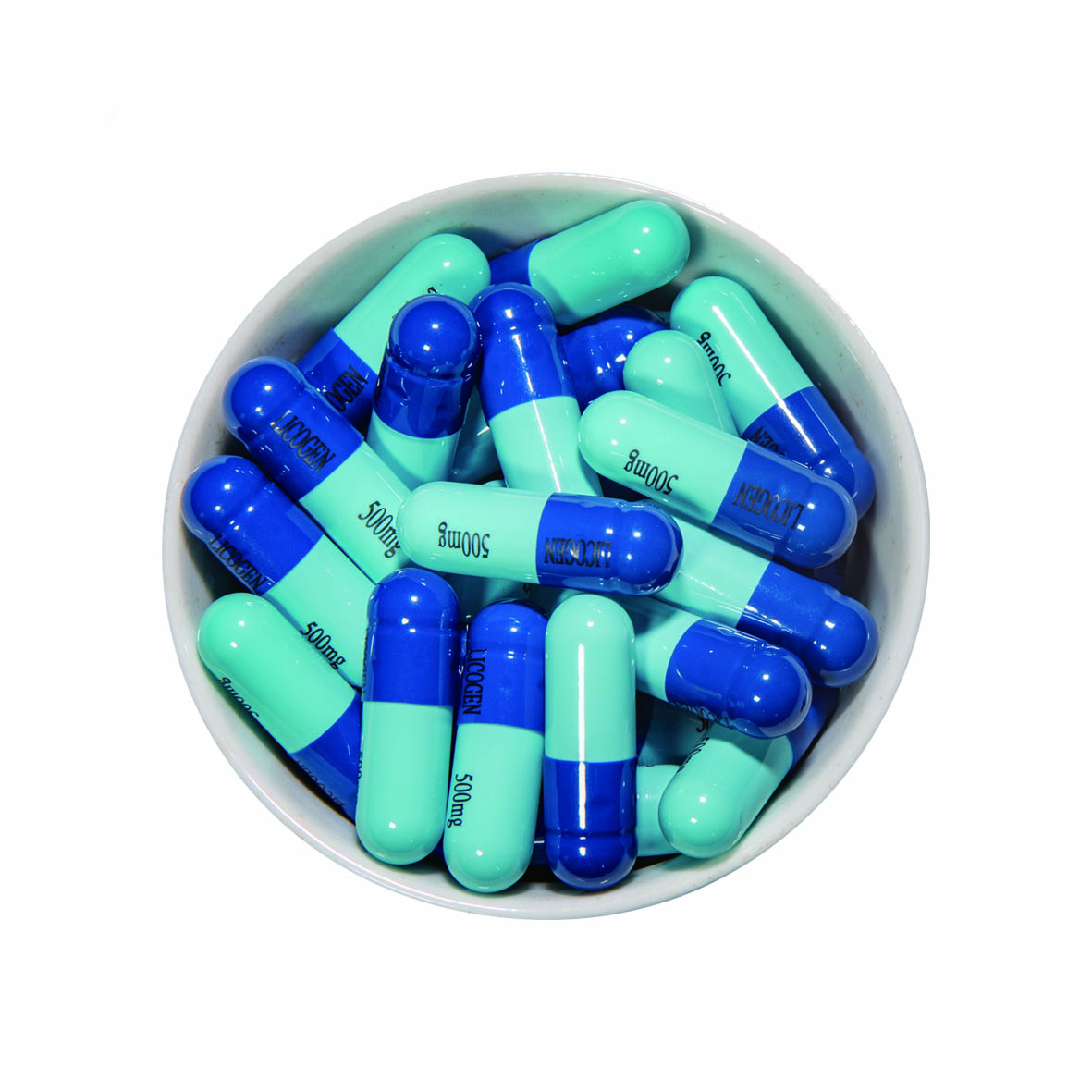 Hard Gelatin Empty Capsule Shell Size 00 0 1 2 3 4
Related Search
Related Search- Discount empty vegetarian capsules size 0
- Best automatic capsule filling machine 00
- Certificate njp 800
- Best njp 1200 capsule filling machine
- high quality gelatin capsule filling machine
- Certificate capsule filler filling machine
- Discount automatic capsule filling machine for sale
- empty 00 vegetable capsules
- Certificate empty vegetarian capsules near me
- 000 capsule filling machine