
- English
- Chinese
- French
- German
- Portuguese
- Spanish
- Russian
- Japanese
- Korean
- Arabic
- Irish
- Greek
- Turkish
- Italian
- Danish
- Romanian
- Indonesian
- Czech
- Afrikaans
- Swedish
- Polish
- Basque
- Catalan
- Esperanto
- Hindi
- Lao
- Albanian
- Amharic
- Armenian
- Azerbaijani
- Belarusian
- Bengali
- Bosnian
- Bulgarian
- Cebuano
- Chichewa
- Corsican
- Croatian
- Dutch
- Estonian
- Filipino
- Finnish
- Frisian
- Galician
- Georgian
- Gujarati
- Haitian
- Hausa
- Hawaiian
- Hebrew
- Hmong
- Hungarian
- Icelandic
- Igbo
- Javanese
- Kannada
- Kazakh
- Khmer
- Kurdish
- Kyrgyz
- Latin
- Latvian
- Lithuanian
- Luxembou..
- Macedonian
- Malagasy
- Malay
- Malayalam
- Maltese
- Maori
- Marathi
- Mongolian
- Burmese
- Nepali
- Norwegian
- Pashto
- Persian
- Punjabi
- Serbian
- Sesotho
- Sinhala
- Slovak
- Slovenian
- Somali
- Scots Gaelic
- Shona
- Sindhi
- Sundanese
- Swahili
- Tajik
- Tamil
- Telugu
- Thai
- Ukrainian
- Urdu
- Uzbek
- Vietnamese
- Welsh
- Xhosa
- Yiddish
- Yoruba
- Zulu
- Kinyarwanda
- Tatar
- Oriya
- Turkmen
- Uyghur


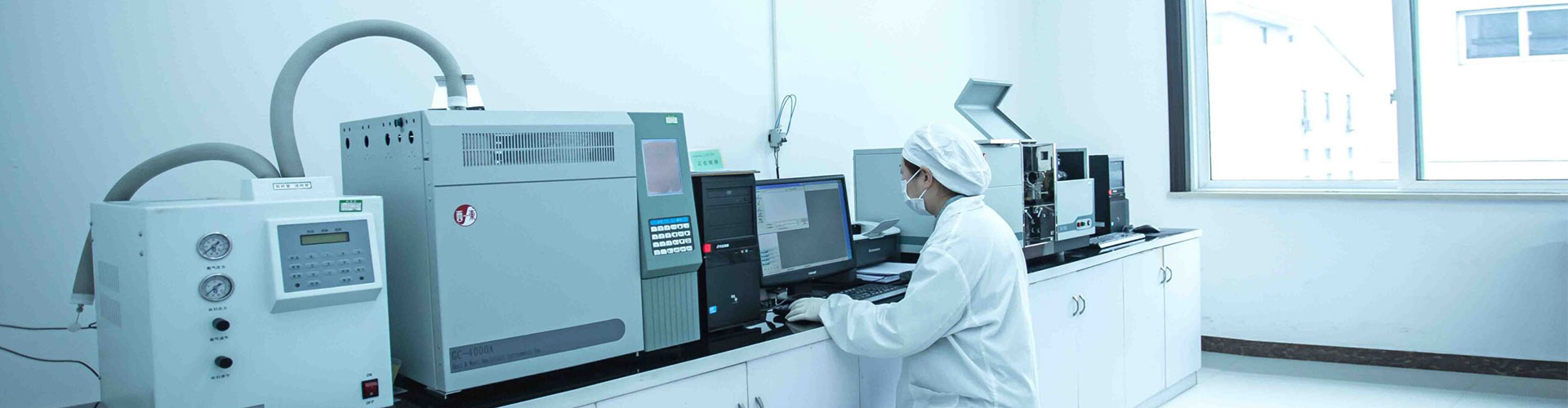
high quality best capsule filling machine
The Intricacies of Choosing a High Quality Capsule Filling Machine
Finding the right capsule filling machine can be tricky. Quality varies widely, and making an informed choice requires understanding specific features and pitfalls. Here’s what experienced industry insiders consider when scouting these essential tools.
Understanding What 'High Quality' Really Means
When we talk about a high quality capsule filling machine, it's more than just a catchy label. Quality involves precision, durability, and suitability for specific needs. We in the trade often judge a machine by its accuracy and efficiency, crucial for both large-scale pharmaceuticals and smaller boutique operations.
Consider this: an error margin of even a few milligrams can be disastrous in medication dosing. Machines from companies like SUQIAN KELAIYA INTERNATIONAL TRADING CO., LTD, known for their advanced mechanisms and consistent delivery, set a benchmark in this regard.
The company (https://www.kelaiyacorp.com) emphasizes not just on design but also on the longevity of their machines. Their dual manufacturing sites in Zhejiang and Jiangsu provinces enable a seamless production of both empty capsules and filling machines, addressing varied market needs efficiently.
Navigating Common Industry Misunderstandings
New entrants often assume that all expensive machines deliver the same high performance. Yet, price doesn’t always guarantee the best fit. Evaluating specific requirements like production volume and capsule types is crucial. For instance, a friend opted for a top-shelf model only to realize its capabilities far exceeded his needs—overpaying for features never utilized.
That said, some features are non-negotiable. Consistency in fill weight, ease of cleaning, and minimal downtime for maintenance are vital. A machine might appear costly upfront but can amortize over time through reduced wastage and labor costs.
In my own early years, I learned this the hard way. Our team often reworked batches due to weight inconsistencies until we upgraded to a more reliable model recommended by a seasoned operator. It saved us both time and frustration—a priceless lesson in the value of informed investment.
The Role of Innovation in Machine Design
Technological advancements are continuously reshaping capsule filling processes. Automation and AI integration stand out—features that used to be luxuries are fast becoming norms. Machines that can diagnose their own maintenance needs or seamlessly switch between different capsule sizes bring undeniable advantages.
SUQIAN KELAIYA INTERNATIONAL TRADING CO., LTD leverages such technologies to ensure precise dosing and smooth operations. Their machines offer adaptability, a godsend for manufacturers with broad product lines.
However, with innovation, discernment is crucial. Not every new feature will be applicable to your operation. For example, while RFID tracking might be fascinating, its implementation cost may outweigh the benefit unless you're managing complexities in scale or regulation.
Practical Challenges in Implementation
Setting up a new machine can be daunting. Even the best technology isn't immune to issues like user training and initial setup glitches. Experienced operators value support services almost as much as the machines themselves. A responsive after-sales team is an unsung hero in many success stories.
At Suqian Kelaiya corp., their post-purchase support is as noted as their product quality. During a trial phase for a new modular model, their team worked alongside ours, ensuring a smooth transition with minimal disruption to our production schedule.
Addressing firmware updates, unforeseen technical hiccups, or calibration issues quickly can significantly impact downtime—a hidden cost that savvy buyers often overlook.
Real-World Case Evaluations
I recall one firm scaling up production and needing machines with both versatility and speed. They chose SUQIAN KELAIYA’s machines for their dual functionality, capable of handling diverse capsule sizes without compromising fill accuracy.
In another scenario, a colleague's small-scale operation benefited from incorporating just one multifunctional unit rather than multiple specialized machines. This approach saved not only space but also reduced operational complexity.
These examples underline the importance of thorough needs assessment and selecting machines aligned with immediate and potential future requirements.
Related Products
Related Products
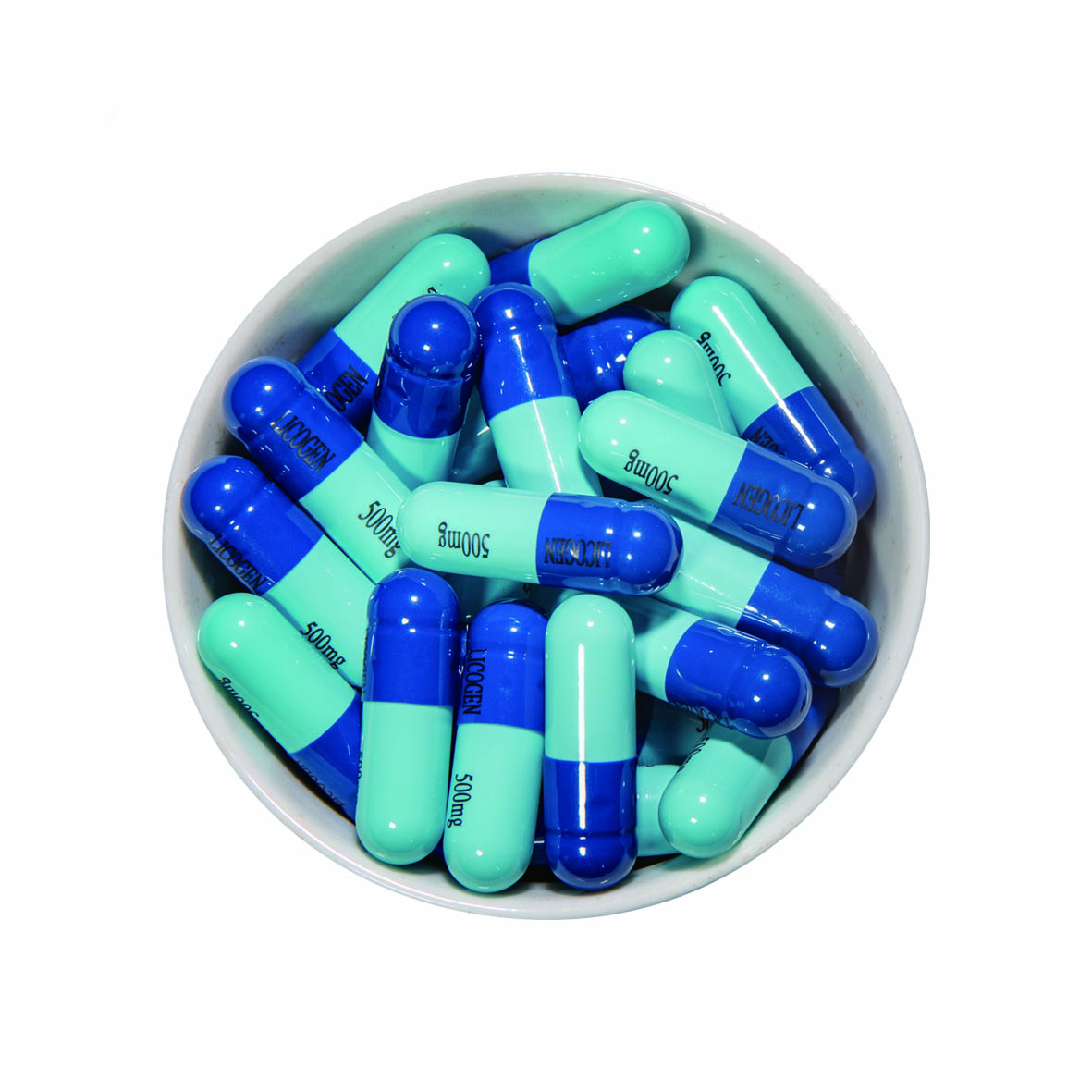
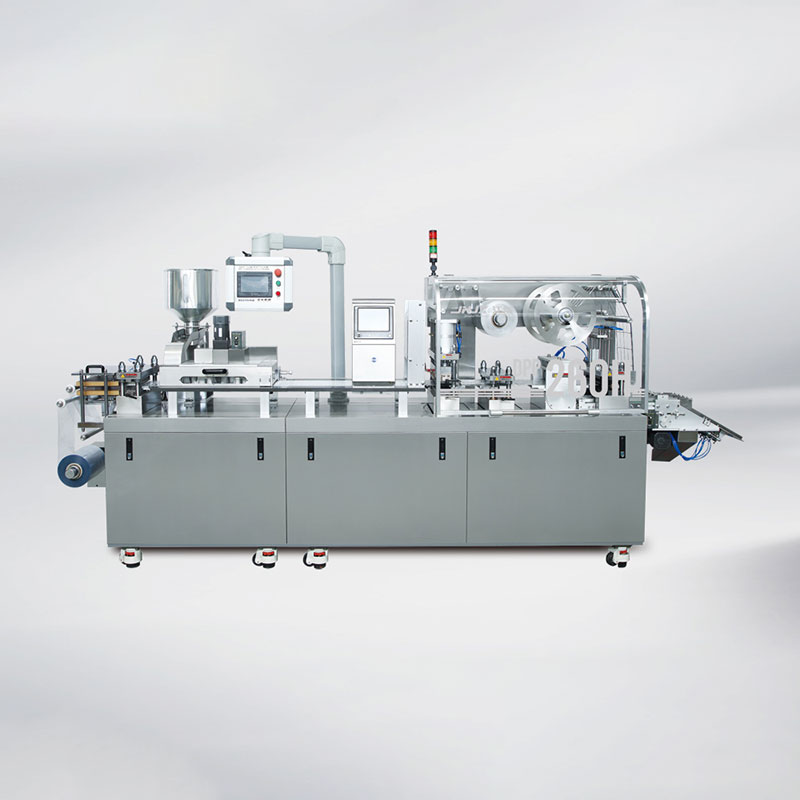

Best Selling Products
Best Selling Products-
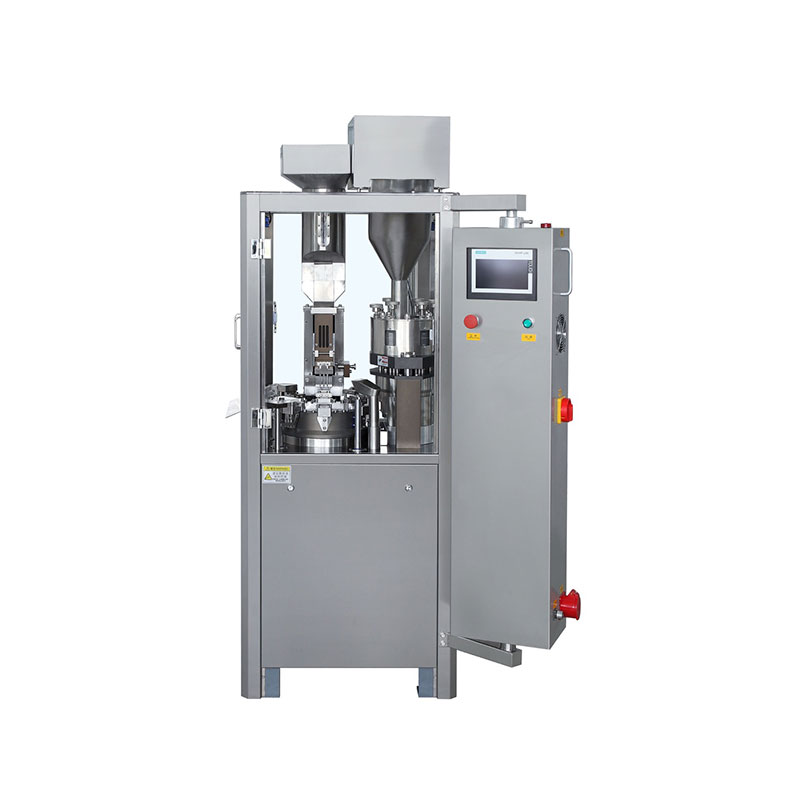 NJP-400 Fully Automatic Capsule Filling Machine
 -
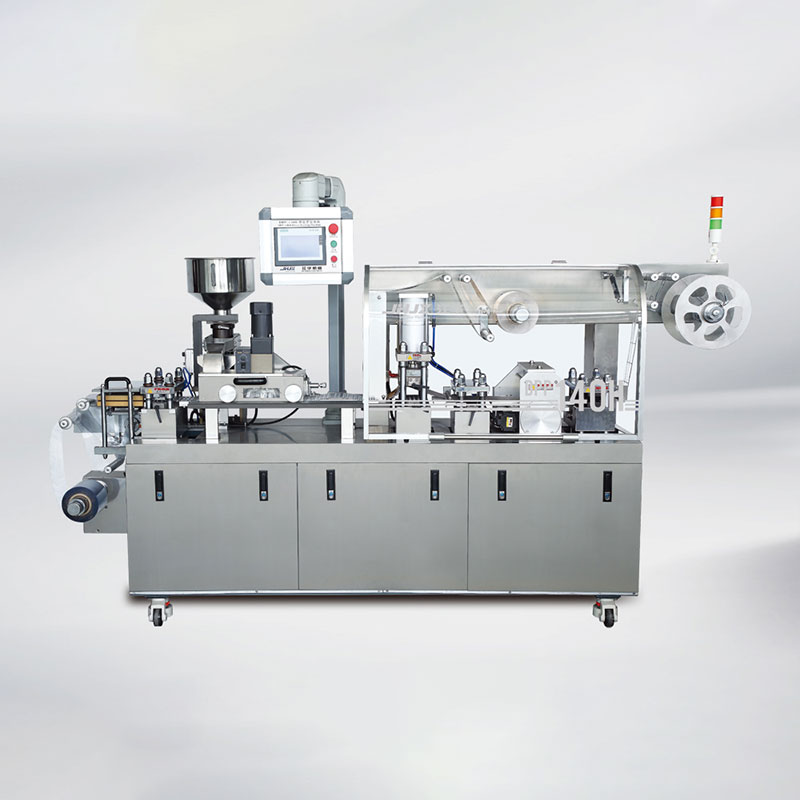 DPP-140H Flat-plate Blister Packing Machine
 -
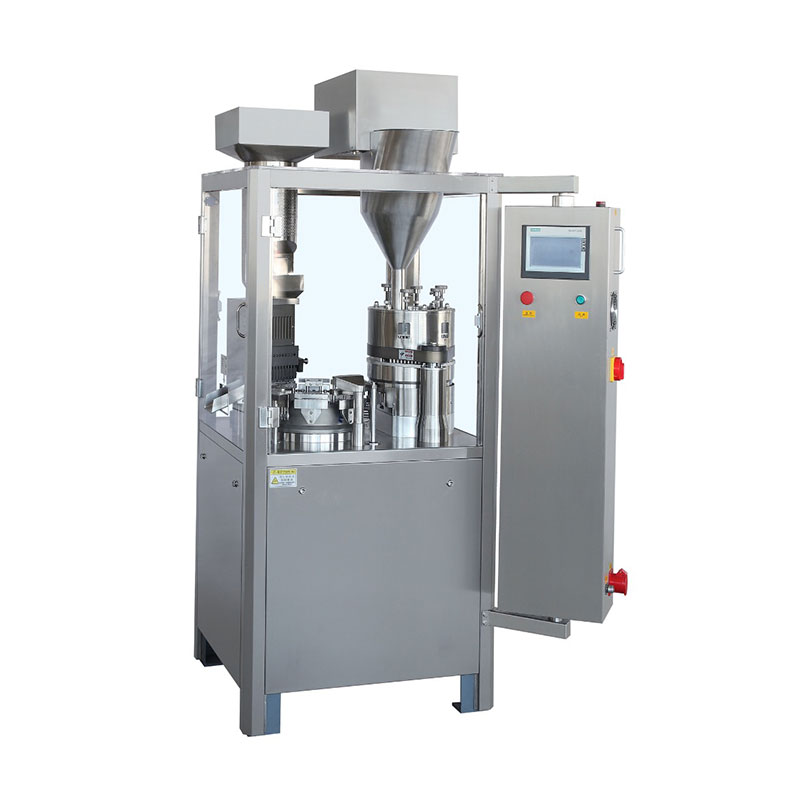 NJP-800 Automatic Capsule Filling Machine
 -
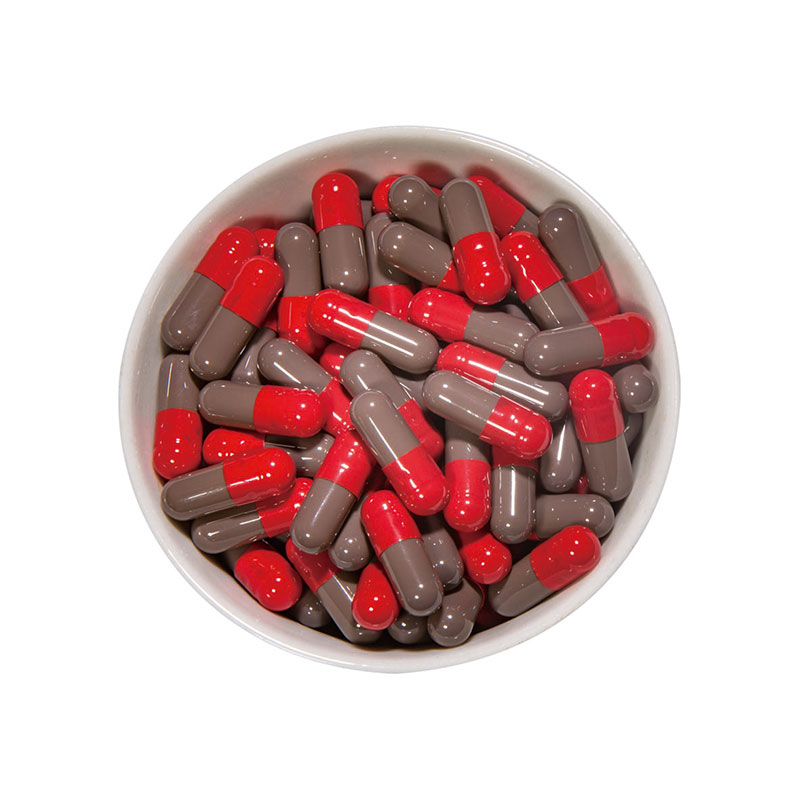 TIO2 free gelatin CAPSULE
 -
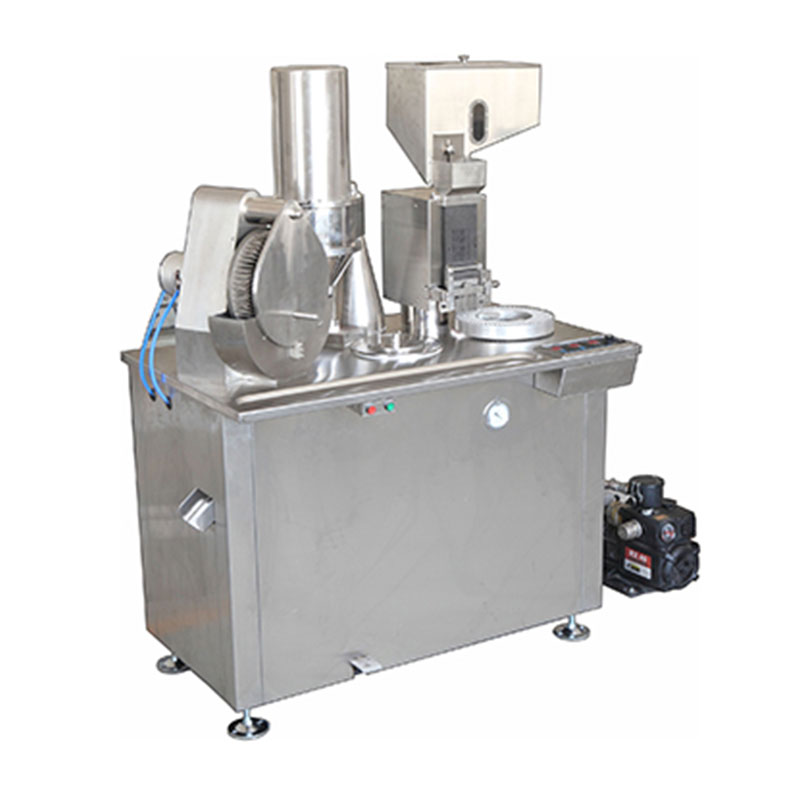 CGN208-D Newest Type Semi Automatic Capsule Filling Machine
 -
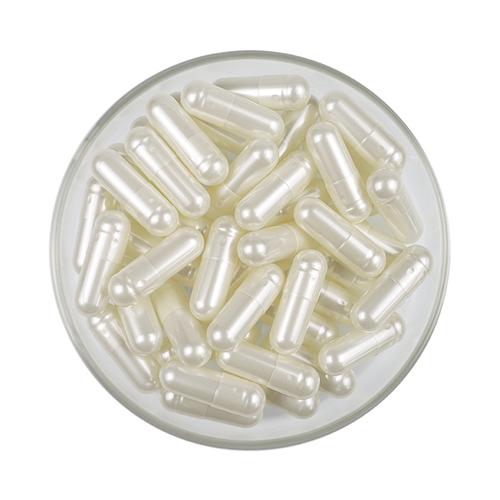 Golden_Pearl Hard Gelatin Capule
 -
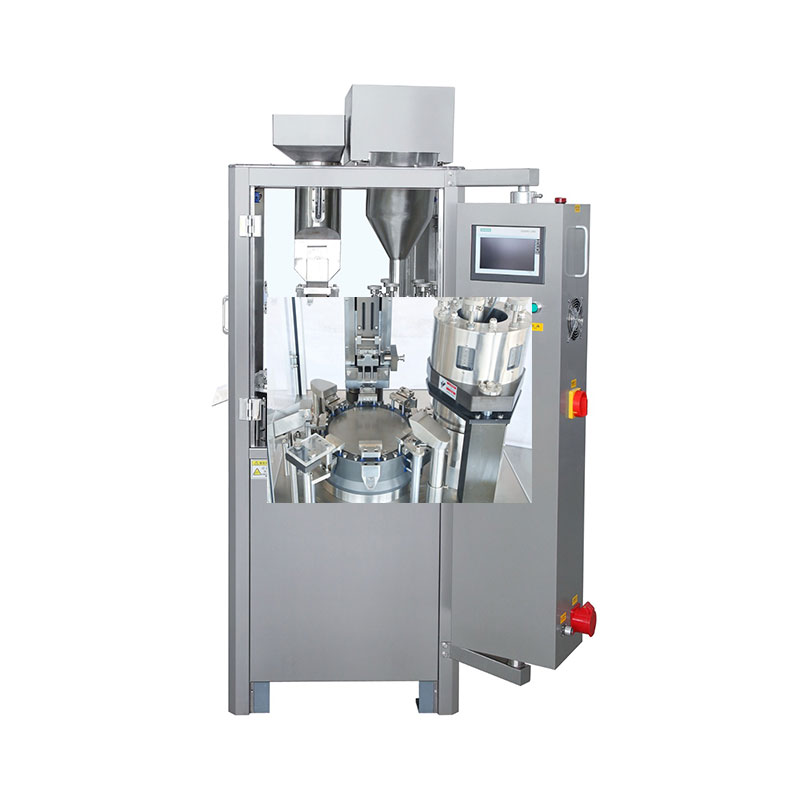 NJP-200 Model Fully Automatic Capsule Filling Machine
 -
 Hpmc Capsules Product Plant Vegetarian Size 00 0 Capsule Shell
 -
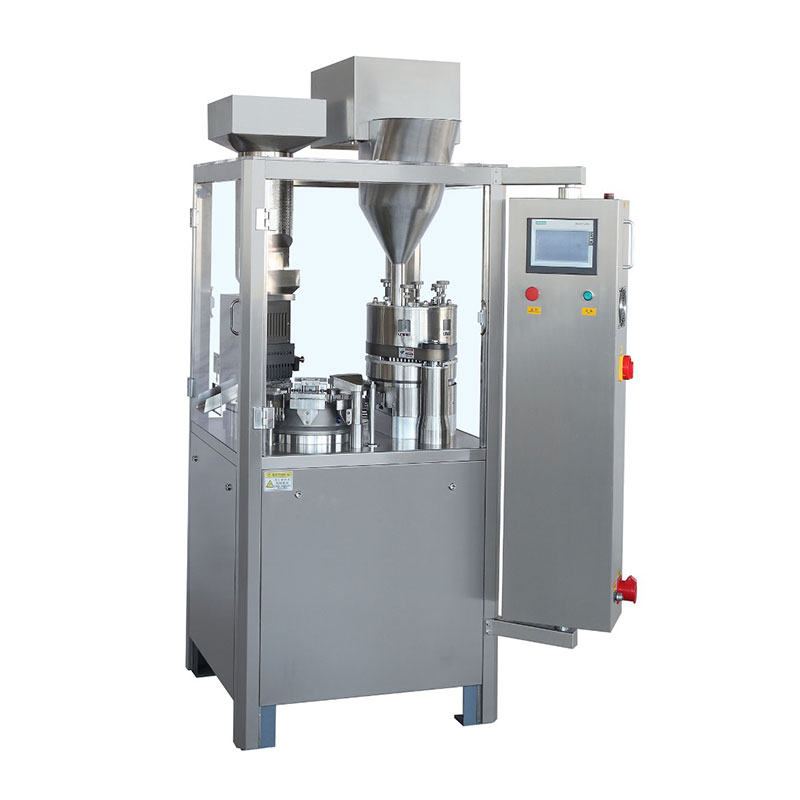 NJP-1200 Automatic Capsule Filling Machine
 -
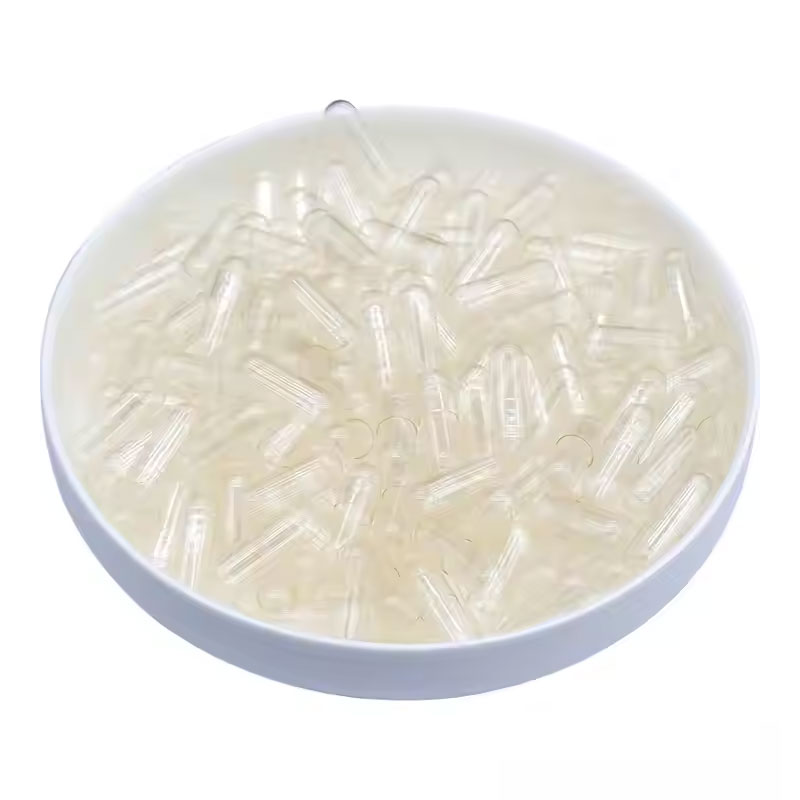 EMPTY VEGATABLE CAPSULE CLEAR SIZE 0
 -
 Size 00 hpmc capsules vegetarian capsules empty hard veggie capsules
 -
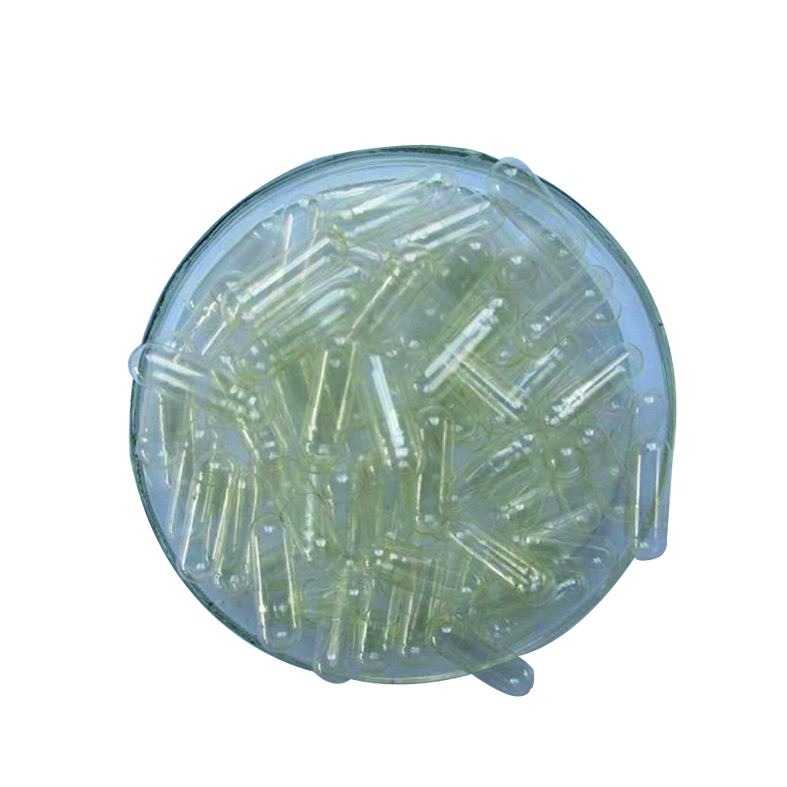 Halal Certificate Empty Clear Hard Gelatin Capsules Shell Size 0
Related Search
Related Search- OEM njp 400
- Certificate the capsule machine size 0
- Discount size 2 capsule filling machine
- Discount capsule filling machine size 00
- Discount Blister machine FOR CAPSULE
- OEM Blister machine
- Best hard gelatin capsule filling machine
- Certificate capsule filler size 00
- high quality Empty Capusle
- njp 1200 capsule filling machine