
- English
- Chinese
- French
- German
- Portuguese
- Spanish
- Russian
- Japanese
- Korean
- Arabic
- Irish
- Greek
- Turkish
- Italian
- Danish
- Romanian
- Indonesian
- Czech
- Afrikaans
- Swedish
- Polish
- Basque
- Catalan
- Esperanto
- Hindi
- Lao
- Albanian
- Amharic
- Armenian
- Azerbaijani
- Belarusian
- Bengali
- Bosnian
- Bulgarian
- Cebuano
- Chichewa
- Corsican
- Croatian
- Dutch
- Estonian
- Filipino
- Finnish
- Frisian
- Galician
- Georgian
- Gujarati
- Haitian
- Hausa
- Hawaiian
- Hebrew
- Hmong
- Hungarian
- Icelandic
- Igbo
- Javanese
- Kannada
- Kazakh
- Khmer
- Kurdish
- Kyrgyz
- Latin
- Latvian
- Lithuanian
- Luxembou..
- Macedonian
- Malagasy
- Malay
- Malayalam
- Maltese
- Maori
- Marathi
- Mongolian
- Burmese
- Nepali
- Norwegian
- Pashto
- Persian
- Punjabi
- Serbian
- Sesotho
- Sinhala
- Slovak
- Slovenian
- Somali
- Scots Gaelic
- Shona
- Sindhi
- Sundanese
- Swahili
- Tajik
- Tamil
- Telugu
- Thai
- Ukrainian
- Urdu
- Uzbek
- Vietnamese
- Welsh
- Xhosa
- Yiddish
- Yoruba
- Zulu
- Kinyarwanda
- Tatar
- Oriya
- Turkmen
- Uyghur



Certificate HPMC Empty Capsule Shell
Understanding the Importance of Certificate HPMC Empty Capsule Shells
When it comes to encapsulating active pharmaceutical ingredients, the choice of capsule shell can significantly impact both the stability and efficacy of the product. One of the common choices today is the HPMC (Hydroxypropyl Methylcellulose) empty capsule shell, a plant-derived alternative to traditional gelatin capsules. However, there are several misconceptions worth addressing.
The Misunderstood Flexibility of HPMC Capsules
Here's where many in the industry often stumble: assuming that the flexibility of HPMC capsules is similar to gelatin. If you've worked in production, you know that these capsules can behave differently under varying humidity conditions. Unlike gelatin, HPMC capsules offer a lower moisture content, which can be both a blessing and a challenge, depending on your environment.
Consider one attempt at scaling production with a new herbal supplement. The lower moisture absorption of HPMC was initially seen as a positive; however, under extremely dry conditions, we found the capsules becoming brittle. The lesson learned? Always evaluate your environmental settings and storage practices.
At SUQIAN KELAIYA INTERNATIONAL TRADING CO., LTD, where we prioritize new drug development, this insight has been invaluable. Our facilities in Zhejiang and Jiangsu are tailored to adapt to these conditions, enhancing the stability of the capsules produced there.
Compatibility with Various Fillings
One of the strengths of HPMC empty capsule shell is its compatibility with a wide range of formulations. In practice, I've seen formulations react poorly with gelatin over time, leading to cross-linking issues. With HPMC, these incidents are reduced significantly.
Nonetheless, it's essential to run comprehensive compatibility tests. I recall a project at SUQIAN KELAIYA where the initial batch of a freeze-dried formulation showed minor sticking. Adjusting the filler composition not only resolved the issue but also improved the dissolution rate, proving the importance of testing.
Such adaptations highlight why HPMC often edges out gelatin in specialized applications, especially when dealing with moisture-sensitive fillings.
The Role of Certifications in Quality Assurance
When purchasing HPMC empty capsule shells, certifications like GMP and ISO can’t be overlooked. They ensure the quality and safety of the product. At our manufacturing sites, keeping up-to-date with these certifications is non-negotiable.
I cannot stress enough the frustration of receiving non-compliant capsule batches from new suppliers. It's not just about product quality; regulatory compliance is critical. That's why sites like https://www.kelaiyacorp.com place emphasis on these standards.
Ultimately, certifications guarantee that your supply chain remains robust, and consumers receive safe, high-quality products.
Adapting to Market Demand
Another facet of working with HPMC capsules is understanding their growing demand, driven by the increasing preference for plant-based options. Market trends indicate a shift, particularly among consumers keen on vegan or vegetarian products.
In response, our team at SUQIAN KELAIYA has ramped up production capabilities, focusing on adapting our equipment to efficiently handle increased output while maintaining quality. It’s about anticipating needs and staying a step ahead.
Integration of such trends is not just strategic but essential as we expand our market reach and cater to evolving consumer preferences.
Challenges in Scaling Production
Any scaling venture with HPMC capsules involves its own set of challenges. A colleague once remarked how the change in tooling size affected consistency during batch production. The key takeaway? Accurate calibration and machine tuning are vital.
Each manufacturing facility must tailor its processes, and that's a practice we strictly adhere to across our locations. It's about ensuring every capsule meets the high standards we've set.
Our experiences and hurdles only reinforce the commitment to maintain precision in manufacturing. Continuous learning and adapting—this is the ethos at SUQIAN KELAIYA.
Related Products
Related Products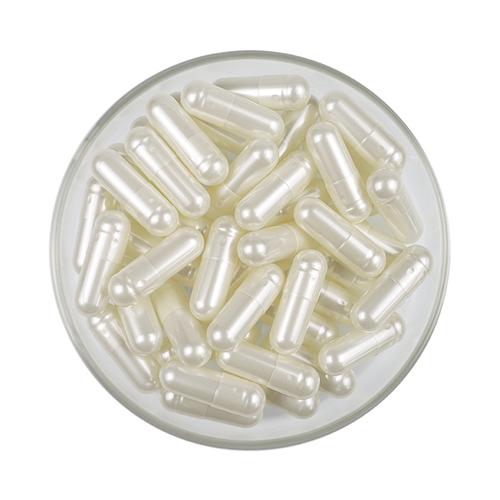


Best Selling Products
Best Selling Products-
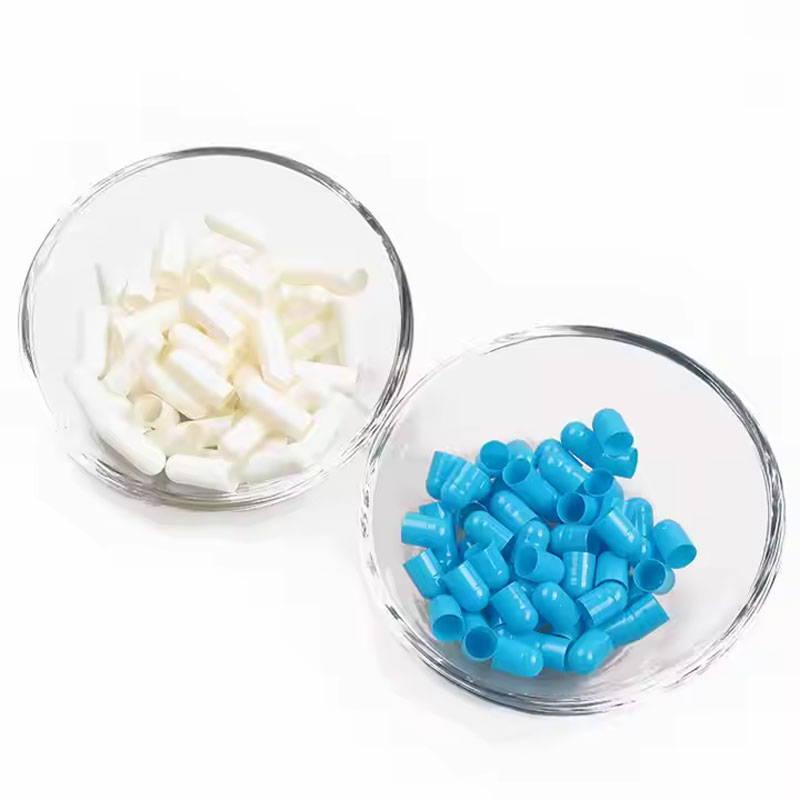 Empty VegCaps Shell Clear Empty Vegan Plant-Based Capsules Size 00 0 1 2 3 4 Natural Vegetable HPMC Capsules
 -
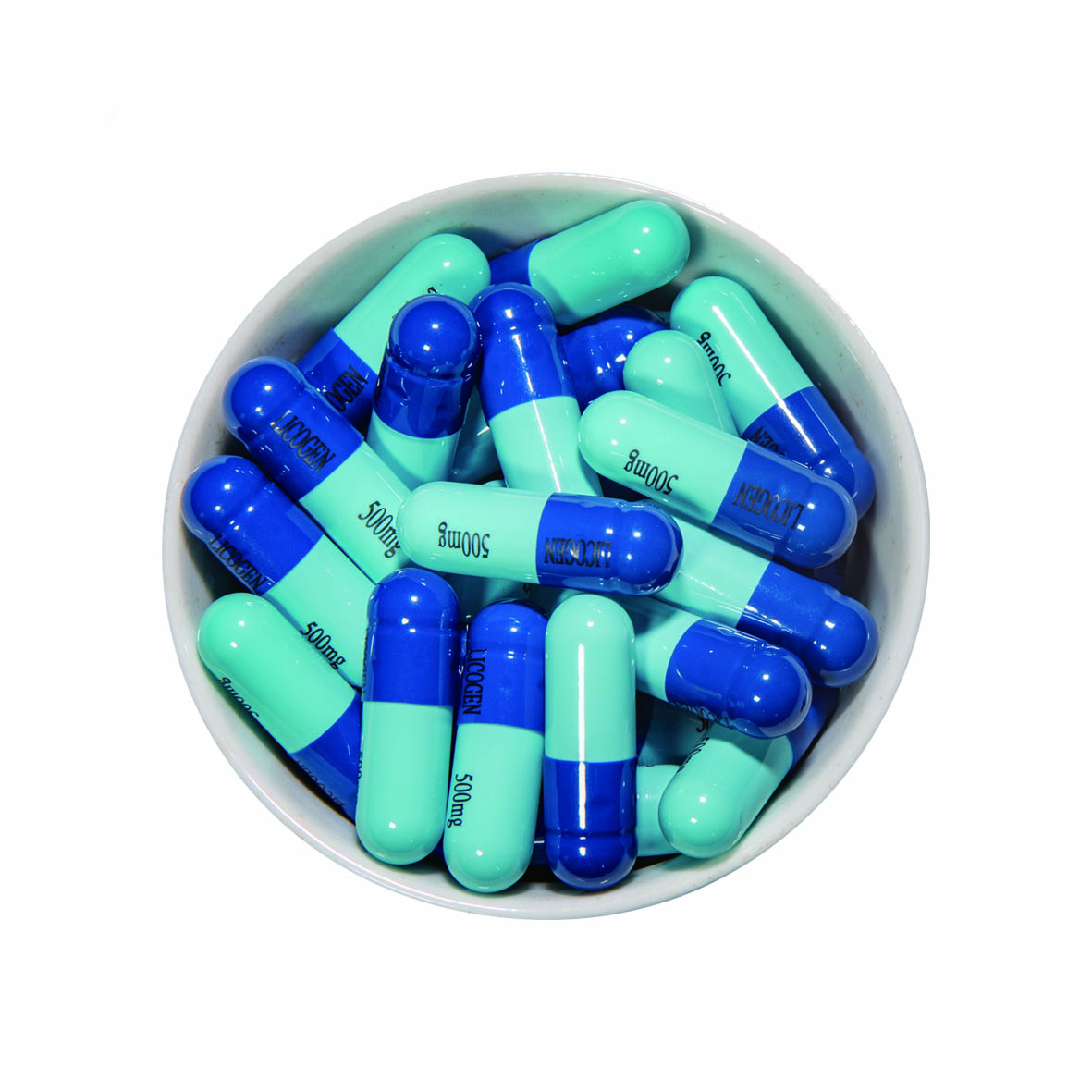 Hard Gelatin Empty Capsule Shell Size 00 0 1 2 3 4
 -
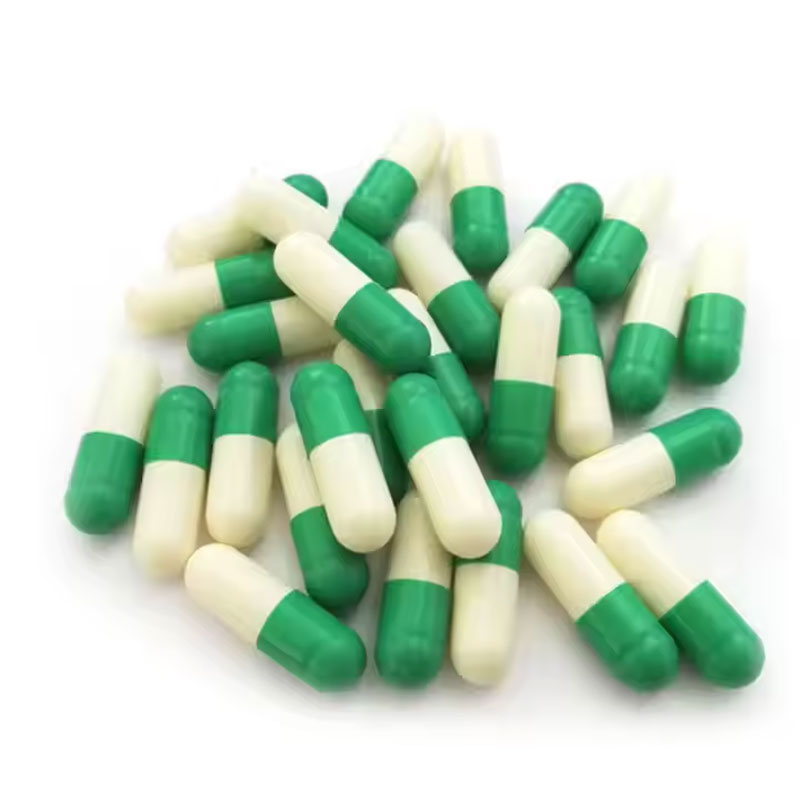 Size 00 hpmc capsules vegetarian capsules empty hard veggie capsules
 -
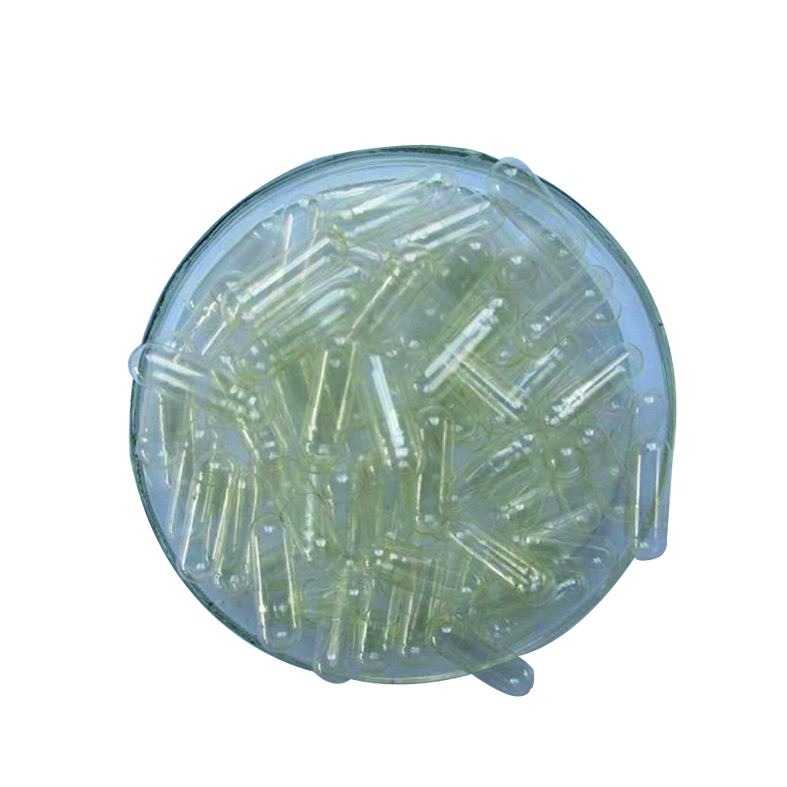 Halal Certificate Empty Clear Hard Gelatin Capsules Shell Size 0
 -
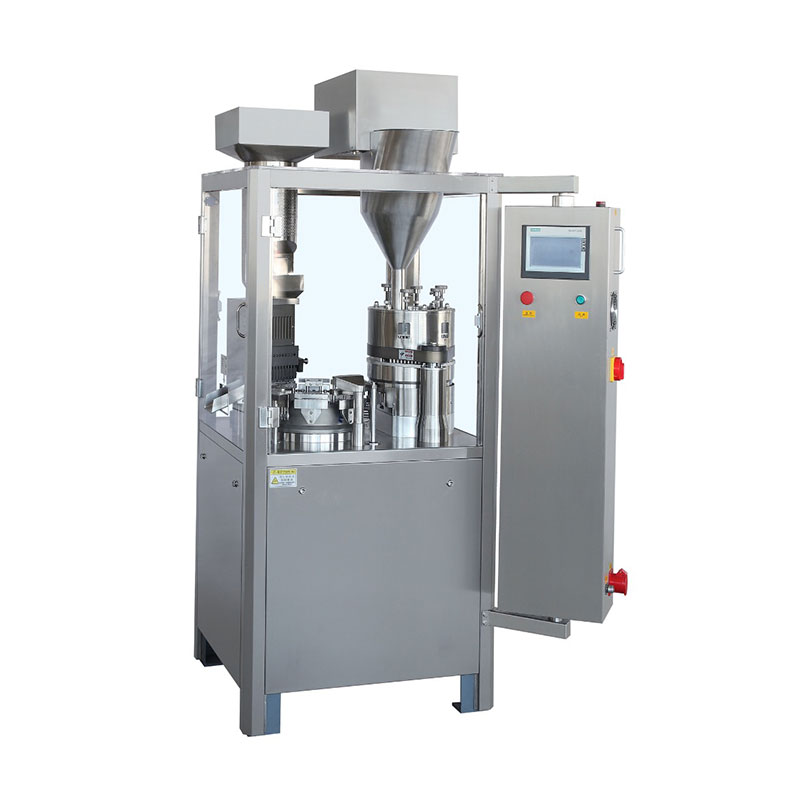 NJP-800 Automatic Capsule Filling Machine
 -
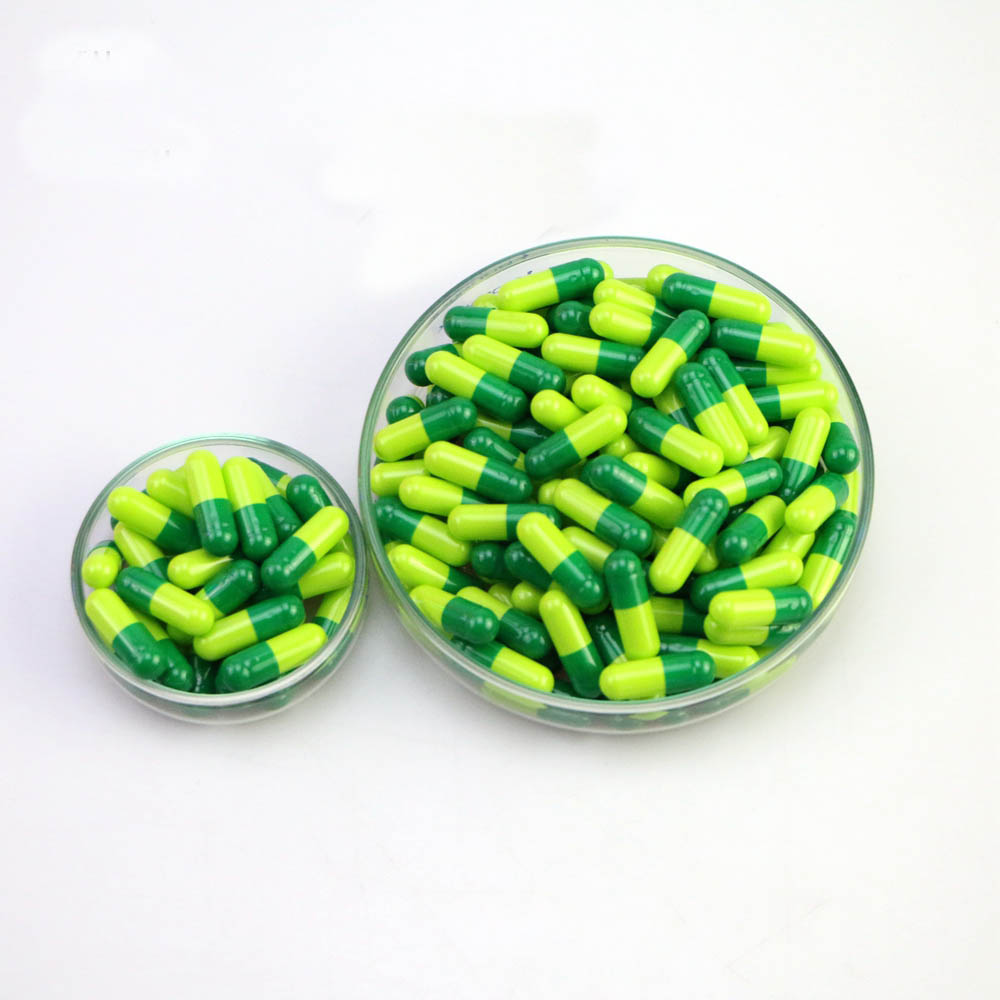 Halal empty hard geltin capsule
 -
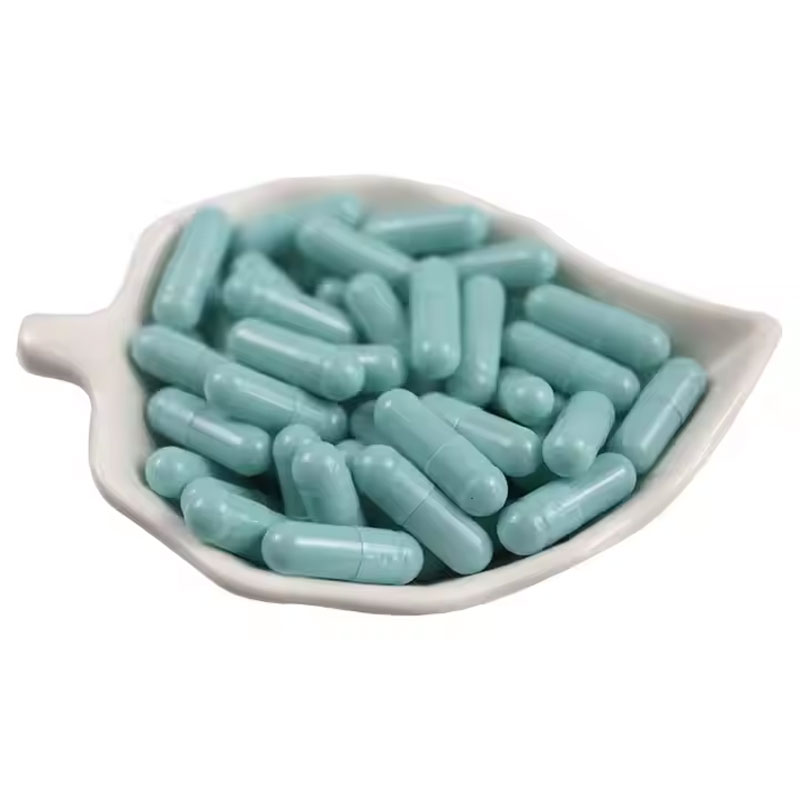 Vegetarian Separated Capsules HPMC Capsules Separated Wholesale Vegetarian Capsules Discount for Bulk Orders
 -
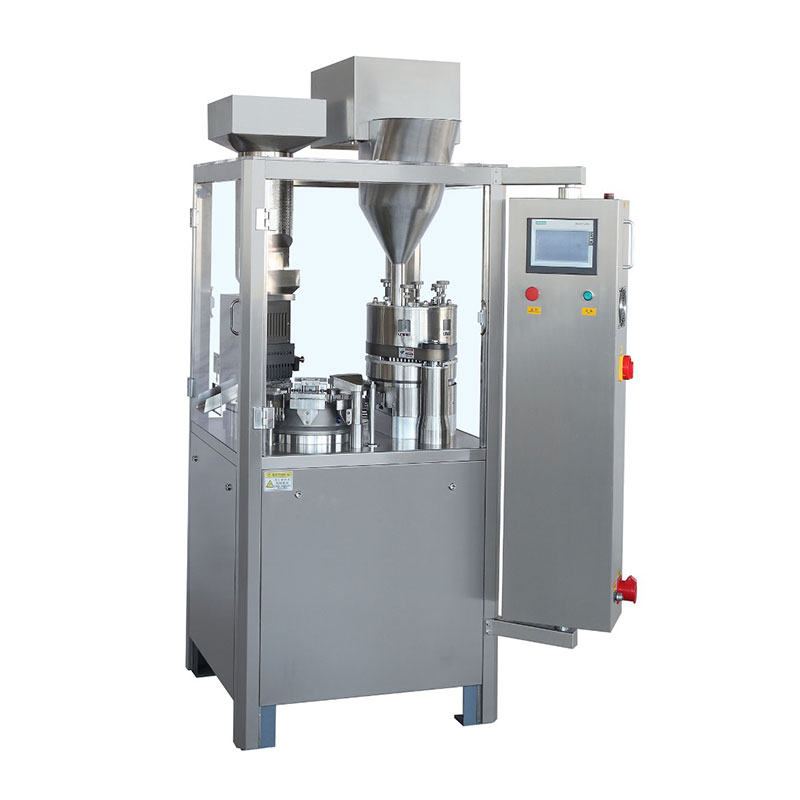 NJP-1200 Automatic Capsule Filling Machine
 -
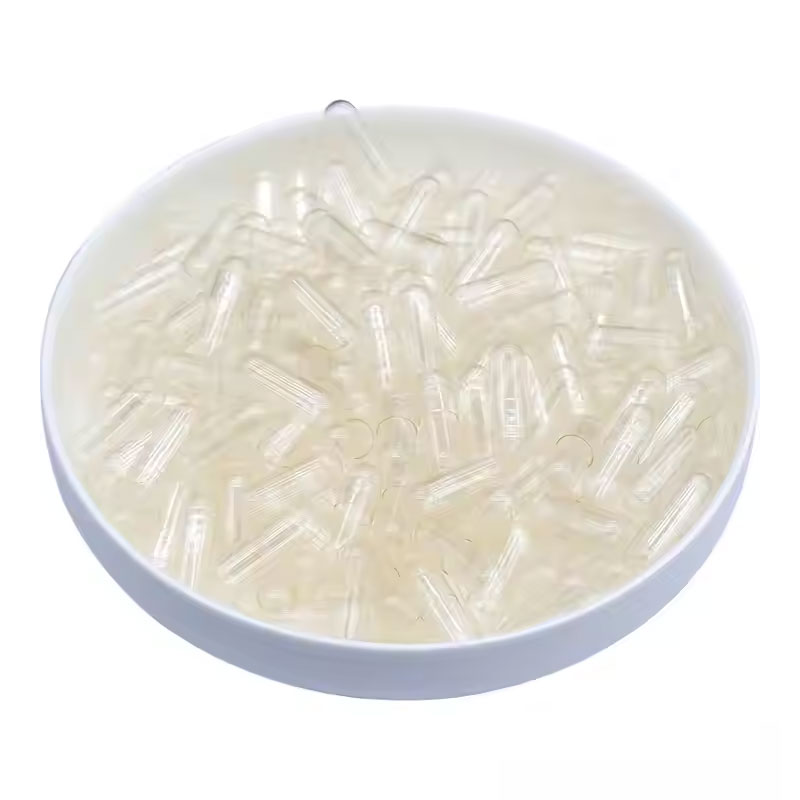 EMPTY VEGATABLE CAPSULE CLEAR SIZE 0
 -
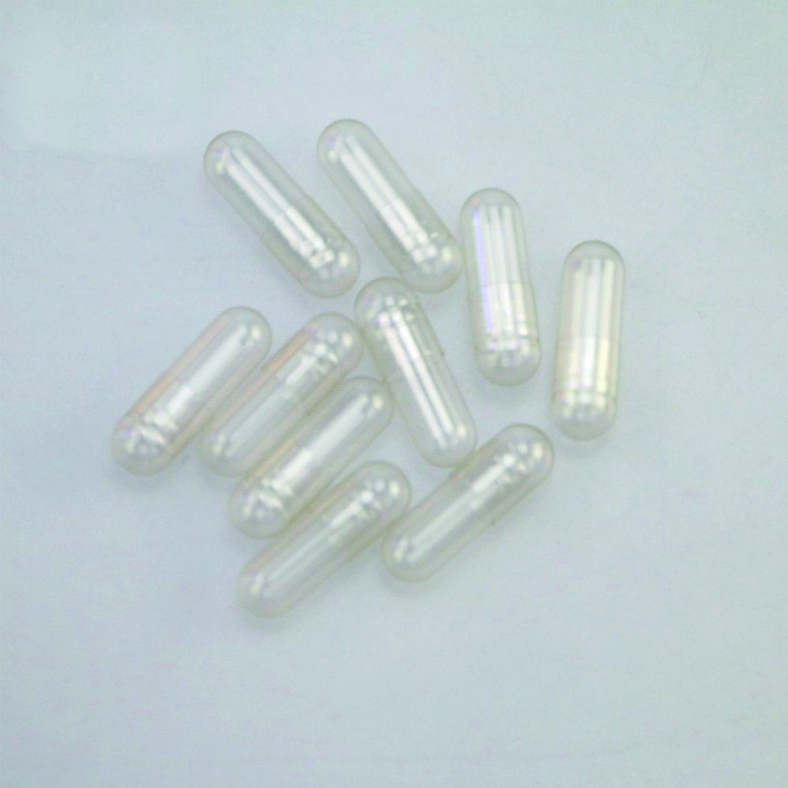 EMPTY HPMC CAPSULE SIZE 00 CLEAR
 -
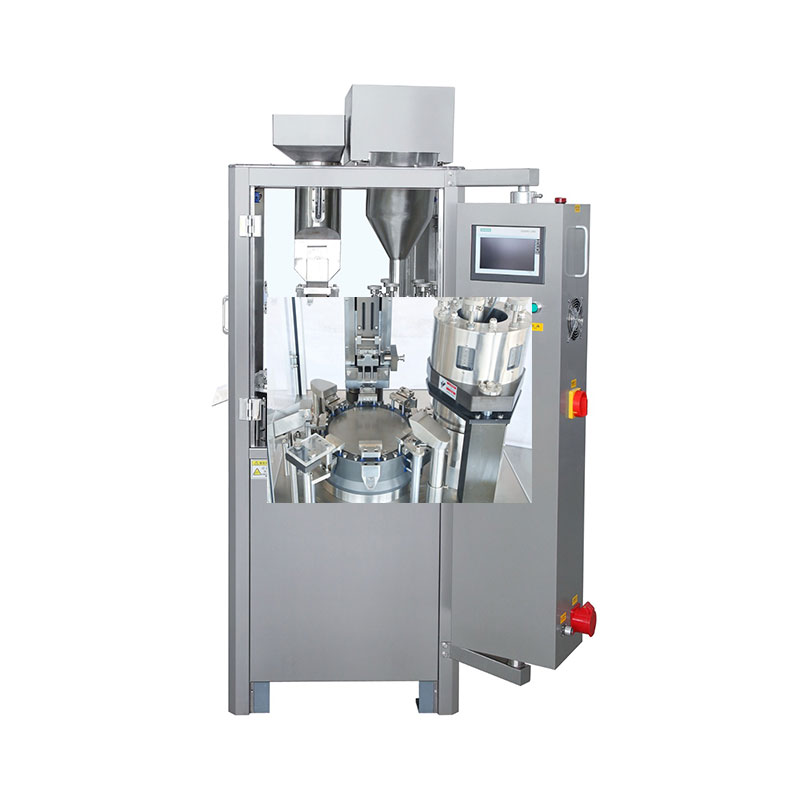 NJP-200 Model Fully Automatic Capsule Filling Machine
 -
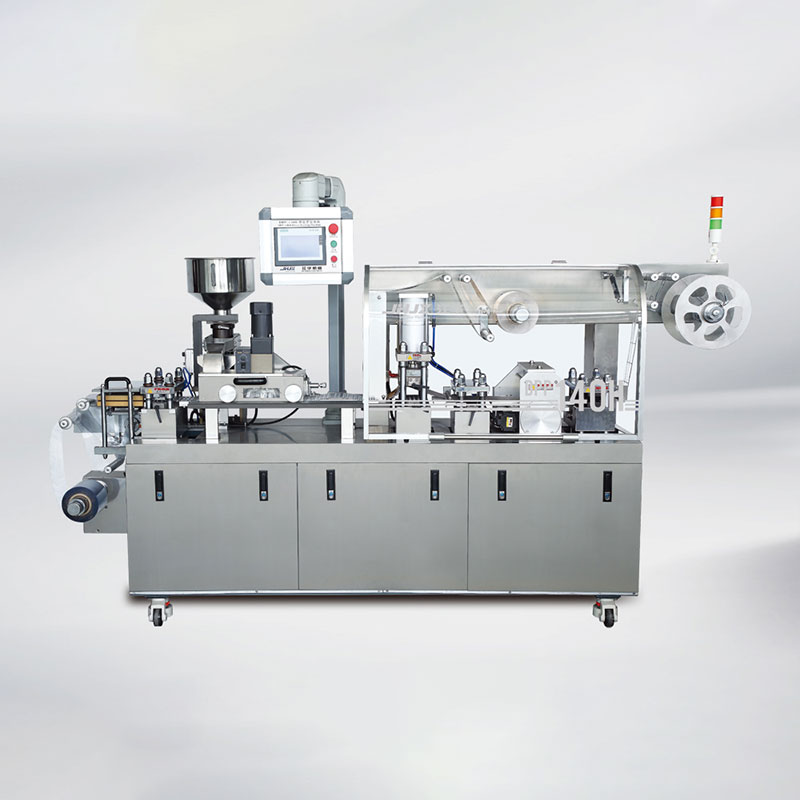 DPP-140H Flat-plate Blister Packing Machine
Related Search
Related Search- bosch capsule filling machine
- Certificate capsule filling machine size 4
- Certificate vegetarian capsules size 00
- Certificate DPP 260 Blister machine
- Discount best capsule filling machine
- OEM capsule pill filling machine
- Best VEGETABLE CAPSULE
- OEM HPMC Empty Capsule Shell
- high quality cellulose vegetable capsule
- high quality Blister machine