
- English
- Chinese
- French
- German
- Portuguese
- Spanish
- Russian
- Japanese
- Korean
- Arabic
- Irish
- Greek
- Turkish
- Italian
- Danish
- Romanian
- Indonesian
- Czech
- Afrikaans
- Swedish
- Polish
- Basque
- Catalan
- Esperanto
- Hindi
- Lao
- Albanian
- Amharic
- Armenian
- Azerbaijani
- Belarusian
- Bengali
- Bosnian
- Bulgarian
- Cebuano
- Chichewa
- Corsican
- Croatian
- Dutch
- Estonian
- Filipino
- Finnish
- Frisian
- Galician
- Georgian
- Gujarati
- Haitian
- Hausa
- Hawaiian
- Hebrew
- Hmong
- Hungarian
- Icelandic
- Igbo
- Javanese
- Kannada
- Kazakh
- Khmer
- Kurdish
- Kyrgyz
- Latin
- Latvian
- Lithuanian
- Luxembou..
- Macedonian
- Malagasy
- Malay
- Malayalam
- Maltese
- Maori
- Marathi
- Mongolian
- Burmese
- Nepali
- Norwegian
- Pashto
- Persian
- Punjabi
- Serbian
- Sesotho
- Sinhala
- Slovak
- Slovenian
- Somali
- Scots Gaelic
- Shona
- Sindhi
- Sundanese
- Swahili
- Tajik
- Tamil
- Telugu
- Thai
- Ukrainian
- Urdu
- Uzbek
- Vietnamese
- Welsh
- Xhosa
- Yiddish
- Yoruba
- Zulu
- Kinyarwanda
- Tatar
- Oriya
- Turkmen
- Uyghur



Certificate DPP 260 Blister machine ALU/ALU
Understanding the Certificate DPP 260 Blister Machine ALU/ALU
When it comes to pharmaceutical packaging, the Certificate DPP 260 Blister Machine ALU/ALU often stands out. Some might think it’s all about speed and efficiency, but there’s a lot more under the hood that only hands-on experience will reveal. Let’s dig into some common misconceptions, practical experiences, and insights that make this machine a staple in the industry.
The Basics of Blister Packaging
Blister packaging isn’t just about sealing tablets or capsules between hard plastic and aluminum. It’s about precision, maintaining drug stability, and extending shelf life. The DPP 260 comes with its own set of perks and challenges. It's not always plug-and-play; each material, whether ALU/ALU or PVC, has its nuances.
For instance, while setting up the machine, you may notice... if the alignment is even slightly off, the seal integrity can be compromised. This is something manuals rarely emphasize. During routine maintenance, I found that ensuring the die-roll alignment truly makes a difference.
And here's a tip: keeping a logbook of different parameters for different batches isn't just good practice—it's essential. There were days at Suqian Kelaiya Corp when understanding these subtle differences saved us a fortune.
Maximizing Efficiency with DPP 260
The DPP 260 Blister Machine is known for its efficiency, but like any proficient device, knowing how far you can push those limits requires more than browsing the manual. It's about trial and error. During one particular production run, pushing too hard led to increased waste due to foil jams.
It’s crucial to remember that not all packaging materials are the same. We often discovered that a slight variation in aluminum gauge could affect the sealing process. Close collaboration with suppliers saved us time troubleshooting.
Routine upkeep is key. On more than one occasion, dismissing a scheduled maintenance led to unexpected downtimes. The team at Suqian Kelaiya International Trading emphasizes preventive care as a cornerstone to productivity.
The Importance of Training
Training cannot be understated. The technology may be top-notch, but without properly trained personnel, even the most advanced machines falter. This truth hit home when a small oversight during a shift change resulted in a batch recall. It highlighted how essential thorough handovers are.
And it’s not just about operating the machine. Understanding the WHY behind certain procedures—like why pre-warming the aluminum sheets matter—adds an invaluable layer of operational competence.
Incorporating practical, hands-on sessions in training at Suqian Kelaiya has noticeably improved our operators’ confidence and reduced error rates. Our technicians have become adept at identifying potential issues before they escalate.
Navigating Technical Challenges
Every machine, no matter how advanced, presents challenges. The ALU/ALU specification of the DPP 260 means that compatibility with various drug forms can be tricky. For example, certain hygroscopic drugs might call for additional environmental controls.
Our ability to troubleshoot effectively often boiled down to understanding the entire production ecosystem. Patience played a big role when dealing with unexpected malfunctions. You'd be surprised how often a simple reboot solves intricate issues.
At Suqian Kelaiya's facilities, continuous improvement sessions are held to dissect past issues and brainstorm solutions, resulting in a more robust operation framework.
Innovations and Future Perspectives
Looking ahead, the integration of IoT with machines like the Certificate DPP 260 Blister Machine ALU/ALU shows incredible promise. Suqian Kelaiya International Trading Co. is already exploring how real-time data can lead to more refined control over production parameters.
However, embracing innovation comes with its own set of challenges, particularly in terms of data security and process integrity. These are areas demanding careful navigation.
In conclusion, while the DPP 260 offers superb functionality, unlocking its full potential relies on a blend of technical foresight, diligent practice, and innovative thinking. With its continuous evolution, it remains an indispensable tool for pharmaceutical packaging, embodying both the art and science of manufacturing excellence.
Related Products
Related Products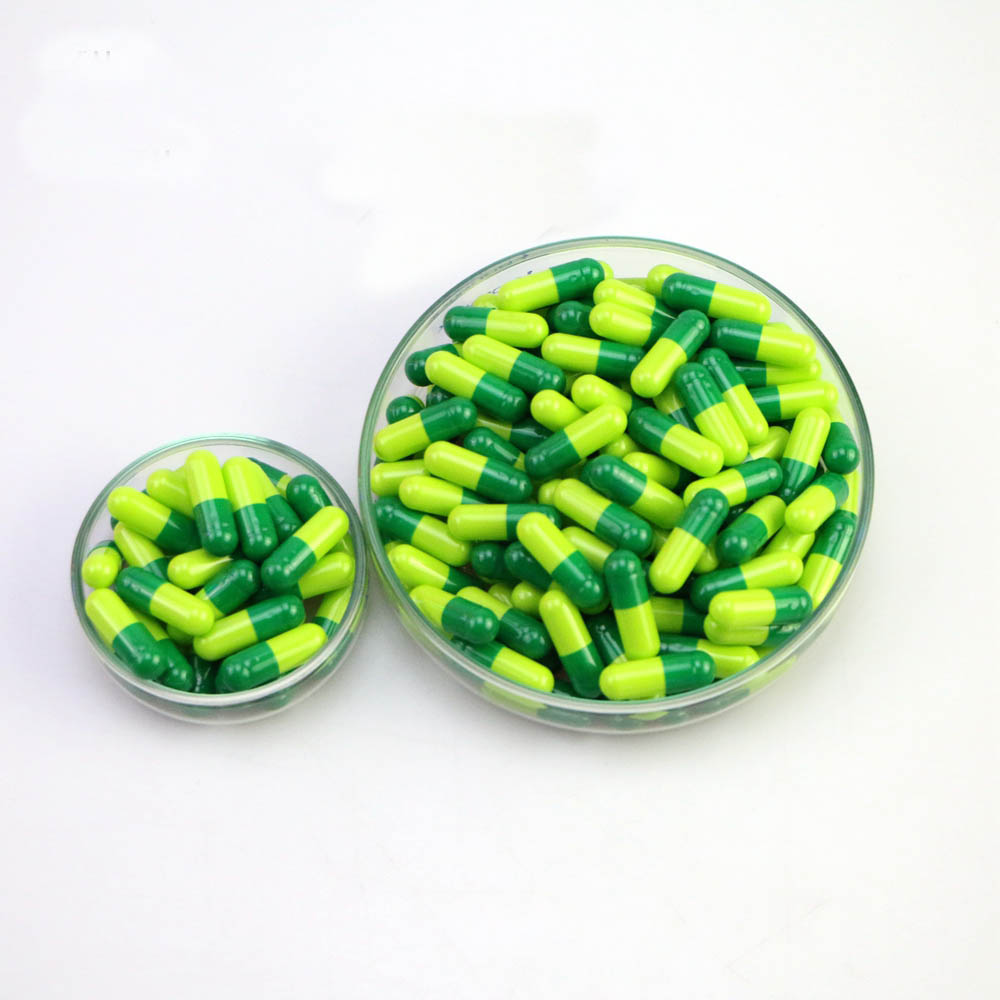

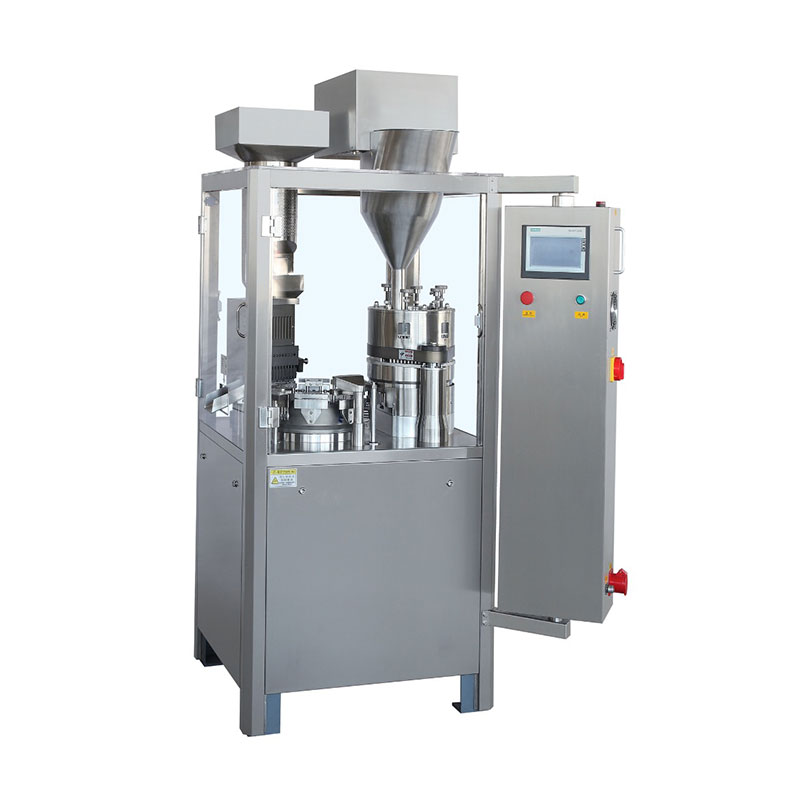
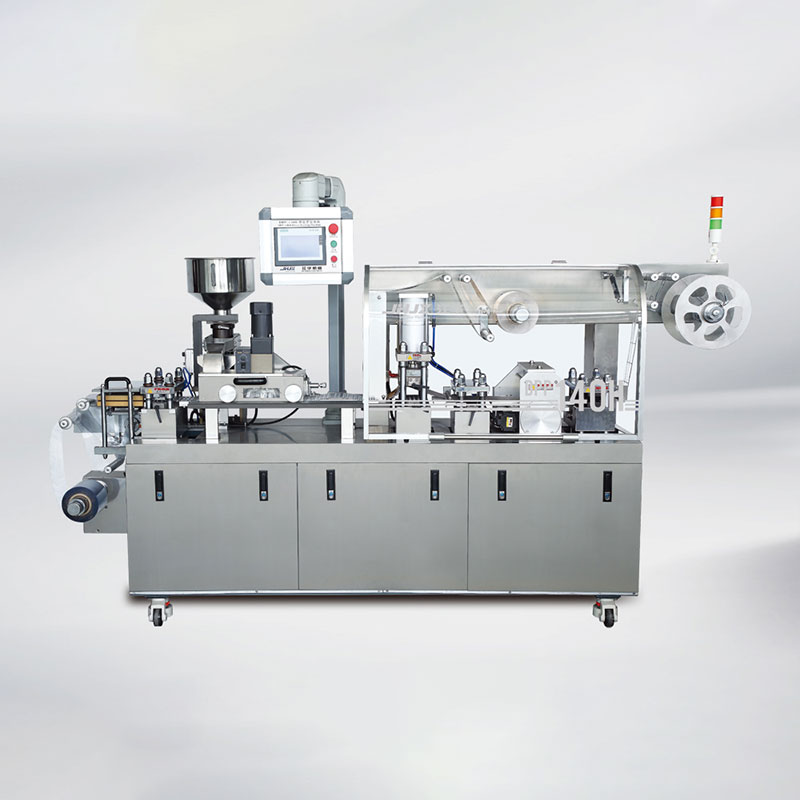

Best Selling Products
Best Selling Products-
 Size 00 hpmc capsules vegetarian capsules empty hard veggie capsules
 -
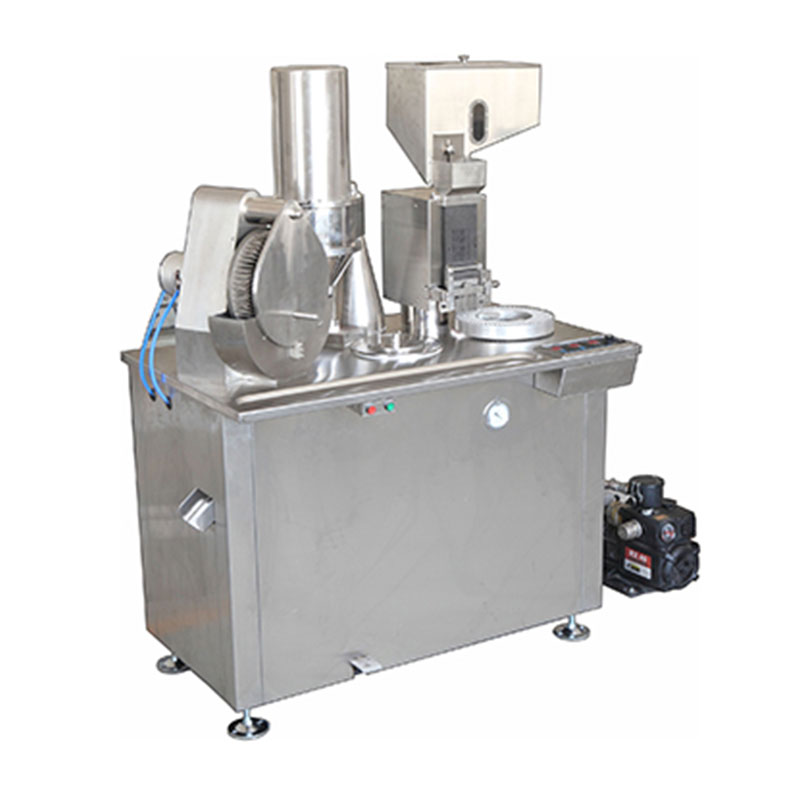 CGN208-D Newest Type Semi Automatic Capsule Filling Machine
 -
 TIO2 free gelatin CAPSULE
 -
 EMPTY VEGATABLE CAPSULE CLEAR SIZE 0
 -
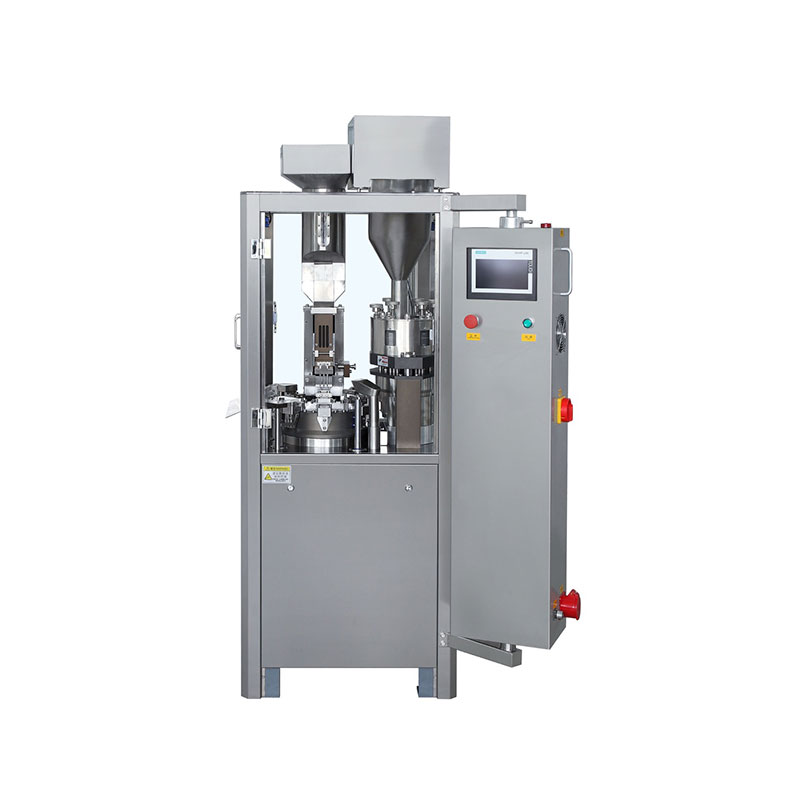 NJP-400 Fully Automatic Capsule Filling Machine
 -
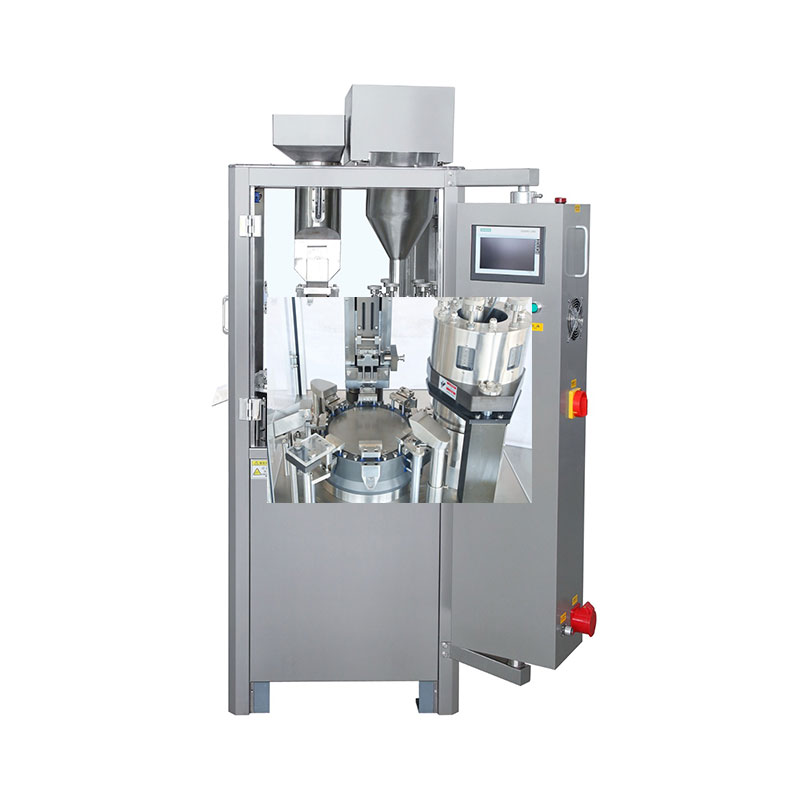 NJP-200 Model Fully Automatic Capsule Filling Machine
 -
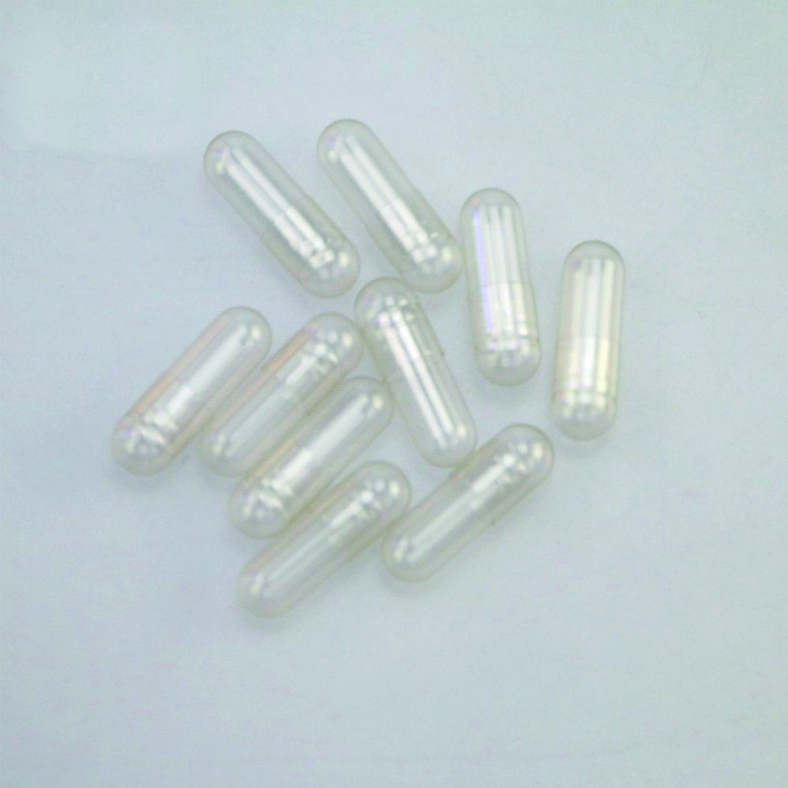 EMPTY HPMC CAPSULE SIZE 00 CLEAR
 -
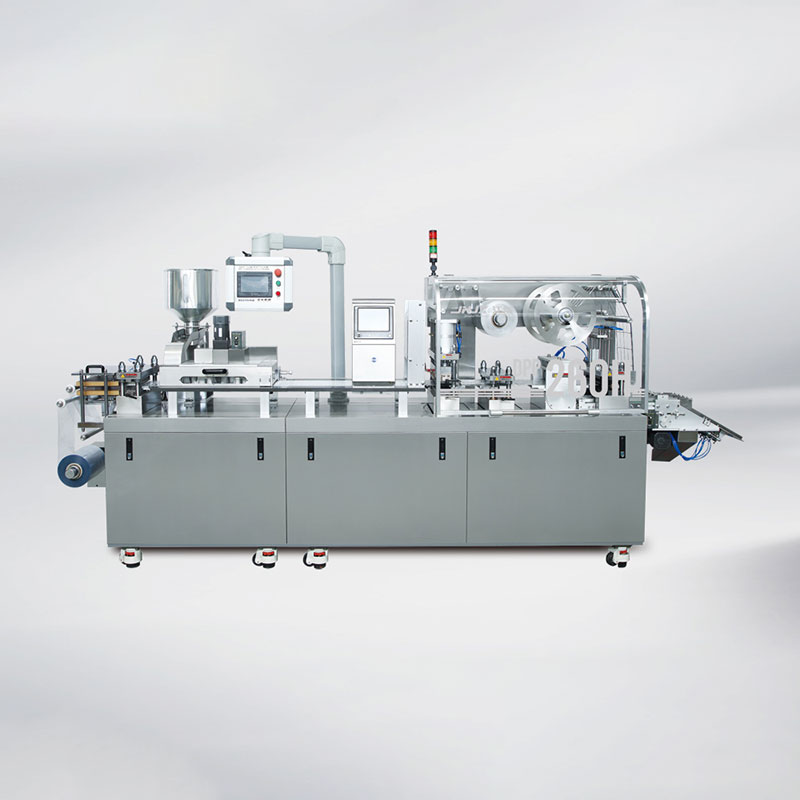 DPP-260H_DPP-320H Flat-plate Blister Packing Machine
 -
 Empty VegCaps Shell Clear Empty Vegan Plant-Based Capsules Size 00 0 1 2 3 4 Natural Vegetable HPMC Capsules
 -
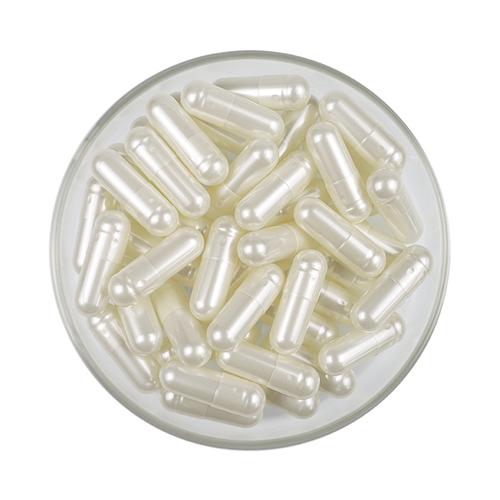 Golden_Pearl Hard Gelatin Capule
 -
 Hpmc Capsules Product Plant Vegetarian Size 00 0 Capsule Shell
 -
 Vegetarian Separated Capsules HPMC Capsules Separated Wholesale Vegetarian Capsules Discount for Bulk Orders
Related Search
Related Search- Best Blister machine FOR CAPSULE
- Best automatic capsule filling machine manufacturer
- Best njp 800 capsule filling machine
- Certificate capsule filler filling machine
- OEM Empty Capsule Gelatin Capsule Size 0 Transparent Natural
- Certificate best manual capsule filling machine
- Best empty vegetarian capsules size 00
- high quality njp 800 capsule filling machine
- high quality vegetable capsules empty
- Best capsule machine size 3