
- English
- Chinese
- French
- German
- Portuguese
- Spanish
- Russian
- Japanese
- Korean
- Arabic
- Irish
- Greek
- Turkish
- Italian
- Danish
- Romanian
- Indonesian
- Czech
- Afrikaans
- Swedish
- Polish
- Basque
- Catalan
- Esperanto
- Hindi
- Lao
- Albanian
- Amharic
- Armenian
- Azerbaijani
- Belarusian
- Bengali
- Bosnian
- Bulgarian
- Cebuano
- Chichewa
- Corsican
- Croatian
- Dutch
- Estonian
- Filipino
- Finnish
- Frisian
- Galician
- Georgian
- Gujarati
- Haitian
- Hausa
- Hawaiian
- Hebrew
- Hmong
- Hungarian
- Icelandic
- Igbo
- Javanese
- Kannada
- Kazakh
- Khmer
- Kurdish
- Kyrgyz
- Latin
- Latvian
- Lithuanian
- Luxembou..
- Macedonian
- Malagasy
- Malay
- Malayalam
- Maltese
- Maori
- Marathi
- Mongolian
- Burmese
- Nepali
- Norwegian
- Pashto
- Persian
- Punjabi
- Serbian
- Sesotho
- Sinhala
- Slovak
- Slovenian
- Somali
- Scots Gaelic
- Shona
- Sindhi
- Sundanese
- Swahili
- Tajik
- Tamil
- Telugu
- Thai
- Ukrainian
- Urdu
- Uzbek
- Vietnamese
- Welsh
- Xhosa
- Yiddish
- Yoruba
- Zulu
- Kinyarwanda
- Tatar
- Oriya
- Turkmen
- Uyghur



Best empty veggie capsules
The Best Empty Veggie Capsules: A Closer Look
Finding the right empty veggie capsules can be surprisingly complex. Whether for supplement enthusiasts, small-scale manufacturers, or DIY natural remedy creators, making the right choice involves more than you'd think. There's a surprising amount of nuance involved, from the materials they're made with to the machines they're compatible with. Let's explore the ins and outs of choosing the best capsules.
Understanding Veggie Capsules
Empty veggie capsules are a favorite among those looking to encapsulate their own supplements, herbs, or natural remedies. Preferred by many for being plant-based, they offer an alternative to traditional gelatin capsules. I've often come across people confusing these with similar products, like hydroxypropyl methylcellulose (HPMC) capsules. While both are derived from plant sources, subtle differences in the manufacturing process can impact their dissolution rates.
The two main types of veggie capsules are pullulan and HPMC. Pullulan capsules have a thicker consistency, providing a moisture barrier, ideal for hygroscopic substances. On the other hand, HPMC is more commonly used due to its flexibility and strong compatibility with filler machines—not something to overlook when you're running a production line.
I remember a particularly tricky instance where a client had issues with capsule dissolution. After some probing, it turned out they hadn't factored in the filler material's interaction with the capsule type. These nuances matter significantly in practice, affecting stability and absorption rates.
Material Matters
Choosing the best empty veggie capsules involves understanding the materials involved. The manufacturing processes at companies like SUQIAN KELAIYA INTERNATIONAL TRADING CO., LTD, which has sites in Zhejiang and Jiangsu, emphasize this. Their capsules are produced with a strict adherence to quality, key for achieving consistent results in pharmaceutical applications.
When it comes to empty veggie capsules, the material impacts not just the capsule but the product stability. Pullulan is renowned for being free from preservatives and starch, making it quite appealing for health-conscious consumers. However, it's less known that this lack of additives can influence the capsule's mechanical strength, particularly in humid climates.
In contrast, HPMC capsules bond well with a range of encapsulating machines. Brands that employ high-precision machinery, like the ones manufactured by SUQIAN KELAIYA, consistently report fewer issues of capsule breakage or filling inaccuracies, a common bottleneck in smaller operations.
Compatibility with Machines
It's one thing to have great capsules, but another to ensure they function seamlessly with your encapsulation machines. Compatibility is non-trivial and affects throughput and efficiency. Machines like capsule filling and blister machines made by Kelaiya Corp are designed with these nuances in mind, catering to how particular capsule types behave under manufacturing conditions.
I've often seen businesses overlook the importance of machine-capsule compatibility. A mismatch here can lead to increased wastage and operational costs. It's crucial to have capsules that not only meet the ingredient's needs but also align with the technical specs of your machines.
In one real-world scenario, switching capsule suppliers led to a spike in machine stoppages and resulted in a costly troubleshooting process. It was a less-than-great experience that underscored the vital need to consider these operational details.
Quality Assurance Practices
Quality assurance is a cornerstone of reliable capsule use. Companies like Suqian Kelaiya Corp emphasize extensive testing to manage capsule resilience and efficacy, an approach not universally adopted. I’ve worked with several batches that slipped quality checks, resulting in variations in capsule thickness which can alter dissolution rates.
Routine testing and checking for consistency across batches are essential, especially when dealing with custom formulations. Many in the industry use standard dissolution tests, but few factor in real-life storage conditions—humidity, temperature—impacting the capsule's integrity over time.
As someone who's delved deep into the gritty aspects of production, these measures often spell the difference between reliable performance and frequent product recalls. The field's competitive nature means a lapse here can be costly in terms of both reputation and logistics.
Environmental Considerations
Sustainability is fast becoming a priority. Veggie capsules, by their nature, offer environmental benefits over gelatin capsules, stemming from their plant origins. I've noticed a steady shift among consumers and manufacturers towards more eco-conscious practices.
At the forefront, companies like those behind Kelaiya International Trading, not only focus on efficacy but also on reducing their environmental footprint. The production plants in Jiangsu show how it's possible to marry technology with eco-friendliness, setting a benchmark others might want to consider.
Yet, exploring this angle raises more questions about future shifts in this industry space: How can we further mitigate environmental impacts without compromising on product quality? It’s an open-ended discussion, one that prompts continuous reflection.
In conclusion, finding the best empty veggie capsules involves more than a straightforward purchase—it's a considered decision entailing material specifics, machine compatibility, quality assurance, and sustainability. With companies like SUQIAN KELAIYA INTERNATIONAL TRADING CO., LTD leading the charge, the landscape promises both challenges and innovations worth grappling with.
Related Products
Related Products
Best Selling Products
Best Selling Products-
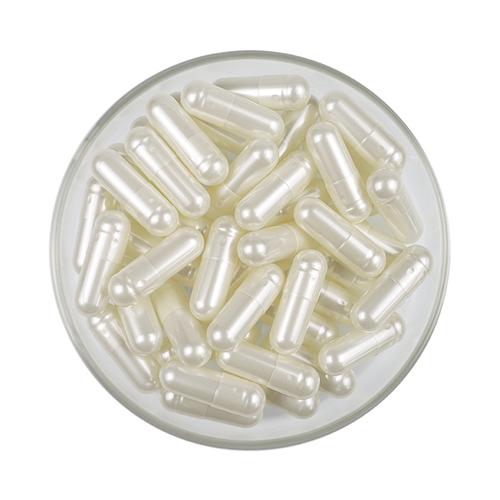 Golden_Pearl Hard Gelatin Capule
 -
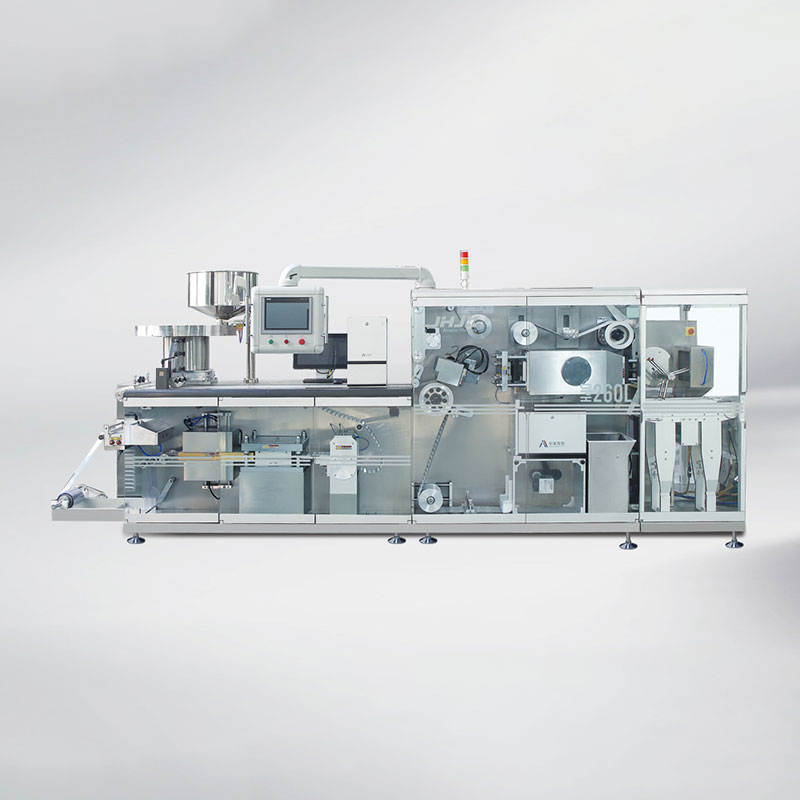 DPH-260L Roll-plate Blister Packaging Machine
 -
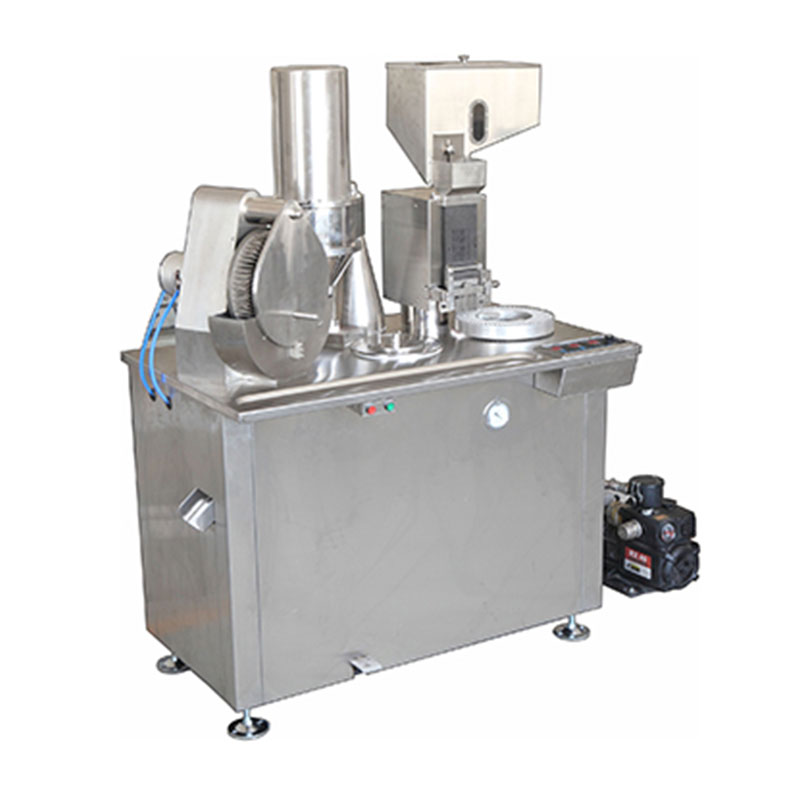 CGN208-D Newest Type Semi Automatic Capsule Filling Machine
 -
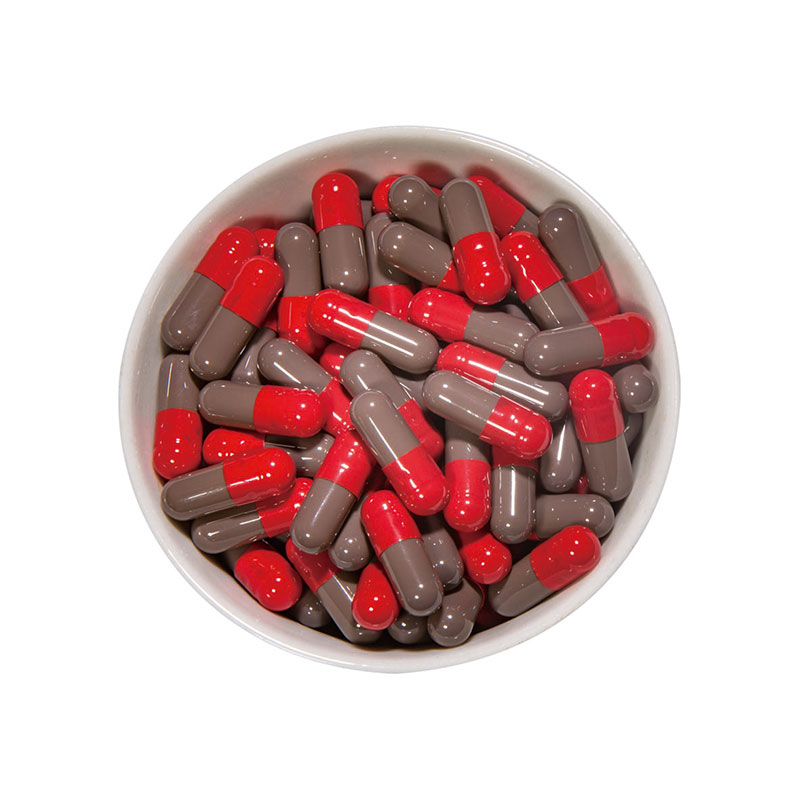 TIO2 free gelatin CAPSULE
 -
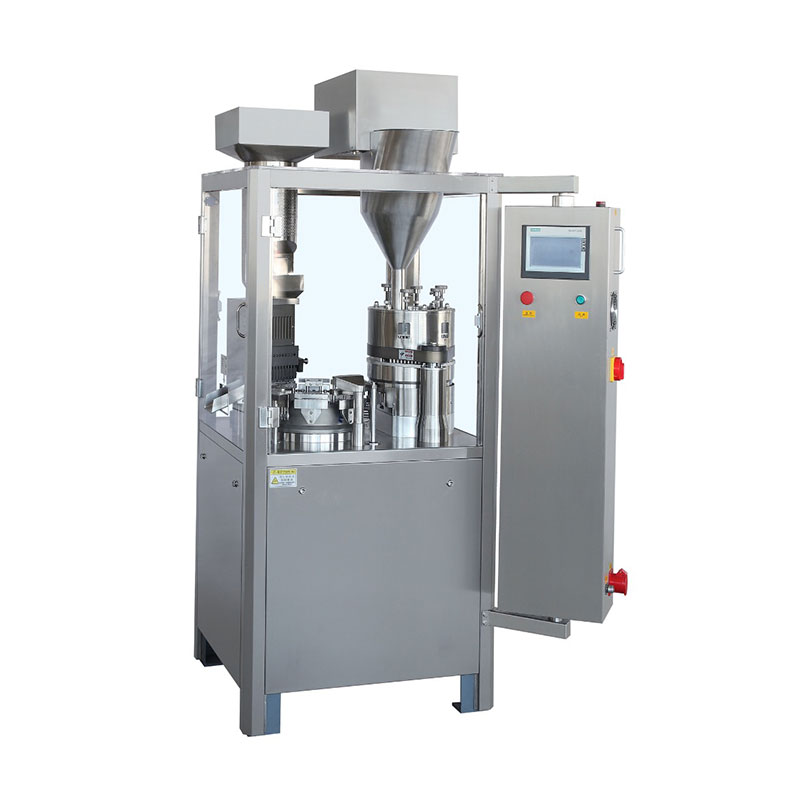 NJP-800 Automatic Capsule Filling Machine
 -
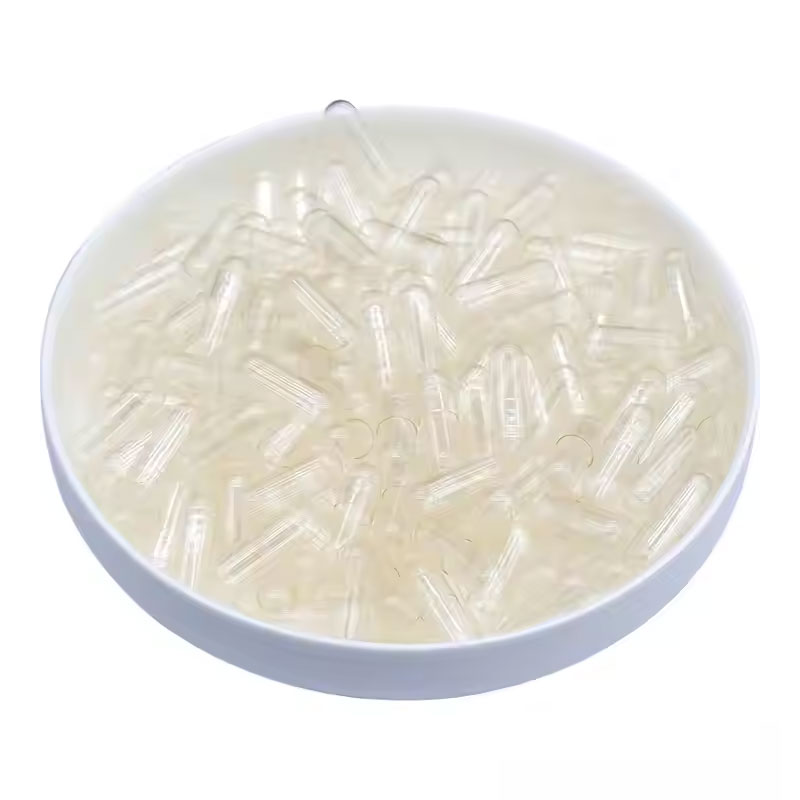 EMPTY VEGATABLE CAPSULE CLEAR SIZE 0
 -
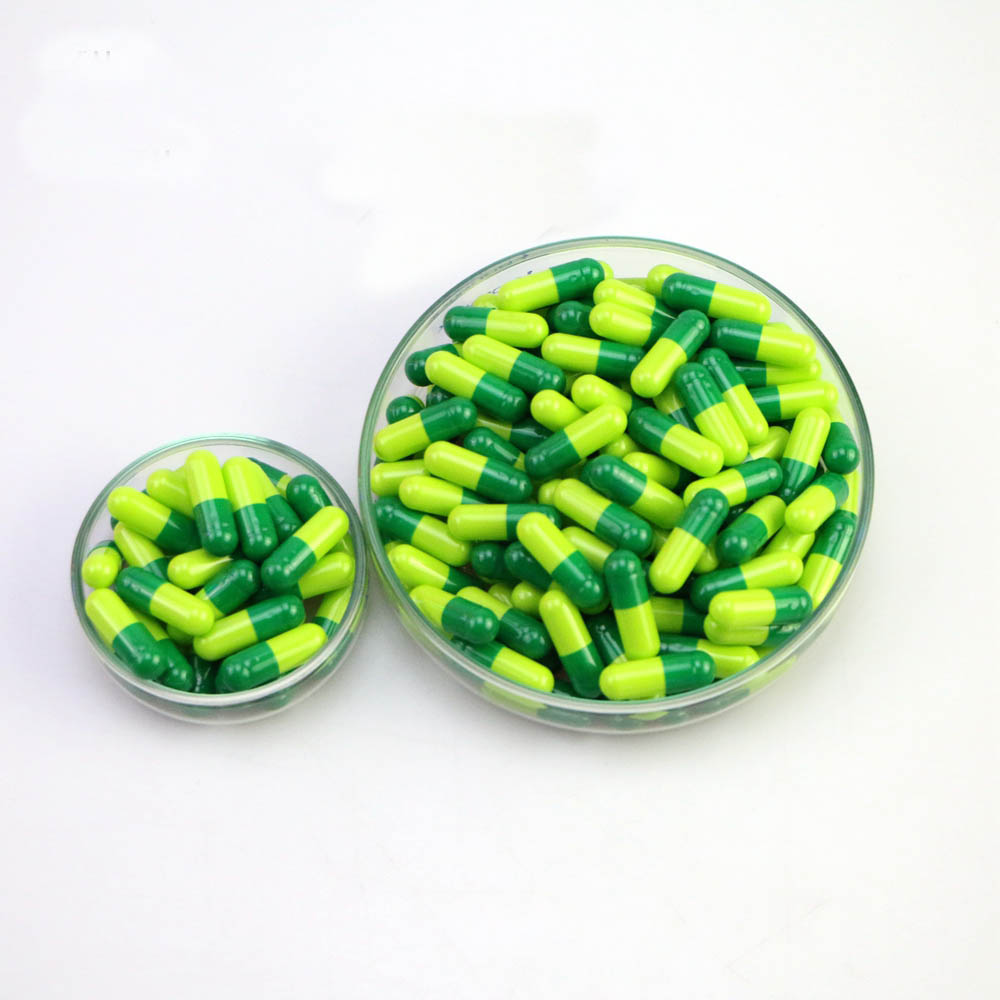 Halal empty hard geltin capsule
 -
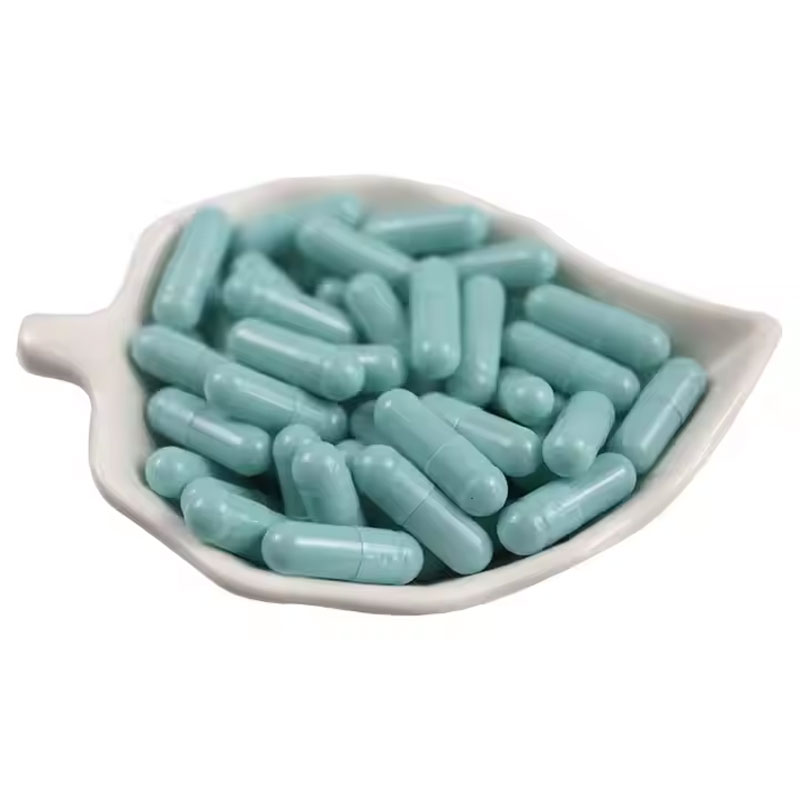 Vegetarian Separated Capsules HPMC Capsules Separated Wholesale Vegetarian Capsules Discount for Bulk Orders
 -
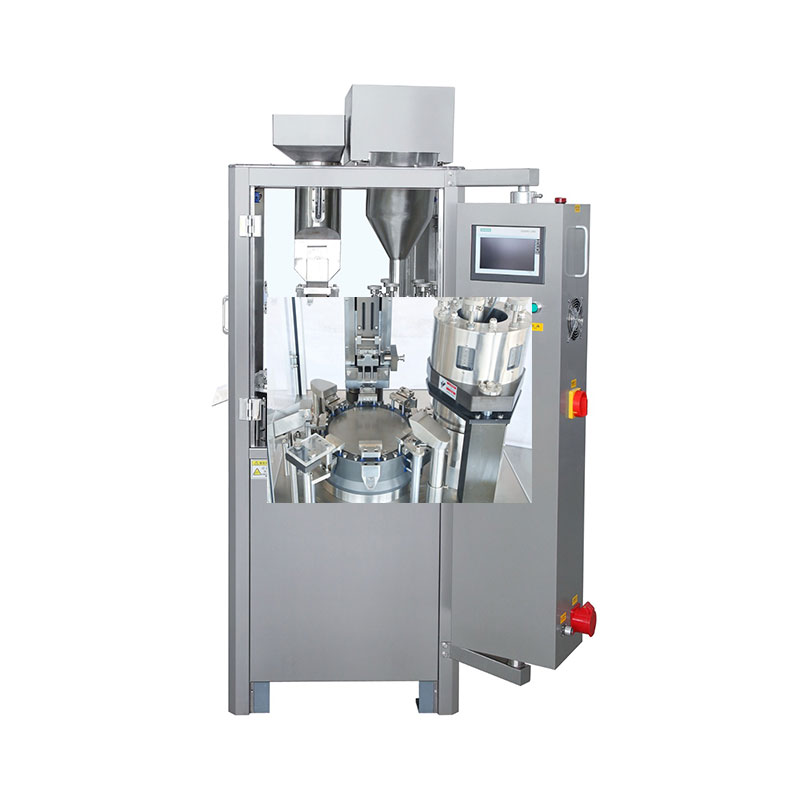 NJP-200 Model Fully Automatic Capsule Filling Machine
 -
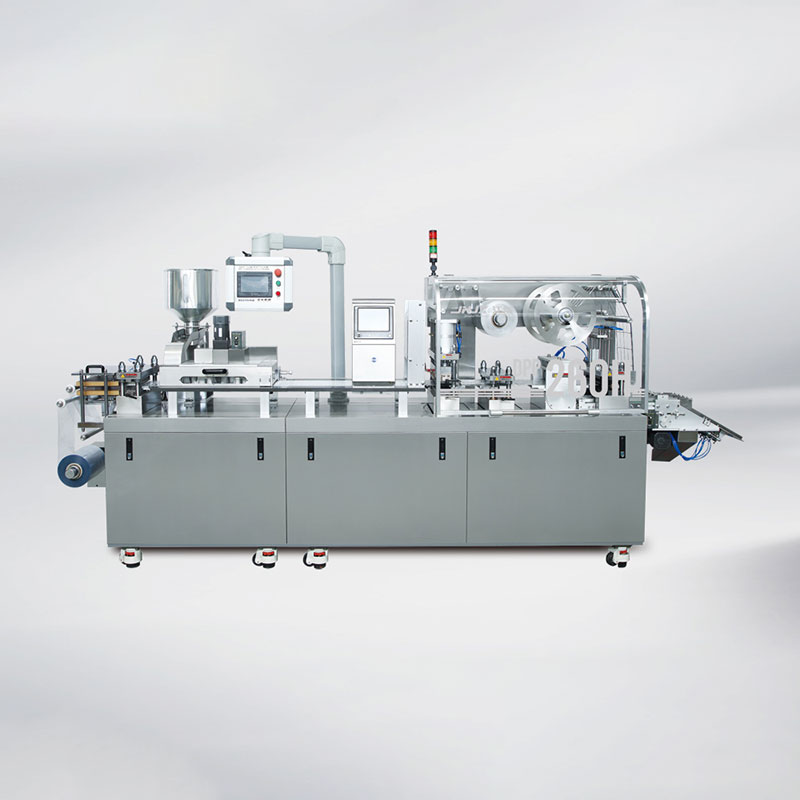 DPP-260H_DPP-320H Flat-plate Blister Packing Machine
 -
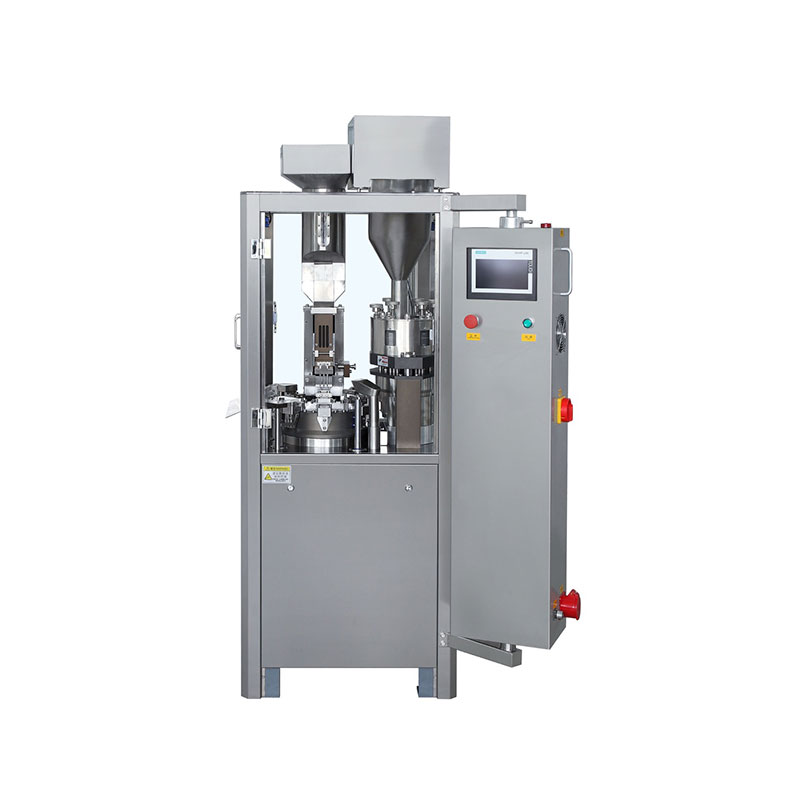 NJP-400 Fully Automatic Capsule Filling Machine
 -
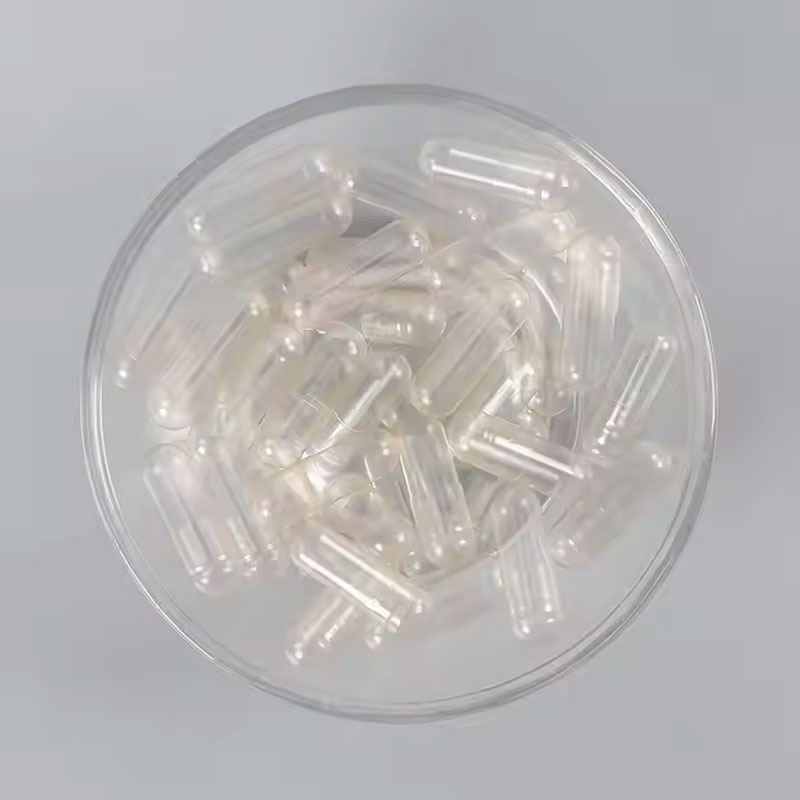 Hpmc Capsules Product Plant Vegetarian Size 00 0 Capsule Shell