
- English
- Chinese
- French
- German
- Portuguese
- Spanish
- Russian
- Japanese
- Korean
- Arabic
- Irish
- Greek
- Turkish
- Italian
- Danish
- Romanian
- Indonesian
- Czech
- Afrikaans
- Swedish
- Polish
- Basque
- Catalan
- Esperanto
- Hindi
- Lao
- Albanian
- Amharic
- Armenian
- Azerbaijani
- Belarusian
- Bengali
- Bosnian
- Bulgarian
- Cebuano
- Chichewa
- Corsican
- Croatian
- Dutch
- Estonian
- Filipino
- Finnish
- Frisian
- Galician
- Georgian
- Gujarati
- Haitian
- Hausa
- Hawaiian
- Hebrew
- Hmong
- Hungarian
- Icelandic
- Igbo
- Javanese
- Kannada
- Kazakh
- Khmer
- Kurdish
- Kyrgyz
- Latin
- Latvian
- Lithuanian
- Luxembou..
- Macedonian
- Malagasy
- Malay
- Malayalam
- Maltese
- Maori
- Marathi
- Mongolian
- Burmese
- Nepali
- Norwegian
- Pashto
- Persian
- Punjabi
- Serbian
- Sesotho
- Sinhala
- Slovak
- Slovenian
- Somali
- Scots Gaelic
- Shona
- Sindhi
- Sundanese
- Swahili
- Tajik
- Tamil
- Telugu
- Thai
- Ukrainian
- Urdu
- Uzbek
- Vietnamese
- Welsh
- Xhosa
- Yiddish
- Yoruba
- Zulu
- Kinyarwanda
- Tatar
- Oriya
- Turkmen
- Uyghur



Best 00 capsule machine
Choosing the Best 00 Capsule Machine: Insider Insights
When it comes to finding the best 00 capsule machine, it’s not just about the shiny adverts or flashy reviews. The decision involves knowing the intricacies and nuances that often go unmentioned. This isn’t merely about filling capsules; it’s about understanding your needs, the machine's capabilities, and the supplier’s reliability.
Understanding the Basics
Many people think capsule machines are straightforward devices. Yet, when you start diving into specifics, it's evident that a lot of users underestimate the importance of precision. The way these machines function can make or break your production process. Take, for instance, capacity and speed. A machine that’s touted as fast but sacrifices accuracy can result in wastage and inefficiency.
Let’s consider a common issue: uneven fill weight. This isn’t just a minor discrepancy. It can affect the efficacy of the product and result in compliance issues. In my experience, ensuring the machine’s dispensing mechanism is top-notch is vital. You don’t want to over-trust metrics without first-hand verification.
Another frequently overlooked feature is ease of cleaning. A machine that’s a hassle to clean becomes more of a liability than an asset. Hygiene is paramount, especially if you’re manufacturing nutraceuticals or pharmaceuticals. An optimal 00 capsule machine should allow quick disassembly and reassembly without the need for expert intervention.
Selecting the Right Supplier
While the machine itself is crucial, where you source it from can significantly impact your operations. Enter Suqian Kelaiya Corp, a company well-versed in the world of empty capsules and capsule filling machines. Their dual manufacturing sites in Zhejiang and Jiangsu are not just about large-scale production but about maintaining quality.
One key aspect that I found notable about working with Suqian Kelaiya is the after-sales support. It’s these things—service, support, and spare parts availability—that often get sidelined but are indispensable when considering your long-term operations.
Moreover, their expertise extends into the development of new drugs, which means they understand the rigorous demands of this industry better than most. It changes the dynamic from just selling a product to offering a comprehensive solution.
Assessing Durability and Maintenance
A robust machine isn’t necessarily a heavy one. Durability is about the material quality and the engineering behind its construction. Everyone loves a machine that doesn’t require constant tinkering. A durable 00 capsule machine will see you through high-volume orders without faltering.
Maintenance is another factor that cannot be ignored. From my dealings, regularly scheduled maintenance is just as important as unscheduled repairs—often more so. If you can establish a good preventive maintenance schedule, you’ll save a massive headache down the line.
For instance, during a peak season, my old machine faltered due to ignored wear and tear, leading to a costly halt in production. Learning from this, I now factor in the ease of maintenance and availability of technical support when choosing a machine. Suqian Kelaiya’s offerings often come with detailed manuals and quick support, minimizing downtime.
Cost vs. Value
Price is always a factor, but don’t let it cloud your judgment. I’ve learned through tough lessons that sometimes what seems like a steal initially ends up costing more in repairs and operational inefficiencies. Value isn’t just in immediate features—it’s in long-term reliability and support.
Assessing the total cost of ownership (TCO) rather than just the upfront cost gives a clearer picture of what you’re committing to. When the extra dollars avoid headache and hassle down the line, it’s often worth it.
Consider this: A mid-tier machine might suit your budget today but will it cater to your needs as your production scales up? It’s these foresights that need to be balanced during the decision-making process.
Real-world Experiences and Lessons
In practice, nothing beats personal experience intertwined with sound advice. While specs and reviews are useful, hands-on trials reveal the hidden quirks of a machine. Testing a unit before committing is highly recommended.
The importance of practical trials became clear when we faced a mismatch between expected machine performance and its real-world capabilities. A prototype test should be part of any serious purchasing decision, allowing you to evaluate factors like noise levels, material compatibility, and processing speed.
Reflecting back, I recall an instance where a theoretically outstanding machine failed our practical tests. This discovery saved us from potential operational inefficiencies and validated the importance of an in-depth review before making a purchase.
Related Products
Related Products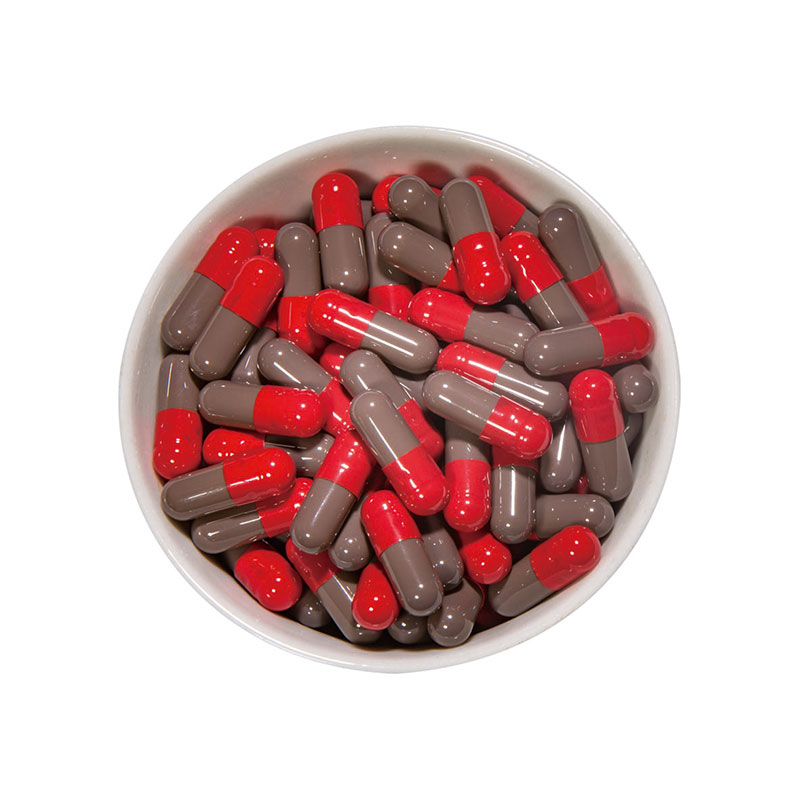

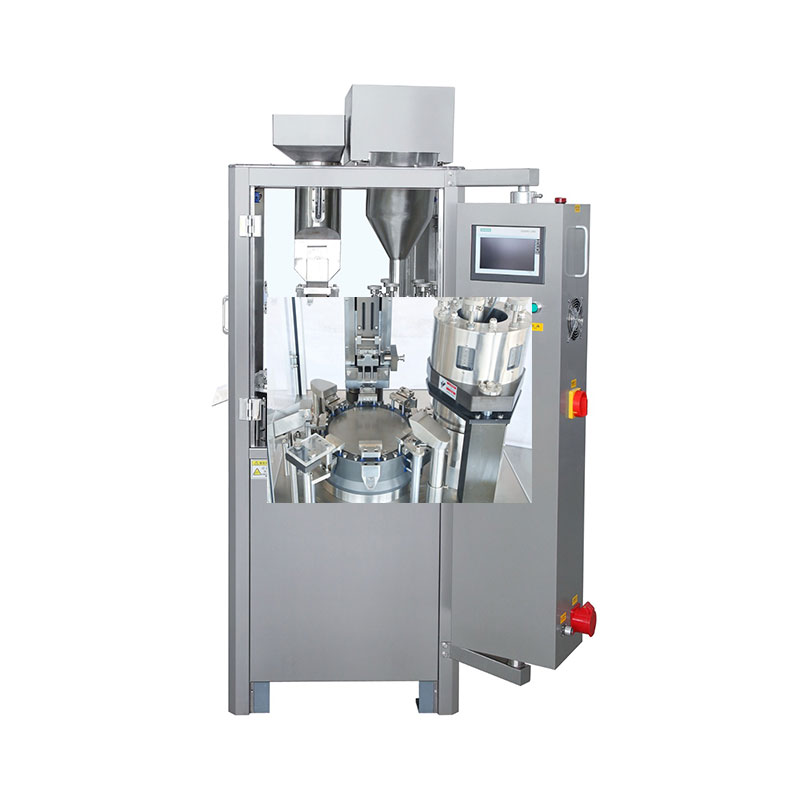

Best Selling Products
Best Selling Products-
 Size 00 hpmc capsules vegetarian capsules empty hard veggie capsules
 -
 Hard Gelatin Empty Capsule Shell Size 00 0 1 2 3 4
 -
 Empty VegCaps Shell Clear Empty Vegan Plant-Based Capsules Size 00 0 1 2 3 4 Natural Vegetable HPMC Capsules
 -
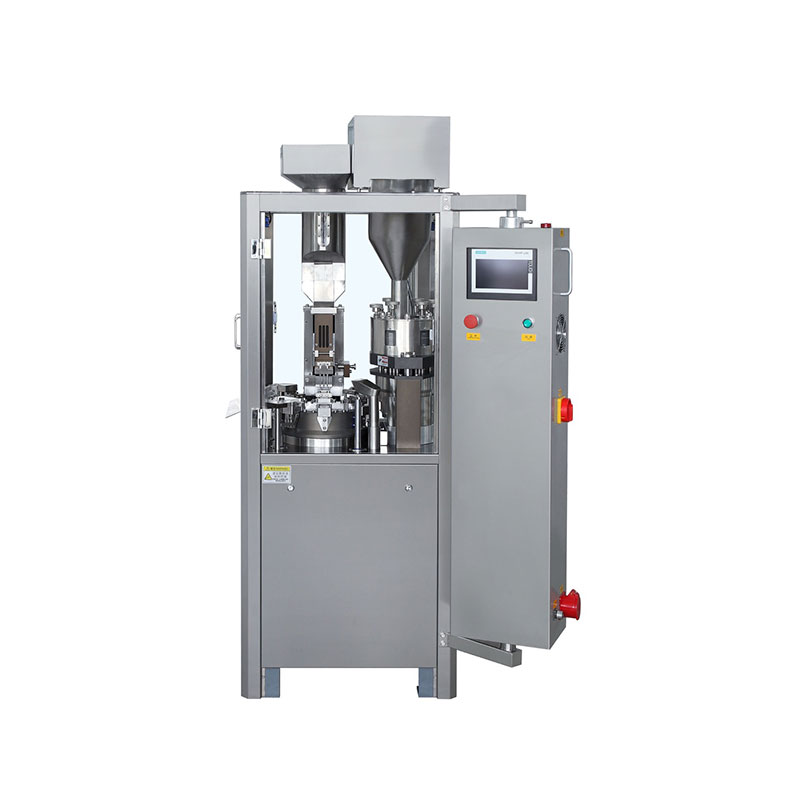 NJP-400 Fully Automatic Capsule Filling Machine
 -
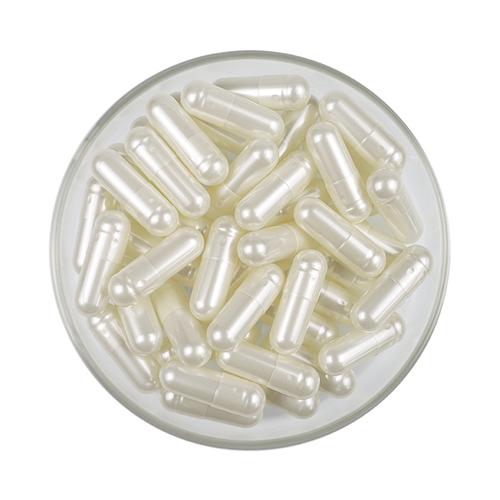 Golden_Pearl Hard Gelatin Capule
 -
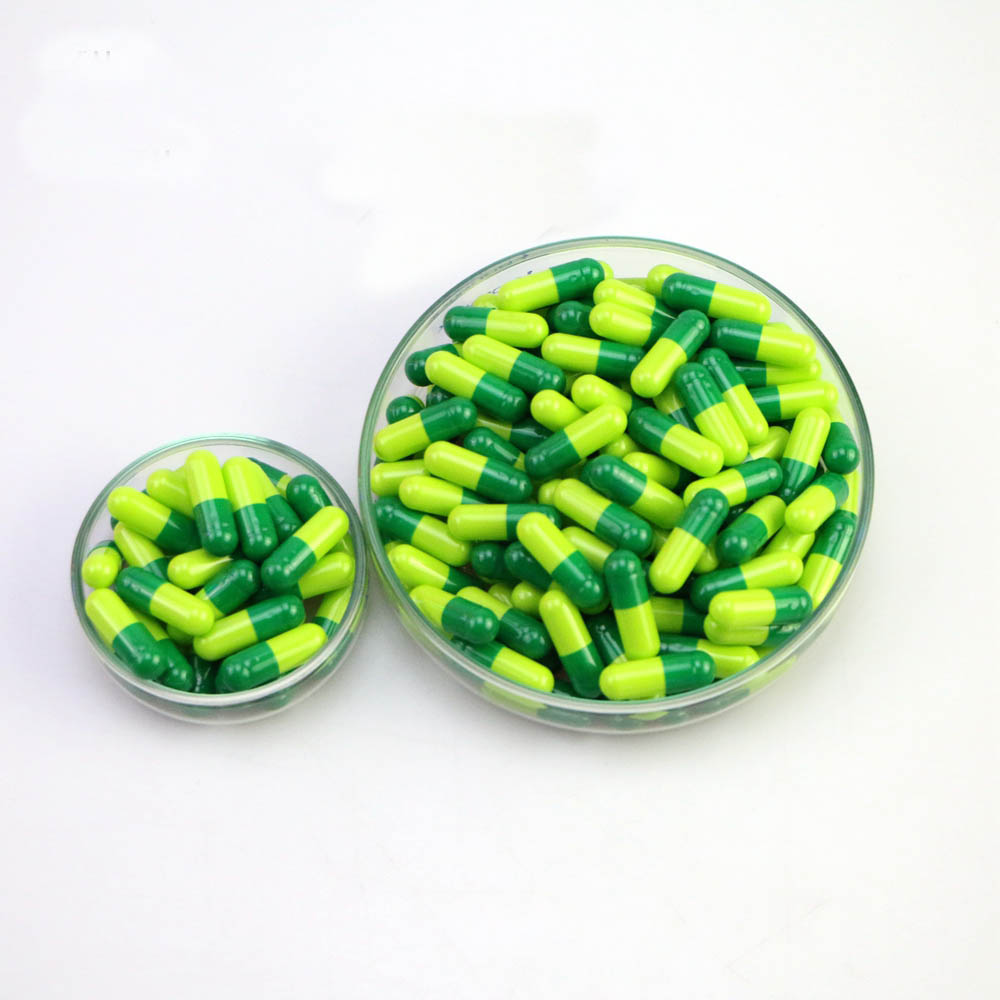 Halal empty hard geltin capsule
 -
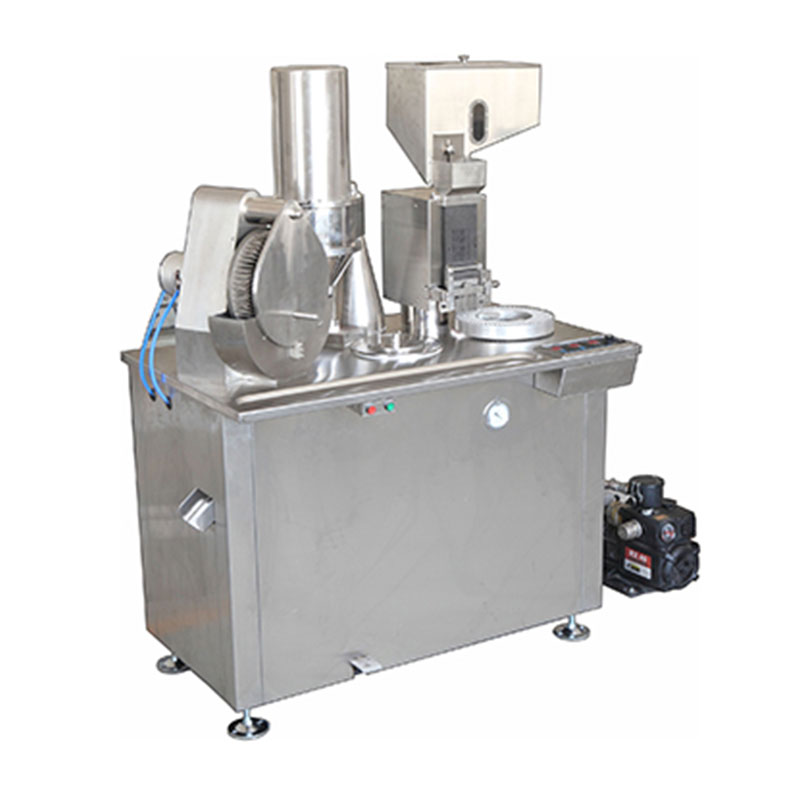 CGN208-D Newest Type Semi Automatic Capsule Filling Machine
 -
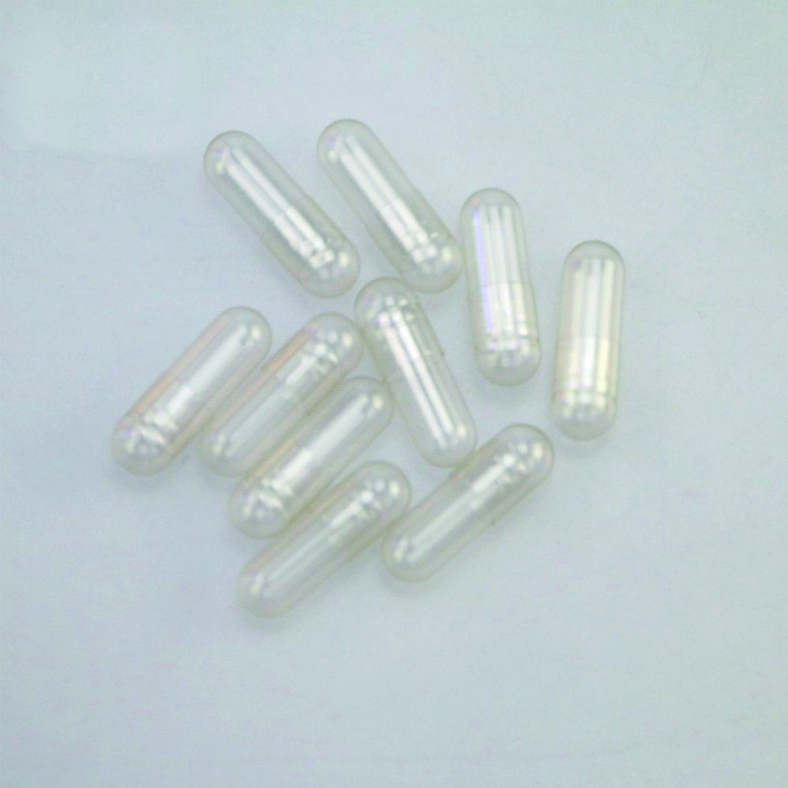 EMPTY HPMC CAPSULE SIZE 00 CLEAR
 -
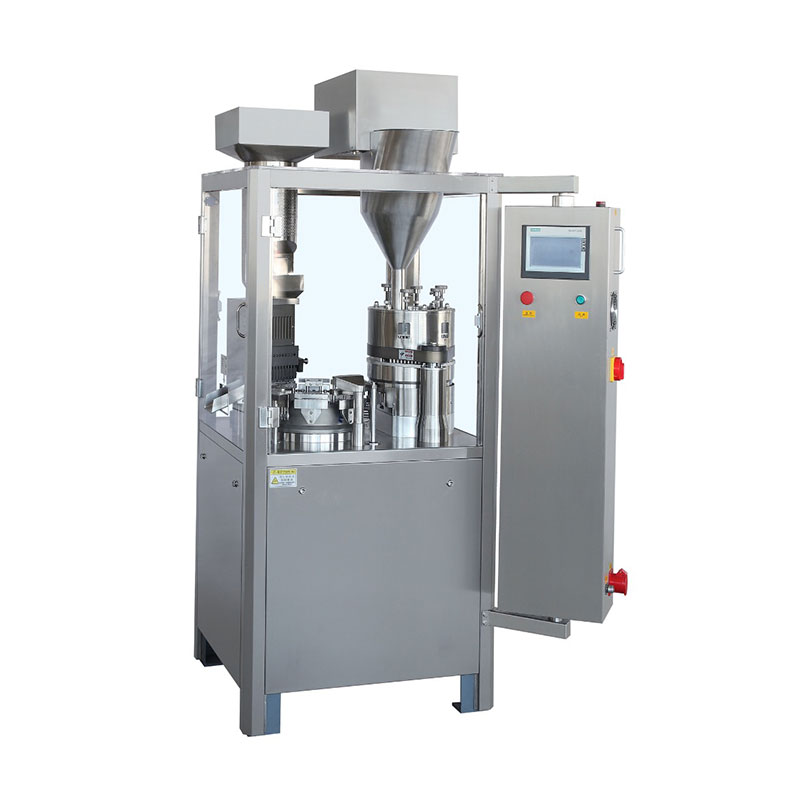 NJP-800 Automatic Capsule Filling Machine
 -
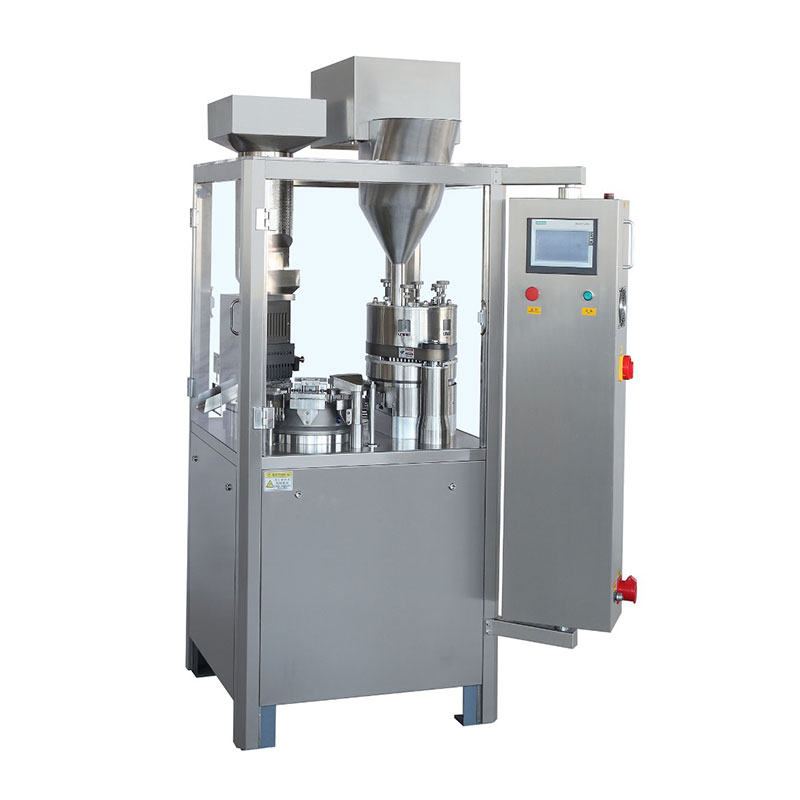 NJP-1200 Automatic Capsule Filling Machine
 -
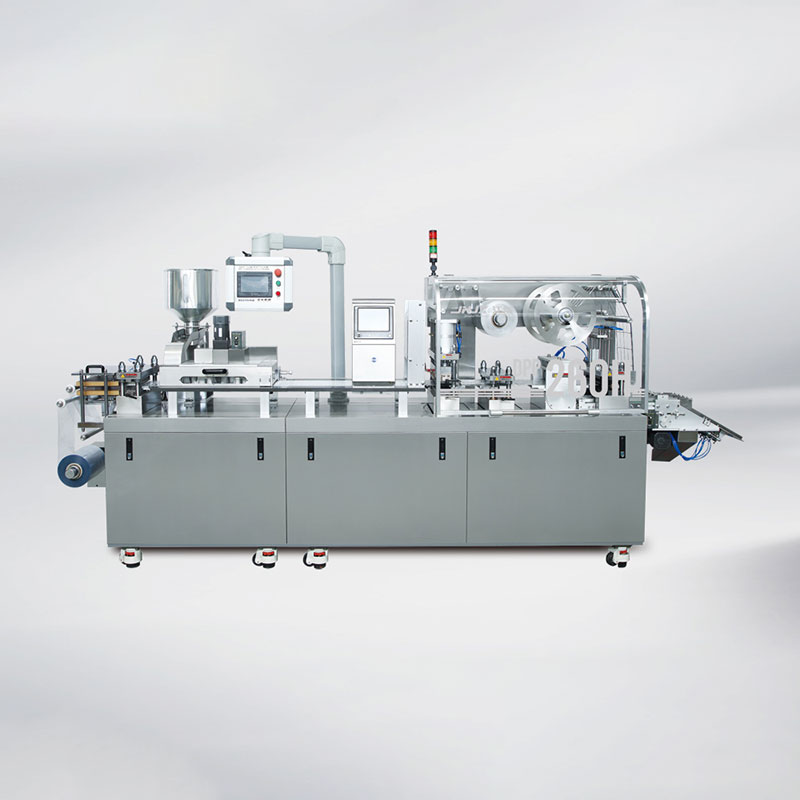 DPP-260H_DPP-320H Flat-plate Blister Packing Machine
 -
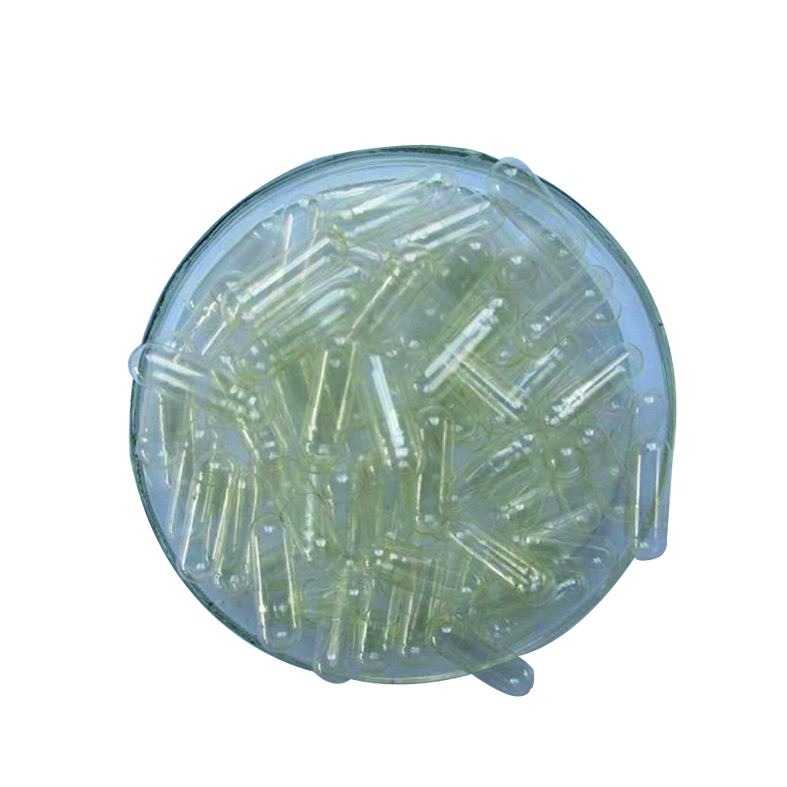 Halal Certificate Empty Clear Hard Gelatin Capsules Shell Size 0
Related Search
Related Search- Certificate empty vegetarian capsules size 000
- Certificate size 1 capsule filling machine
- Certificate capsule filling machine 00
- Best BOVINE HARD GELATIN CAPSULE
- Discount njp 1200
- high quality clear vegetable capsules
- OEM HPMC Empty Capsule Shell
- OEM Blister machine FOR CAPSULE
- Discount empty vegetarian capsules near me
- OEM vegetable capsules sizes