
- English
- Chinese
- French
- German
- Portuguese
- Spanish
- Russian
- Japanese
- Korean
- Arabic
- Irish
- Greek
- Turkish
- Italian
- Danish
- Romanian
- Indonesian
- Czech
- Afrikaans
- Swedish
- Polish
- Basque
- Catalan
- Esperanto
- Hindi
- Lao
- Albanian
- Amharic
- Armenian
- Azerbaijani
- Belarusian
- Bengali
- Bosnian
- Bulgarian
- Cebuano
- Chichewa
- Corsican
- Croatian
- Dutch
- Estonian
- Filipino
- Finnish
- Frisian
- Galician
- Georgian
- Gujarati
- Hausa
- Hawaiian
- Hebrew
- Hmong
- Hungarian
- Icelandic
- Igbo
- Javanese
- Kannada
- Kazakh
- Khmer
- Kurdish
- Kyrgyz
- Latin
- Latvian
- Lithuanian
- Luxembou..
- Macedonian
- Malagasy
- Malay
- Malayalam
- Maltese
- Maori
- Marathi
- Mongolian
- Burmese
- Nepali
- Norwegian
- Pashto
- Persian
- Punjabi
- Serbian
- Sesotho
- Sinhala
- Slovak
- Slovenian
- Somali
- Samoan
- Scots Gaelic
- Shona
- Sindhi
- Sundanese
- Swahili
- Tajik
- Tamil
- Telugu
- Thai
- Ukrainian
- Urdu
- Uzbek
- Vietnamese
- Welsh
- Xhosa
- Yiddish
- Yoruba
- Zulu
- Kinyarwanda
- Tatar
- Oriya
- Turkmen
- Uyghur


sizes of veggie capsules
html
Understanding the Sizes of Veggie Capsules
If you’ve ever wandered into the world of dietary supplements, you might have noticed that veggie capsules come in a variety of sizes. Choosing the right size isn't always intuitive, and can often feel like a guessing game. Understanding the nuances behind these sizes and how they align with different needs is essential for anyone in the supplement industry, whether you’re a hobbyist formulator or part of a larger operation like SUQIAN KELAIYA INTERNATIONAL TRADING CO., LTD.
Basics of Veggie Capsule Sizes
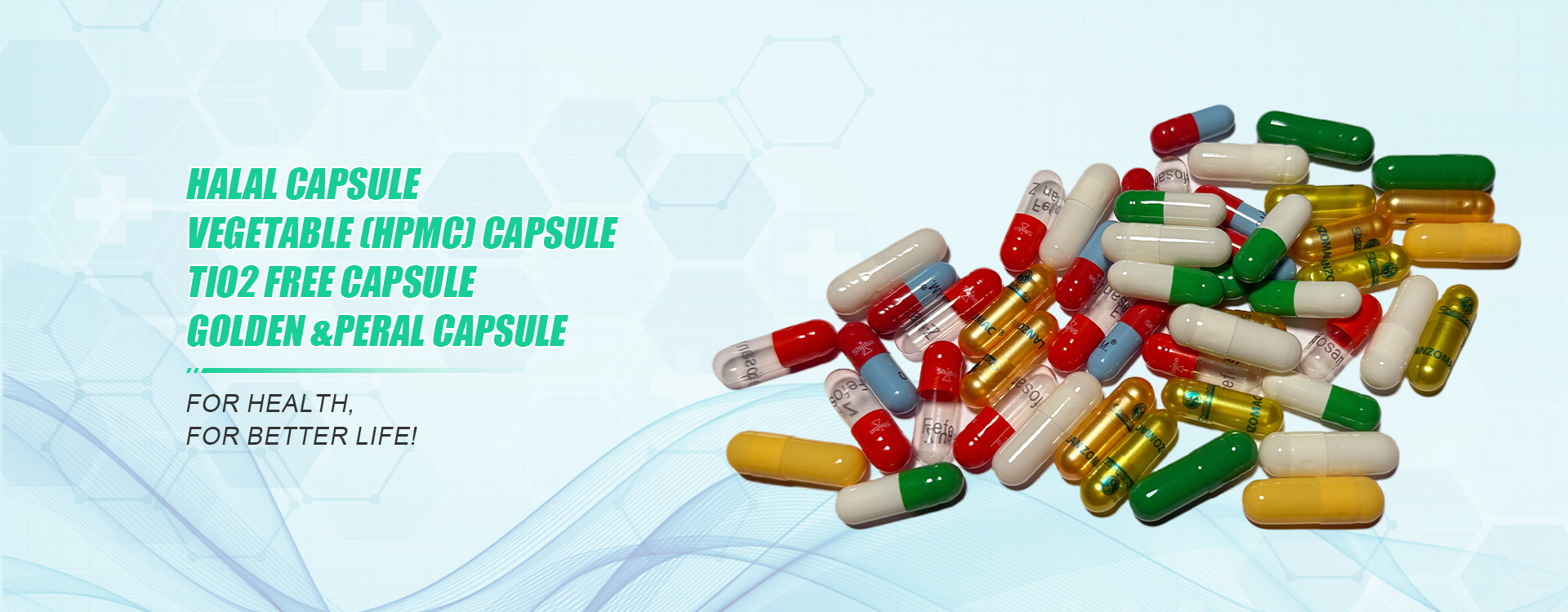
When we talk about sizes of veggie capsules, it's easy to get overwhelmed by the numbers—000, 00, 0, and so forth. These numbers simply denote volume capacity, but the specifics can be quite practical depending on your formulation needs. For instance, a size 000 capsule is the largest, holding about 1,000 mg, but that's under ideal conditions and depends largely on the density of the material you're encapsulating.
I remember working with a formulation that needed a delicate balance. The customer wanted a veggie capsule due to dietary restrictions, but the blend was bulky. We ended up testing several sizes. Sizes 0 and 00 are quite common for supplements, due to their balance between swallowability and capacity. In my experience, size 0 often hits that sweet spot for most blends.
Suqian kelaiya corp., with its facilities in Zhejiang and Jiangsu, often deals with these practicalities. The choice of capsule size is pivotal in both R&D and manufacturing stages, where the perfect balance ensures compliance and consumer satisfaction.
Common Challenges and Solutions
I once worked on a project that demanded a precise herb combination. The blend was dense, and choosing the right capsule was a puzzle. The first batches used size 00, but they proved difficult to swallow for some customers. Feedback is invaluable—sometimes you have to pivot. We switched to size 0 after listening to early testers, which improved the acceptance rate dramatically.
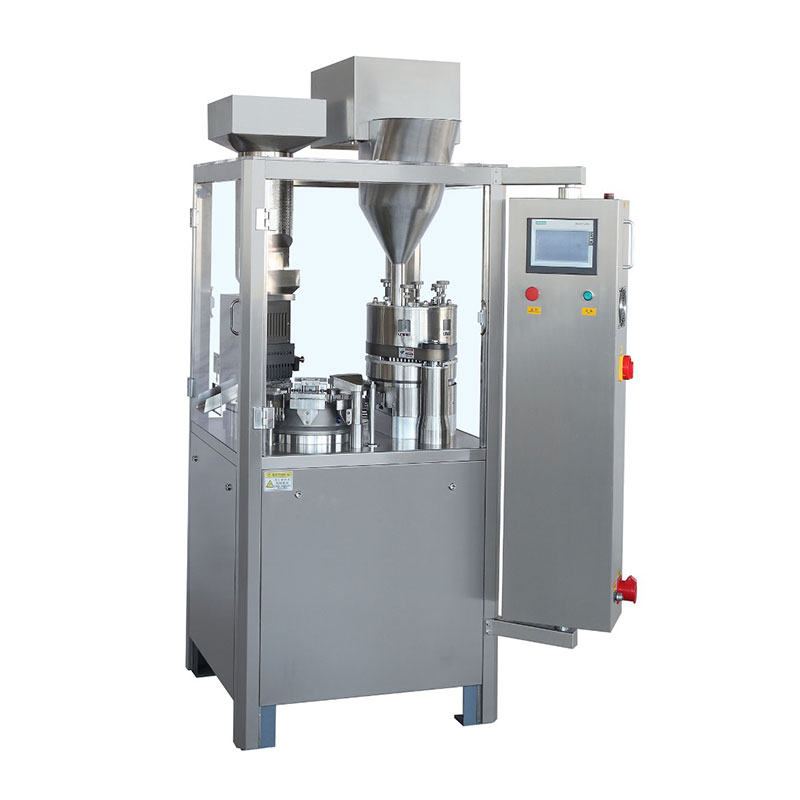
Another challenge lies in the equipment. Capsule filling machines have specifications that must align with the capsule size you're working with. If you’re utilizing a machine designed for size 0 capsules, trying to run size 000 through it will create issues. Companies like SUQIAN KELAIYA INTERNATIONAL TRADING CO., LTD. integrate such considerations right from the start, ensuring their machinery is compatible with a variety of capsule sizes.
The trick is often in the trial runs. It’s tempting to rely on calculations alone, but real-world variables like humidity and ingredient texture can affect the encapsulation. Running a few test batches is always wise.
Practical Considerations
In my various projects, the material of the capsule itself is another consideration. Veggie capsules, mainly made from hypromellose, offer an alternative for vegetarian and vegan consumers. However, the compatibility of this material with different fillers deserves attention. For some acidic contents, a gel capsule might be more suitable even if it limits the audience.
At Suqian kelaiya corp., we often advise clients to consider the end-use when making such decisions. This isn't just about offering vegetarian alternatives, it's about understanding the consumer's needs within the market context which is often regional.
Moreover, storage plays a part—veggie capsules are less susceptible to humidity than gelatin, but they aren’t immune. Packaging solutions also need to adapt accordingly when selecting your capsule size and type.
Regulatory and Market Influences
I've learned that depending on the target market, certain regulatory aspects may influence the choice of capsule size. For instance, in some regions, larger capsules may be frowned upon by regulators or consumers alike due to swallowability concerns. To navigate these nuances, strong market analysis is as crucial as technical expertise.
Building networks with local regulatory bodies can smooth the path significantly. At SUQIAN KELAIYA INTERNATIONAL TRADING CO., LTD., such relationships are just as critical as the technical capabilities we picture in our manufacturing nodes.
Marketing influences shouldn't be underestimated either. Capsule size can impact branding—a large dose may seem more potent, but also daunting. Understanding the consumer psyche is often as important as understanding the science.
Future Directions and Innovations
The supplement industry is constantly evolving. New trends in fill materials and capsule technologies, like delayed-release veggies, bring fascinating changes. Keeping abreast of innovations is more than just a hobby for companies like ours—it's a necessity.
Imagine a context where every customer's preference for a capsule size could be met with 3D printing technology. While it may sound far-fetched now, these advances are on the horizon and could revolutionize how we think about encapsulation.
In the meantime, companies like SUQIAN KELAIYA INTERNATIONAL TRADING CO., LTD. continue to explore these pathways. Capsules may appear simple, but selecting the right one can make all the difference in a product's success or failure. My advice—keep learning, keep testing, and don't shy away from revisiting the basics of sizes of veggie capsules.
Related Products
Related Products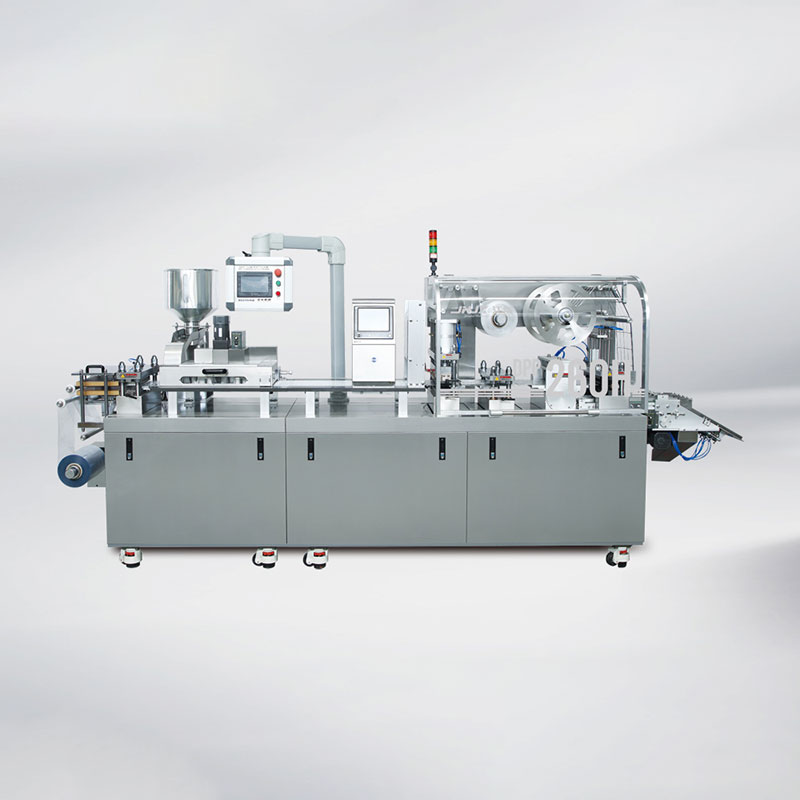
Best Selling Products
Best Selling Products-
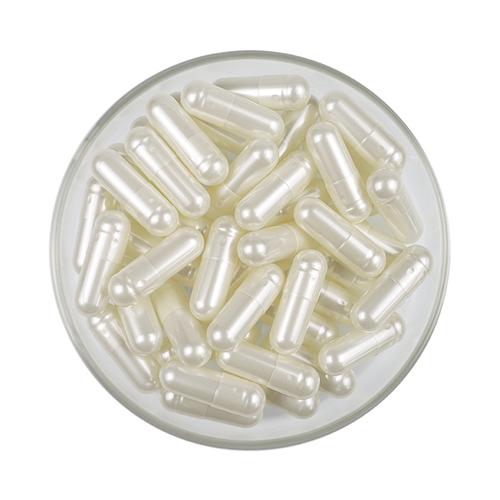 Golden_Pearl Hard Gelatin Capule
 -
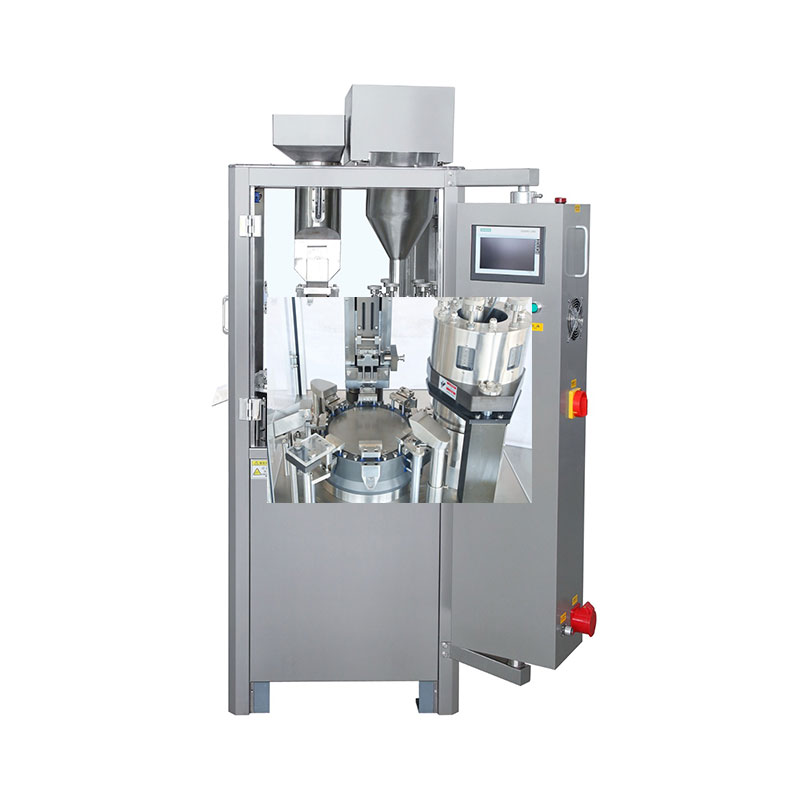 NJP-200 Model Fully Automatic Capsule Filling Machine
 -
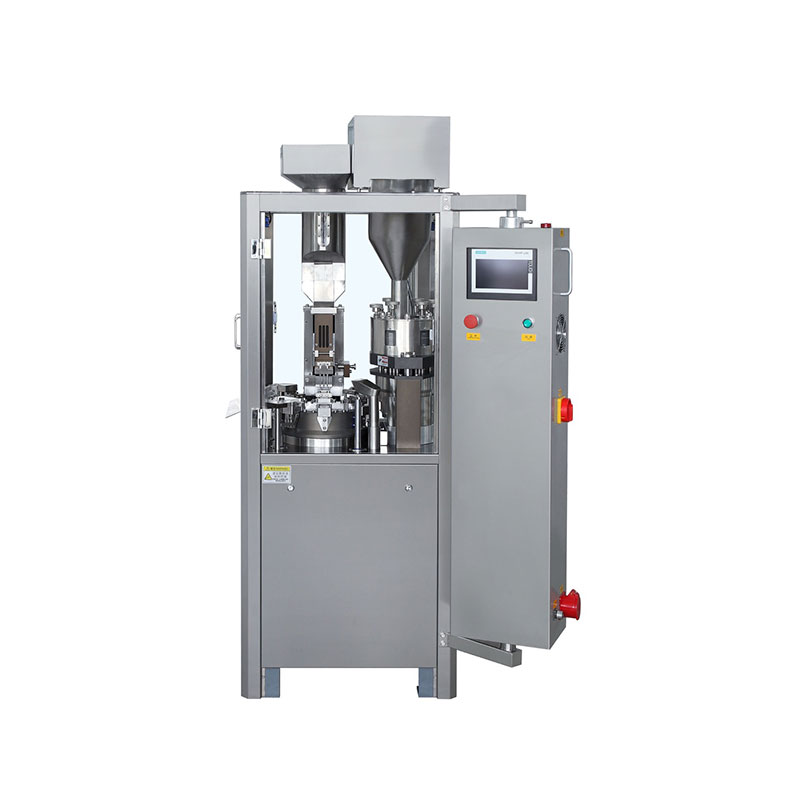 NJP-400 Fully Automatic Capsule Filling Machine
 -
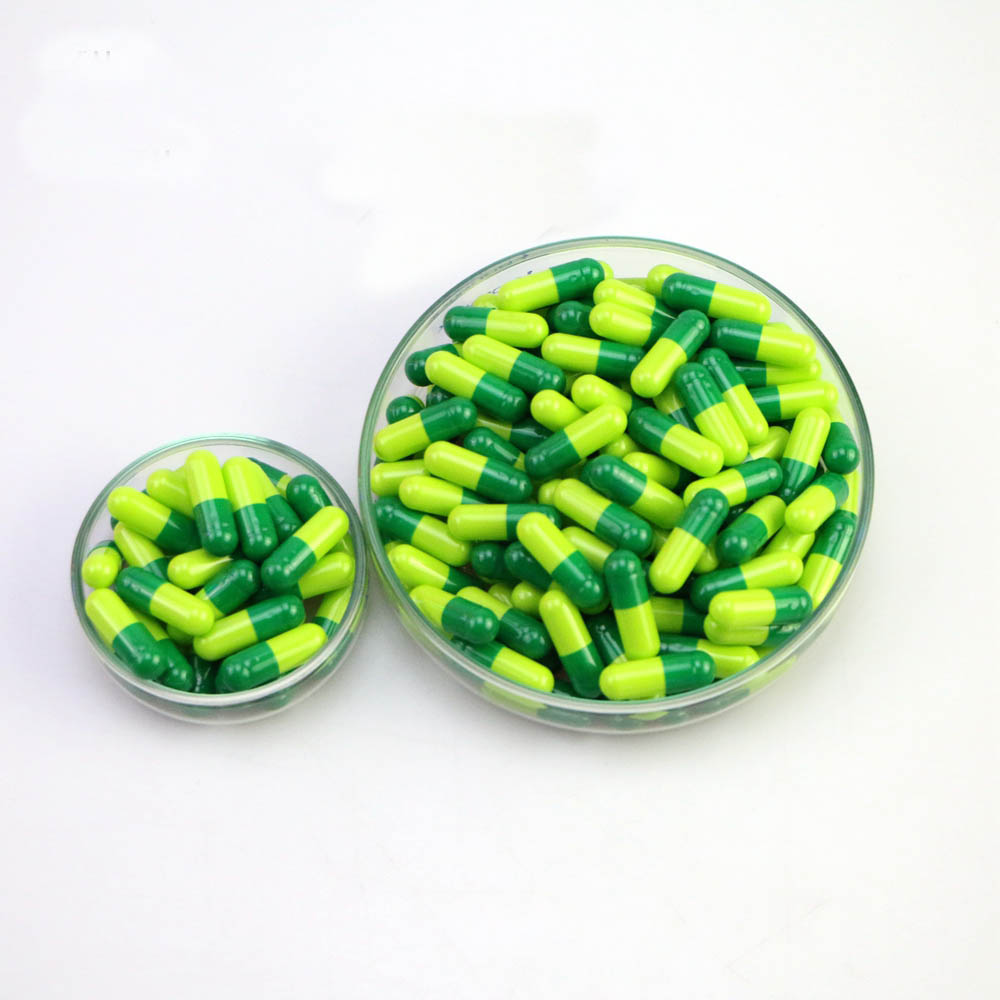 Halal empty hard geltin capsule
 -
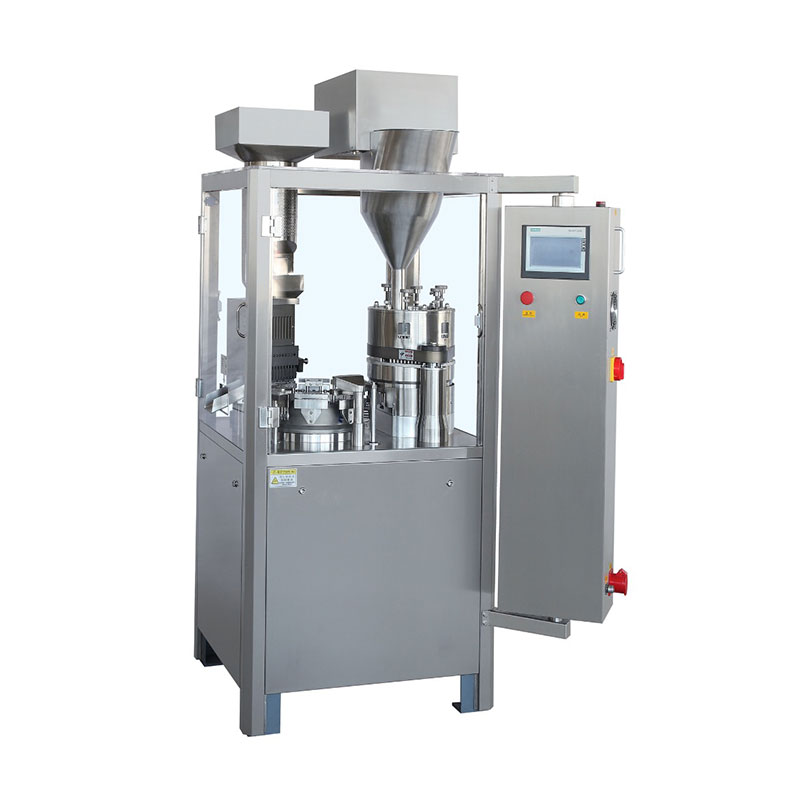 NJP-800 Automatic Capsule Filling Machine
 -
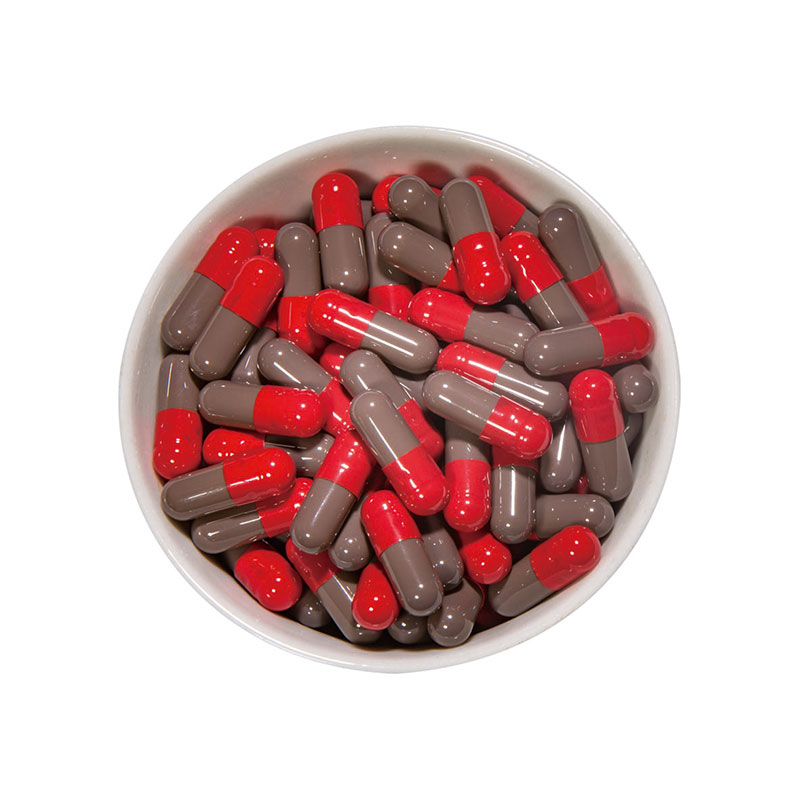 TIO2 free gelatin CAPSULE
 -
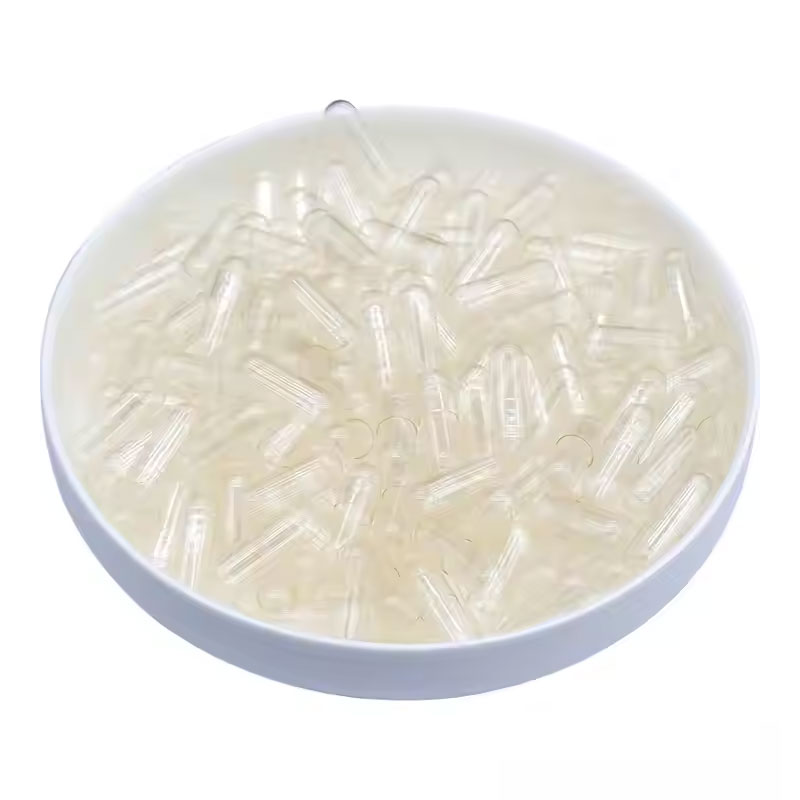 EMPTY VEGATABLE CAPSULE CLEAR SIZE 0
 -
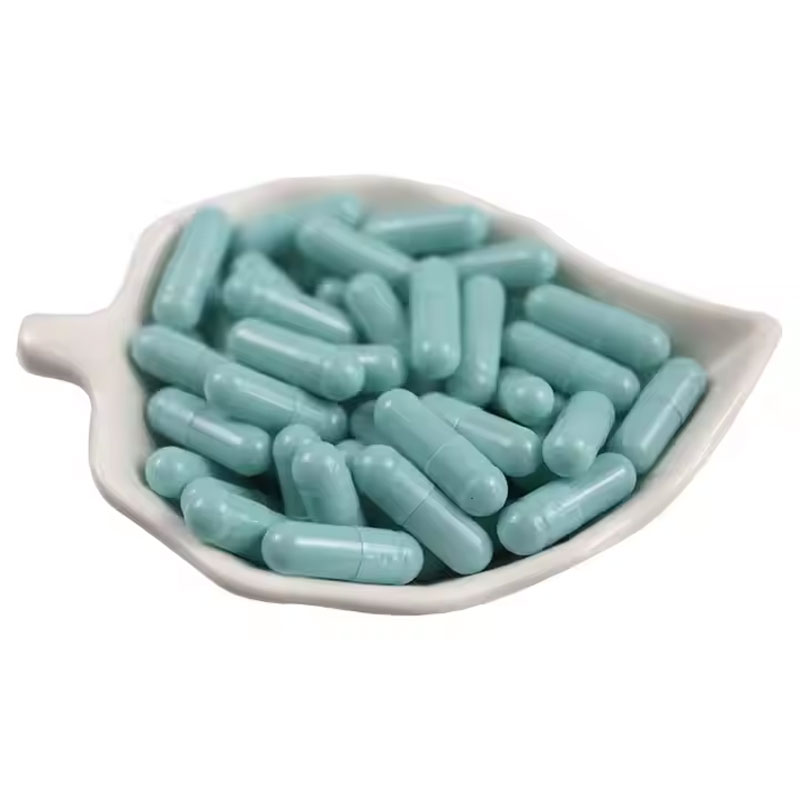 Vegetarian Separated Capsules HPMC Capsules Separated Wholesale Vegetarian Capsules Discount for Bulk Orders
 -
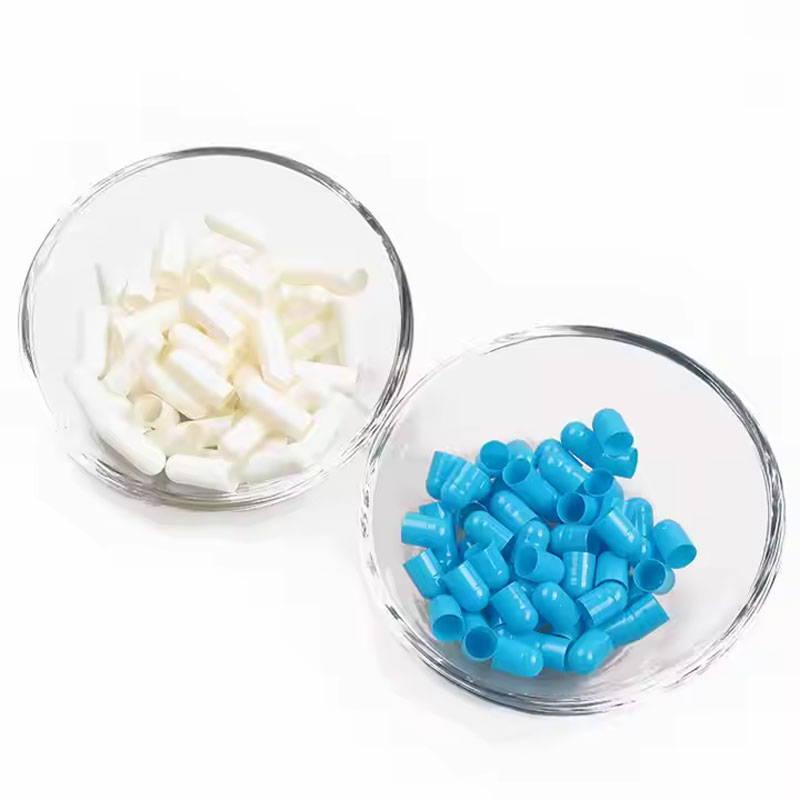 Empty VegCaps Shell Clear Empty Vegan Plant-Based Capsules Size 00 0 1 2 3 4 Natural Vegetable HPMC Capsules
 -
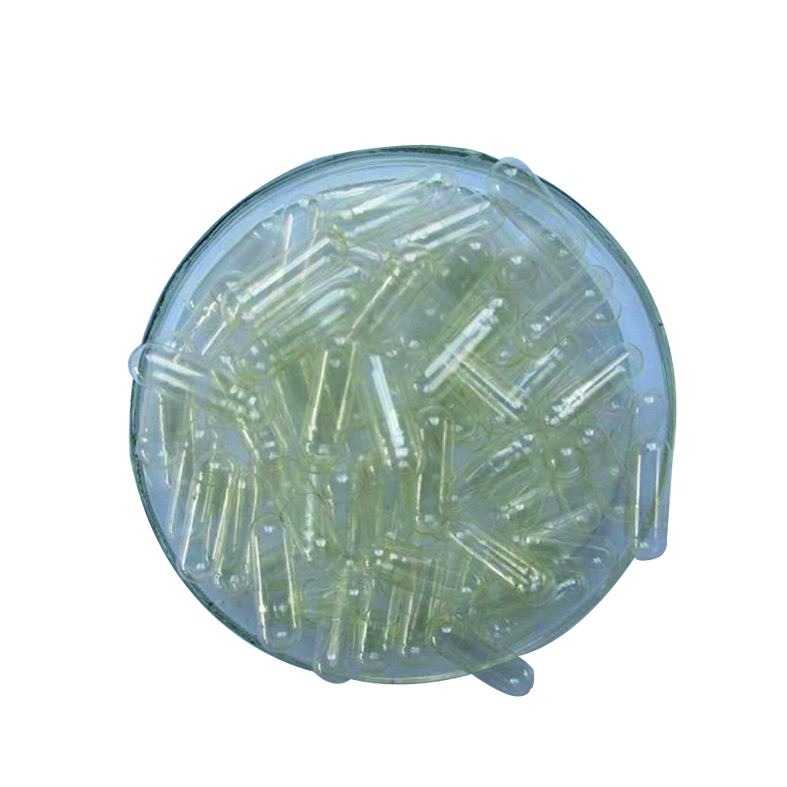 Halal Certificate Empty Clear Hard Gelatin Capsules Shell Size 0
 -
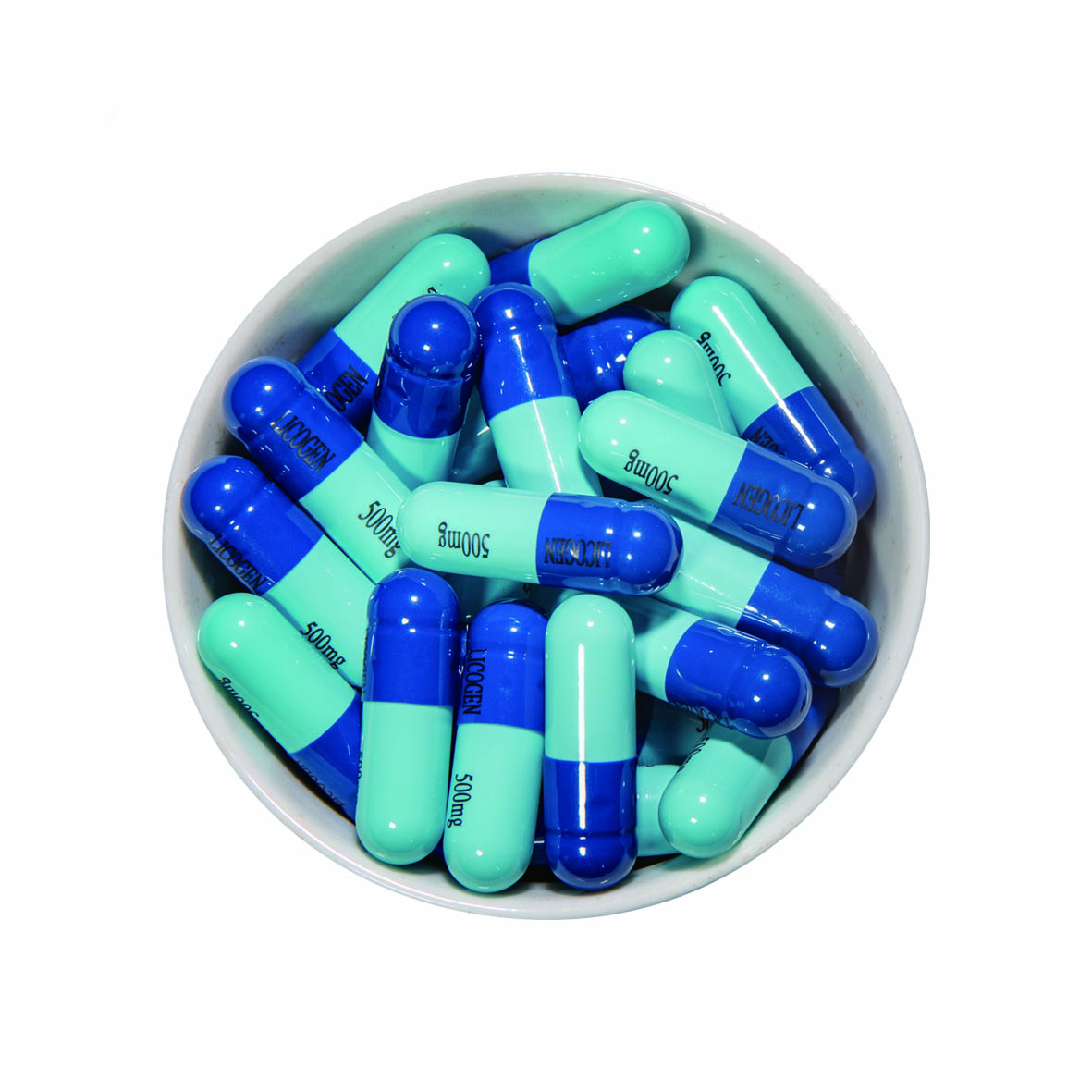 Hard Gelatin Empty Capsule Shell Size 00 0 1 2 3 4
 -
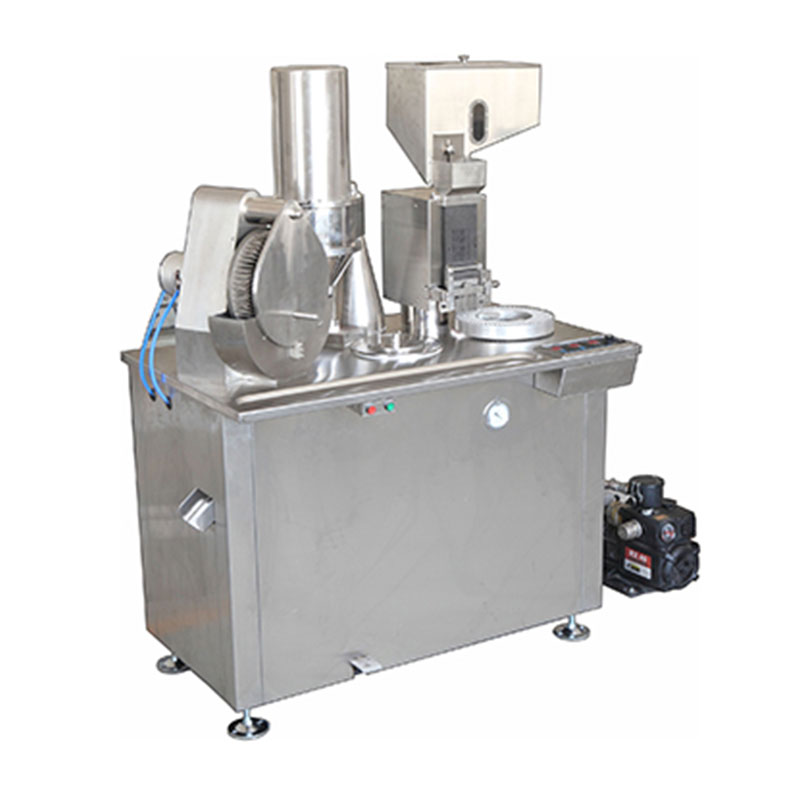 CGN208-D Newest Type Semi Automatic Capsule Filling Machine
Related Search
Related Search- Certificate DPP 80 Blister machinePVC/ALU
- OEM size 0 capsule filling machine
- OEM small automatic capsule filling machine
- best capsule filling machine
- high quality capsule filler
- OEM sizes of veggie capsules
- Best 000 veggie capsules
- Best semi automatic capsule filling machine for sale
- OEM DPP 140 Blister machine
- Best professional capsule filling machine