
- English
- Chinese
- French
- German
- Portuguese
- Spanish
- Russian
- Japanese
- Korean
- Arabic
- Irish
- Greek
- Turkish
- Italian
- Danish
- Romanian
- Indonesian
- Czech
- Afrikaans
- Swedish
- Polish
- Basque
- Catalan
- Esperanto
- Hindi
- Lao
- Albanian
- Amharic
- Armenian
- Azerbaijani
- Belarusian
- Bengali
- Bosnian
- Bulgarian
- Cebuano
- Chichewa
- Corsican
- Croatian
- Dutch
- Estonian
- Filipino
- Finnish
- Frisian
- Galician
- Georgian
- Gujarati
- Hausa
- Hawaiian
- Hebrew
- Hmong
- Hungarian
- Icelandic
- Igbo
- Javanese
- Kannada
- Kazakh
- Khmer
- Kurdish
- Kyrgyz
- Latin
- Latvian
- Lithuanian
- Luxembou..
- Macedonian
- Malagasy
- Malay
- Malayalam
- Maltese
- Maori
- Marathi
- Mongolian
- Burmese
- Nepali
- Norwegian
- Pashto
- Persian
- Punjabi
- Serbian
- Sesotho
- Sinhala
- Slovak
- Slovenian
- Somali
- Samoan
- Scots Gaelic
- Shona
- Sindhi
- Sundanese
- Swahili
- Tajik
- Tamil
- Telugu
- Thai
- Ukrainian
- Urdu
- Uzbek
- Vietnamese
- Welsh
- Xhosa
- Yiddish
- Yoruba
- Zulu
- Kinyarwanda
- Tatar
- Oriya
- Turkmen
- Uyghur


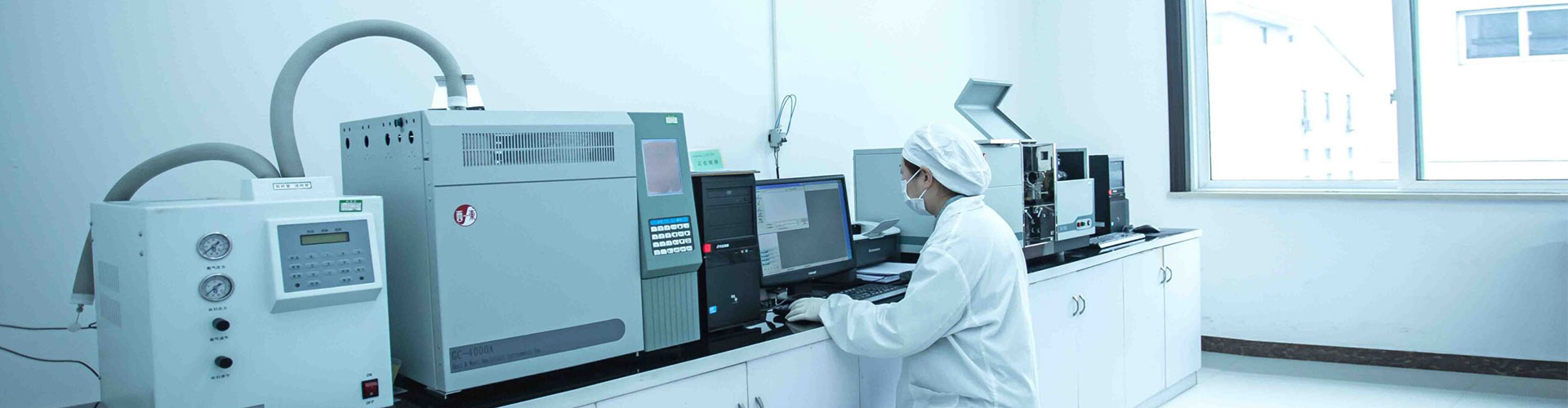
size 5 capsule filling machine
Choosing the Right Size 5 Capsule Filling Machine
When it comes to capsule filling machines, the size 5 capsule filling machine is a specific niche that often gets overlooked. People tend to focus on larger sizes, but there’s a unique market and challenge in dealing with the smallest capsules available. In my experience, understanding these nuances is crucial if you want to avoid common pitfalls.
Understanding Size 5 Capsules
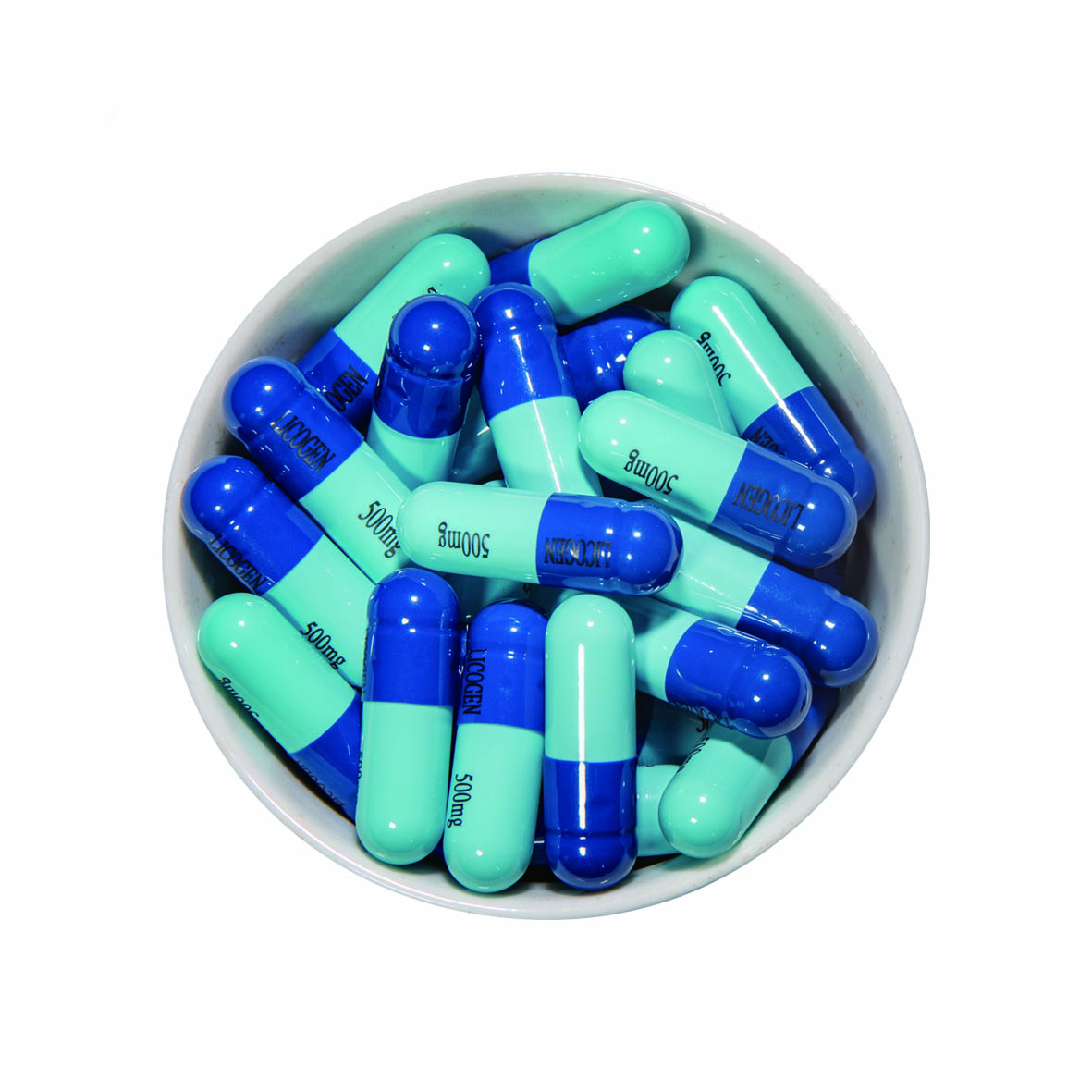
Size 5 capsules are the smallest in the standard range, often used for specific supplements or medications where dosage needs to be minimal. It’s essential for anyone in the field to recognize that handling and filling these requires precision and specialized equipment. My time testing different machines revealed that not all are created equal. Some machines may appear to handle size 5, but operational efficiency and accuracy vary greatly.
In practical terms, the minor differences in dimensions can make all the difference. The filling material also plays a role—densities and flow characteristics can change how effectively a machine operates. A common mistake is to underinvest in equipment, thinking smaller capsules are simply smaller problems.
For instance, in one of the projects at SUQIAN KELAIYA INTERNATIONAL TRADING CO., LTD, whose scope spans drug development and capsule manufacturing, there was a noticeable improvement when a higher-spec machine was deployed. We were able to increase production while maintaining quality, all thanks to a better understanding of the capsule’s quirks.
Selecting the Right Machine
One key factor you’ll encounter is the design of the filling mechanism. Machines with customizable settings for tamping pressure and dosing amount can significantly impact your end results. The flexibility is a game-changer, especially if you’re working in a multifaceted production environment.
During a site visit to our Zhejiang facility, we tested a few models. It was obvious that, for size 5, pneumatic systems had an edge. The precision they provided was unmatched by mechanical alternatives. However, don't just go for pneumatic without understanding the added maintenance and operational costs it incurs.
Sometimes, the choice boils down to whether you’ll be dealing with frequent changeovers. Smaller runs may justify a more adaptable system, albeit at a higher price point. Our decision-making process at Suqian kelaiya corp. always incorporates long-term cost analysis, not just the initial outlay.
Ensuring Quality Control
One thing we can’t stress enough is the importance of quality control when working with size 5 capsule filling machines. Smaller capsules mean smaller margins for error, and even minor misalignments can lead to significant waste. Automating quality checks can save time and money.
But automation isn’t a blanket solution. We had an instance where relying solely on automated systems missed a batch issue. It wasn't until manual checks were reintroduced that the problem was identified. This taught us that a balanced approach works best.
Regular calibration of your machines is vital, and documenting these processes can preemptively identify trends or recurring issues. Establishing a feedback loop between production and quality teams can streamline this process and improve your outcomes.
Training and Operational Expertise
Investing in machinery is only part of the equation. Ensuring your operators are skilled in running these specialized machines makes a measurable difference. At SUQIAN KELAIYA, ongoing training programs are part and parcel of our operational ethos.
We noticed long ago that teams who understand the ‘why’ behind a procedure are less likely to make errors. Each employee who operates a filling machine, for example, undergoes a tiered training program that’s both their responsibility and ours to maintain.
Moreover, cross-training staff in maintenance and operation leads to higher engagement and problem-solving capacity. If a machine glitches, you don’t want to be in a position where you’re solely reliant on an external technician to diagnose or fix it.
Cost Considerations
Lastly, when contemplating an investment in a size 5 capsule filling machine, understanding the total cost of ownership is crucial. It’s not just the purchase price but also the running costs, including energy consumption, spare parts, and downtime potential.
On one occasion, we acquired a lower-cost model, thinking it was an economical decision. However, over time, the spare parts and maintenance costs escalated beyond initial estimates, affecting our bottom line. Now, a detailed cost analysis and a good understanding of the manufacturer’s support network are part of our standard purchasing protocol.
In summary, effectively using a size 5 capsule filling machine involves balancing precision, quality control, and comprehensive staff training. As shown by our practices at Suqian kelaiya corp., having the right expertise and an adaptable approach makes handling even the smallest of capsules a manageable task.
Related Products
Related Products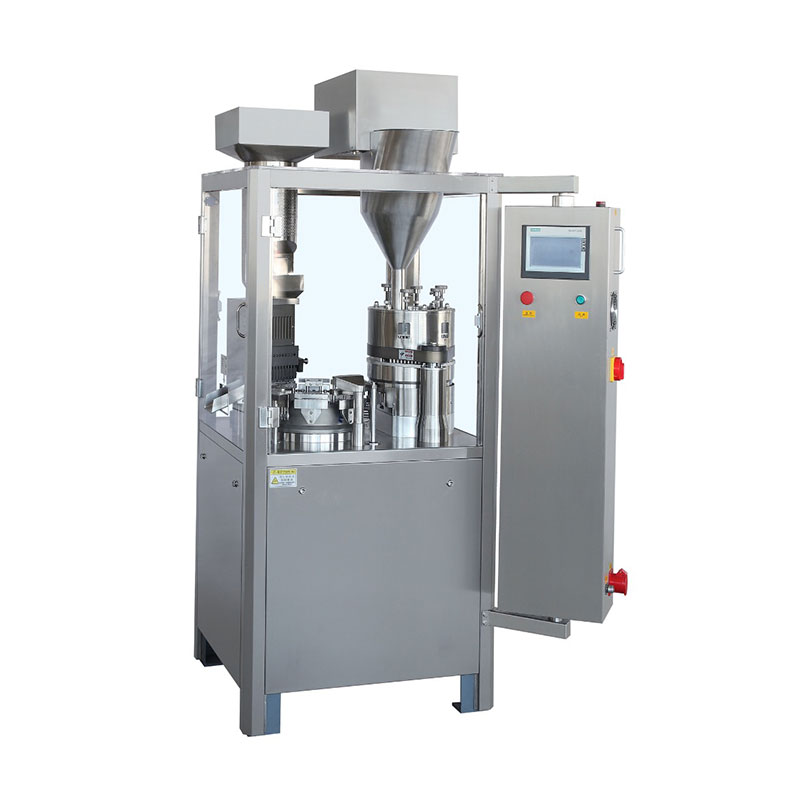


Best Selling Products
Best Selling Products-
 EMPTY HPMC CAPSULE SIZE 00 CLEAR
 -
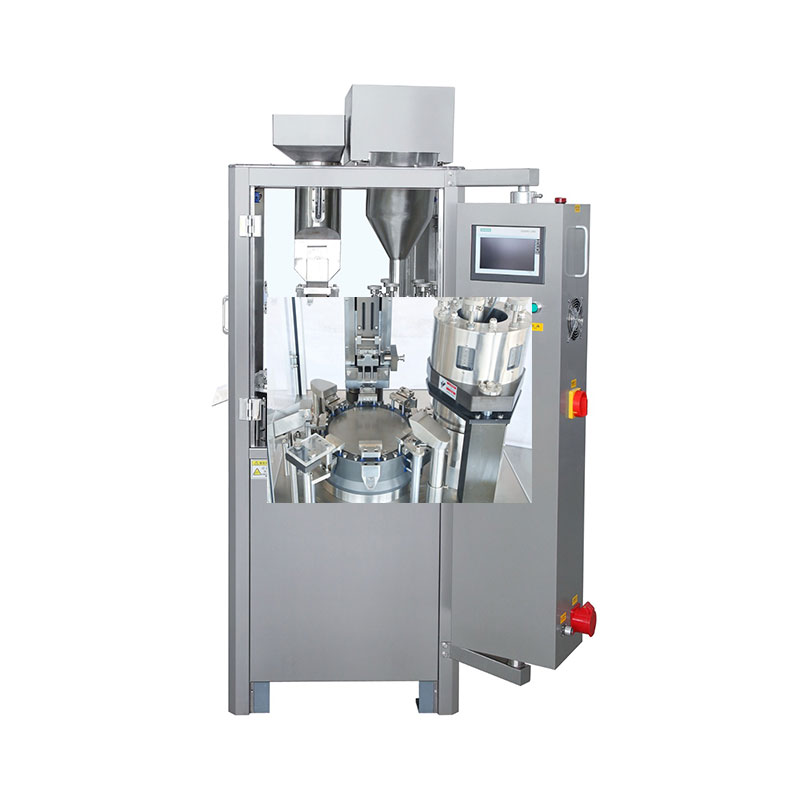
 NJP-400 Fully Automatic Capsule Filling Machine
 -
 Halal empty hard geltin capsule
 -
 CGN208-D Newest Type Semi Automatic Capsule Filling Machine
 -
 Size 00 hpmc capsules vegetarian capsules empty hard veggie capsules
 -
 Hpmc Capsules Product Plant Vegetarian Size 00 0 Capsule Shell
 -
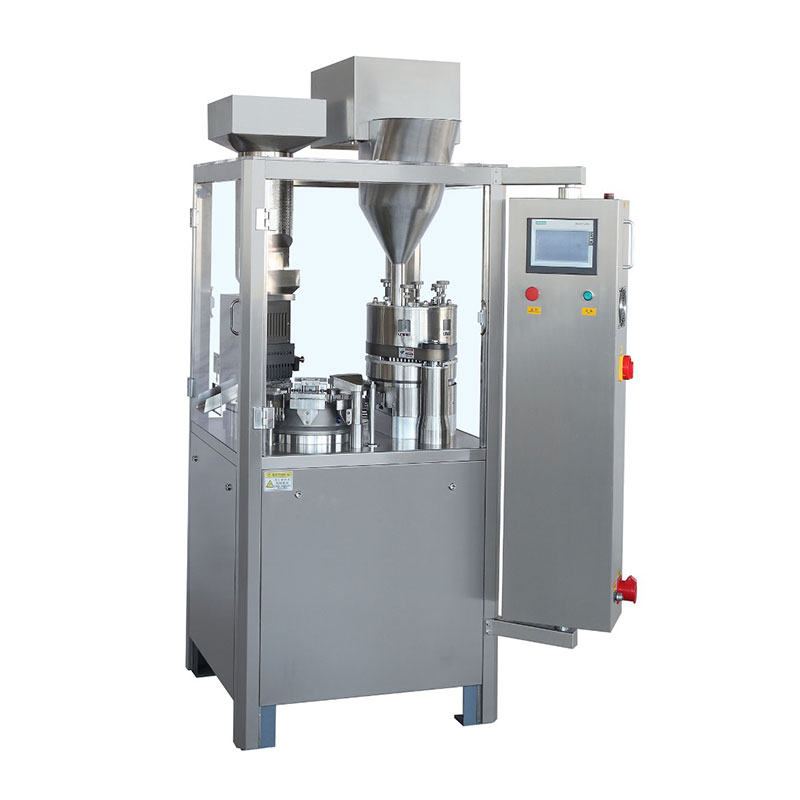 NJP-1200 Automatic Capsule Filling Machine
 -
 Empty VegCaps Shell Clear Empty Vegan Plant-Based Capsules Size 00 0 1 2 3 4 Natural Vegetable HPMC Capsules
 -
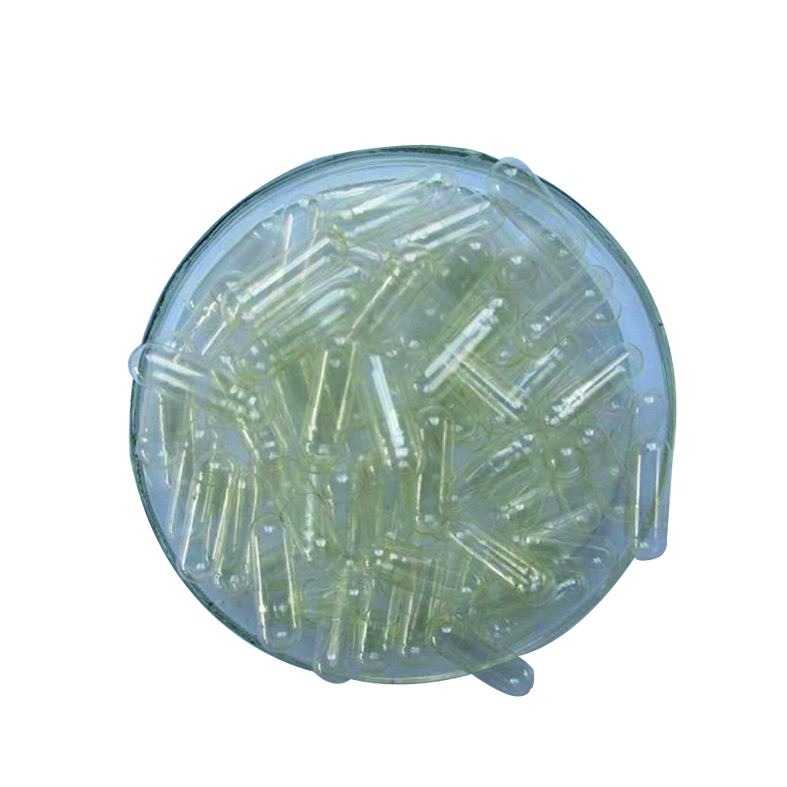 Halal Certificate Empty Clear Hard Gelatin Capsules Shell Size 0
 -
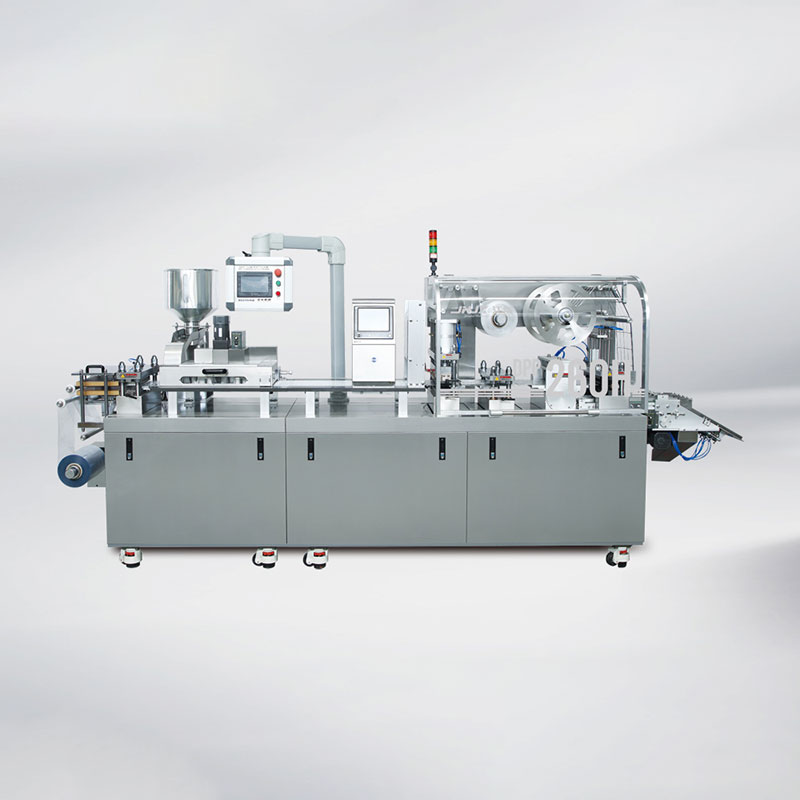 DPP-260H_DPP-320H Flat-plate Blister Packing Machine
 -
 Vegetarian Separated Capsules HPMC Capsules Separated Wholesale Vegetarian Capsules Discount for Bulk Orders
 -
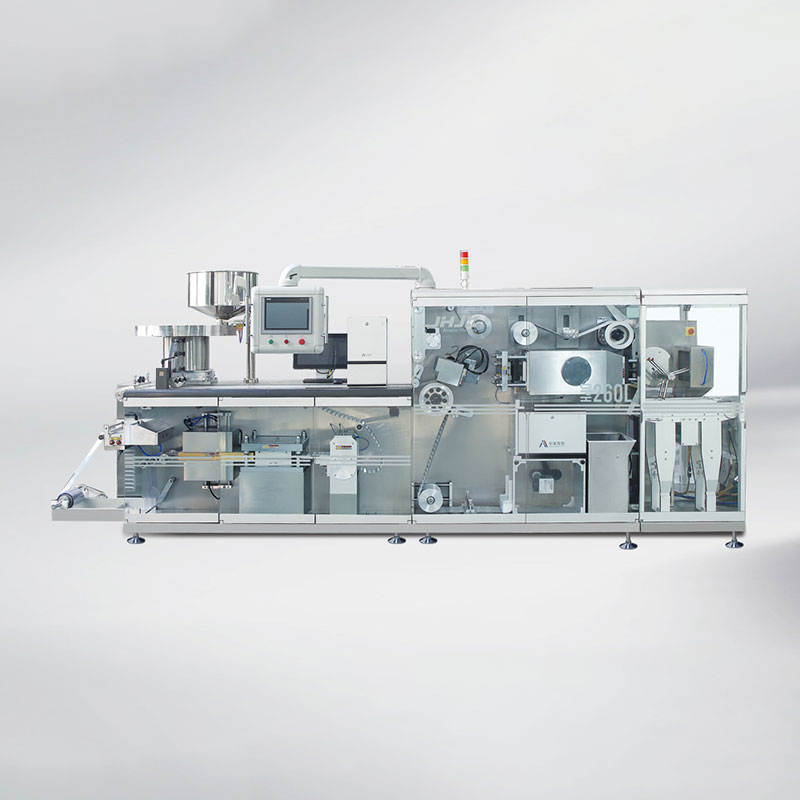 DPH-260L Roll-plate Blister Packaging Machine
Related Search
Related Search- high quality 000 empty vegetarian capsules
- Best 000 capsule filler
- Discount capsule filling machine size 00
- Certificate Empty Gealtin Capusle
- Discount CLEAR HPMC CAPSULE
- Certificate size 0 vegetarian capsules
- Discount automatic capsule filling machine 00
- high quality 0 capsule filling machine
- Certificate capsule machine filler size 00
- Best size 0 vegetarian capsules