
- English
- Chinese
- French
- German
- Portuguese
- Spanish
- Russian
- Japanese
- Korean
- Arabic
- Irish
- Greek
- Turkish
- Italian
- Danish
- Romanian
- Indonesian
- Czech
- Afrikaans
- Swedish
- Polish
- Basque
- Catalan
- Esperanto
- Hindi
- Lao
- Albanian
- Amharic
- Armenian
- Azerbaijani
- Belarusian
- Bengali
- Bosnian
- Bulgarian
- Cebuano
- Chichewa
- Corsican
- Croatian
- Dutch
- Estonian
- Filipino
- Finnish
- Frisian
- Galician
- Georgian
- Gujarati
- Hausa
- Hawaiian
- Hebrew
- Hmong
- Hungarian
- Icelandic
- Igbo
- Javanese
- Kannada
- Kazakh
- Khmer
- Kurdish
- Kyrgyz
- Latin
- Latvian
- Lithuanian
- Luxembou..
- Macedonian
- Malagasy
- Malay
- Malayalam
- Maltese
- Maori
- Marathi
- Mongolian
- Burmese
- Nepali
- Norwegian
- Pashto
- Persian
- Punjabi
- Serbian
- Sesotho
- Sinhala
- Slovak
- Slovenian
- Somali
- Samoan
- Scots Gaelic
- Shona
- Sindhi
- Sundanese
- Swahili
- Tajik
- Tamil
- Telugu
- Thai
- Ukrainian
- Urdu
- Uzbek
- Vietnamese
- Welsh
- Xhosa
- Yiddish
- Yoruba
- Zulu
- Kinyarwanda
- Tatar
- Oriya
- Turkmen
- Uyghur


OEM TiO2 free Gelatin Capsule
Exploring the World of OEM TiO2 Free Gelatin Capsules
The movement towards OEM TiO2 free gelatin capsule formulations is increasingly gaining traction within the pharmaceutical and nutraceutical industries. As someone who’s spent years observing market trends and evolving consumer demands, the switch away from using titanium dioxide seems sensible but not without its challenges and considerations.
Understanding the Shift Away from Titanium Dioxide
The initial push towards eliminating titanium dioxide (TiO2) from gelatin capsules largely stems from regulatory changes and consumer preference for cleaner label products. While TiO2 has been a staple for enhancing opacity and whiteness in capsules, growing safety concerns and regulatory scrutiny, especially in Europe, have prompted manufacturers to consider alternative options.
For companies like Suqian Kelaiya International Trading Co., Ltd, which prides itself on innovation in drug development and manufacturing, this regulatory environment presents both a challenge and an opportunity. Transitioning to TiO2 free alternatives means reevaluating production processes and materials, which can be a daunting, albeit necessary, task.
It’s crucial to mention that when removing a ubiquitous ingredient like TiO2, maintaining the visual appeal and stability of the product is not straightforward. But that’s where expertise comes into play; finding the right balance can set a product apart in a crowded market.
The Role of Consumer Demand
There’s no denying that consumer awareness is at an all-time high. More than ever, individuals scrutinize labels and stay informed about what they consume. This demand for transparency and natural ingredients propels manufacturers towards OEM TiO2 free gelatin capsule solutions.
Often, the challenge lies in communicating the benefits of these transitions to consumers, a task Suqian Kelaiya Corp. takes seriously. Education through clear labeling and marketing that highlights the absence of TiO2 without compromising on quality can convert scrutiny into brand loyalty.
Anecdotally, some manufacturers initially struggled with public perception following the removal of TiO2, especially when faced with slight changes in capsule appearance. However, consistent consumer education and transparency have been pivotal in overcoming these hurdles.
Practical Challenges in Formulation
The technical aspect of creating a TiO2 free gelatin capsule is filled with trial and error. During my encounters with production teams, the removal of TiO2 required reformulating not only for aesthetic purposes but also for maintaining the capsule's integrity and performance.
Some replacement agents, like plant-based alternatives, can impact the weight, dissolution rate, or even the shelf life of capsules. It’s here that having a robust research and development infrastructure, as found in Suqian Kelaiya Corp., becomes invaluable.
Tailoring formulations to avoid compromise in therapeutic efficacy means heavily relying on innovative techniques and the expertise of chemists and process engineers. It’s a collaborative effort that sometimes demands the patience only acquired through seasoned experience.
Market Entry and Positioning Strategies
To effectively enter this new market segment, companies such as Suqian Kelaiya Corp. have had to adapt by investing in marketing that clearly communicates product benefits. This includes leaning on partnerships with other industry leaders and attending trade shows to showcase the capabilities of OEM TiO2 free gelatin capsule solutions.
Mastering the art of positioning these capsules involves highlighting advantages such as compliance with future regulatory standards and meeting consumer expectations. This, coupled with forging strong supply chain relationships, ensures a steady flow from production to market entry.
Initially, the investment might appear significant, but the potential for tapping into an emergent, health-conscious market segment offers substantial returns. Early adopters stand to benefit from establishing brand expertise and consumer trust well ahead of competitors.
Concluding Thoughts
The journey towards implementing OEM TiO2 free gelatin capsules is both challenging and rewarding. Companies like Suqian Kelaiya Corp. are leading the charge, working hard to align production capabilities with the growing demand for clean label products. The process is ongoing, full of learnings and innovations that will undoubtedly shape the industry's future landscape.
Ultimately, as regulatory environments evolve and consumer demands shift, the flexibility and forward-thinking approach adopted by manufacturers will determine long-term success. Investing in the future of capsule technology and consumer health is not just a trend; it’s a movement towards sustainable, responsible production.
Related Products
Related Products
Best Selling Products
Best Selling Products-
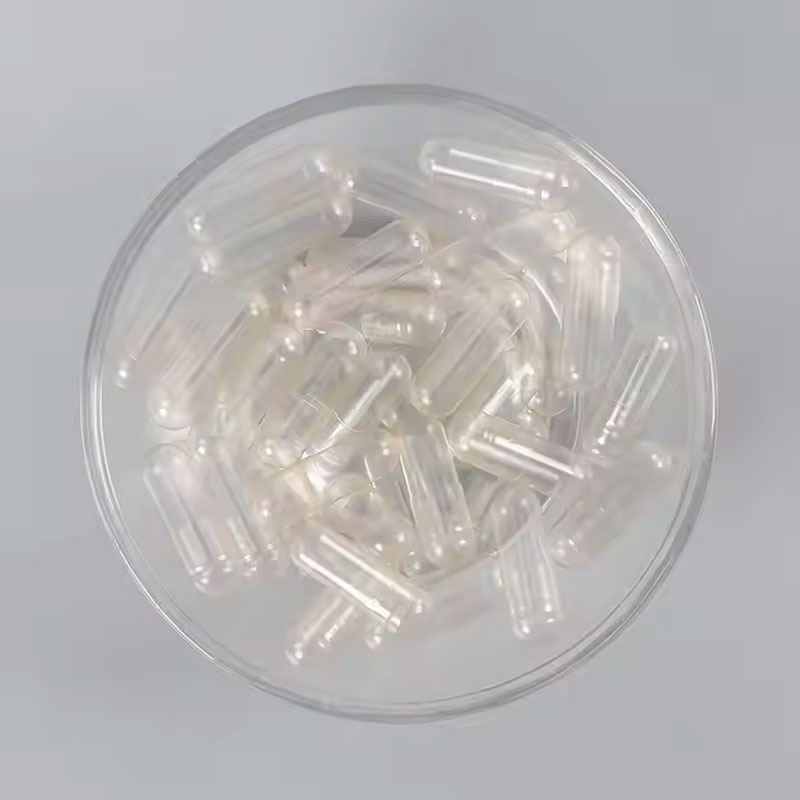 Hpmc Capsules Product Plant Vegetarian Size 00 0 Capsule Shell
 -
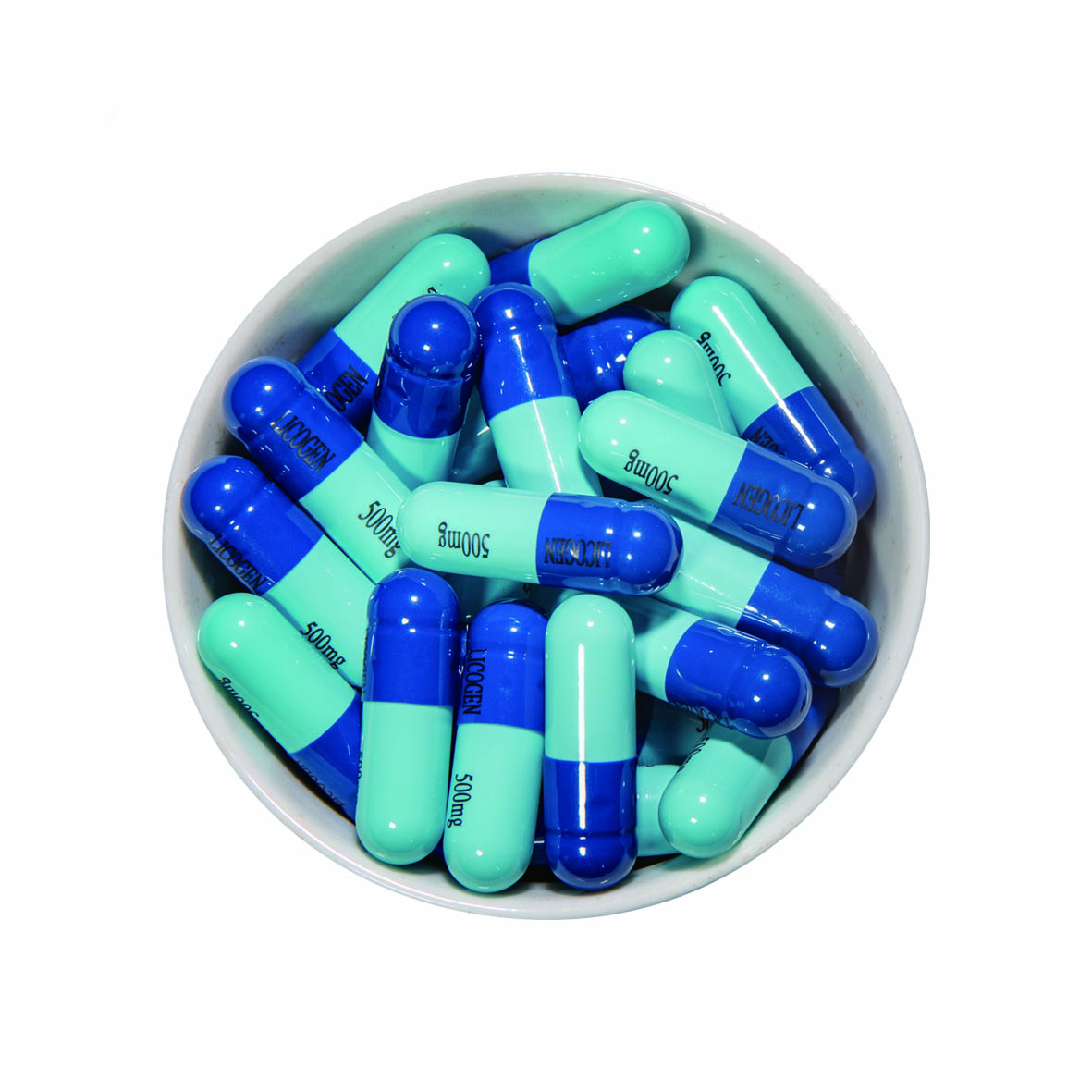 Hard Gelatin Empty Capsule Shell Size 00 0 1 2 3 4
 -
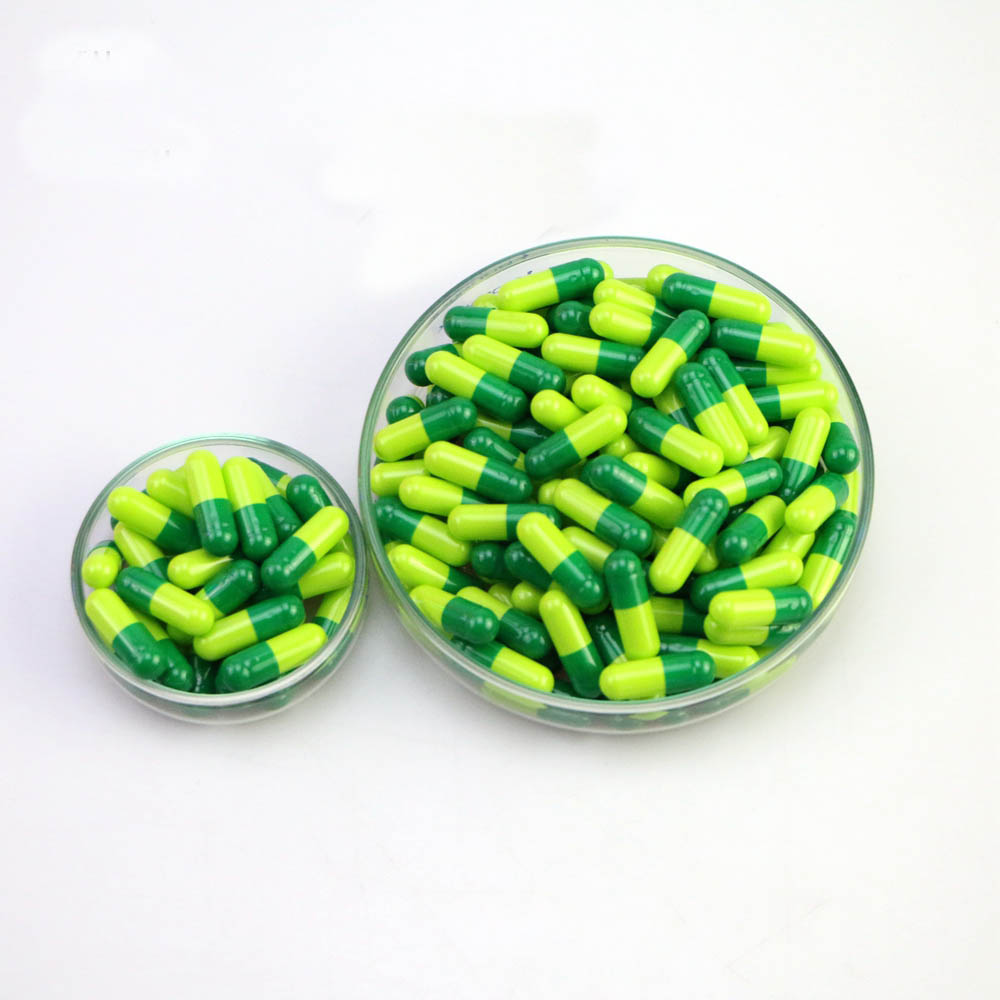 Halal empty hard geltin capsule
 -
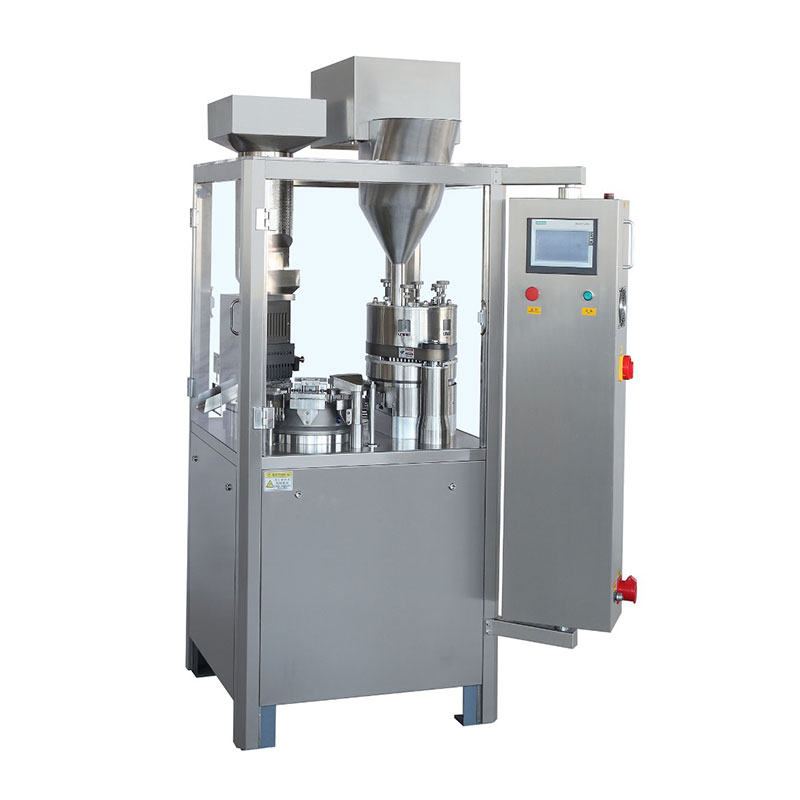 NJP-1200 Automatic Capsule Filling Machine
 -
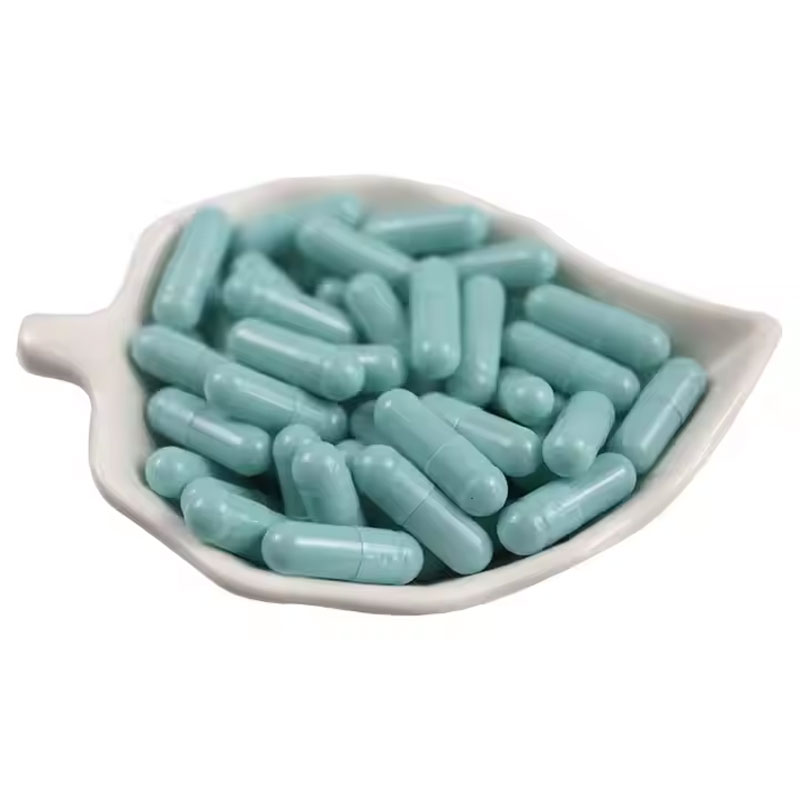 Vegetarian Separated Capsules HPMC Capsules Separated Wholesale Vegetarian Capsules Discount for Bulk Orders
 -
 NJP-800 Automatic Capsule Filling Machine
 -
 EMPTY HPMC CAPSULE SIZE 00 CLEAR
 -
 CGN208-D Newest Type Semi Automatic Capsule Filling Machine
 -
 TIO2 free gelatin CAPSULE
 -
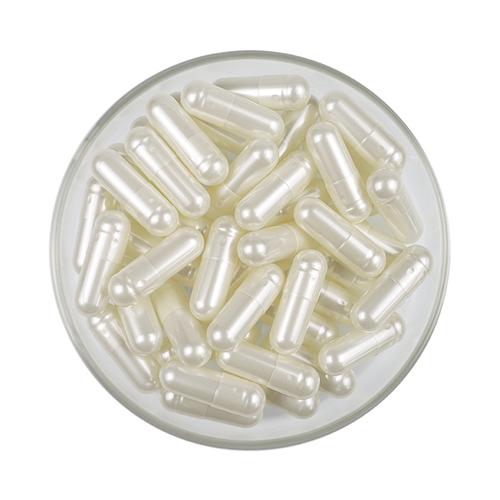 Golden_Pearl Hard Gelatin Capule
 -
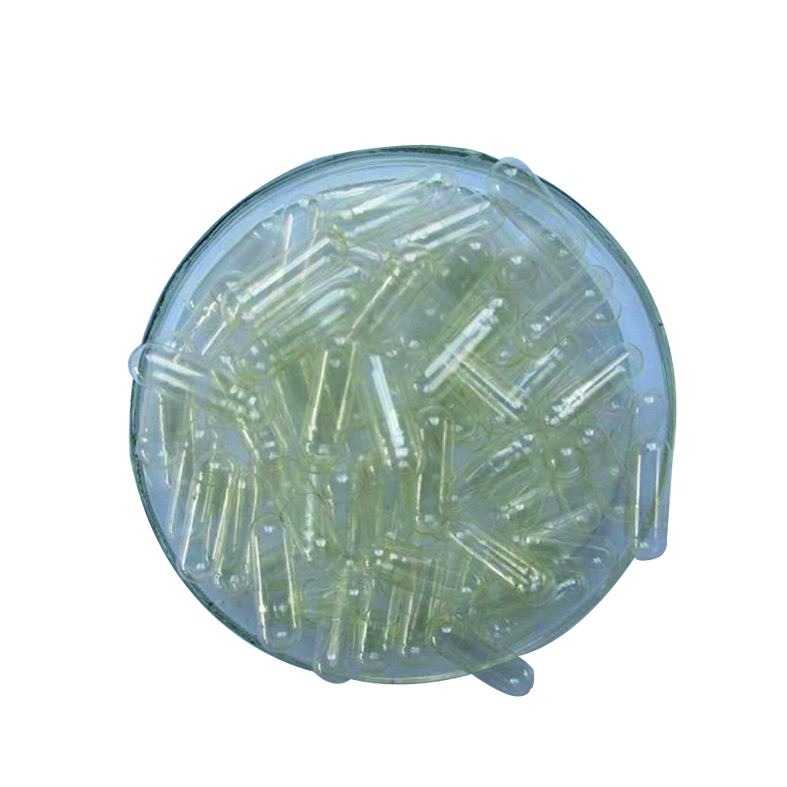 Halal Certificate Empty Clear Hard Gelatin Capsules Shell Size 0
 -
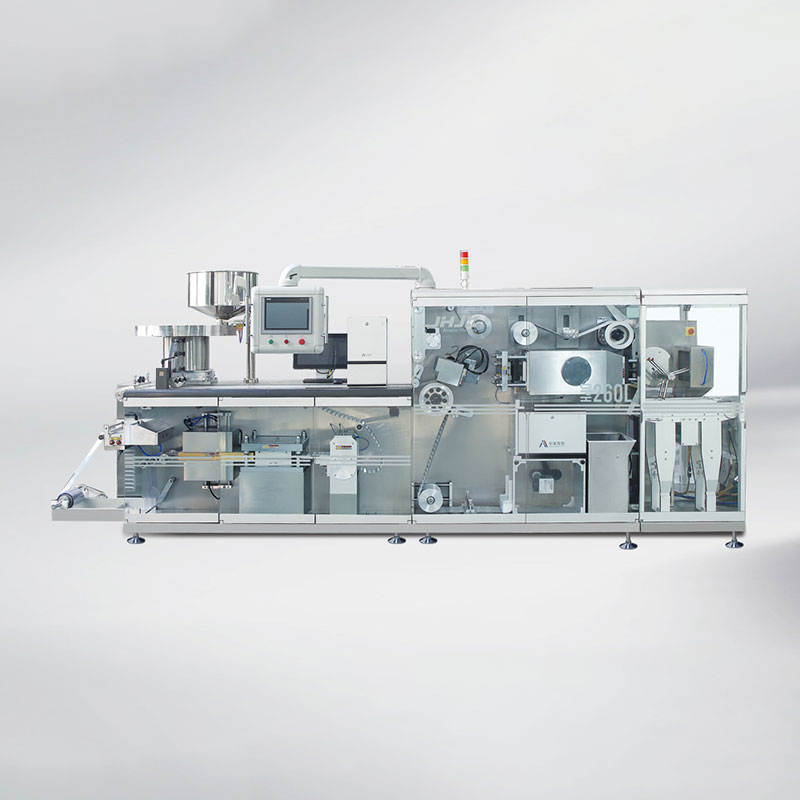 DPH-260L Roll-plate Blister Packaging Machine
Related Search
Related Search- OEM Empty Capsule Gelatin Capsule Size 0 Transparent Natural
- OEM hard gelatin capsule filling machine
- Discount vegetable capsules empty
- OEM Pearl White Color Empty Capsules Size 00 0 Hard Gelatin Capsule
- automatic capsule filling machine 00
- Best hard capsule filling machine
- pharma capsule filling machine
- Best capsule filler size 2
- Certificate njp 2000 capsule filling machine
- Discount capsule filler filling machine