
- English
- Chinese
- French
- German
- Portuguese
- Spanish
- Russian
- Japanese
- Korean
- Arabic
- Irish
- Greek
- Turkish
- Italian
- Danish
- Romanian
- Indonesian
- Czech
- Afrikaans
- Swedish
- Polish
- Basque
- Catalan
- Esperanto
- Hindi
- Lao
- Albanian
- Amharic
- Armenian
- Azerbaijani
- Belarusian
- Bengali
- Bosnian
- Bulgarian
- Cebuano
- Chichewa
- Corsican
- Croatian
- Dutch
- Estonian
- Filipino
- Finnish
- Frisian
- Galician
- Georgian
- Gujarati
- Hausa
- Hawaiian
- Hebrew
- Hmong
- Hungarian
- Icelandic
- Igbo
- Javanese
- Kannada
- Kazakh
- Khmer
- Kurdish
- Kyrgyz
- Latin
- Latvian
- Lithuanian
- Luxembou..
- Macedonian
- Malagasy
- Malay
- Malayalam
- Maltese
- Maori
- Marathi
- Mongolian
- Burmese
- Nepali
- Norwegian
- Pashto
- Persian
- Punjabi
- Serbian
- Sesotho
- Sinhala
- Slovak
- Slovenian
- Somali
- Samoan
- Scots Gaelic
- Shona
- Sindhi
- Sundanese
- Swahili
- Tajik
- Tamil
- Telugu
- Thai
- Ukrainian
- Urdu
- Uzbek
- Vietnamese
- Welsh
- Xhosa
- Yiddish
- Yoruba
- Zulu
- Kinyarwanda
- Tatar
- Oriya
- Turkmen
- Uyghur



OEM size 1 capsule filling machine
The Intricacies of Using an OEM Size 1 Capsule Filling Machine
In the realm of pharmaceutical manufacturing, understanding the nuances of equipment like the OEM Size 1 Capsule Filling Machine can make a significant difference. It's a piece of machinery that, while seemingly straightforward, holds complexities that can affect the production line efficiency and output quality.
Understanding the Basics
When diving into the usage of an OEM Size 1 Capsule Filling Machine, one must first recognize its primary function: consistently producing filled capsules with precise specifications. This isn’t just about putting powder into capsules; it’s about ensuring each unit meets stringent quality standards.
Every machine has its quirks. For instance, the alignment and calibration are crucial. Misalignments can lead to wastage or defective products. Experienced operators often speak of the feel of a properly adjusted machine, which is more of an art than science—something that apprentices learn over time.
There's also the material choice. Not all fillers work the same across different excipients. If you're working with fine powders, expect more dust-related challenges which can clog machine parts, requiring regular maintenance checks to avoid unexpected downtime.
The Common Missteps
One frequent oversight with these machines is neglecting proper cleaning protocols. It’s an aspect I cannot stress enough. Even minute residues can lead to contamination or machine malfunction. The particulars of disassembling and cleaning may vary, but maintaining a strict schedule is non-negotiable.
Setting up the machine involves more than just following the manual. Many operators recall their initial sessions as trial by fire. Calibration, especially the dosing disk, requires patience and a good eye. Missing minor details like the correct tension in springs can lead to significant issues later.
Another often underestimated factor is the environment. Humidity and temperature can affect capsule material and how the machine processes it. I remember a colleague who struggled with capsule breakage, unaware that a simple humidity control solution could solve her issues.
Optimization Techniques
Many companies, such as SUQIAN KELAIYA INTERNATIONAL TRADING CO., LTD, have honed their processes, taking advantage of insights learned over years of practice. Their experience in both the development and manufacturing of such capsule filling machines offers a wealth of knowledge.
A significant piece of advice from seasoned operators is to never skip the testing phase. Running test batches before full production helps identify potential problems without the risk of ruining a full batch. This practice can save both time and resources.
Investing in training pays off in the long run. Seasoned operators can adjust machines swiftly and efficiently, minimizing downtime which translates directly to cost savings. Pairing this with regular workshops keeps skills sharp and operators prepared for unexpected challenges.
Case Studies and Real-Life Scenarios
I've seen cases where ignoring the wear and tear on machine parts led to catastrophic failures mid-production. Regular inspections are more than just precautionary—they're essential. It’s these preventative measures that differentiate successful operations from the rest.
In one instance, a manufacturer experienced an unexplained drop in capsule integrity. After much investigation, it turned out that a change in supplier for capsule shells introduced quality inconsistencies. A tightly controlled quality check could have caught this early on.
These machines, often considered the backbone of a manufacturing line, require more than just technical understanding. It’s the practical insights and continual learning that contribute most to their effective and efficient use.
Looking to the Future
The evolution of capsule filling technology is ongoing. Companies like Suqian Kelaiya Corp., a leader with manufacturing sites in Zhejiang and Jiangsu provinces, are at the forefront. They’re involved in new drug development, which gives them firsthand experience in anticipating the needs and challenges of the industry.
The introduction of automation and AI into capsule filling machines offers promising possibilities for precision and efficiency. However, as with all technology, it requires an adjustment period and a reevaluation of traditional methods.
Ultimately, the machines’ performance depends not just on technology but significantly on the human element—an aspect that should never be undervalued in this high-stakes industry. Adaptation and learning remain key.
Related Products
Related Products

Best Selling Products
Best Selling Products-
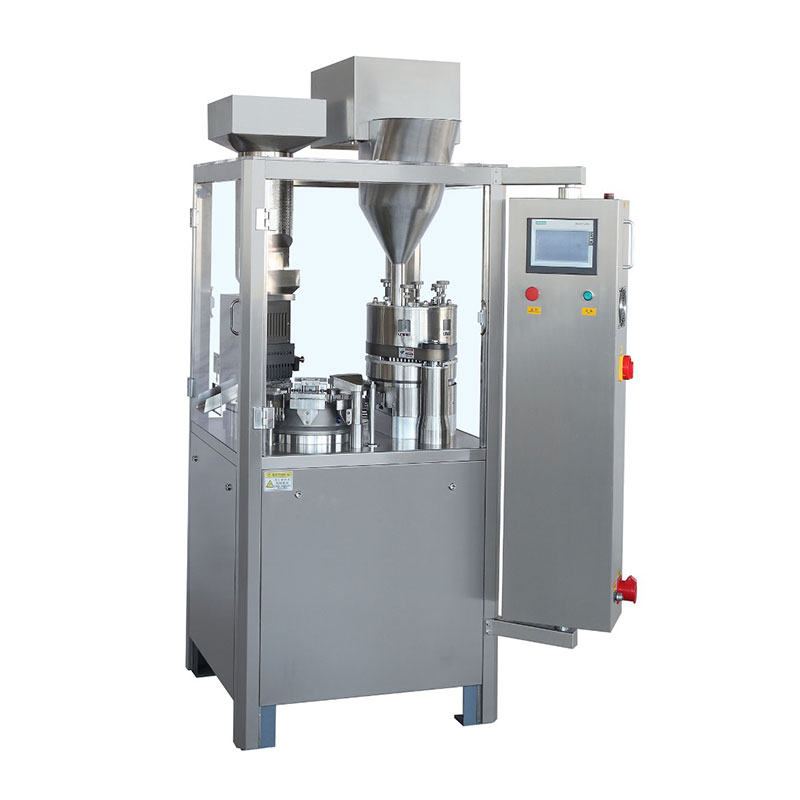 NJP-1200 Automatic Capsule Filling Machine
 -
 EMPTY VEGATABLE CAPSULE CLEAR SIZE 0
 -
 Halal empty hard geltin capsule
 -
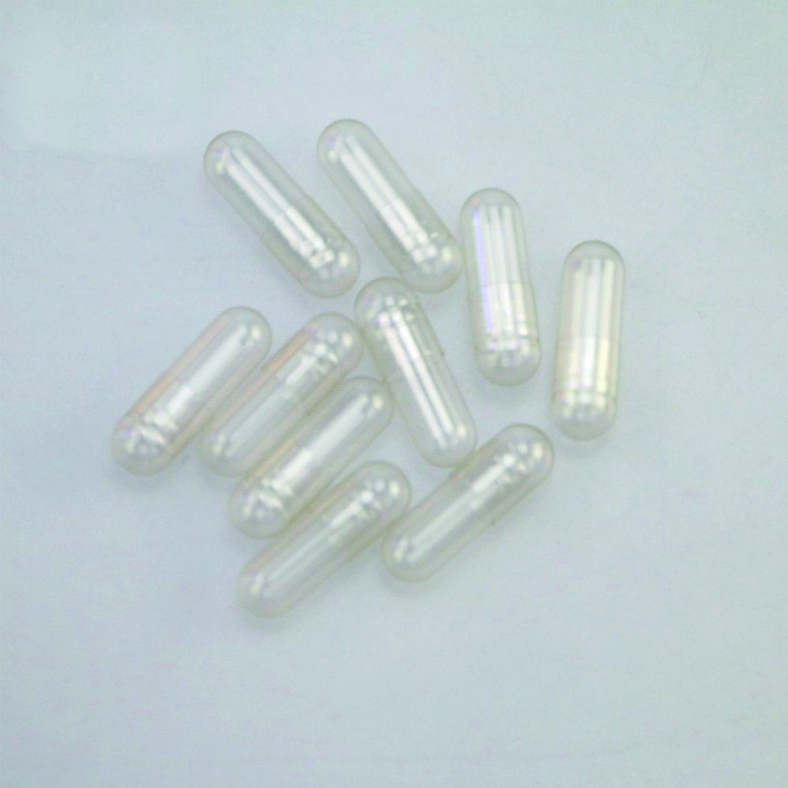 EMPTY HPMC CAPSULE SIZE 00 CLEAR
 -
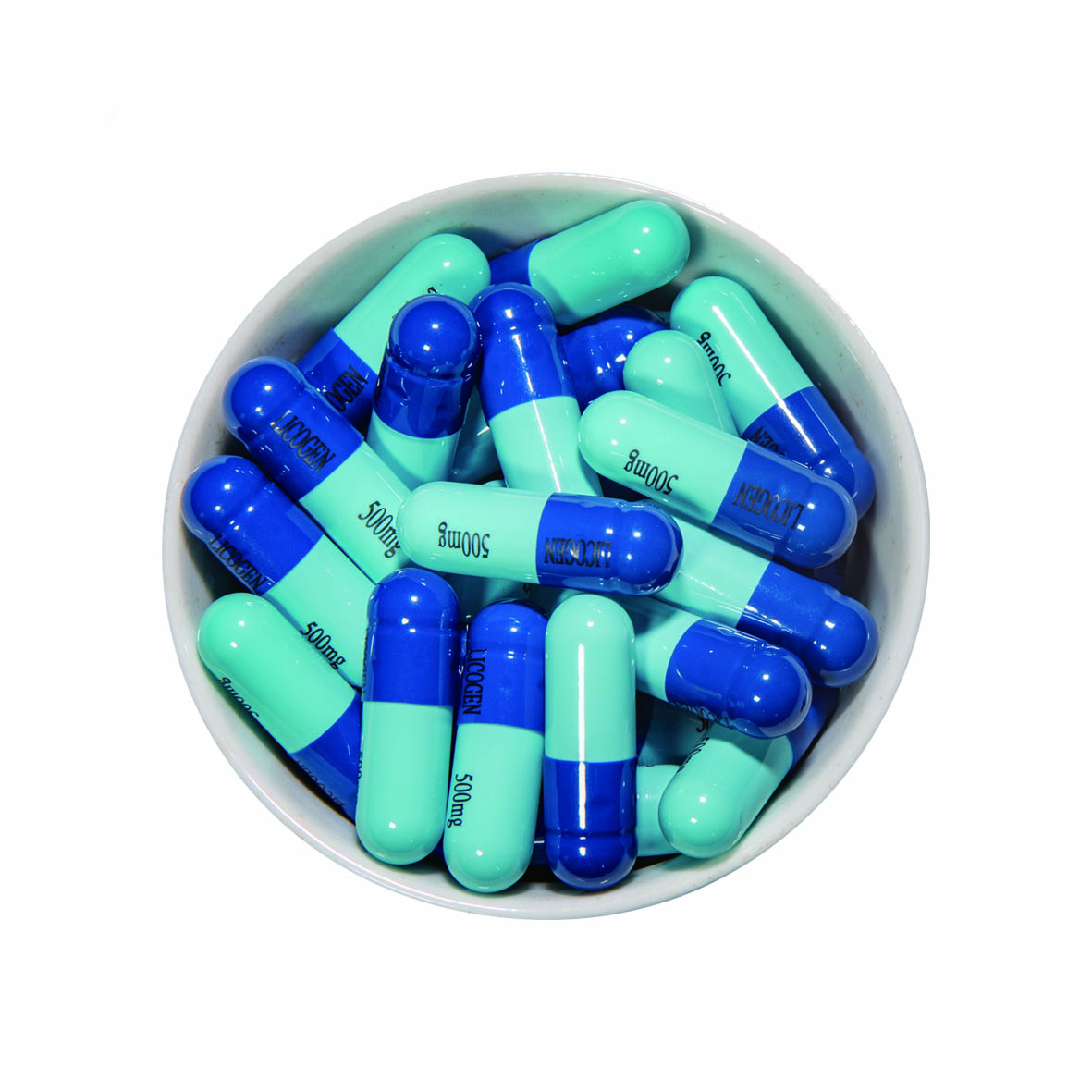 Hard Gelatin Empty Capsule Shell Size 00 0 1 2 3 4
 -
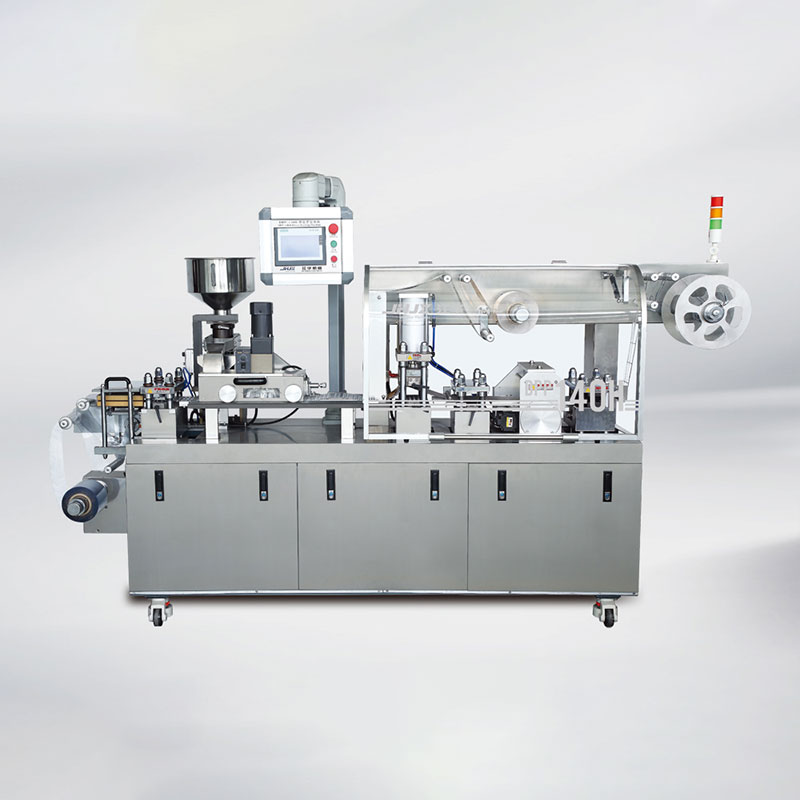 DPP-140H Flat-plate Blister Packing Machine
 -
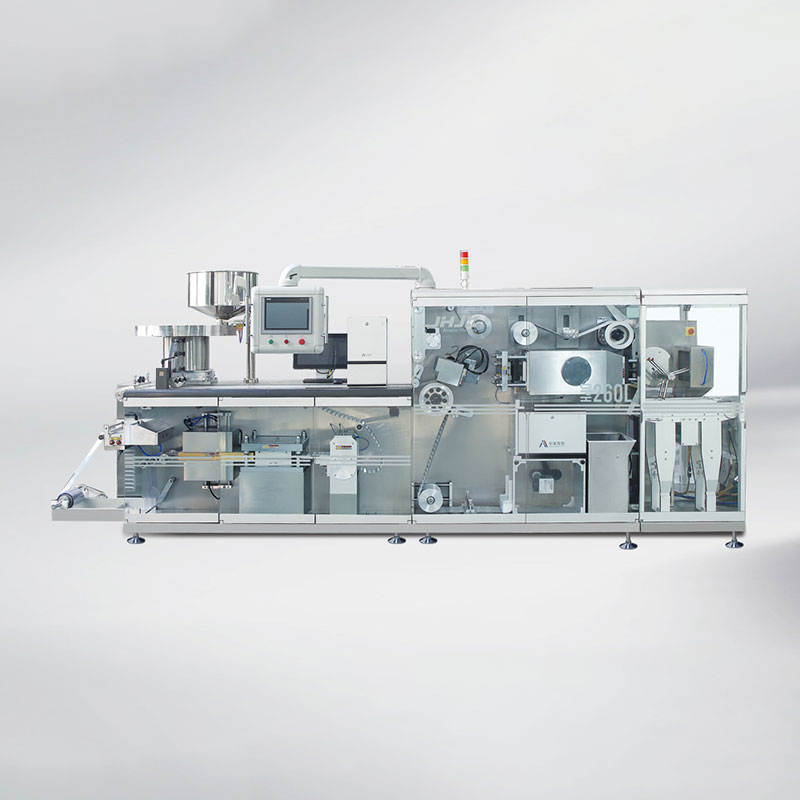 DPH-260L Roll-plate Blister Packaging Machine
 -
 Hpmc Capsules Product Plant Vegetarian Size 00 0 Capsule Shell
 -
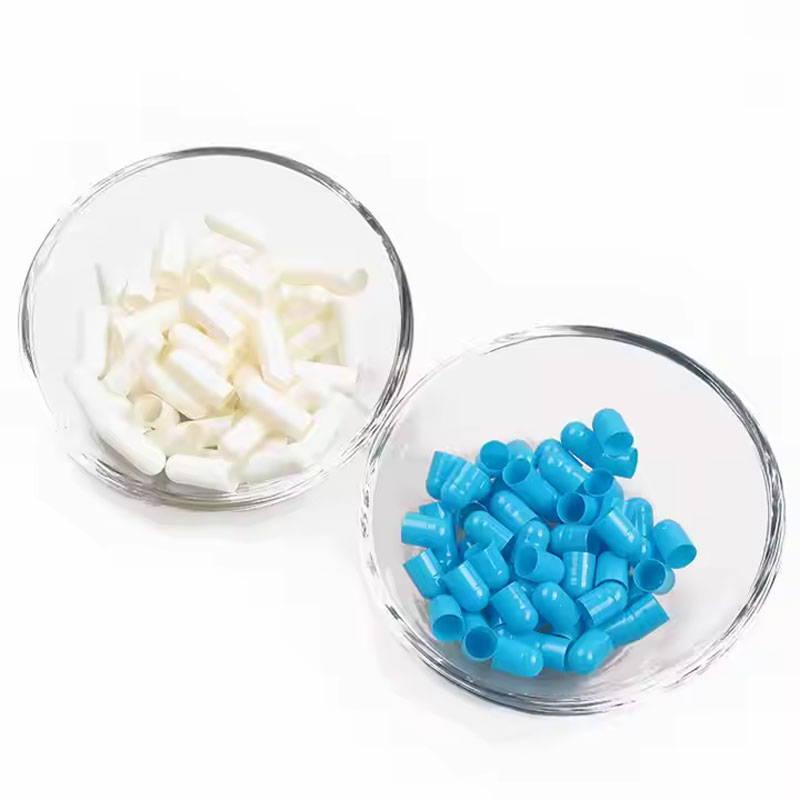 Empty VegCaps Shell Clear Empty Vegan Plant-Based Capsules Size 00 0 1 2 3 4 Natural Vegetable HPMC Capsules
 -
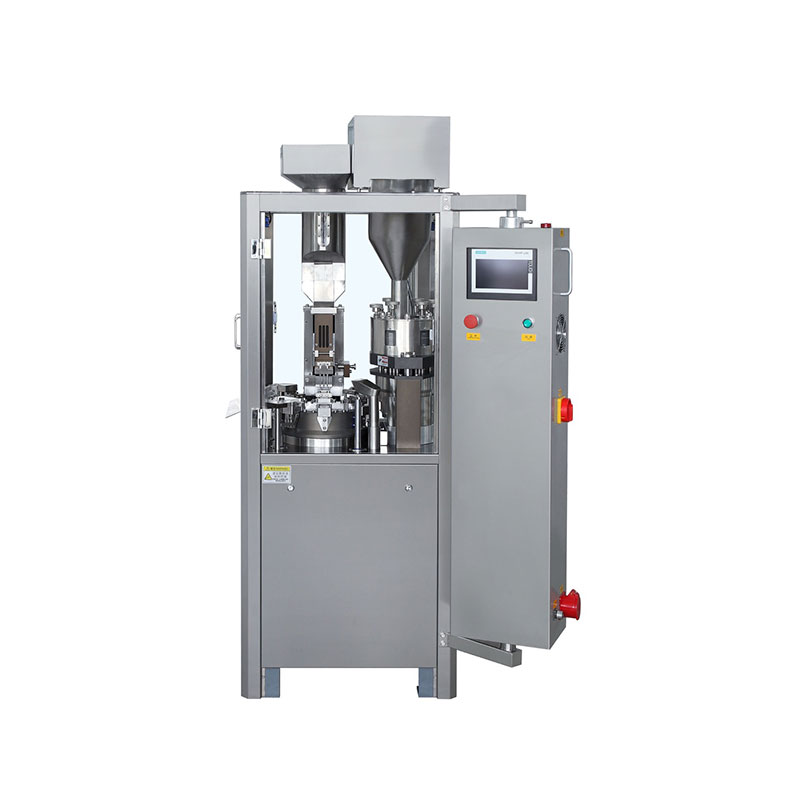 NJP-400 Fully Automatic Capsule Filling Machine
 -
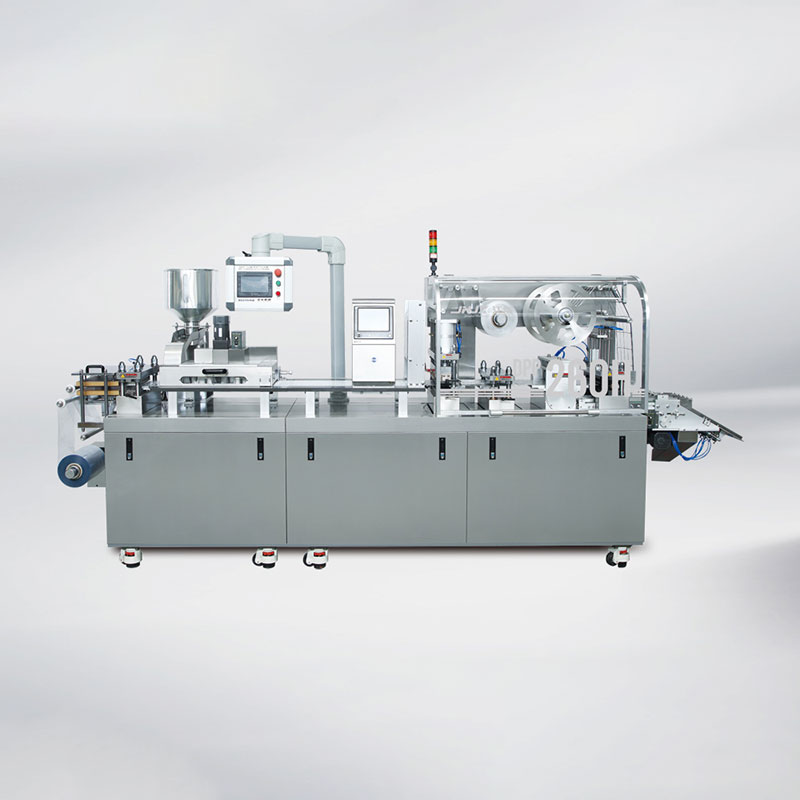 DPP-260H_DPP-320H Flat-plate Blister Packing Machine
 -
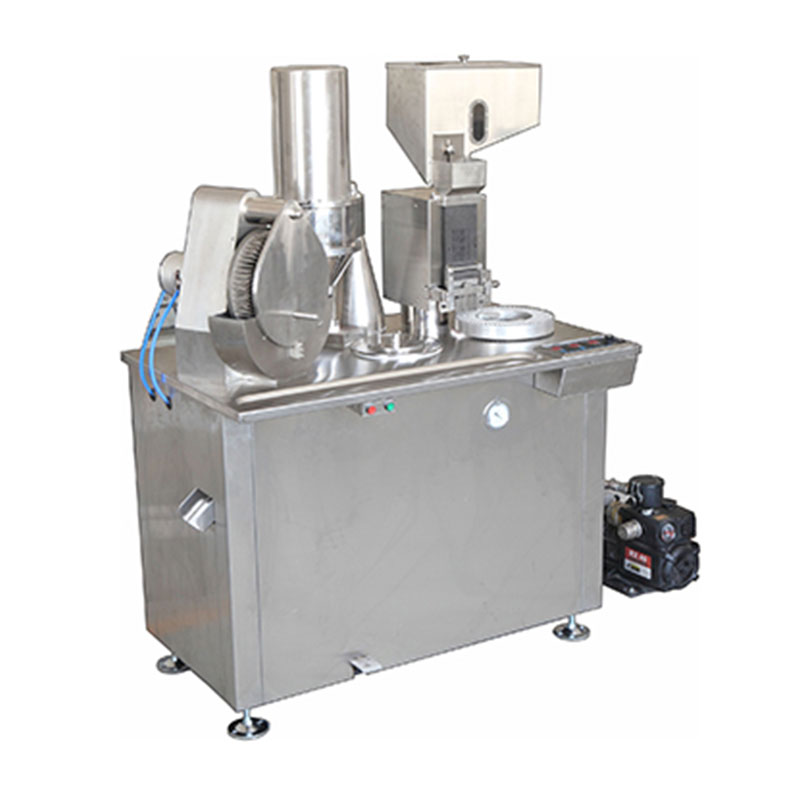 CGN208-D Newest Type Semi Automatic Capsule Filling Machine
Related Search
Related Search- Discount gel cap filling machine
- Certificate NJP-400 automatic capsule filling machine size 00
- empty vegetarian capsules size 000
- Best vegetarian capsules size 00
- high quality Empty Capusle
- powder capsule filling machine
- Discount capsule machine filler size 00
- OEM njp capsule filling machine
- Best 00 capsule filler
- Certificate gelatin capsule filling machine