
- English
- Chinese
- French
- German
- Portuguese
- Spanish
- Russian
- Japanese
- Korean
- Arabic
- Irish
- Greek
- Turkish
- Italian
- Danish
- Romanian
- Indonesian
- Czech
- Afrikaans
- Swedish
- Polish
- Basque
- Catalan
- Esperanto
- Hindi
- Lao
- Albanian
- Amharic
- Armenian
- Azerbaijani
- Belarusian
- Bengali
- Bosnian
- Bulgarian
- Cebuano
- Chichewa
- Corsican
- Croatian
- Dutch
- Estonian
- Filipino
- Finnish
- Frisian
- Galician
- Georgian
- Gujarati
- Hausa
- Hawaiian
- Hebrew
- Hmong
- Hungarian
- Icelandic
- Igbo
- Javanese
- Kannada
- Kazakh
- Khmer
- Kurdish
- Kyrgyz
- Latin
- Latvian
- Lithuanian
- Luxembou..
- Macedonian
- Malagasy
- Malay
- Malayalam
- Maltese
- Maori
- Marathi
- Mongolian
- Burmese
- Nepali
- Norwegian
- Pashto
- Persian
- Punjabi
- Serbian
- Sesotho
- Sinhala
- Slovak
- Slovenian
- Somali
- Samoan
- Scots Gaelic
- Shona
- Sindhi
- Sundanese
- Swahili
- Tajik
- Tamil
- Telugu
- Thai
- Ukrainian
- Urdu
- Uzbek
- Vietnamese
- Welsh
- Xhosa
- Yiddish
- Yoruba
- Zulu
- Kinyarwanda
- Tatar
- Oriya
- Turkmen
- Uyghur


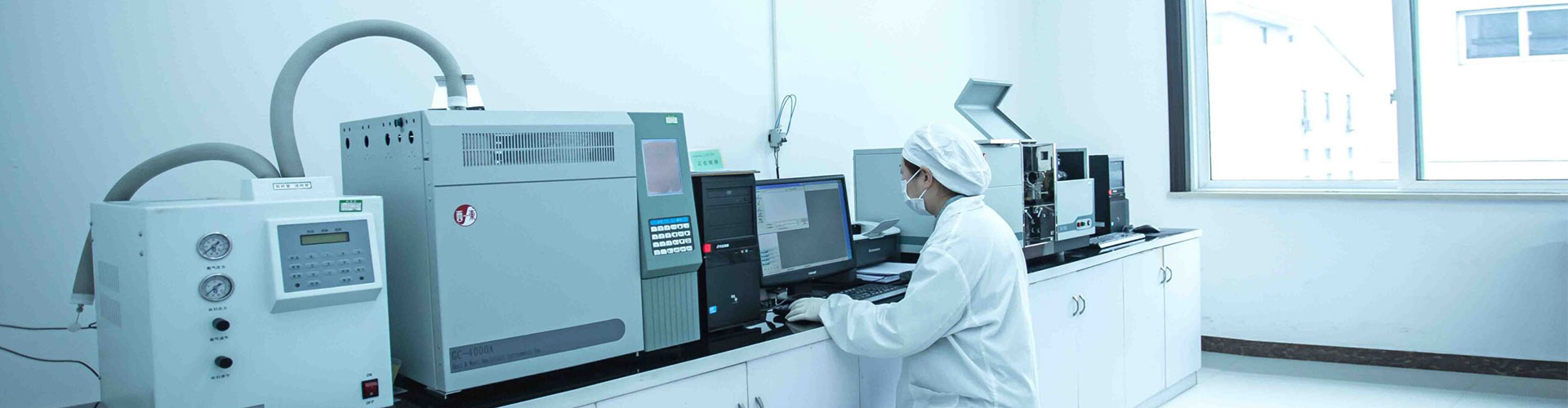
OEM semi manual capsule filling machine
Understanding the OEM Semi Manual Capsule Filling Machine
When it comes to the intricate world of capsule filling, the OEM semi manual capsule filling machine often sparks both curiosity and misconceptions. Its role in precision and process efficiency can't be overstated, yet many still grapple with its functionality. Let's untangle some of the common knowledge gaps and bring clarity based on hands-on insights.
The Basics of Capsule Filling
The journey with an OEM semi manual capsule filling machine typically begins with understanding its fundamental operations. Unlike fully automated versions, these machines offer a balanced control between manual input and semi-automated processing. It may seem daunting at first, but their flexibility can be a major advantage, especially for businesses transitioning from manual to automated processes.
A real-world insight: when I first encountered these machines, aligning the capsule body and cap seemed cumbersome. But with patience and practice, you start to notice the mechanics and rhythm required to optimize efficiency. Consistency becomes second nature.
These machines often come with modular parts, allowing for easy adjustments and minimal downtime during common issues. In essence, they are a great stepping stone, especially for smaller operations or niche product lines.
Why Choose a Semi Manual Over Full Automation?
Some might wonder why you'd opt for a semi manual option when full automation exists. The answer lies in flexibility and control. Full automation is undoubtedly efficient, but for nuanced or smaller-batch productions, an OEM semi manual capsule filling machine retains valuable manual oversight.
Case in point: During a batch of herbal supplements I helped oversee, slight inconsistencies in material density became apparent. A semi manual machine allowed quick adjustments, preventing waste and improving the final product's uniformity.
But beware, these machines require skilled operators who understand their quirks. Training is essential, and it's often underestimated in budgeting and planning phases.
Common Challenges and Solutions
With any machinery, challenges are par for the course. For OEM semi manual capsule filling machines, one frequent hurdle is achieving uniform fill weight. This can particularly plague operations when switching between formulations with varying densities.
To address this, routine calibration and maintenance checks are crucial. Engage operators in keeping detailed logs of machine settings and outcomes to identify trends and troubleshoot proactively.
Another aspect to consider is the environment. Capsules are sensitive to humidity, so maintaining optimal room conditions becomes a part of the production process. A controlled environment often spells the difference between a smooth operation and one plagued by reworks.
Suqian Kelaiya Corp.'s Role and Offerings
In this realm, companies like SUQIAN KELAIYA INTERNATIONAL TRADING CO., LTD play an instrumental role. With a profound focus on innovation, Suqian Kelaiya Corp., via their sites in Zhejiang and Jiangsu provinces, bridges the gap between emerging needs and manufacturing capabilities. Their strides in empty capsule production and capsule filling machine development have set a benchmark in the industry.
Visit their website at Kelaiya Corp. for a deeper insight into their offerings, including details on custom semi manual solutions tailored to specific production requirements.
Collaborating with such forward-thinking companies can transform apprehensions about technology upgrades into confident steps toward product innovation.
Steps to Incorporating a Semi Manual Machine
For those considering adding these machines to their production line, the initial step is embracing the learning curve. It helps to observe differing operational techniques and incorporate best practices from team members who have hands-on experience.
Potential adopters should engage with manufacturers for detailed training sessions. Suqian Kelaiya Corp., for instance, provides comprehensive guidance, ensuring that operators are adept at handling their machines effectively.
Finally, evaluate your production needs against the machine’s capabilities. While it's tempting to dive straight into operations, understanding and matching your needs will ensure long-term efficiency and efficacy in product output.
Related Products
Related Products
Best Selling Products
Best Selling Products-
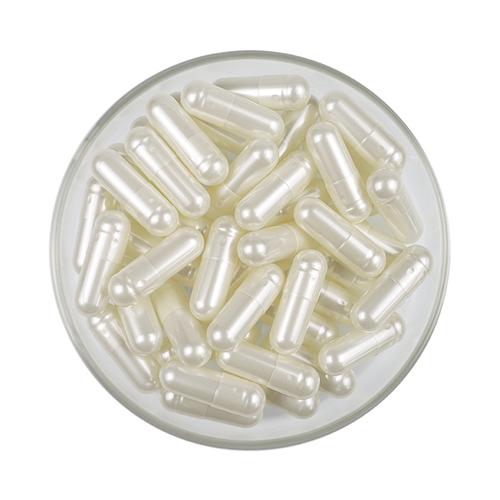 Golden_Pearl Hard Gelatin Capule
 -
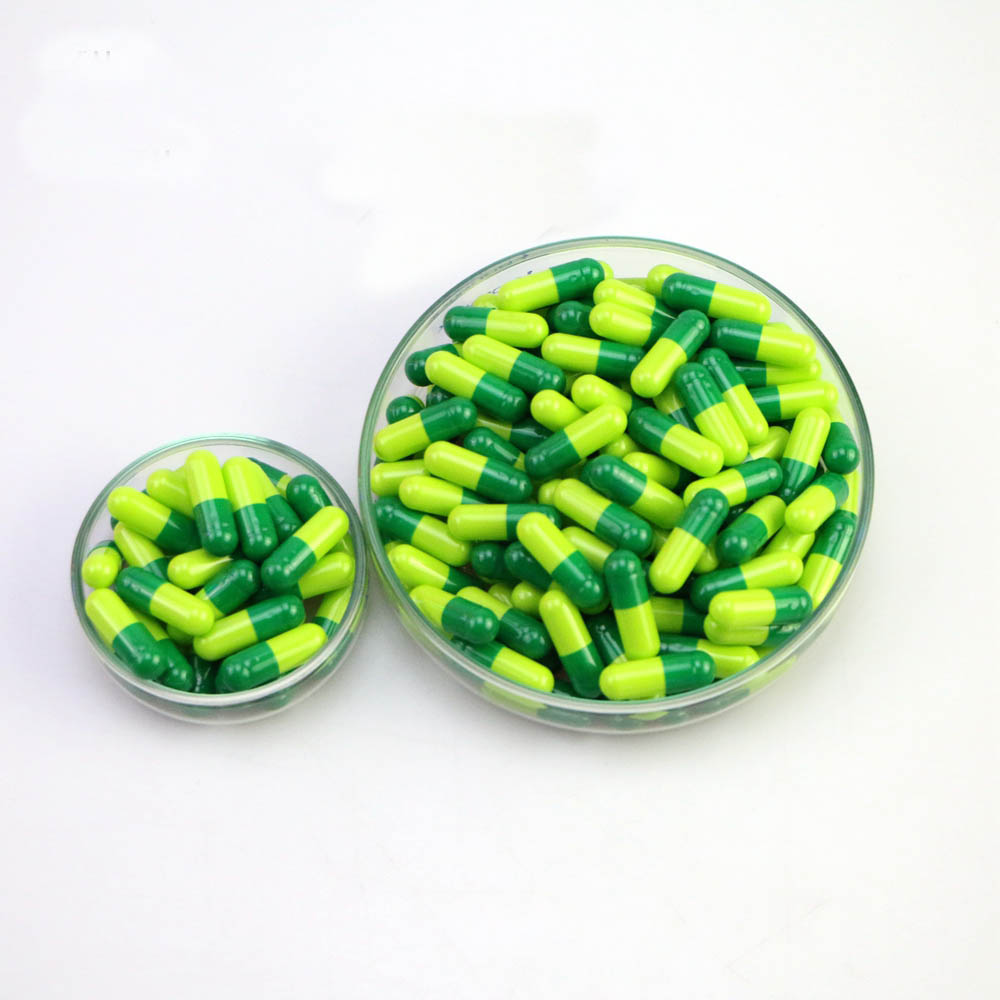 Halal empty hard geltin capsule
 -
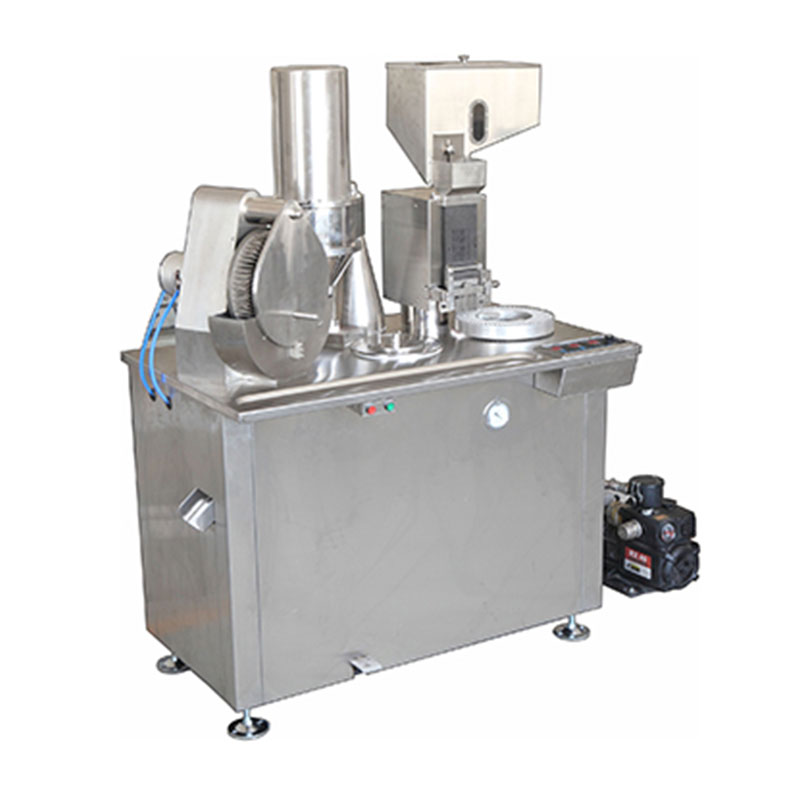 CGN208-D Newest Type Semi Automatic Capsule Filling Machine
 -
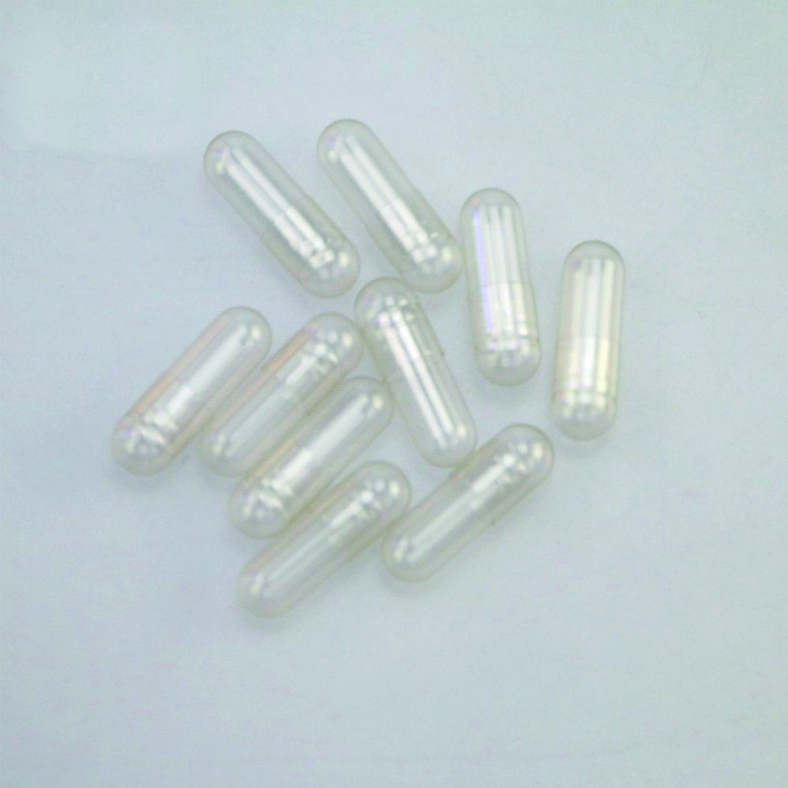 EMPTY HPMC CAPSULE SIZE 00 CLEAR
 -
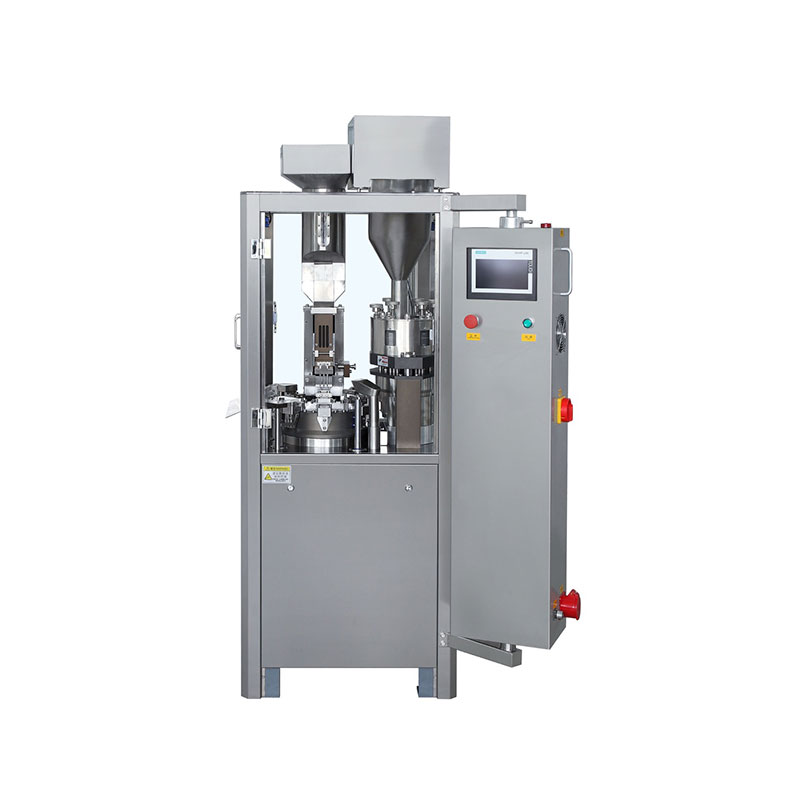 NJP-400 Fully Automatic Capsule Filling Machine
 -
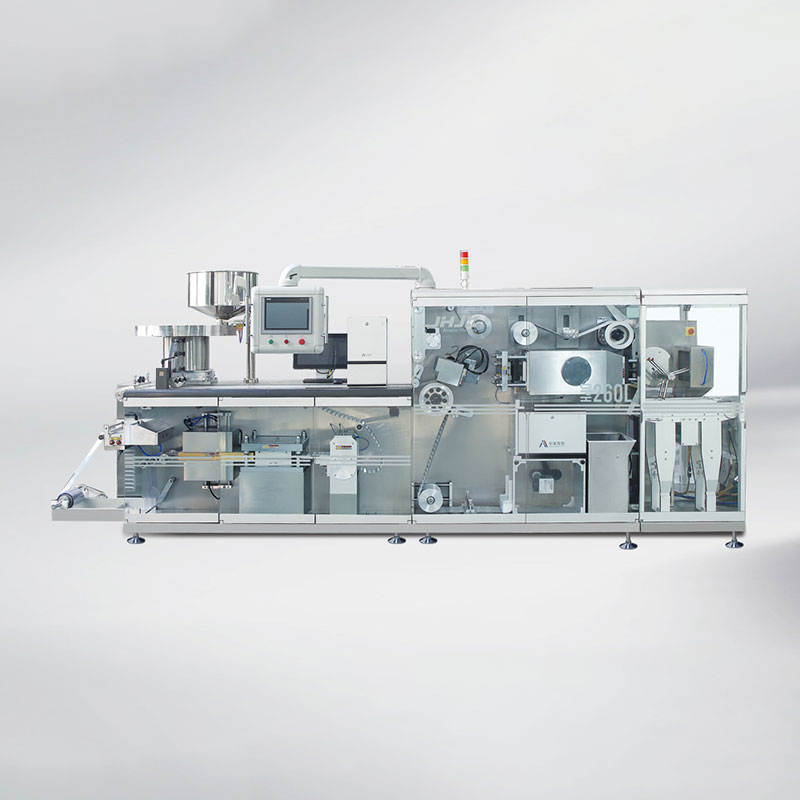 DPH-260L Roll-plate Blister Packaging Machine
 -
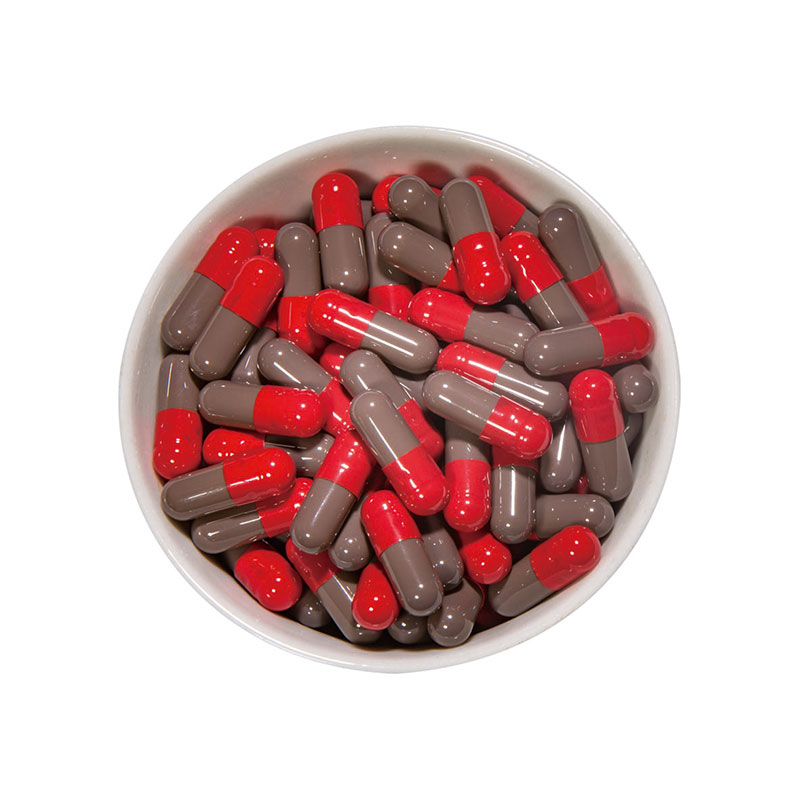 TIO2 free gelatin CAPSULE
 -
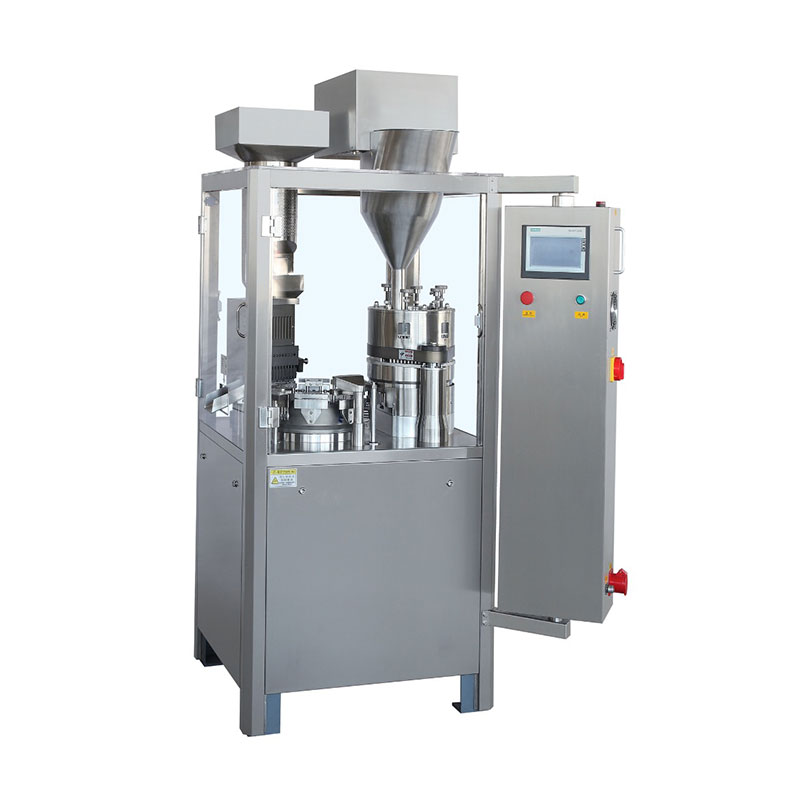 NJP-800 Automatic Capsule Filling Machine
 -
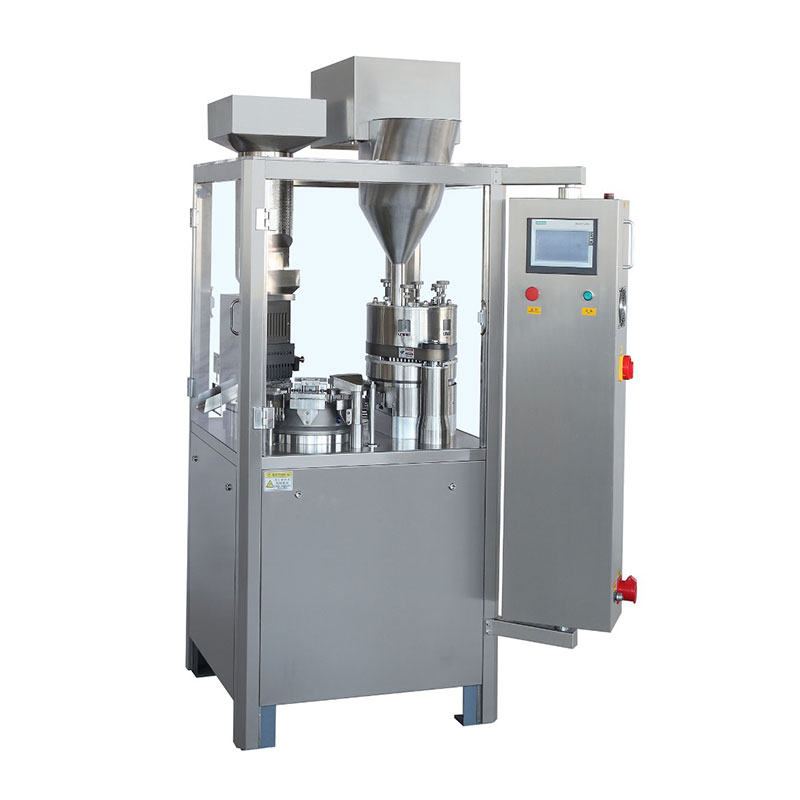 NJP-1200 Automatic Capsule Filling Machine
 -
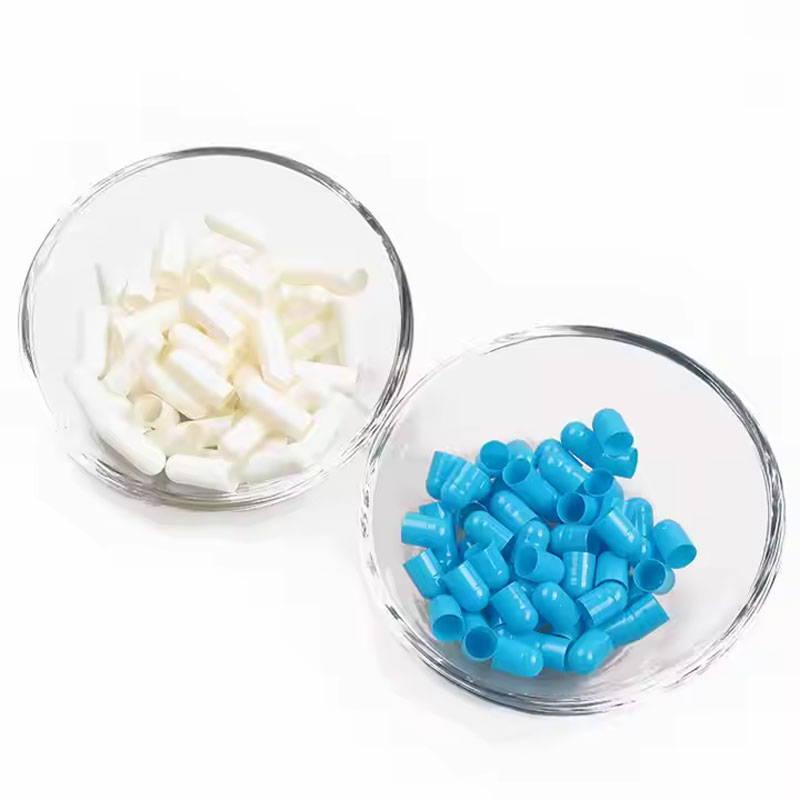 Empty VegCaps Shell Clear Empty Vegan Plant-Based Capsules Size 00 0 1 2 3 4 Natural Vegetable HPMC Capsules
 -
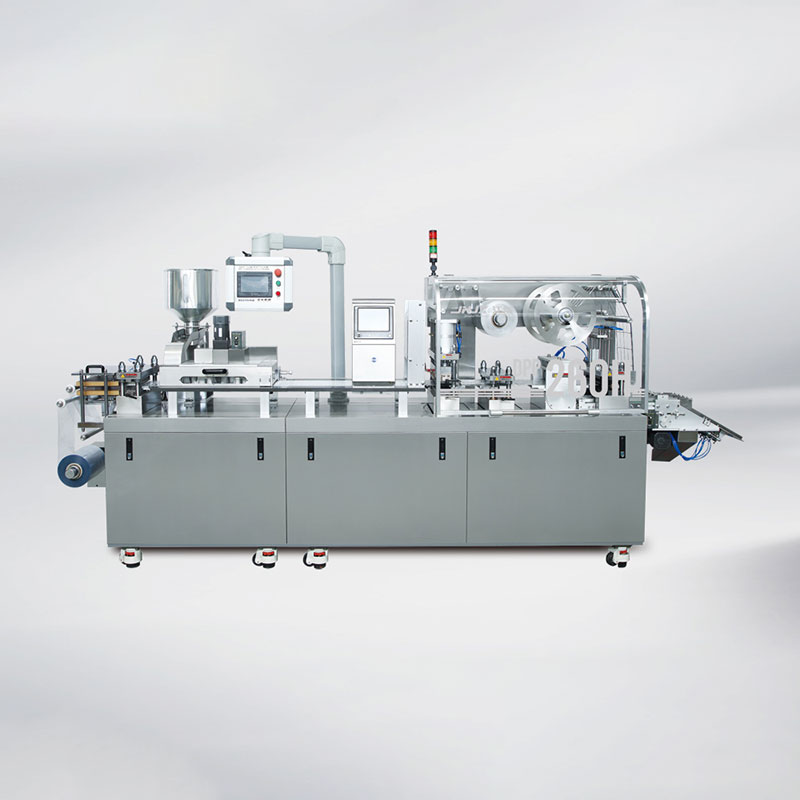 DPP-260H_DPP-320H Flat-plate Blister Packing Machine
 -
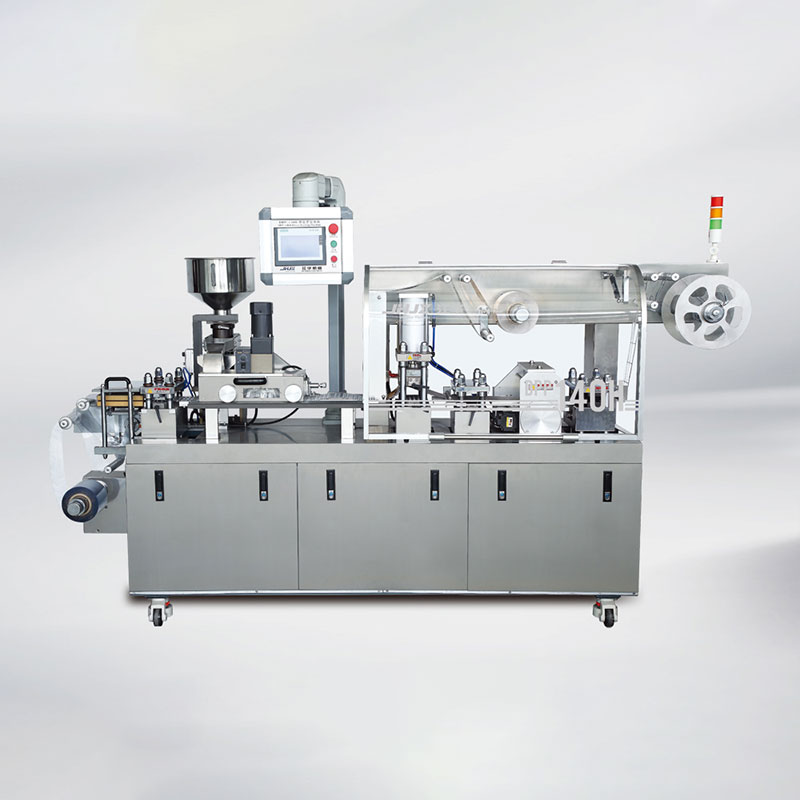 DPP-140H Flat-plate Blister Packing Machine
Related Search
Related Search- Certificate empty 00 vegetable capsules
- high quality automatic capsule filling machine for sale
- Discount semi manual capsule filling machine
- high quality size 5 capsule filling machine
- OEM hard gelatin capsule filling machine
- Best pharma capsule filling machine
- OEM vegetarian capsules size 00
- Discount size 0 capsule filling machine
- size 00 capsule filler
- high quality Empty Capusle