
- English
- Chinese
- French
- German
- Portuguese
- Spanish
- Russian
- Japanese
- Korean
- Arabic
- Irish
- Greek
- Turkish
- Italian
- Danish
- Romanian
- Indonesian
- Czech
- Afrikaans
- Swedish
- Polish
- Basque
- Catalan
- Esperanto
- Hindi
- Lao
- Albanian
- Amharic
- Armenian
- Azerbaijani
- Belarusian
- Bengali
- Bosnian
- Bulgarian
- Cebuano
- Chichewa
- Corsican
- Croatian
- Dutch
- Estonian
- Filipino
- Finnish
- Frisian
- Galician
- Georgian
- Gujarati
- Hausa
- Hawaiian
- Hebrew
- Hmong
- Hungarian
- Icelandic
- Igbo
- Javanese
- Kannada
- Kazakh
- Khmer
- Kurdish
- Kyrgyz
- Latin
- Latvian
- Lithuanian
- Luxembou..
- Macedonian
- Malagasy
- Malay
- Malayalam
- Maltese
- Maori
- Marathi
- Mongolian
- Burmese
- Nepali
- Norwegian
- Pashto
- Persian
- Punjabi
- Serbian
- Sesotho
- Sinhala
- Slovak
- Slovenian
- Somali
- Samoan
- Scots Gaelic
- Shona
- Sindhi
- Sundanese
- Swahili
- Tajik
- Tamil
- Telugu
- Thai
- Ukrainian
- Urdu
- Uzbek
- Vietnamese
- Welsh
- Xhosa
- Yiddish
- Yoruba
- Zulu
- Kinyarwanda
- Tatar
- Oriya
- Turkmen
- Uyghur


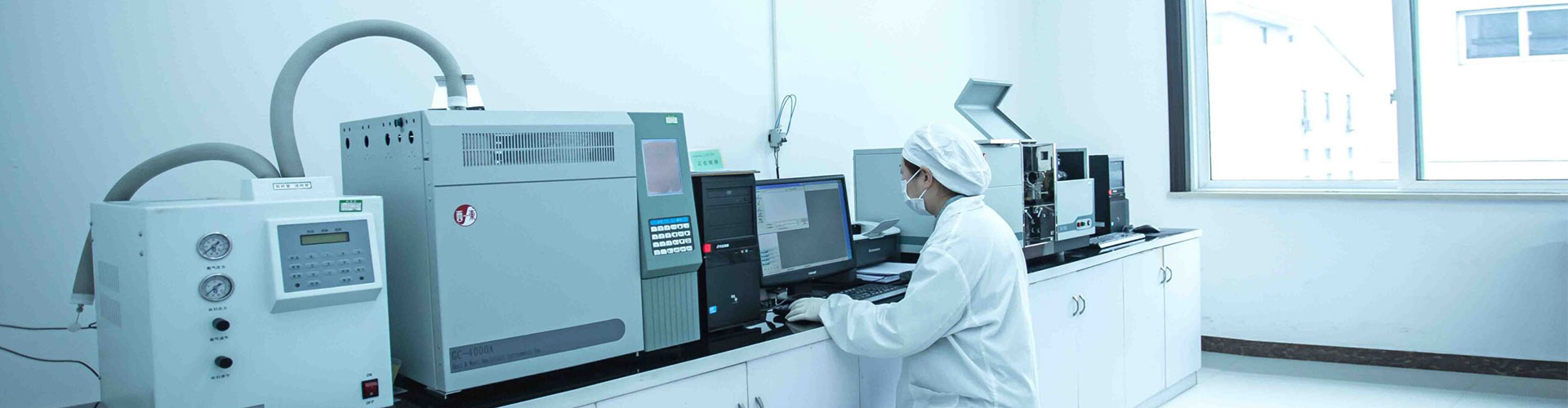
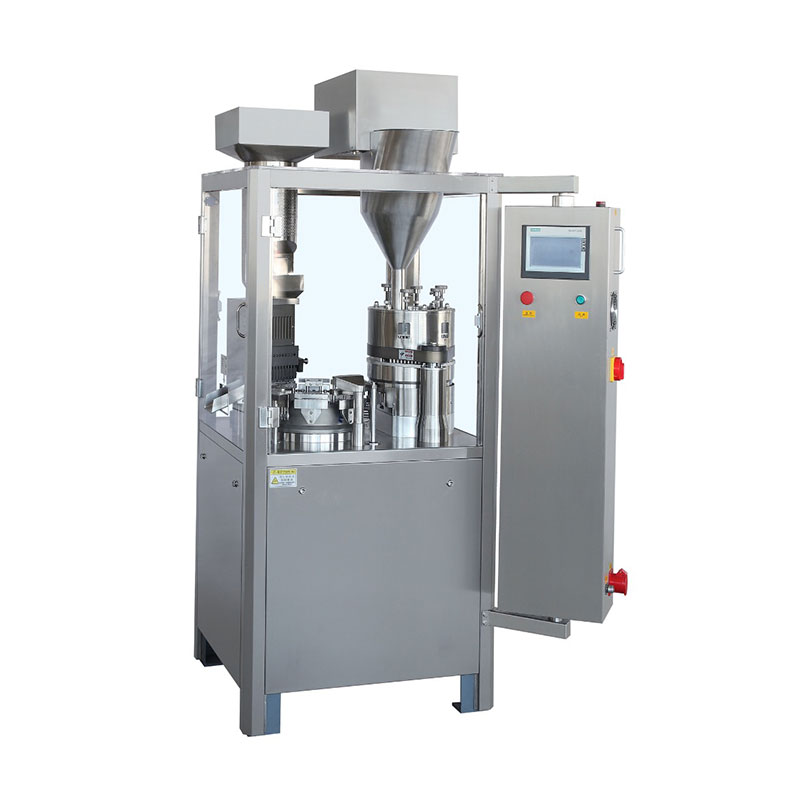
OEM NJP-800 automatic capsule filling machine
The Intricacies of OEM NJP-800 Automatic Capsule Filling Machine
In the world of pharmaceutical manufacturing, the OEM NJP-800 automatic capsule filling machine often attracts attention due to its efficiency and precision. It might sound straightforward, but using it optimally involves understanding the nuances and adapting to specific manufacturing requirements. Many assume it's just about loading capsules and starting the machine. In reality, there's much more to consider. I've seen first-hand both the potential and the pitfalls of this equipment.
Understanding the OEM NJP-800
At its core, the OEM NJP-800 is designed to enhance productivity. But, having worked with it extensively, one key takeaway is the importance of adapting the machine settings to suit different filling materials. For instance, powders with varying moisture content can affect flow rates, leading to inconsistent fills if not adjusted properly. This machine, with its precision engineering, demands an understanding of material properties.
I've also observed that maintenance is crucial. The internal components, though robust, need periodic checks. Misalignments or wear can lead to significant downtimes, which is something no manufacturer wants. Keeping a maintenance schedule has saved us numerous headaches at SUQIAN KELAIYA INTERNATIONAL TRADING CO., LTD, where we handle both capsule filling and drug development.
The user interface of the NJP-800 is intuitive, but it’s essential not to skip the training phase for operators. New users might overlook critical settings, leading to what I call ‘operator-induced mishaps’. Proper training can prevent these errors and ensure smooth operation.
Customization and Flexibility
Customizing the NJP-800 to handle different batch sizes and formulations has been part of our adaptation strategy. Each batch of pharmaceuticals can have its quirks, especially with new drugs. The machine’s flexibility allows for adjustments in speed and pressure, essential for handling diverse formulations at SUQIAN KELAIYA.
Diversifying capsule sizes is another advantage. Whether it's for nutraceuticals or standard pharmaceuticals, this versatility in the NJP-800 keeps production lines flexible and responsive, allowing us to cater to a wide market.
An experience from our Zhejiang manufacturing site highlighted how crucial this adaptability is. A last-minute switch in capsule size during a production run was smoothly managed, preventing potential delays in delivery schedules that would have been unavoidable with less flexible machinery.
Common Challenges and Solutions
Despite the impressive features, challenges with the NJP-800 aren’t uncommon. One particularly irksome issue is powder leakage. The seals around the filling area can wear over time, resulting in significant product loss. Regular inspection of these seals has become routine practice for us to mitigate this issue.
Another problem is dealing with highly cohesive powders which often lead to clogging. In these cases, pre-treatment of the powder to improve flow becomes necessary. It’s a learning curve every operator needs to overcome, and sharing best practices among teams has proven beneficial.
The NJP-800’s sensor system is sensitive—a double-edged sword. While it ensures high precision, it can sometimes halt production over false positives. Calibration is key. We've tailored sensor settings based on our specific requirements to minimize these interruptions.
Operational Efficiency at Suqian Kelaiya
For businesses like SUQIAN KELAIYA INTERNATIONAL TRADING CO., LTD, leveraging the machine’s efficiency has profound implications. The NJP-800’s speed allows us to meet tight deadlines without compromising on quality. Our facilities in Zhejiang and Jiangsu depend heavily on this balance of speed and accuracy to maintain competitive advantages.
Realizing full potential often means aligning the machine’s capabilities with the company’s operational goals. Our emphasis has been on continuous improvement—optimizing settings, understanding material behavior, and refining processes. It’s about creating a synergy between man and machine.
A memorable instance was when we were launching a new nutraceutical product. The pace at which the NJP-800 was able to adjust to recipe modifications allowed us to iterate quickly, something our clients highly value. It’s this operational dexterity that distinguishes SUQIAN KELAIYA.
Future Perspectives and Final Thoughts
As trends in pharmaceutical manufacturing evolve, the role of machines like the NJP-800 becomes increasingly significant. They not only support volume production but also offer the flexibility required for bespoke orders. This adaptability ensures we remain agile in a dynamic market at SUQIAN KELAIYA.
Looking ahead, one can anticipate further technological integration, perhaps AI-enhancements, to improve machine learning within these systems, reducing manual input and increasing precision. Such advancements would be a game-changer for companies focused on innovation and efficiency.
In conclusion, the OEM NJP-800 automatic capsule filling machine, with its myriad features, serves as an invaluable asset. However, its optimal use requires experience, ongoing maintenance, and process refinement. For those committed to excellence in pharmaceutical production, it remains a cornerstone of operational success.
Related Products
Related Products
Best Selling Products
Best Selling Products-
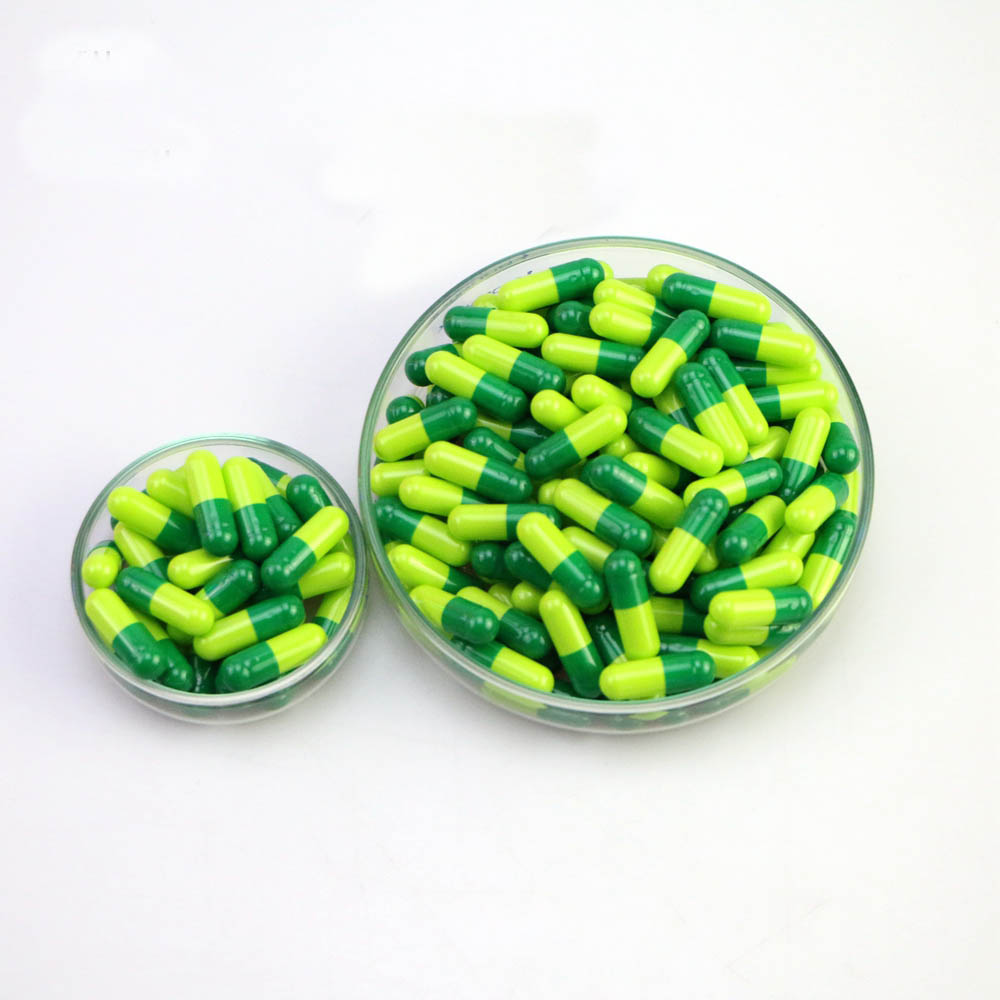 Halal empty hard geltin capsule
 -
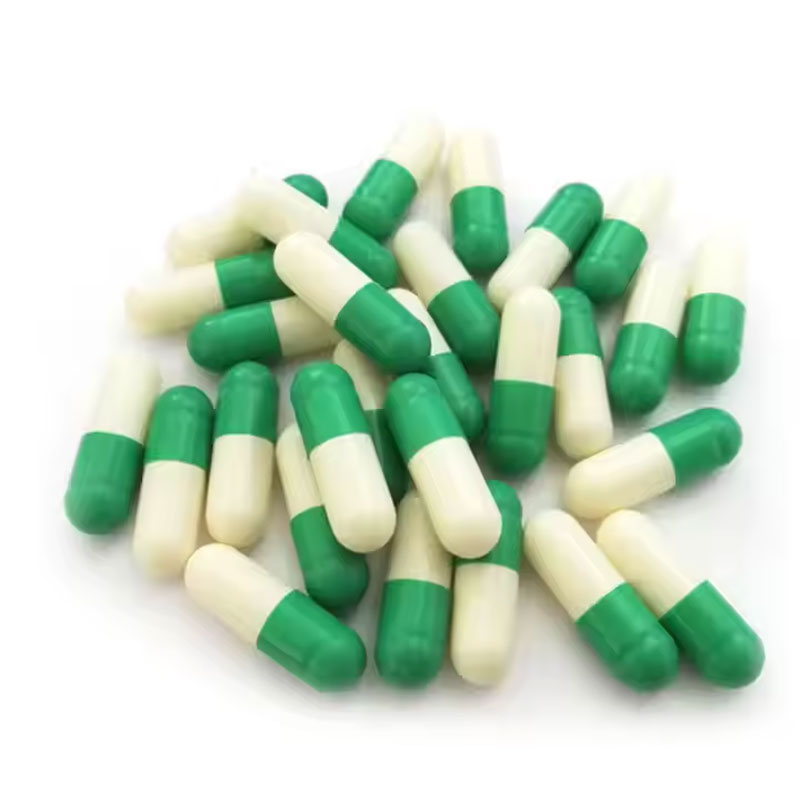 Size 00 hpmc capsules vegetarian capsules empty hard veggie capsules
 -
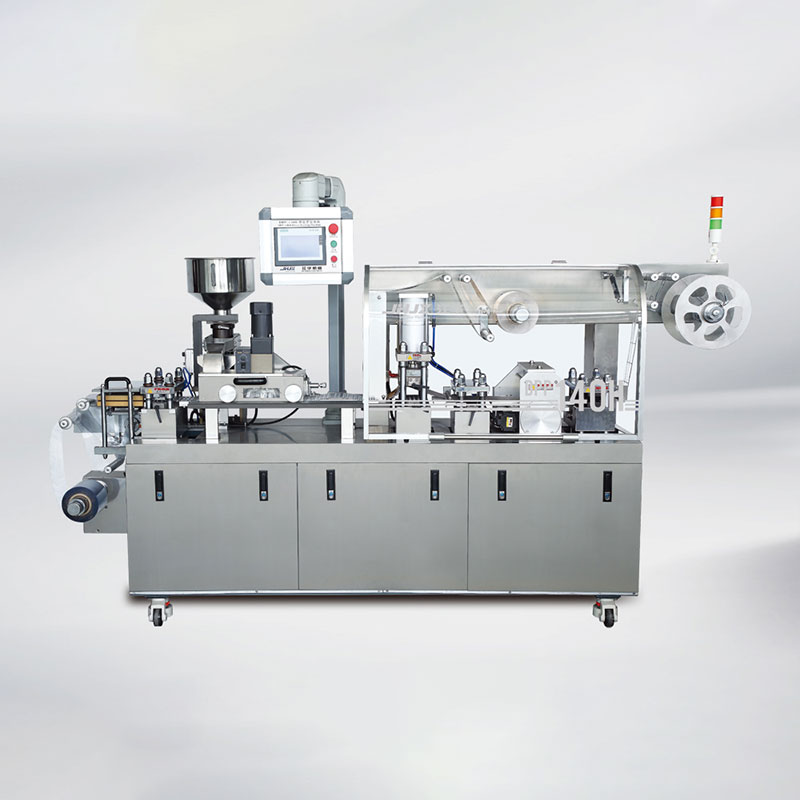 DPP-140H Flat-plate Blister Packing Machine
 -
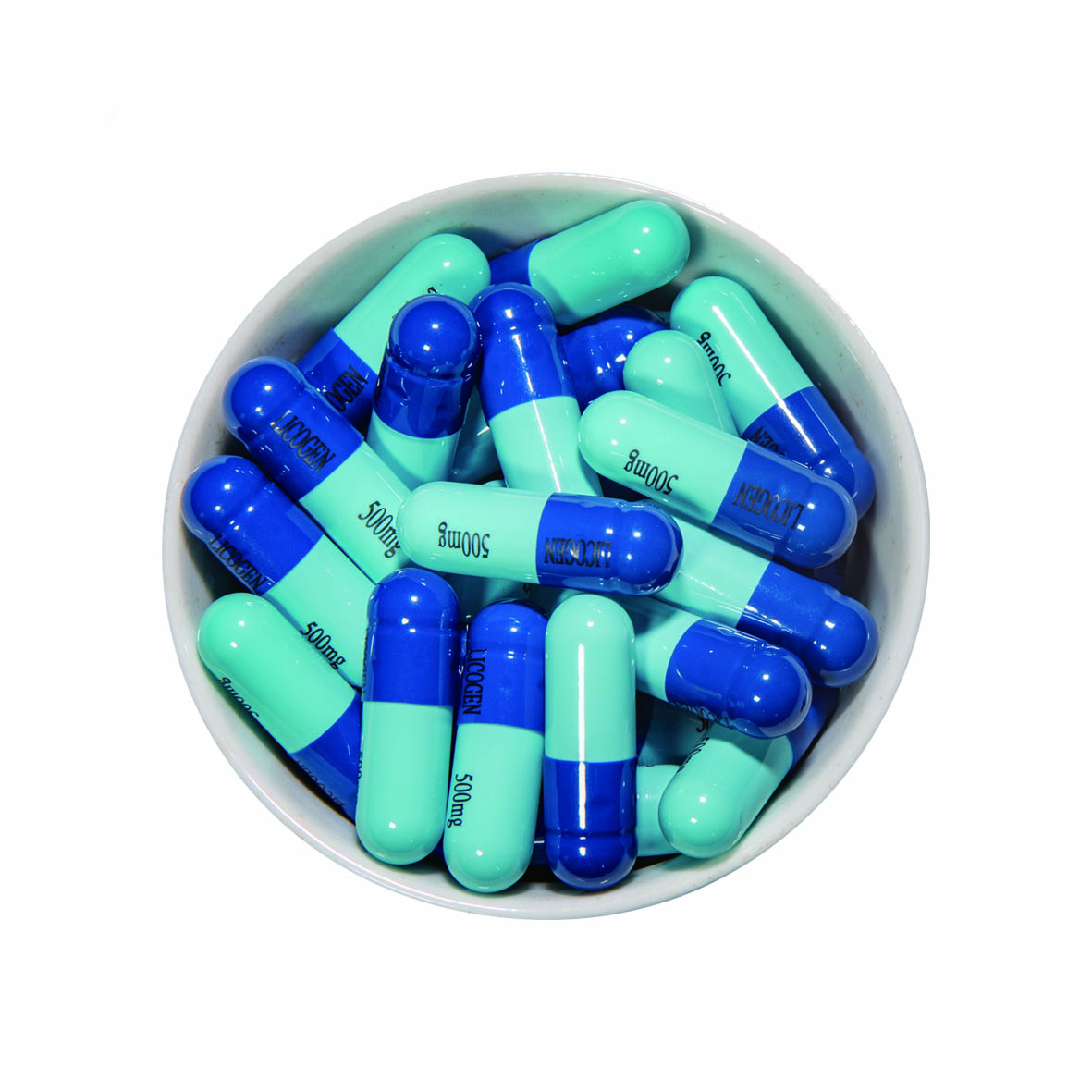 Hard Gelatin Empty Capsule Shell Size 00 0 1 2 3 4
 -
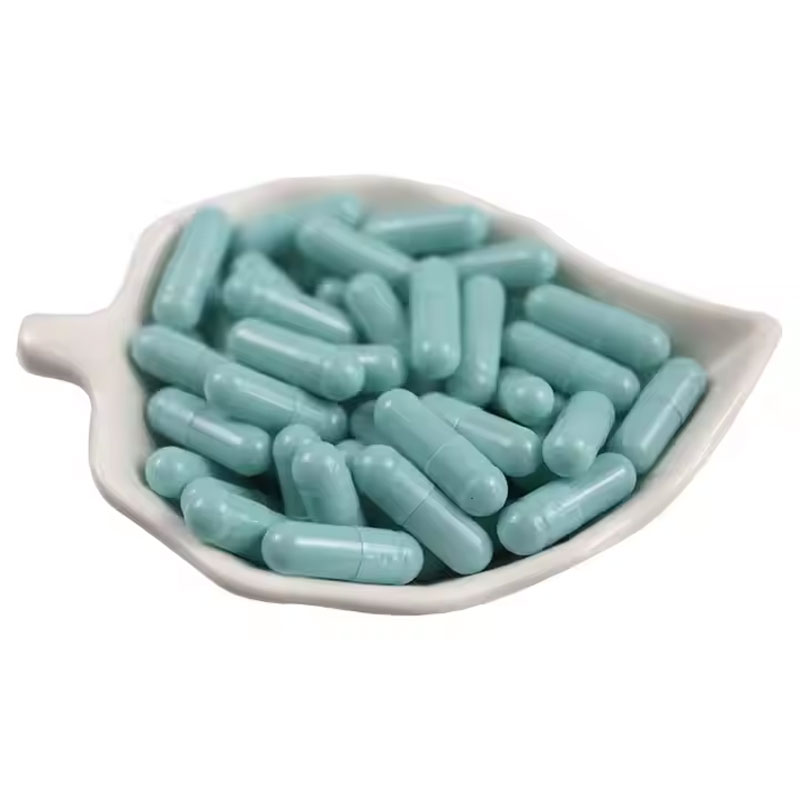 Vegetarian Separated Capsules HPMC Capsules Separated Wholesale Vegetarian Capsules Discount for Bulk Orders
 -
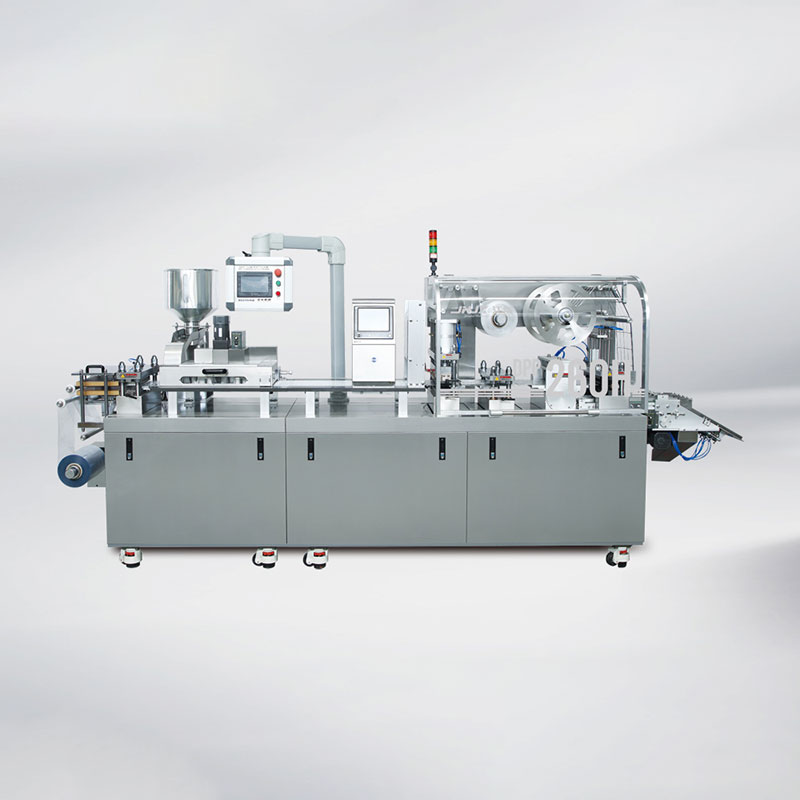 DPP-260H_DPP-320H Flat-plate Blister Packing Machine
 -
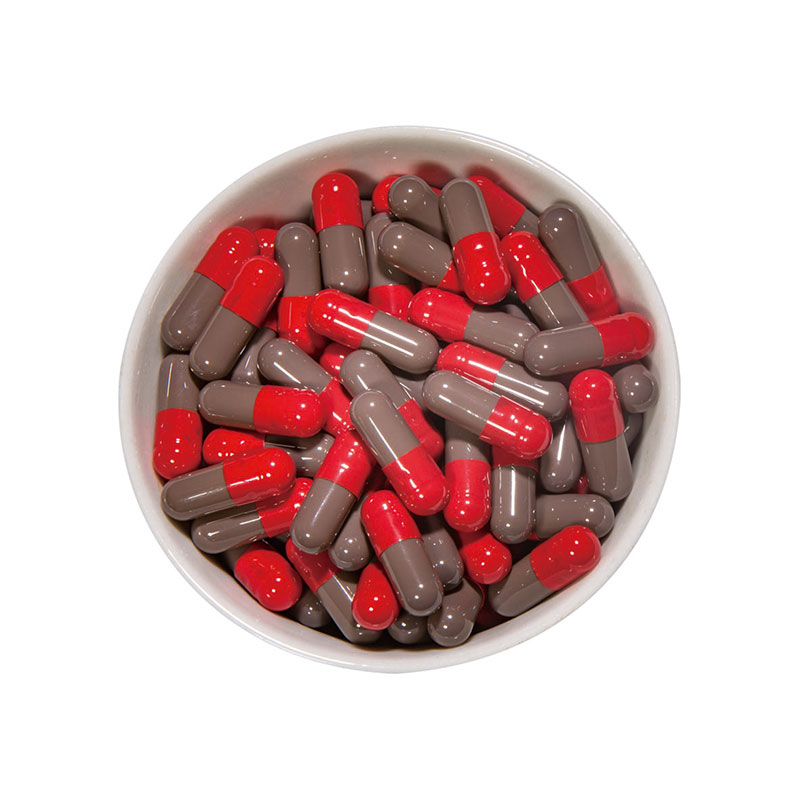 TIO2 free gelatin CAPSULE
 -
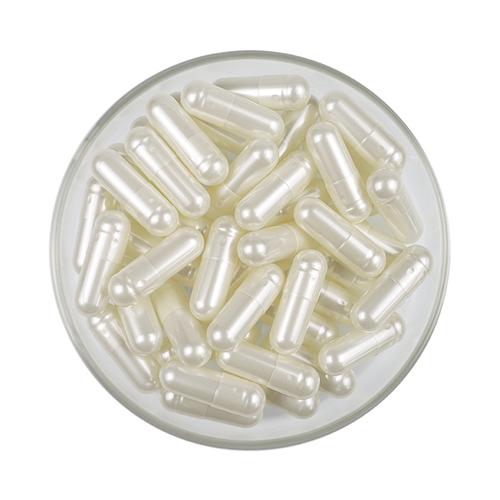 Golden_Pearl Hard Gelatin Capule
 -
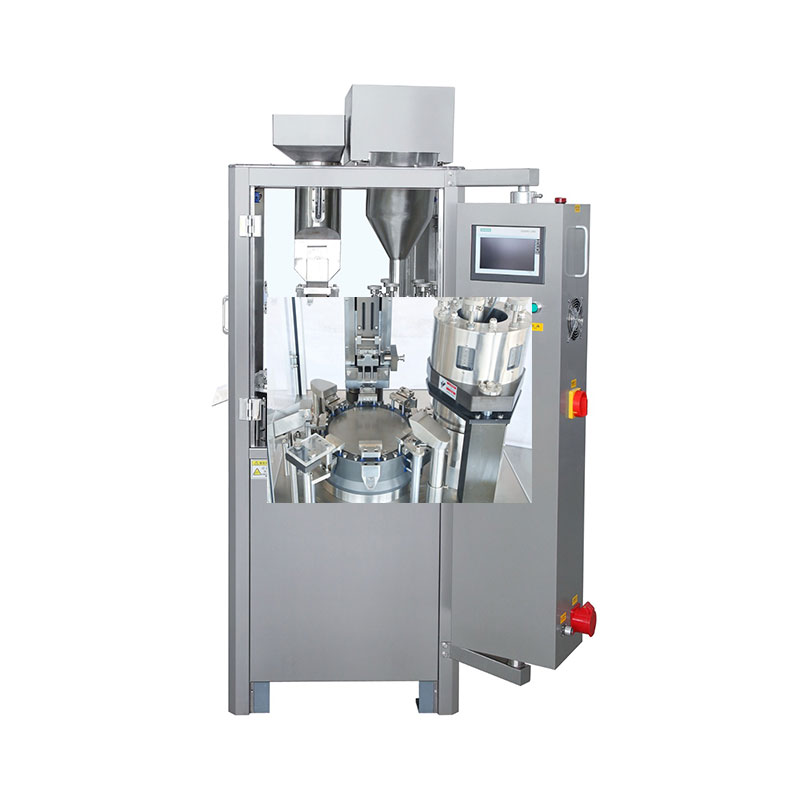 NJP-200 Model Fully Automatic Capsule Filling Machine
 -
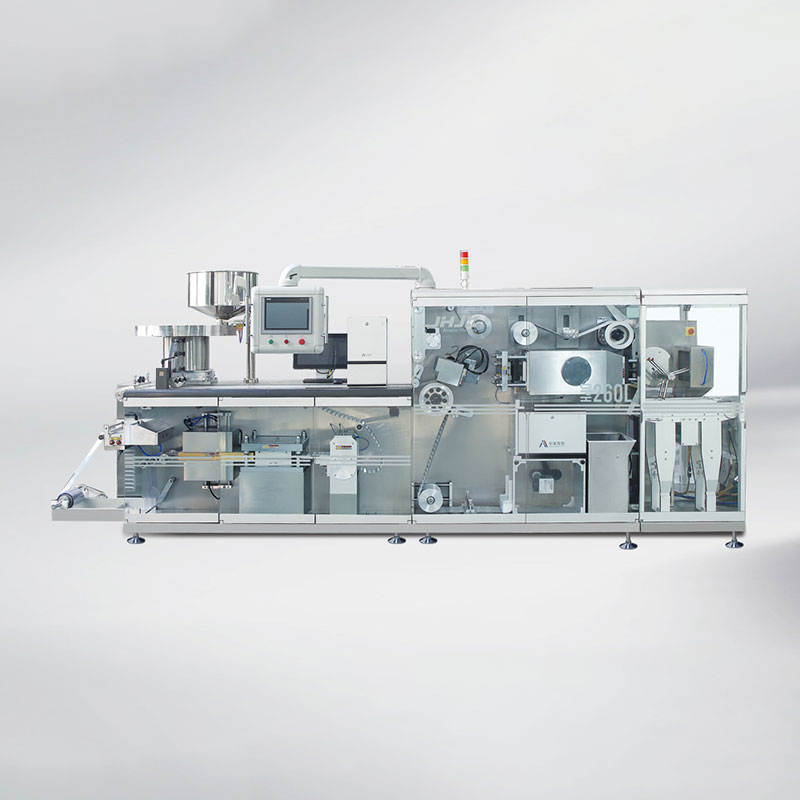 DPH-260L Roll-plate Blister Packaging Machine
 -
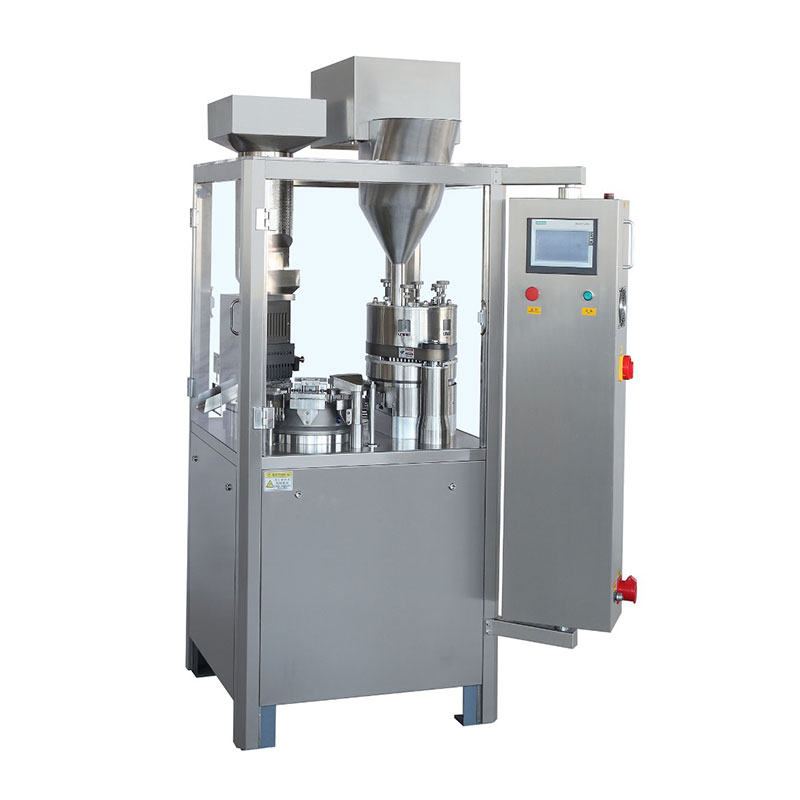 NJP-1200 Automatic Capsule Filling Machine
 -
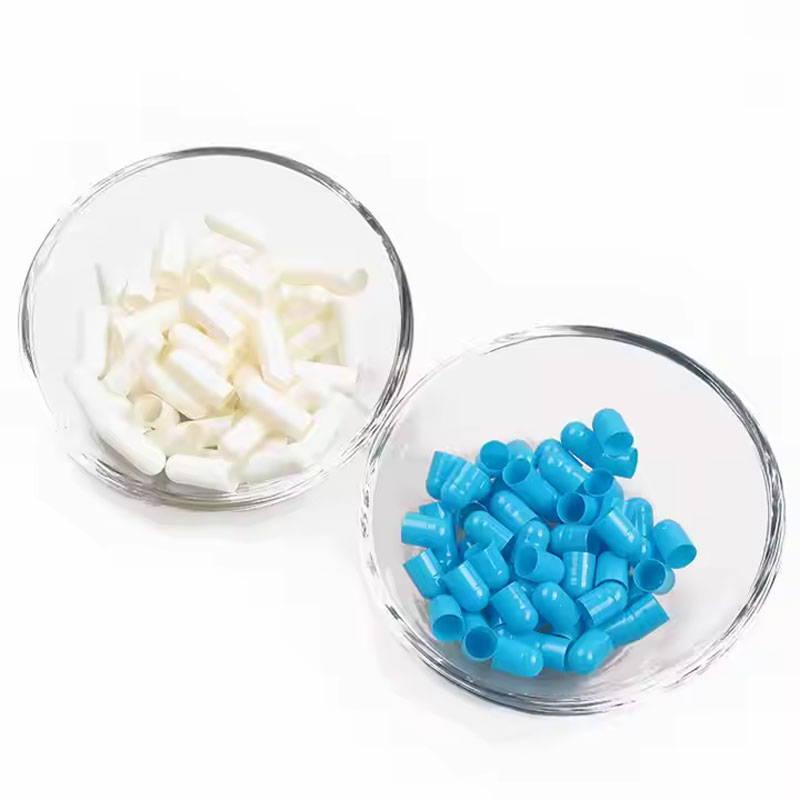 Empty VegCaps Shell Clear Empty Vegan Plant-Based Capsules Size 00 0 1 2 3 4 Natural Vegetable HPMC Capsules
Related Search
Related Search- Discount powder capsule filler
- Certificate semi-automatic capsule filling machine
- Certificate njp 400
- high quality capsule filler
- Best NJP-400 automatic capsule filling machine size 00
- Discount gel cap filling machine
- Discount capsule filler size 00
- Certificate njp 800c
- Certificate the capsule machine 000
- OEM small automatic capsule filling machine