
- English
- Chinese
- French
- German
- Portuguese
- Spanish
- Russian
- Japanese
- Korean
- Arabic
- Irish
- Greek
- Turkish
- Italian
- Danish
- Romanian
- Indonesian
- Czech
- Afrikaans
- Swedish
- Polish
- Basque
- Catalan
- Esperanto
- Hindi
- Lao
- Albanian
- Amharic
- Armenian
- Azerbaijani
- Belarusian
- Bengali
- Bosnian
- Bulgarian
- Cebuano
- Chichewa
- Corsican
- Croatian
- Dutch
- Estonian
- Filipino
- Finnish
- Frisian
- Galician
- Georgian
- Gujarati
- Hausa
- Hawaiian
- Hebrew
- Hmong
- Hungarian
- Icelandic
- Igbo
- Javanese
- Kannada
- Kazakh
- Khmer
- Kurdish
- Kyrgyz
- Latin
- Latvian
- Lithuanian
- Luxembou..
- Macedonian
- Malagasy
- Malay
- Malayalam
- Maltese
- Maori
- Marathi
- Mongolian
- Burmese
- Nepali
- Norwegian
- Pashto
- Persian
- Punjabi
- Serbian
- Sesotho
- Sinhala
- Slovak
- Slovenian
- Somali
- Samoan
- Scots Gaelic
- Shona
- Sindhi
- Sundanese
- Swahili
- Tajik
- Tamil
- Telugu
- Thai
- Ukrainian
- Urdu
- Uzbek
- Vietnamese
- Welsh
- Xhosa
- Yiddish
- Yoruba
- Zulu
- Kinyarwanda
- Tatar
- Oriya
- Turkmen
- Uyghur


OEM empty Vegetable Capsule
The Intricacies of OEM Empty Vegetable Capsules
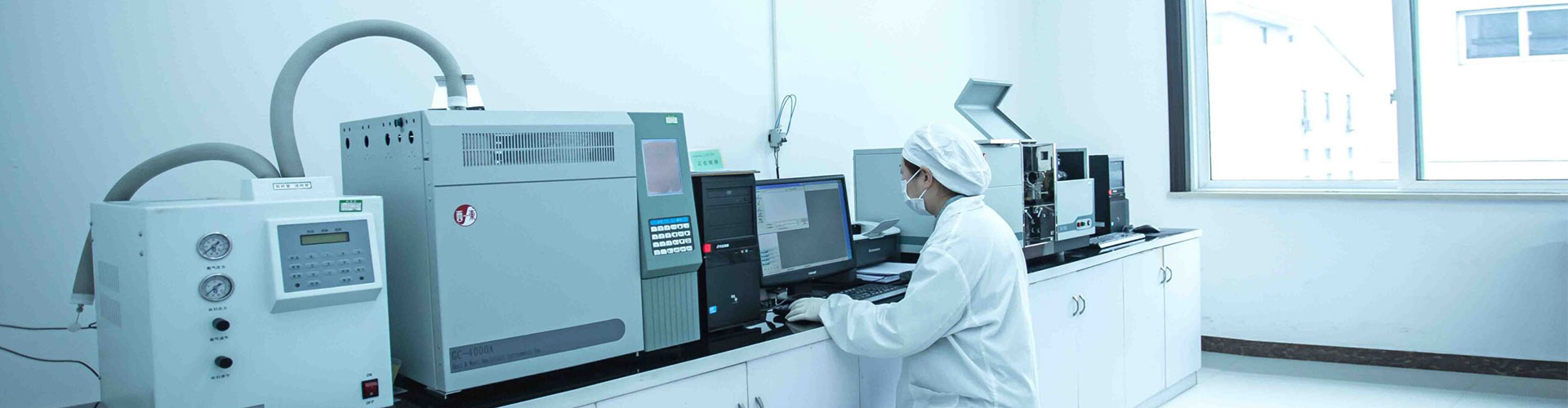
OEM empty vegetable capsules, a rapidly growing segment in the pharmaceutical and nutraceutical industries, are often misunderstood. Let's delve into what exactly these capsules are and explore some common misconceptions, relying on my own experiences in the field.
Understanding OEM Empty Vegetable Capsules
Diving into the world of OEM empty vegetable capsules, you'll notice the demand for plant-based alternatives is steadily rising. These capsules, often derived from hydroxypropyl methylcellulose (HPMC), serve as a vegan option against traditional gelatin capsules, appealing to a wider consumer base.
During my tenure with Suqian Kelaiya International Trading Co., Ltd, I witnessed firsthand the nuanced process of developing these capsules. Our two manufacturing sites in Zhejiang and Jiangsu provinces specialize in both capsule production and the machinery needed for filling them, making innovation and precision key components of our operations.
It's fascinating how the market has shifted. Consumers are not just interested in what fills the capsules, but also what they’re made from. This awareness drives the demand for transparency and integrity in capsule manufacturing.
The Manufacturing Process: A Closer Look
From the onset, ensuring the right consistency and quality of the raw materials is crucial. At Kelaiya, we focus heavily on sourcing reliable materials that meet our stringent quality expectations.
While the actual manufacturing process might seem straightforward, it's anything but. Every step, from mixing the HPMC with water to the actual capsule formation, requires precise conditions. Any deviation can affect the integrity and dissolution profile of the final product.
We also faced challenges with scalability. Increasing production without compromising quality took numerous trials, including some rather frustrating failed attempts. It’s this constant iterative process that truly underpins the integrity of our products.
Real-World Challenges and Solutions
One of the significant hurdles in the industry is meeting diverse client specifications. From size variations to color preferences, customization is a core element. Our team at Suqian Kelaiya often worked closely with clients to adapt our processes, ensuring their unique needs were met without hassle.
There was this one instance where we had to quickly adapt our manufacturing line for a high-profile client who needed a unique capsule size. It involved sleepless nights, but overcoming these challenges is part of what makes this work rewarding.
We lean heavily on our research and development capabilities. The support from our manufacturing sites allows for testing and refining, critical when catering to such bespoke requests.
Changing Market Dynamics
The market for OEM empty vegetable capsules is evolving, no doubt. As more companies venture into the nutraceutical domain, the demand grows not just for volume but also innovation in capsule technology.
Kelaiya’s position as a specialized company in new drug development gives us an edge. By continuously investing in R&D, we can adapt swiftly to these changes, staying ahead of competitors and meeting emerging trends.
Moreover, partnerships with healthcare professionals and continued dialogue with clients are invaluable. These interactions fuel our innovation pipeline, shaping the future of capsule manufacturing.
The Future of Vegetable Capsules
Looking ahead, the development of OEM empty vegetable capsules will likely hinge on sustainability. The industry is pushing toward eco-friendly solutions, and we at Kelaiya are committed to reducing our environmental impact through more sustainable practices.
Furthermore, technological advancements are leading to smarter manufacturing processes. Automation and AI, although not without their teething problems, are being integrated to improve efficiency and accuracy in capsule production.
Overall, while the journey is complex and fraught with challenges, the opportunities are immense. For those of us in the trenches, it's exciting to see where innovation will take us next. It's this very unpredictability and potential for creativity that keeps us invested in the future of empty vegetable capsules.
Related Products
Related Products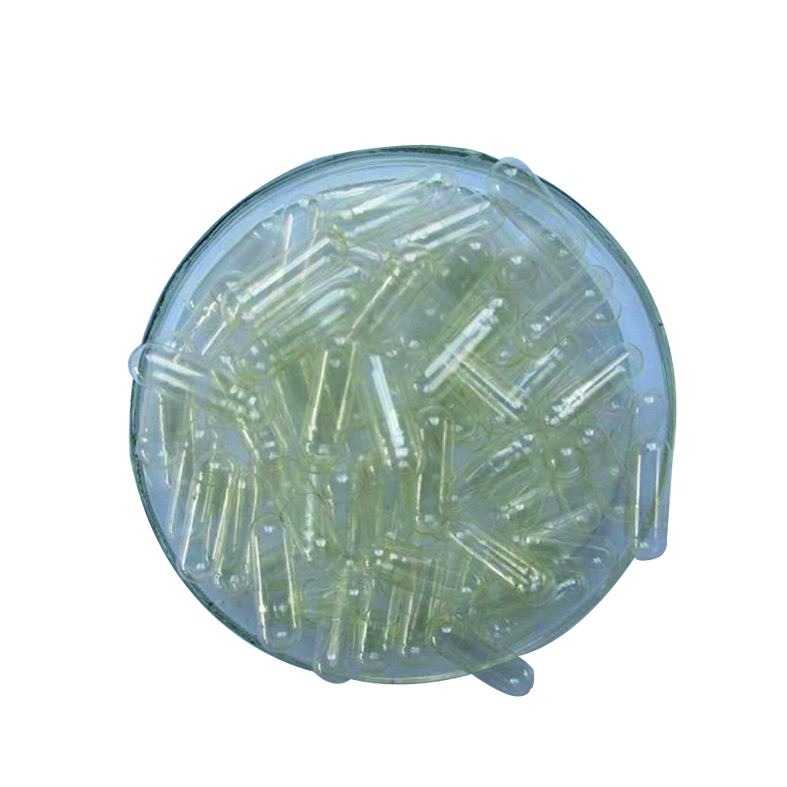
Best Selling Products
Best Selling Products-
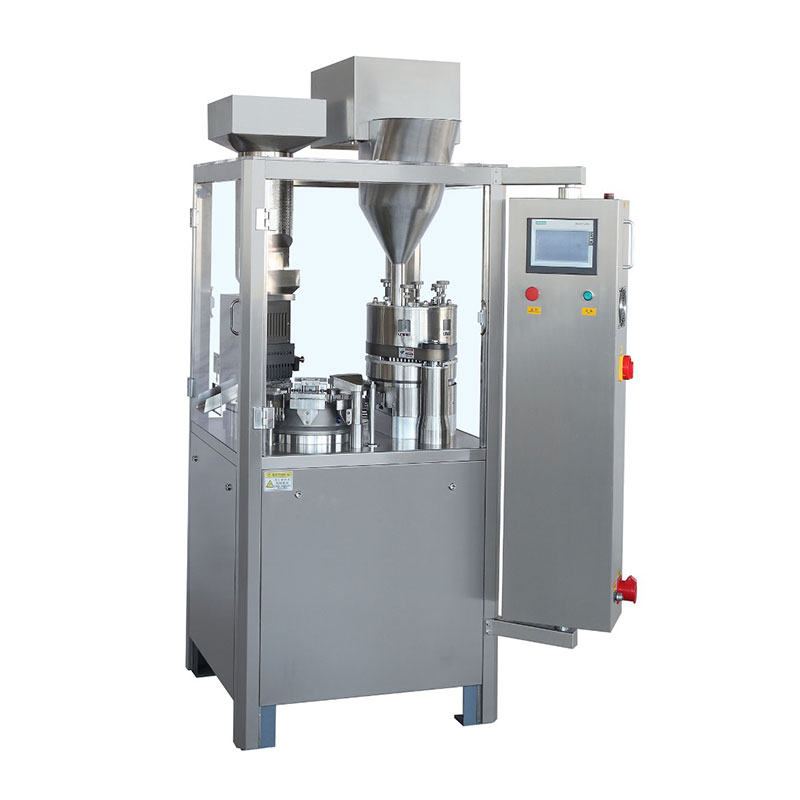 NJP-1200 Automatic Capsule Filling Machine
 -
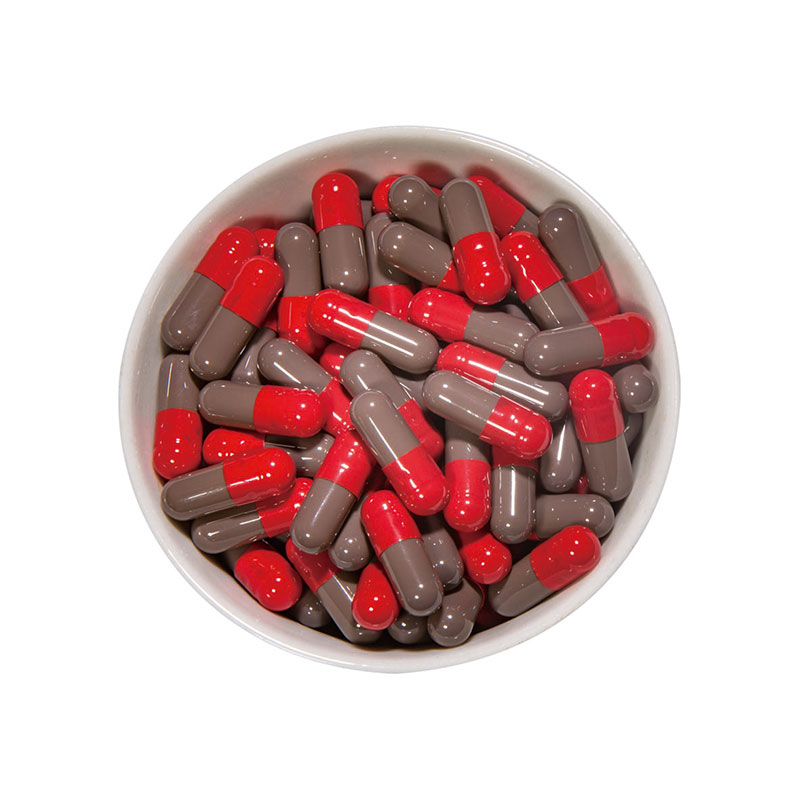 TIO2 free gelatin CAPSULE
 -
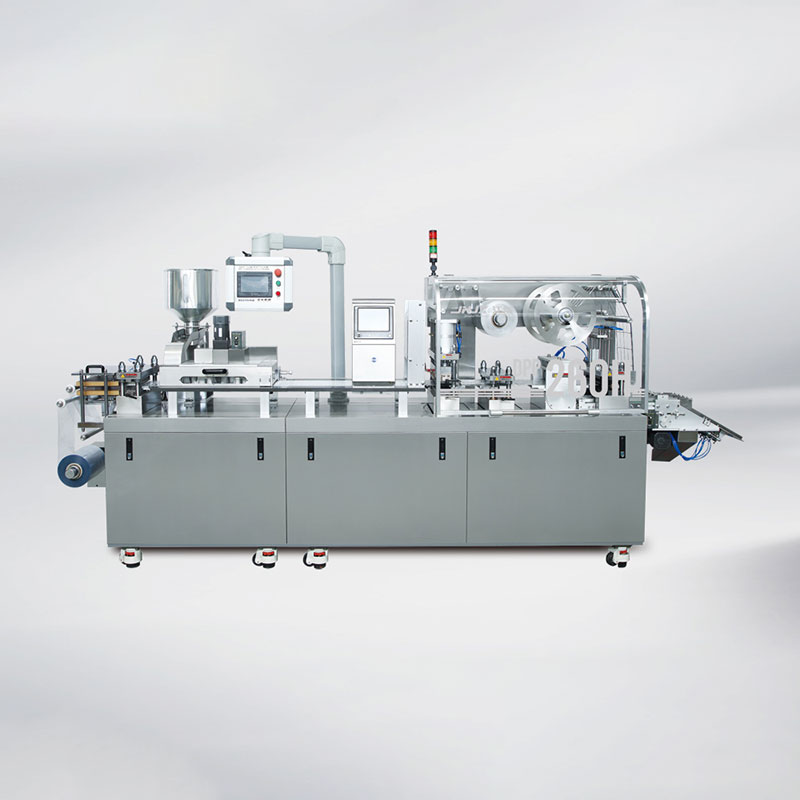 DPP-260H_DPP-320H Flat-plate Blister Packing Machine
 -
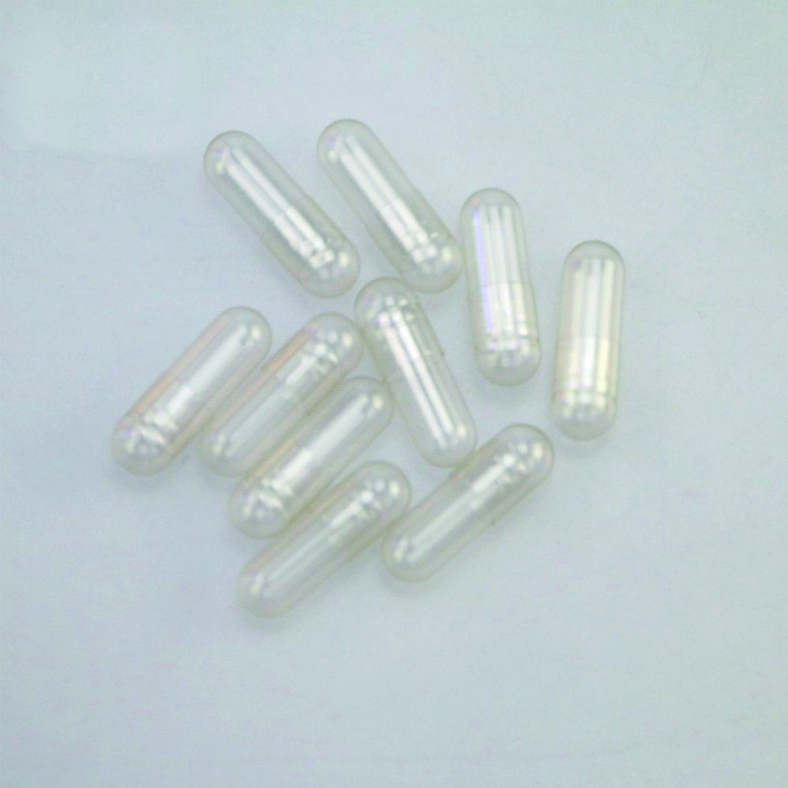 EMPTY HPMC CAPSULE SIZE 00 CLEAR
 -
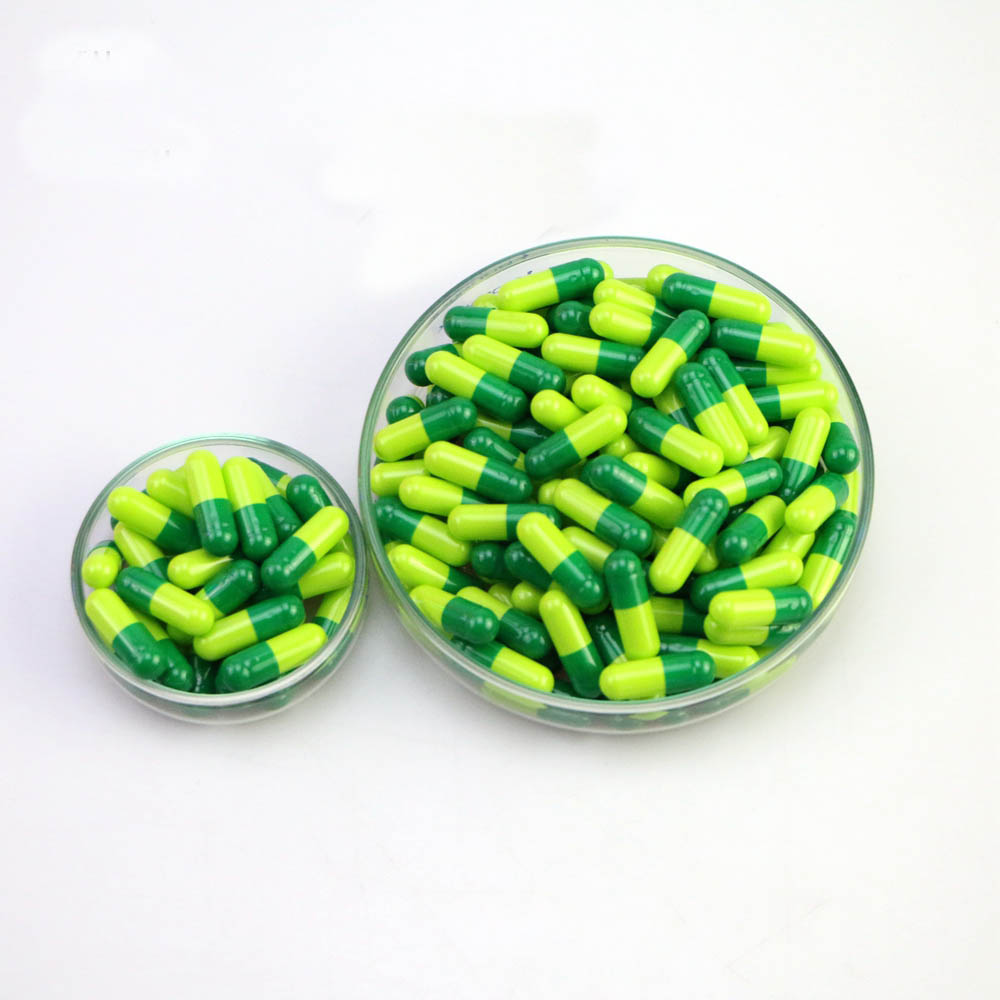 Halal empty hard geltin capsule
 -
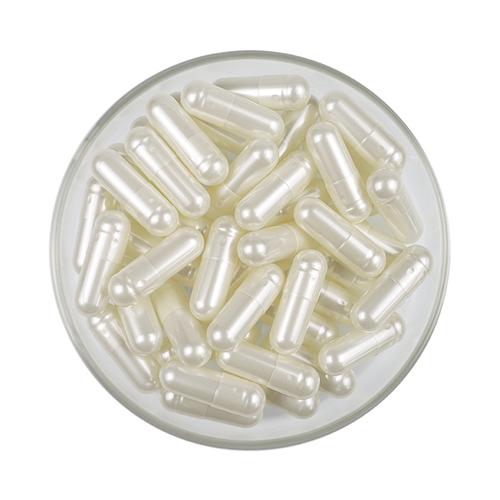 Golden_Pearl Hard Gelatin Capule
 -
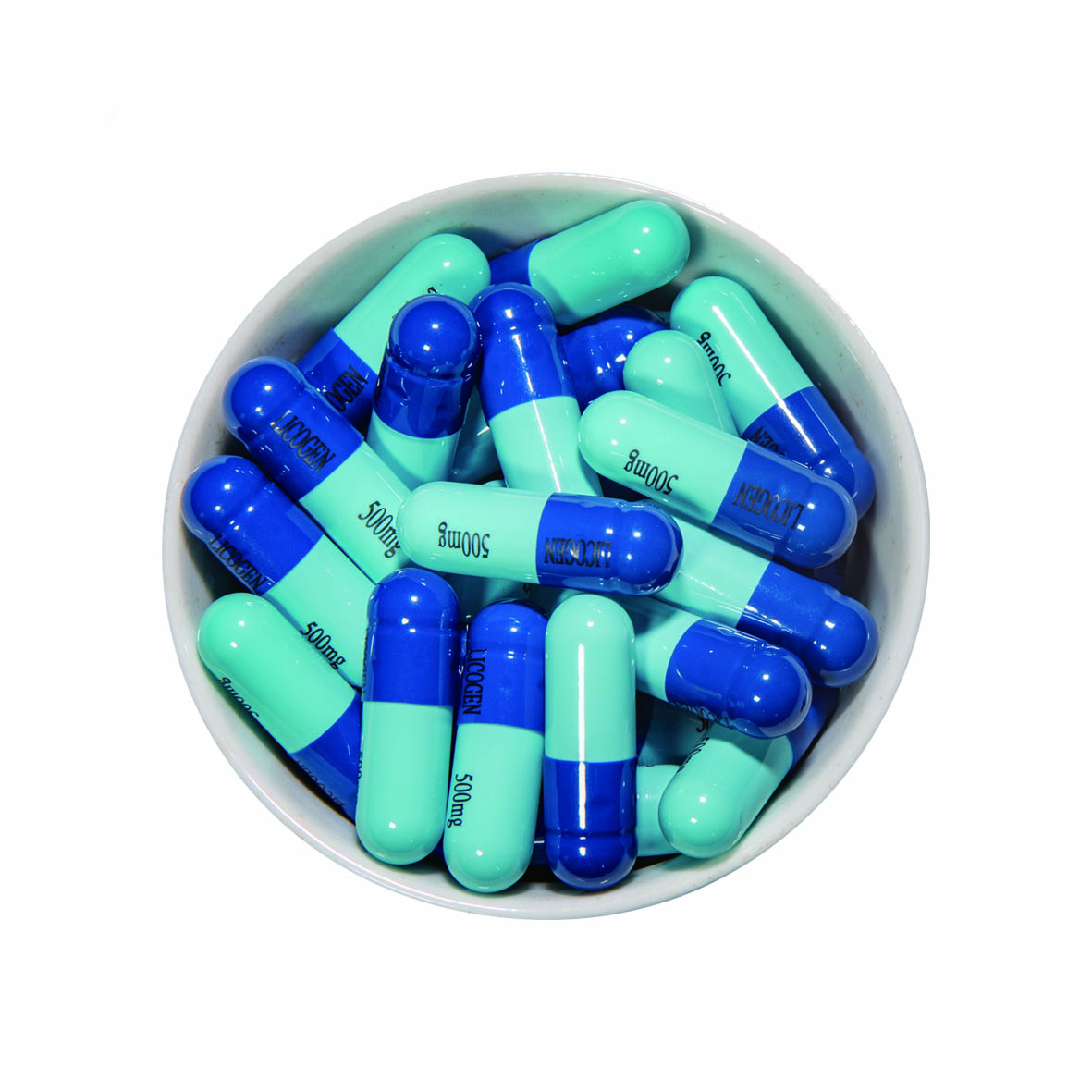 Hard Gelatin Empty Capsule Shell Size 00 0 1 2 3 4
 -
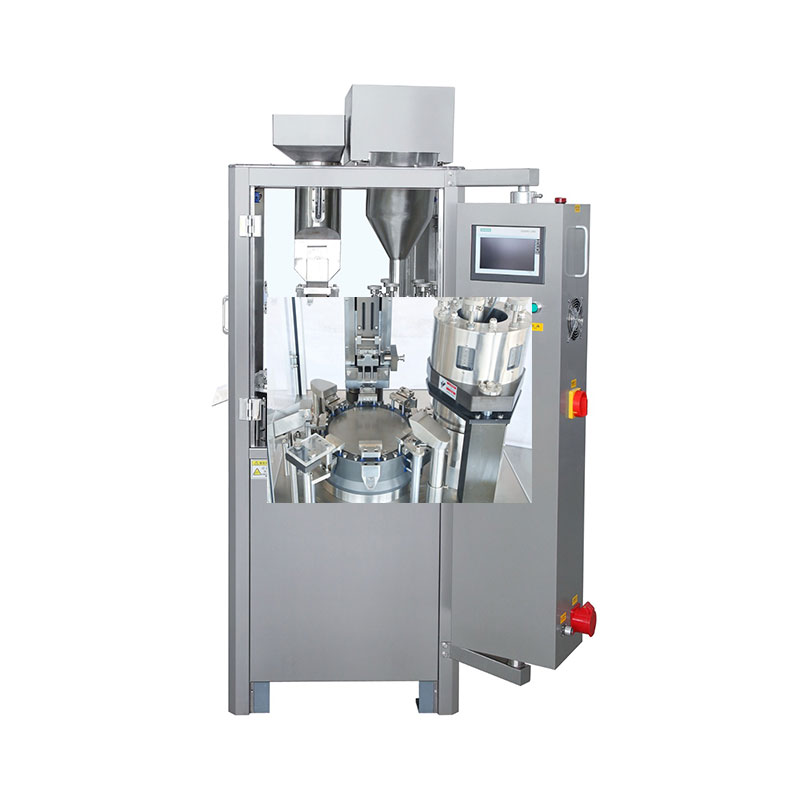 NJP-200 Model Fully Automatic Capsule Filling Machine
 -
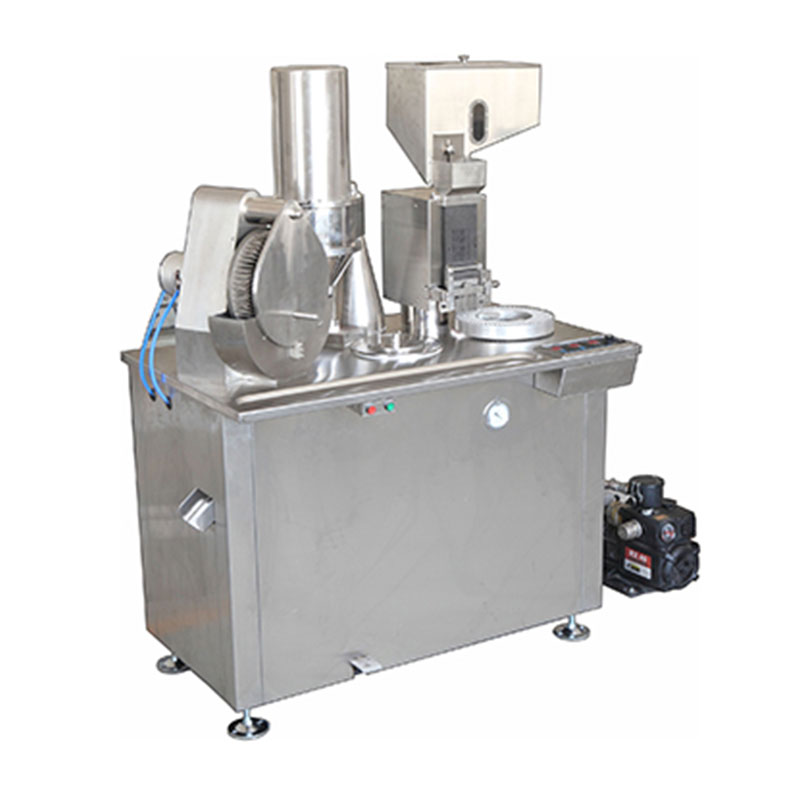 CGN208-D Newest Type Semi Automatic Capsule Filling Machine
 -
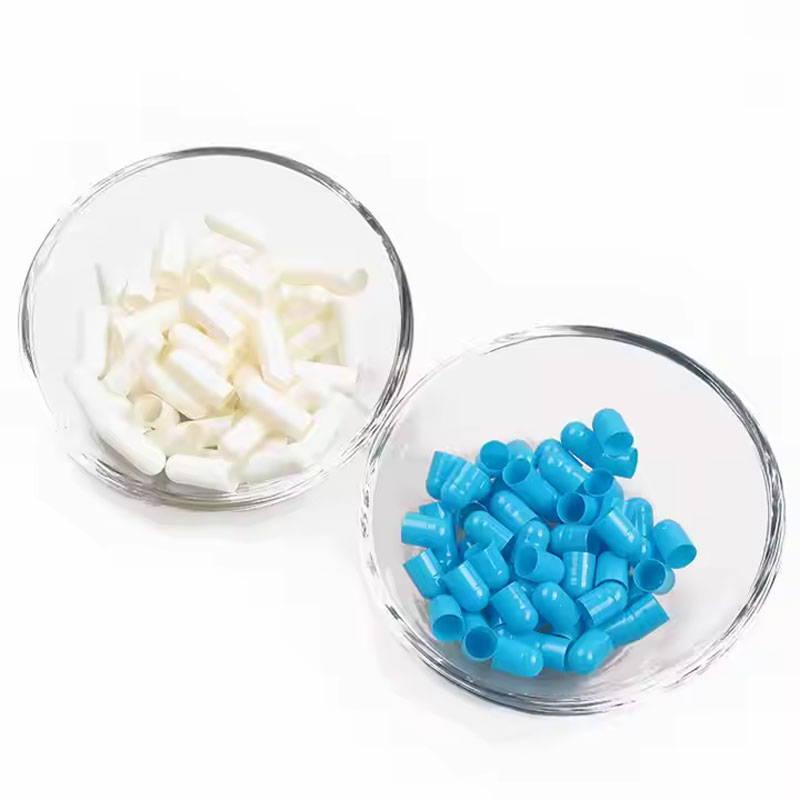 Empty VegCaps Shell Clear Empty Vegan Plant-Based Capsules Size 00 0 1 2 3 4 Natural Vegetable HPMC Capsules
 -
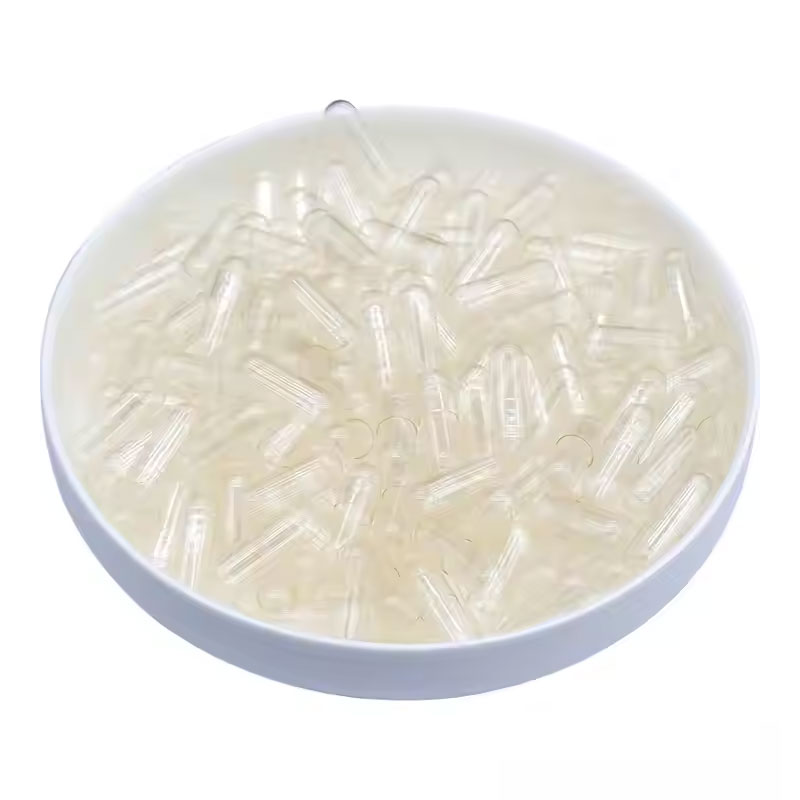 EMPTY VEGATABLE CAPSULE CLEAR SIZE 0
 -
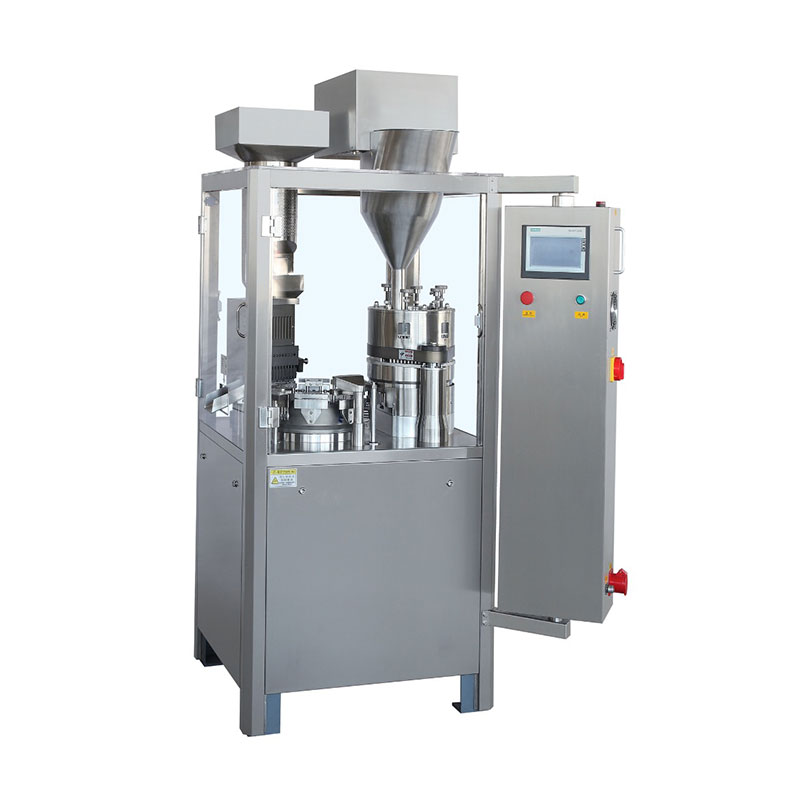 NJP-800 Automatic Capsule Filling Machine
Related Search
Related Search- Discount size 0 vegetable capsules
- Discount automatic capsule filling machine
- Certificate size 5 capsule filling machine
- high quality hard gelatin capsule size 0
- Best capsule machine size 3
- high quality filling machine of capsule
- high quality semi-automatic capsule filling machine size 0
- OEM empty vegetarian capsules size 00
- manual capsule filler size 4
- Discount njp 800c