
- English
- Chinese
- French
- German
- Portuguese
- Spanish
- Russian
- Japanese
- Korean
- Arabic
- Irish
- Greek
- Turkish
- Italian
- Danish
- Romanian
- Indonesian
- Czech
- Afrikaans
- Swedish
- Polish
- Basque
- Catalan
- Esperanto
- Hindi
- Lao
- Albanian
- Amharic
- Armenian
- Azerbaijani
- Belarusian
- Bengali
- Bosnian
- Bulgarian
- Cebuano
- Chichewa
- Corsican
- Croatian
- Dutch
- Estonian
- Filipino
- Finnish
- Frisian
- Galician
- Georgian
- Gujarati
- Hausa
- Hawaiian
- Hebrew
- Hmong
- Hungarian
- Icelandic
- Igbo
- Javanese
- Kannada
- Kazakh
- Khmer
- Kurdish
- Kyrgyz
- Latin
- Latvian
- Lithuanian
- Luxembou..
- Macedonian
- Malagasy
- Malay
- Malayalam
- Maltese
- Maori
- Marathi
- Mongolian
- Burmese
- Nepali
- Norwegian
- Pashto
- Persian
- Punjabi
- Serbian
- Sesotho
- Sinhala
- Slovak
- Slovenian
- Somali
- Samoan
- Scots Gaelic
- Shona
- Sindhi
- Sundanese
- Swahili
- Tajik
- Tamil
- Telugu
- Thai
- Ukrainian
- Urdu
- Uzbek
- Vietnamese
- Welsh
- Xhosa
- Yiddish
- Yoruba
- Zulu
- Kinyarwanda
- Tatar
- Oriya
- Turkmen
- Uyghur



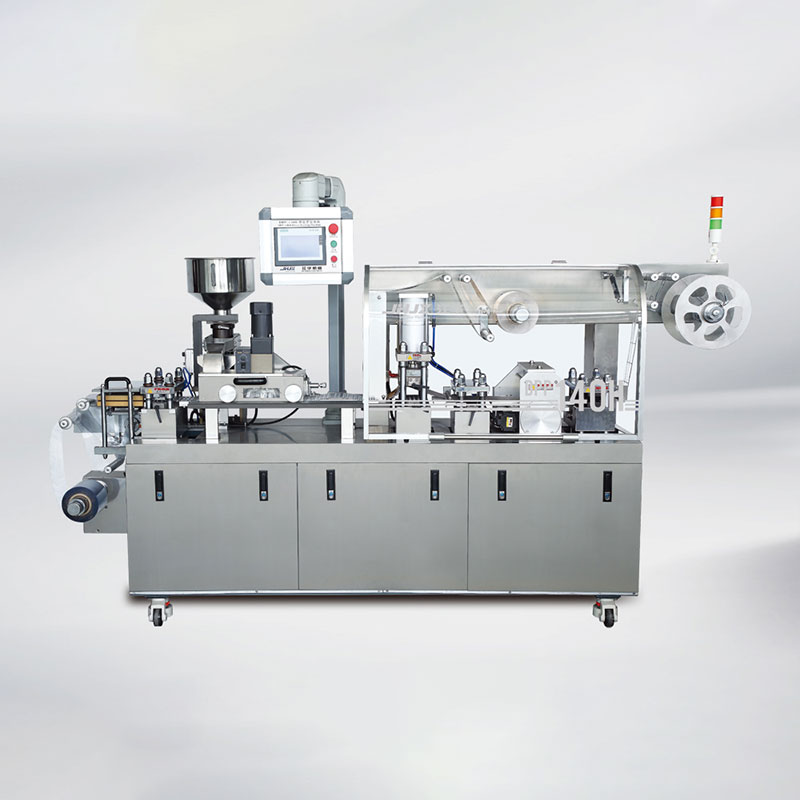
OEM DPP 80 Blister machinePVC/ALU
Understanding the OEM DPP 80 Blister Machine PVC/ALU
In the realm of pharmaceutical packaging, the OEM DPP 80 Blister Machine PVC/ALU stands out as a reliable workhorse. Many in the industry might assume it's just another packaging machine, but understanding its nuances can significantly impact production efficiency and product safety. It's not just about blistering; it's about how this machine integrates into a production line, accommodating various dimensions and materials like PVC and aluminum, while maintaining the stringent standards of pharmaceutical manufacturing.
The Common Misunderstandings
There’s a notion that blister machines are all somewhat interchangeable, a dangerous oversimplification. OEM DPP 80 isn’t a one-size-fits-all solution. Its specificity to PVC/ALU usage means it’s perfectly tuned for those materials, maintaining integrity and quality. Often, I’ve seen companies bogged down with compatibility issues because they tried to cut corners, overlooking these compatibility details.
This machine caters specifically to small-batch production. Its compact design is intentional, serving the needs of labs and small manufacturers, or even as a pilot machine in larger setups. Avoiding mistakes here is about understanding scale and scope—a lesson painfully learned by many startups in the field.
Another pitfall is underestimating the maintenance requirements. The precision required for PVC/ALU blistering means regular checks are non-negotiable. Over my years dealing with different machinery, neglecting routine maintenance on the DPP 80 has led to unnecessary downtimes, something that busy production schedules rarely forgive.
Integration into Existing Systems
At SUQIAN KELAIYA INTERNATIONAL TRADING CO., LTD, we've worked with various manufacturers to ensure seamless integration of the DPP 80 into existing production lines. Located strategically with operations in Zhejiang and Jiangsu provinces, our experience shows that pre-planned integration reduces errors significantly.
We always advise clients to assess their current systems—look at the format, size, and material handling processes. This is where most integration hiccups occur. But once navigated correctly, machines like the OEM DPP 80 offer sleek compatibility with companion devices, such as capsule fillers, enhancing overall efficiency.
And trust me, you'll want that integration to be smooth. Every hour spent troubleshooting is an hour of production lost, and that's a tide you're better off not swimming against. It's about setting up the path before you need to walk it.
Specific Case Studies and Learnings
We had an interesting project last year at Suqian Kelaiya Corp., dealing with a mid-sized firm struggling with packaging delays. Their original equipment wasn’t optimized for PVC/ALU, a classic mismatch situation if you will. They experienced significant heat seal failures.
Introducing the DPP 80 into their setup was transformative. After recalibrating their packaging line, not only did they achieve desired seal integrity, but production rates increased by about 15%. The investment essentially paid for itself within six months, showcasing how understanding specific machinery capabilities can drive profit margins.
It was a textbook example of matching the right machine to material and scale. The key takeaway for many was that the cost of inefficiency often outweighs the initial price tag of the correct equipment. It's a narrative repeated time and again in the industry.
Handling Different Materials
Now, let’s talk materials. Working with both PVC and ALU requires unique handling techniques to ensure optimal results. Both materials have specific properties that, if not accounted for, can lead to compromised product quality or machine damage.
Incorporating ALU often demands precise temperature control due to its sensitivity. On the other hand, PVC offers flexibility but requires consistent sealing pressure. When manufacturers like Suqian Kelaiya Corp., known for their new drug development, get involved, every detail counts.
Manufacturers need to conduct rigorous trials before full-scale production. These trials can identify unforeseen challenges that could derail timelines and budgets. Learning to respect the intricacies of both binary material use and machinery operation protects both the investment and product integrity.
Ongoing Maintenance and Support
Finally, ongoing maintenance cannot be overstated. Companies often make the mistake of ignoring maintenance until it’s too late, leading to costly repairs or replacements. With the DPP 80, regularly scheduled checkups are key to extending the life of the machine and ensuring uninterrupted production.
Incorporating a training module for staff is also beneficial, emphasizing daily checks and periodic full-scale maintenance. It's something we at SUQIAN KELAIYA cover thoroughly, reminding clients of the importance of this oft-overlooked step.
By keeping maintenance in focus, the investment in a blister machine like the DPP 80 isn’t just preserved—it’s enhanced, allowing manufacturers to trust the process and concentrate on growth. Continuous support is part of the package, ensuring success isn't just a one-time event, but a sustained journey.
In the end, prowess with the OEM DPP 80 Blister Machine lies in balancing all these factors with practical, real-world application. It’s technology celebrated not just for its efficiency but for how thoughtfully it integrates into the intricate dance of pharmaceutical production.
Related Products
Related Products

Best Selling Products
Best Selling Products-
 Hard Gelatin Empty Capsule Shell Size 00 0 1 2 3 4
 -
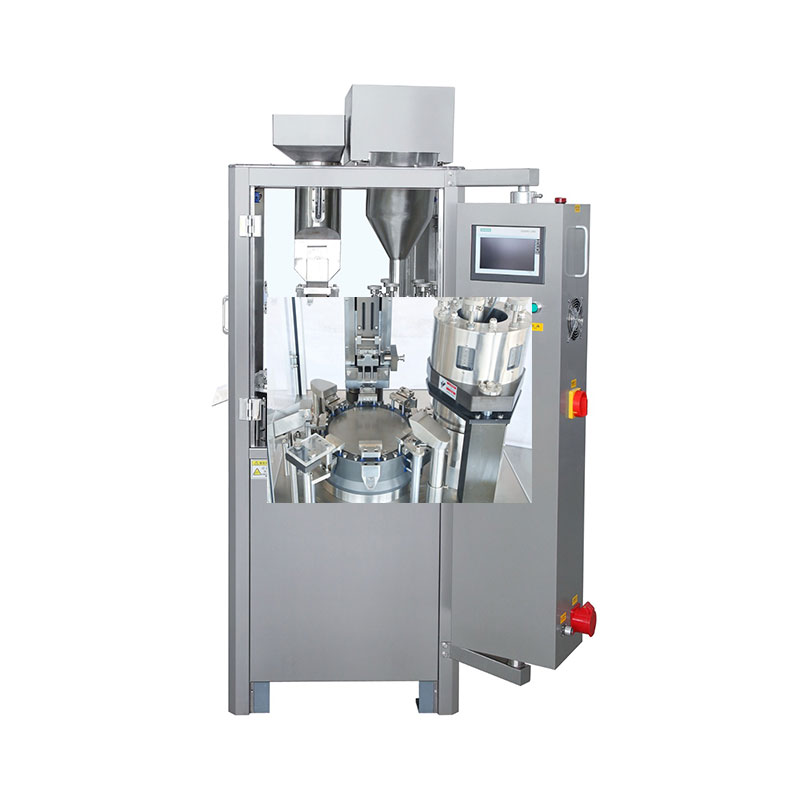 NJP-200 Model Fully Automatic Capsule Filling Machine
 -
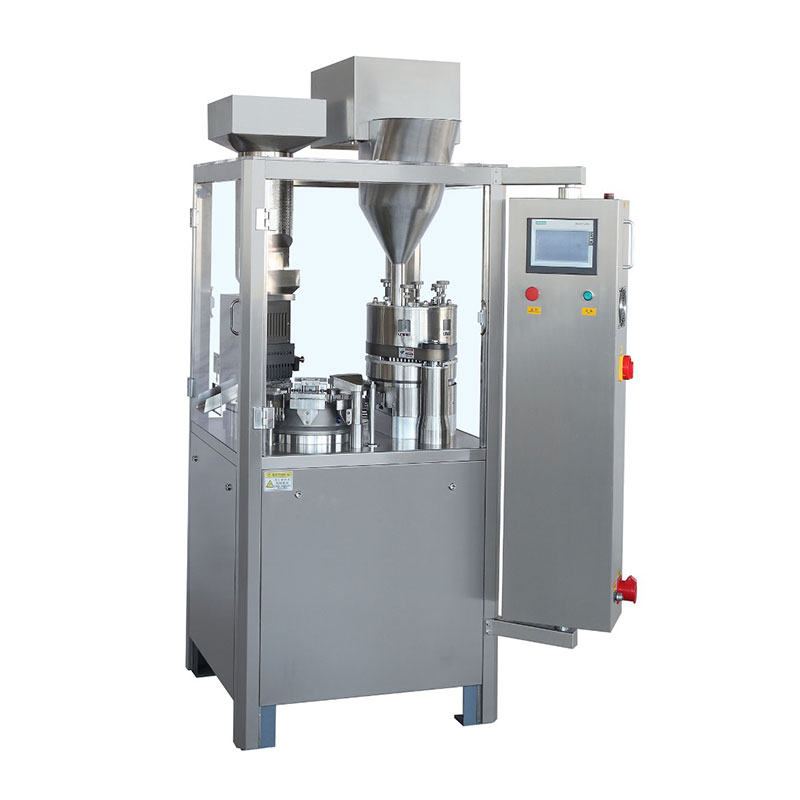 NJP-1200 Automatic Capsule Filling Machine
 -
 Vegetarian Separated Capsules HPMC Capsules Separated Wholesale Vegetarian Capsules Discount for Bulk Orders
 -
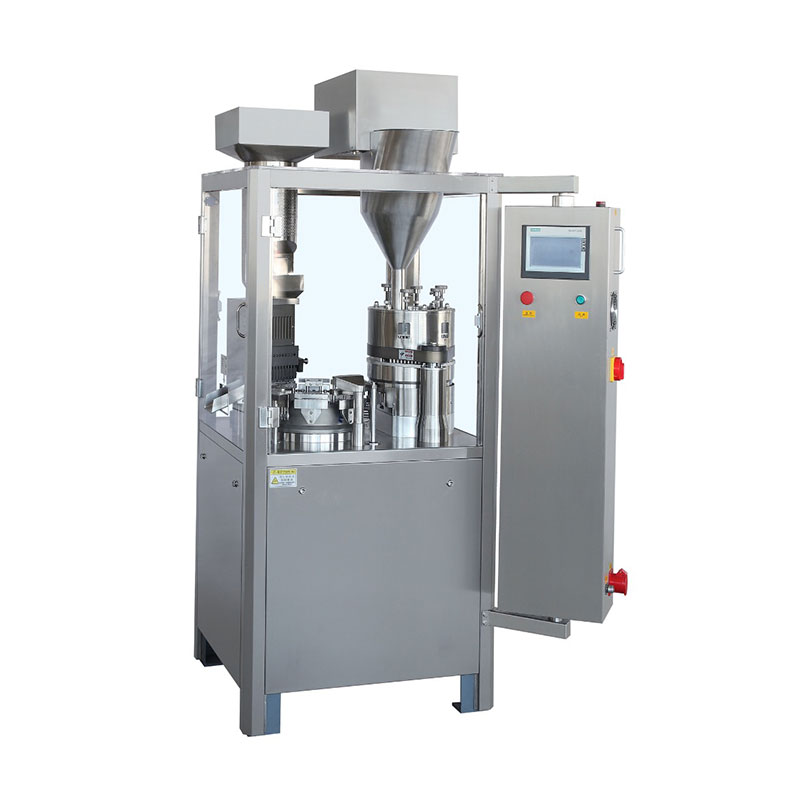 NJP-800 Automatic Capsule Filling Machine
 -
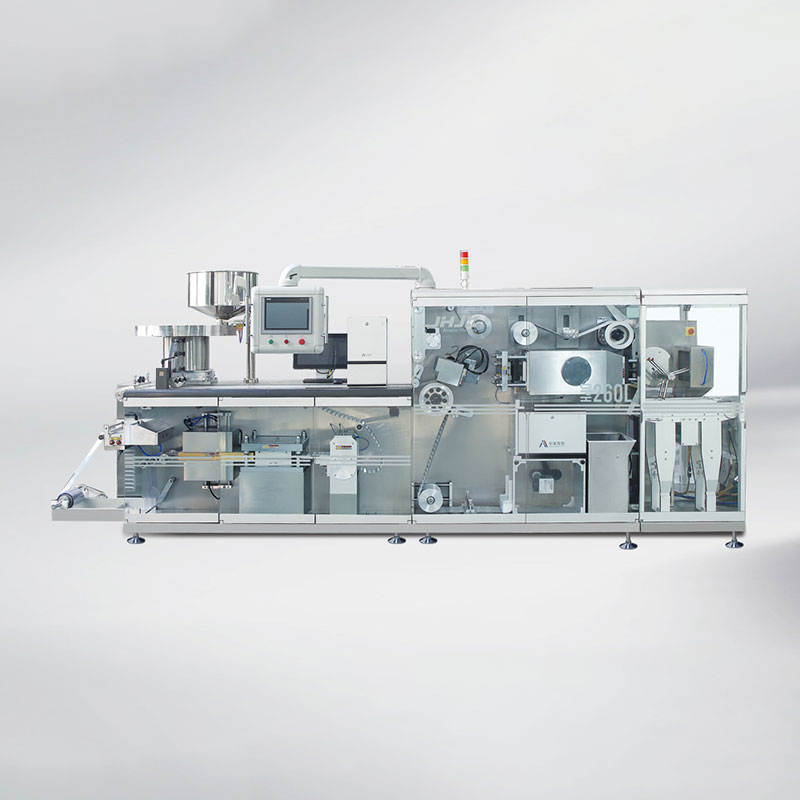 DPH-260L Roll-plate Blister Packaging Machine
 -
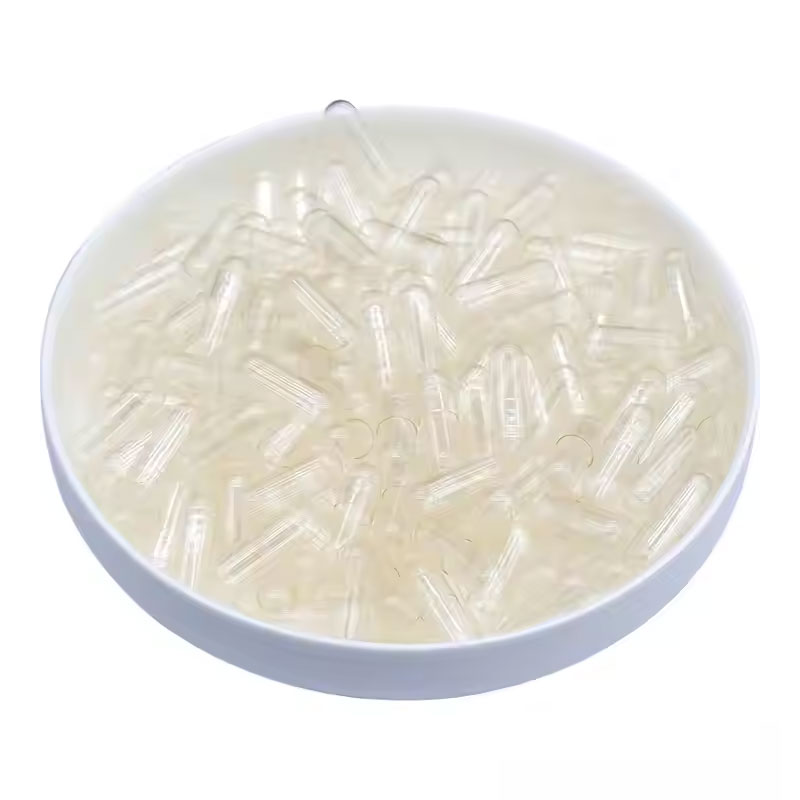 EMPTY VEGATABLE CAPSULE CLEAR SIZE 0
 -
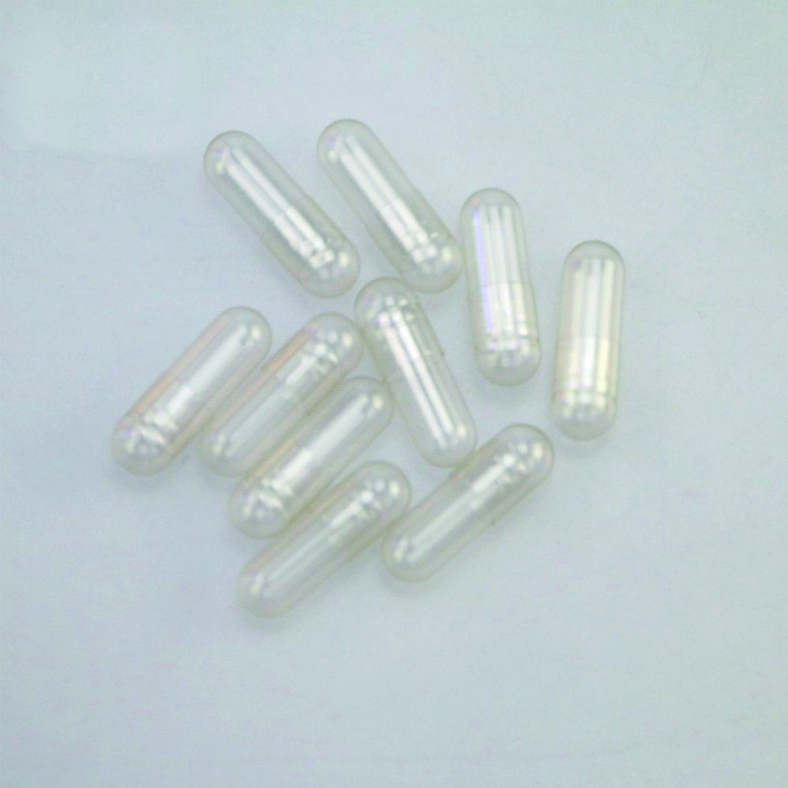 EMPTY HPMC CAPSULE SIZE 00 CLEAR
 -
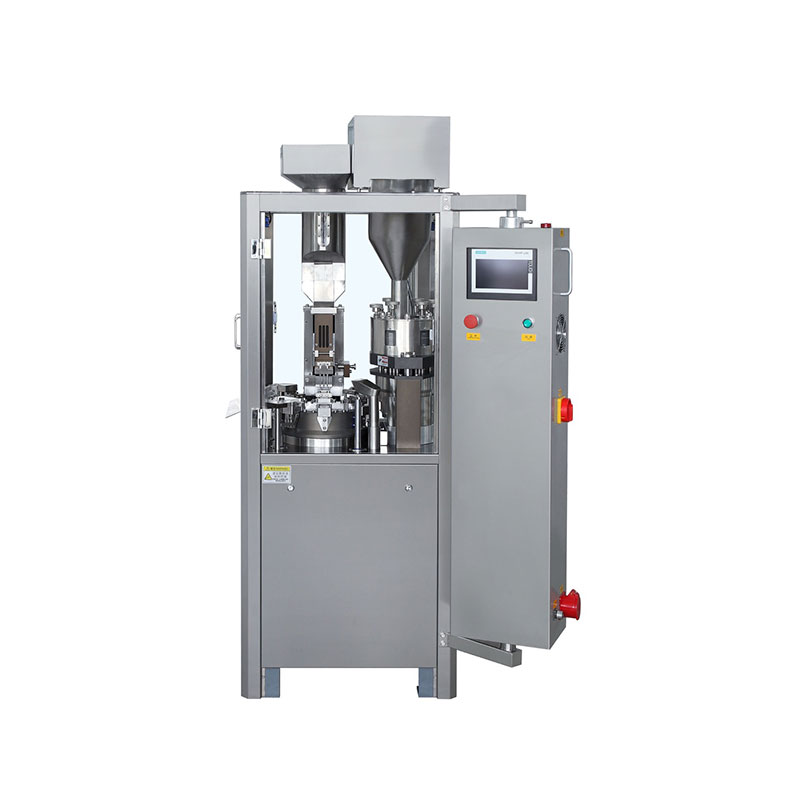 NJP-400 Fully Automatic Capsule Filling Machine
 -
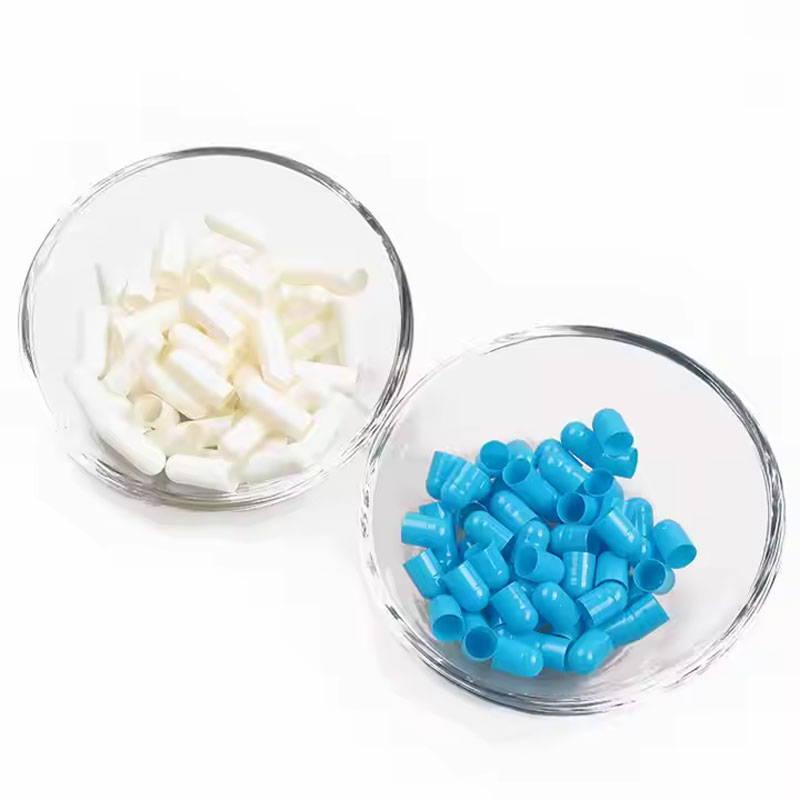 Empty VegCaps Shell Clear Empty Vegan Plant-Based Capsules Size 00 0 1 2 3 4 Natural Vegetable HPMC Capsules
 -
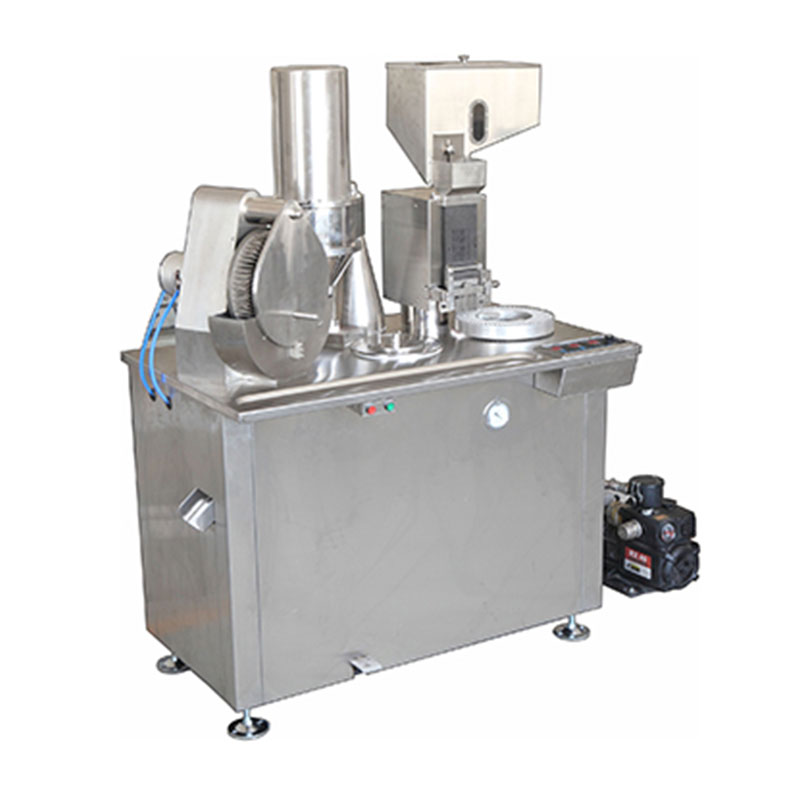 CGN208-D Newest Type Semi Automatic Capsule Filling Machine
 -
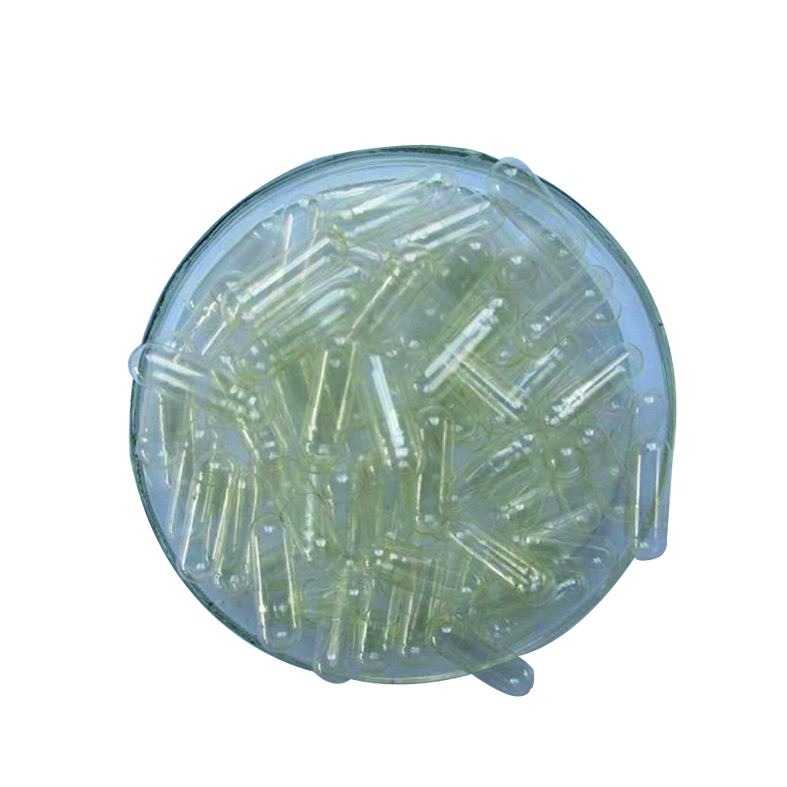 Halal Certificate Empty Clear Hard Gelatin Capsules Shell Size 0
Related Search
Related Search- capsule filling machines professional
- size 5 capsule filling machine
- Discount size 1 capsule filling machine
- OEM size 0 vegetable capsules
- Discount vegetable capsules sizes
- Best DPP 260 Blister machine ALU/ALU
- заключается,222
- Best njp 1200 capsule filling machine
- pharma capsule filling machine
- Discount CLEAR HPMC CAPSULE SIZE 0