
- English
- Chinese
- French
- German
- Portuguese
- Spanish
- Russian
- Japanese
- Korean
- Arabic
- Irish
- Greek
- Turkish
- Italian
- Danish
- Romanian
- Indonesian
- Czech
- Afrikaans
- Swedish
- Polish
- Basque
- Catalan
- Esperanto
- Hindi
- Lao
- Albanian
- Amharic
- Armenian
- Azerbaijani
- Belarusian
- Bengali
- Bosnian
- Bulgarian
- Cebuano
- Chichewa
- Corsican
- Croatian
- Dutch
- Estonian
- Filipino
- Finnish
- Frisian
- Galician
- Georgian
- Gujarati
- Hausa
- Hawaiian
- Hebrew
- Hmong
- Hungarian
- Icelandic
- Igbo
- Javanese
- Kannada
- Kazakh
- Khmer
- Kurdish
- Kyrgyz
- Latin
- Latvian
- Lithuanian
- Luxembou..
- Macedonian
- Malagasy
- Malay
- Malayalam
- Maltese
- Maori
- Marathi
- Mongolian
- Burmese
- Nepali
- Norwegian
- Pashto
- Persian
- Punjabi
- Serbian
- Sesotho
- Sinhala
- Slovak
- Slovenian
- Somali
- Samoan
- Scots Gaelic
- Shona
- Sindhi
- Sundanese
- Swahili
- Tajik
- Tamil
- Telugu
- Thai
- Ukrainian
- Urdu
- Uzbek
- Vietnamese
- Welsh
- Xhosa
- Yiddish
- Yoruba
- Zulu
- Kinyarwanda
- Tatar
- Oriya
- Turkmen
- Uyghur


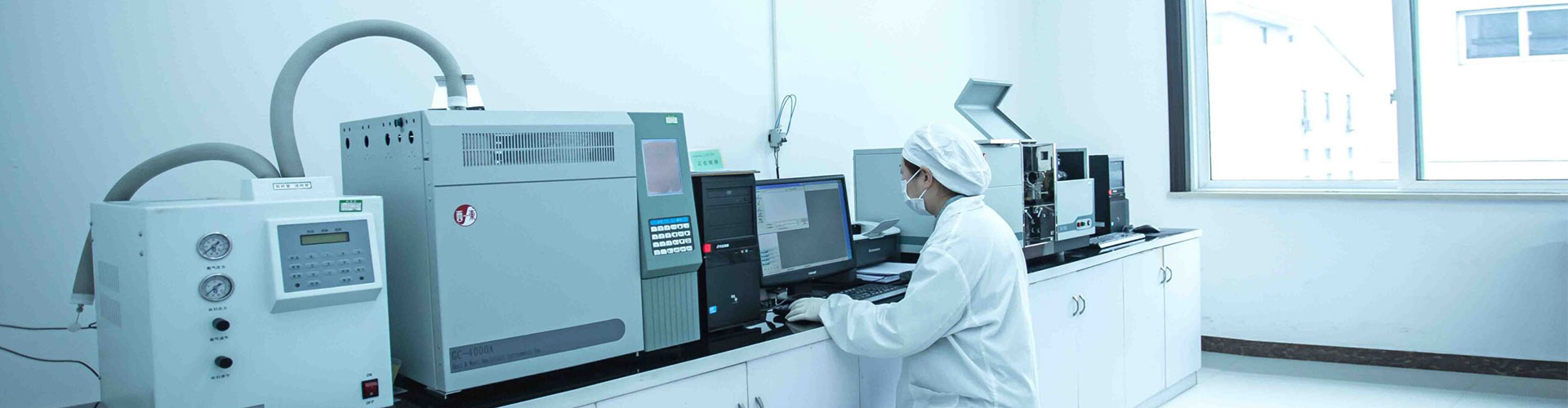
njp 800
Navigating the Complexities of NJP 800 in Pharmaceutical Manufacturing
The NJP 800 capsule filling machine is often misunderstood, yet it's pivotal for efficient pharmaceutical production. Many assume it's just another piece of equipment, but its real impact can only be appreciated through firsthand experience.
Understanding the NJP 800
The NJP 800 stands out in capsule filling for its unique balance between automation and precision. The error margin is minimal, which is crucial in maintaining the consistency of dosage forms. It's designed to handle various capsule sizes, and its versatility is highly valued in facilities that produce a wide range of products.
However, like any equipment, it comes with a learning curve. Operators often face challenges with initial setups, especially if they're transitioning from older models. Proper training is paramount to optimize its capabilities, ensuring that the full potential of this machine is realized in production settings.
A common issue that many overlook is the proper maintenance of the NJP 800. Regular checks prevent downtime and ensure its longevity. Ignoring minor issues tends to escalate into bigger problems, which could be avoided with a structured maintenance schedule.
Operational Challenges and Solutions
From my experience with Suqian Kelaiya Corp., where we utilize advanced equipment like the NJP 800 across our manufacturing sites in Zhejiang and Jiangsu, operational hiccups are not rare. The NJP 800, despite its efficiency, demands meticulous attention to detail.
One key challenge is achieving the perfect alignment when switching capsule sizes. This is a delicate process requiring skill and patience. A minute misalignment can lead to defective products, which is costly in both time and resources.
Another recurring issue is the synchronization of various operational parameters such as the speed of filling and the pressure applied. Fiddling with these settings consumes time, yet achieving that sweet spot ensures consistency and quality in production.
The Role of Materials and Quality Control
Quality control plays an essential role in the operation of the NJP 800. Selecting the right raw materials is a critical step. The quality of the capsules and filling substances directly impacts the machine's performance and the final product's quality.
The manufacturers at Suqian Kelaiya are steadfast in reinforcing quality assurance protocols. By doing so, we mitigate the risk of contamination and ensure that the output meets the stringent industry standards.
Part of our strategy involves constant liaison with our suppliers to ensure all materials are as per specification, which aids in reducing unexpected production disruptions.
Technological Advancements with NJP 800
Recent advancements in technology are subtly enhancing the NJP 800's functionality. Features like automated monitoring systems are proving invaluable in detecting potential issues before they become real problems.
Integration of AI systems, although still in nascent stages, hints at the enormous potential for real-time data analytics to optimize production. These systems can provide insights into improving the operational efficiency of the NJP 800.
Incorporating these technological enhancements may require a significant initial investment. Yet, the long-term benefits, including reduced waste and increased productivity, make the NJP 800 an invaluable asset for pharmaceutical companies aiming to scale up their operations.
Future Prospects and Considerations
The NJP 800 has positioned itself as a cornerstone in modern pharmaceutical manufacturing. While it's not the only machine available, its adaptability makes it a favored choice for companies like ours at Suqian Kelaiya.
Future prospects for the NJP 800 include enhancements that further reduce manual intervention, potentially incorporating fully automated systems that integrate seamlessly with existing manufacturing processes.
Ultimately, the NJP 800 is a testament to the ongoing evolution in pharmaceutical machinery. It embodies both the challenges and successes of adapting to ever-changing industry demands, underscoring the necessity for manufacturers to remain agile and informed.
Related Products
Related Products
Best Selling Products
Best Selling Products-
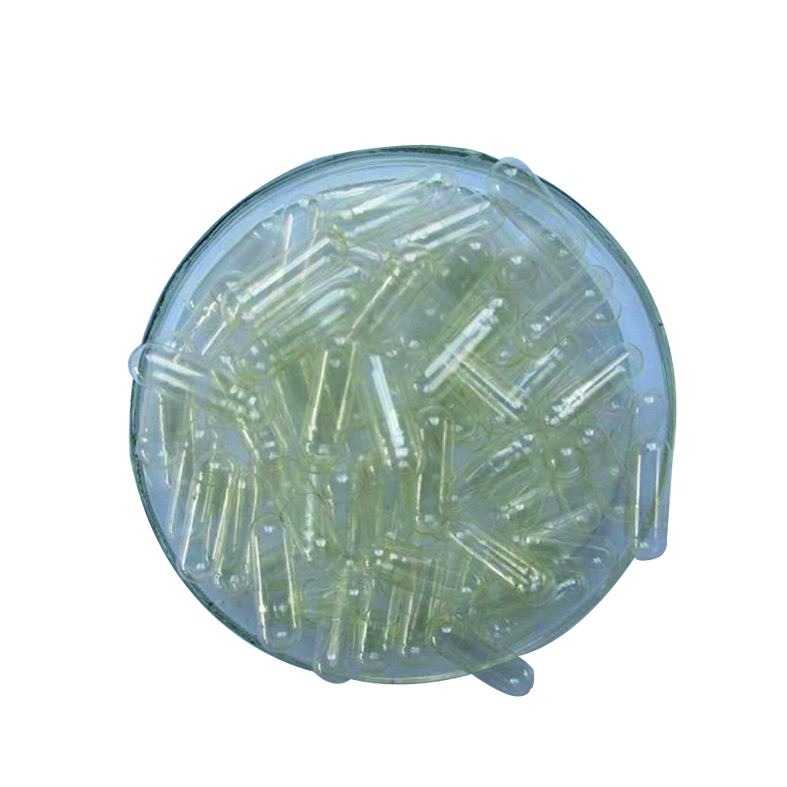 Halal Certificate Empty Clear Hard Gelatin Capsules Shell Size 0
 -
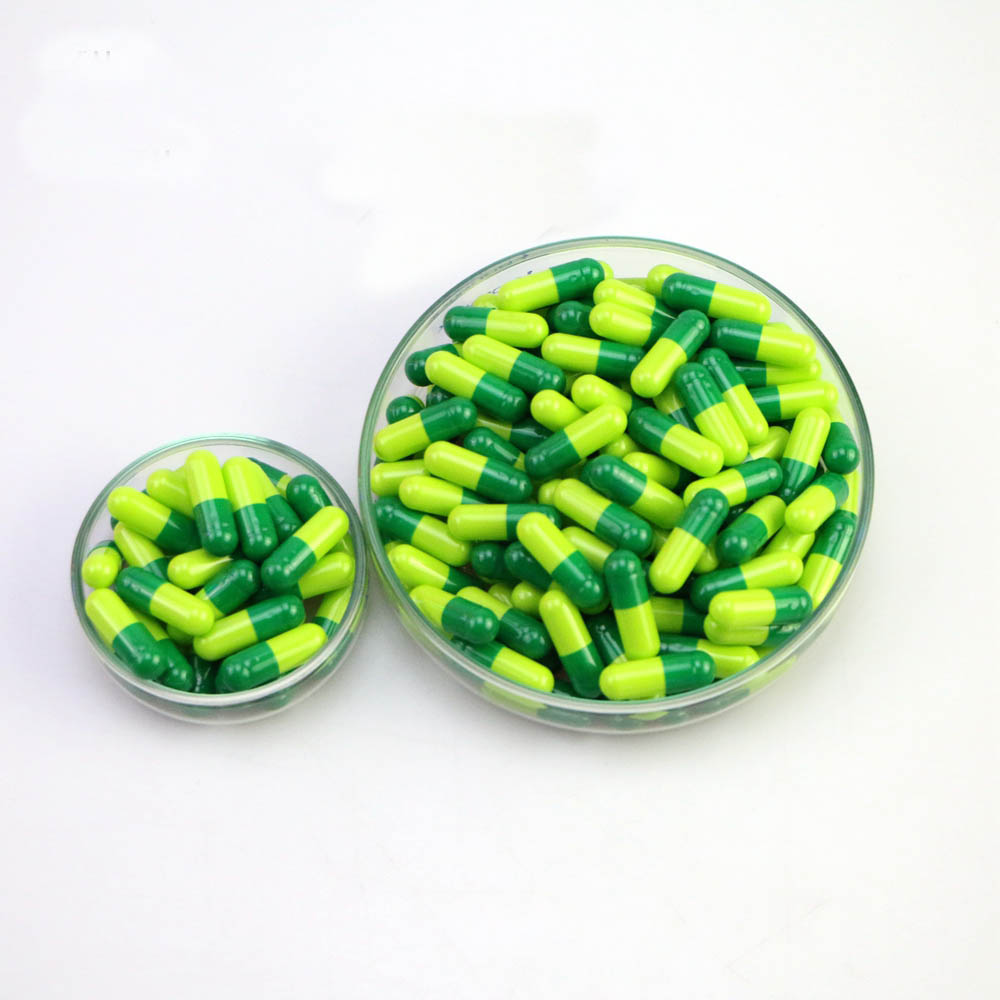 Halal empty hard geltin capsule
 -
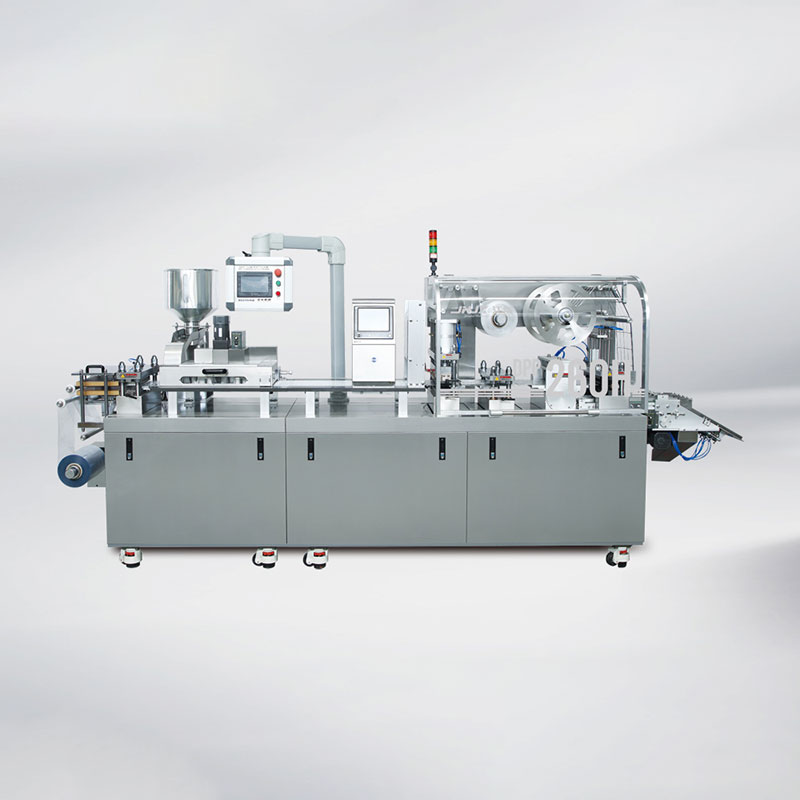 DPP-260H_DPP-320H Flat-plate Blister Packing Machine
 -
 Hpmc Capsules Product Plant Vegetarian Size 00 0 Capsule Shell
 -
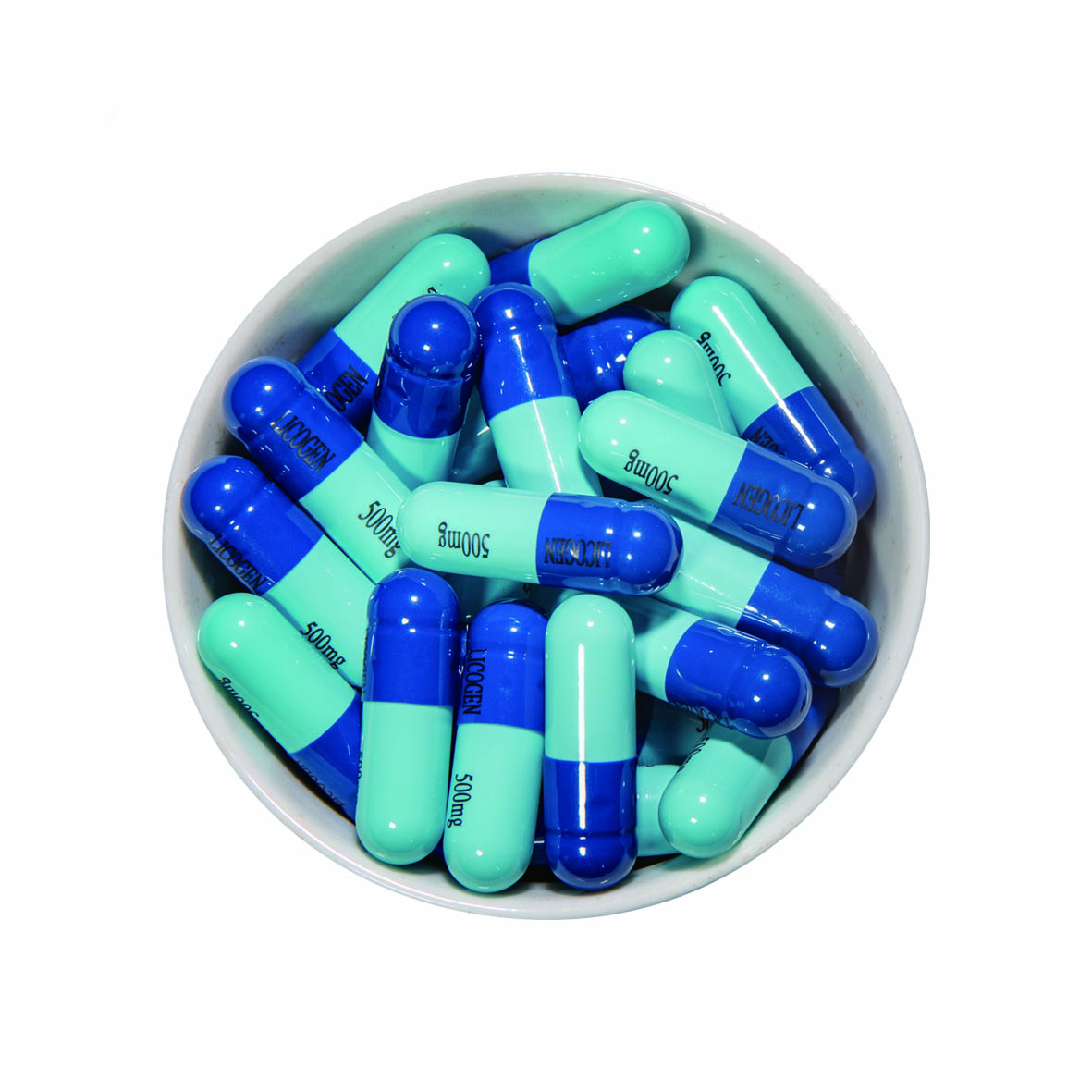 Hard Gelatin Empty Capsule Shell Size 00 0 1 2 3 4
 -
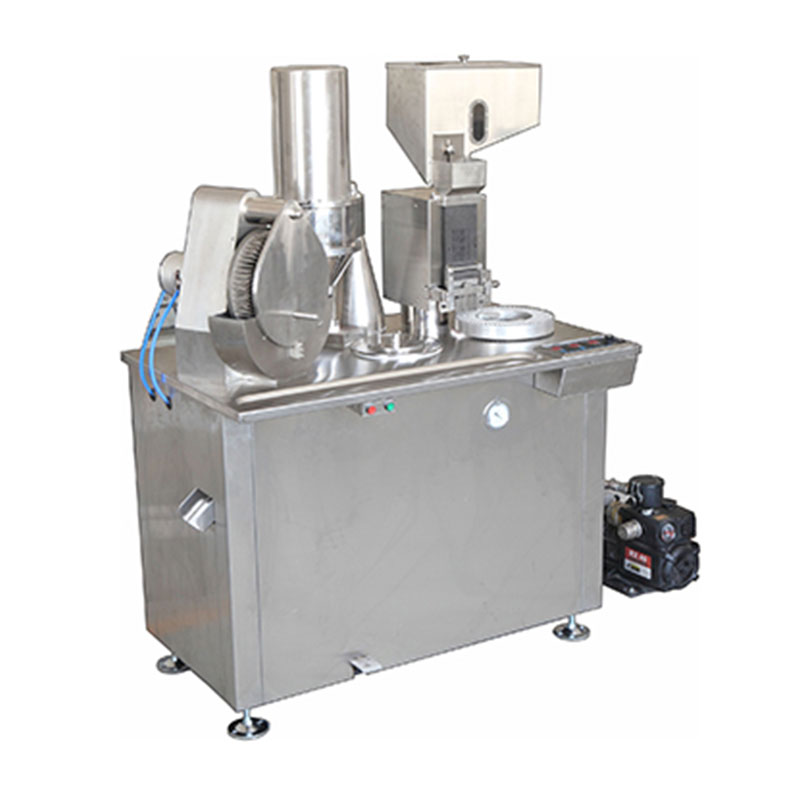 CGN208-D Newest Type Semi Automatic Capsule Filling Machine
 -
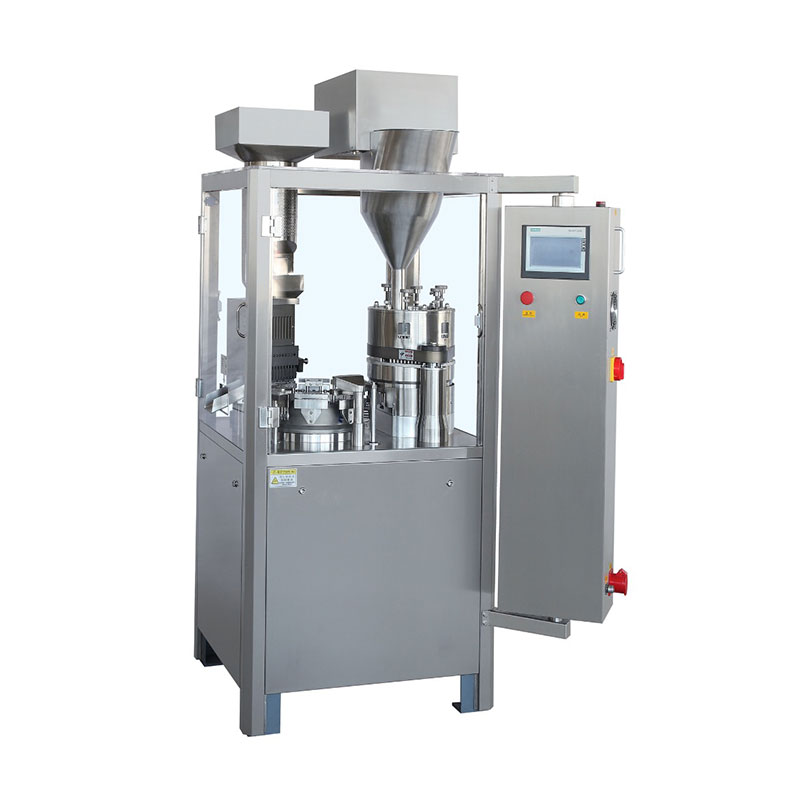 NJP-800 Automatic Capsule Filling Machine
 -
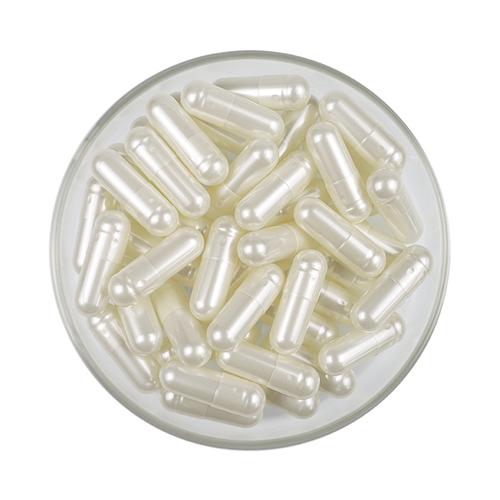 Golden_Pearl Hard Gelatin Capule
 -
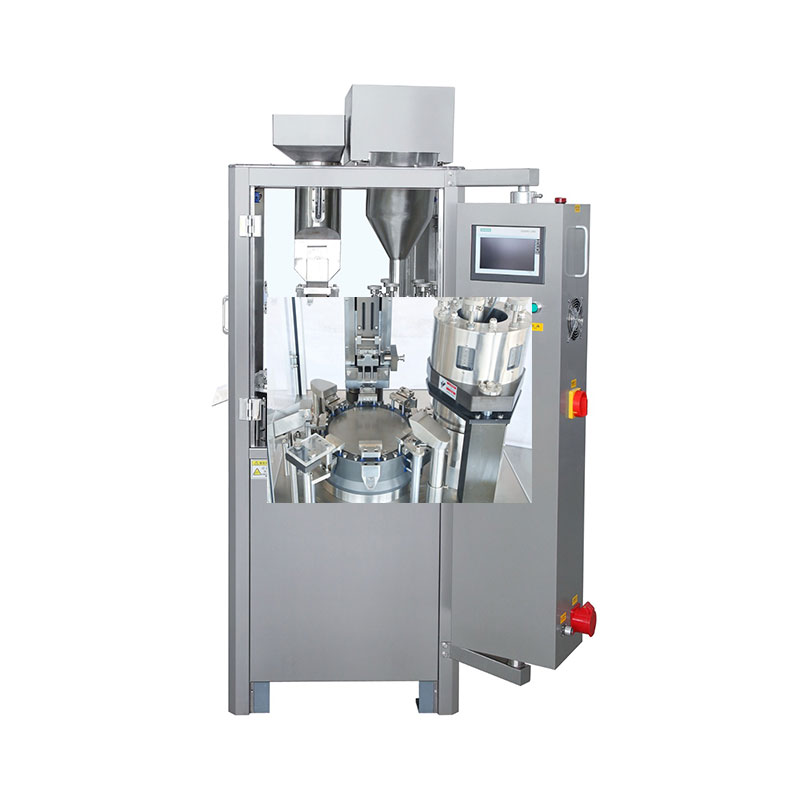 NJP-200 Model Fully Automatic Capsule Filling Machine
 -
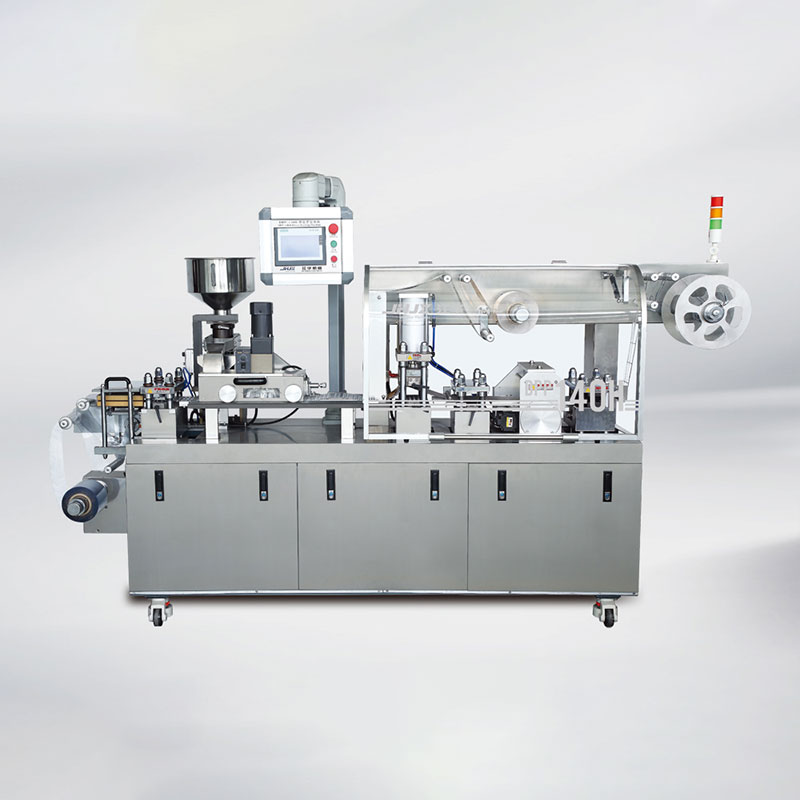 DPP-140H Flat-plate Blister Packing Machine
 -
 Vegetarian Separated Capsules HPMC Capsules Separated Wholesale Vegetarian Capsules Discount for Bulk Orders
 -
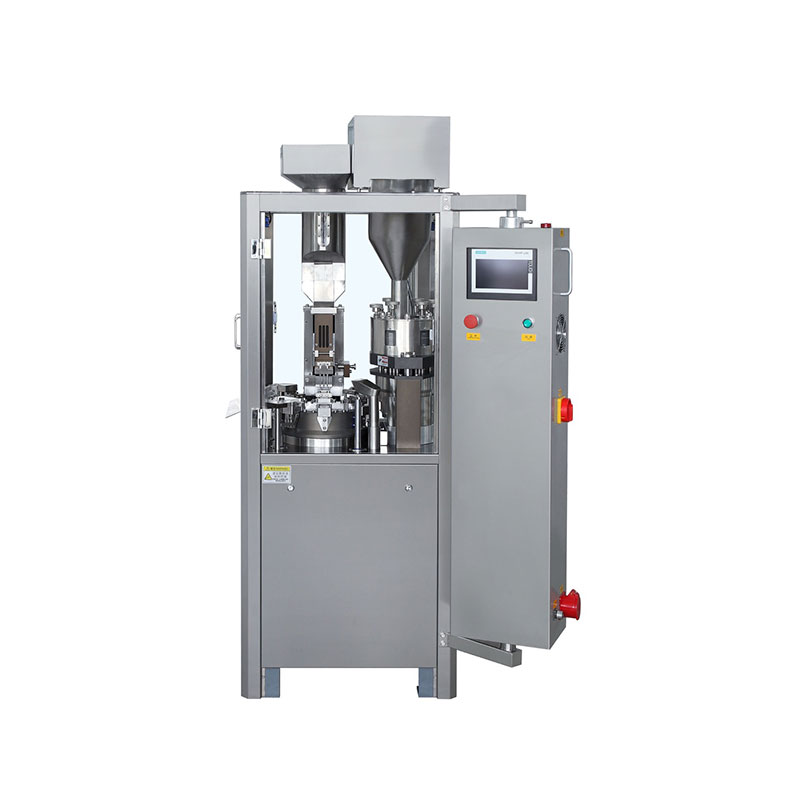 NJP-400 Fully Automatic Capsule Filling Machine
Related Search
Related Search- Discount capsule filling machine
- Best 000 capsule filling machine
- size 0 vegetable capsules
- Best Pearl Golden Color Empty Gelatin Capsule Size 0 00 Hard Empty Capsule Shells
- Certificate empty vegetable capsules cvs
- fruit and vegetable capsules advertised on fox news
- high quality vegetarian capsules size 1
- high quality semi-automatic capsule filling machine size 0
- Discount 00 vegetarian capsules
- Best vegetable capsules empty