
- English
- Chinese
- French
- German
- Portuguese
- Spanish
- Russian
- Japanese
- Korean
- Arabic
- Irish
- Greek
- Turkish
- Italian
- Danish
- Romanian
- Indonesian
- Czech
- Afrikaans
- Swedish
- Polish
- Basque
- Catalan
- Esperanto
- Hindi
- Lao
- Albanian
- Amharic
- Armenian
- Azerbaijani
- Belarusian
- Bengali
- Bosnian
- Bulgarian
- Cebuano
- Chichewa
- Corsican
- Croatian
- Dutch
- Estonian
- Filipino
- Finnish
- Frisian
- Galician
- Georgian
- Gujarati
- Hausa
- Hawaiian
- Hebrew
- Hmong
- Hungarian
- Icelandic
- Igbo
- Javanese
- Kannada
- Kazakh
- Khmer
- Kurdish
- Kyrgyz
- Latin
- Latvian
- Lithuanian
- Luxembou..
- Macedonian
- Malagasy
- Malay
- Malayalam
- Maltese
- Maori
- Marathi
- Mongolian
- Burmese
- Nepali
- Norwegian
- Pashto
- Persian
- Punjabi
- Serbian
- Sesotho
- Sinhala
- Slovak
- Slovenian
- Somali
- Samoan
- Scots Gaelic
- Shona
- Sindhi
- Sundanese
- Swahili
- Tajik
- Tamil
- Telugu
- Thai
- Ukrainian
- Urdu
- Uzbek
- Vietnamese
- Welsh
- Xhosa
- Yiddish
- Yoruba
- Zulu
- Kinyarwanda
- Tatar
- Oriya
- Turkmen
- Uyghur


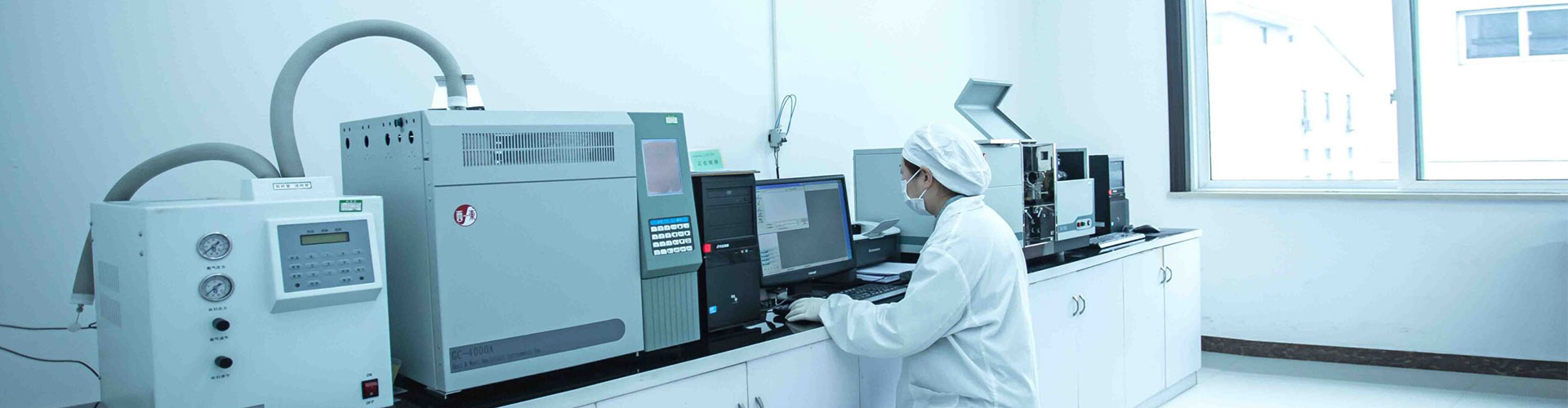
high quality semi automatic capsule filler
The Role of High-Quality Semi-Automatic Capsule Fillers in Modern Manufacturing
When it comes to the realm of pharmaceuticals and nutraceuticals, achieving precision in capsule filling is non-negotiable. A high quality semi automatic capsule filler can be transformative for small to mid-sized companies trying to balance scale and accuracy. The key here isn’t just the machine's capabilities, but also understanding its practical implementation in real-world settings. There are pitfalls, and I’ve seen both sides—success and slip-ups. Let’s delve a bit deeper.
Understanding Semi-Automatic Capsule Fillers
First off, let’s get our basics clear. A semi automatic capsule filler bridges the gap between manual and fully automatic systems, offering a blend of efficiency and control. But unlike what some may assume, it's not just a plug-and-play device. Calibration and initial setup can be daunting if you're not familiar. I remember the first batch we ran; the fill weights were slightly off due to a simple oversight in calibration settings.
Another real aspect of using these machines is the capacity and speed trade-off. You're essentially looking at a few thousand capsules per hour, a stark contrast to the hundreds of thousands from fully automated lines. But the flexibility it offers, especially for specialized small-batch production, can outweigh the speed limitations.
Remember, the quality of your output is as much about the raw materials and operators as it is about the machine itself. Ensuring high-quality capsules from manufacturers like SUQIAN KELAIYA INTERNATIONAL TRADING CO., LTD can make all the difference. Speaking of which, their facilities in Zhejiang and Jiangsu Province are top-notch—a testament to their dedication to quality.
Operational Challenges and Solutions
In shifting to a semi automatic capsule filler, expect to face certain operational challenges. Training operators can be a hurdle, particularly because these machines do demand a level of dexterity and understanding. I’ve learned that patience is key—rushing only leads to mistakes.
Maintenance is another critical factor. With regular use, wear and tear are inevitable. But frequent inspections and adherence to a maintenance schedule—something often overlooked—can prolong the life of your machinery and ensure consistent operating efficiency.
It's also prudent to invest in robust ancillary equipment. This isn't just about the capsule filler but the entire processing line. From the vacuum to the dust handlers, everything plays a role in achieving that seamless production run.
Why Trust Matters in Manufacturing
When you’re setting up or scaling your operations, choosing the right high quality semi automatic capsule filler is paramount. It’s not just about technical specifications but also the trust in the brand and the support you receive post-purchase. Companies like Suqian Kelaiya Corp. emphasize not only on the product but also on after-sales support, which can be a game-changer.
Their website, kelaiyacorp.com, provides insights into their approach to new drug development and the seriousness with which they take manufacturing. This trust extends beyond product capabilities to the very foundation of how they relate to their clients.
I’ve been on the floor when a rep from Kelaiya personally walked through troubleshooting steps with our operators. That kind of support resonates, and you can't put a price on that assurance.
Practical Insights From the Field
Experience has taught me that embracing technology like a semi-automatic filler requires not just investment but insight. You need to respect the machine’s capabilities and limitations. For instance, overfilling or underfilling isn't just a mechanical fault—it's often a procedural one.
Integrating feedback loops and regular checks during production runs can catch errors early. We implemented a practice of periodic manual weight checks every few hundred capsules. Initially, it seemed redundant, but it saved us significant reworking time.
Another piece of advice? Network with other users. Shared experiences and solutions can offer perspectives you might not have considered. Forums and industry meetups can be invaluable resources. Remember, in manufacturing, adaptation and learning are continuous processes.
Future Directions in Capsule Filling Technology
Looking ahead, the field of capsule filling is expanding rapidly with advancements aimed at more efficient, precise, and flexible systems. Emerging trends point towards even more integration with IoT for better data capture and machine learning for predictive maintenance.
As we move towards these advanced systems, companies like Suqian Kelaiya are showing how facilities need to evolve. Their dual-manufacturing sites breath versatility into their operations, setting a standard for others to follow.
The balance between tradition and innovation is where the industry's heading. And those who can navigate it effectively will lead the charge. My advice? Stay informed, stay adaptable, and ensure your foundation—equipment, people, and processes—remains robust.
Related Products
Related Products
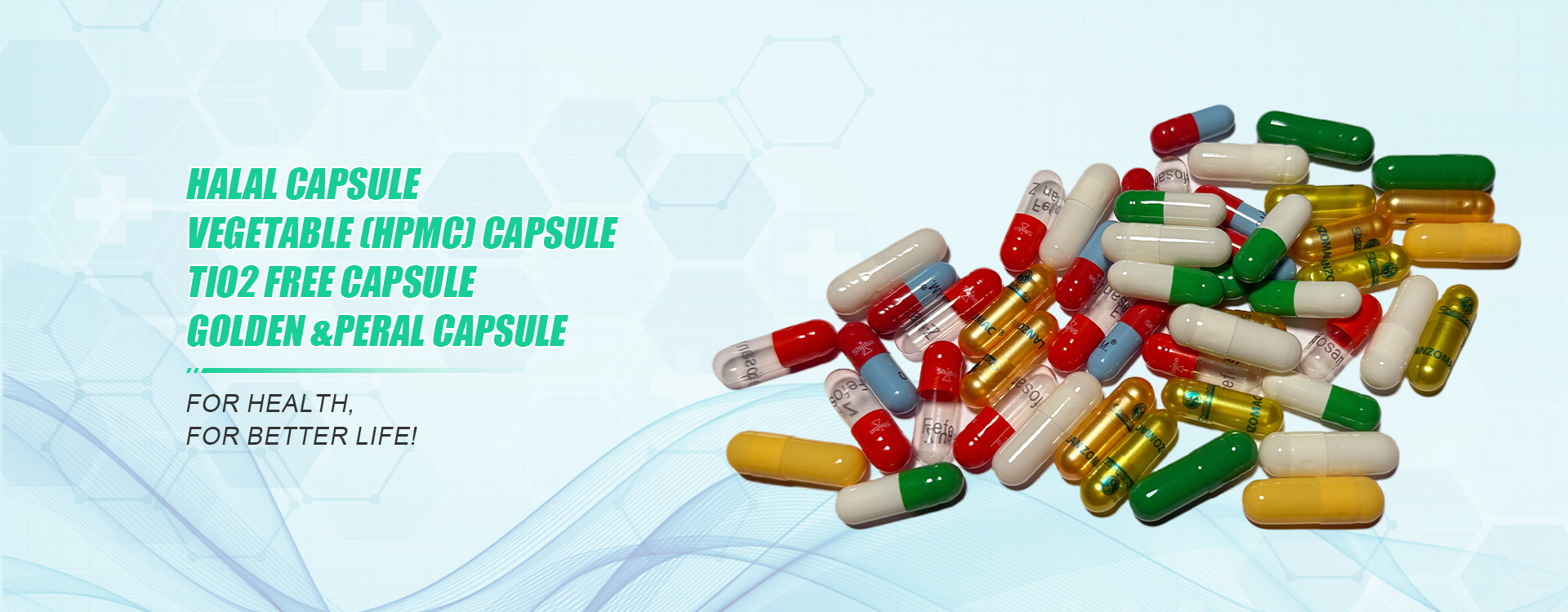
Best Selling Products
Best Selling Products-
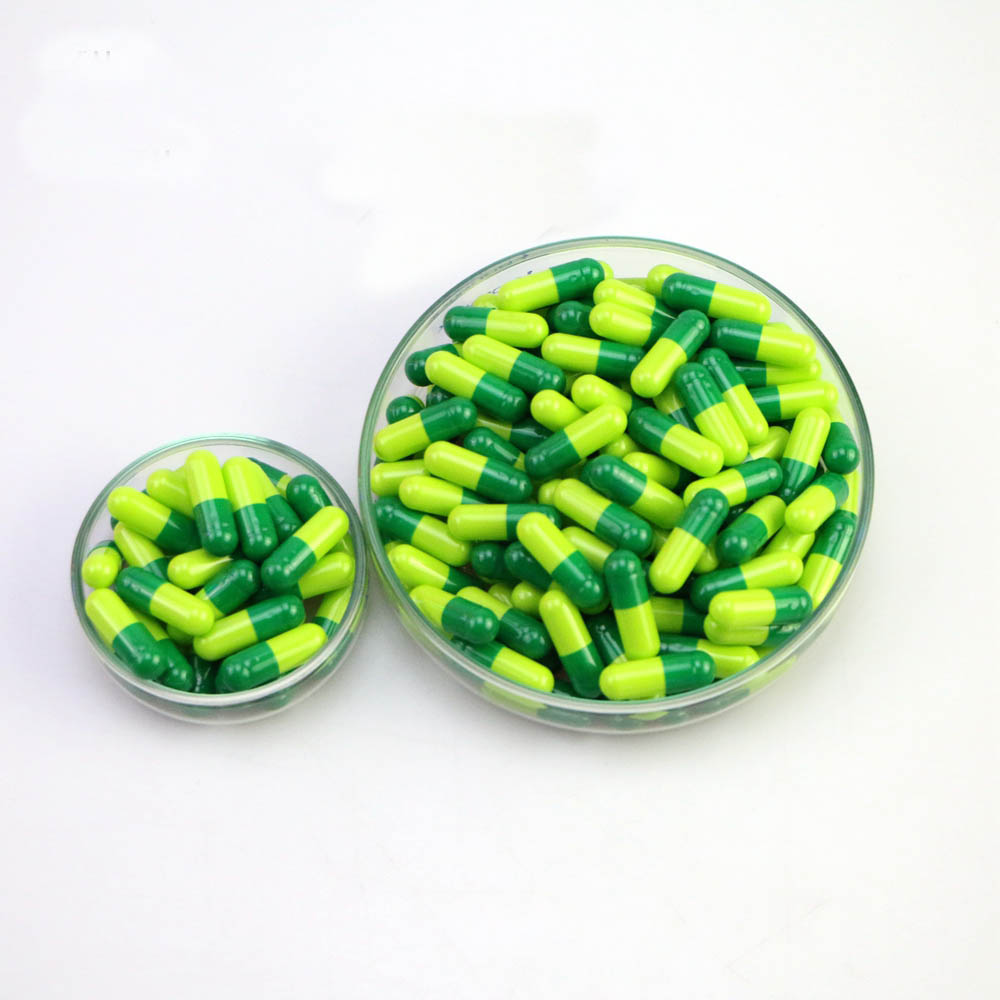 Halal empty hard geltin capsule
 -
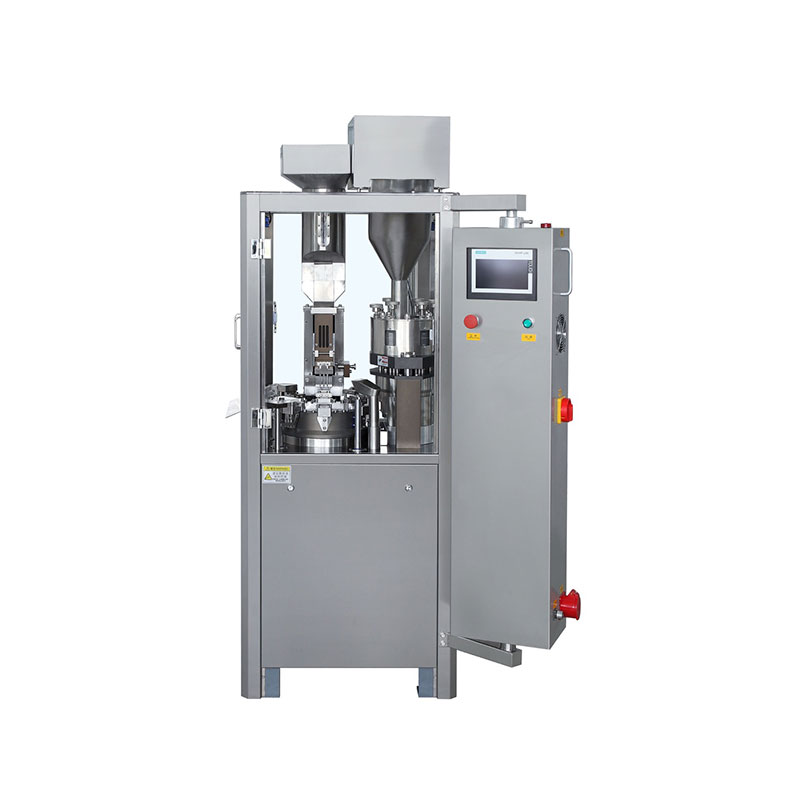 NJP-400 Fully Automatic Capsule Filling Machine
 -
 Vegetarian Separated Capsules HPMC Capsules Separated Wholesale Vegetarian Capsules Discount for Bulk Orders
 -
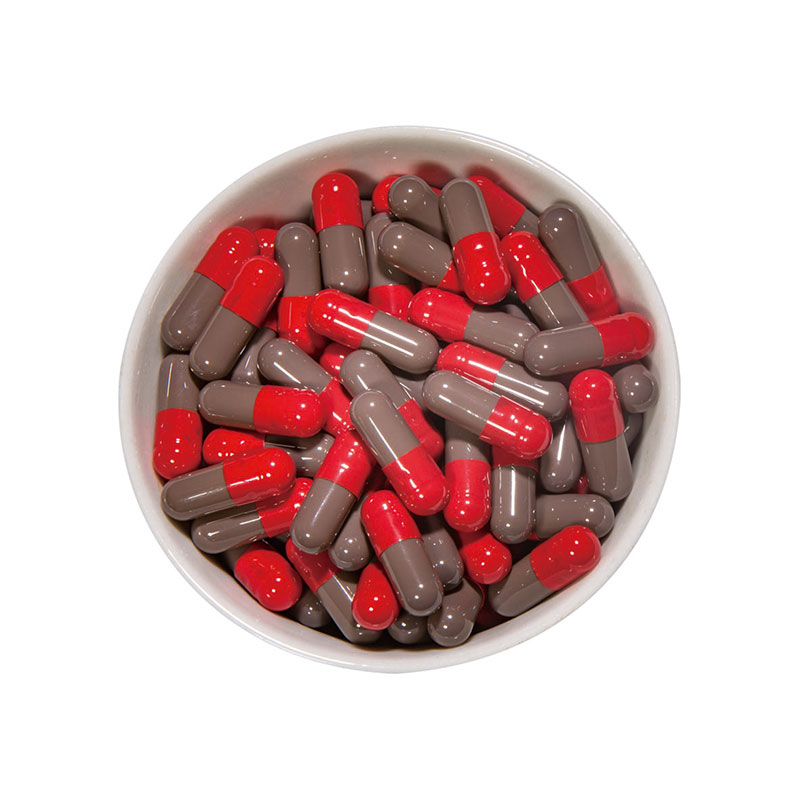 TIO2 free gelatin CAPSULE
 -
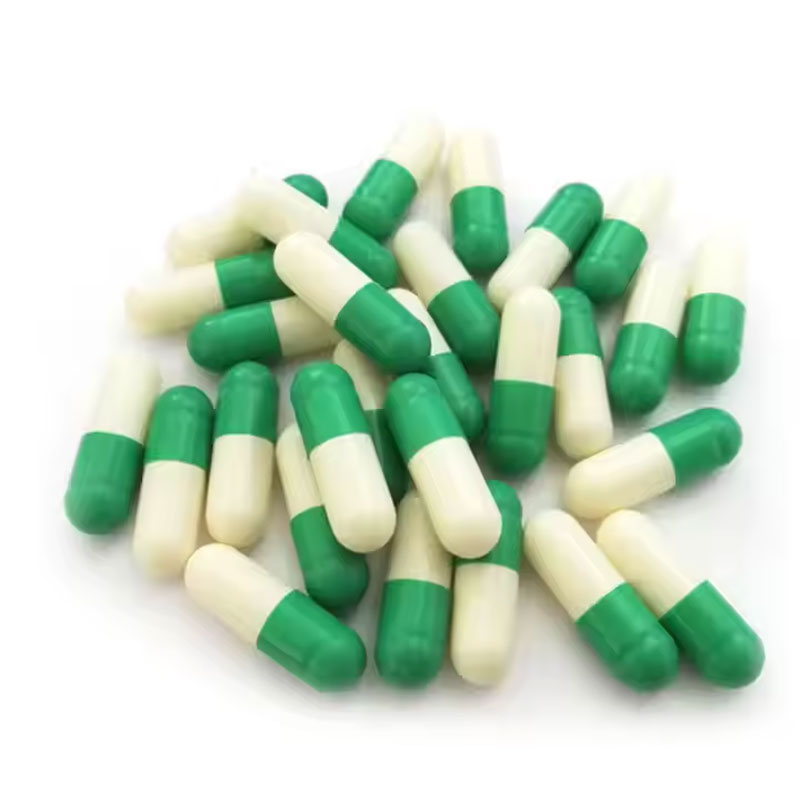 Size 00 hpmc capsules vegetarian capsules empty hard veggie capsules
 -
 Hpmc Capsules Product Plant Vegetarian Size 00 0 Capsule Shell
 -
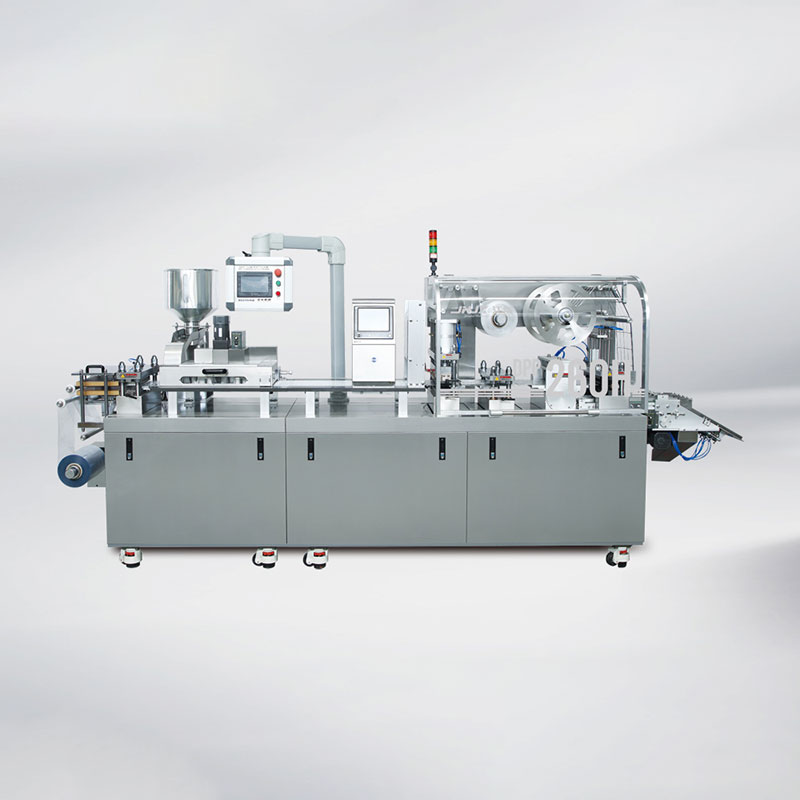 DPP-260H_DPP-320H Flat-plate Blister Packing Machine
 -
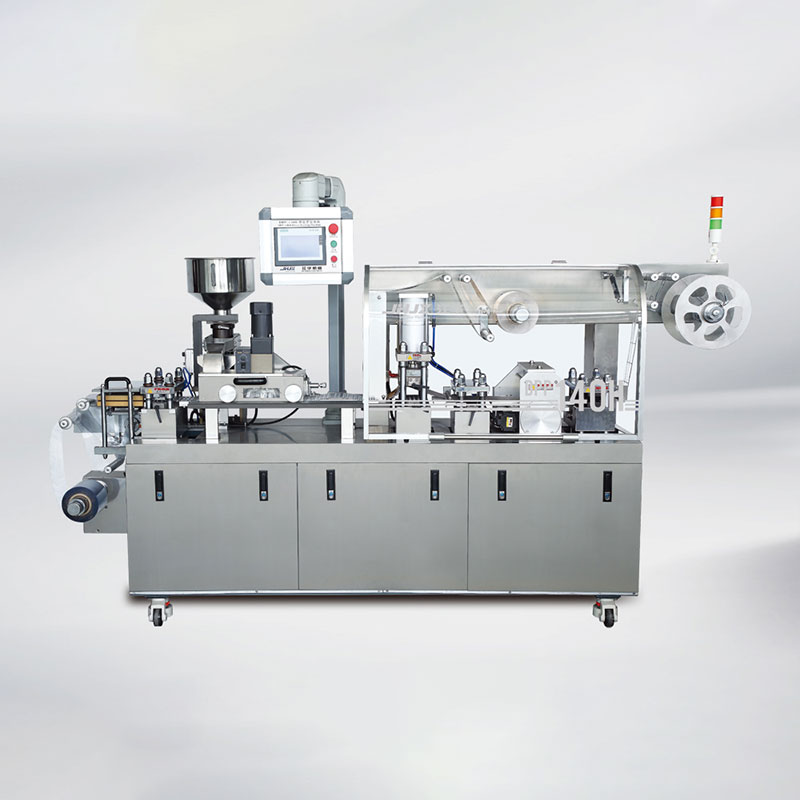 DPP-140H Flat-plate Blister Packing Machine
 -
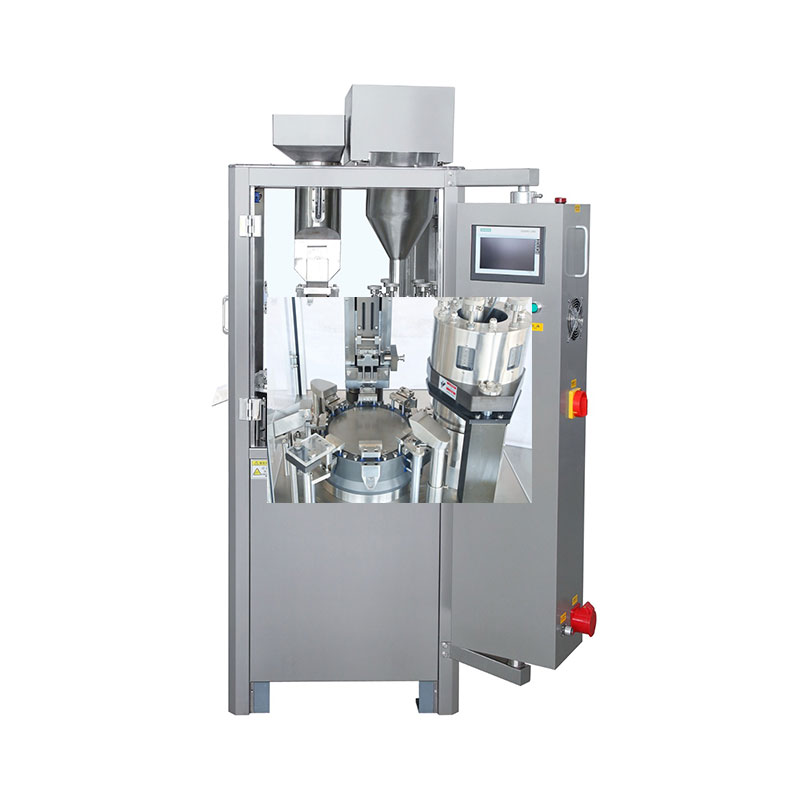 NJP-200 Model Fully Automatic Capsule Filling Machine
 -
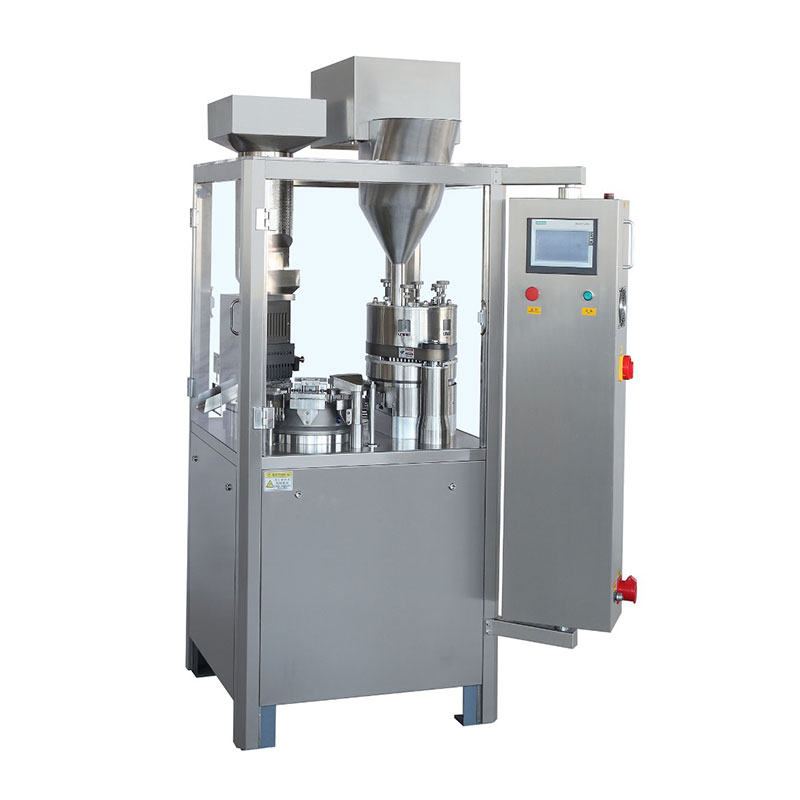 NJP-1200 Automatic Capsule Filling Machine
 -
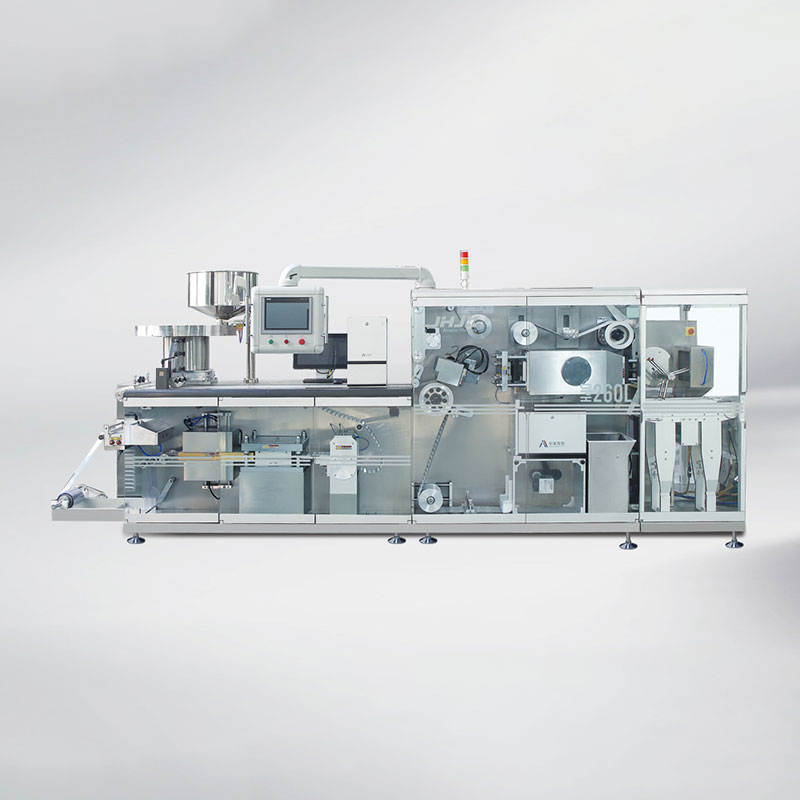 DPH-260L Roll-plate Blister Packaging Machine
 -
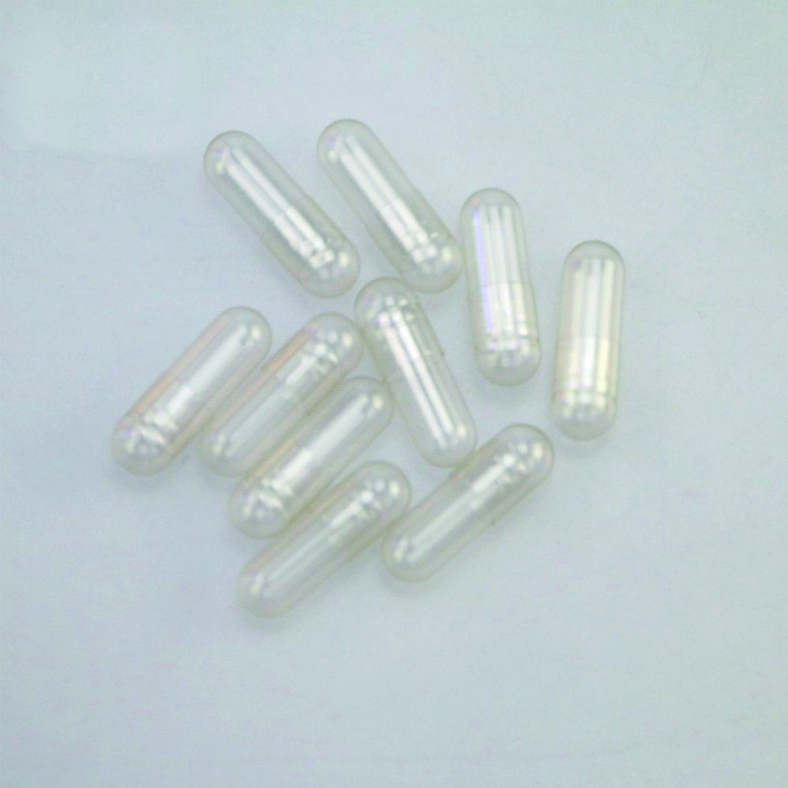 EMPTY HPMC CAPSULE SIZE 00 CLEAR
Related Search
Related Search- Certificate empty Vegetable Capsule
- medicine capsule filling machine
- Discount DPP 260 Blister machine ALU/ALU
- OEM capsule filling machine size 00
- Discount size 0 capsule filling machine
- Discount size 2 capsule filling machine
- Certificate filler used in hard gelatin capsule
- Discount fruit and vegetable capsules advertised on fox news
- capsule filling machine size 1
- Discount capsule machine filler size 00