
- English
- Chinese
- French
- German
- Portuguese
- Spanish
- Russian
- Japanese
- Korean
- Arabic
- Irish
- Greek
- Turkish
- Italian
- Danish
- Romanian
- Indonesian
- Czech
- Afrikaans
- Swedish
- Polish
- Basque
- Catalan
- Esperanto
- Hindi
- Lao
- Albanian
- Amharic
- Armenian
- Azerbaijani
- Belarusian
- Bengali
- Bosnian
- Bulgarian
- Cebuano
- Chichewa
- Corsican
- Croatian
- Dutch
- Estonian
- Filipino
- Finnish
- Frisian
- Galician
- Georgian
- Gujarati
- Hausa
- Hawaiian
- Hebrew
- Hmong
- Hungarian
- Icelandic
- Igbo
- Javanese
- Kannada
- Kazakh
- Khmer
- Kurdish
- Kyrgyz
- Latin
- Latvian
- Lithuanian
- Luxembou..
- Macedonian
- Malagasy
- Malay
- Malayalam
- Maltese
- Maori
- Marathi
- Mongolian
- Burmese
- Nepali
- Norwegian
- Pashto
- Persian
- Punjabi
- Serbian
- Sesotho
- Sinhala
- Slovak
- Slovenian
- Somali
- Samoan
- Scots Gaelic
- Shona
- Sindhi
- Sundanese
- Swahili
- Tajik
- Tamil
- Telugu
- Thai
- Ukrainian
- Urdu
- Uzbek
- Vietnamese
- Welsh
- Xhosa
- Yiddish
- Yoruba
- Zulu
- Kinyarwanda
- Tatar
- Oriya
- Turkmen
- Uyghur



high quality DPP 80 Blister machinePVC/ALU
Unpacking the High Quality DPP 80 Blister Machine PVC/ALU
Amidst the whirlwind of options in pharmaceutical machinery, the DPP 80 Blister Machine PVC/ALU emerges as a preferred choice for many professionals. But why does it stand out, and does it truly live up to its reputation? Let’s dive into the nuances that set this machine apart, based on firsthand insights and real-world performance.
The DPP 80: A Closer Look
The first thing to note about the DPP 80 is its versatility with PVC/ALU materials. This machine handles different packaging materials seamlessly, but it’s not without potential challenges that operators need to be aware of. A common misconception is that it requires minimal adjustments when switching materials. The truth, however, is more nuanced.
Through hands-on experience, it's evident that while the DPP 80 provides great flexibility, achieving optimal performance requires precise calibration. Each material type demands specific adjustment in terms of temperature and pressure. It’s this meticulous tuning that ensures the best blister seal integrity and product shelf life. A colleague of mine once overlooked this step, leading to material wastage before corrections were made.
Moreover, machine setup for different batch sizes involves a careful balance. Operators often face the trade-off between speed and accuracy, especially in high-demand scenarios. A calculated approach ensures efficiency without sacrificing product quality. It’s in these scenarios that the machine’s true potential becomes apparent, rewarding users who invest the time to master it.
Integrating into Existing Operations
Incorporating the DPP 80 into an existing production line can seem daunting, but it generally integrates smoothly with other machinery. Based on experience at SUQIAN KELAIYA INTERNATIONAL TRADING CO., LTD, where we’ve tested various setups, the machine complements systems focused on capsule filling and empty capsule preparation, aligning perfectly with our offerings at Suqian Kelaiya Corp.
However, an initial thorough assessment of the workspace is crucial. Many overlook the importance of assessing spatial configurations. The machine's compactness is advantageous but requires strategic placement to maximize workflow. I recall an instance where minor realignment resulted in significant efficiency gains.
Further, training the team on specific operational tactics and troubleshooting can’t be overstressed. Experienced operators can mitigate downtime significantly by being adept at rapid problem-solving, a skill that comes with robust training and a deep dive into the machine’s manuals and real-time practice.
Maintaining Consistent Quality
Perhaps the most significant aspect of the DPP 80 is its role in maintaining consistent product quality. Achieving the desired outcome has a lot to do with routine maintenance—keeping sensors clean, calibrating sealing mechanisms, and ensuring that all parts are functioning smoothly.
The reliability of the machine often correlates with the frequency of these checks. Neglecting maintenance schedules is a common pitfall leading to unexpected downtimes. Personal anecdotes from colleagues remind us how preventive measures spared them from costly repairs and production halts.
Moreover, understanding the quirks of the machine can be pivotal. Sometimes, it’s the small, seemingly insignificant tweaks that result in remarkable improvements in efficiency. Consider these adjustments an investment towards achieving even greater consistency and reducing waste.
Real-World Performance Observations
When put to the test in real-world settings, the DPP 80 exhibits impressive durability and efficiency, especially in handling high-volume production demands. At Suqian Kelaiya Corp., we've pushed it through rigorous test cycles, simulating peak performance environments to ensure reliability aligns with our manufacturing commitments.
Feedback from operators has been largely positive, although it’s essential to keep in mind that no machine is without its learning curve. Initial setup challenges are offset by long-term benefits, as operators become more attuned to its capabilities and limitations.
And while competition exists, the DPP 80 distinguishes itself with innovation in packaging precision and the seamless integration with compatible systems. These strengths resonate well within fast-paced production lines aiming for minimal disruption and consistent quality.
Concluding Thoughts on the DPP 80
In summary, the DPP 80 Blister Machine PVC/ALU stands as a robust contender in the pharmaceutical packaging landscape, offering profound advantages that seasoned professionals can harness. However, success with this machine doesn’t happen by accident—it demands informed operation, regular upkeep, and a willingness to adapt strategies as needed.
With operations rooted deeply in quality, like those at Suqian Kelaiya Corp., it's clear that the DPP 80 complements a commitment to excellence and innovation—qualities that translate into tangible benefits for both the manufacturer and end-user.
Related Products
Related Products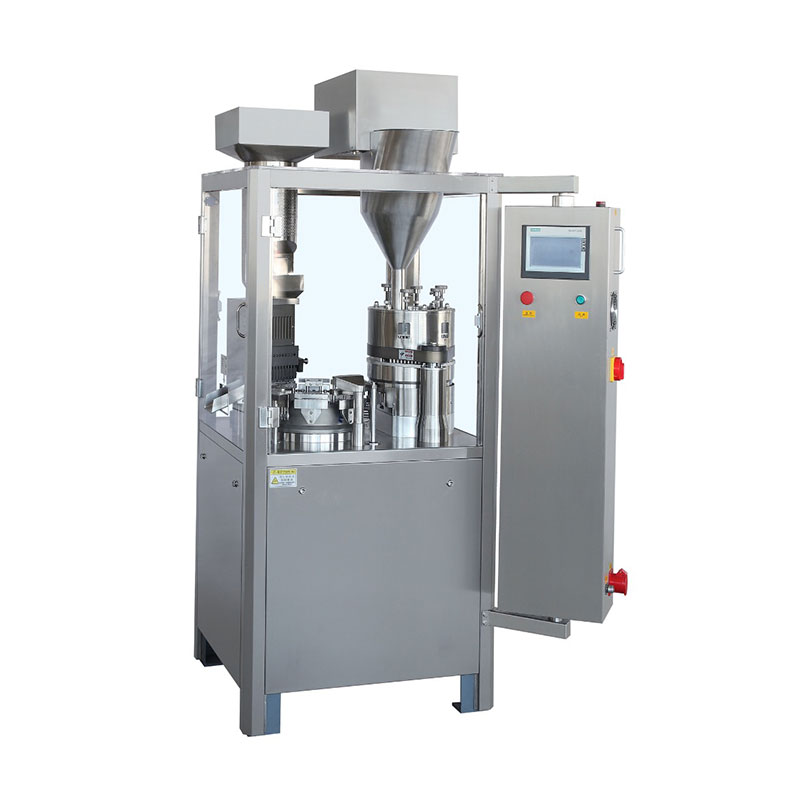

Best Selling Products
Best Selling Products-
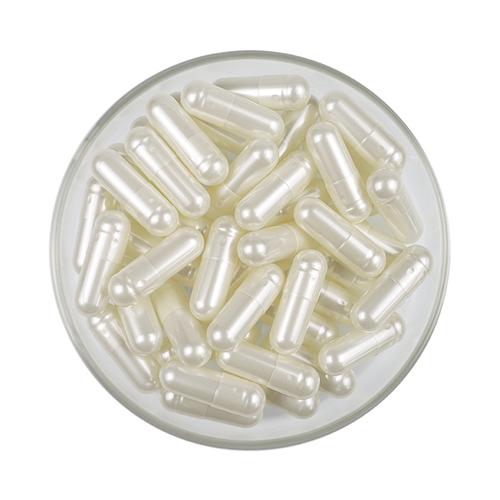 Golden_Pearl Hard Gelatin Capule
 -
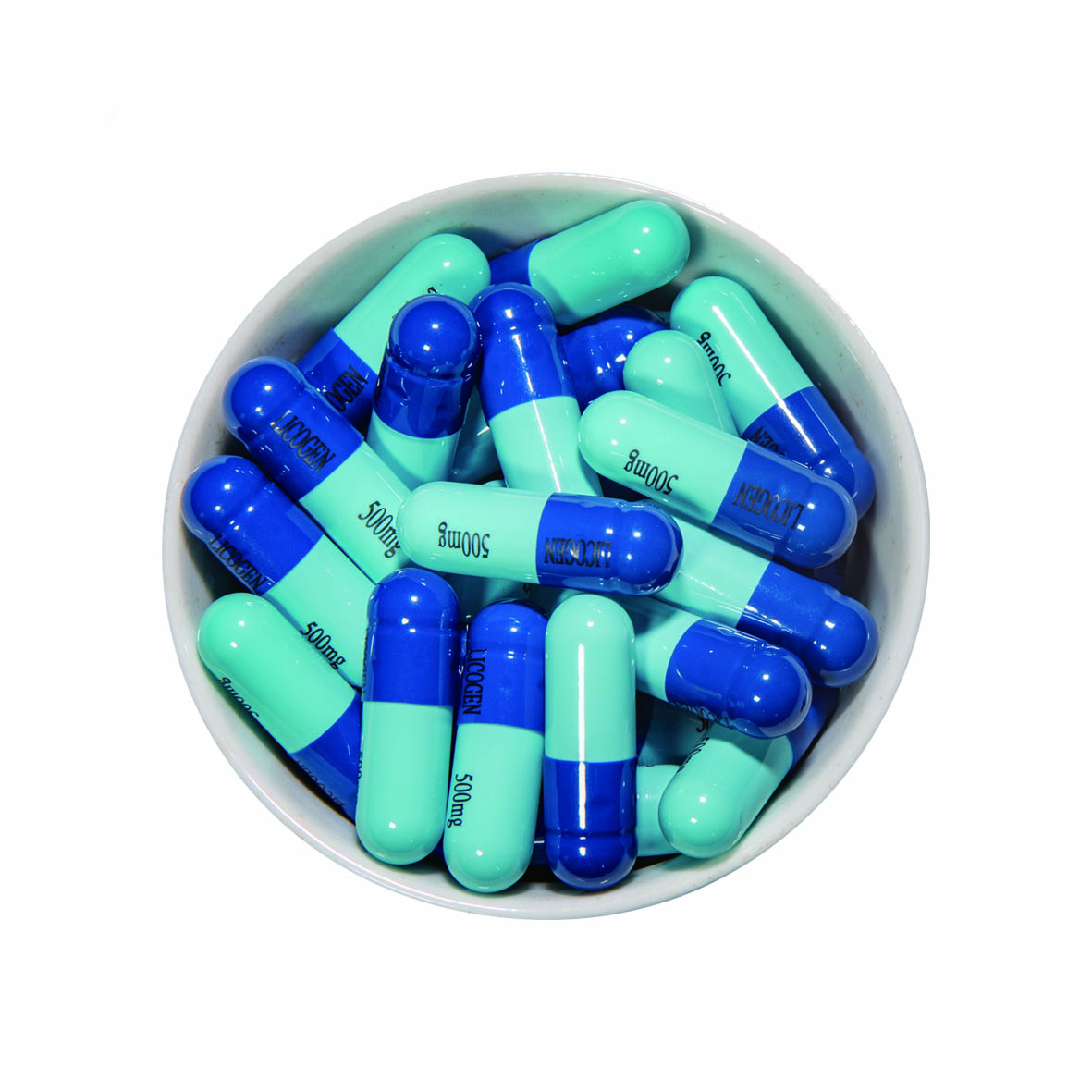 Hard Gelatin Empty Capsule Shell Size 00 0 1 2 3 4
 -
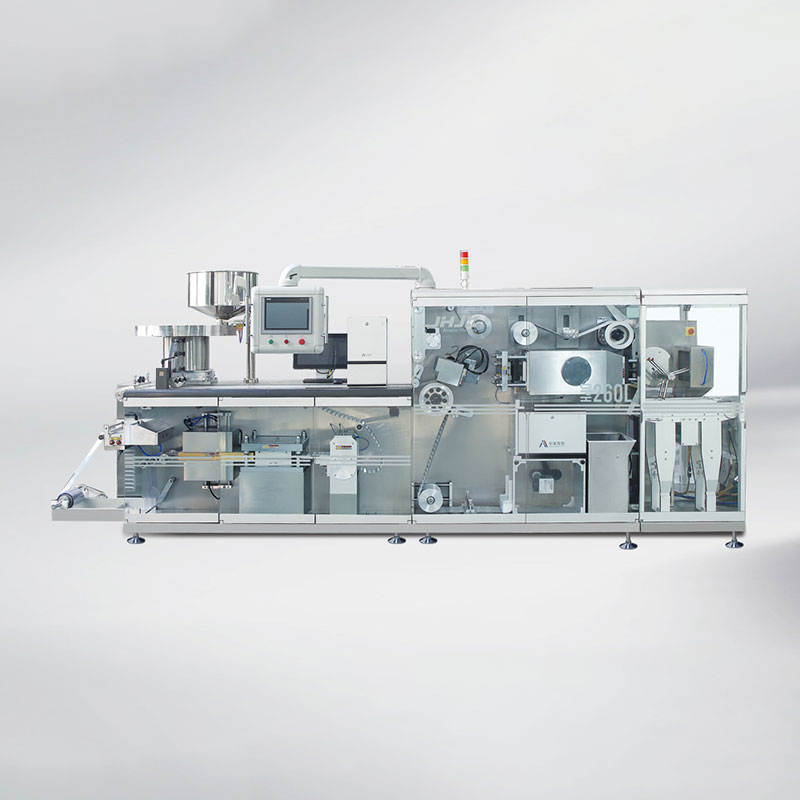 DPH-260L Roll-plate Blister Packaging Machine
 -
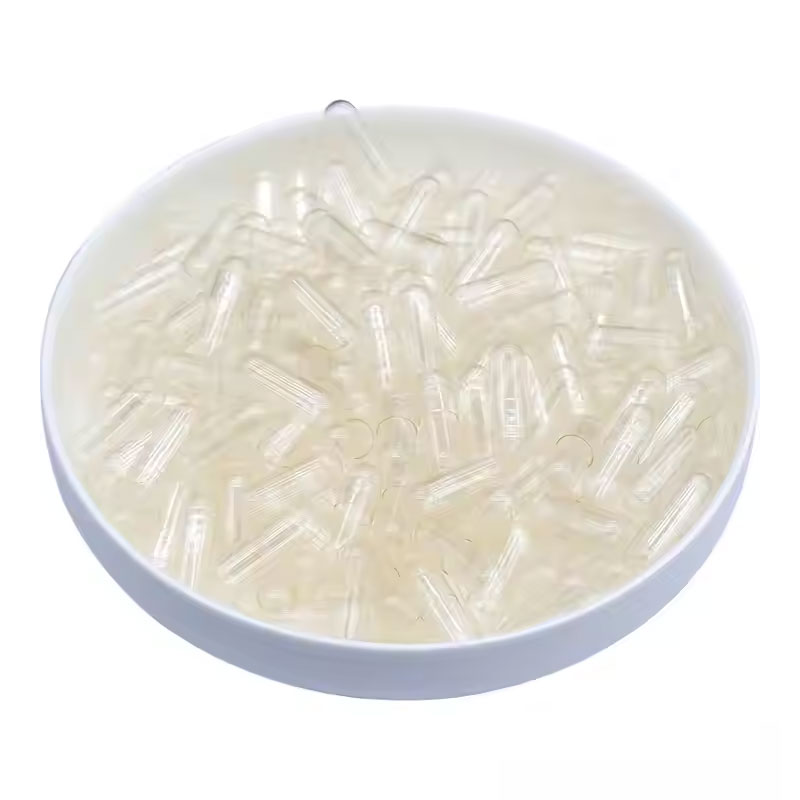 EMPTY VEGATABLE CAPSULE CLEAR SIZE 0
 -
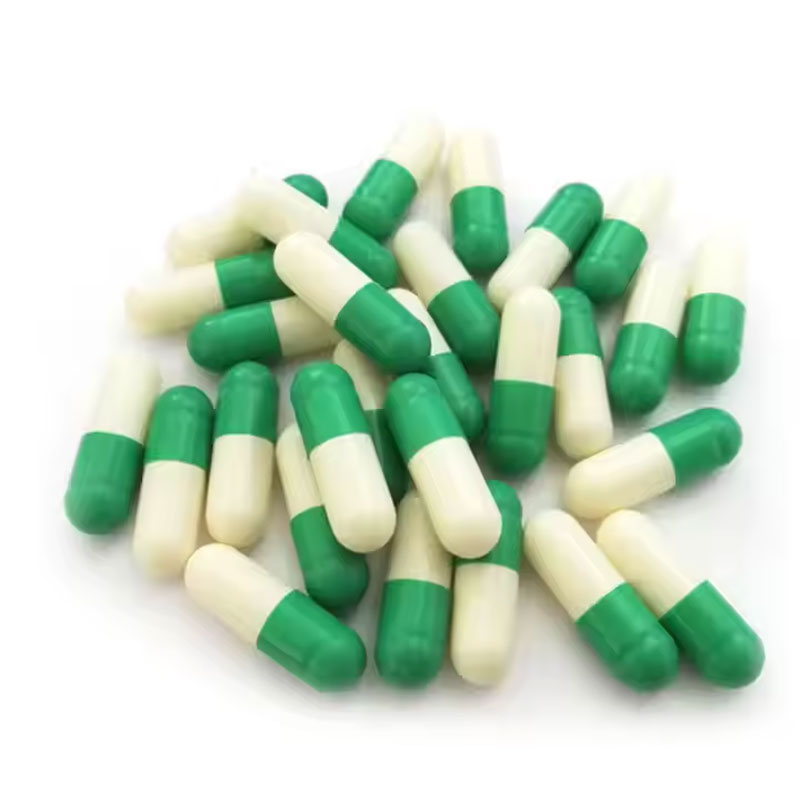 Size 00 hpmc capsules vegetarian capsules empty hard veggie capsules
 -
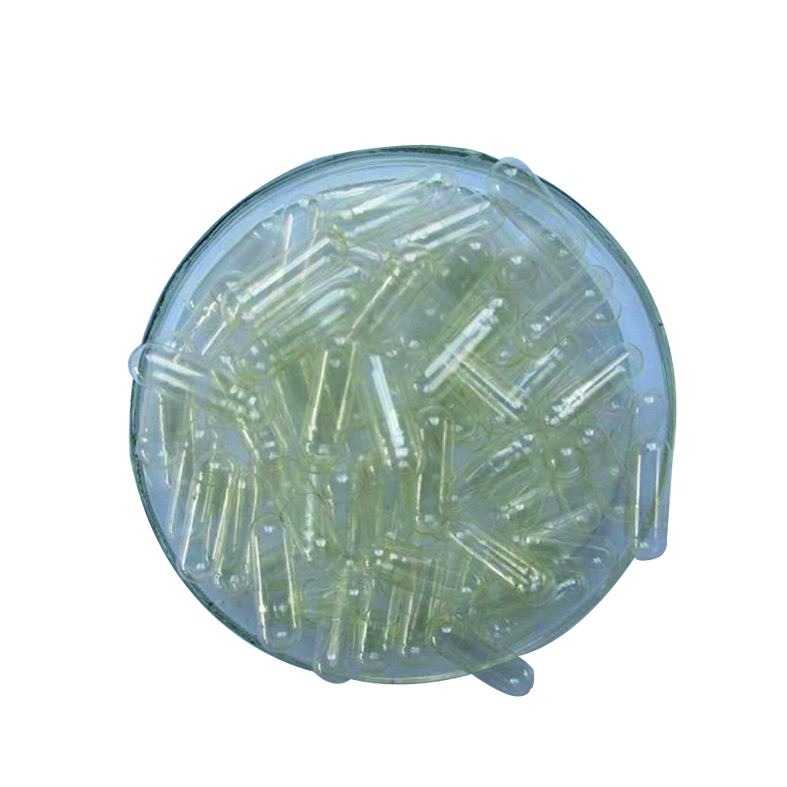 Halal Certificate Empty Clear Hard Gelatin Capsules Shell Size 0
 -
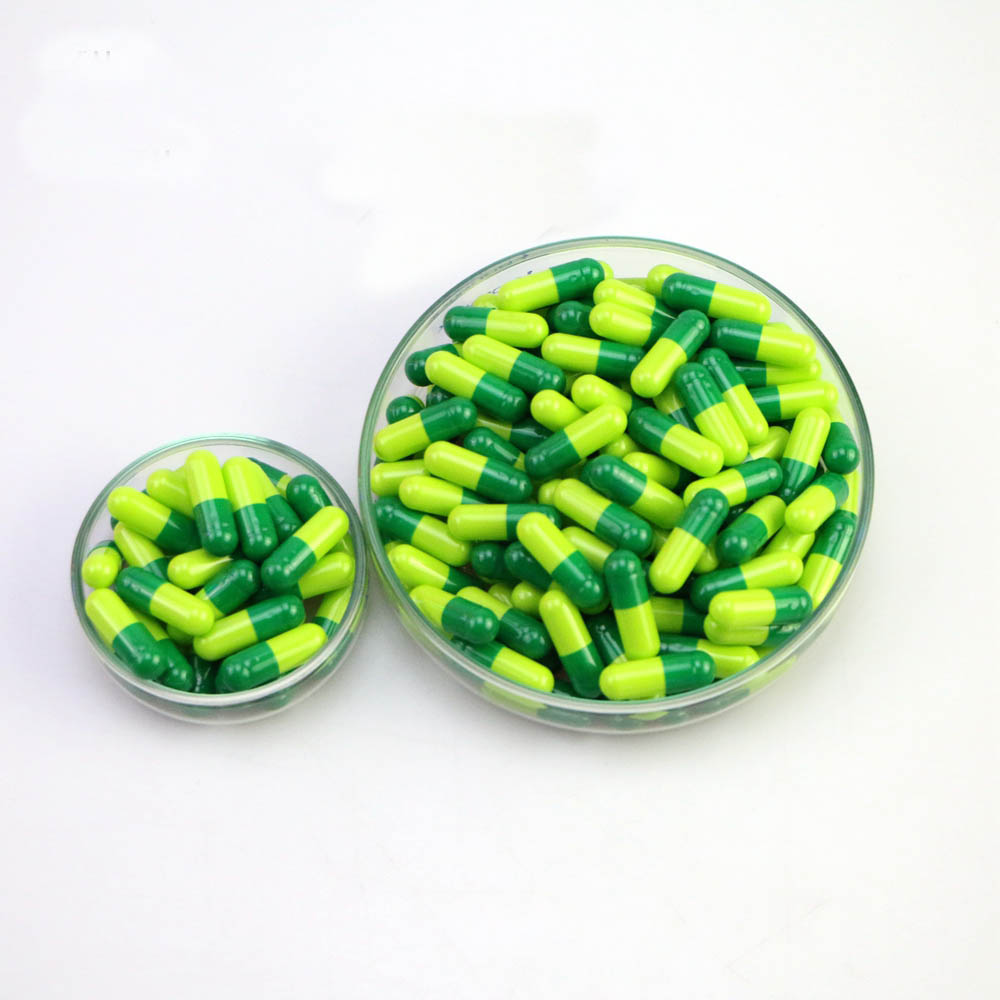 Halal empty hard geltin capsule
 -
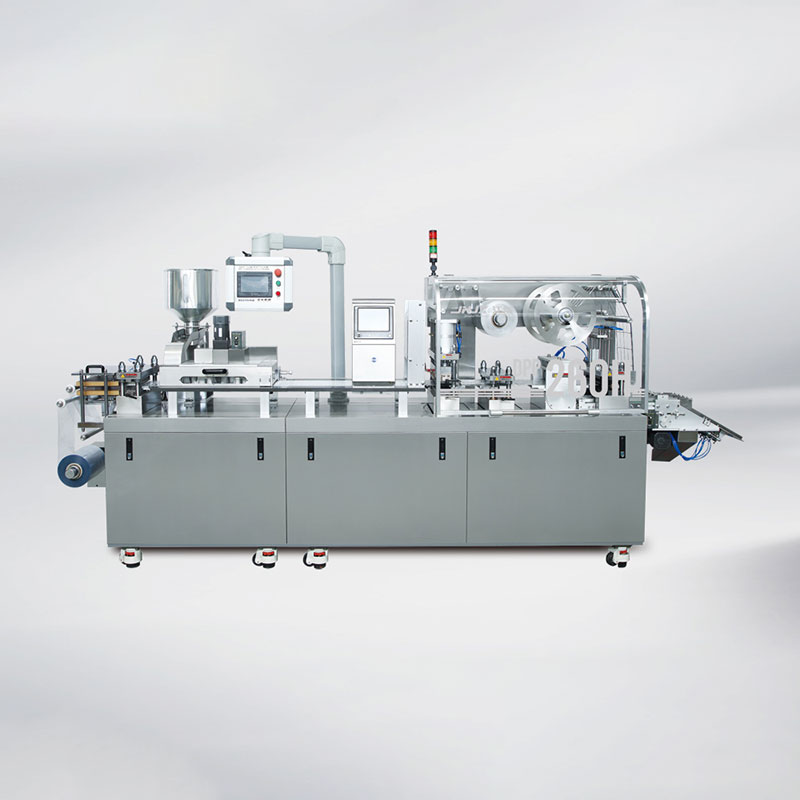 DPP-260H_DPP-320H Flat-plate Blister Packing Machine
 -
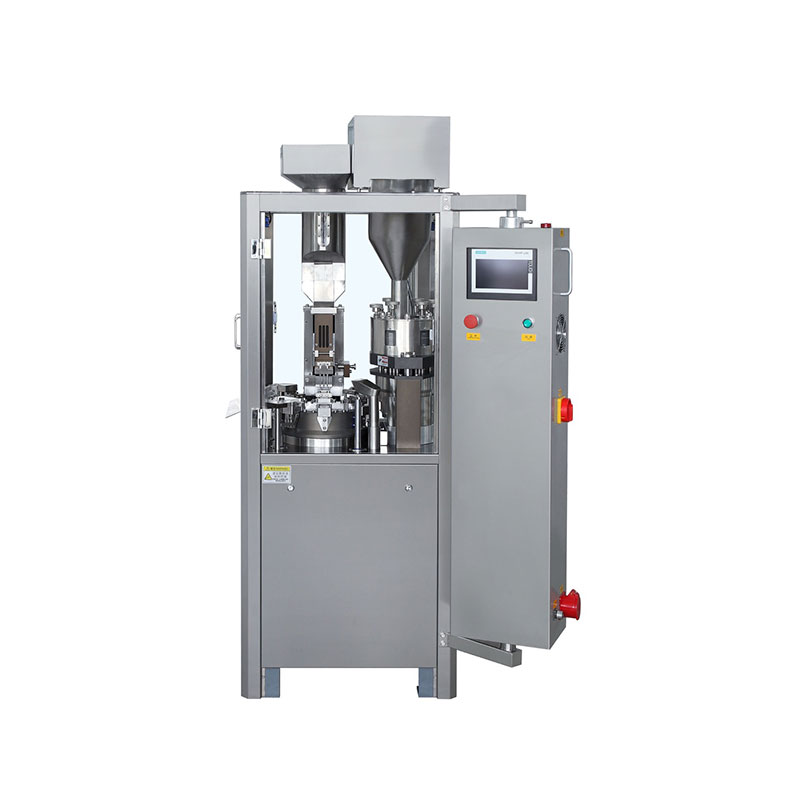 NJP-400 Fully Automatic Capsule Filling Machine
 -
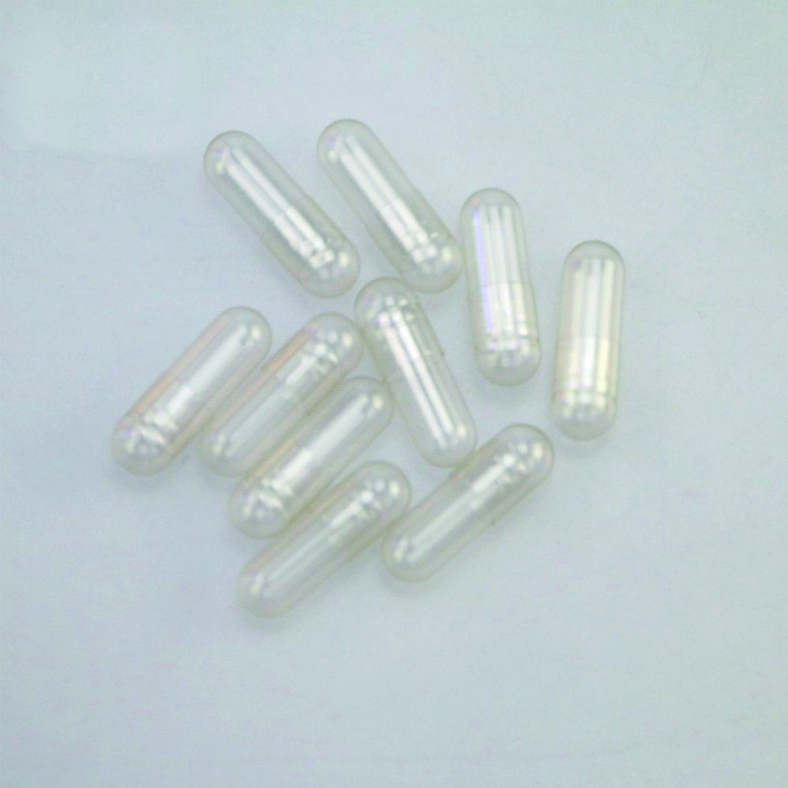 EMPTY HPMC CAPSULE SIZE 00 CLEAR
 -
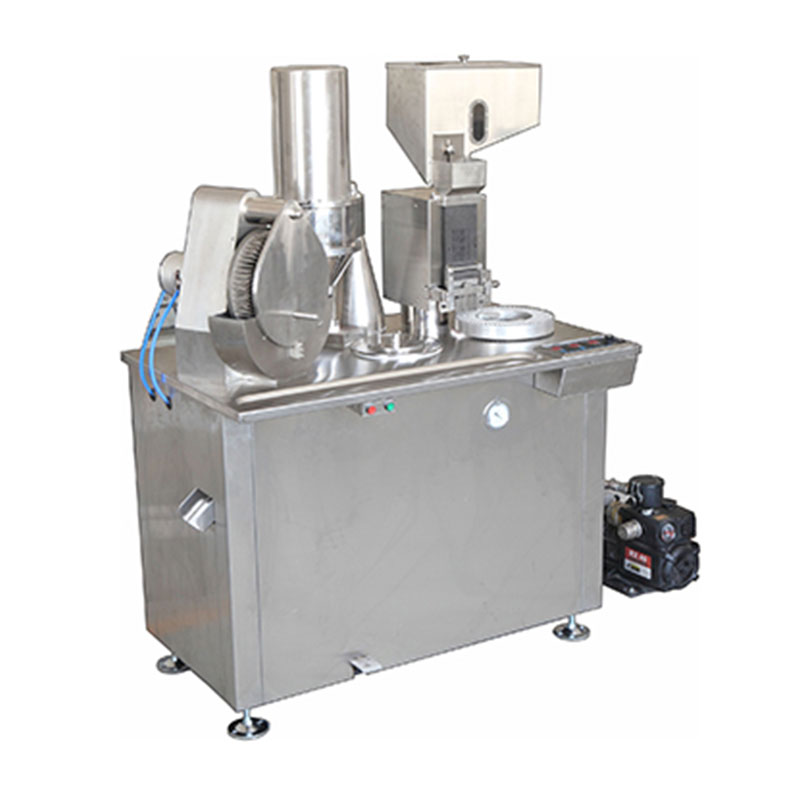 CGN208-D Newest Type Semi Automatic Capsule Filling Machine
 -
 Hpmc Capsules Product Plant Vegetarian Size 00 0 Capsule Shell
Related Search
Related Search- Discount hard gelatin capsule filling machine
- OEM DPP 260 Blister machine ALU/ALU
- OEM manual capsule filler size 4
- size 0 capsule filling machine
- the capsule machine 000
- high quality top rated capsule filling machine
- OEM empty veggie capsules
- Certificate 00 capsule machine
- Best capsule filling machine size 2
- OEM pill capsule filler